What Most People Get Wrong
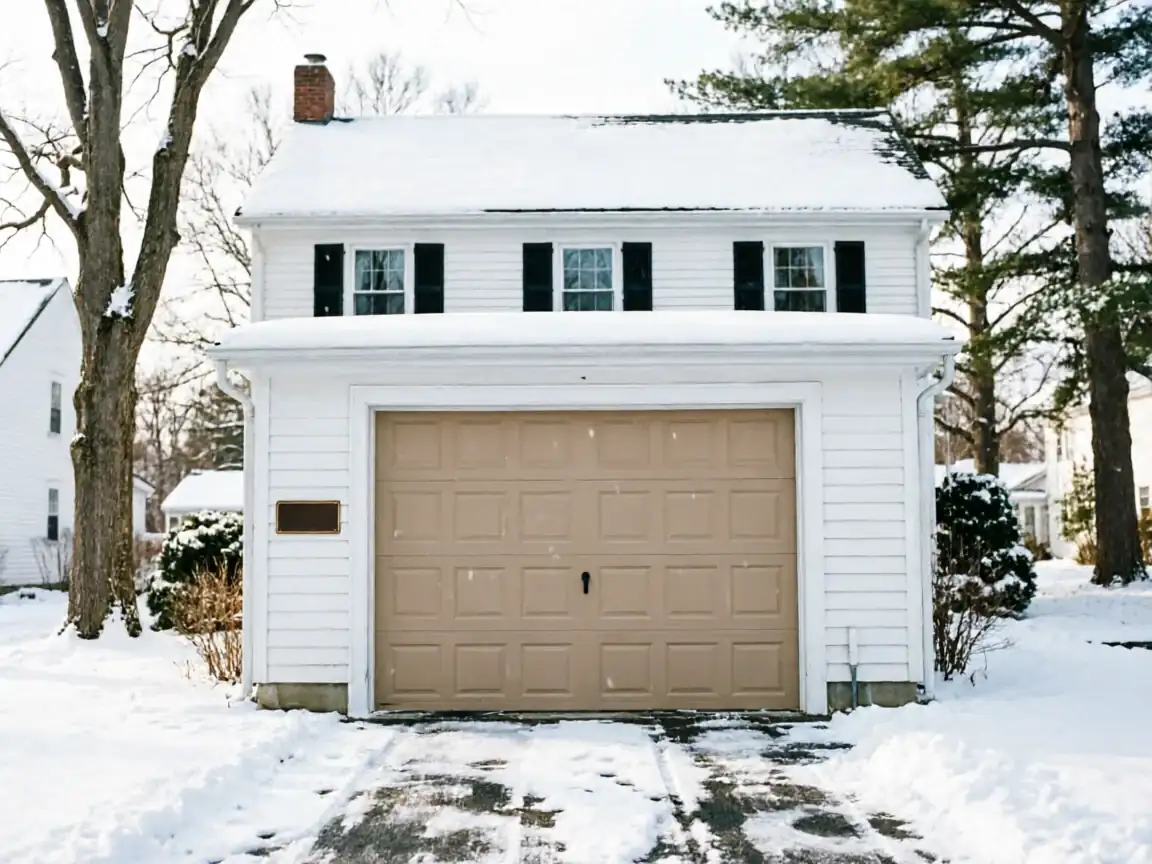
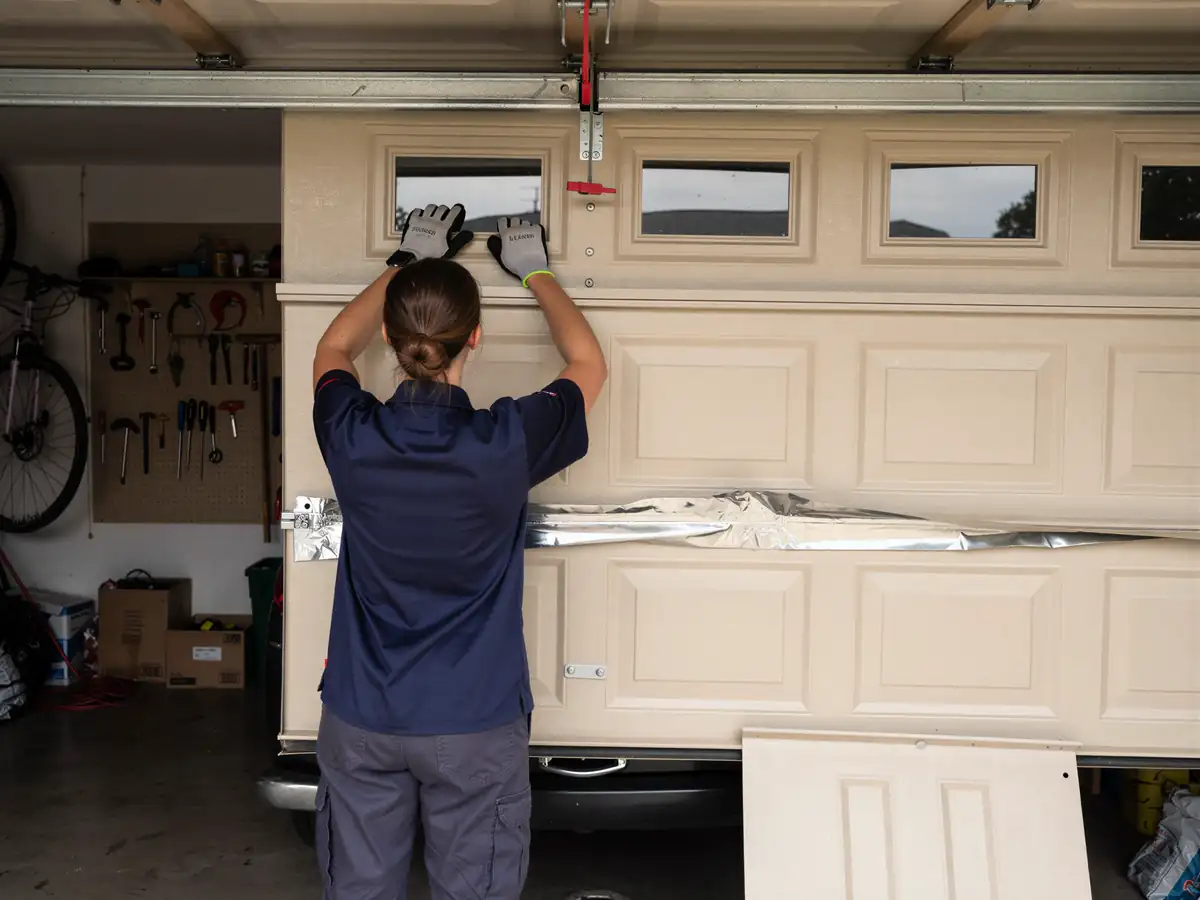
Most people walk into buying a replacement door the same way they'd buy an appliance: measure the opening, pick a size off a chart, done. That works fine in a subdivision where every house came out of the same plan book. It doesn't work the same way here. Housing in this part of the service area went up mostly between 1938 and 1996, with the median build year landing around 1964, and across the 116 named areas that make up this stock, the bulk of it is 1960s and 70s construction. Doors from that era were often sized to whatever the builder had on hand that month, not to a national standard. A door labeled 16x7 on the shelf might be close to your opening, and 'close' is where the trouble starts: shims that strain the track, a header that was never meant to carry a heavier insulated panel, hinges spaced for a lighter original door. The other mistake is assuming the old opening is square. After five or six decades of settling, most aren't, by enough that it matters when you're hanging something new and heavier. Get the opening checked before you order anything, not after.
What to Check
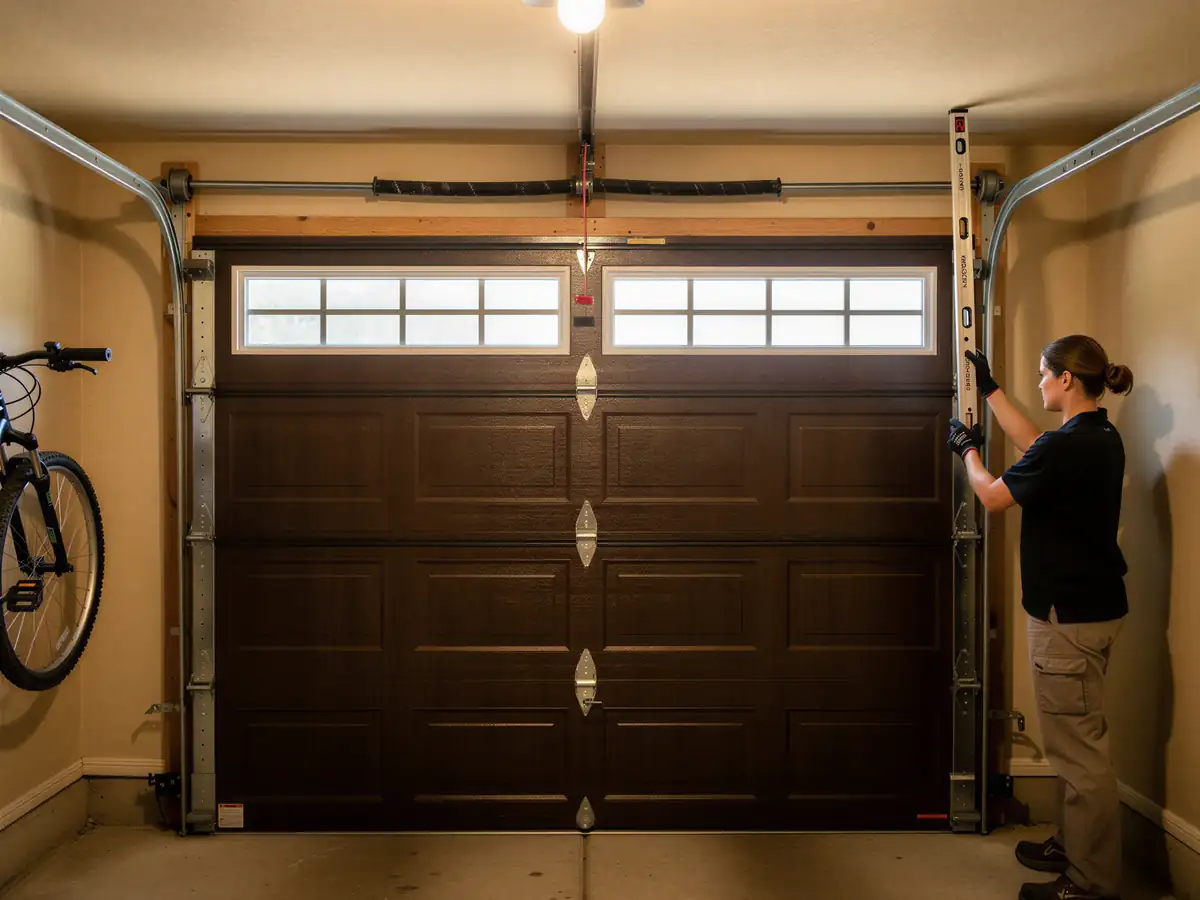
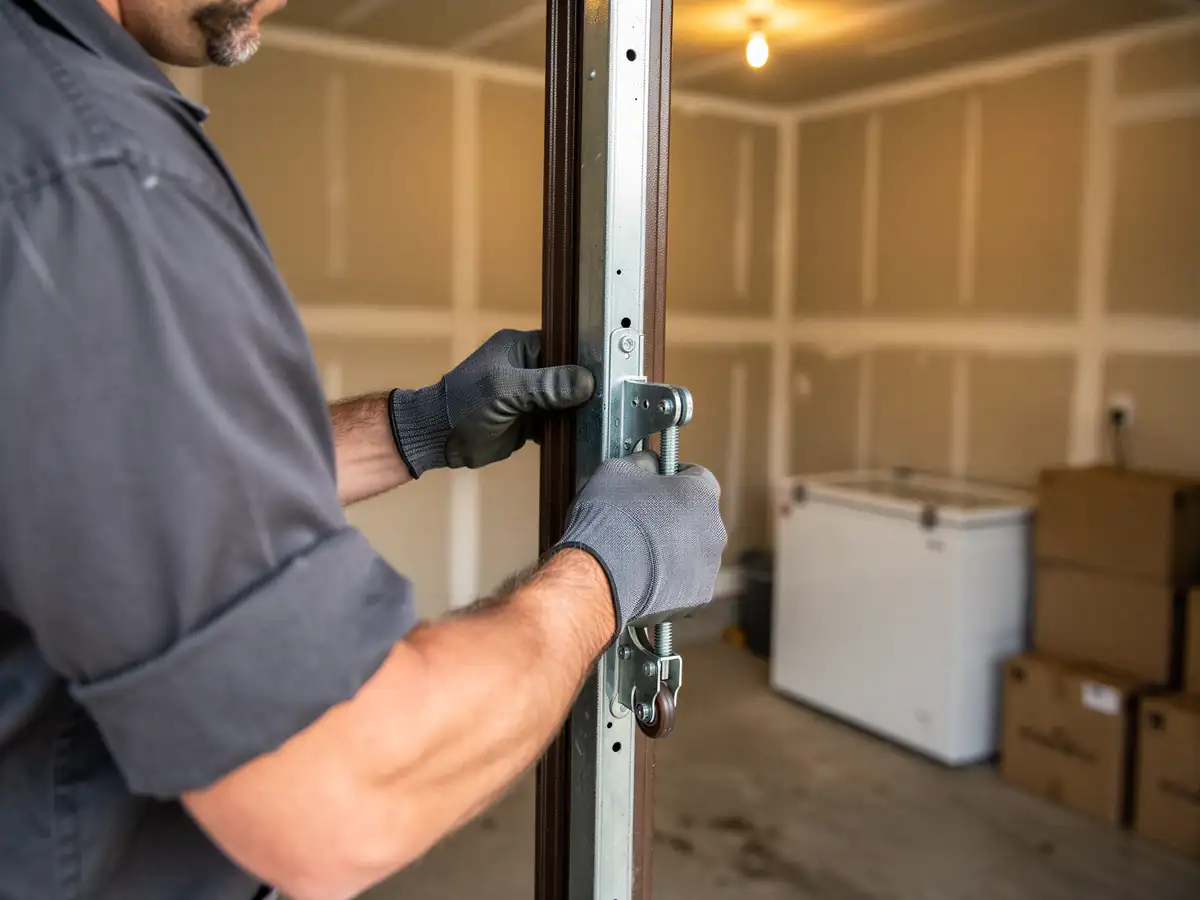
Before you order, measure three things yourself and write them down: rough opening width and height, headroom above the opening, and the depth of the garage from the door to the back wall. On a house built in the 1960s or 70s, that depth and headroom are frequently tighter than what a modern torsion spring setup wants, especially if the ceiling was ever finished. Check the track style currently installed too. Original one-piece doors on side-mounted hardware are common in this stock, and the replacement track for that setup isn't something every supplier carries off the shelf anymore. If your opening is original, bring actual dimensions to whoever you buy from rather than trusting a builder's plan number, because the number on a 1964 house often doesn't match what's really there after six decades of repairs. Also check what's framing the opening: wood jambs that have shifted or split won't hold new hardware the way a square steel jamb will, and that repair has to happen before the new door goes in, not after. One honest limitation: custom widths for older, non-standard openings usually take longer to get than a stock size, so build that lead time into your plan.
What Is Going On
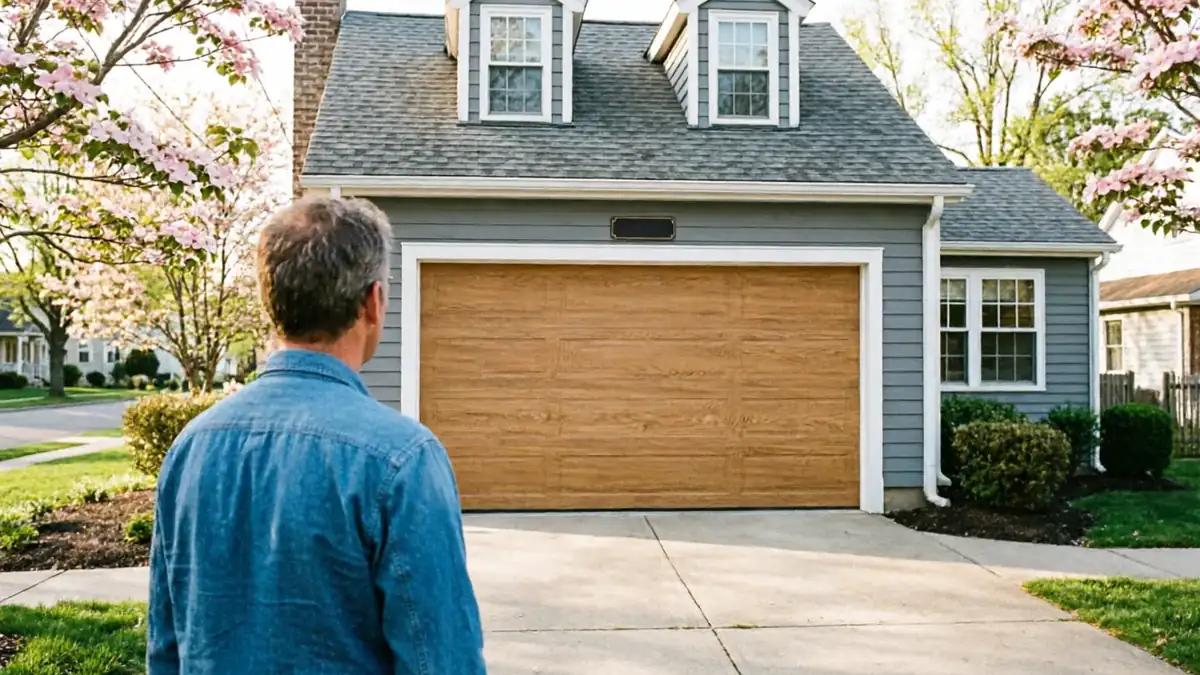
Zoom out and the picture is pretty consistent across this part of the service area: an older, cold-climate housing stock built mostly in one stretch of decades, owners who can generally afford to buy once and buy right, and a replacement door market that doesn't always match the two. With 242,332 owner-occupied houses across the broader service area and a median household income of $146,174, a lot of owners here aren't shopping on price alone, which is the right instinct for a door that has to perform through real winters for fifteen or twenty years. The same mid-century stock shows up in Dover, Kenvil, and Wharton a few miles off, and out to Succasunna, Rockaway, and Ledgewood, so the fit and sizing issues aren't particular to one block, they're particular to the decade these houses were built in. What's going on, mostly, is a mismatch between stock door sizing and stock housing from 1964, and the fix is measuring twice and asking for insulation and seal ratings in writing before you sign anything.