Doing It Yourself
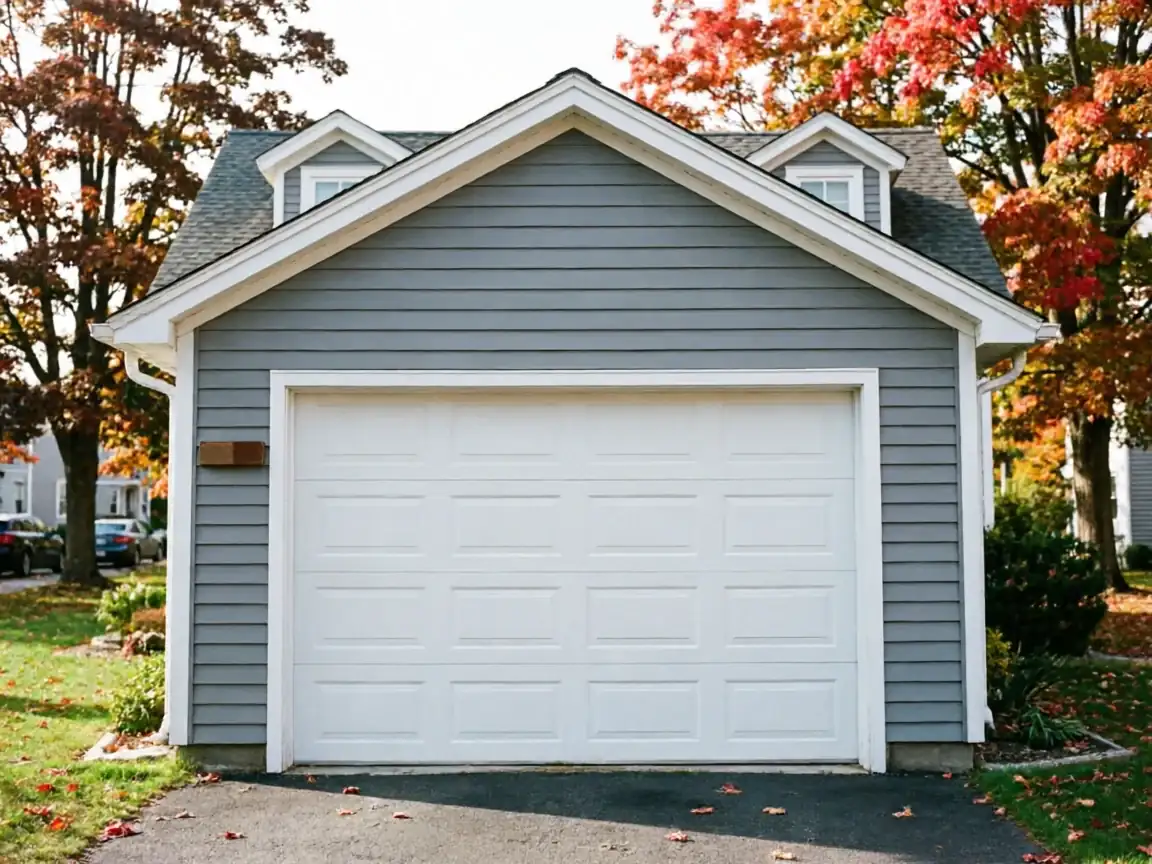
Randolph's housing stock runs mostly 1938 to 1996, with the median build year sitting around 1964. That matters for installation because a lot of these openings were framed for doors that don't exist anymore - odd widths, non-standard header heights, or track clearance that doesn't match what you'll find at a home center today. If you pull the old door yourself and order a replacement online, there's a real chance it doesn't fit the opening without framing work you didn't plan for.
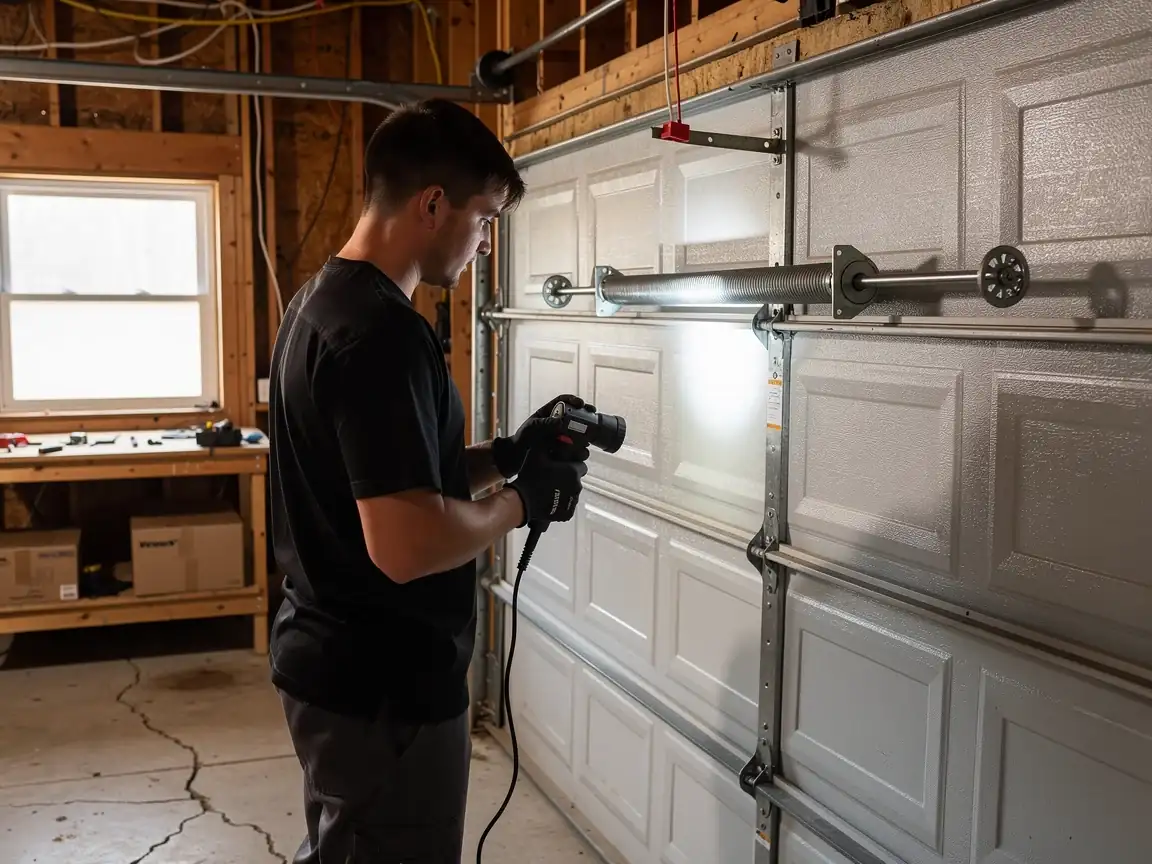
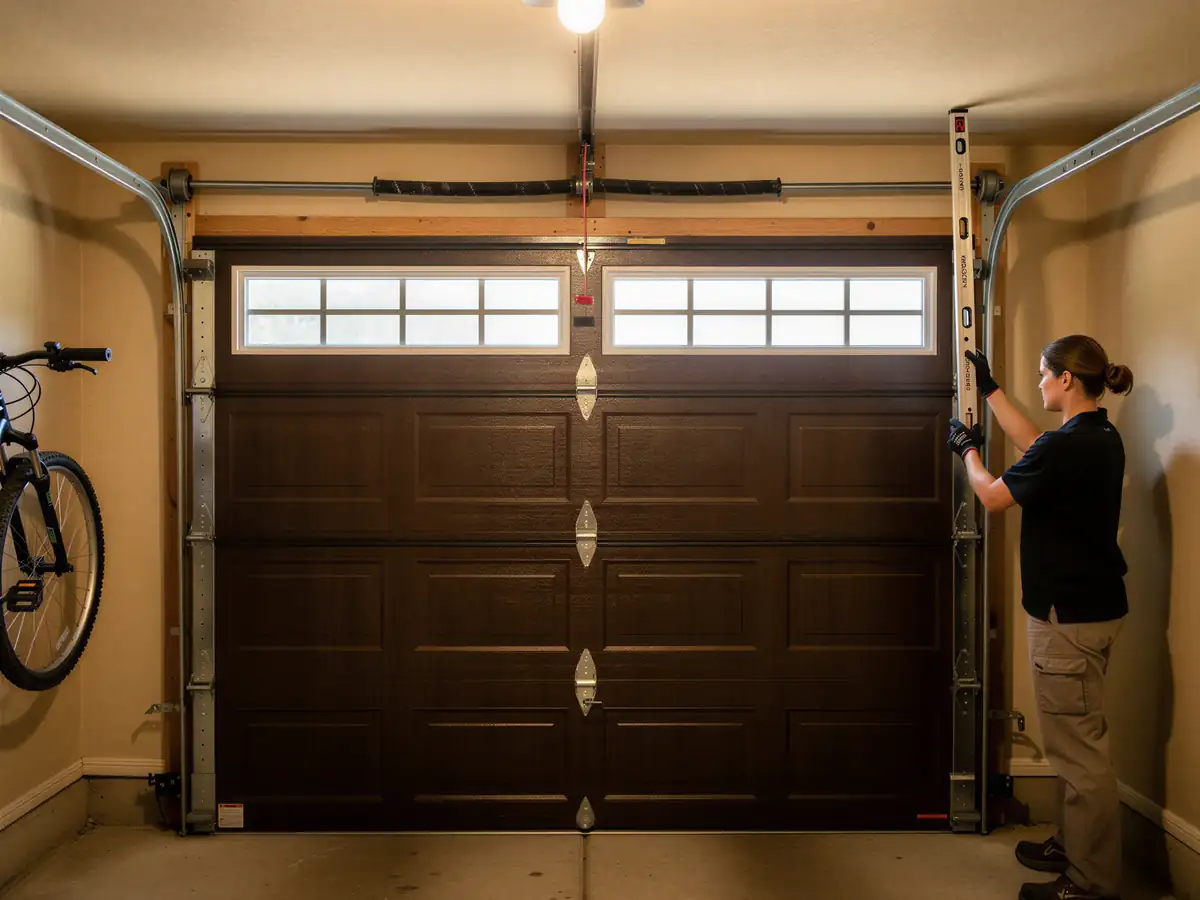
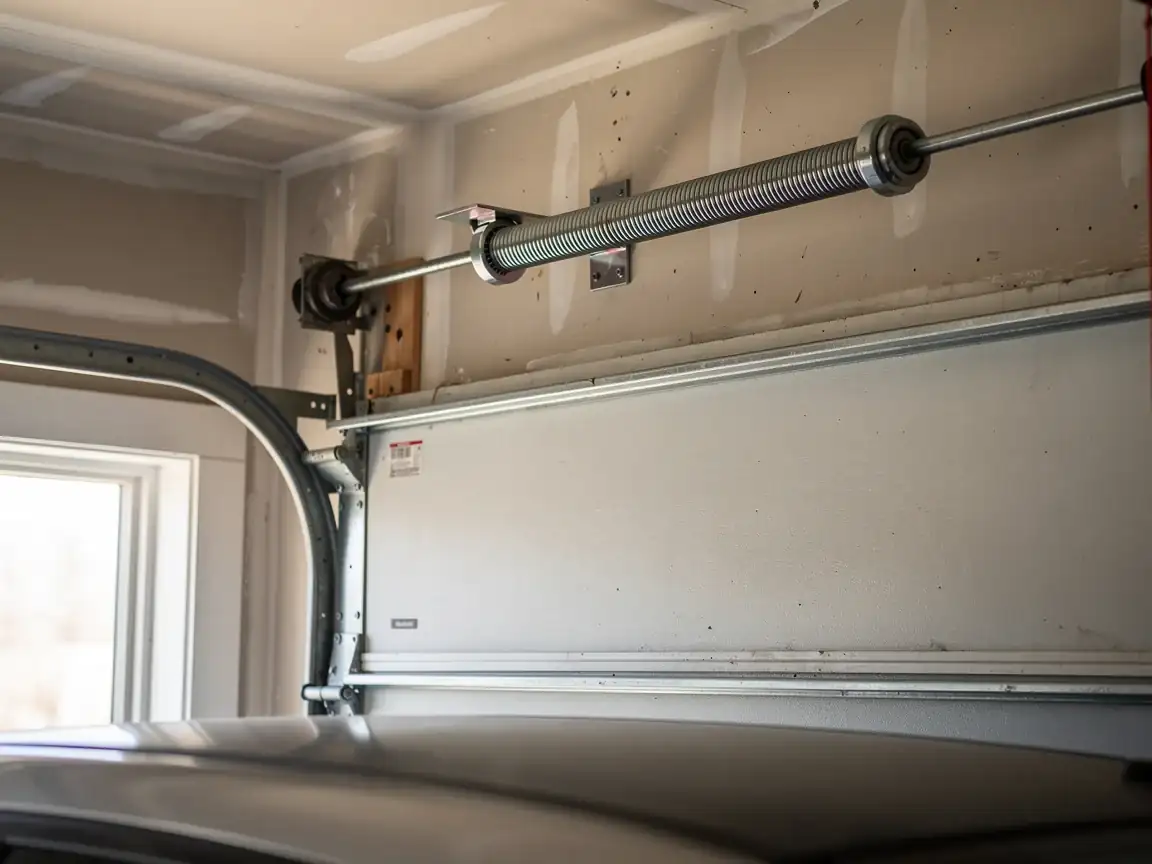
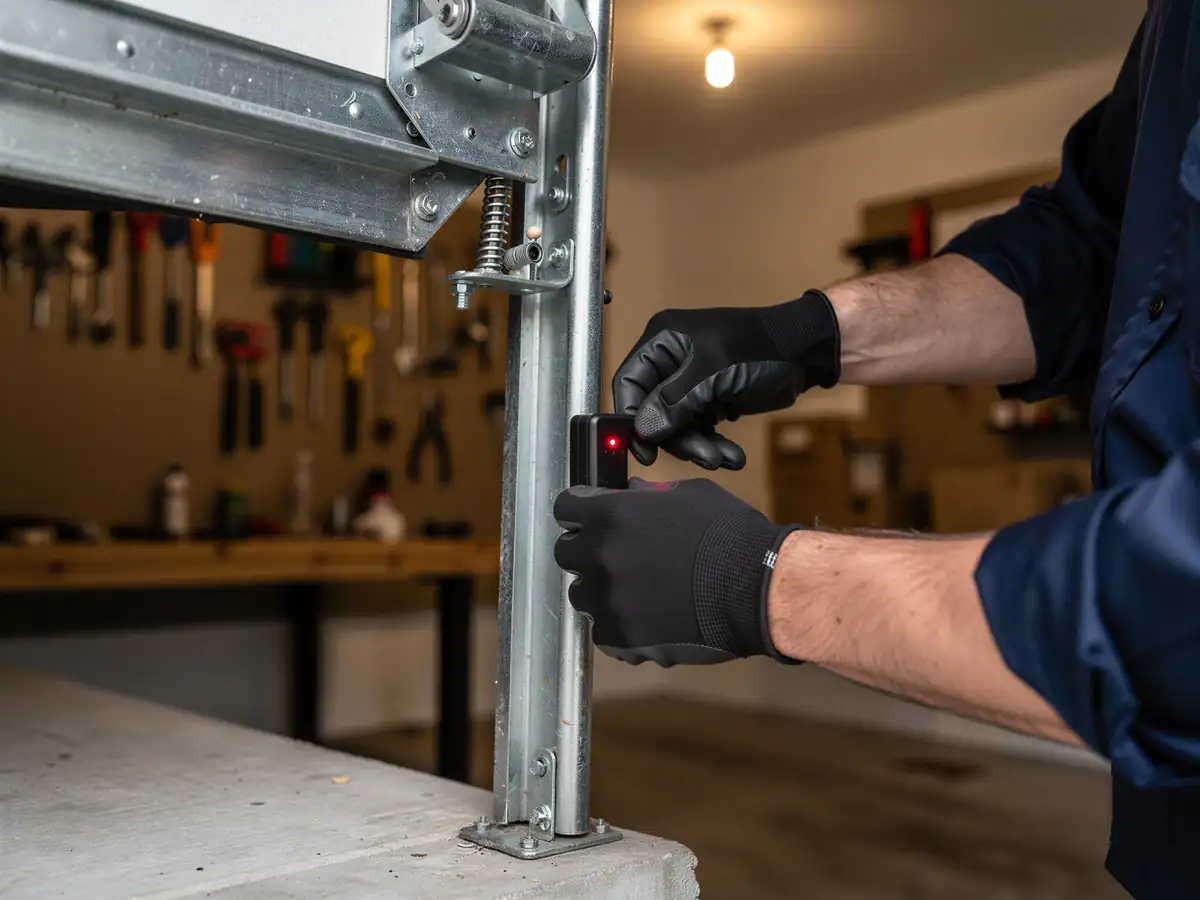
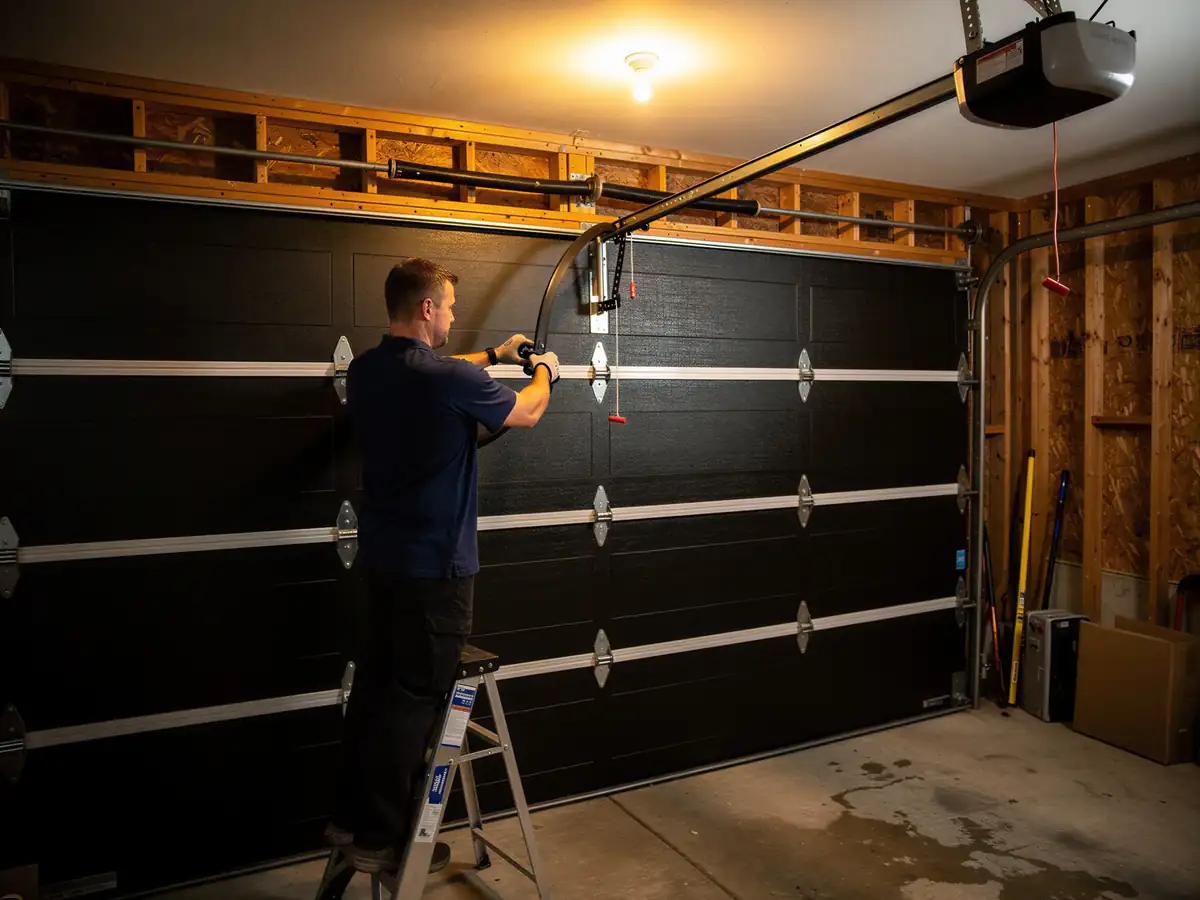
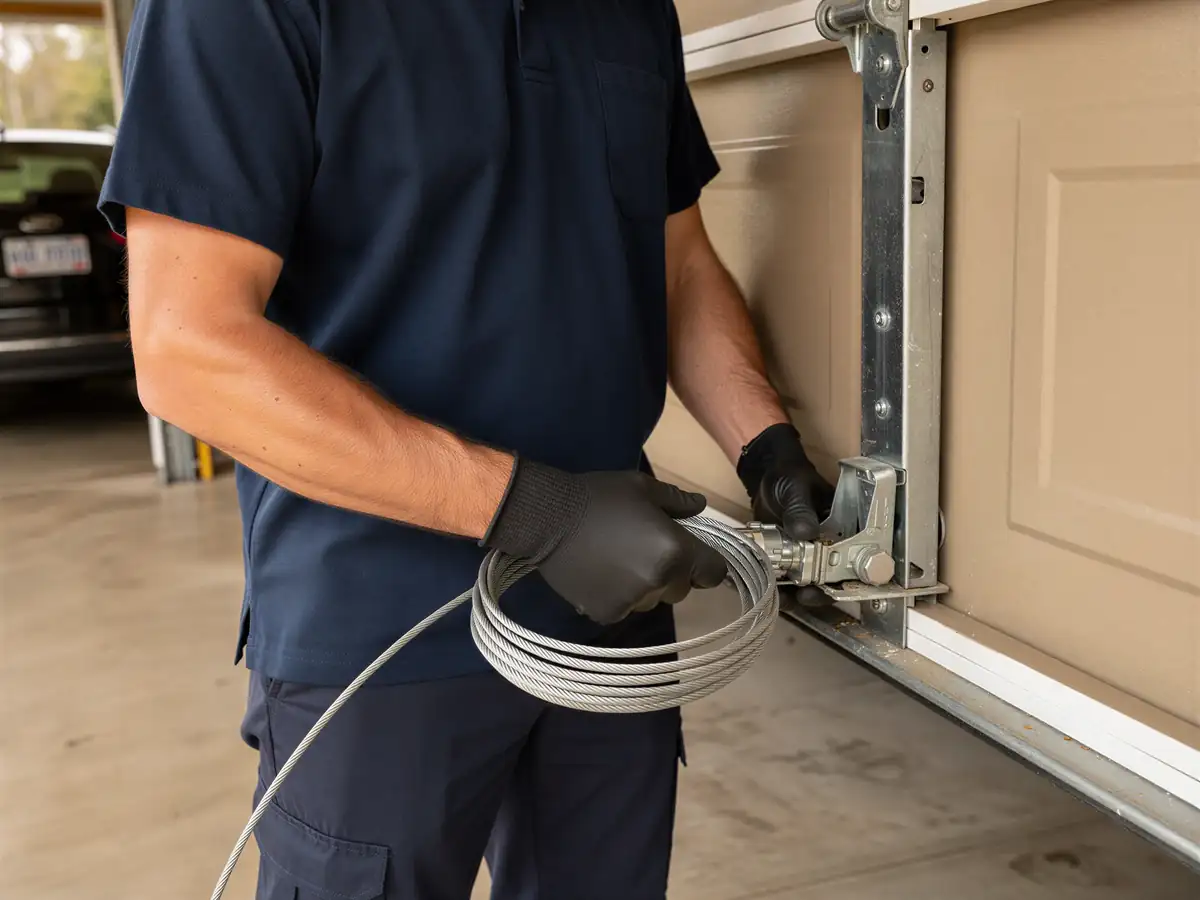
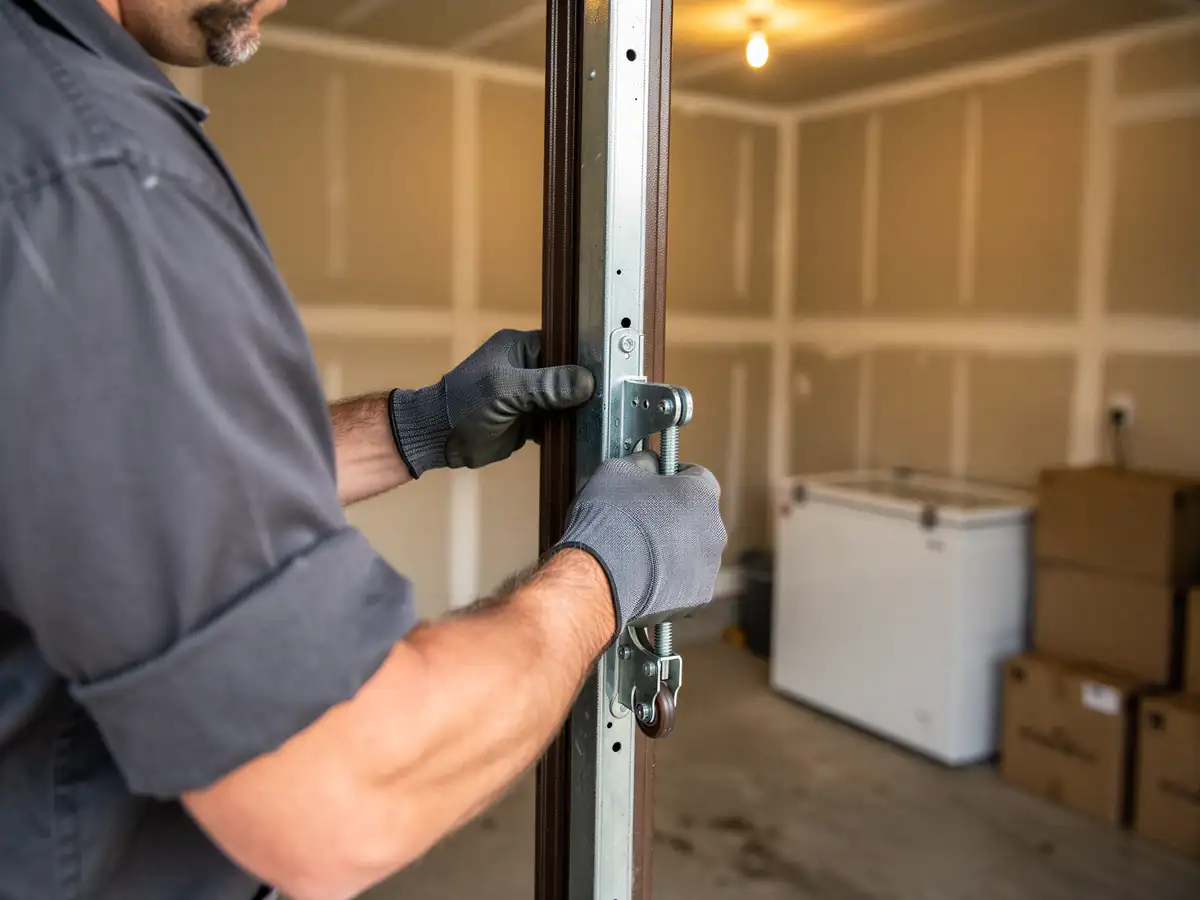
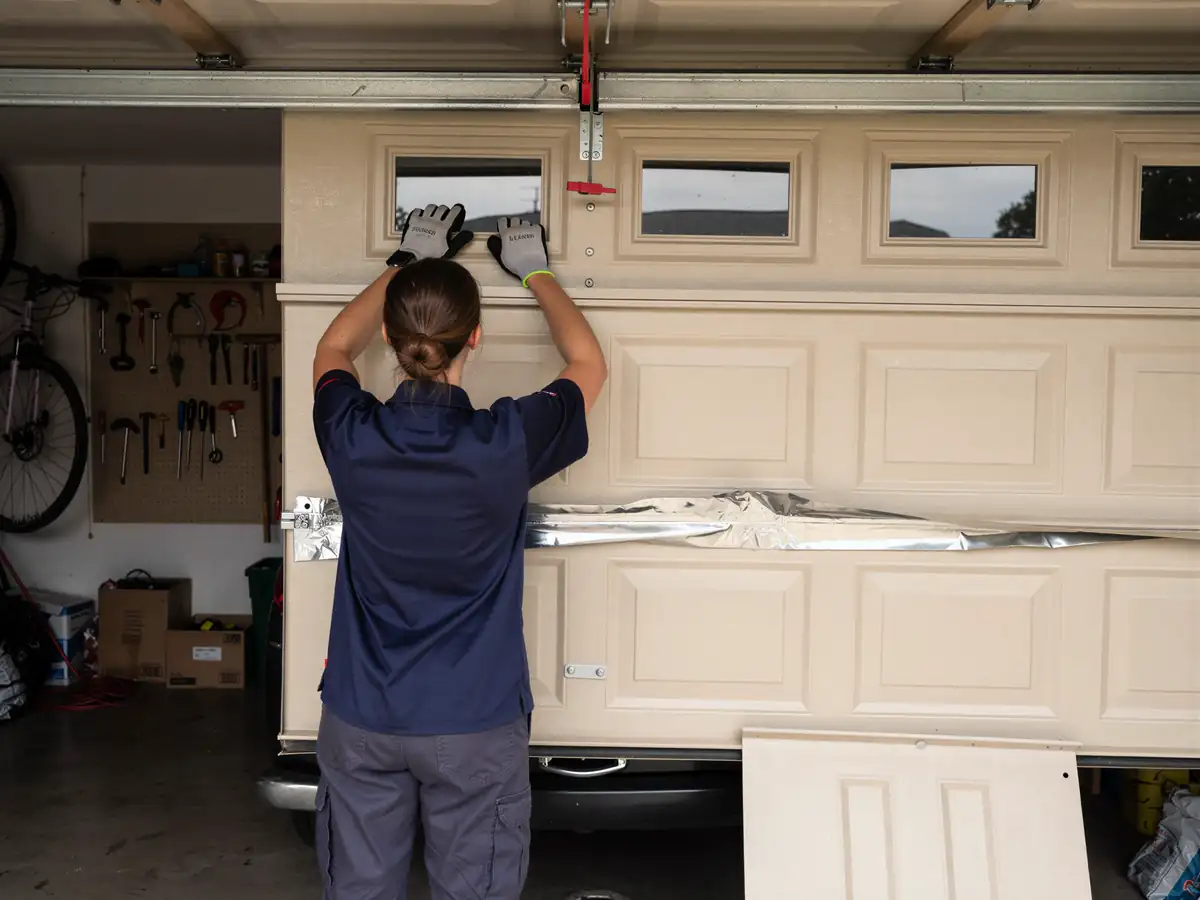
We've seen it go fine, too - if your opening is a standard 16x7 or 9x7 and the jambs are square, a handy homeowner can get a basic steel door hung in a weekend. The part that trips people up is the torsion spring system and track alignment, not the panel itself. Get those wrong and you've got a door that drops fast or binds halfway up.
Our honest limit here: we don't do the lowest-cost big-box doors some homeowners want installed, because the hardware packaged with them isn't rated for the cycle counts or wind load we'd sign off on in this climate. If that's what you're set on, this isn't the job for us.
How Long You Are Without the Door
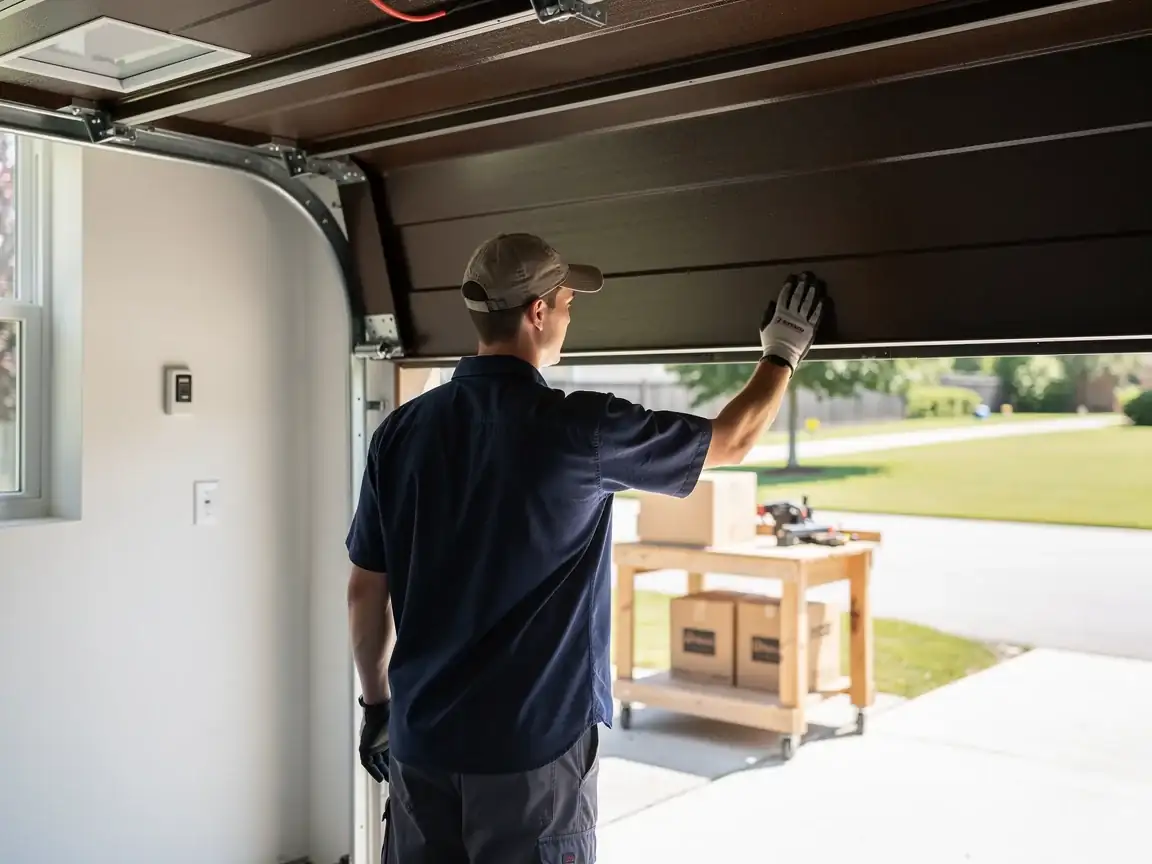
A straight swap - same size opening, new door on existing track and spring - is usually a one-day job. Add insulation retrofitting or a header repair because the old framing doesn't meet a modern door's mounting spec, and you're looking at a second day, mostly because materials for odd Randolph-era openings aren't something we carry on the truck for every size.
Winter adds its own delay. In a cold climate like this one, we won't set a door and walk away if the slab hasn't been cleared and dried - ice under the track during install is how you get a door that won't seat right the first cold snap after. That's not us padding the schedule; it's the difference between a door that lasts and one you're calling about again in February.
What Causes It Around Here
Most of the installation calls we get aren't from a door that broke overnight
They're from a door that was never built for this climate band to begin with. A severe cold winter puts steel through expansion and contraction cycles that a thin, uninsulated single-layer door from the 1960s or 70s was never engineered to handle well. Over fifty-plus years, the seams and panel seams fatigue, and the door that's hanging there now is doing a worse job sealing the garage than it did a decade ago.
With median household income across the service area at $146,174
A lot of Randolph homeowners are replacing a door before it fails completely, going for an insulated model that actually holds up against the cold rather than limping an old one along. That's a different conversation than an emergency repair - it's a planned upgrade, and it lets us spec the door to the opening instead of racing a broken spring.
How It Shows Up
The signs that it's time for installation instead of another patch repair: a door that's visibly sagging between panels, cold air you can feel along the bottom seal even with it fully closed, or hardware that's been welded and rewelded by a previous repair. On homes built in that 1938-1996 range, we also see openings where the track has been shimmed and reshimmed over the years to compensate for a frame that's shifted slightly - at that point, a new door on a true-set track solves problems a repair just keeps covering up.
If your door is still cycling smoothly, sealing well, and the panels are intact, you don't need installation - you need a tune-up, and we'll tell you that instead of selling a new door you don't need yet.