Doing It Yourself
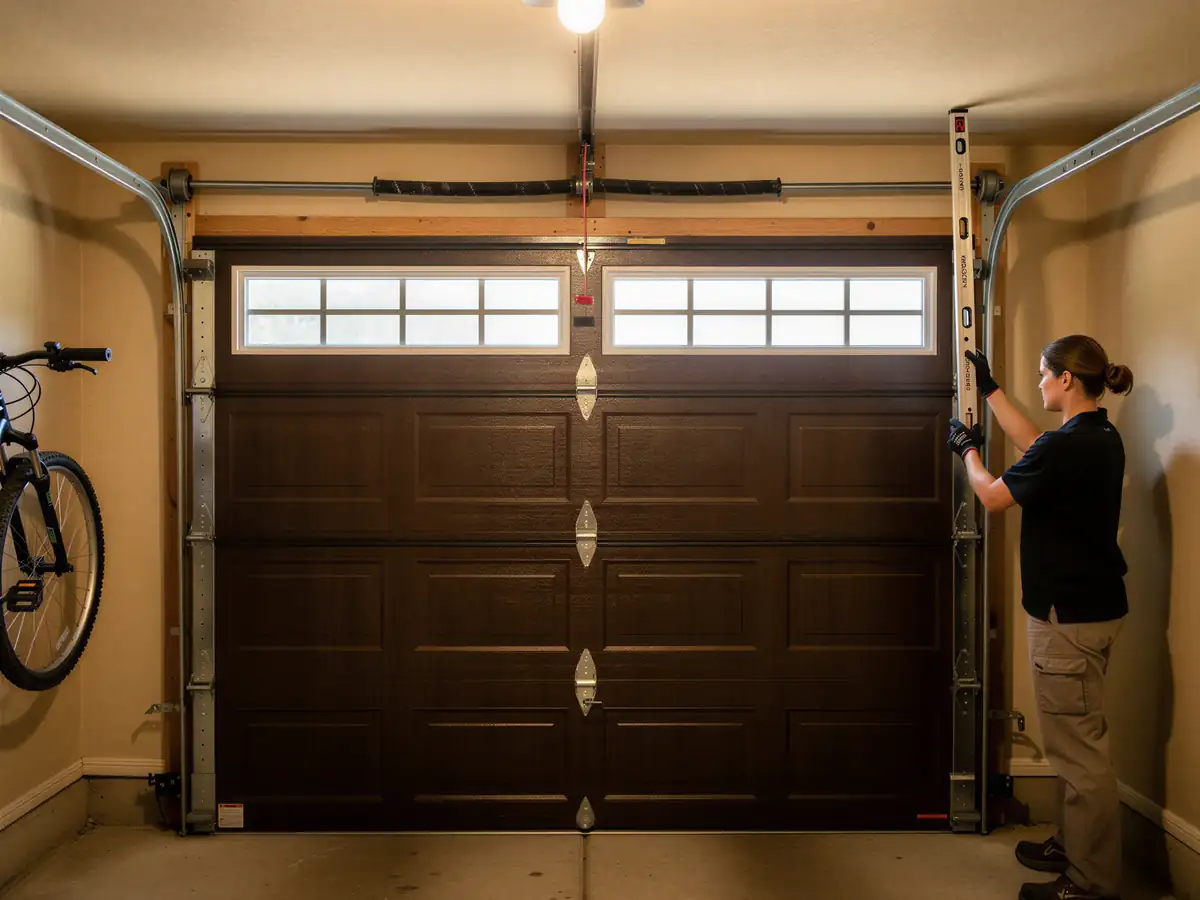
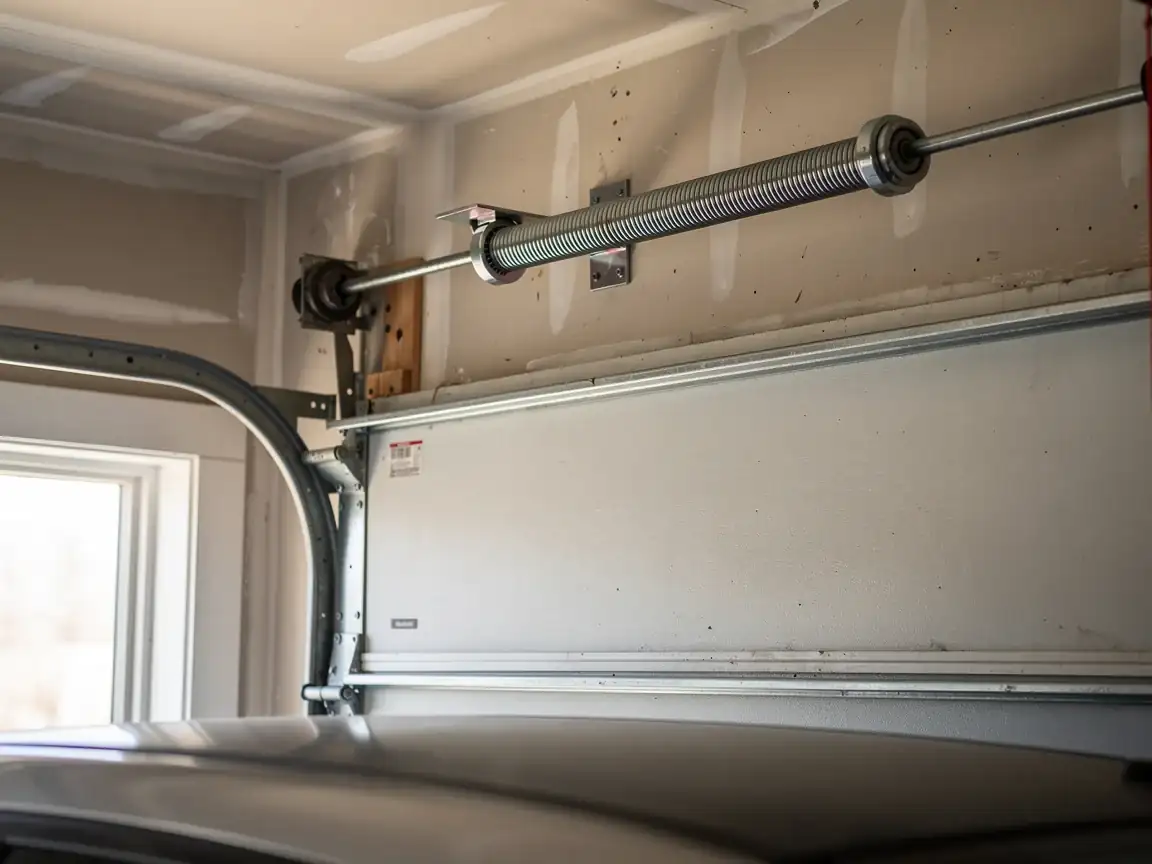
A snapped cable looks like a two-minute fix on a video, and it is not. The door is under spring tension, and a torsion spring on a double door can put several hundred pounds of pull on that drum and cable. Loosen the wrong bolt and the bar can come off the bracket fast enough to break a hand.
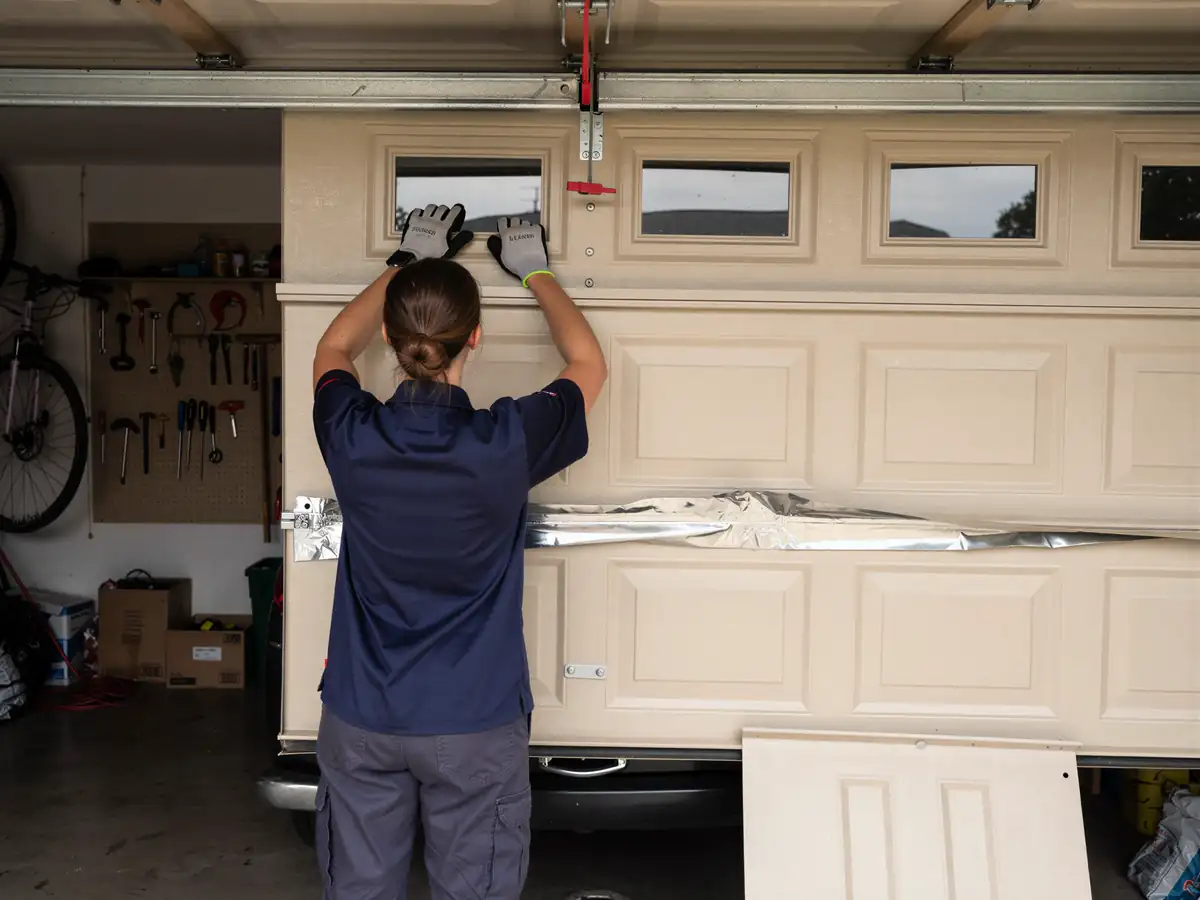
What you can safely do yourself: pull the emergency release, get the car out if you need to, and leave the door down. Don't try to lift it by hand once a cable has let go on one side, because the door will hang crooked and the other cable is now carrying load it wasn't built for. Don't clamp the track or wedge anything under the panel to hold it level.
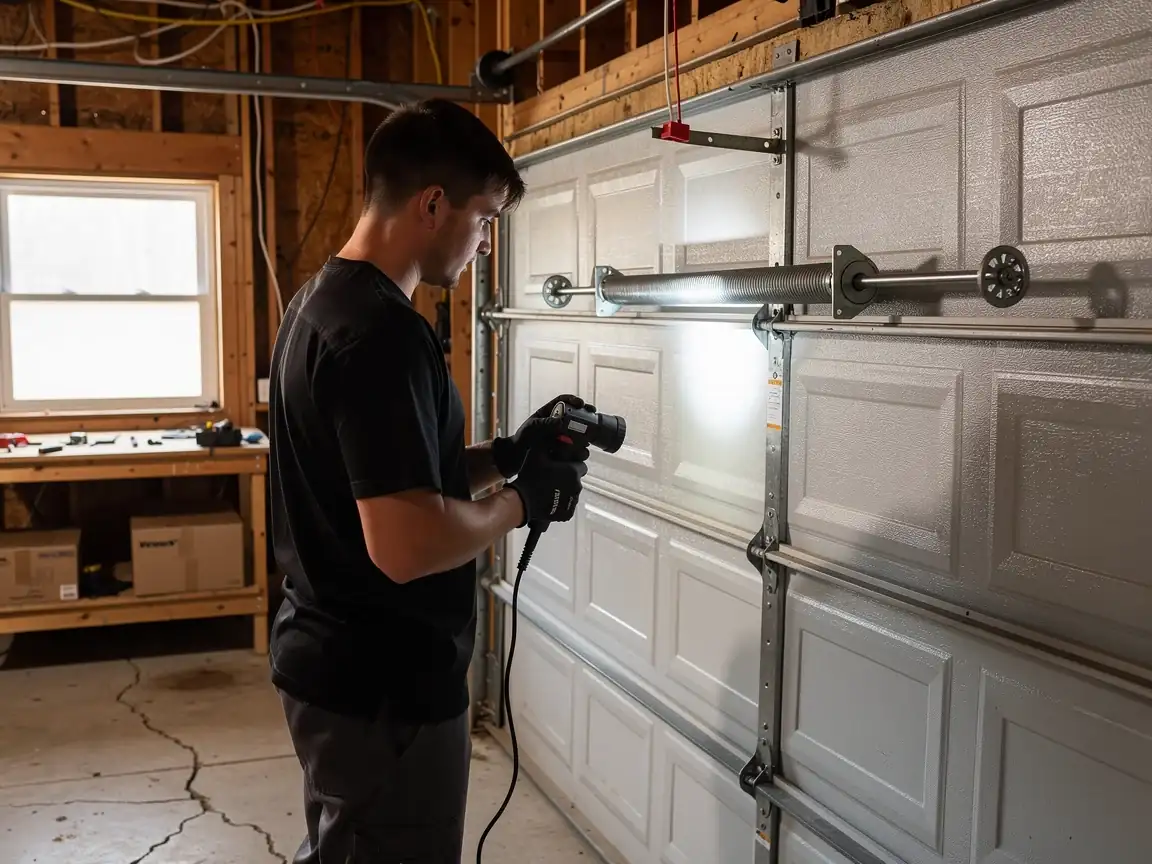
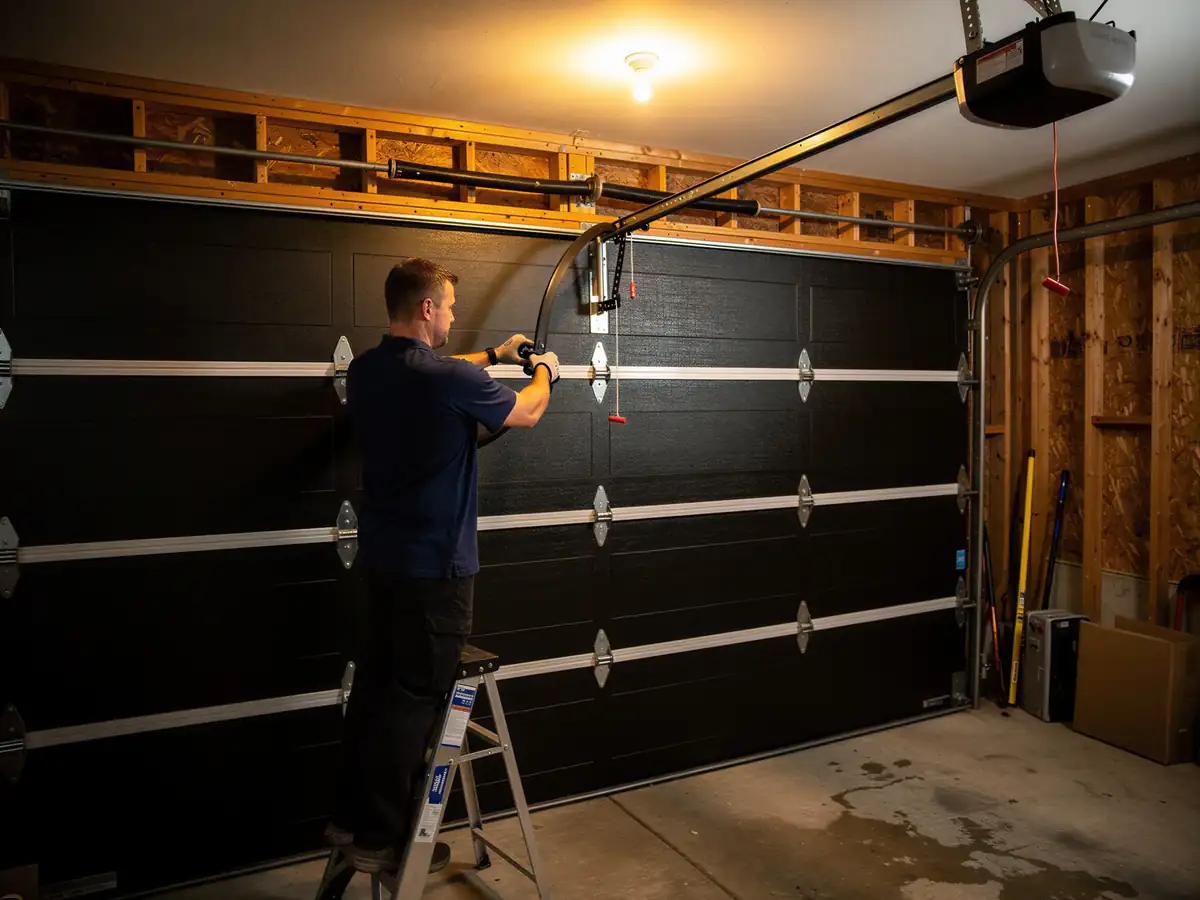
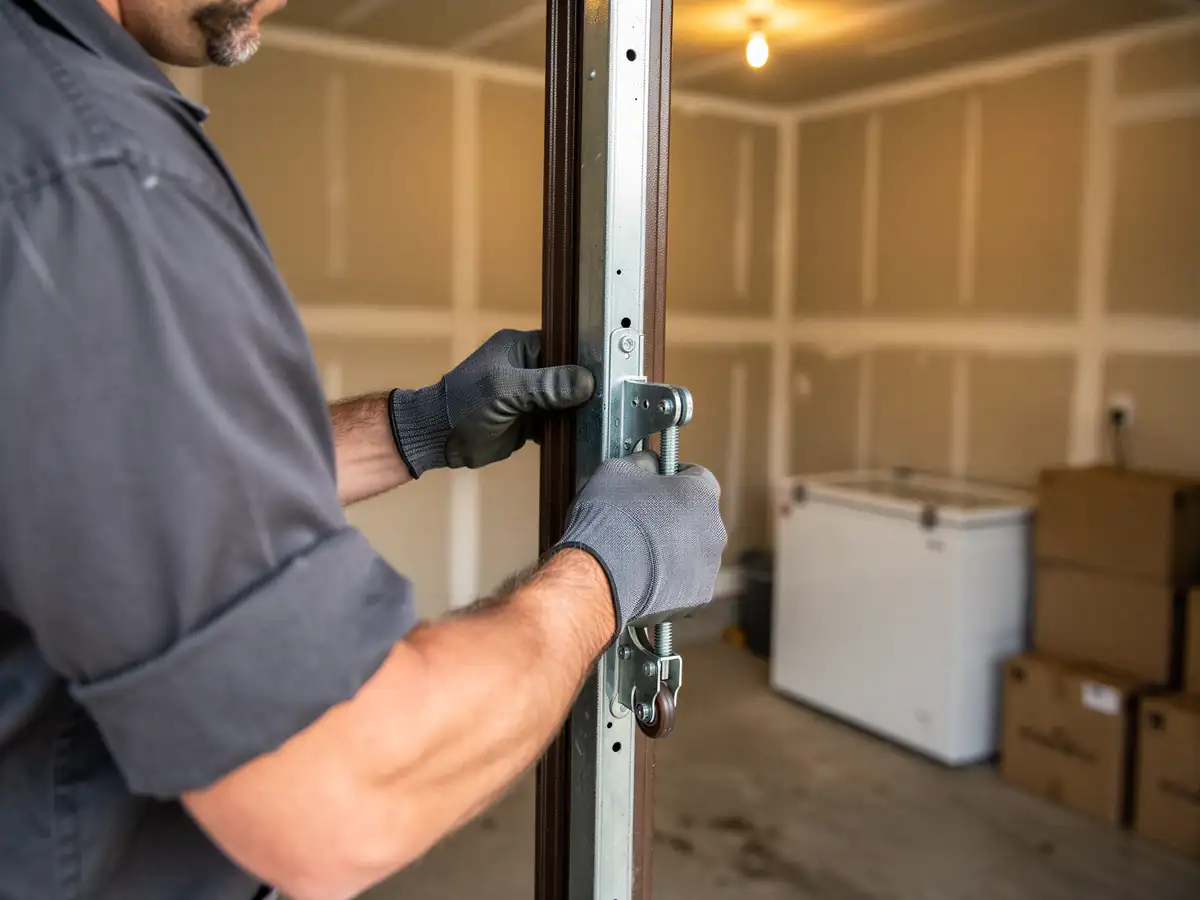
We'll say the honest part up front: cable swaps on a wound torsion spring are not a homeowner repair. If the spring is still charged, you need winding bars and a way to hold tension while you work, and the cable has to seat correctly in the drum groove or it'll jump off under load again within days. This is one of the jobs where the parts cost is small and the way to get hurt is large. Call it in.
How Long You Are Without the Door
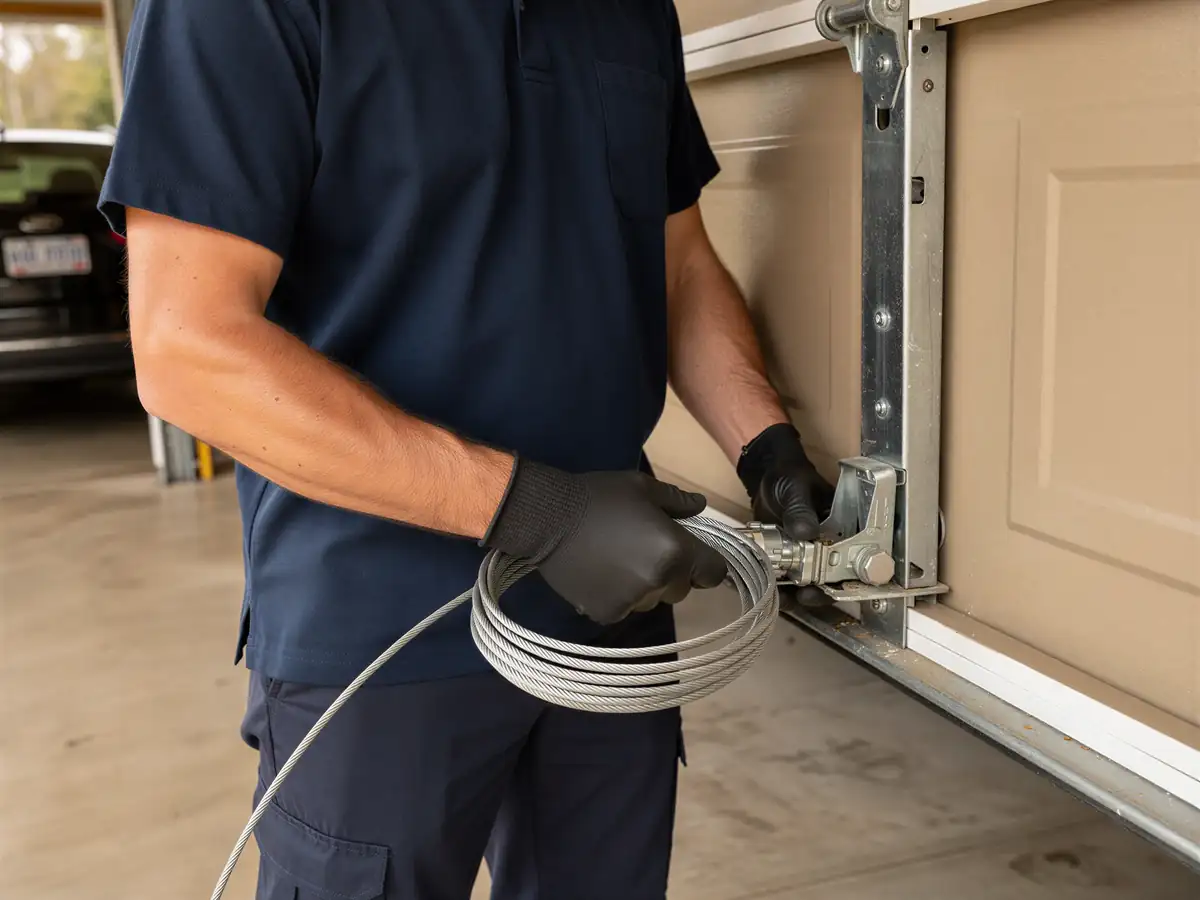
Most cable jobs on a standard double or single door run a single visit, start to finish, once a truck is on site with the right gauge cable and drums for your hardware. The slower part is usually matching the drum and cable combination on an older torsion setup, since the sizing on doors from the 1960s and 70s stock common in this area doesn't always match what's on the shelf for newer builds.
If both cables have gone, or the drums are worn enough that they won't hold a new cable true, that's a longer job than a single snapped cable on one side. And if the cable failure took the bottom bracket or a roller with it, which happens when a door comes down off-track, that adds parts and time.
We don't give a number here because it depends on what's actually on your door when we open the panel, not on what town you're in.
What Causes It Around Here
Housing in this part of Morris County mostly went up between 1938 and 1996
With the median closer to 1964, and a lot of those doors are still running the torsion hardware that came with the house. That hardware wasn't built to be replaced piece by piece forever. The cable is galvanized aerospace wire, and it's rated for a service life, not forever use, and on a door that old the drum groove has usually worn enough to chew at the cable in one spot every cycle.
The climate does the rest
This is a cold-severe band, and steel cable loses flexibility in hard winter cold the same way an old rubber hose does. A cable that's already fraying from drum wear will often finally let go on the first deep cold snap of the season, not in July, because the cold makes a weak strand brittle instead of just worn.
Salt and moisture off a plowed driveway splashing onto the bottom bracket area doesn't help either
Though that's a slower corrosion story than a sudden snap.
How It Shows Up
The clearest sign is a door that won't move at all, or one side that drops a few inches lower than the other when you try to open it. Sometimes you'll hear the snap itself, a loud bang from the garage, often right after a cold night.
Before full failure, cables usually give some warning if you know what to look for: visible fraying where the cable wraps the drum, a door that shudders or jerks partway through its travel, or one cable that looks slack compared to the other when the door is closed. A door that's started to hang slightly crooked in the opening is also worth a look before it fails outright.
We work across this corner of New Jersey, including Dover, Kenvil, and Wharton close by, out through Succasunna, Rockaway, and Ledgewood, and further out toward Morris Plains, Denville, Mendham, and the rest of the towns we cover. The housing stock and the winters are similar enough across that whole stretch that the failure pattern doesn't change much from one town to the next, even if the house does.