Doing It Yourself
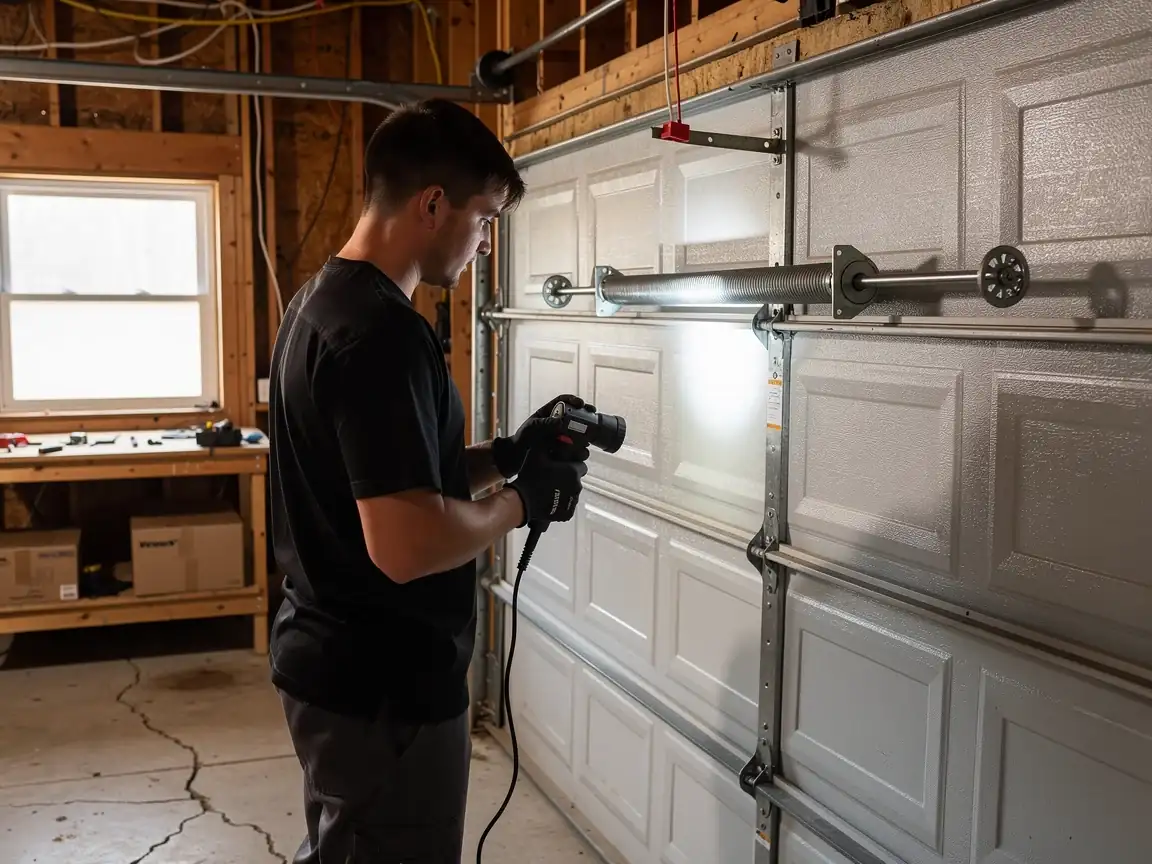
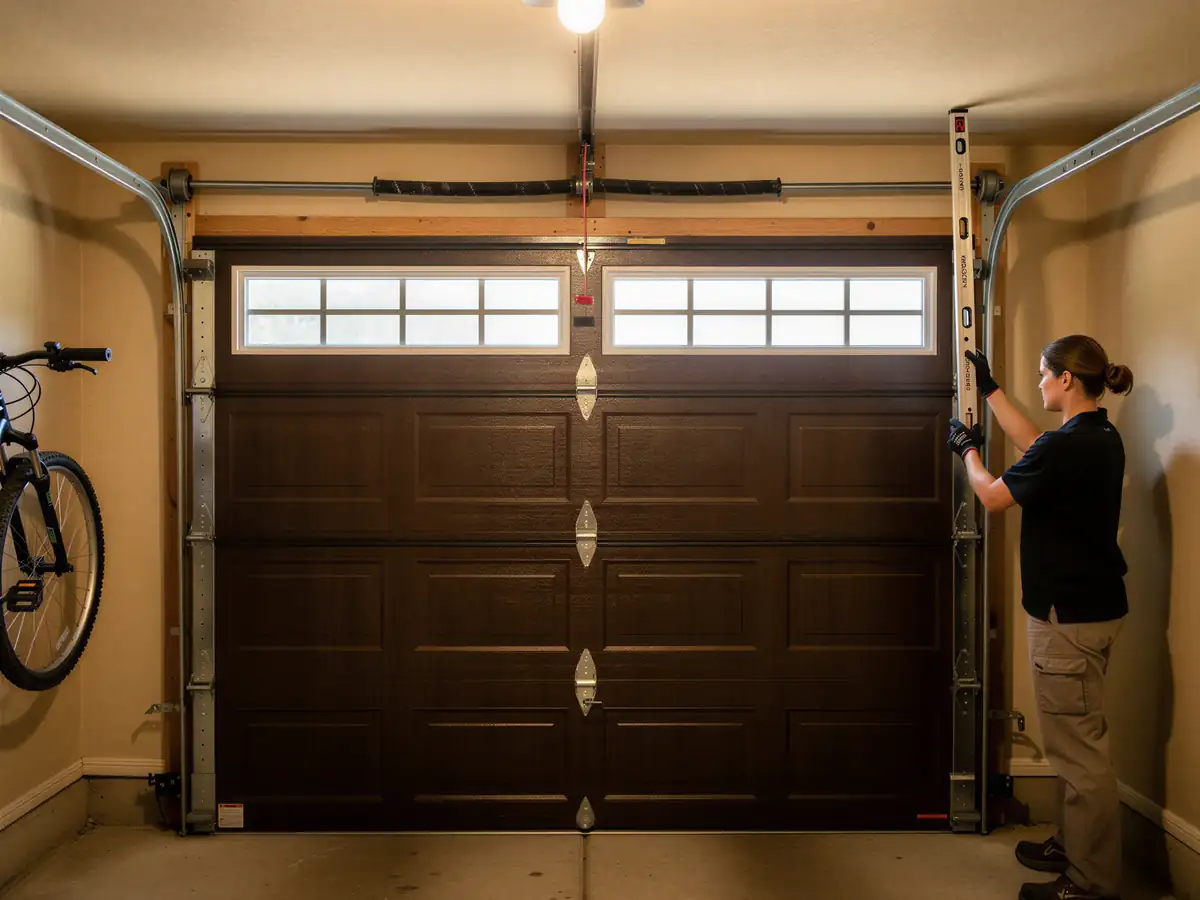
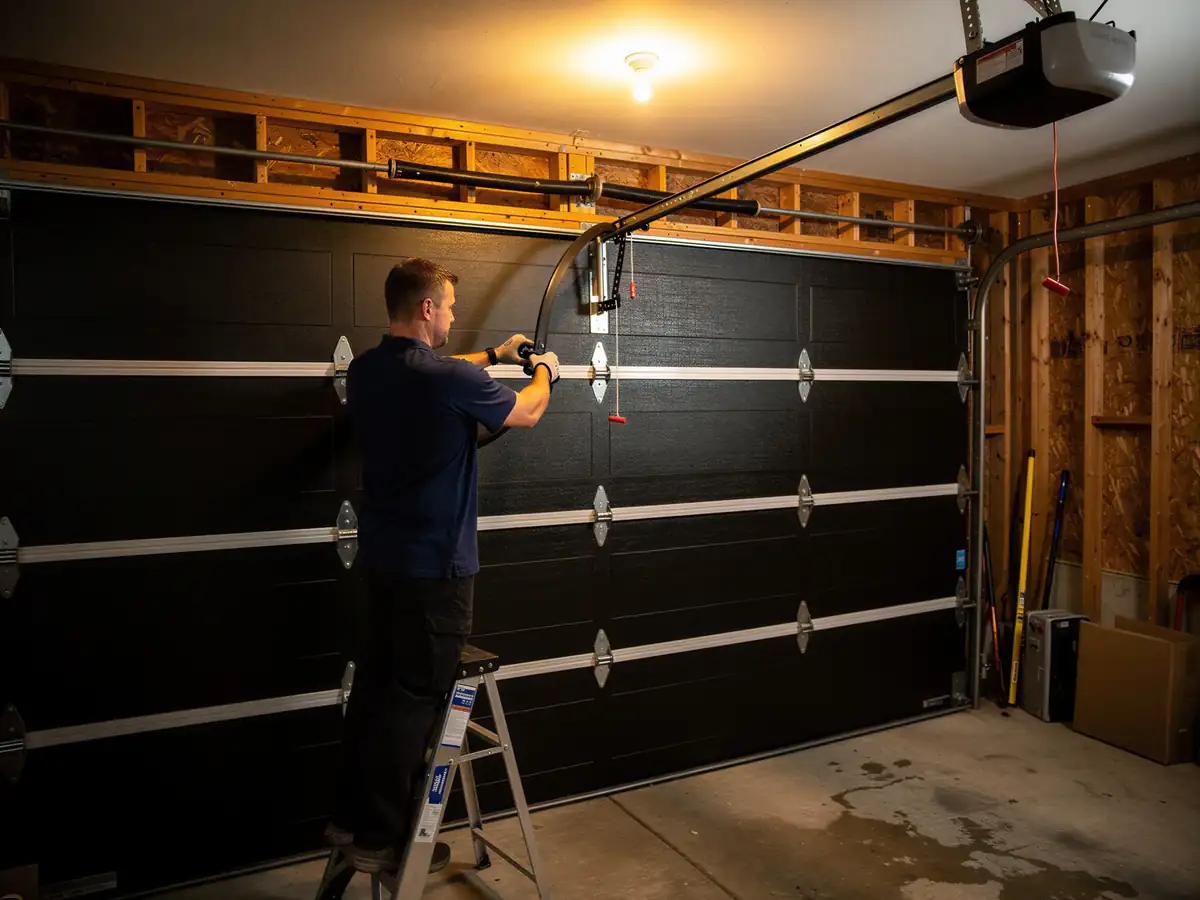
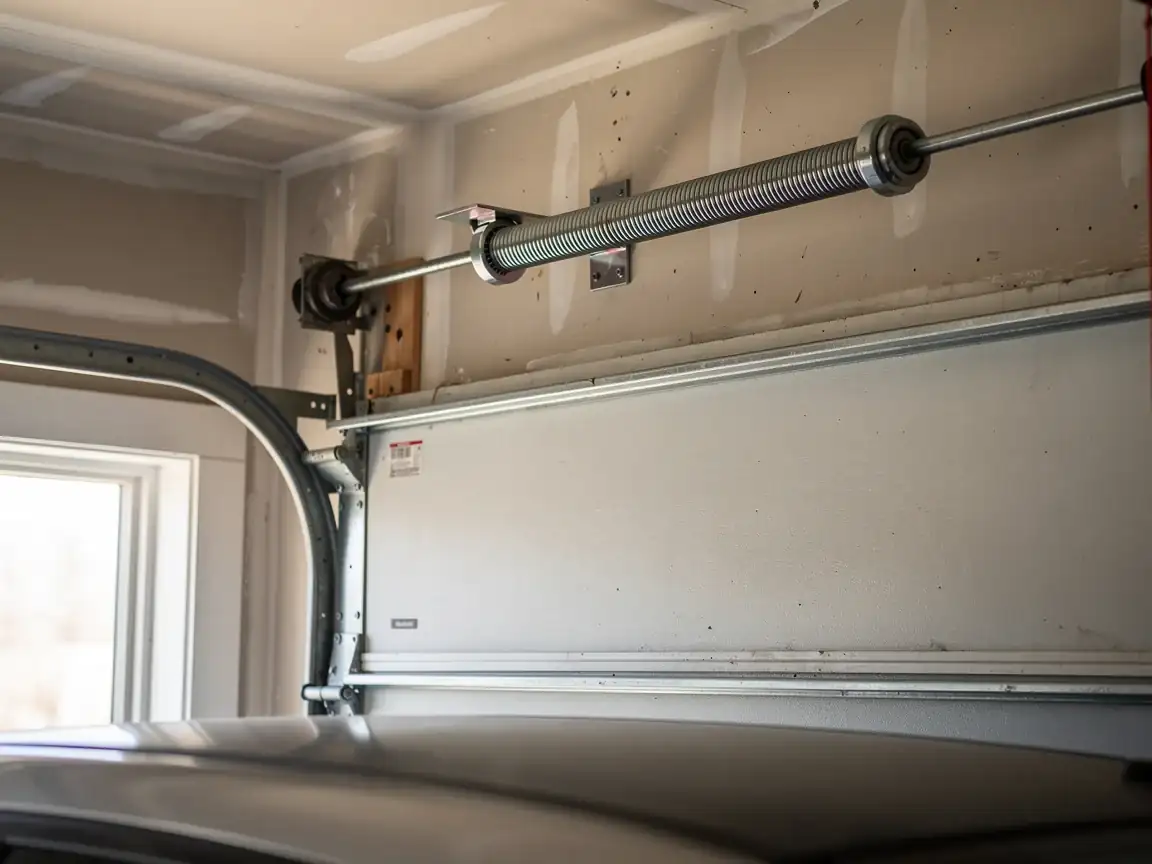
A torsion spring holds the entire weight of the door wound into a steel bar over the opening. On the older hardware common in this area, the winding cones were never designed for a homeowner with a pair of wrenches and a Saturday afternoon. If the spring lets go while you're adjusting it, the bar can spin hard enough to break a hand or worse. That's not a scare tactic, it's just how the physics of a wound spring works.
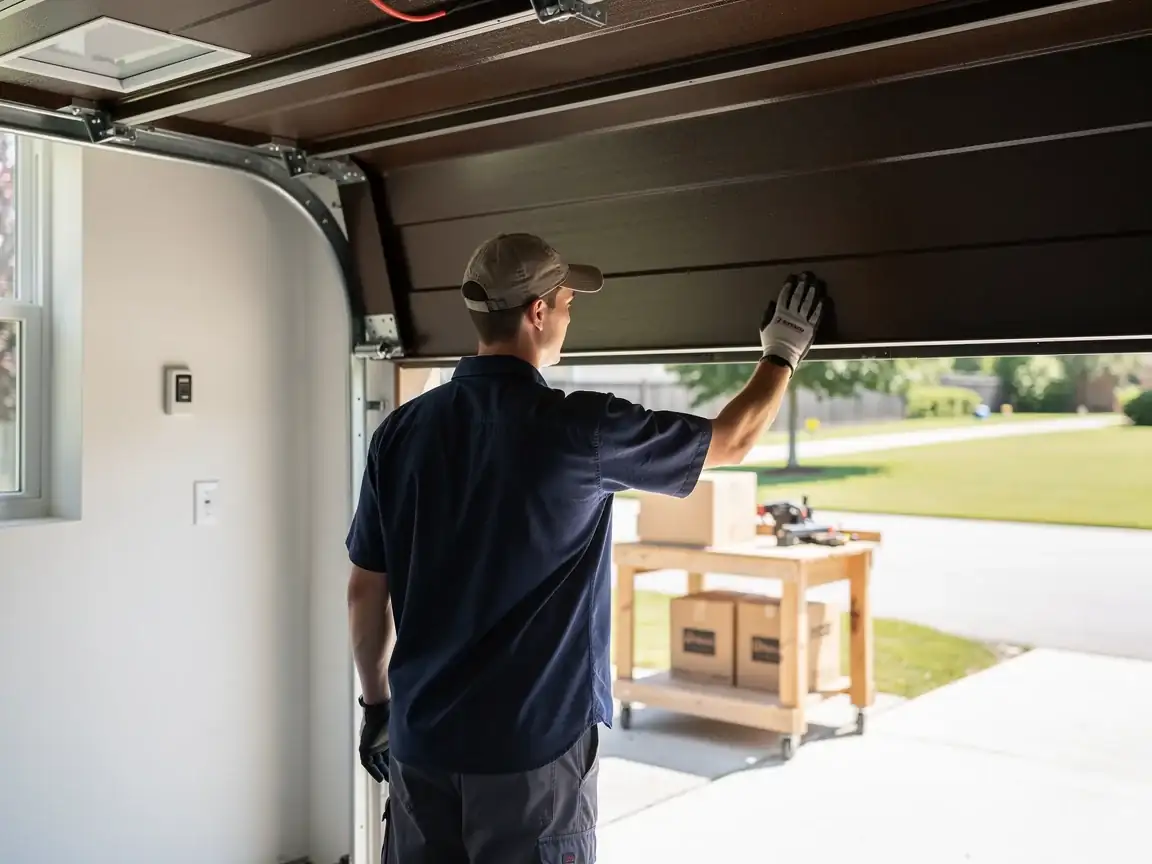
What you can safely do yourself: check the tracks for visible rust or bent sections, listen for grinding at the rollers, and watch the door's balance by disconnecting the opener and lifting it by hand partway. If it doesn't hold still at waist height, the spring is tired. That's your sign to call rather than start winding cones.
One honest limit here: if your opener and track hardware are both original to a house built before the 1980s, we often can't just swap the spring and call it done. Matching obsolete drum and cable sizing sometimes means replacing more of the system than the homeowner expected, and we'll tell you that up front before we start, not after.
How Long You Are Without the Door
Most Randolph-area houses sit on the 1964 median build year this part of Morris County carries, and that means torsion springs that are original or one replacement deep. When one goes, the door is stuck, either jammed shut or jammed open, because a broken spring removes the counterbalance the opener was never built to supply alone.
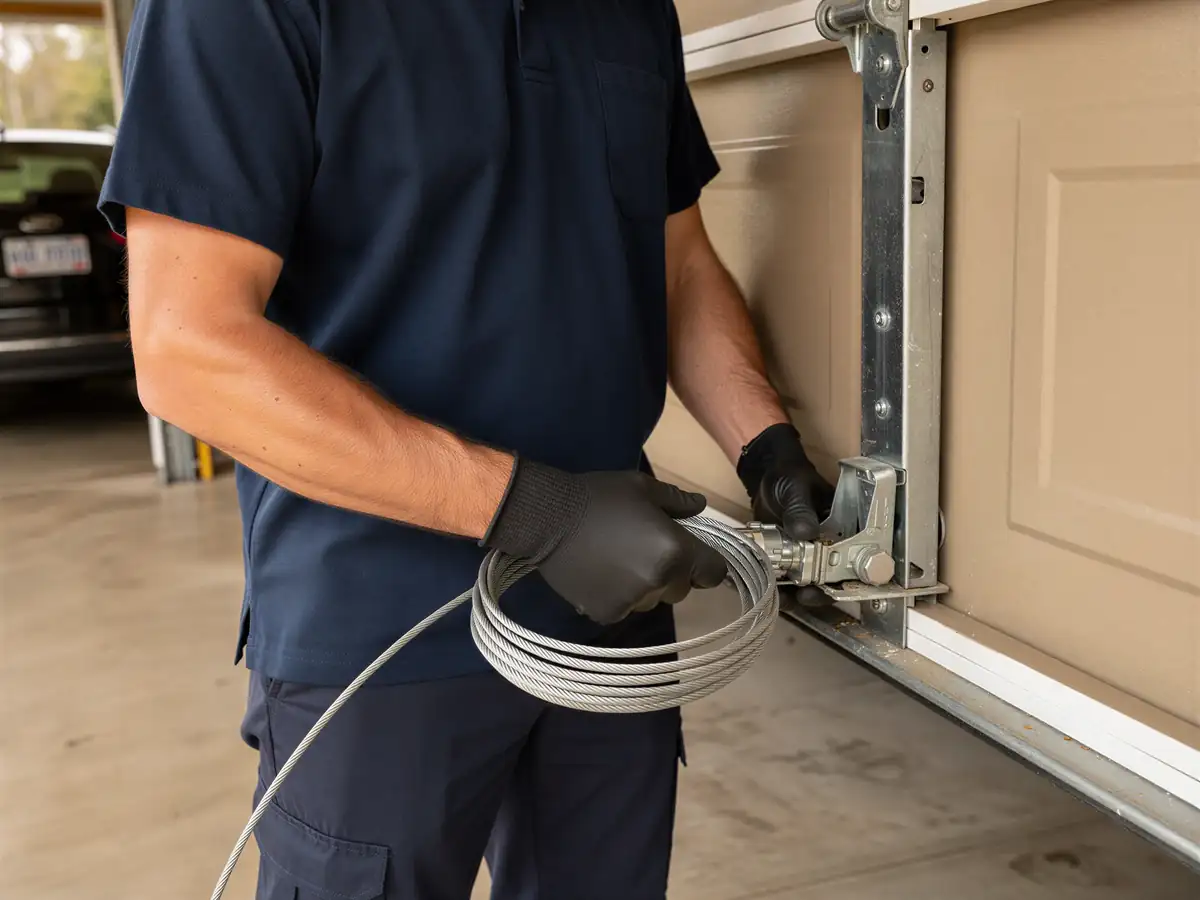
How long you're stuck depends on parts, not labor. Standard spring sizes are on the truck. Drums, cables, or center bearings sized for the older torsion setups found across this stretch of homes from the 1940s through the 1990s sometimes take longer to source, since the manufacturers that made them aren't all still in business. We'll tell you on the first look whether your hardware is a same-day fix or a part-order situation.
What Causes It Around Here
Three things line up against garage door springs in Randolph specifically
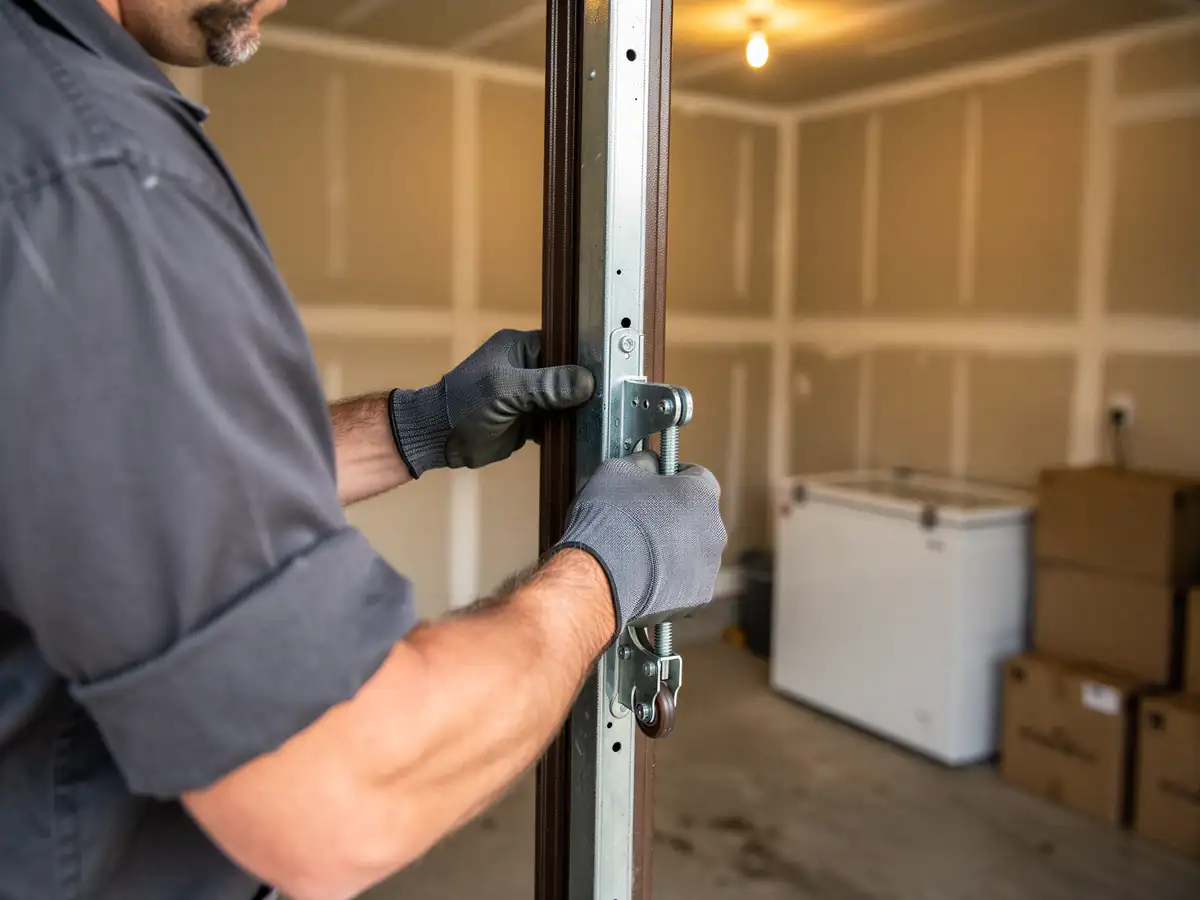
First, the age of the housing: with median construction around 1964 and a broad range from 1938 to 1996, a large share of doors in this service area are carrying torsion hardware well past the cycle life it was rated for. Second, the climate band here is classified severe cold, and steel springs lose tensile flexibility as temperatures drop, which means winter is when a spring near the end of its life actually breaks rather than just weakens. Third, a lot of these homes still have side-mounted torsion setups rather than the center-mounted shafts used in newer construction, and that older configuration wears differently at the cable drums.
Put those together and you get a predictable pattern
Cold-month failures concentrated in houses built in the same two or three decades, on hardware nobody has made new parts for in years. That's not a coincidence of bad luck, it's the housing stock and the winters doing exactly what they do to 50-to-80-year-old steel.
How It Shows Up
Usually it's not silence, it's noise first. A spring under the kind of stress that cold weather adds often makes a sharp bang, loud enough that owners sometimes think something fell in the garage rather than the door hardware itself. After that, the door either won't lift at all, or the opener strains and reverses partway because it's trying to lift a door's full weight without the spring's assist.
On older side-mounted torsion setups common in this area's 1960s and 70s homes, you'll sometimes see one side of the door hang lower than the other before full failure, since the cable on the failing side loses tension unevenly. If you catch that lean early, it's worth a call before the rest of the hardware takes the extra strain and something else gives out with it.