What Most People Get Wrong
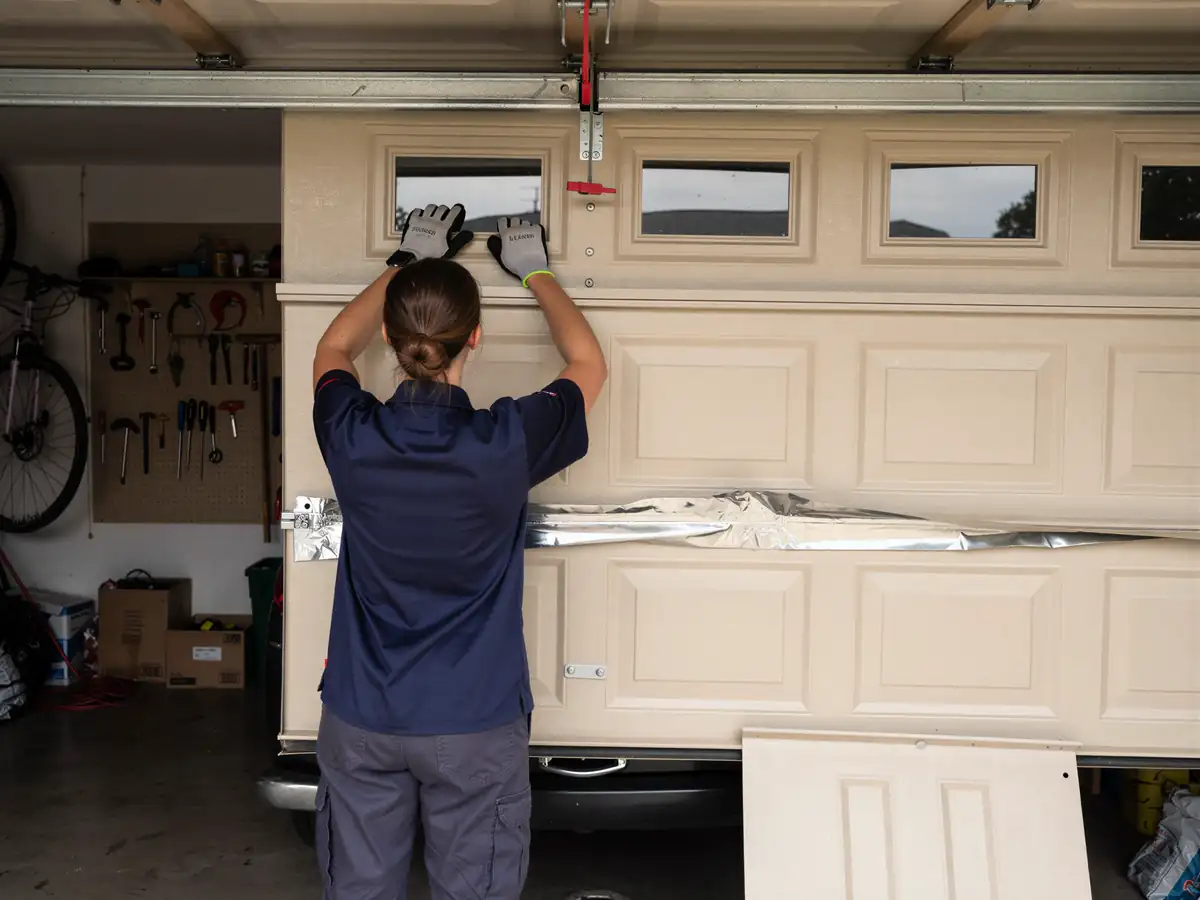
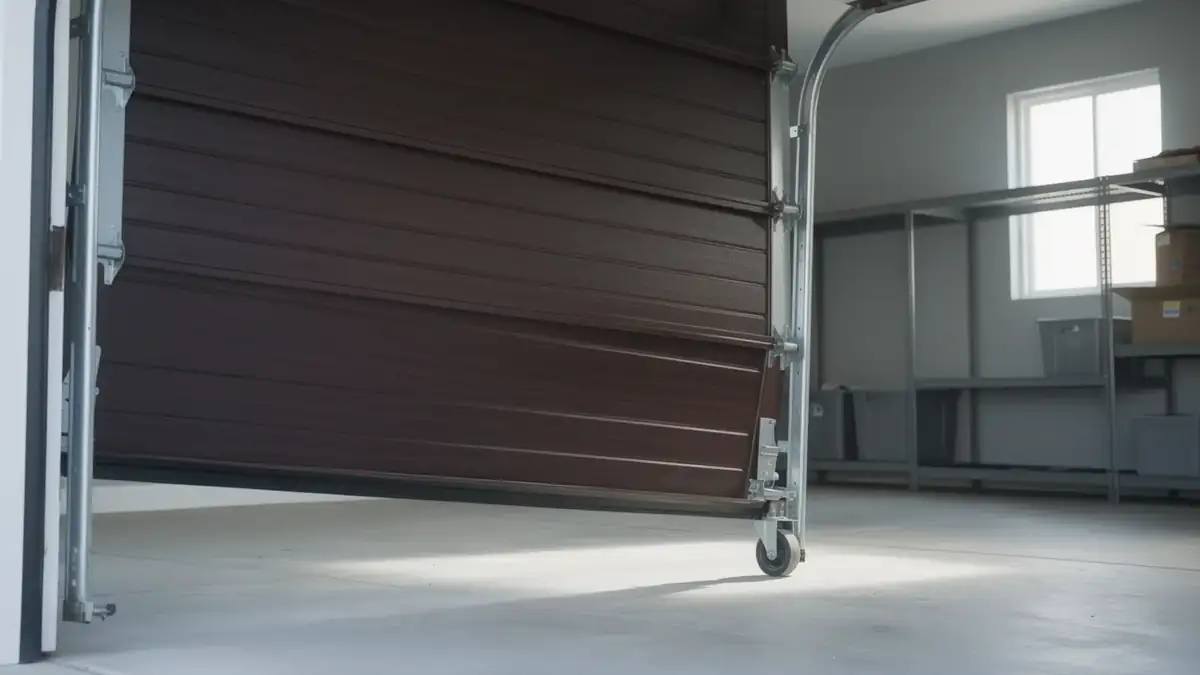
Most homeowners assume a door jumps track because somebody hit it with a car bumper or a ladder. That happens, but around here it's rarely the real cause. Randolph's housing stock mostly went up between 1938 and 1996, with a lot of it clustered in the 1960s and 70s build wave that hit this part of Morris County. That means a huge share of doors in town are still running on the original track brackets, or a replacement track bolted to the same 50-plus-year-old jamb lumber. Wood shrinks, settles, and twists over decades. The track doesn't move - the wall behind it does, a few millimeters at a time, year after year. By the time a roller finally pops out of the rail, the misalignment has usually been building since long before anyone noticed the door run rough. Blaming a single impact event feels satisfying, but it skips the slow cause: brackets that loosened as the framing around them shifted, and nobody re-torqued them in between.
What to Check
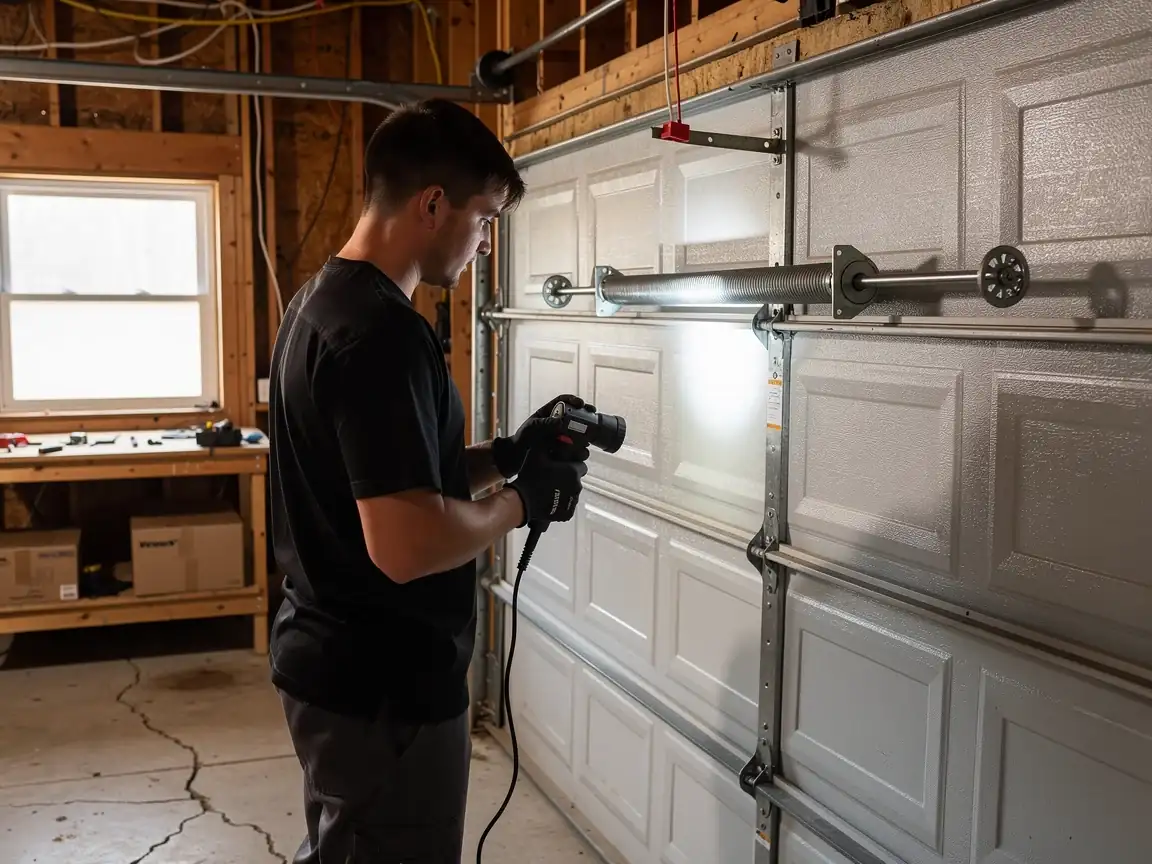
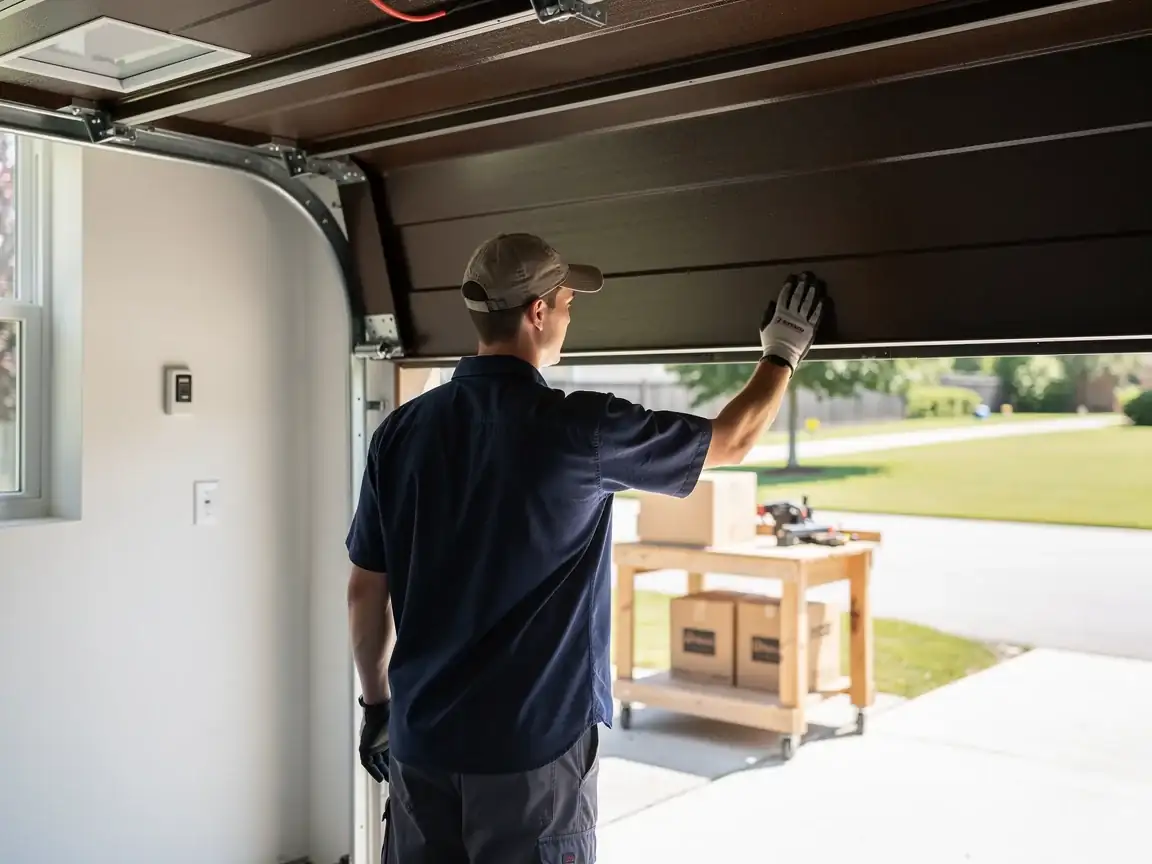
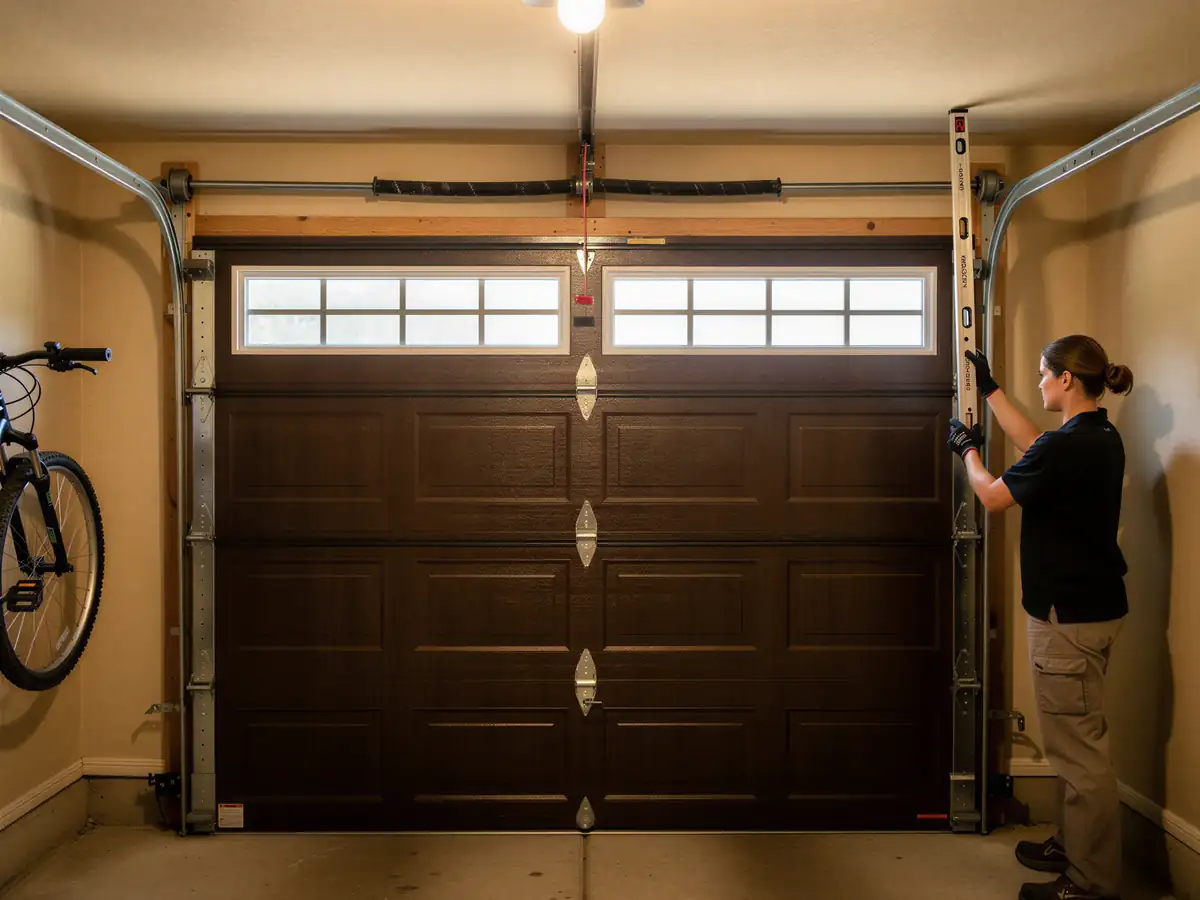
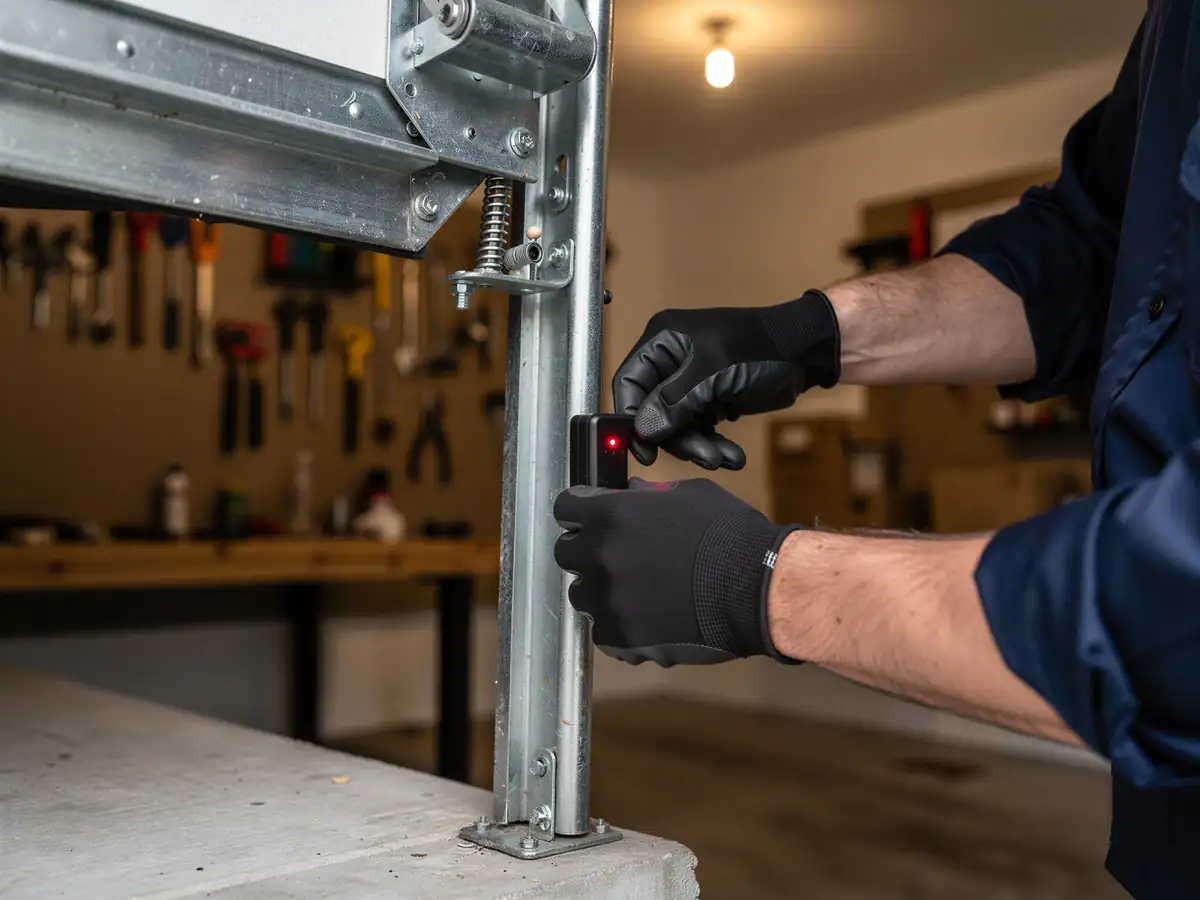
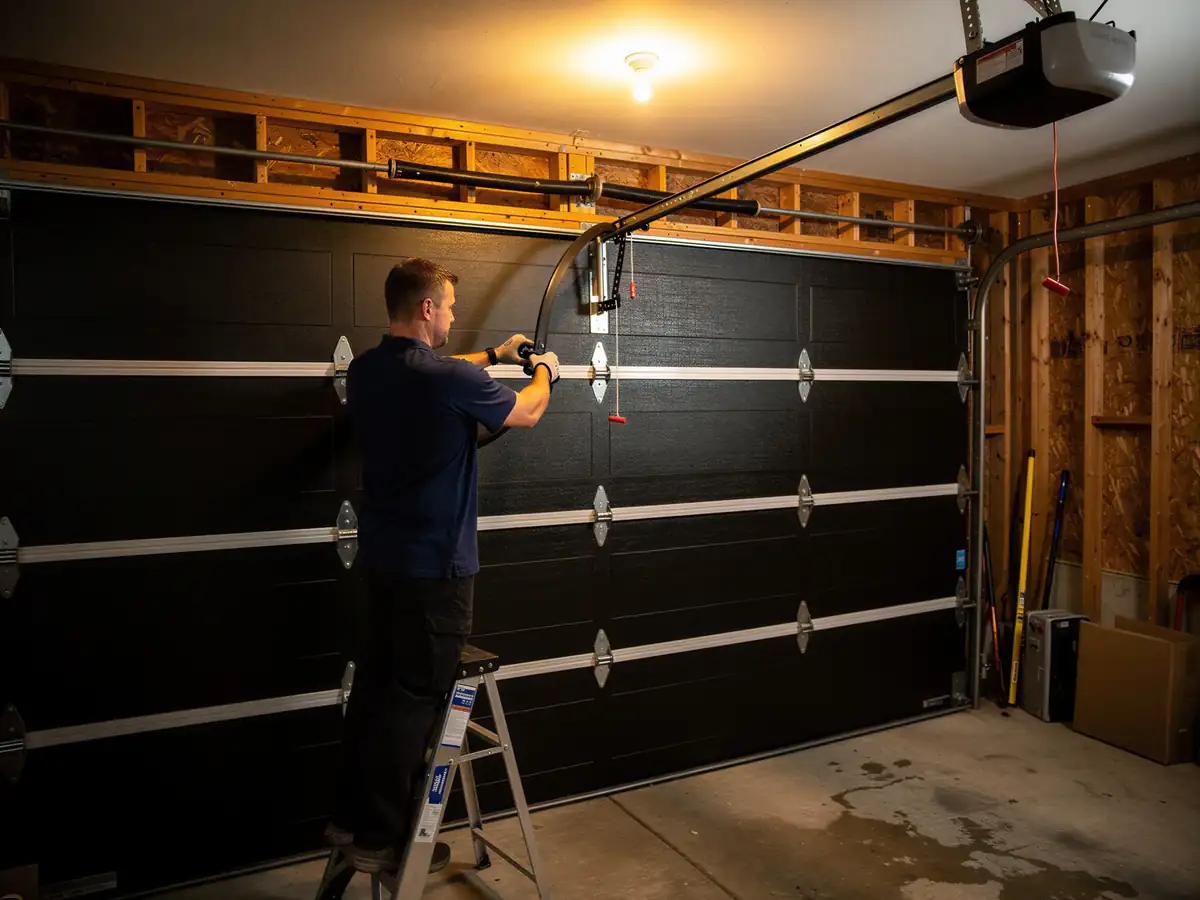
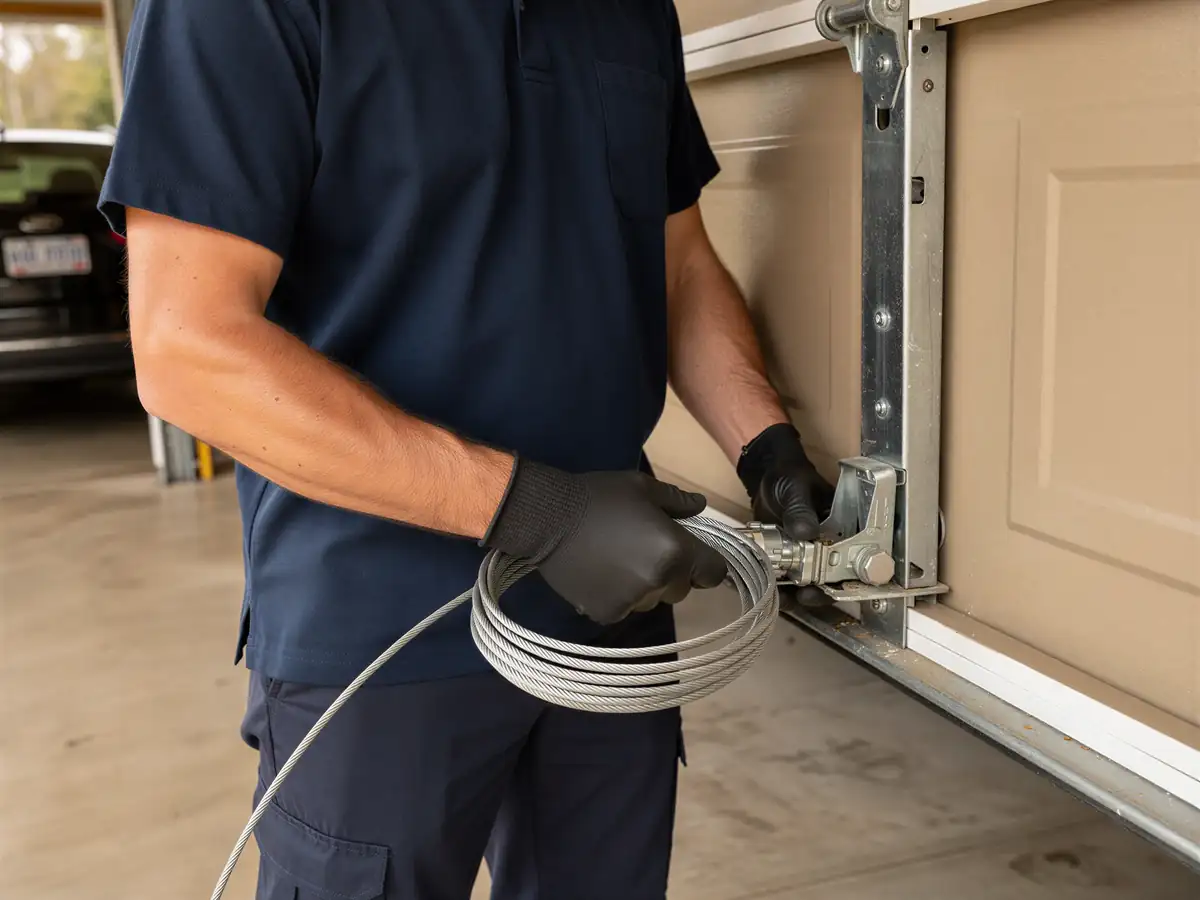
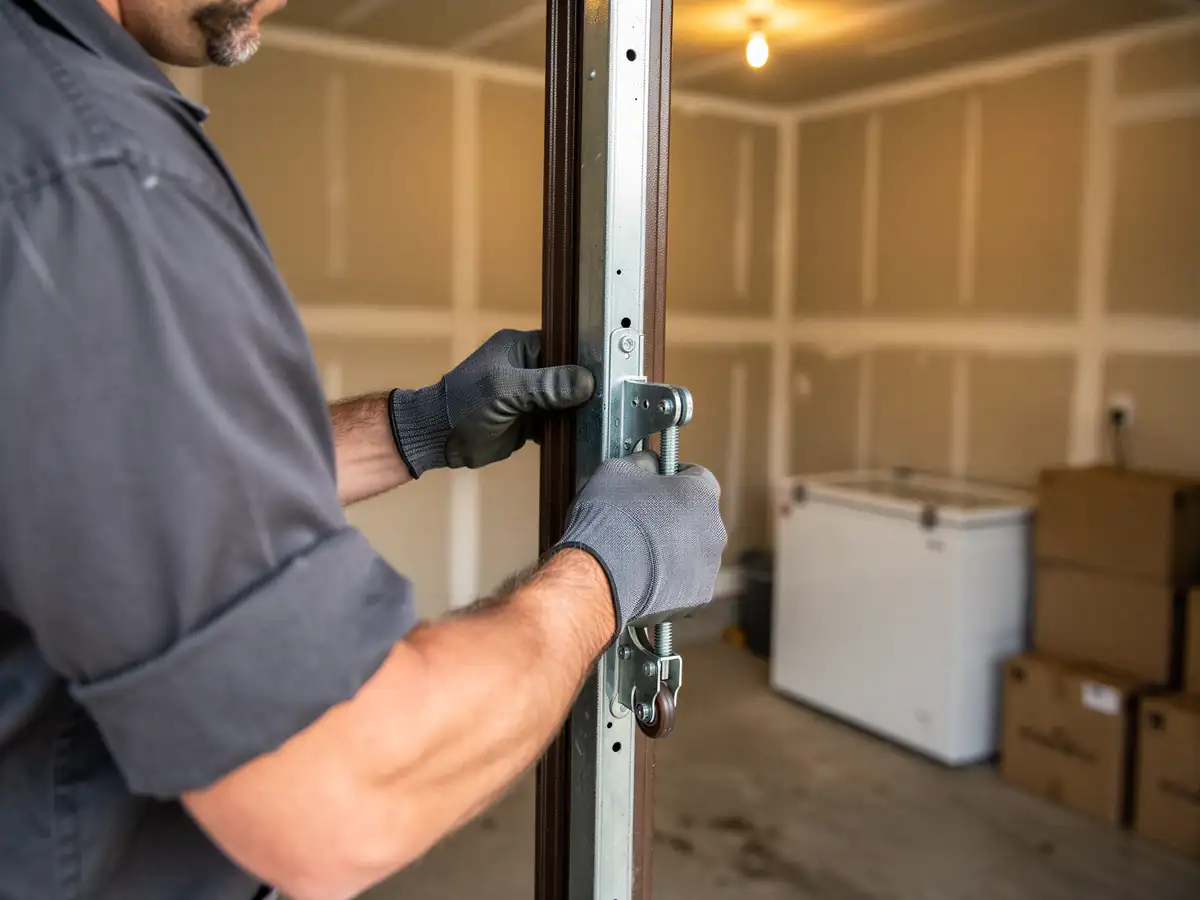
Start at the brackets, not the track. Every bracket bolt should sit tight against the jamb - if you can wiggle a bracket by hand, that's your gap forming. Next, sight down the vertical track on both sides from the floor up; track installed on 1960s-70s framing drifts out of plumb slowly, so a lean that looks minor at the bottom can be an inch off at the top. Check the horizontal track-to-vertical track junction too, since that's the joint that takes the stress when a bracket has already loosened. Rollers matter less than people think - a worn roller makes noise, it doesn't usually throw a door off track by itself. If your house falls in that 1938-1996 build range, which covers most of the lots in and around Randolph, assume the track hardware is original unless you know otherwise, and treat loose lag bolts into aging jamb wood as the thing to fix before it becomes the thing that fails.
What Is Going On
Put it together and the pattern in Randolph is consistent: older framing from a housing stock centered on a 1964 median build year, decades of cold-season wood movement, and track hardware that was never designed to be adjusted after the fact. None of that shows up as a dramatic event. It shows up as a door that's been slightly rough for a year, then one day doesn't catch the track on the way down. We'll be straight with you: if the bracket lag holes have stripped out from repeated loosening, redrilling into the same spot often doesn't hold, and the honest fix is relocating the bracket or, in some cases, reinforcing the jamb before the door goes back up. That's not a job to shortcut, since a door that jumps track once under spring tension can do real damage the second time.