Serving Randolph, NJ & nearby
(973) 291-0706
Randolph, NJ

Why Springs Snap in Randolph When the Temperature Drops

Most Randolph garages were built between 1938 and 1996, median 1964, with torsion springs that weren't built for the swings our cold winters put on steel.

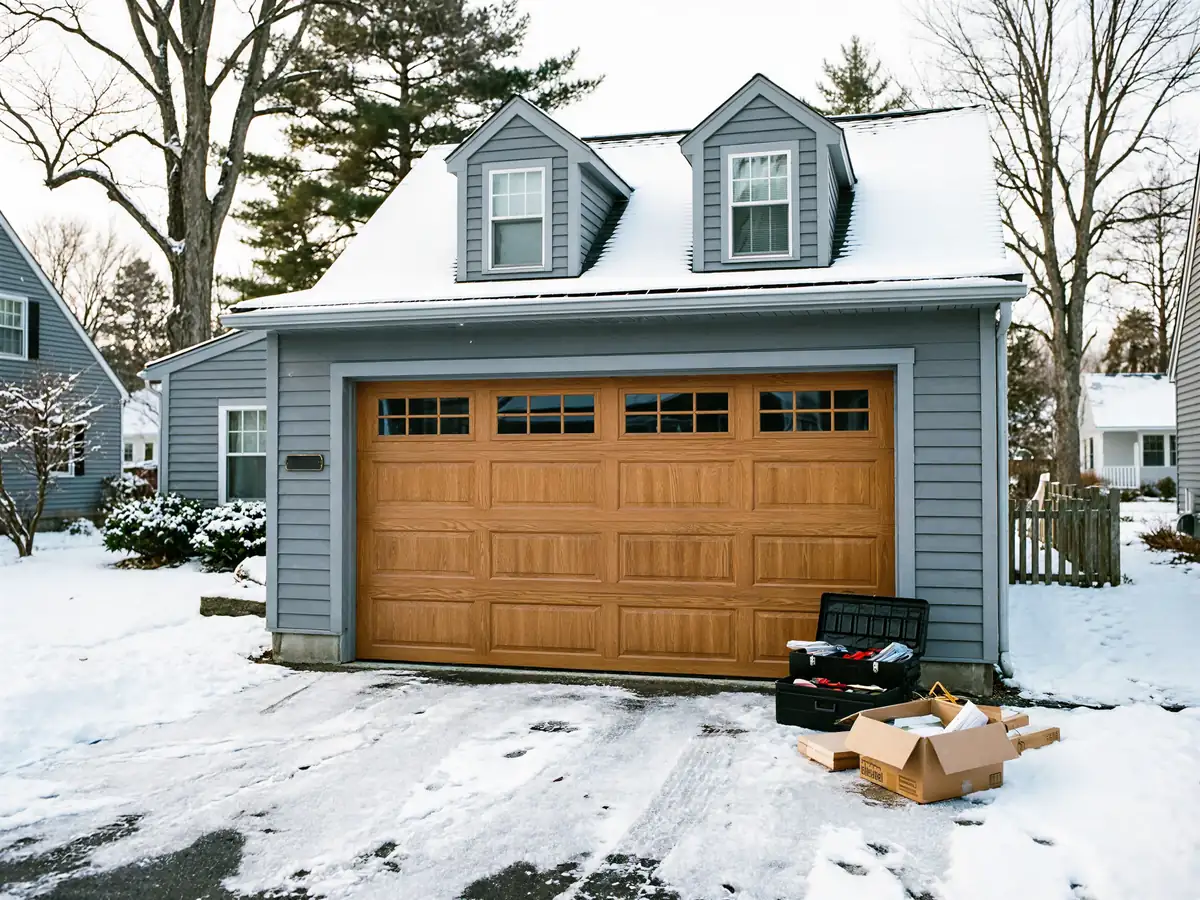
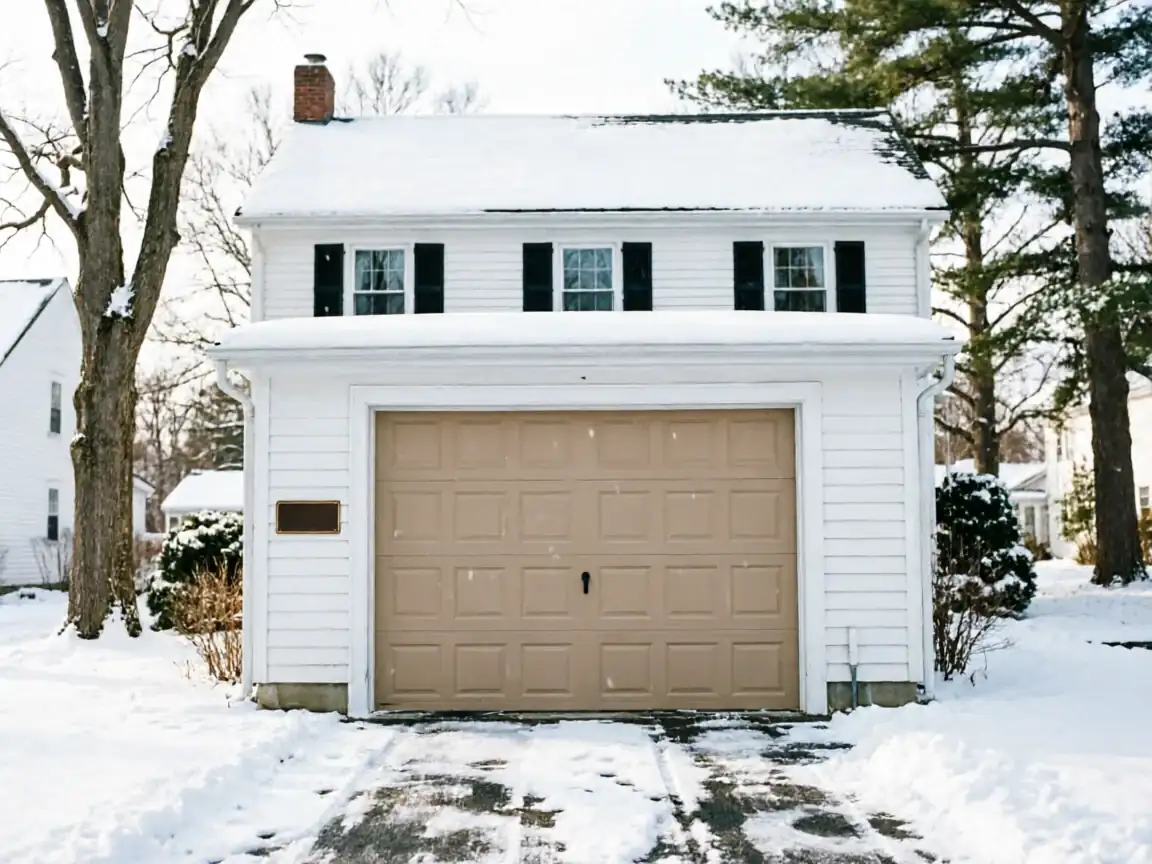
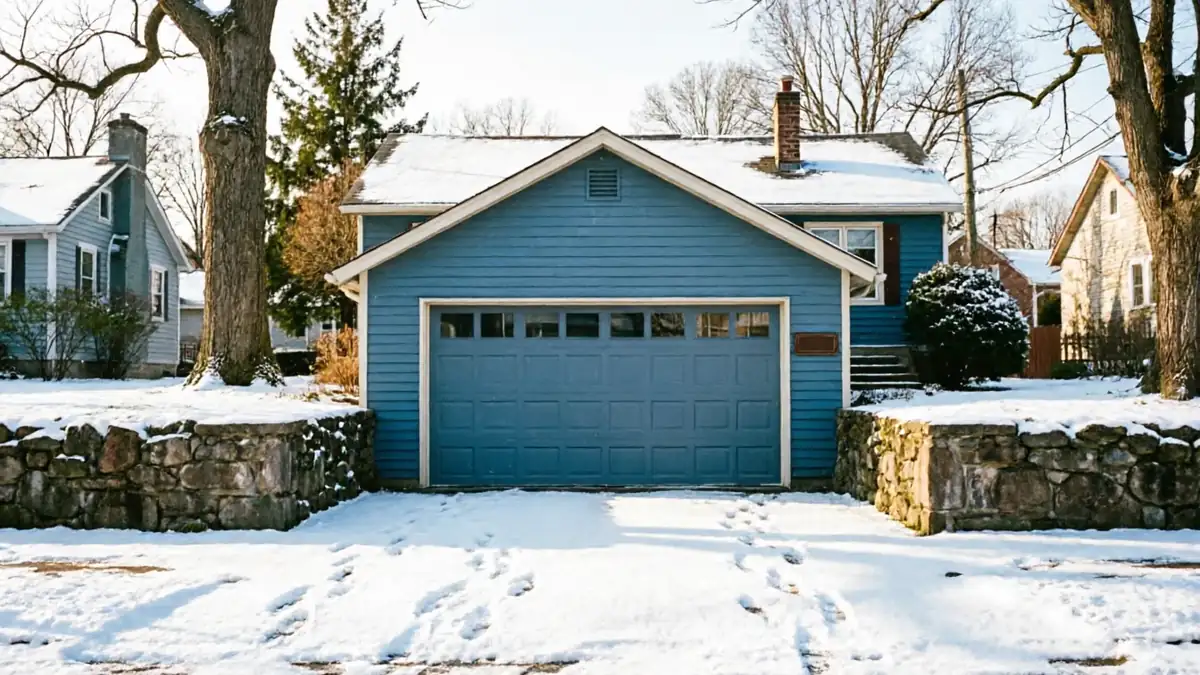
A blue house with a blue garage door and a snow-covered driveway.

What Most People Get Wrong

The common story is that the cold itself breaks the spring, like the metal just gives up from frost. That's not quite it. Steel contracts as it cools, and a torsion spring that's been under load all year loses a little flexibility with every degree it drops. In a town where most houses went up between 1938 and 1996, median around 1964, a lot of those springs are original or close to it - galvanized coils sized for doors that weighed less than what's hanging on the track now. People assume a spring that worked fine in October will keep working in January. It won't, not if it's already fatigued from thirty-plus winters of the same stress cycle. The second thing people get wrong is timing the fix to the symptom. By the time the door won't lift, the spring has usually been showing small signs for weeks - a slower close, a louder bang when it seats, a door that looks slightly crooked in the frame. In the 1960s-70s stock that makes up most of this area, those signs get written off as "the door's just old" instead of read as a spring on its way out before the hard freeze finishes it.

What to Check

Start with the cable condition on both sides of the door - on houses from the 1960s and 70s building wave, cables are often original gauge and show fraying near the bottom bracket before the spring itself fails. Pull the release and lift the door by hand with the opener disconnected. If it takes real effort or drops on its own, the spring is already doing less than half its job, cold weather or not. Look at the winding cone at the end of the torsion bar; rust bleeding out from the cone on older galvanized springs is a sign the coating gave out years ago, which speeds up fatigue in freezing temperatures. Check that the bottom brackets are still tight - houses built before double-coat zinc plating became standard tend to have brackets that loosened a little every winter for decades. None of this is a DIY spring adjustment - torsion springs under load can take a hand off, and that's not a repair to learn on your own door. What you can safely do is watch and listen, then call before the spring finishes the job on its own, usually on the coldest morning of the stretch.

What the Weather Here Does to It

Randolph sits in a climate zone the federal data flags as severe cold, which means the real story isn't one brutal night but the swing - mild afternoons into hard overnight drops, repeated through a winter. That cycle is harder on a torsion spring than steady cold ever would be, because the steel is expanding and contracting instead of just sitting cold. A spring near the end of its life handles steady state fine. It's the swing that finds the weak coil. Garages in this area - unheated, uninsulated in most of the 1960s and 70s builds that make up the bulk of the housing stock - track outdoor temperature almost exactly, so the spring inside is living through every one of those swings with no buffer. That's why the calls cluster on the first real cold snap of the season and again after a stretch of freeze-thaw: the spring that survived October doesn't survive the first double-digit drop, and it rarely gives warning on the morning it goes.

What Is Going On

When a spring goes in cold weather, what's actually happened is the coil's fatigue life finally caught up with it on a day the steel had the least flexibility to spare. The spring doesn't know the calendar - it's been counting open-close cycles since whenever it was installed, and a severe-cold climate just accelerates the countdown. In a service area where 242,332 of 468,693 households own their own house, and most of that stock dates to the 1960s and 70s building boom, this isn't a rare event - it's a predictable one, concentrated in the first hard cold spell each year. We see the same pattern a few miles out too - Dover, Kenvil, Wharton, Succasunna - towns built in the same window with the same torsion hardware. One honest limitation: if your spring is an older size that's no longer a stock item, we may need a day to get the exact match rather than swap it same visit - we'd rather order the right coil than force a close-enough one onto thirty-year-old hardware.
How it works

From “it’s stuck” to “it’s fixed”

A quick, honest process - no guesswork and no surprises, start to finish.

  1. 1
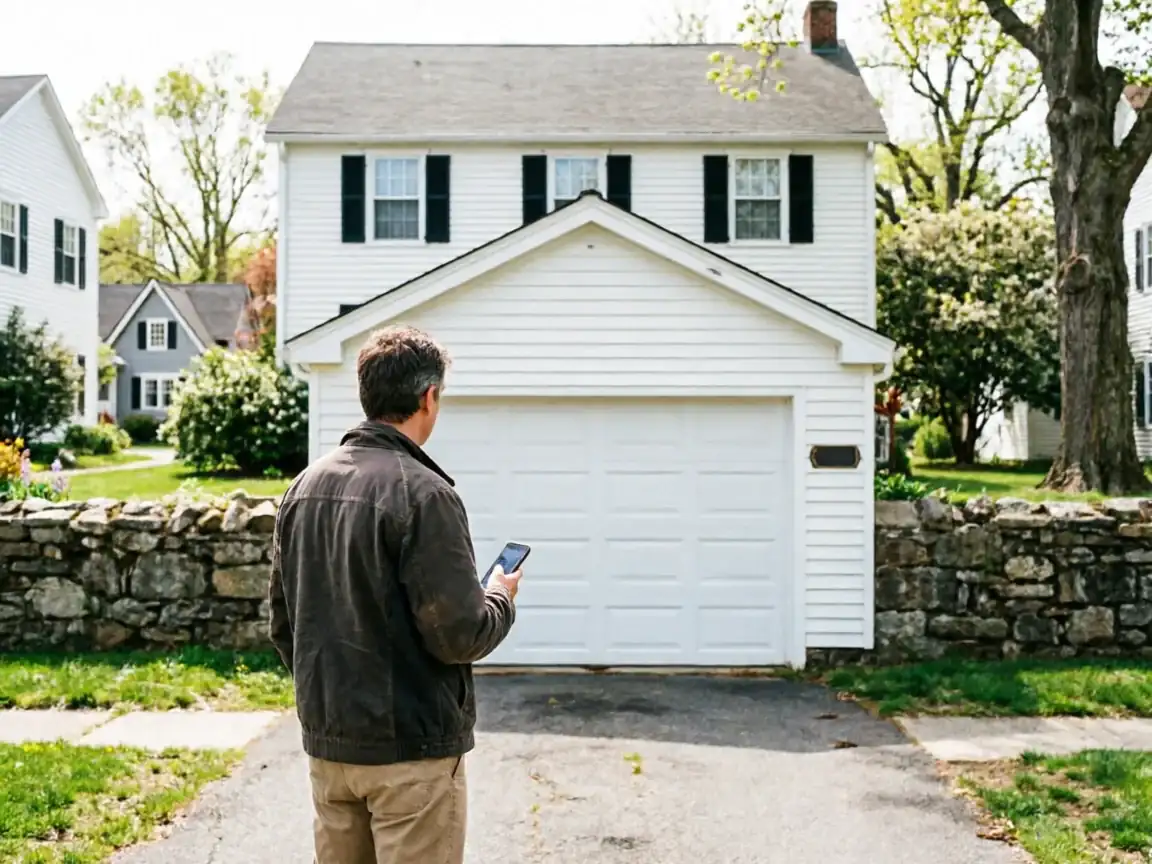
    A man stands in a driveway holding a phone, facing a white garage door.

    Tell us what’s wrong

    Describe the symptom - won’t open, loud bang, opener runs but the door won’t move.

  2. 2
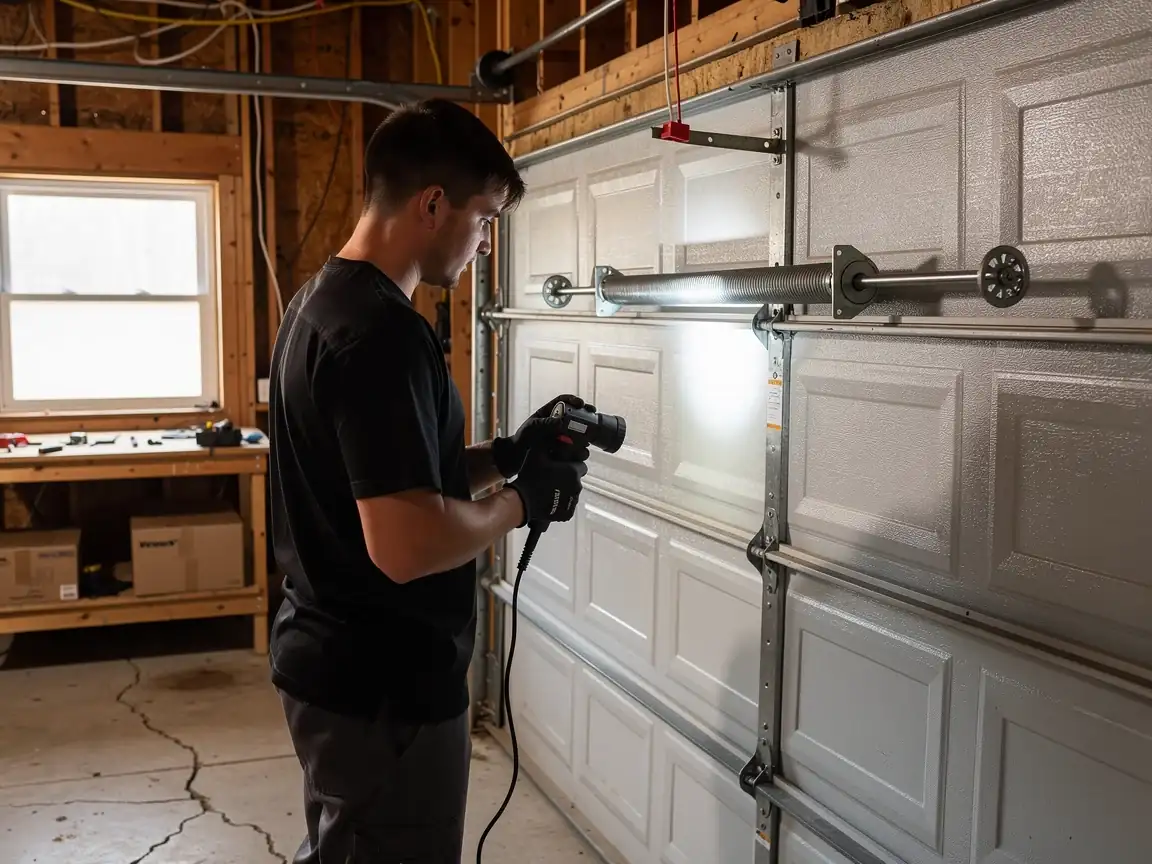
    A technician shines a light on a garage door torsion spring.

    On-site diagnosis

    A technician tests the door under power and by hand and finds what actually failed.

  3. 3
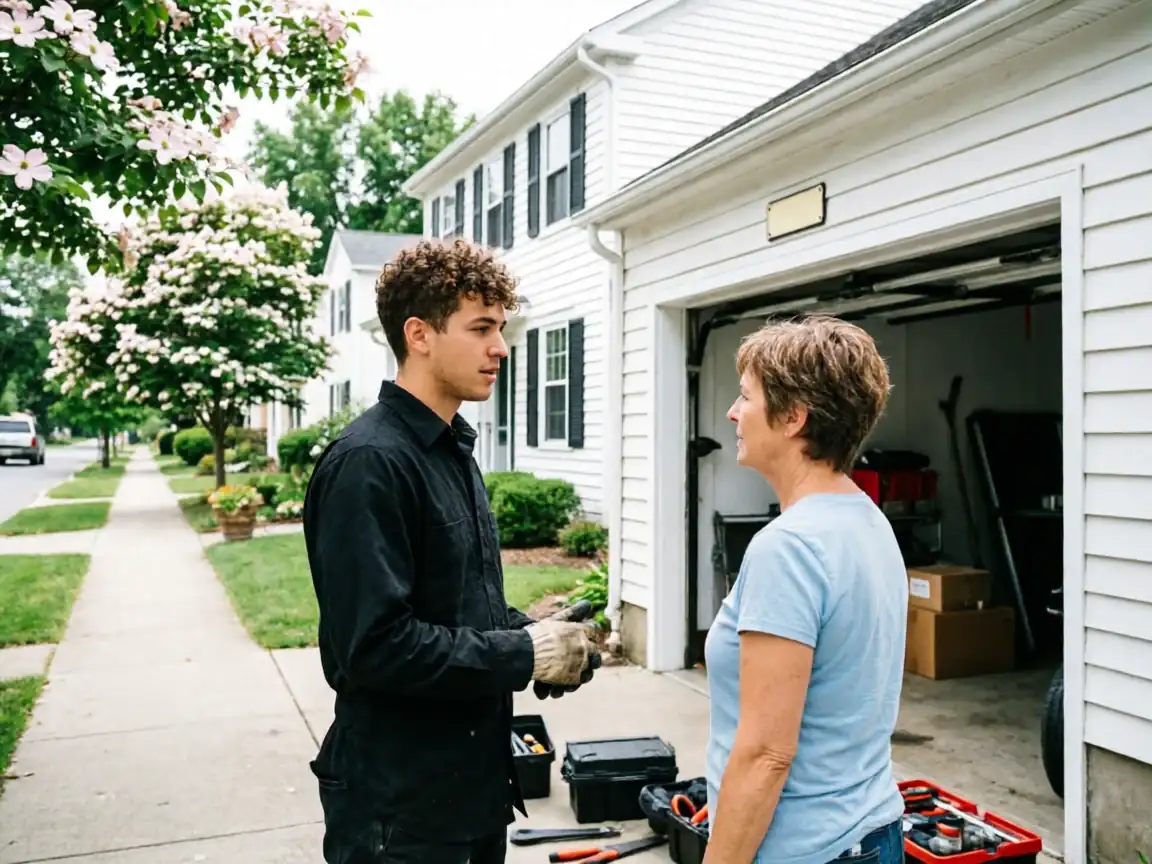
    A technician talks to a woman in front of an open garage.

    Clear, up-front plan

    You get the fix that’s needed and what drives the cost - before any work starts.

  4. 4
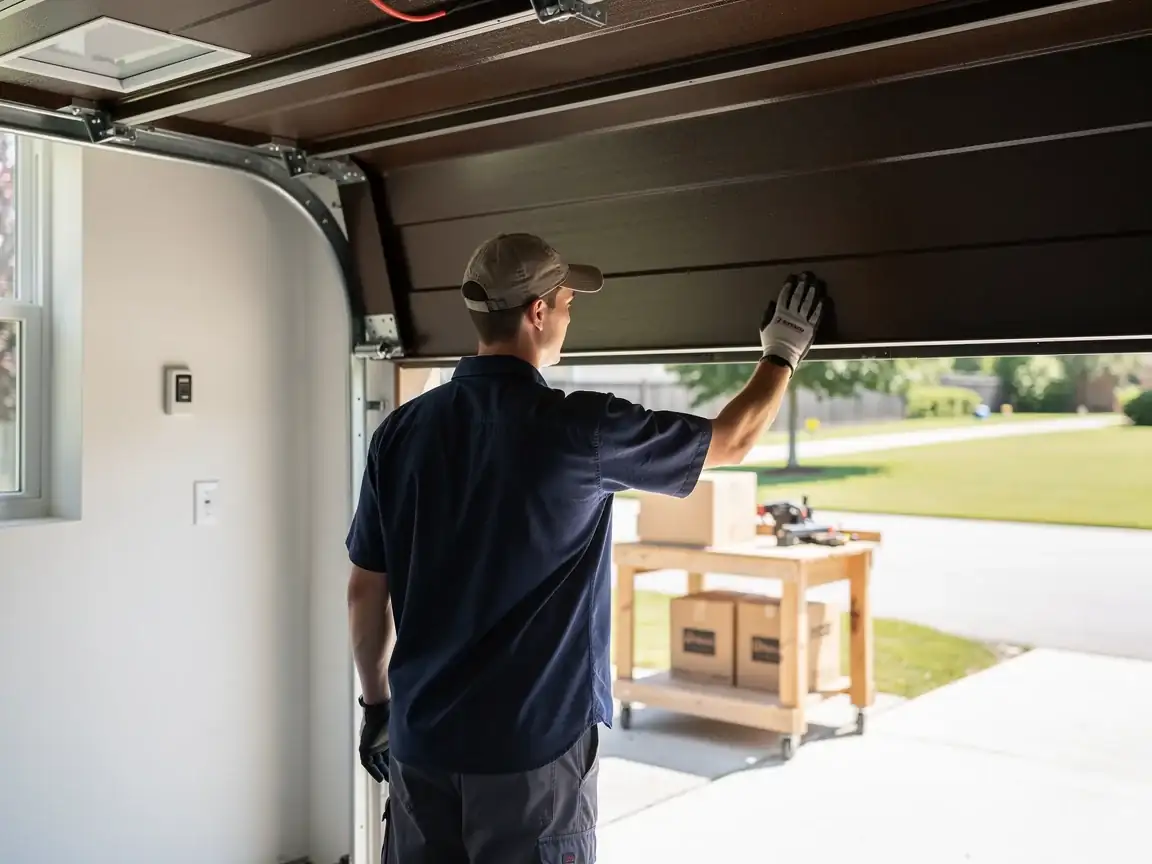
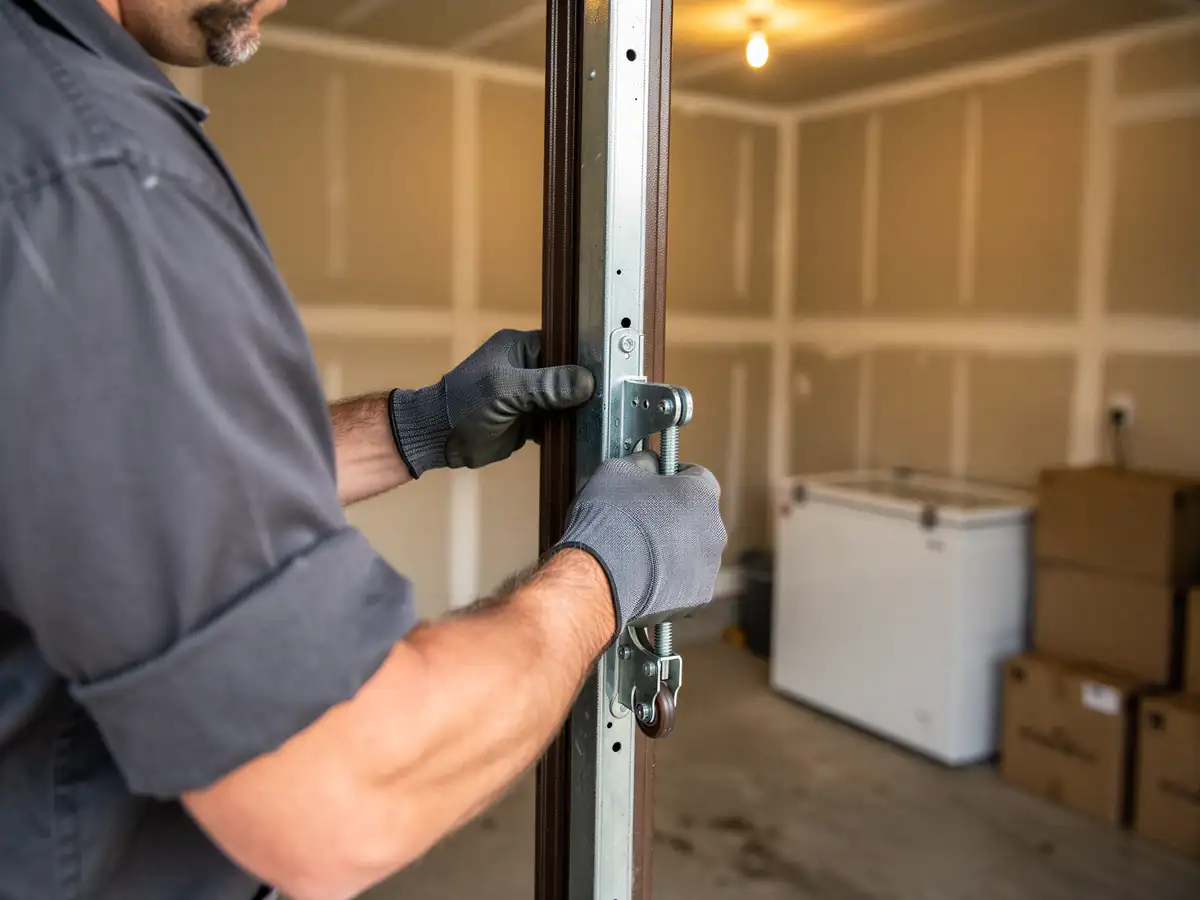
    A technician in a cap and gloves adjusts a brown garage door.

    Repaired & tested

    The repair is done, the door is set true and tested, and the work area left clean.

Not sure which repair your door needs in Randolph, NJ? Describe what it’s doing - every job starts with a diagnosis.

8areas covered
How we work

What to expect

Diagnosis firstEvery visit starts by finding what actually failed - not a pre-written parts list.
The right part for the doorSprings and openers matched to the door’s weight and age, so the fix holds up.
Straight answersWhen a repair makes more sense than a replacement - or the reverse - you hear it plainly.
Clean, careful workTension released safely, hardware set true, the door tested under power before we leave.
What we do

Garage Door Services

Repair and installation work for Randolph homes and businesses.

Questions

Frequently asked

Straight answers about garage door repair in Randolph. Still unsure? Ask us directly.

Why did my spring break on the coldest morning of the year?

It's less about that one cold morning and more about every swing before it. Steel loses flexibility as it cools, and a spring that's been fatiguing for years finally runs out of give on the day the temperature drops hardest. The cold doesn't cause the failure - it exposes one that was already coming.

Is my house old enough to have the original spring?

If your house went up in the 1960s or 70s, which covers most of this area, it's possible, especially if no one's mentioned a spring replacement to you. Original torsion coils from that era weren't built for today's heavier insulated doors, which shortens their working life further.

Can I just tighten or adjust the spring myself in the cold?

No. A torsion spring under tension can cause serious injury if it lets go while you're working on it, cold or not. This is one job we don't recommend as a homeowner fix - call it in and we'll bring the right tools and the right-size coil.

How fast can you get to a broken spring in winter?

We don't have a stated response window to quote you, but a dead spring means the door won't open safely, so it's treated as the kind of call that gets scheduled ahead of routine work.

Ready to get your garage door sorted?

Tell us what it’s doing and where you are in Randolph - we’ll take it from there.

Request a QuoteCall