What Most People Get Wrong
Most people here call us thinking their door is broken because something recently went wrong. Usually that's not it. Housing in this part of Randolph was built mostly between 1938 and 1996, with the typical house dating to 1964 - a good decade before anyone wrote an insulation code for garage doors into the books. So if the door is original, or close to it, you're not looking at a broken door. You're looking at a door that was never built to hold heat in the first place.
The mistake is treating that door like a modern one that's malfunctioning. A single layer of steel or wood, no foam core, no thermal break at the bottom seal - that's not a defect, that's the spec from 1964. People replace a cracked panel or a dead weatherstrip and expect the garage to suddenly feel different. It won't, not much, because the problem was never the one part they fixed. It was the whole door.
If your house falls into that 1960s-70s band that covers most of the area, assume the door is doing exactly what it was built to do - which isn't much, by today's standard.
What to Check
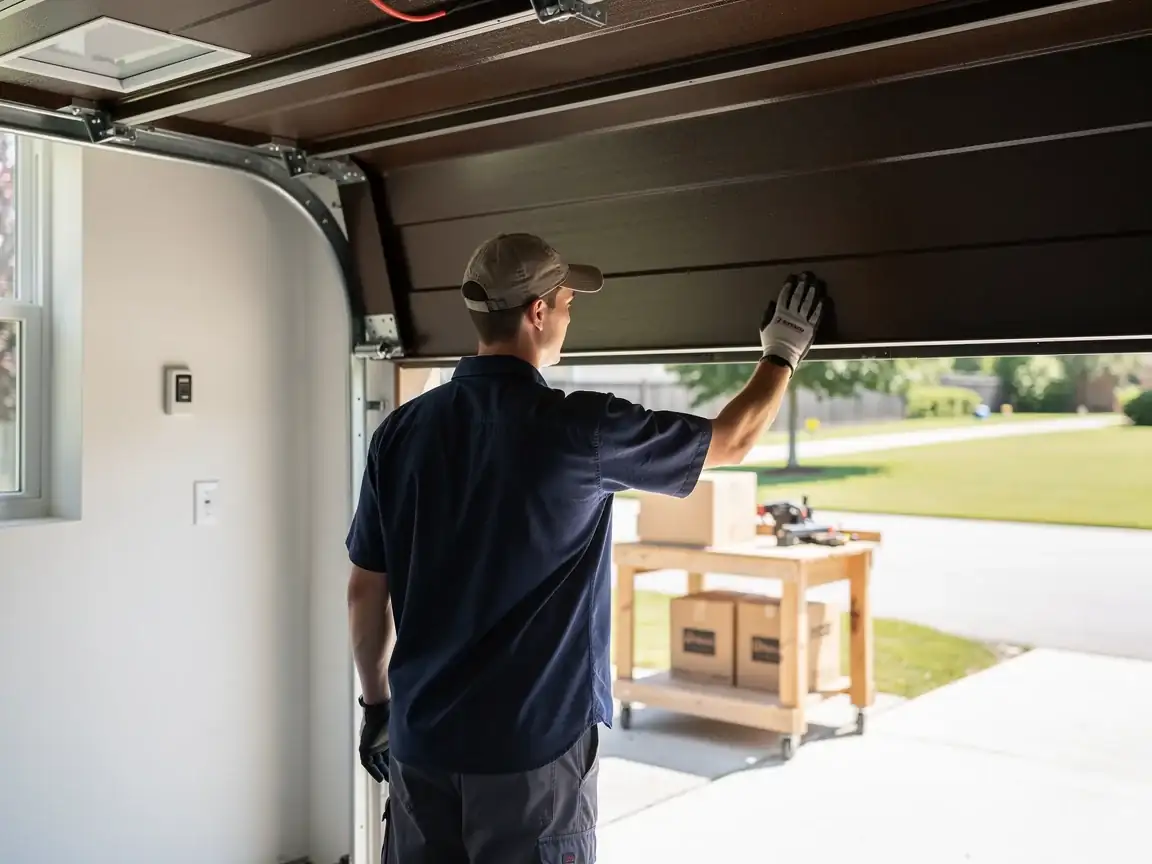
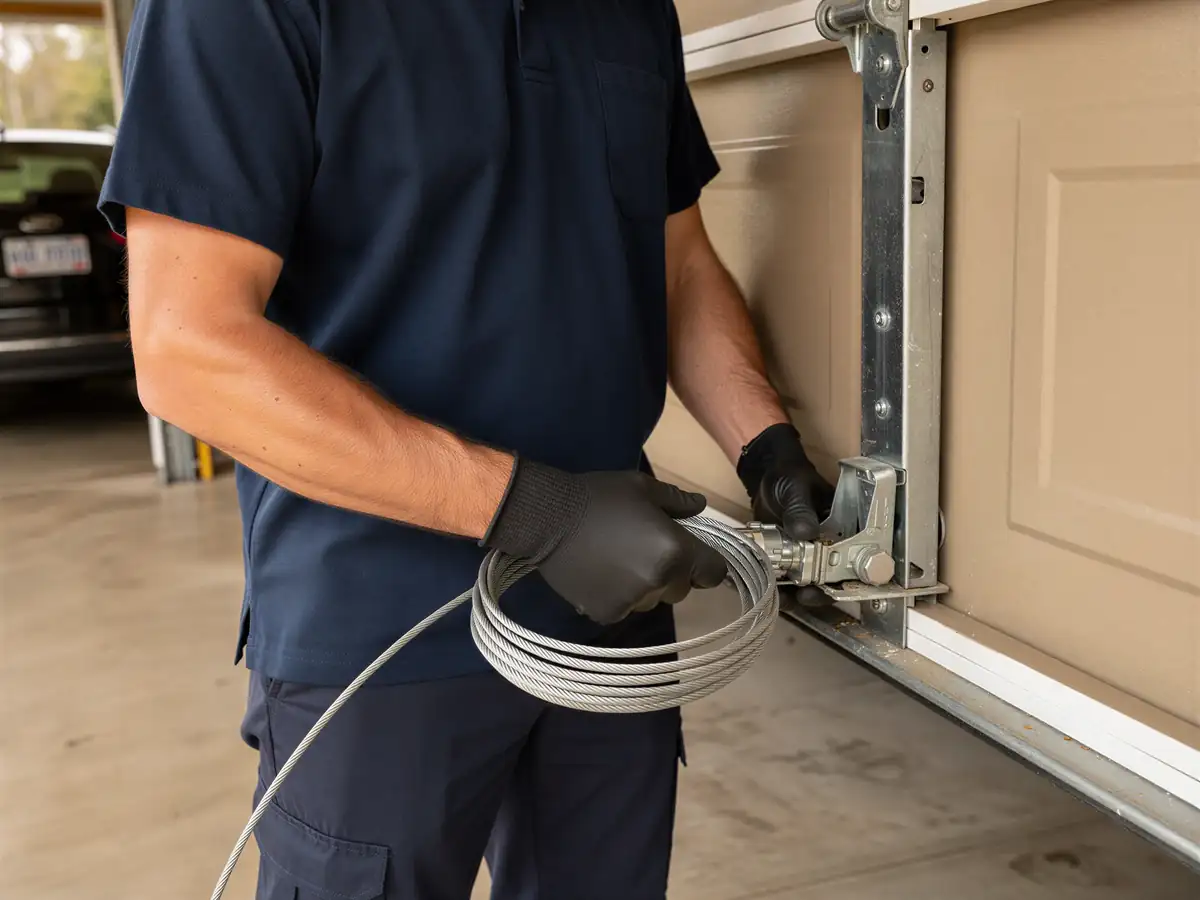
Start with the panel itself. If you can knock on it and hear a hollow, tinny sound with no resistance, there's no foam core in there - that's consistent with the pre-1996 stock common across this area. Check the bottom seal next; on doors this old it's often the original track profile, not a replaceable modern gasket, and it hardens and cracks with age.
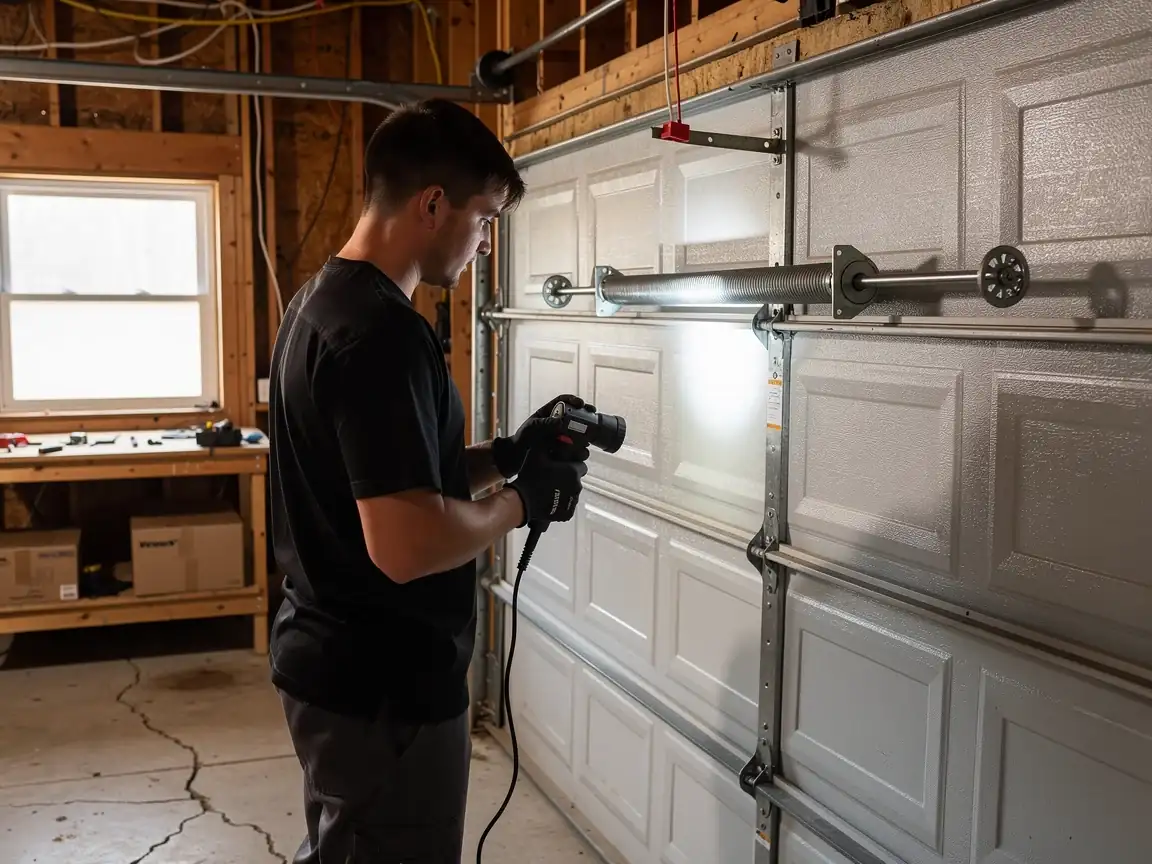
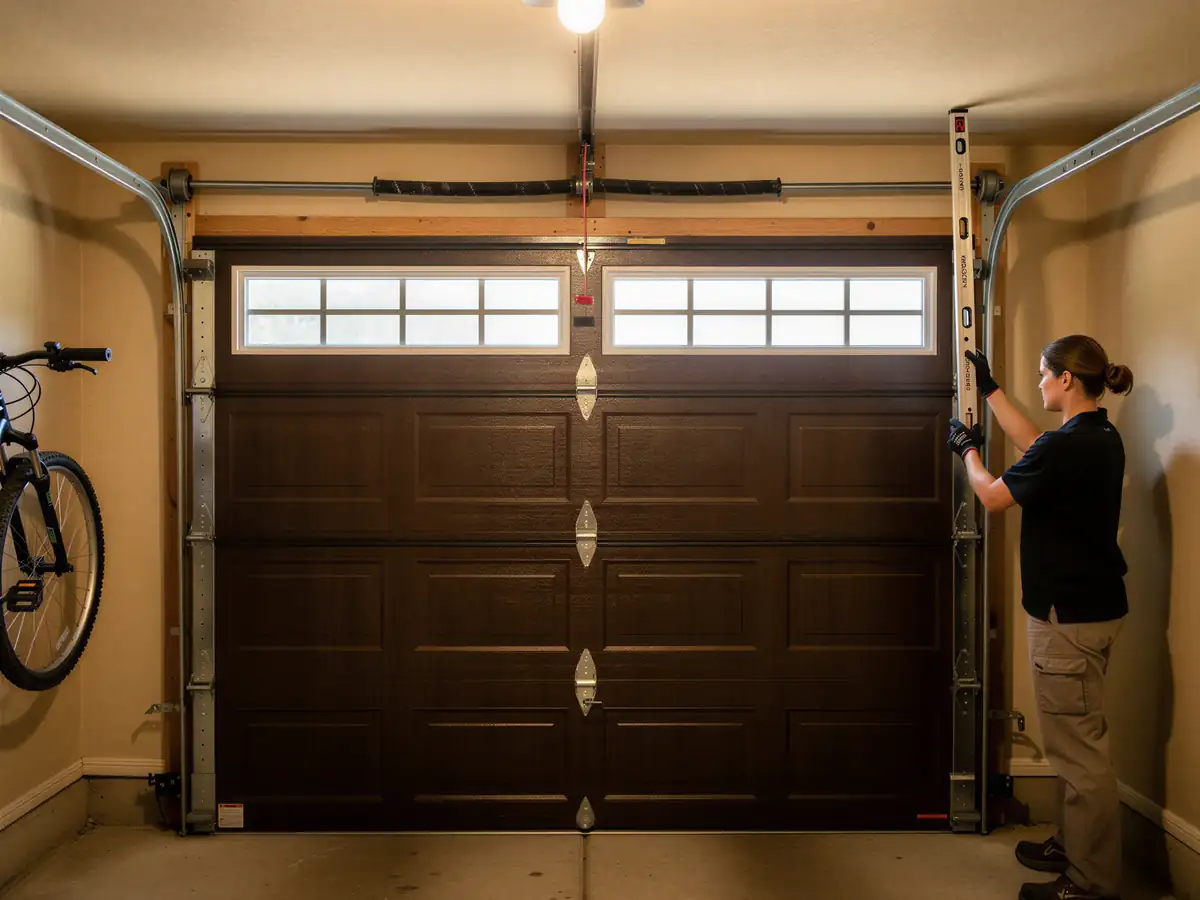
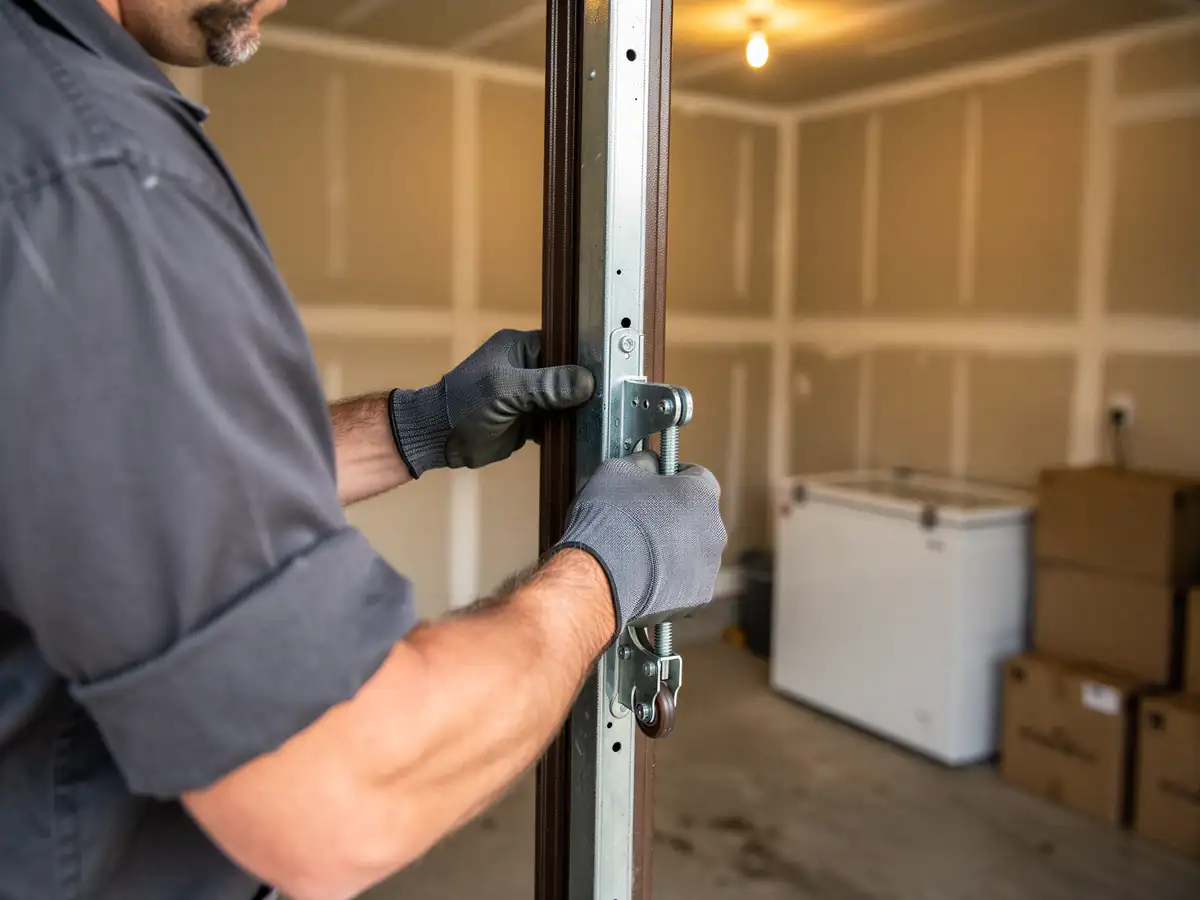
Look at the hinges and the track mounting screws. On a door built before insulation rules existed, the steel is thinner and the hardware has had decades to work loose, especially on the side that gets more sun-to-shade swing through the day. Spring type matters too - a lot of homes from this era still run original torsion setups that were never upgraded to cycle-rated springs, which means they're closer to failure than their age alone would suggest.
One more thing worth checking: the opener. If the door is original, there's a decent chance the opener has been swapped at least once, which can leave force settings calibrated for a different door weight than what's actually hanging there now. That mismatch is an easy thing to miss and it strains the whole system.
What the Weather Here Does to It
Randolph sits in a climate band classed as cold and severe
And that matters more for a 1960s-era door than people expect. Steel contracts in winter cold enough to pull slightly loose screws the rest of the way out, which is why doors that ran fine in October start binding or dropping unevenly by January. On a newer door with a foam core, the panel holds its shape better through that swing. On an older uninsulated one, you get more flex, which means more stress on every hinge point.
Springs take the worse hit
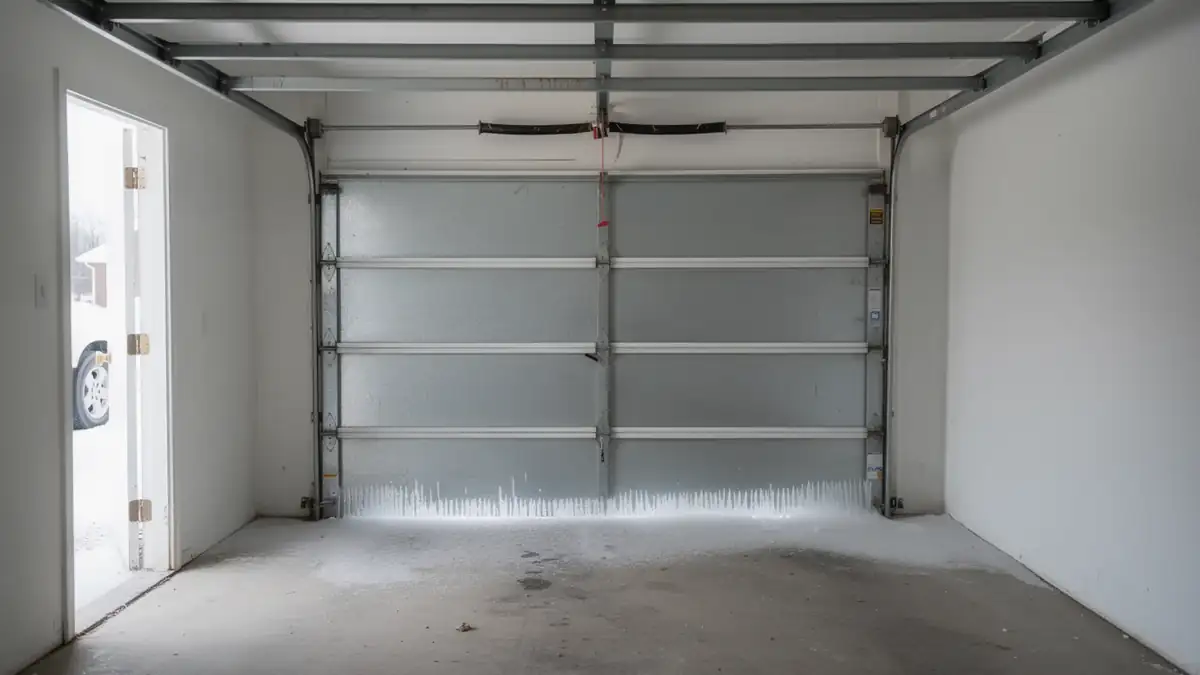
Cold metal is more brittle than warm metal, and a torsion spring that's already decades old is closer to the end of its cycle life than anyone realizes until it lets go - usually on the coldest morning of the year, which is also the worst time for it to happen. Bottom seals on older doors harden instead of staying flexible, so they stop sealing against snow and meltwater and start letting ice form right at the slab line.
None of this is unique to one bad winter
It's the ordinary result of running original-era hardware through decade after decade of a cold climate it was never upgraded to handle.
What Is Going On
Put it together and the pattern is simple. A door built around 1964, running through a cold and severe climate for sixty years, with no insulation requirement behind the original design - that's a door that's going to show its age in exactly the ways described above: stiff seals, loose hardware, tired springs, no thermal performance to speak of.
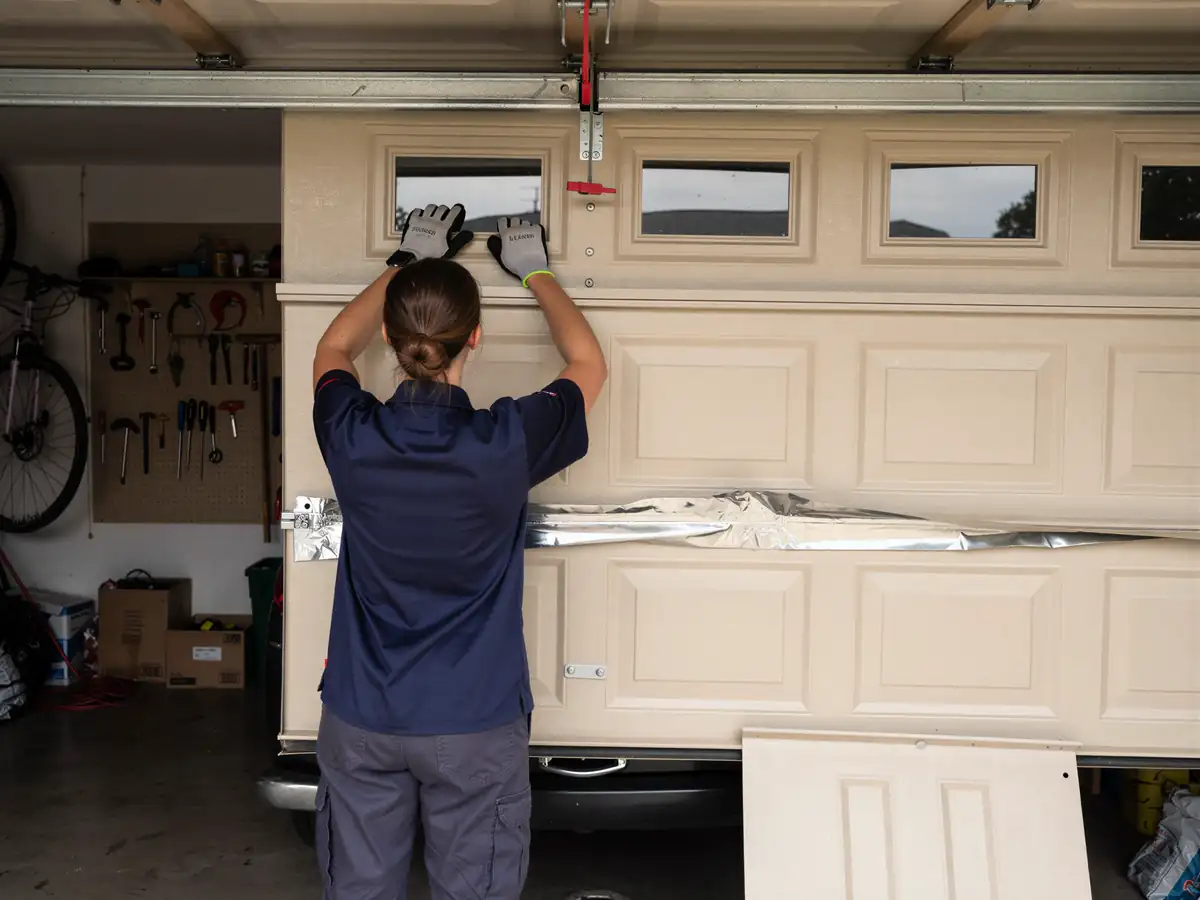
Across the service area there are 242,332 owner-occupied houses and a median household income of $146,174, so for a lot of owners here, replacement is a realistic option rather than a stretch - and for a door this old, replacement usually makes more financial sense than patching it panel by panel. We'll say it plainly: we don't push foam retrofit kits on doors from this era. The track and hardware underneath are usually too worn for a retrofit to be worth the labor, and we'd rather tell you that up front than sell you a kit that won't hold.
If your door matches this profile - original to a house from the 1960s or 70s, never upgraded - it's worth having it looked at before a cold snap decides the timing for you.