Doing It Yourself
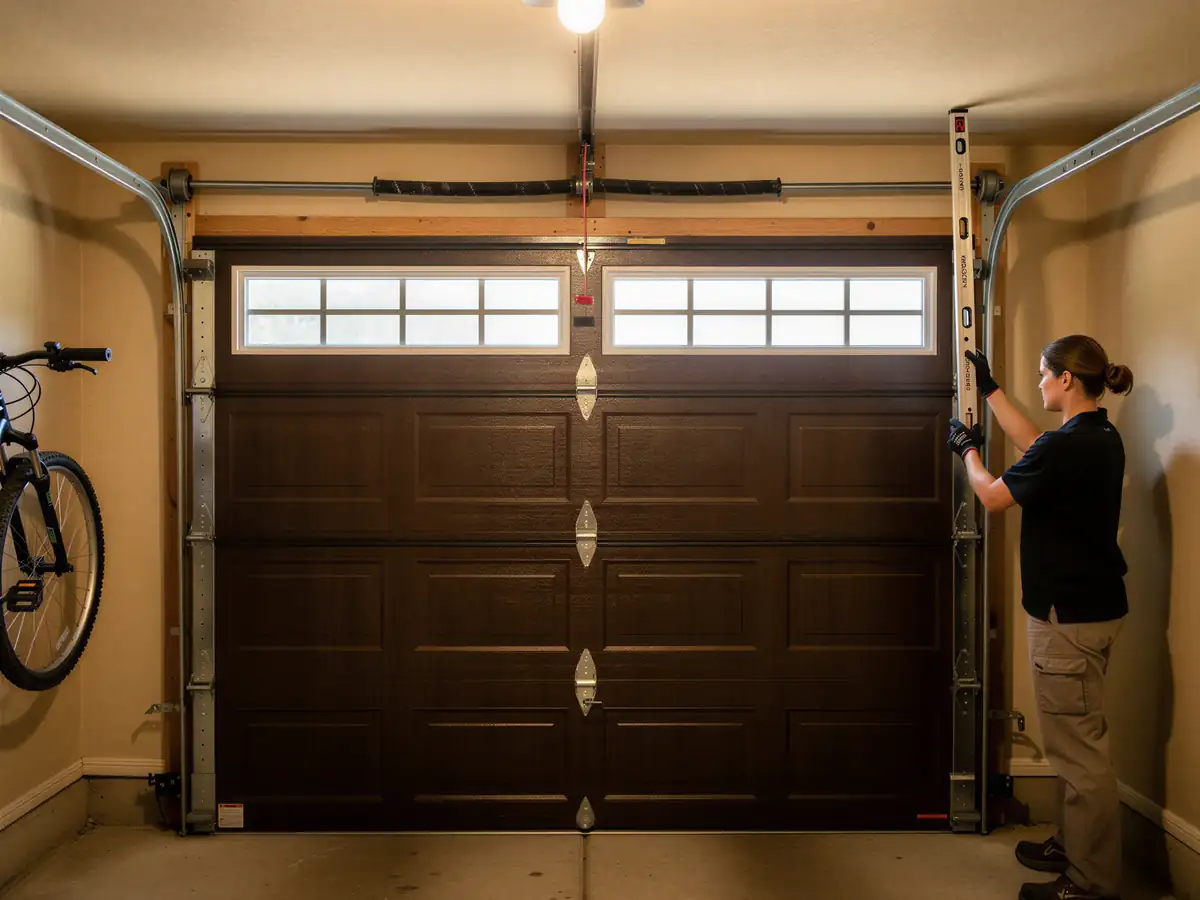
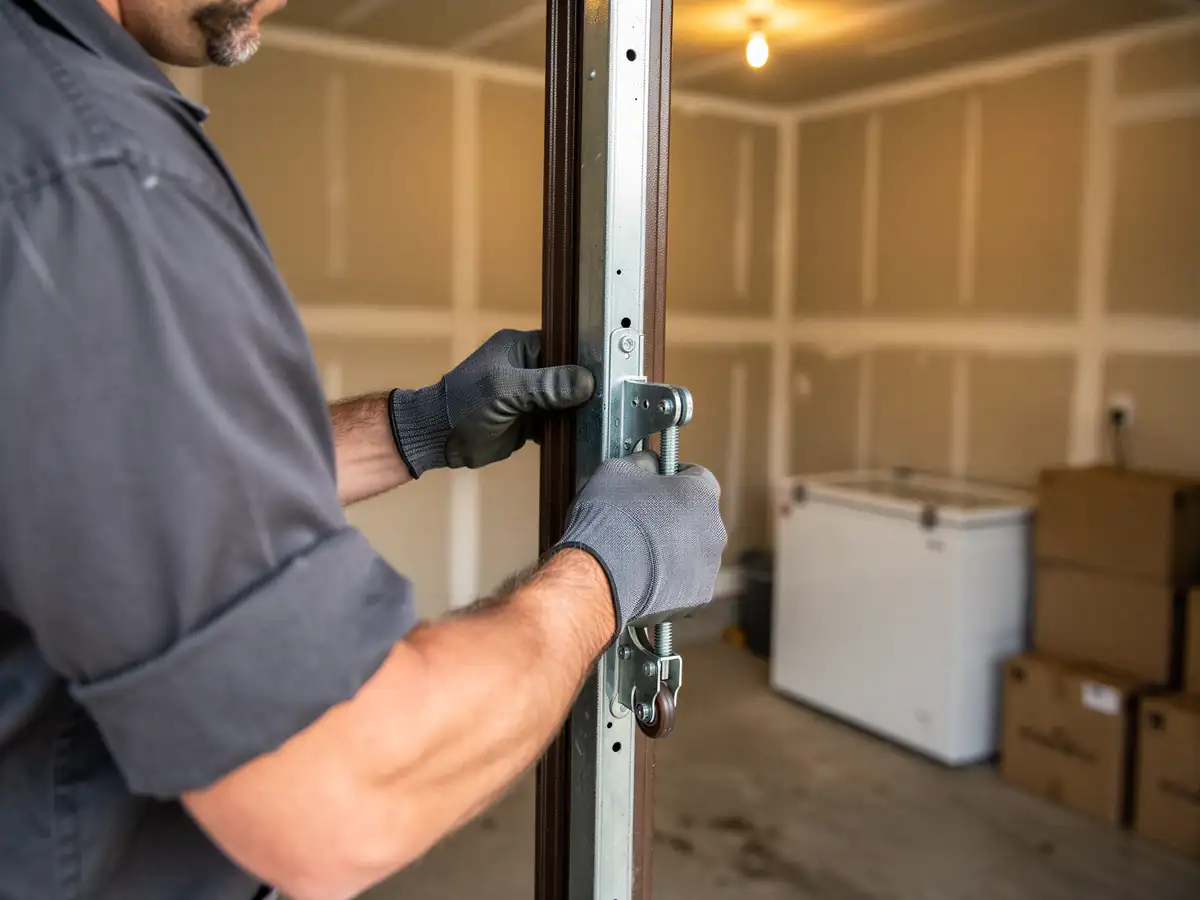
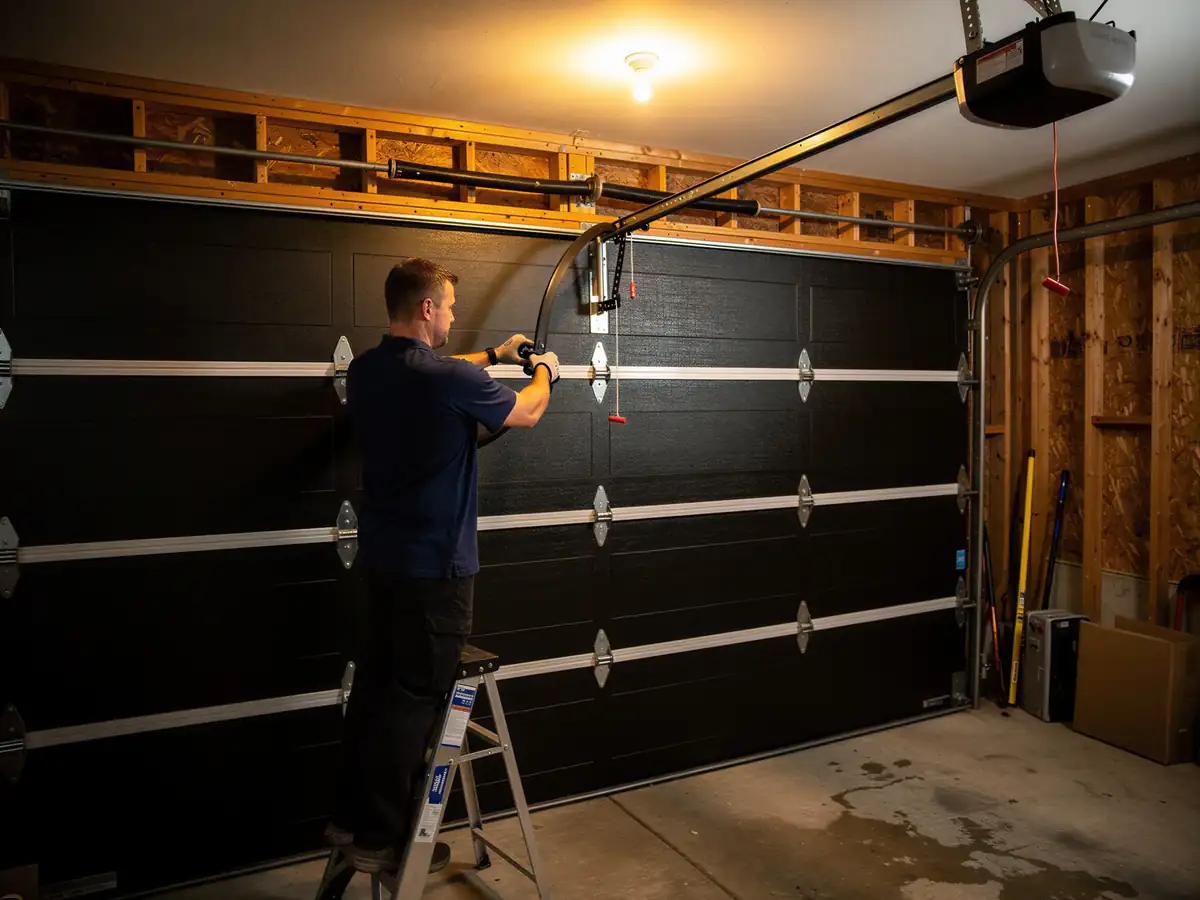
A straight swap of a belt-drive opener for another belt-drive opener on a track that's already square and in good shape is the kind of job a handy homeowner can manage with a weekend and the right bolts. Where it gets harder is everything that isn't in the box: wiring a dedicated circuit, setting travel limits on a door that's already racking slightly, or bolting a bracket to a header that was framed for a lighter, older unit.
Most houses around Randolph went up between 1938 and 1996, with the typical build year sitting at 1964, so the header, the track spacing, and the door itself are rarely a clean match for a modern opener kit out of the box. That mismatch is where DIY installs go sideways - not the opener itself, but the thirty minutes of adapting brackets and travel stops to a door that was never built to the current spec.
We'll say plainly: if your existing rail and hardware are square and sound, you don't need us to swap a motor head. Where we earn the call is matching the unit to an opening that's a few decades off from what the opener box assumes.
How Long You Are Without the Door
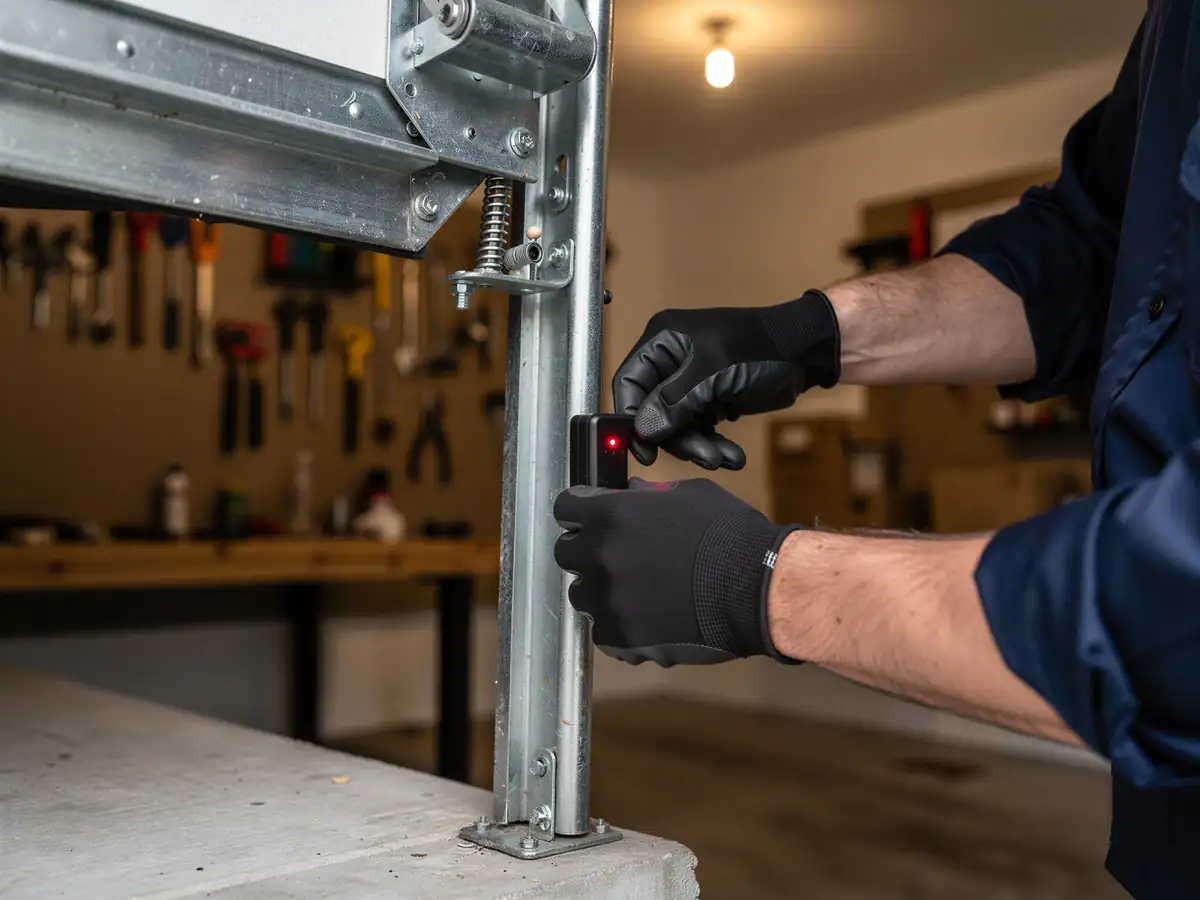
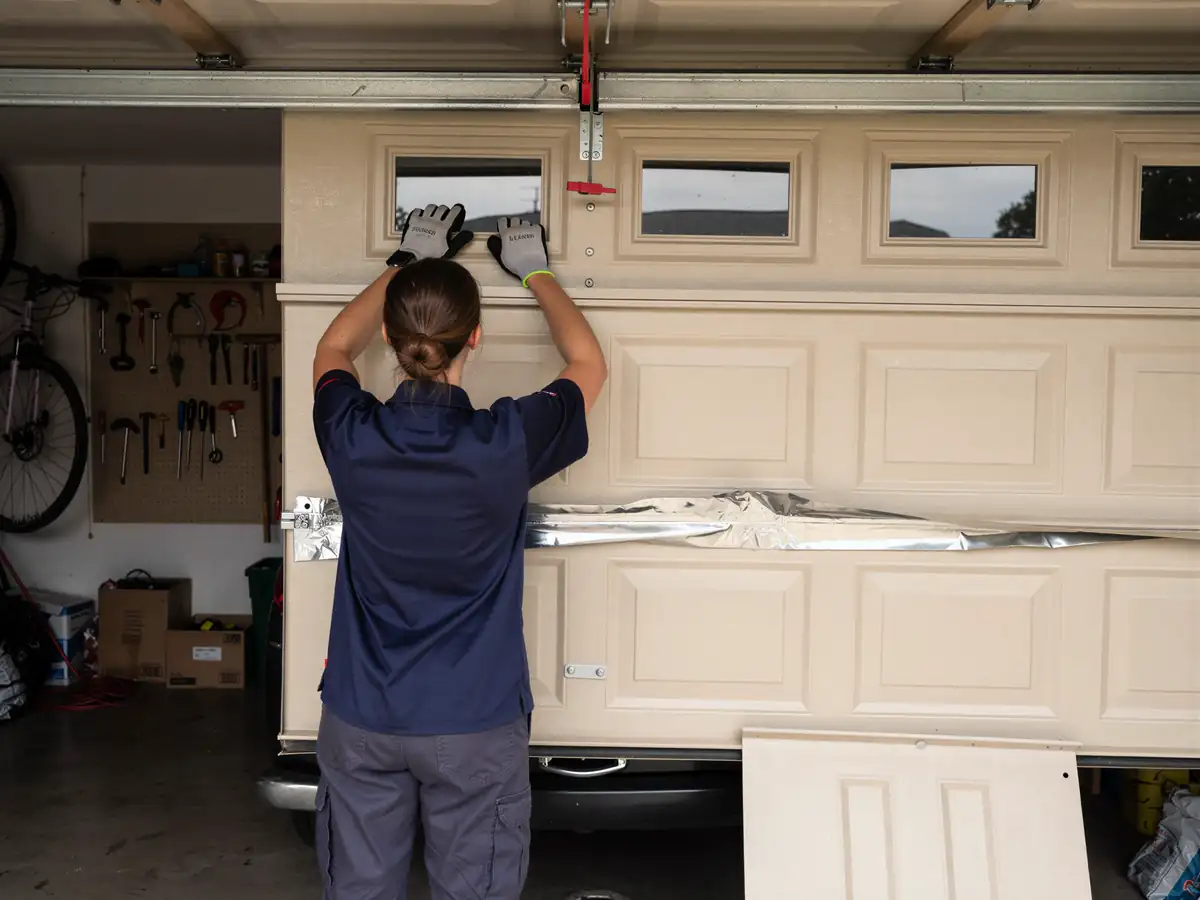
An opener swap on hardware that's already compatible is usually a same-visit job - the door comes down manually, the old head comes off, the new one goes up, and the door is back in service before the truck leaves. What stretches that timeline is when the install turns up a problem behind the opener: a bent rail, a stripped bracket, or a safety sensor pair that won't align because the slab has settled over the decades.
We don't carry every bracket and rail length on the truck for every era of door, because Randolph's garage stock spans close to sixty years of build dates. When a job needs a part that isn't standard stock, that becomes a return trip rather than an extended first visit - we'd rather tell you that up front than leave a door half-functional overnight.
The honest limitation here: we won't force a modern opener onto hardware it doesn't fit just to finish in one visit. A rushed match is the kind that trips the safety reverse six months later, which costs you more downtime than the wait for the right part costs now.
What Causes It Around Here
The bulk of Randolph's garage stock dates to the 1960s and 70s
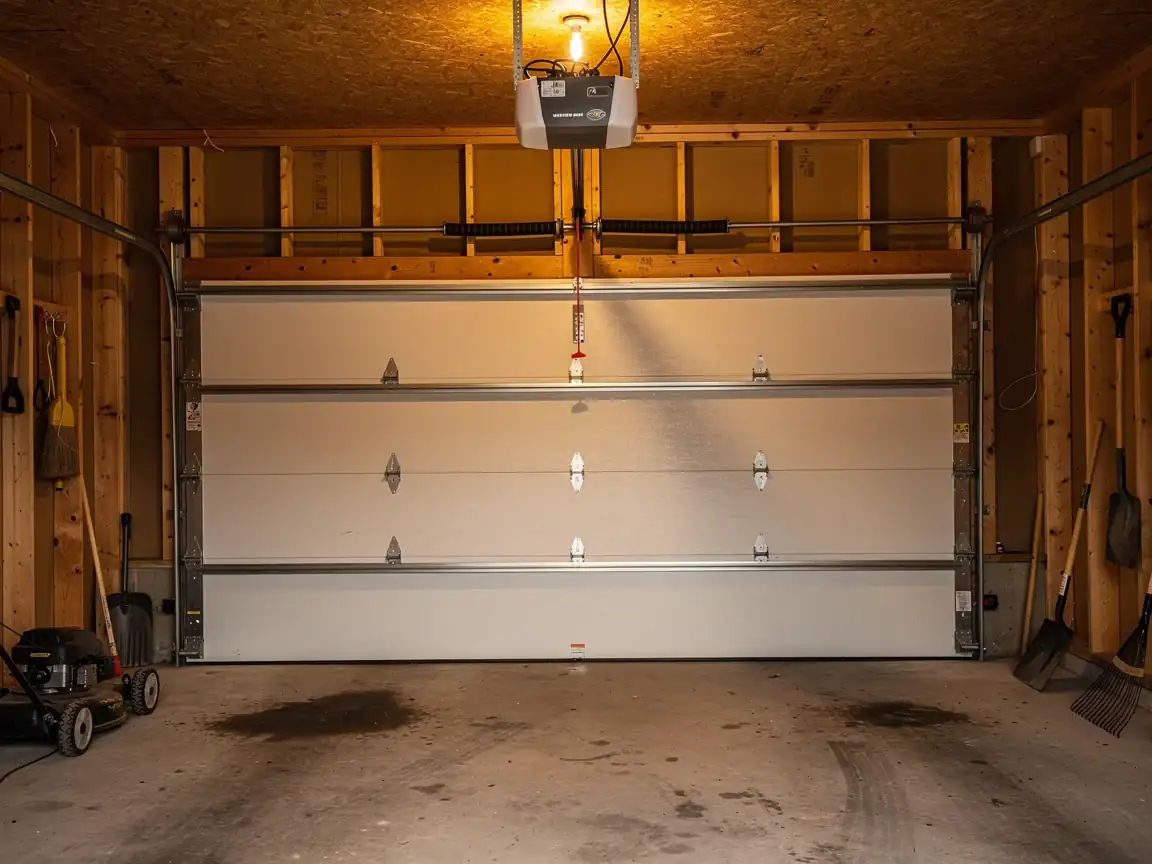
The same run of chain-drive openers that start failing now, decades past their intended service life. Chain-drive units from that era used gears and sprockets that weren't designed to run past twenty-five or thirty years of New Jersey winters, and a lot of them are still bolted to the ceiling doing exactly that.
Randolph sits inside a cold-climate band rated severe
And that cold is the second half of the problem. Opener motors and circuit boards built for a moderate climate don't love repeated hard freezes followed by a warm garage in the afternoon - the expansion and contraction cycle is hard on solder joints, capacitors, and the plastic gearing inside older motor heads. A door with a sound opener in a mild climate might run another decade; the same unit here, cycling through freeze-thaw all winter, tends to show gear wear and board failures sooner.
Put those two together
1960s-70s hardware meeting severe cold year after year - and opener failure isn't a surprise, it's closer to a schedule.
How It Shows Up
The door reverses partway up or down for no obvious reason - that's usually a strained motor or a drifting travel limit, not the safety sensors themselves. A humming motor that doesn't move the door at all points to a stripped gear, common in the older chain-drive units still running on original hardware from the 1960s and 70s stock across this area.
Remote range dropping off, especially noticeable on the coldest mornings, often traces back to a circuit board that's lived through one too many freeze-thaw cycles rather than a dead remote battery. If the opener runs the chain or belt but the door barely moves, check the rail for sag before assuming the motor is shot - on older installs the bracket was sometimes sized for a lighter door than what's hanging on it now.
A door that works fine most of the year but balks on the first truly cold morning is close to a textbook sign for this climate band - it's worth having the opener looked at before that intermittent failure becomes a dead motor on the coldest week of the year, when parts take longer to source.