Doing It Yourself
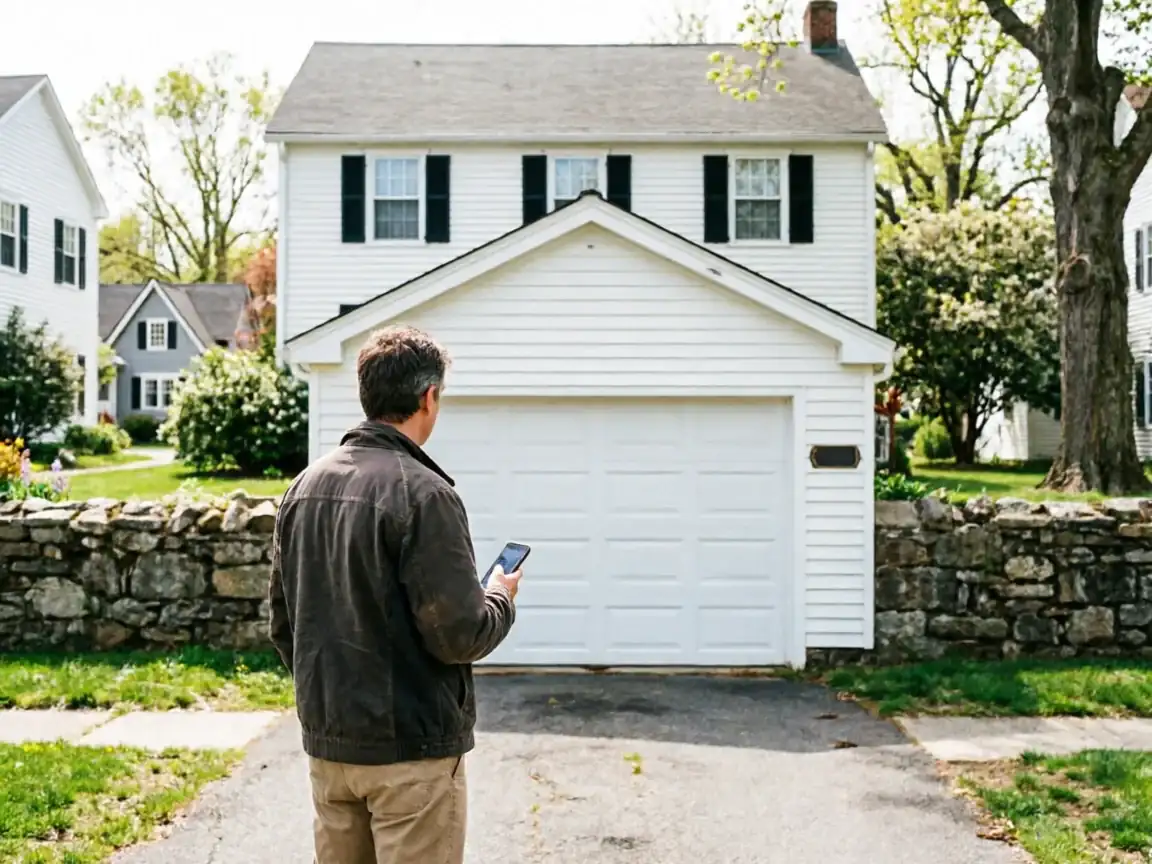
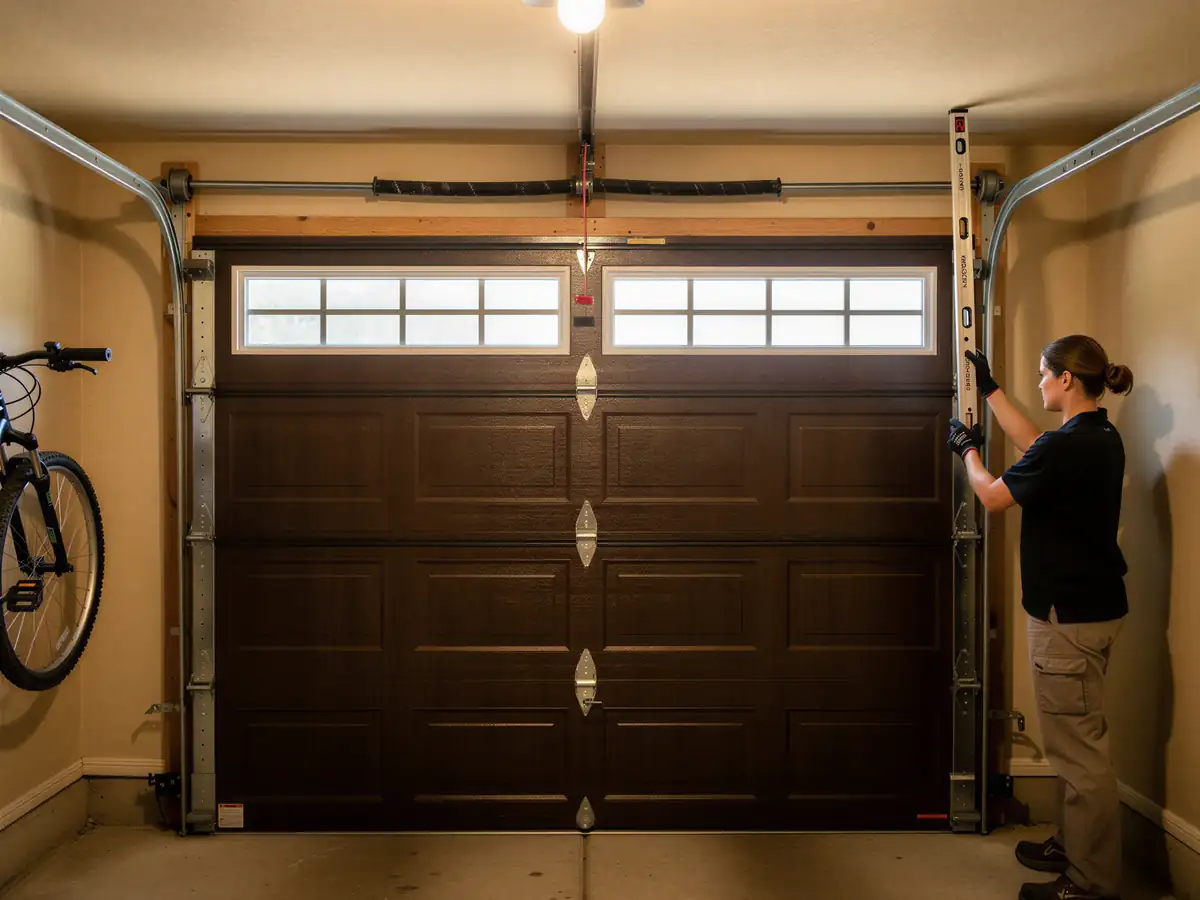
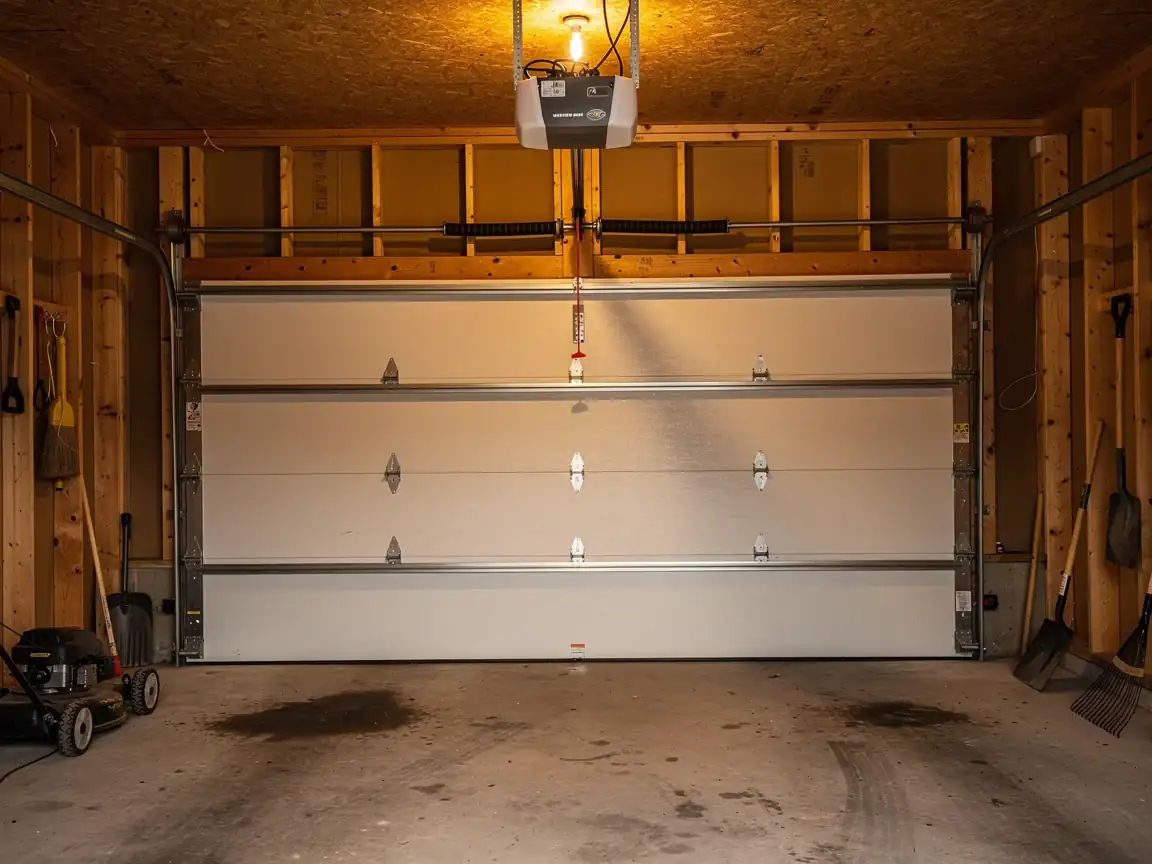
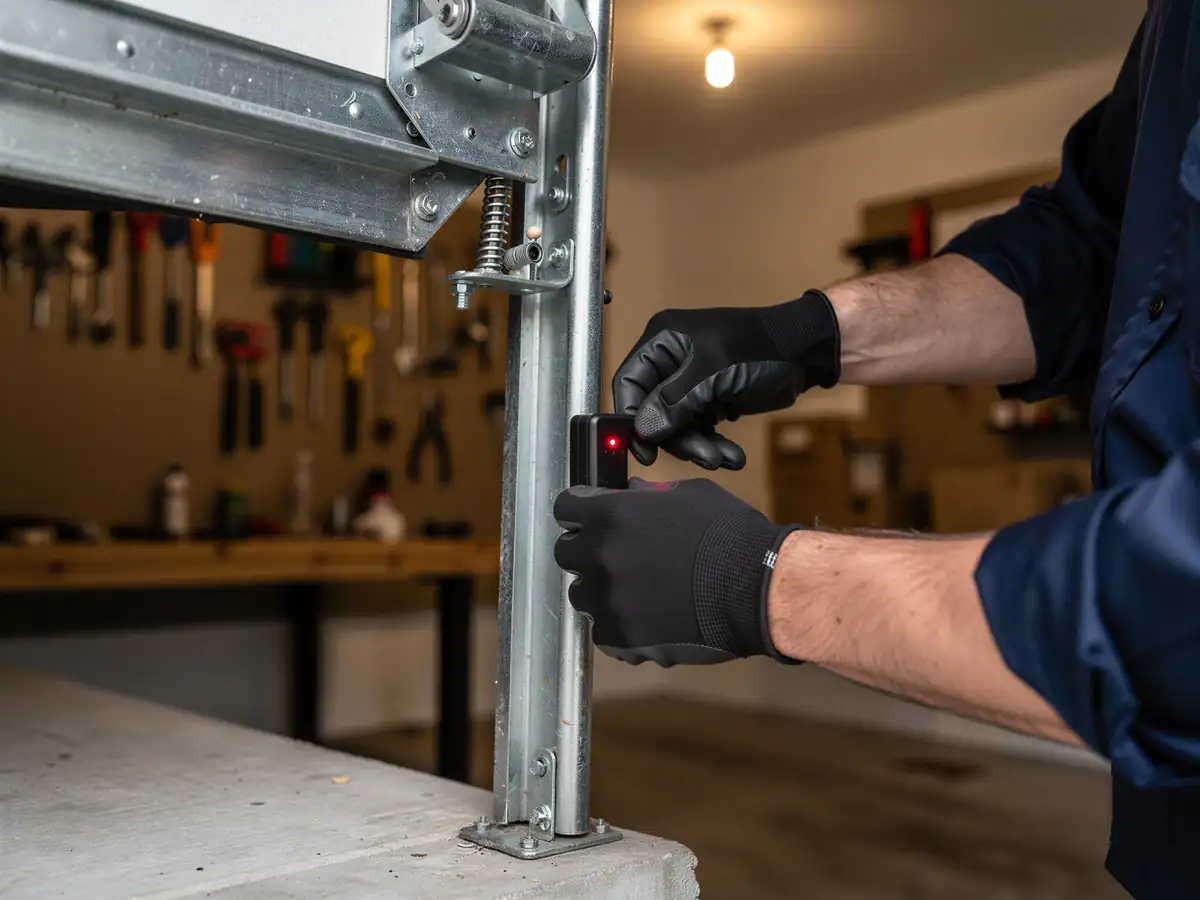
Before you call anyone, check the easy stuff. Make sure the opener is plugged into a live outlet and the breaker hasn't tripped - a lot of garages share a circuit with a freezer or a sump pump, and either one can knock power out. Swap the remote battery and check that the wall button lights up when you press it. Wipe down the photo-eye sensors near the bottom of the track; a film of dust or a spider web is enough to stop a door from closing on a lot of these units.
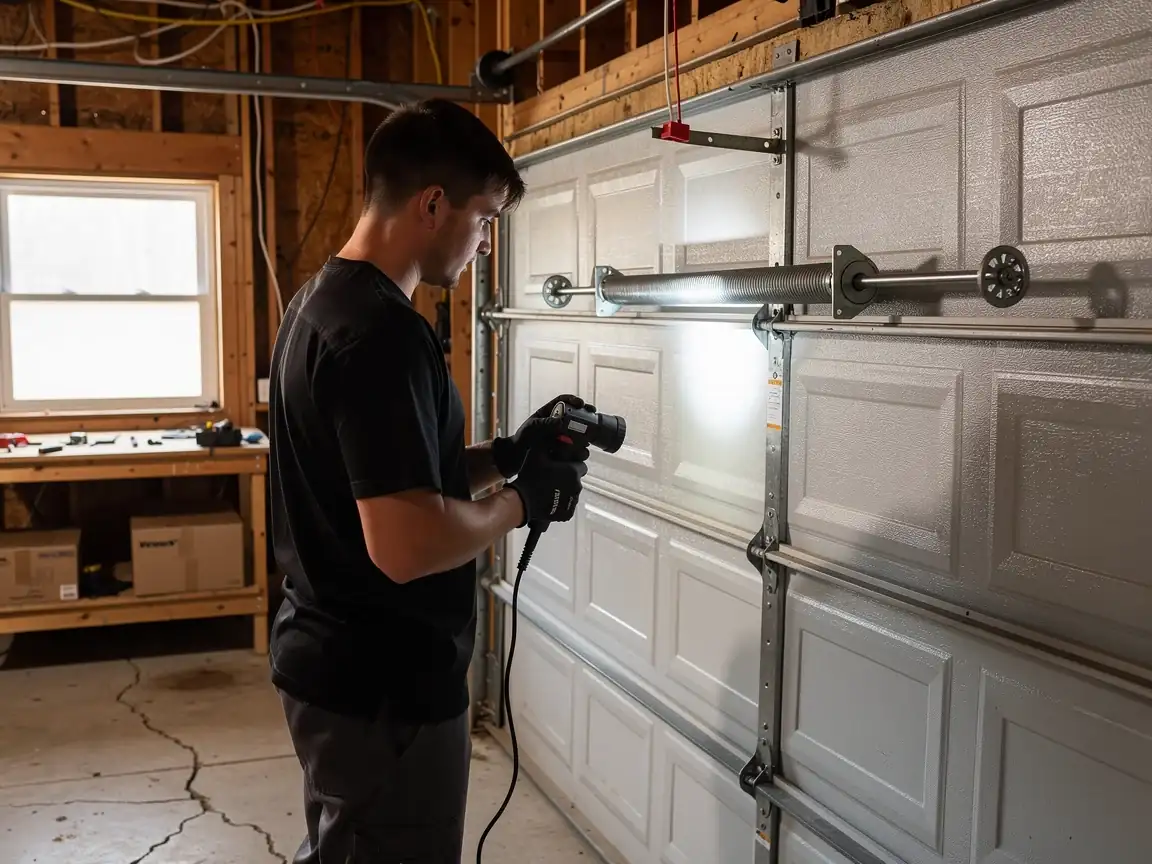
What you shouldn't do yourself: open the opener housing to chase a circuit board problem, or mess with the limit switch screws if you don't know what they do. On openers from the era a lot of Randolph garages are still running, the logic board and the capacitor are soldered-in parts, not things you swap on a workbench. If the motor hums but the carriage doesn't move, or the unit clicks and does nothing, that's a job for someone who can test the board under load, not a guess-and-replace exercise. We'll tell you straight if a part isn't worth sourcing - sometimes the honest answer is a new opener, not a repair.
How Long You Are Without the Door
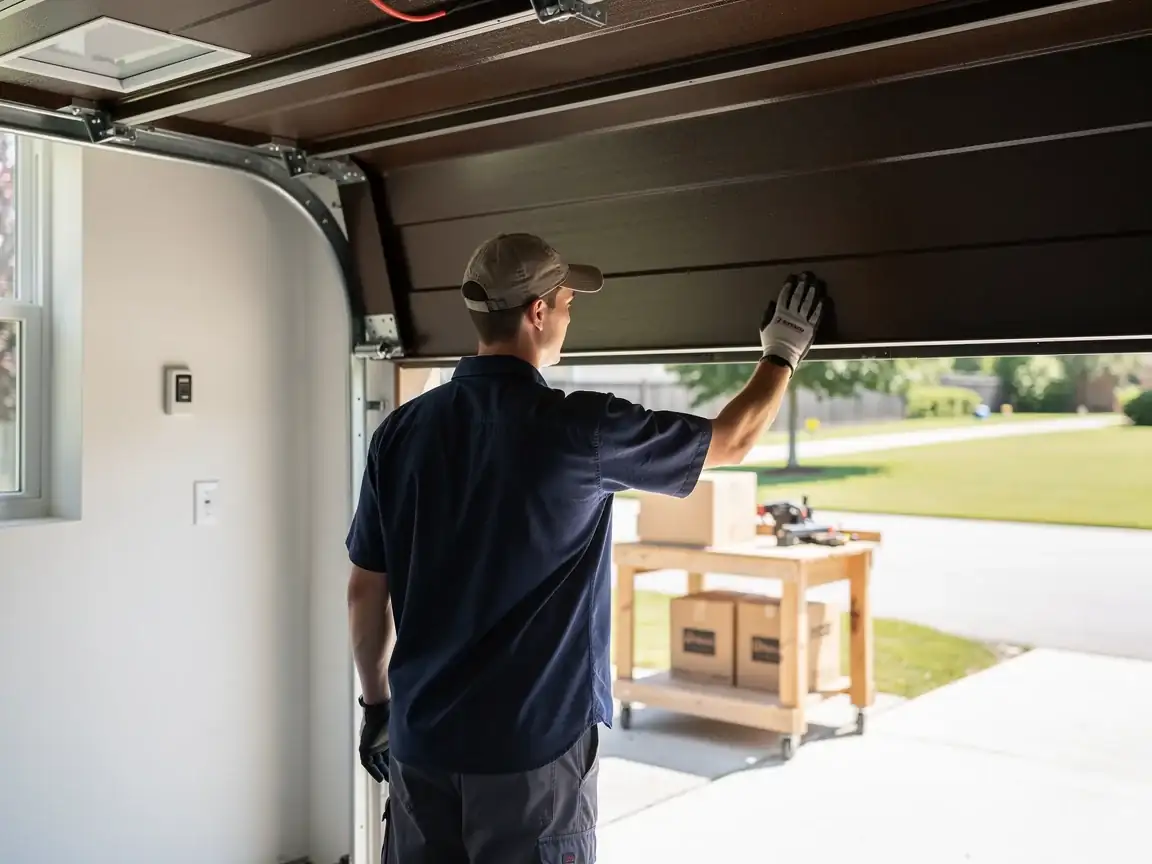
A dead opener doesn't always mean a door you can't move - most units have a manual release cord, so you can pull the door up by hand once you disconnect the carriage. That buys you time, but it also means the door isn't locked the way it should be, which matters more in winter when a garage is doubling as a mudroom and storage for half the house.
How long the repair itself takes depends on what failed. A stripped drive gear, a bad capacitor, or a dead logic board are each a different wait, and a board swap can run into a parts-order delay if the opener is old enough that the manufacturer doesn't stock that model anymore - which is common on units installed when a lot of these houses were newer. We're not going to promise a same-day fix on a part we don't have on the truck; we'll tell you up front if it's an order-in job and give you the manual-release workaround in the meantime so the car isn't stuck outside.
What Causes It Around Here
The houses across this part of Morris County mostly went up between 1938 and 1996
With the typical build year landing around 1964, and that matters for openers specifically: a huge share of the garages were wired and fitted in the 1960s and 70s, which is right when chain-drive units with mechanical limit switches and electrolytic capacitors were standard. Those capacitors have a shelf life, and when they go, the motor hums but doesn't turn - a failure mode we see constantly on original or first-replacement openers in this age bracket.
The cold is the other half of it
This area sits in a climate band rated cold and severe, and that swing from a warm afternoon to a hard freeze overnight is hard on an opener's gearbox grease and on the nylon drive gear inside the motor housing. Grease stiffens, the gear binds, and under that extra load the plastic teeth strip - often on the coldest morning of the year, which is exactly when you need the door working. It's not bad luck. It's old hardware meeting a climate it wasn't built to run through forever.
How It Shows Up
The most common complaint is a door that doesn't respond to the remote or the wall button at all - no light, no hum, nothing. That's usually power, a dead capacitor, or a board that's finally quit. Next most common: the motor runs but the door doesn't move, which almost always means a stripped drive gear, especially on chain-drive units from the 1960s-70s building wave this area is full of.
Then there's the door that opens partway and reverses, or closes and immediately bounces back up - that's the photo-eye or the limit switch reading wrong, not the motor. And some openers just get noisy and slow for weeks before they quit outright: a grinding or screeching sound from the gearbox is the stiffened grease and worn gear telling you the failure is coming, not a one-time glitch. If your opener is doing any of these, it's worth a look before it fails on a morning you need the car out.