Serving Randolph, NJ & nearby
(973) 291-0706
Randolph, NJ

The Sounds Your Randolph Garage Door Makes, and What They Mean

Most Randolph garage doors date to the 1960s and 70s, and cold winters make old springs and tracks noisy before they fail. Here's what each sound means.

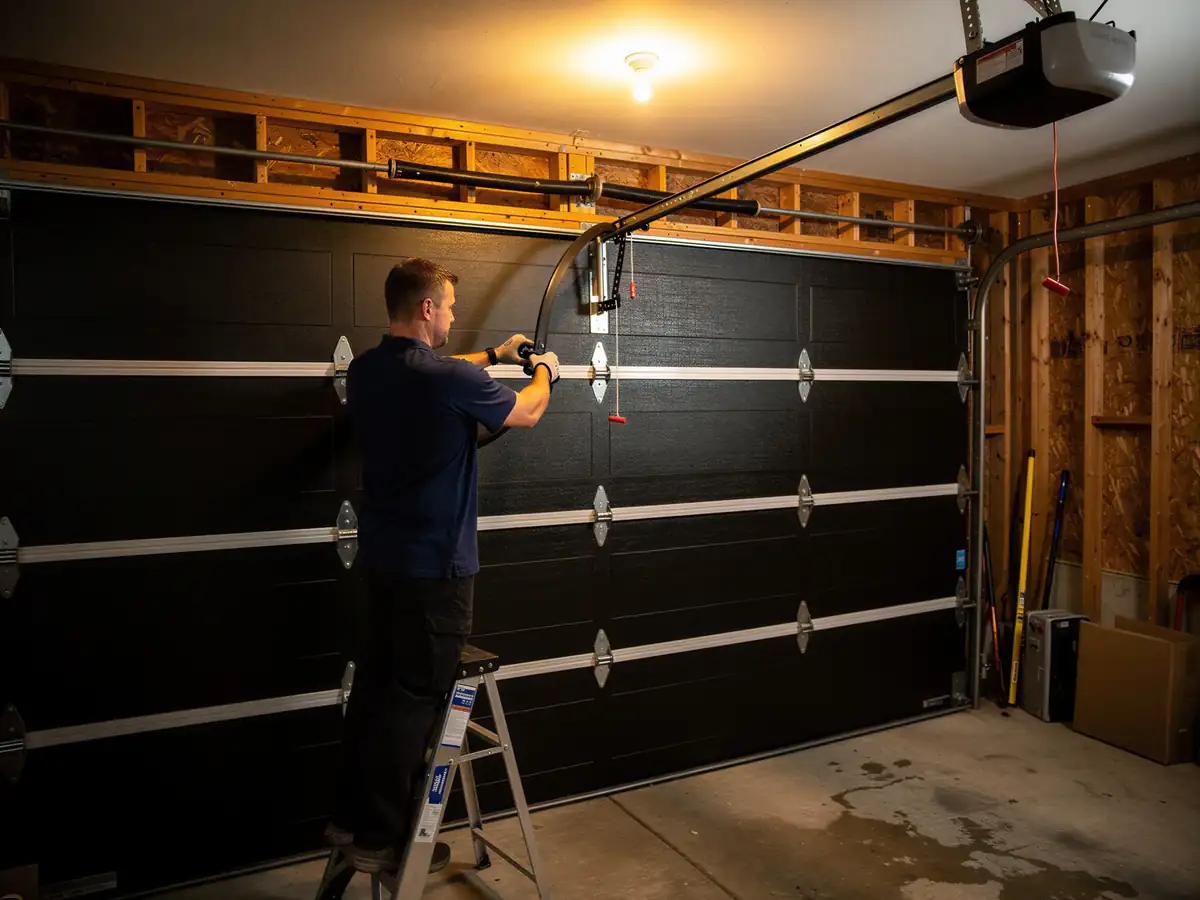
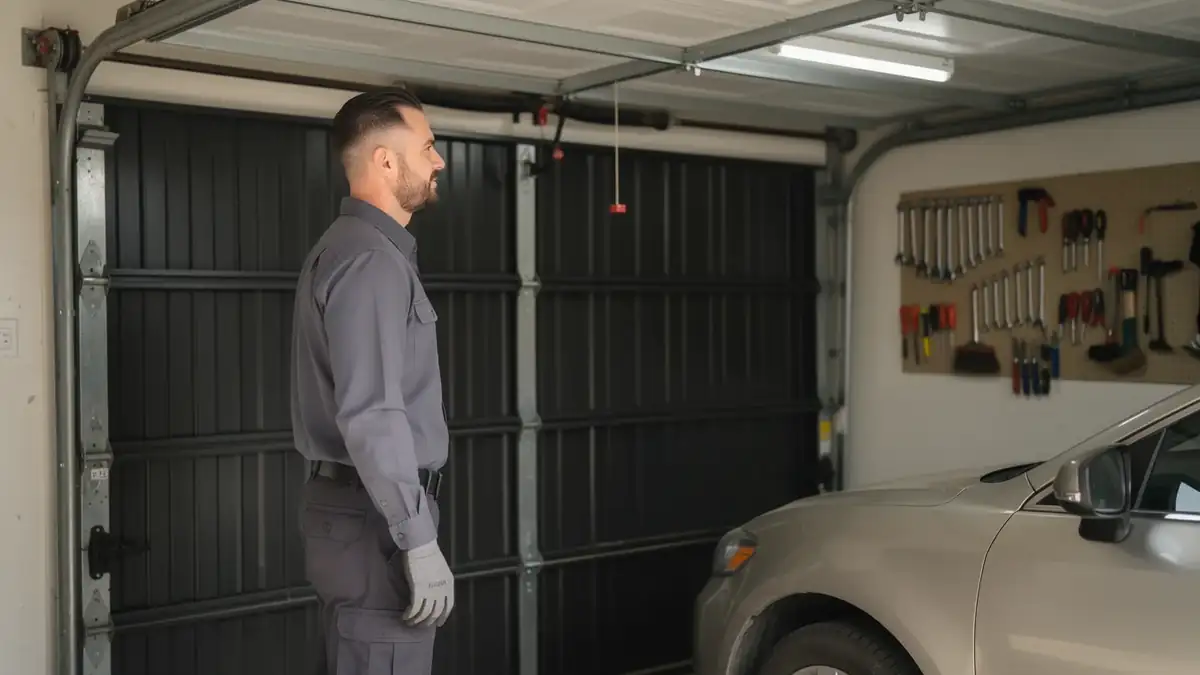
A technician stands in a garage with a dark gray garage door and a car.

What Most People Get Wrong

Most houses in this part of Randolph went up somewhere between 1938 and 1996, with a lot of that stock clustered in the 1960s and 70s build boom that shaped the 116 named areas around here. That matters because a door is a mechanical system, and a system installed in 1966 is not getting quieter with age. The most common mistake we see is treating noise as cosmetic - a squeak you learn to live with, or a bang you blame on "the house settling." People spray WD-40 on a hinge and call it fixed. That buys you a week, maybe two, because lubricant doesn't fix a bent track or a spring that's lost tension. The second mistake is waiting for the door to stop working entirely before calling anyone. By the time a torsion spring on original side-mounted hardware actually snaps, you've usually had weeks of warning noise you talked yourself out of hearing. A door that's been quiet for decades and suddenly isn't is telling you something specific, not just getting old in a vague way. The hardware on a lot of these houses was never upgraded past what the builder put in, so when it starts to go, it tends to go as a set - rollers, cables, and springs wearing out around the same years.

What to Check

Start at the track. On houses from this build era, the vertical track sections are often original steel, and over fifty-plus years they can pull slightly away from the frame where the lag screws bite into old lumber - that shows up as a rattle right as the door passes that spot. Next, look at the spring itself: on a torsion setup, check for a visible gap in the coil, which means it's already cracked and running on borrowed time. On older extension-spring doors, common in this same housing stock, check that the safety cables run through the spring - a lot of pre-code installs from the 1960s never had them added later. Listen for a grinding sound specifically when the opener engages, which usually points to worn nylon rollers rather than the motor. Check hinges between panels for metal-on-metal squeal versus a looser rattle, since those are different repairs. None of this requires taking anything apart. A flashlight and five minutes watching one full cycle, door down to door up, will tell you more than guessing. If you hear a sound that wasn't there last month, that's the one to act on - new noises on old hardware are rarely nothing.

What the Weather Here Does to It

This area sits in a cold climate zone with severe winter conditions, and steel hardware responds to that whether anyone's paying attention or not. Torsion springs are tempered steel, and cold air stiffens them - a door that lifts smoothly in August can feel noticeably heavier and noisier in January because the spring isn't flexing the same way. Grease and lubricant on track rollers thickens in the cold too, so a roller that ran quiet all summer can start to chirp or stick once temperatures drop, especially on the older steel rollers still common in houses built before the 1990s. The bottom seal is another spot: cold makes rubber brittle, and a stiff or torn seal lets the door's bottom panel hit the slab with a bang instead of a soft stop. None of this is damage from one storm - it's cumulative, and it shows up worse every winter a worn part isn't replaced. If your door has gotten louder specifically as the weather turned, that's not coincidence. That's cold steel and old rubber doing exactly what cold steel and old rubber do, and it's a sign the hardware was already due.

What Is Going On

Put together, the pattern is usually hardware that matches the age of the house - original or near-original springs, tracks, and rollers from a 1960s or 70s install - meeting a winter that stresses steel and rubber harder than any other season. A grinding sound near the top of travel is often a roller. A sharp bang partway down is often a loose track bracket. A loud pop followed by the door refusing to open is almost always a broken spring, and that's not a lubricate-and-wait situation - it's a parts swap. Here's the honest limit: we can't tell you exactly which part from a description over the phone, and we're not going to guess and quote a price sight unseen. What we can tell you is that a noise that's new, that's gotten worse, or that shows up specifically with temperature changes is worth a look before it becomes a door that won't move at all. Some of these fixes are small. A door that's been limping for a few winters on original hardware usually isn't.
How it works

From “it’s stuck” to “it’s fixed”

A quick, honest process - no guesswork and no surprises, start to finish.

  1. 1
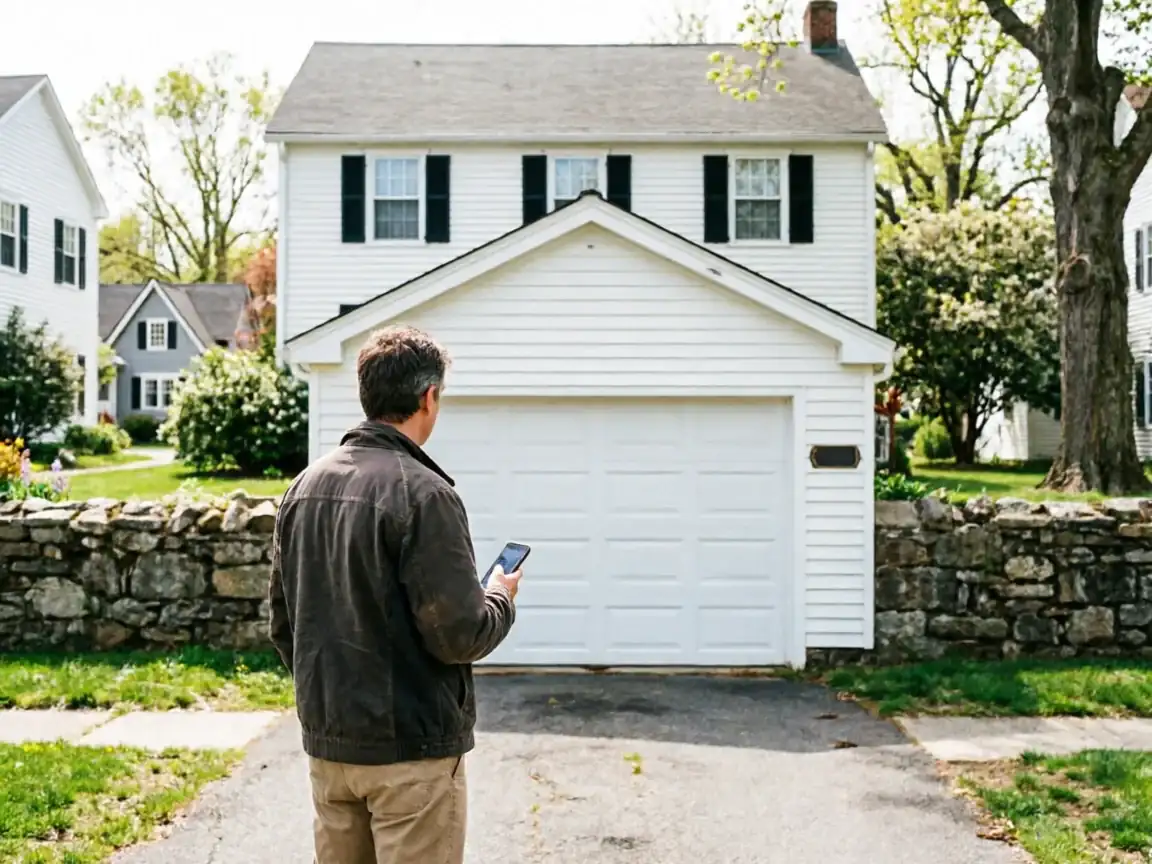
    A man stands in a driveway holding a phone, facing a white garage door.

    Tell us what’s wrong

    Describe the symptom - won’t open, loud bang, opener runs but the door won’t move.

  2. 2
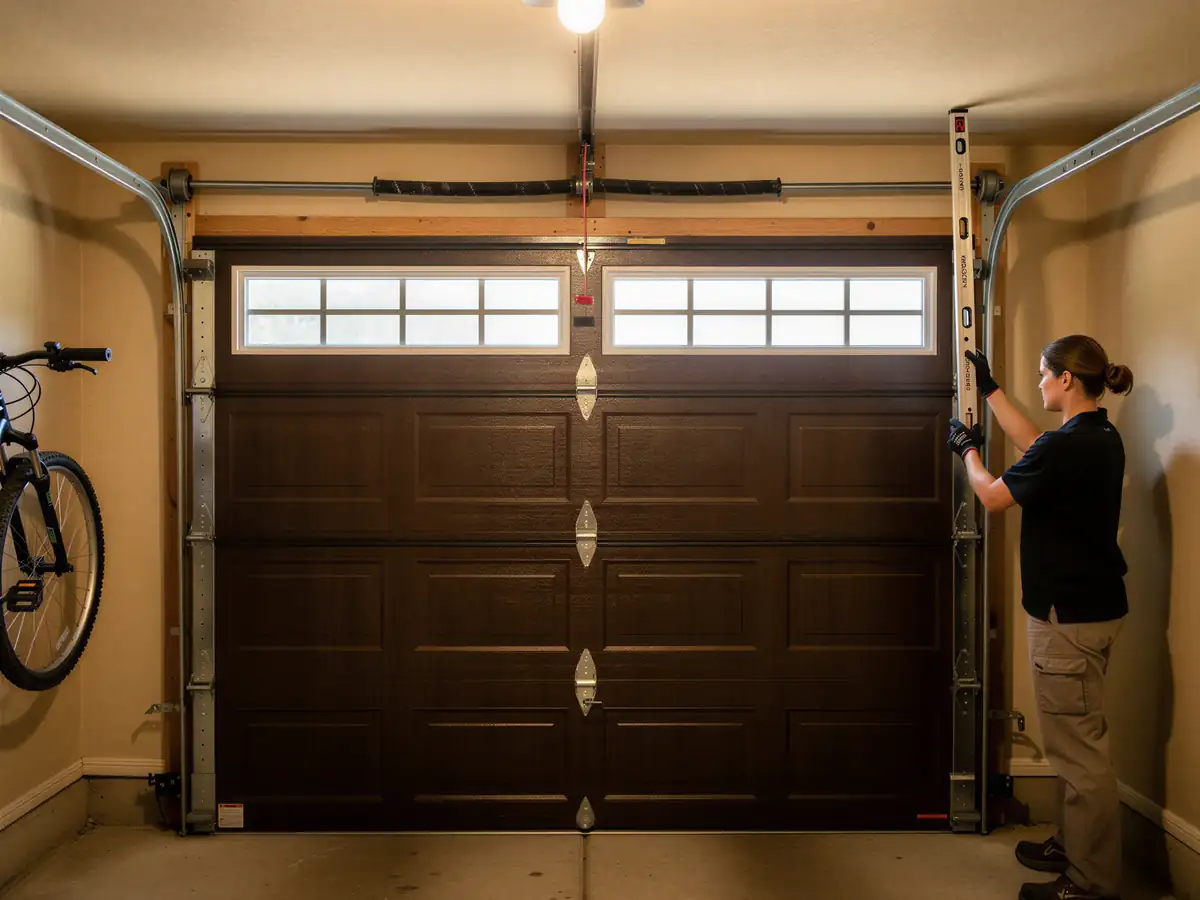
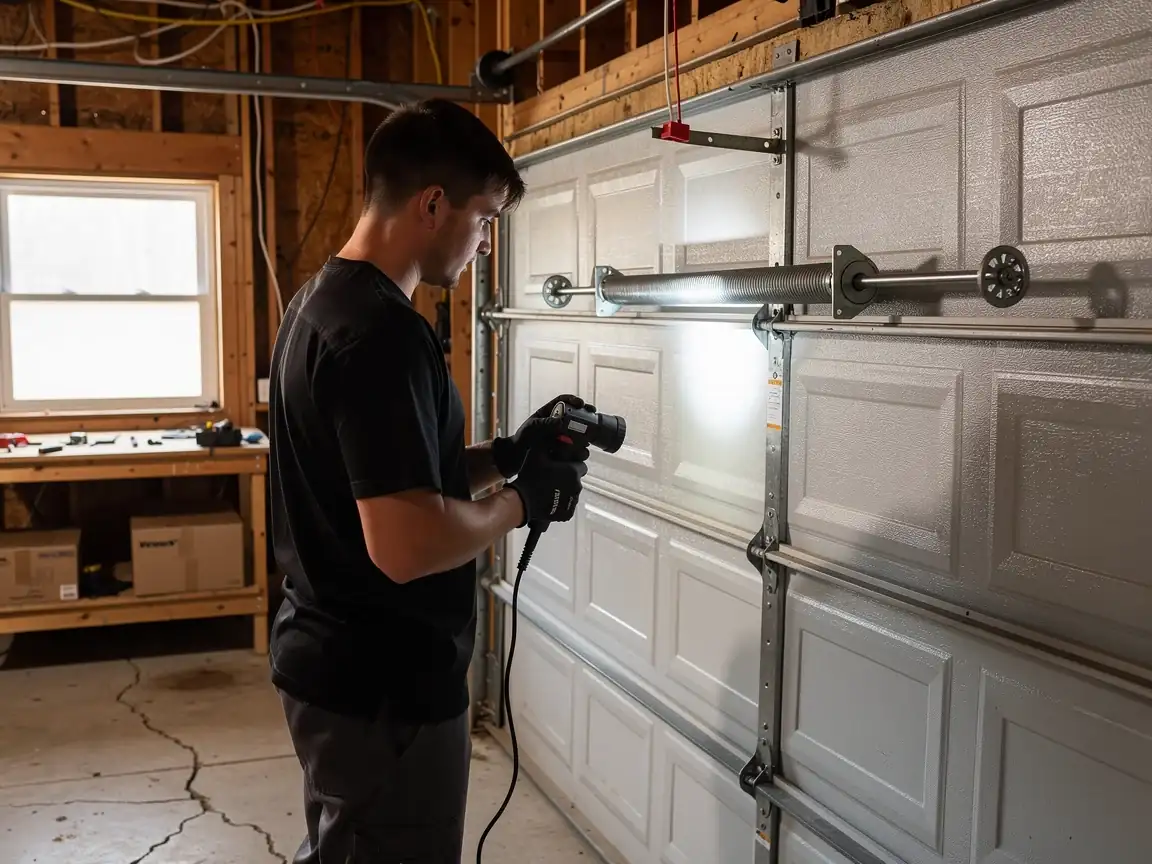
    A technician shines a light on a garage door torsion spring.

    On-site diagnosis

    A technician tests the door under power and by hand and finds what actually failed.

  3. 3
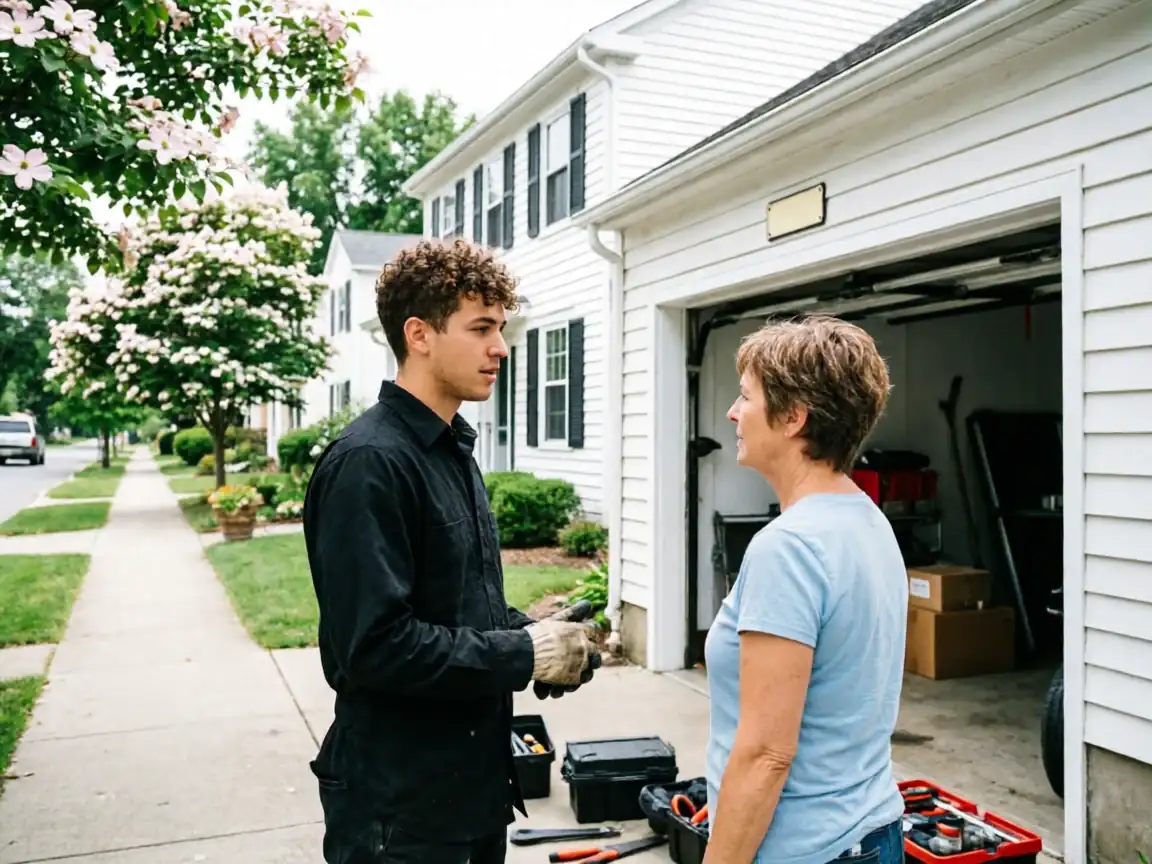
    A technician talks to a woman in front of an open garage.

    Clear, up-front plan

    You get the fix that’s needed and what drives the cost - before any work starts.

  4. 4
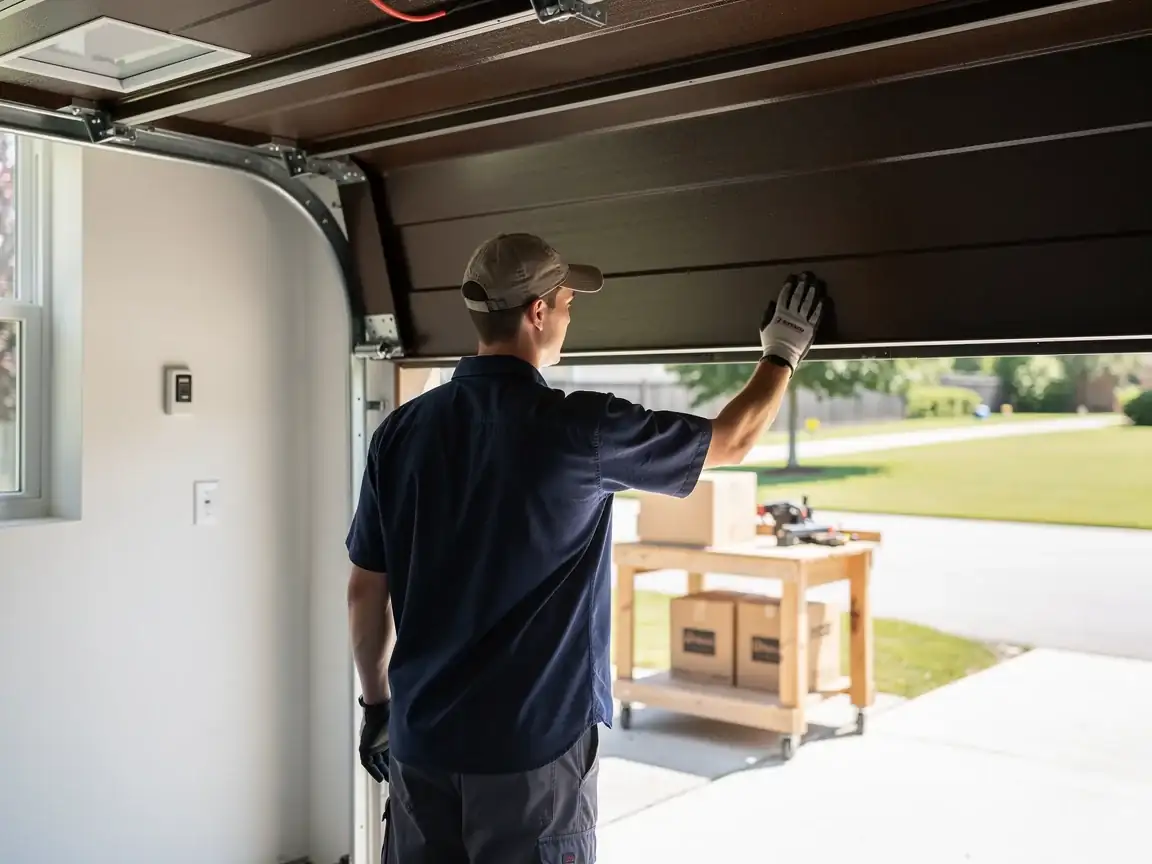
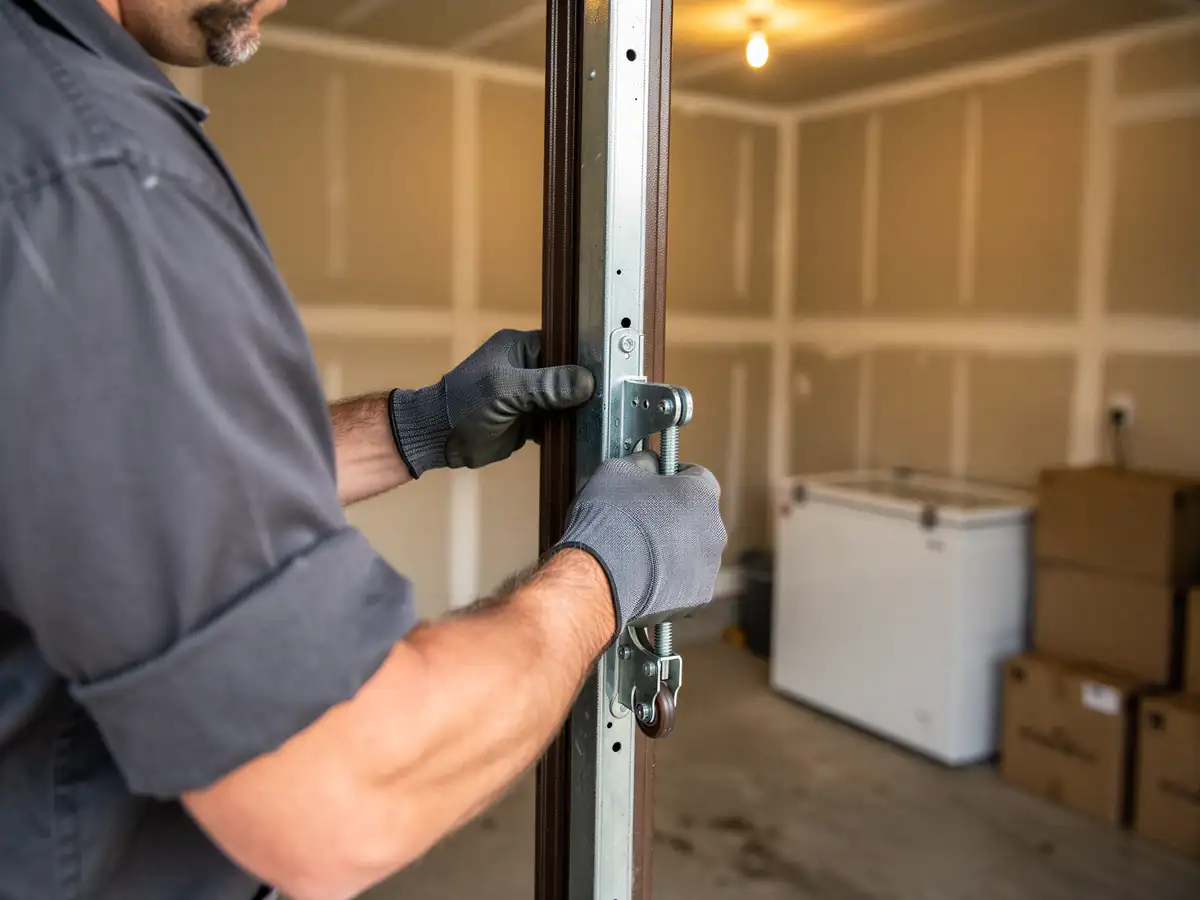
    A technician in a cap and gloves adjusts a brown garage door.

    Repaired & tested

    The repair is done, the door is set true and tested, and the work area left clean.

Not sure which repair your door needs in Randolph, NJ? Describe what it’s doing - every job starts with a diagnosis.

8areas covered
How we work

What to expect

Diagnosis firstEvery visit starts by finding what actually failed - not a pre-written parts list.
The right part for the doorSprings and openers matched to the door’s weight and age, so the fix holds up.
Straight answersWhen a repair makes more sense than a replacement - or the reverse - you hear it plainly.
Clean, careful workTension released safely, hardware set true, the door tested under power before we leave.
What we do

Garage Door Services

Repair and installation work for Randolph homes and businesses.

Questions

Frequently asked

Straight answers about garage door repair in Randolph. Still unsure? Ask us directly.

My garage door squeaks only in the morning when it's cold. Is that serious?

Usually it's lubricant thickening on older rollers or hinges overnight, which is common on hardware from the 1960s-70s housing stock in this area. It's not an emergency, but a squeak that shows up only in cold weather and gets louder each winter is a sign the part is wearing out, not just cold.

Is a loud bang when the door closes dangerous?

It can be. A bang right at the bottom of travel is often a stiff or torn weather seal letting the panel hit the slab, which is a minor fix. But a bang partway through the cycle can mean a loose track bracket or a spring issue, and those are worth checking before the door is used again.

How old does a spring have to be before it's a replacement, not a repair?

We don't quote a fixed age, since it depends on cycles and condition, not just years. But if the house still has its original torsion or extension springs from a 1960s or 70s build, and you're hearing new noise, replacement is more likely than a patch at this point.

Ready to get your garage door sorted?

Tell us what it’s doing and where you are in Randolph - we’ll take it from there.

Request a QuoteCall