What People Here Ring About
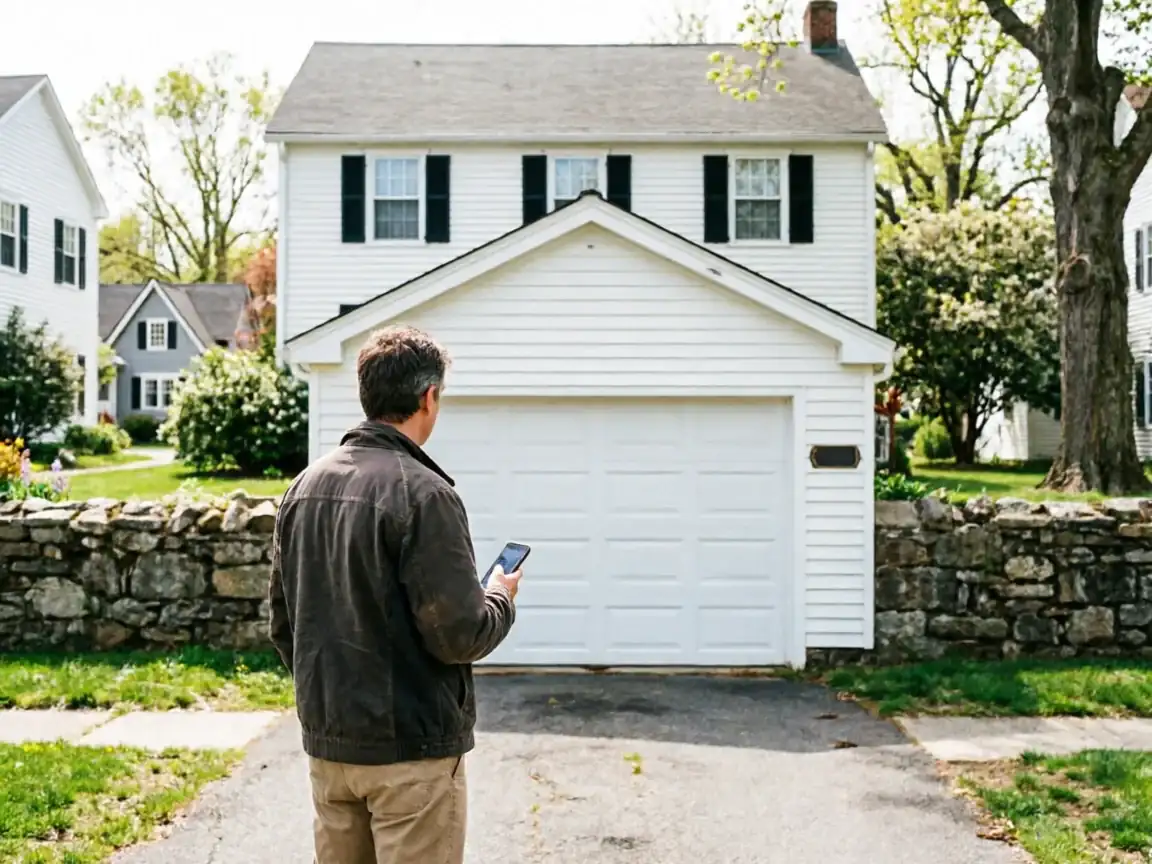
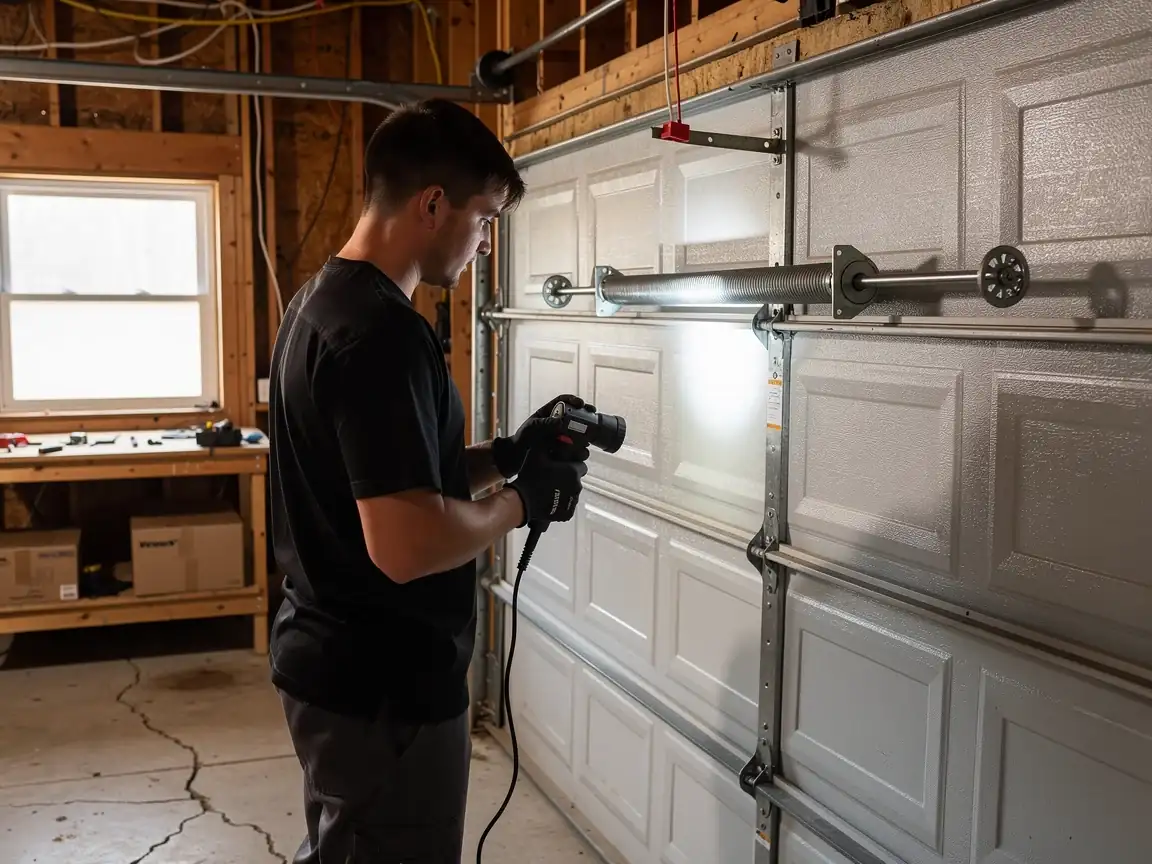
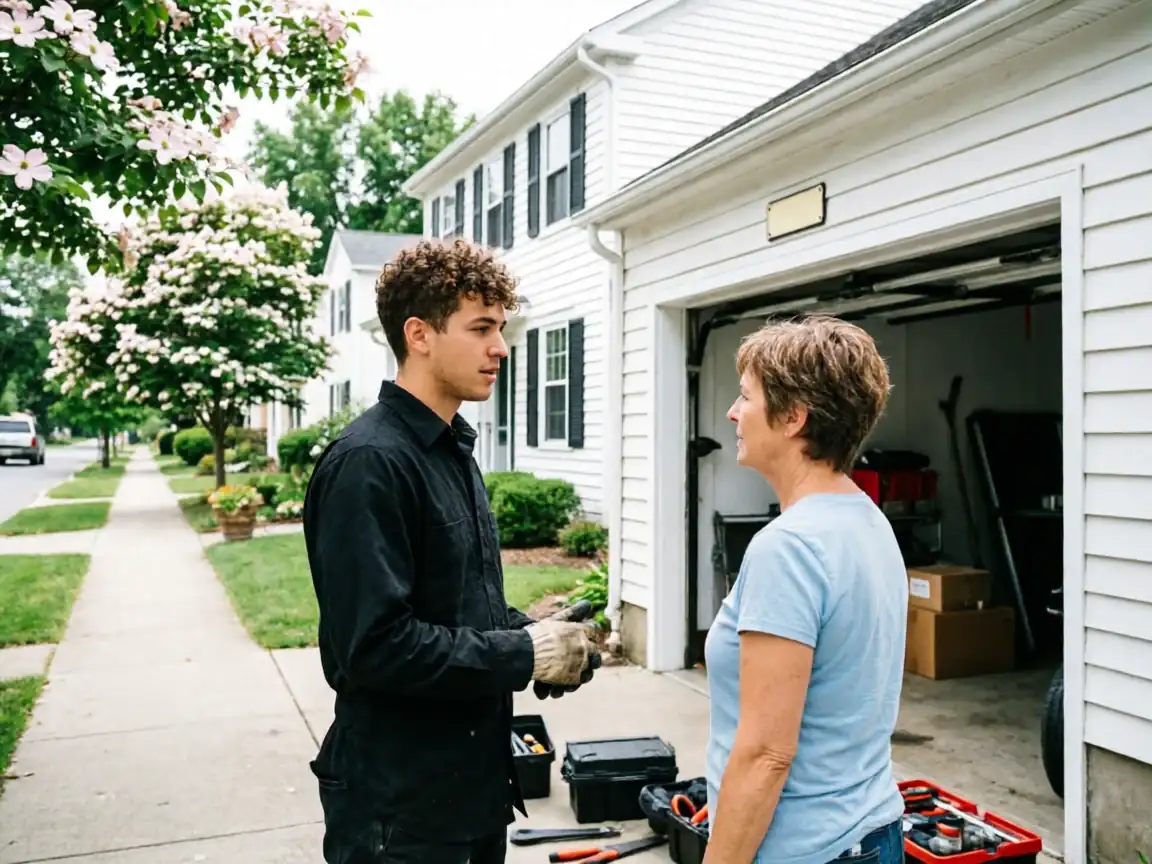
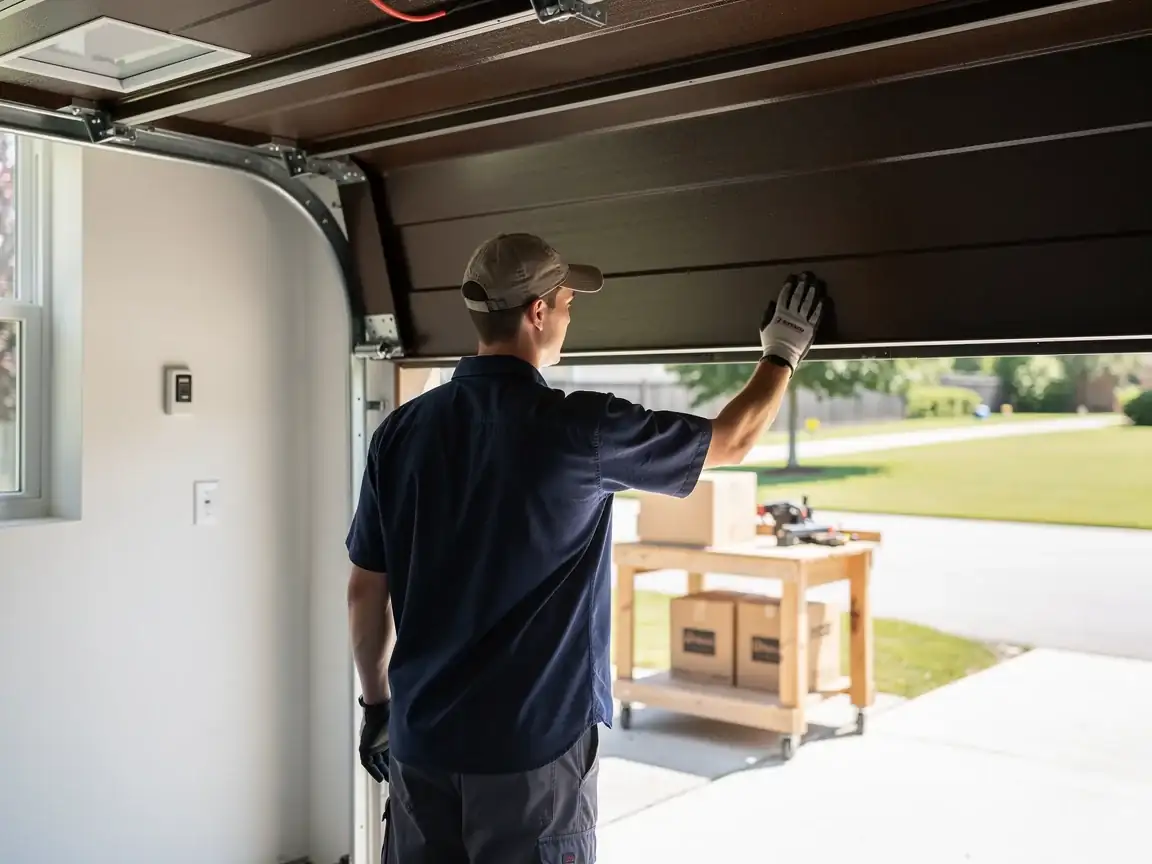
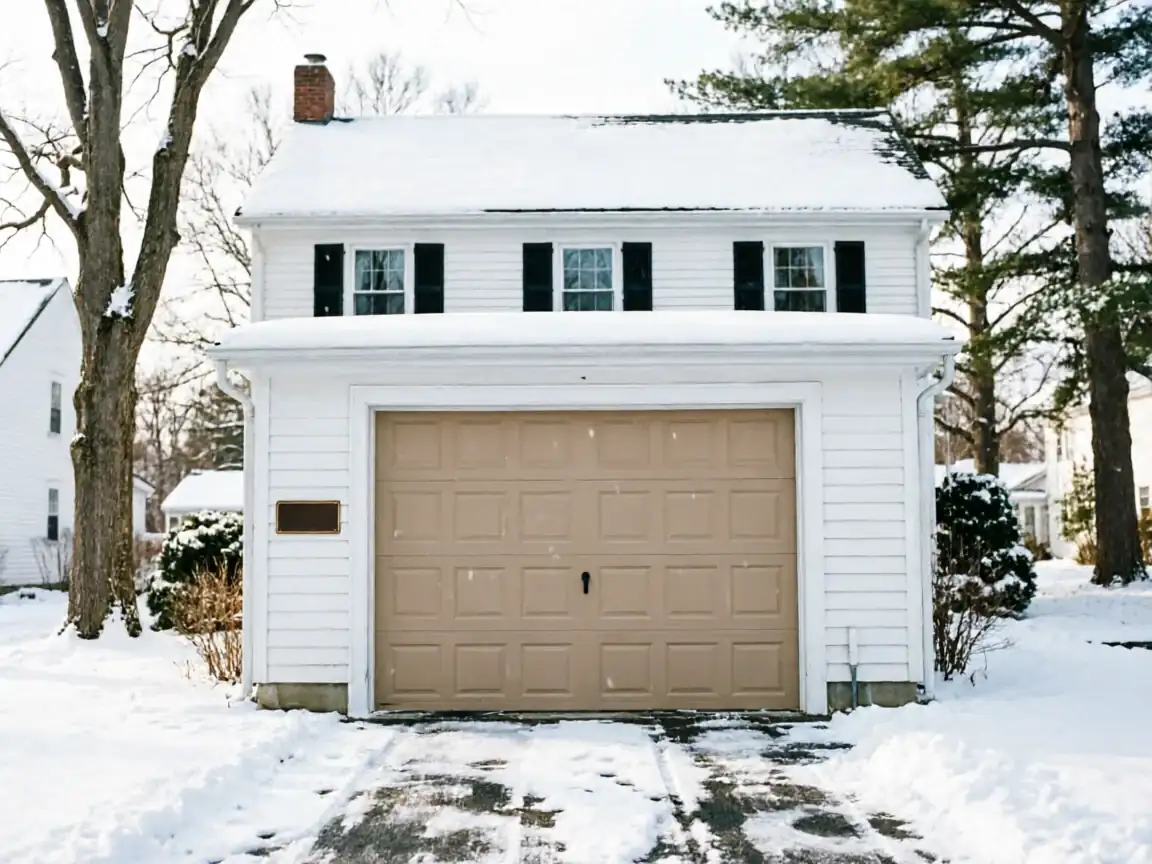
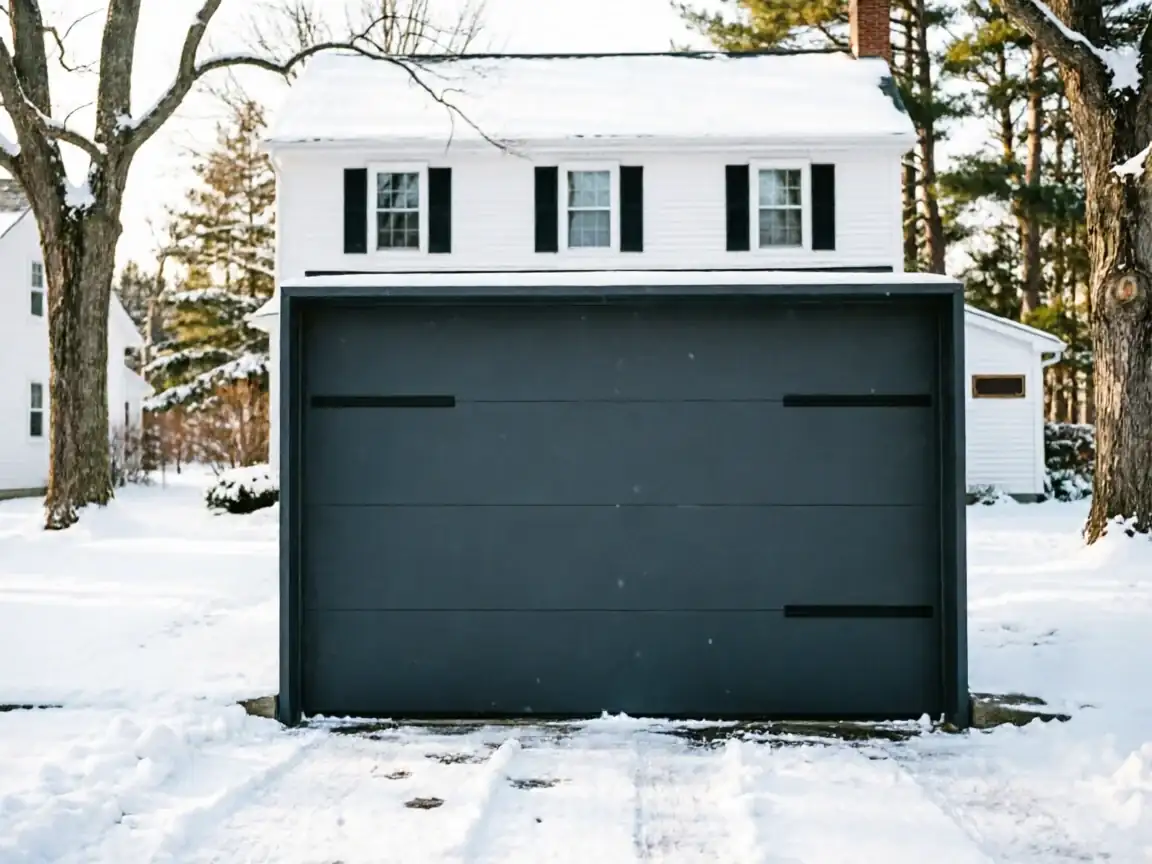
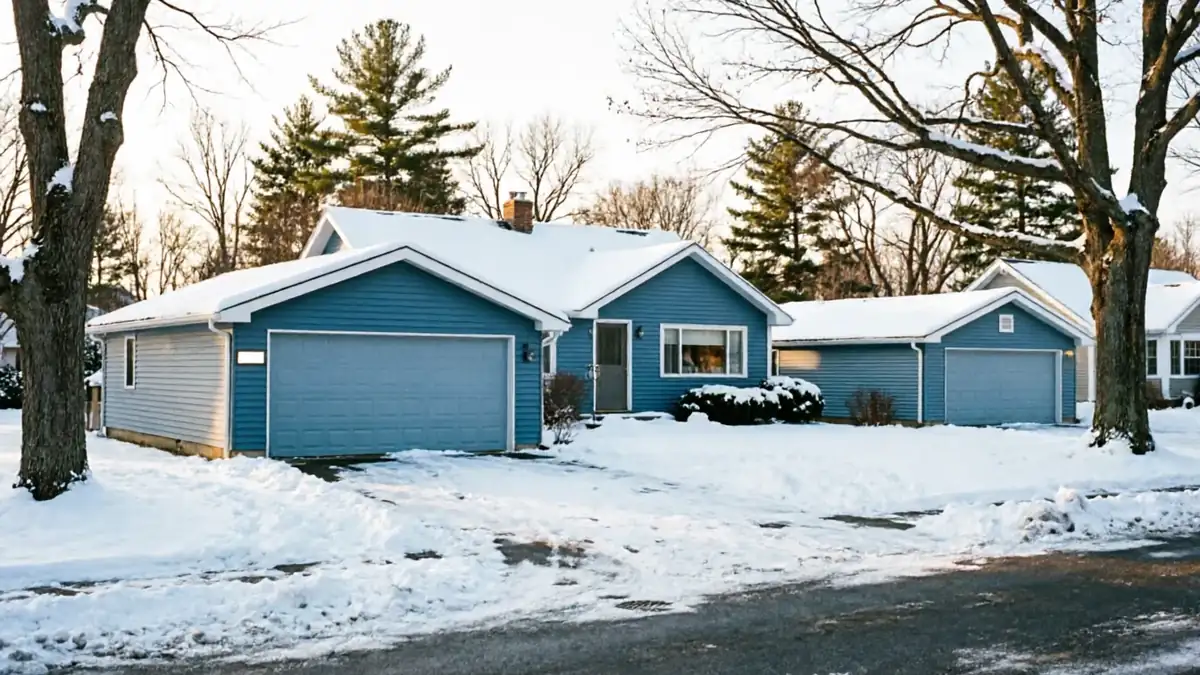
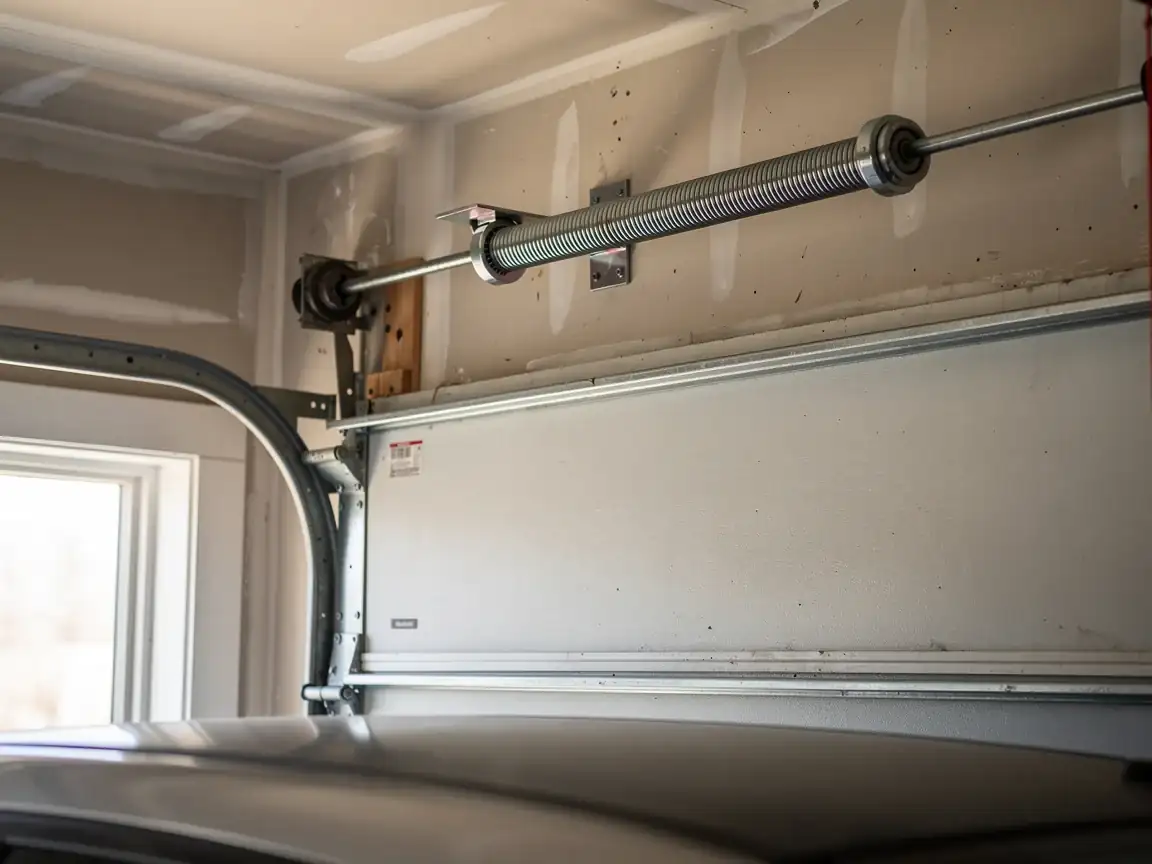
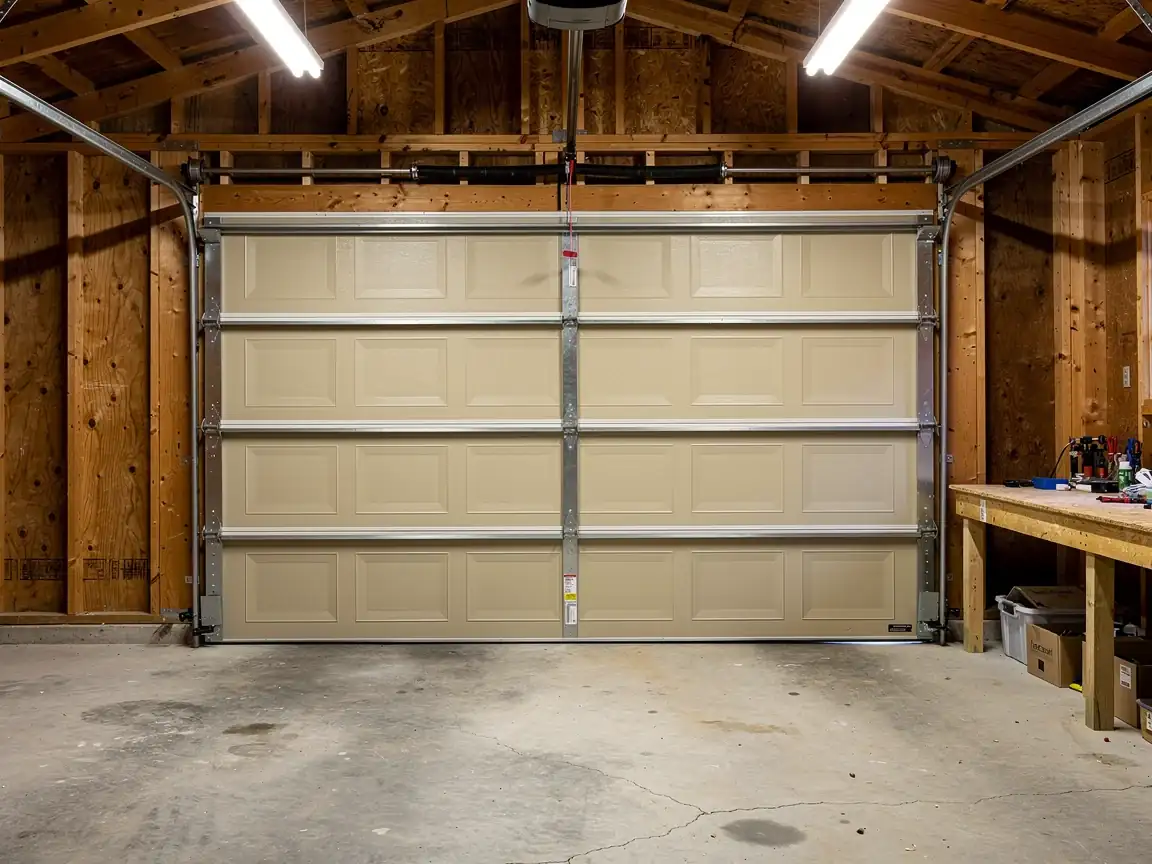
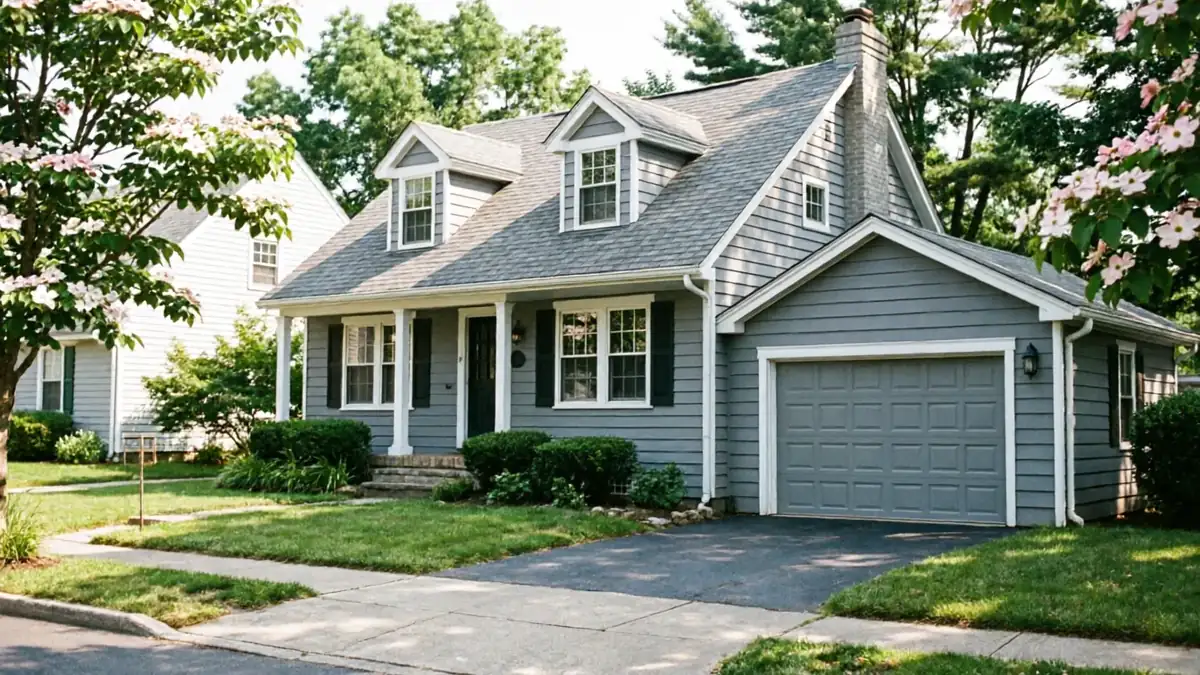
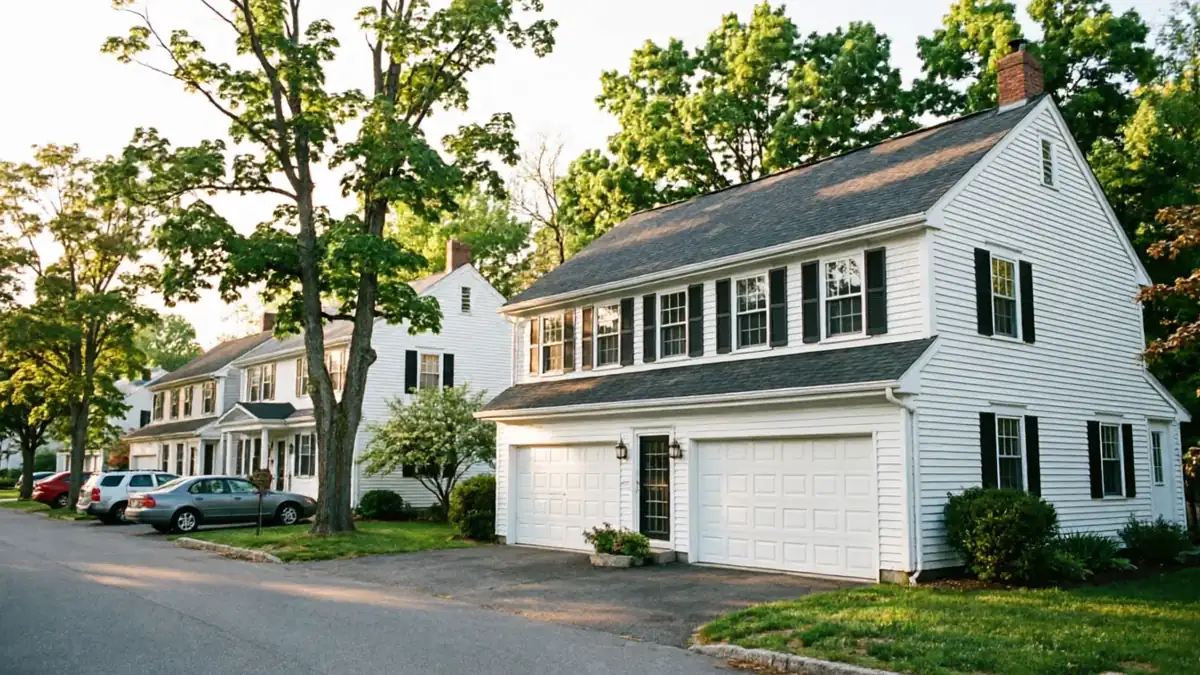
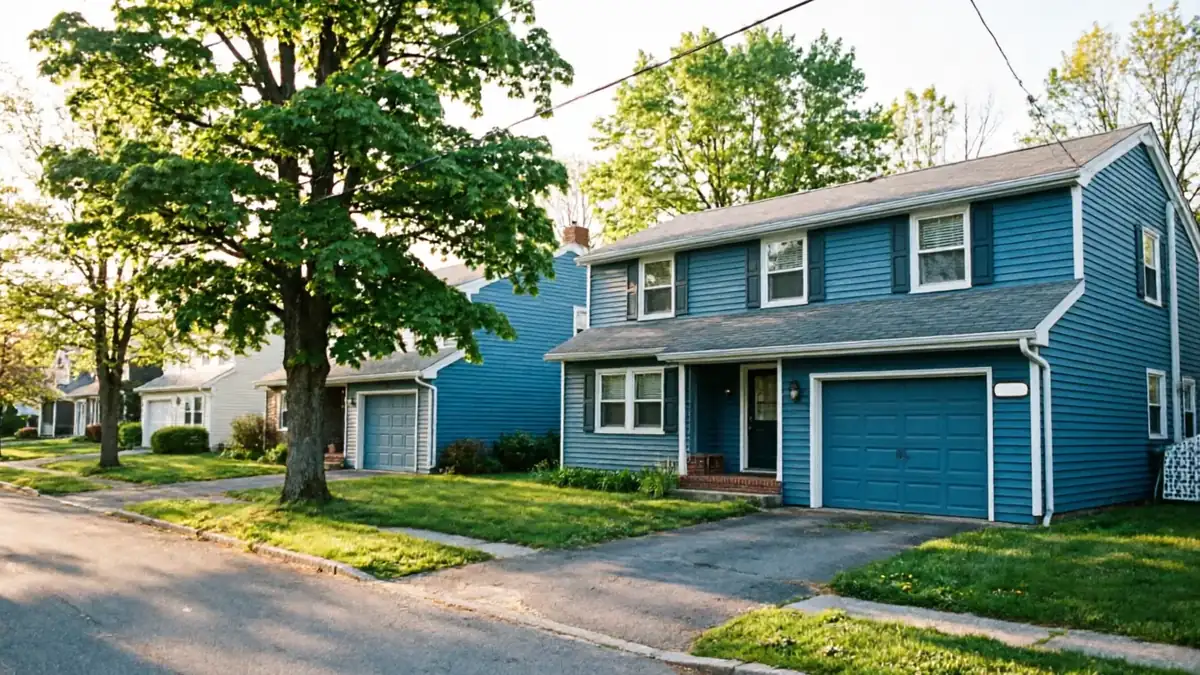
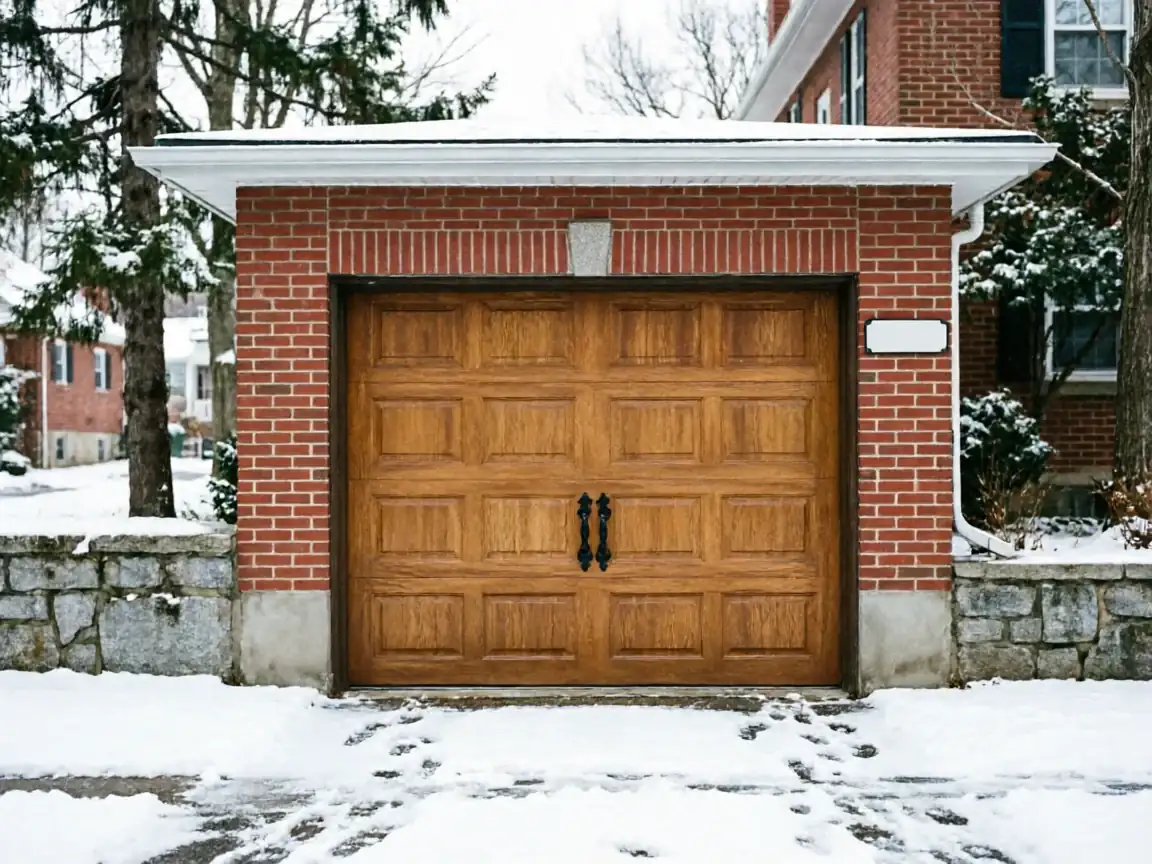
Rockaway sits about 5 miles from our Randolph shop, and the calls we get from this area have a pattern. A lot of the houses went up around 1960, which means a lot of garage doors on original or near-original hardware: single-piece torsion springs sized for a door that's heavier than what you'd buy today, steel track that's been re-shimmed more than once, and openers that were bolted on sometime in the 80s or 90s as an afterthought. We hear about doors that groan on the way up, springs that finally let go on a cold morning, and openers that run but won't reverse the way they should. With roughly 2,660 households in this area, it's not a huge pocket, but the housing age is consistent enough that the failures repeat house to house.
This Area's Housing
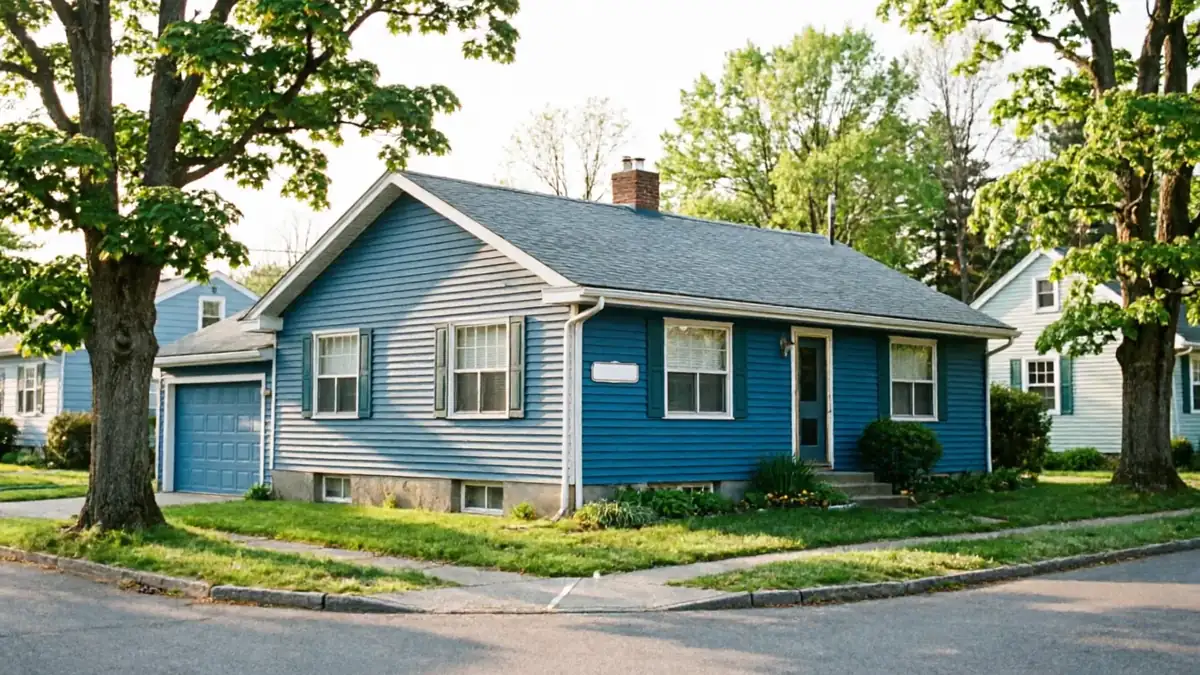
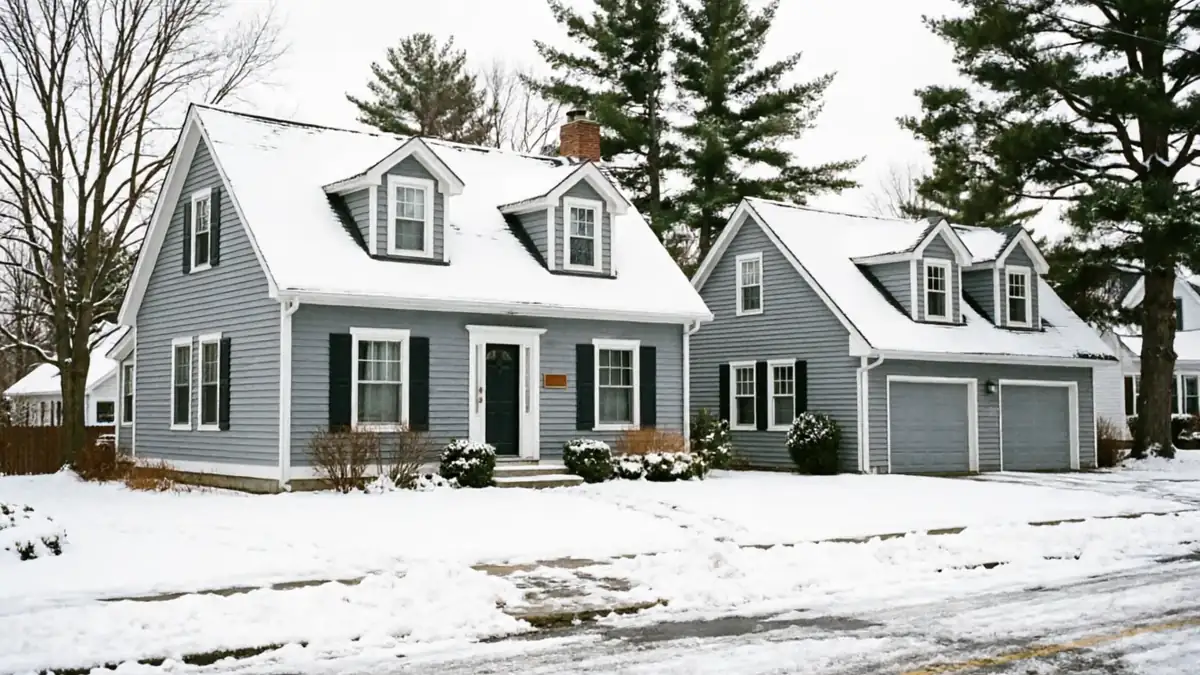
Across the wider service territory, homes were built mostly between 1938 and 1996, with a median year of 1964. Rockaway's own median build year lands at 1960, a few years ahead of that broader midpoint, which puts a big share of the area's garage doors and openers past their expected working life even where someone's replaced a part or two along the way. Median household income here runs about $100,028, noticeably below the service-area median of $146,174 - which tends to mean owners replace a cracked panel or a dead capacitor rather than swap the whole unit, and that's a reasonable call more often than not. The area sits inside the same cold-severe climate band as the rest of our coverage, so freeze-thaw cycling on concrete slabs and steel track is a factor every winter, not just during a bad one.
What We Do Not Do
We don't keep a depot or crew stationed in Rockaway - every job here is a drive out from our Randolph shop, so we're not the right call for a true lock-out emergency where minutes matter. We also don't push full door replacement as a first answer on these older homes; if a 1960s-era torsion spring or a worn roller is the actual problem, we'd rather fix that part than sell a new door nobody asked for. Where we draw a harder line is on non-containment torsion springs with no safety cable - we'll replace those with a properly cabled setup rather than just re-tensioning the old spring, because the failure mode on those is dangerous enough that patching it isn't worth the savings.