Doing It Yourself
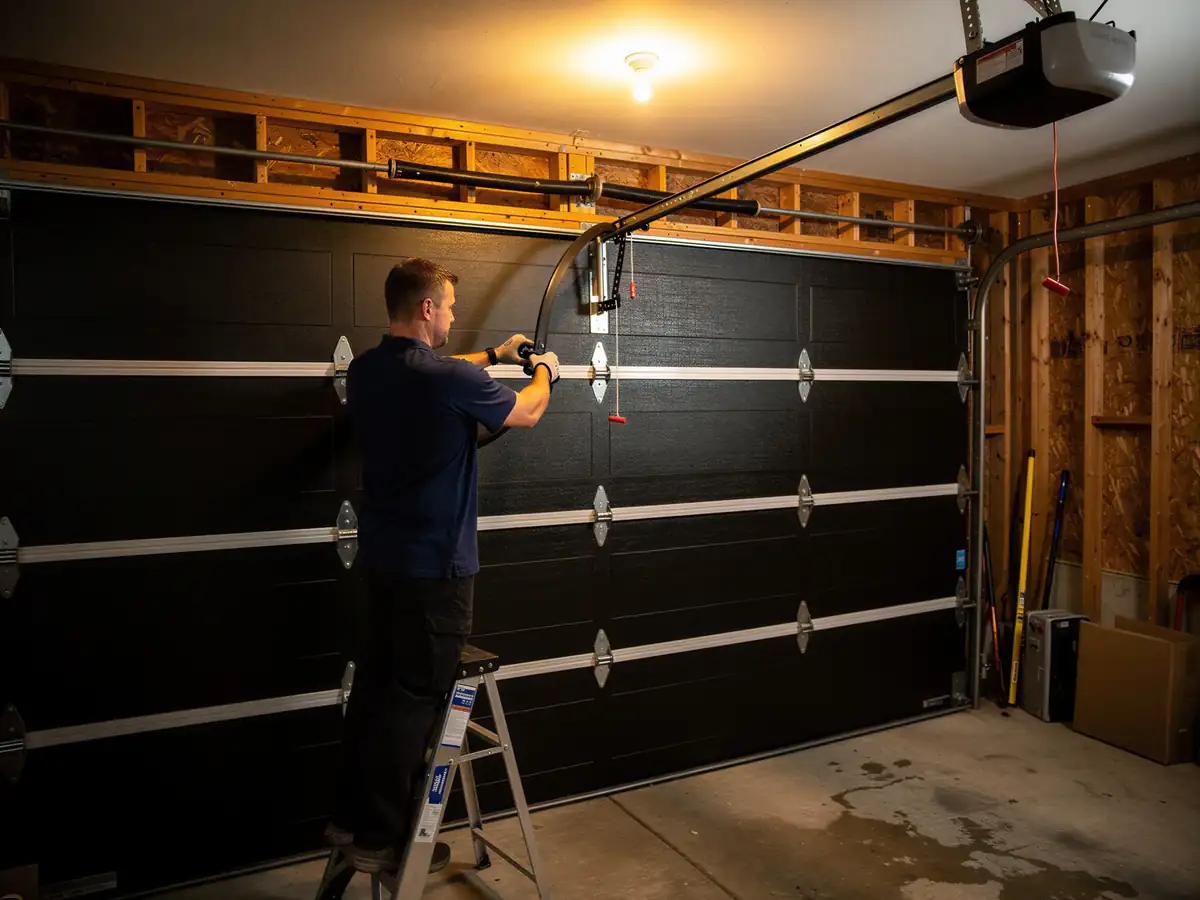
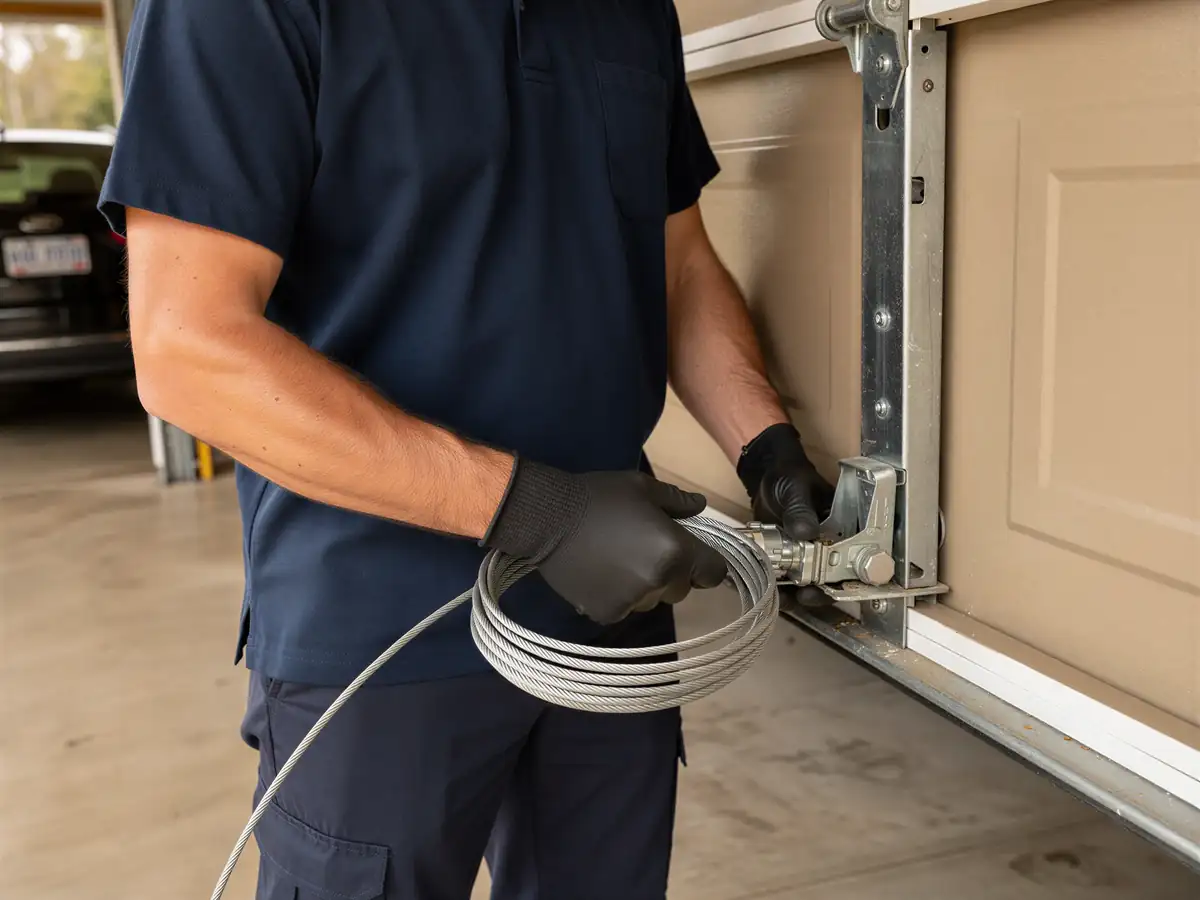
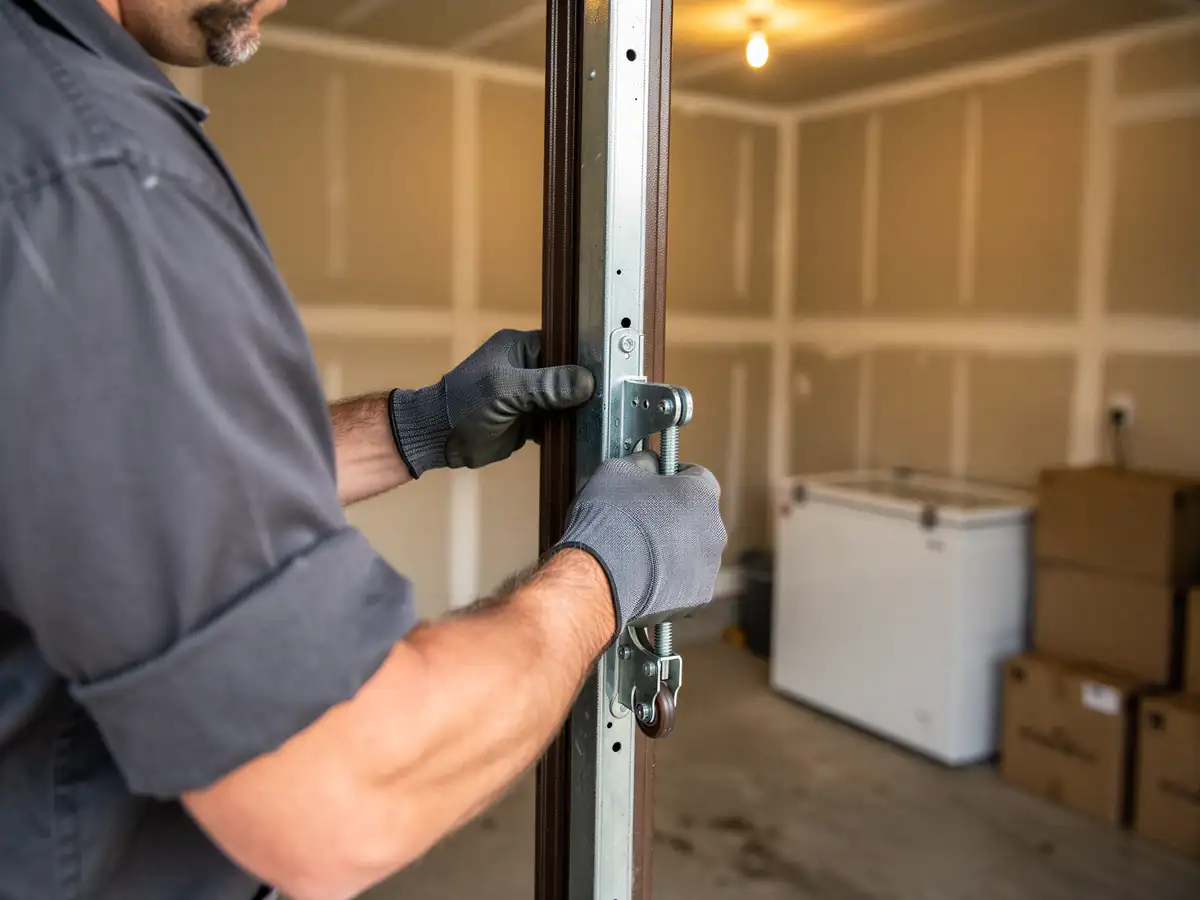
There's a short list of things worth doing yourself before you call anyone. Spray the rollers and hinges with a garage-door-rated lubricant twice a year, not WD-40, which washes out fast. Look at the cables for fraying where they wrap the drum. Check that the auto-reverse still works by setting a two-by-four flat on the floor under the door and running it down onto it - it should kick back up. Tighten the bolts on the track brackets if the door rattles going up.
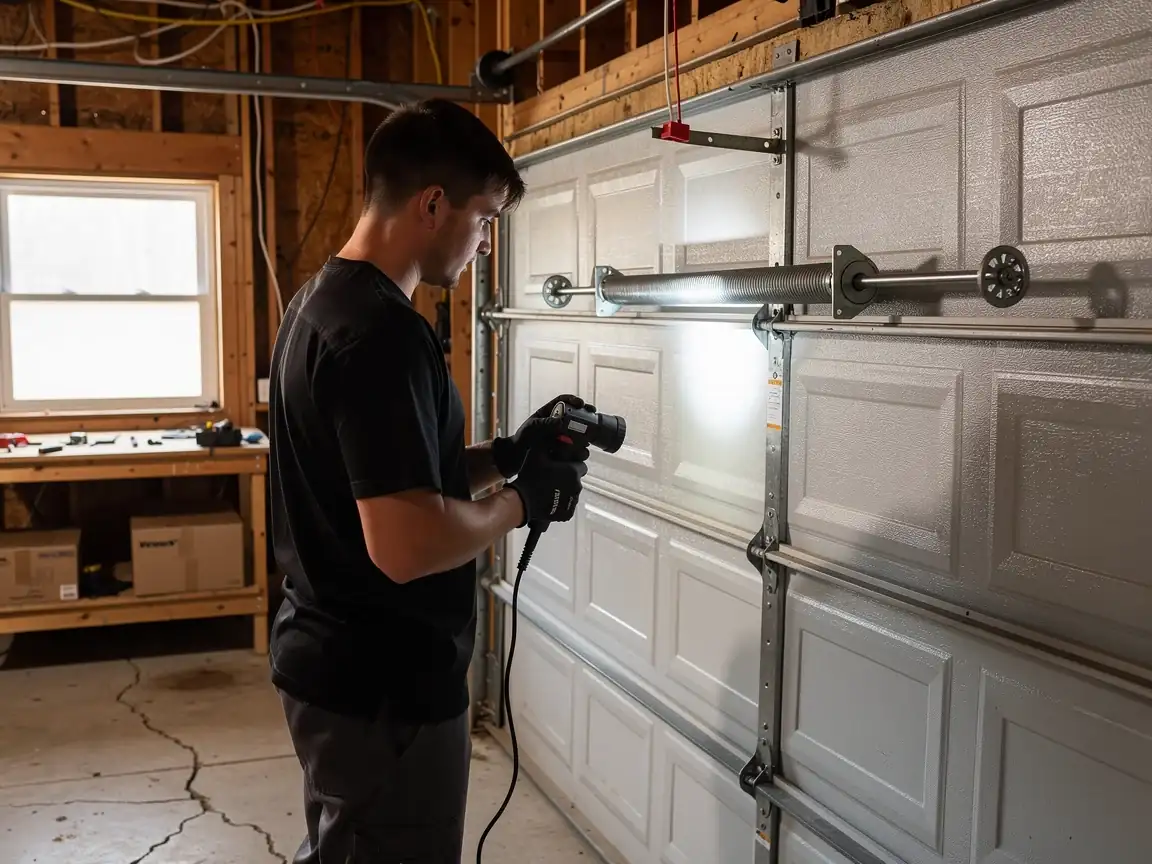
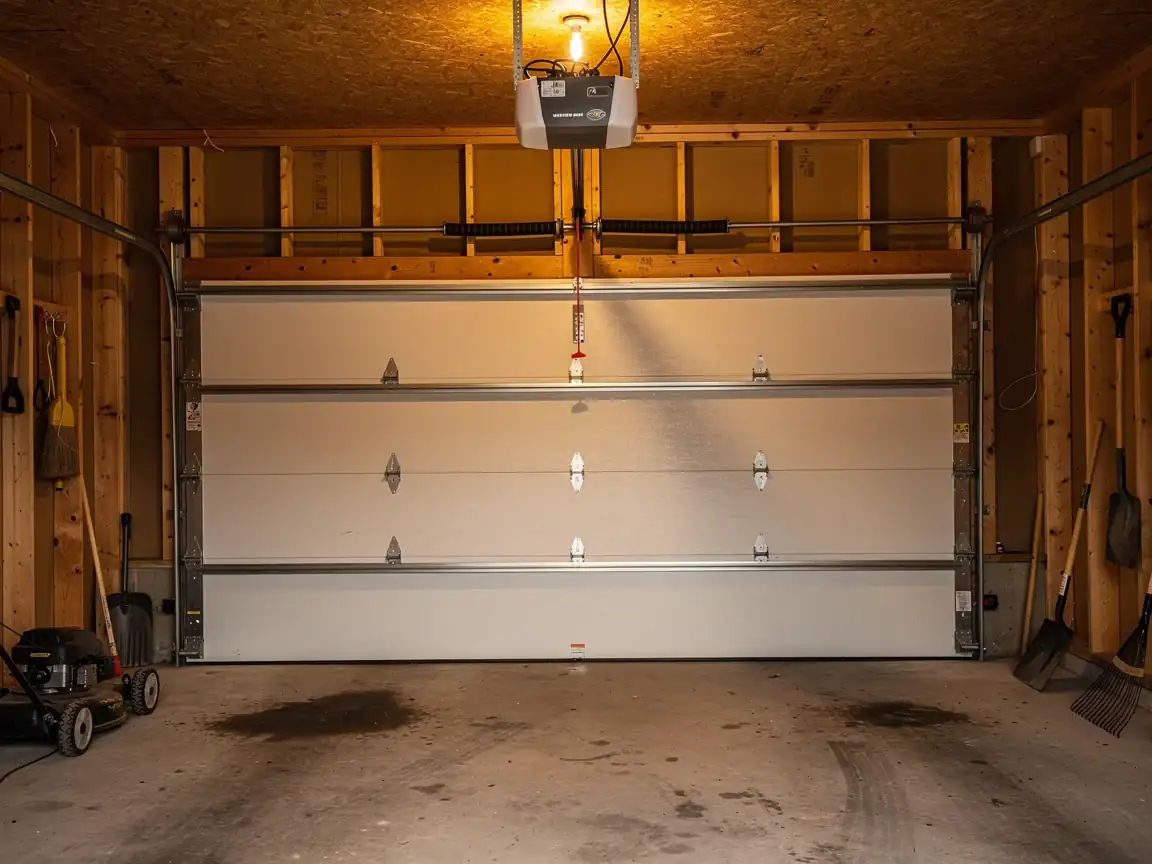
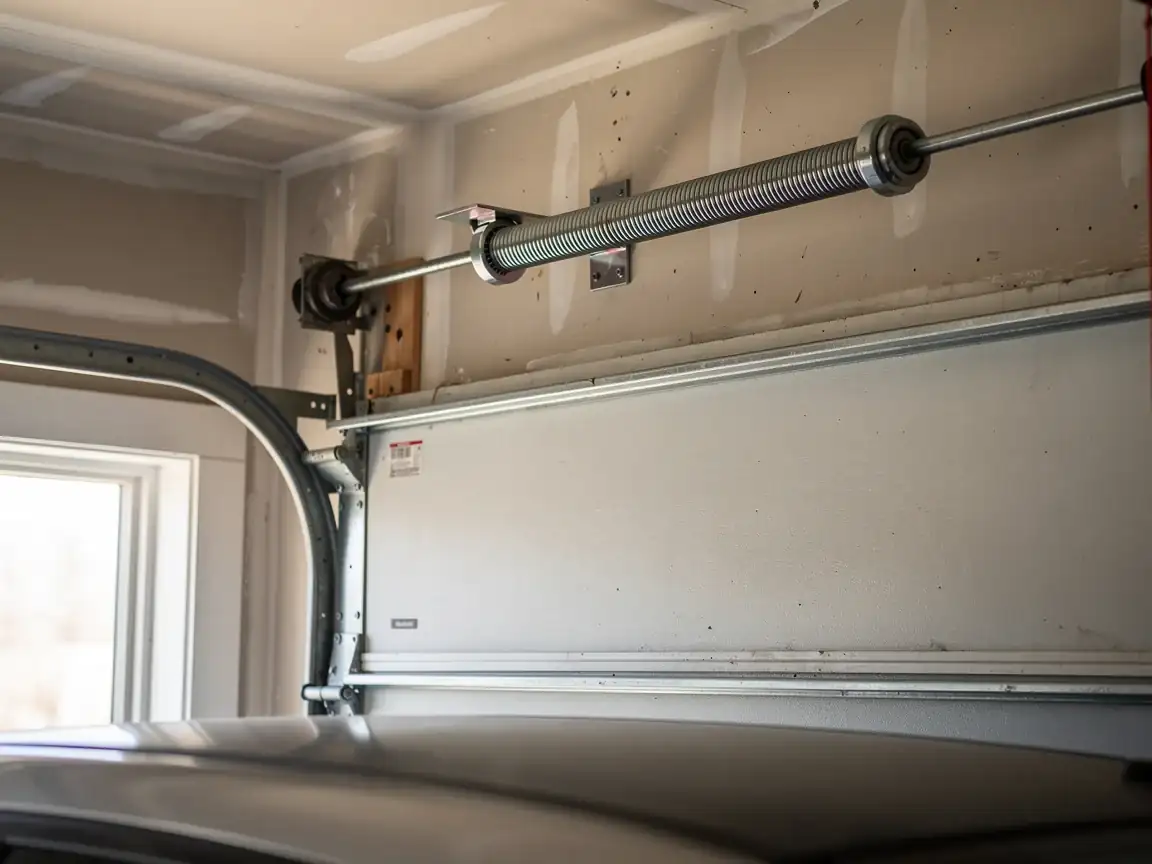
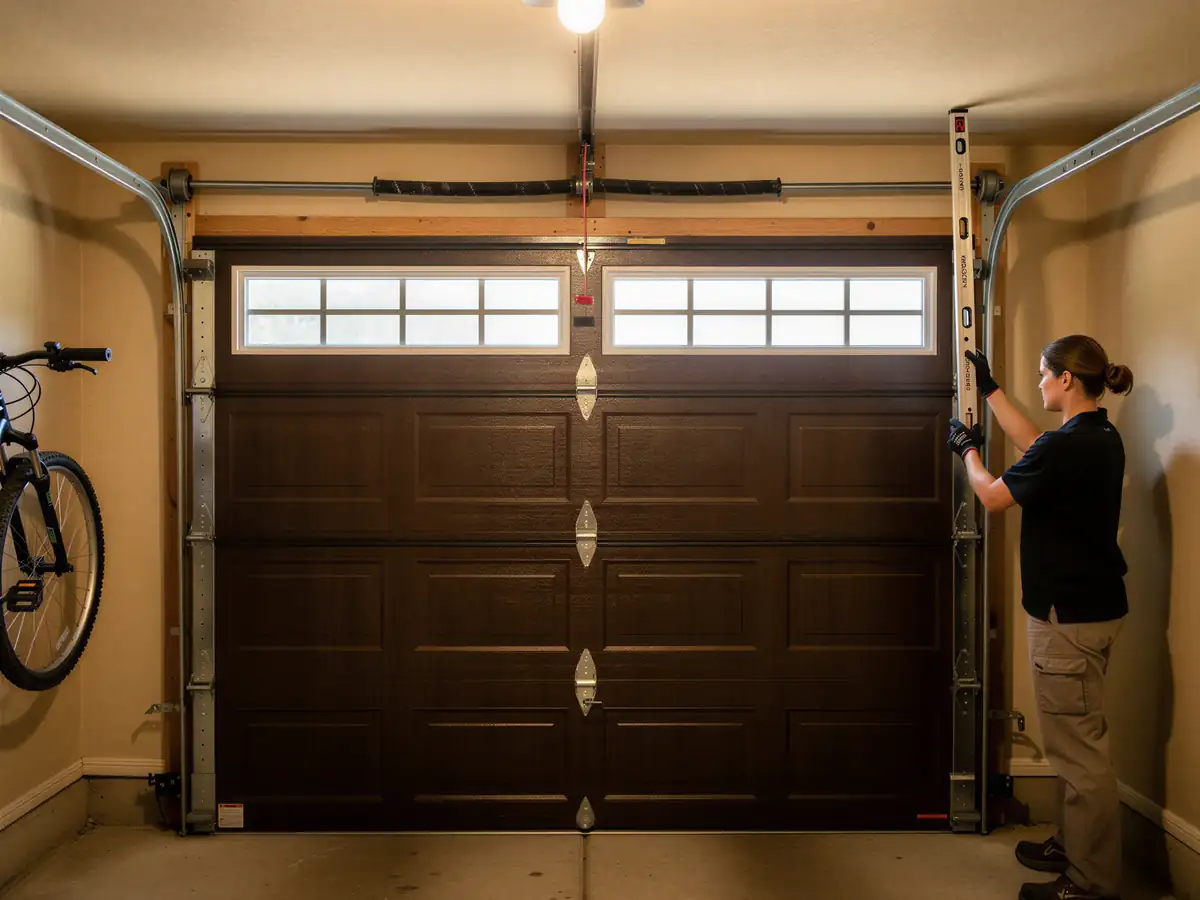
What you shouldn't touch is the torsion spring. A wound spring on a door this size holds enough force to break a wrist or worse, and on the older double-door setups still common around Randolph, the winding cone and bar are original equipment from a different era of hardware - not the kind of thing you want to learn on with a socket wrench and a YouTube video. If the door is noticeably heavier to lift by hand than it used to be, or one side sags lower than the other, that's spring fatigue talking, and it's a call, not a weekend project. We'll say it plainly: replacing a spring wrong doesn't just cost you a trip to the ER, it can also take out the opener or the top panel on the way down.
How Long You Are Without the Door
How long you're stuck depends mostly on what broke and how old the hardware is. A snapped torsion spring on a standard setup is usually a same-visit fix once we're on site, because springs are stock parts we carry. What takes longer is anything tied to the original track or hinge hardware on a door that's never been touched since the house was built - a lot of Randolph's stock dates back to the 1960s and 70s, and some of those tracks and roller assemblies were sized to doors nobody makes anymore. On those jobs we sometimes have to order a part to match, rather than swap it off the truck.
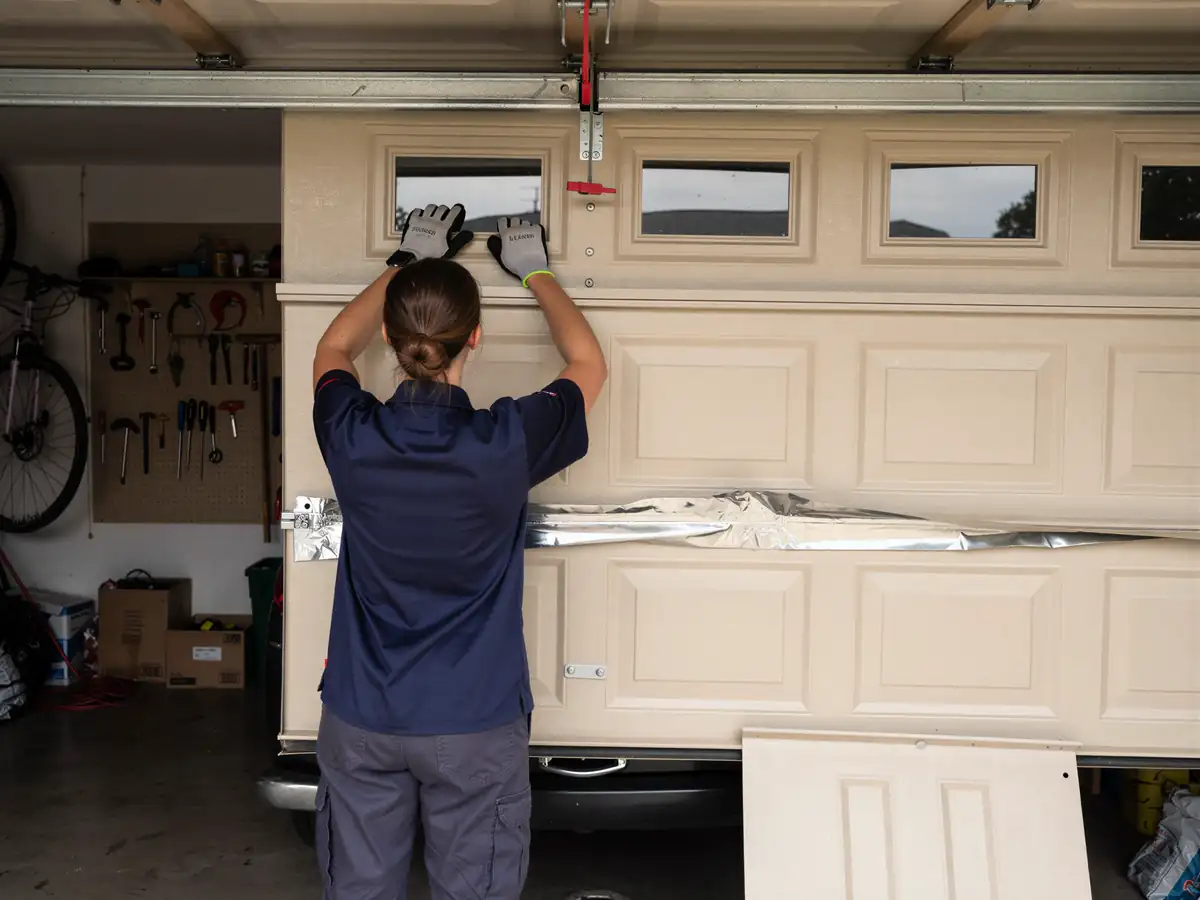
A single door usually goes faster than a double, simply because there's less spring tension and less panel to wrangle. Cold matters too - in the middle of a hard freeze, a spring that's already fatigued is more likely to go all the way rather than just weaken, which turns a slow problem into a door that won't move at all. If a full panel is bent beyond pulling back into shape, that's a parts-order situation, not a same-day one, and we'll tell you that up front instead of promising something we can't deliver.
What Causes It Around Here
Randolph's housing stock runs mostly 1938 through 1996
With the median built around 1964, and that one number explains a lot of the service calls we get. A door and opener installed when the house went up has had sixty-plus years to cycle through the climate band this area sits in, which runs cold and severe. Steel springs lose temper with every open-close cycle, and cold makes the metal more brittle on the cycle that finally breaks it - so January and February are when a spring that's been fading quietly for years finally lets go.
It's not just Randolph
Drive out toward Dover, Kenvil, Wharton, or Succasunna and you're looking at the same split-levels and ranches from the same building decades, which means the same original torsion hardware aging out on the same schedule. Tracks that were galvanized steel in 1968 don't hold up to forty winters of condensation and road salt tracked in on tires the way a newer coated track would. Add in openers from the 80s and 90s that were never upgraded past a single safety sensor, and you've got a lot of doors in this area running on borrowed time rather than failing from anything the homeowner did wrong.
How It Shows Up
Most calls start with one of a few patterns. The door slams the last six inches on the way down instead of settling - that's usually a spring that's lost tension on one side. The opener motor runs but the door doesn't move, or moves an inch and stops - check the drive gear or the spring again before assuming the opener itself is dead. A loud bang from the garage, often described as a gunshot, is almost always a torsion spring snapping clean, and after that the door will feel like it weighs twice as much because it does.
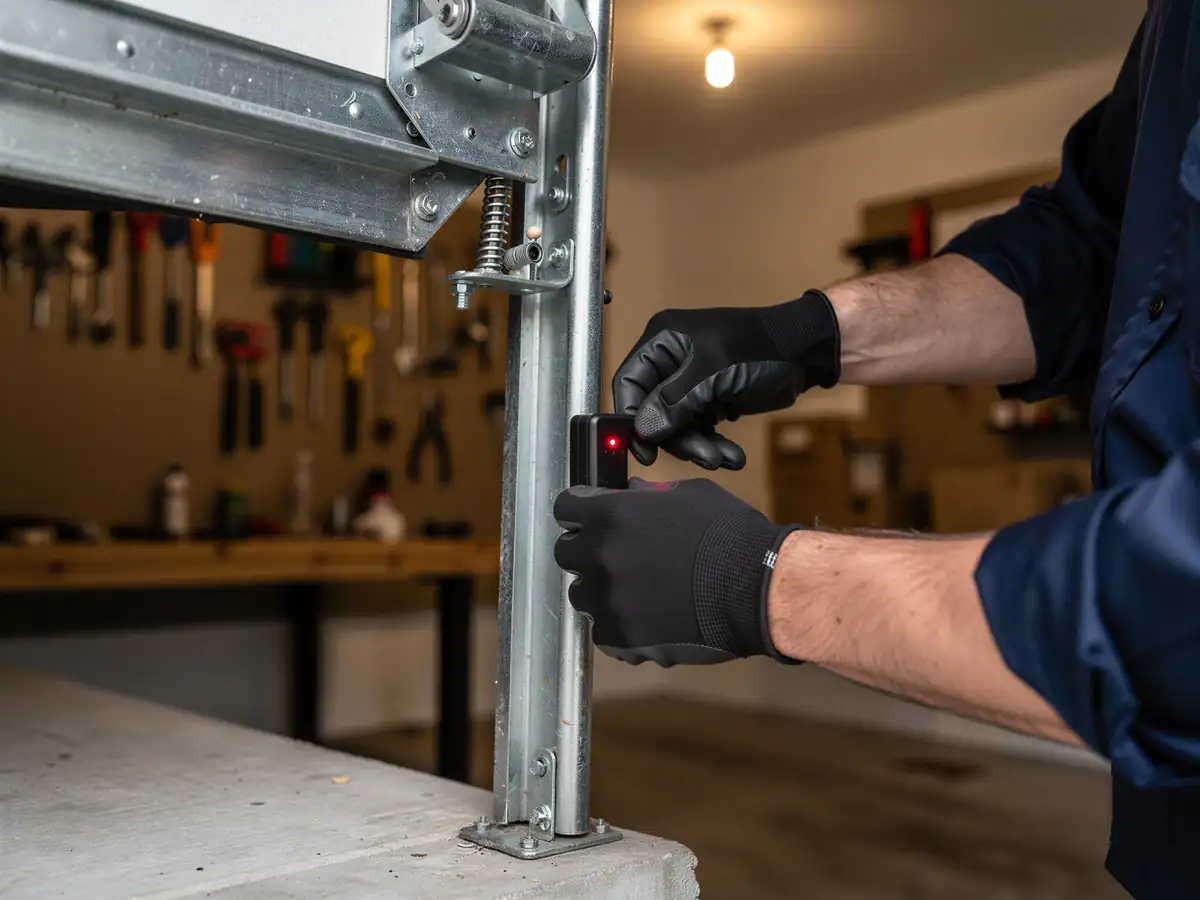
A door that's visibly crooked, higher on one side than the other, points to one cable or spring doing all the work while the other has given up. Grinding or squealing on the way up usually means a roller's worn through its bearing, which is common on doors running original rollers from construction. And if the door reverses on its own partway up with no obvious obstruction, that's worth a look at the sensors and the track alignment before it strands you with the door stuck open overnight in a cold front.