What Most People Get Wrong
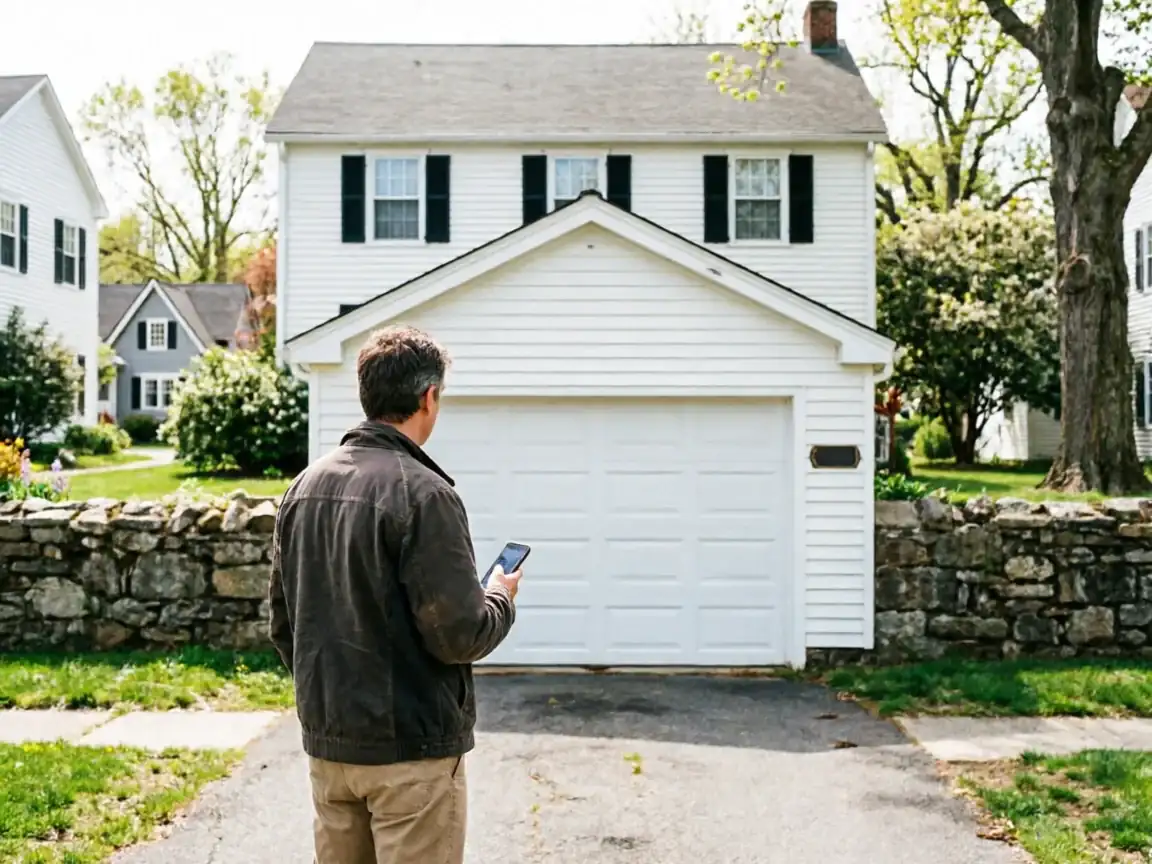
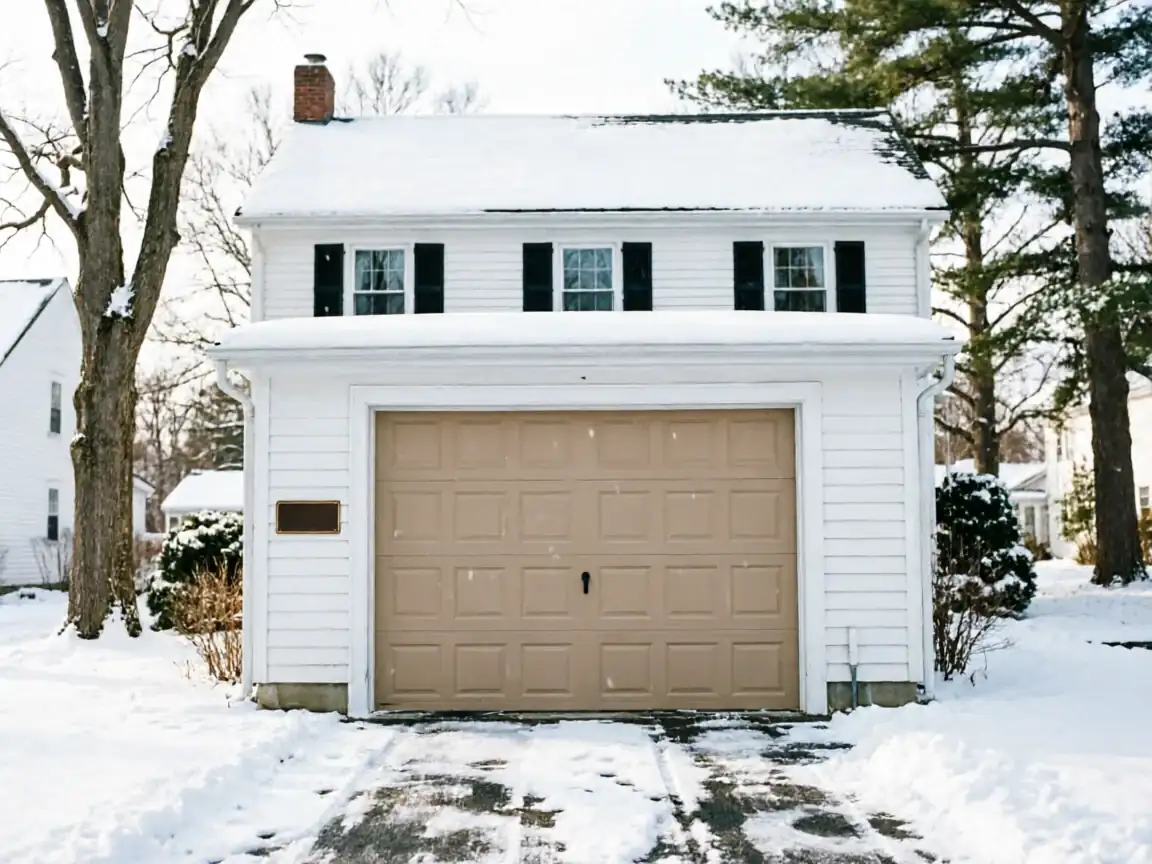
Most calls start the same way: the door won't go up, so the owner assumes the opener died. In a town where the housing stock runs 1938 to 1996 with a median build year of 1964, that assumption is backwards more often than not. A door built or installed anywhere near that median is old enough that the spring, not the opener, is usually the first thing to fail. The motor is doing exactly what it's told; it just can't move a spring that's lost its tension or a cable that's frayed through.
The second mistake is spraying the track with whatever's on the shelf and calling it maintenance. On houses from that era, the hardware is often original or a straight swap from the 1980s or 90s, which means parts sizes and mounting styles vary a lot more than people expect. Lubricant doesn't fix a bent track or a roller that's worn oval. It just makes the grinding quieter for a week.
We start every job assuming the simple thing first - spring tension, then cable condition, then opener - because on houses this age, that order is right more often than it's wrong.
What to Check
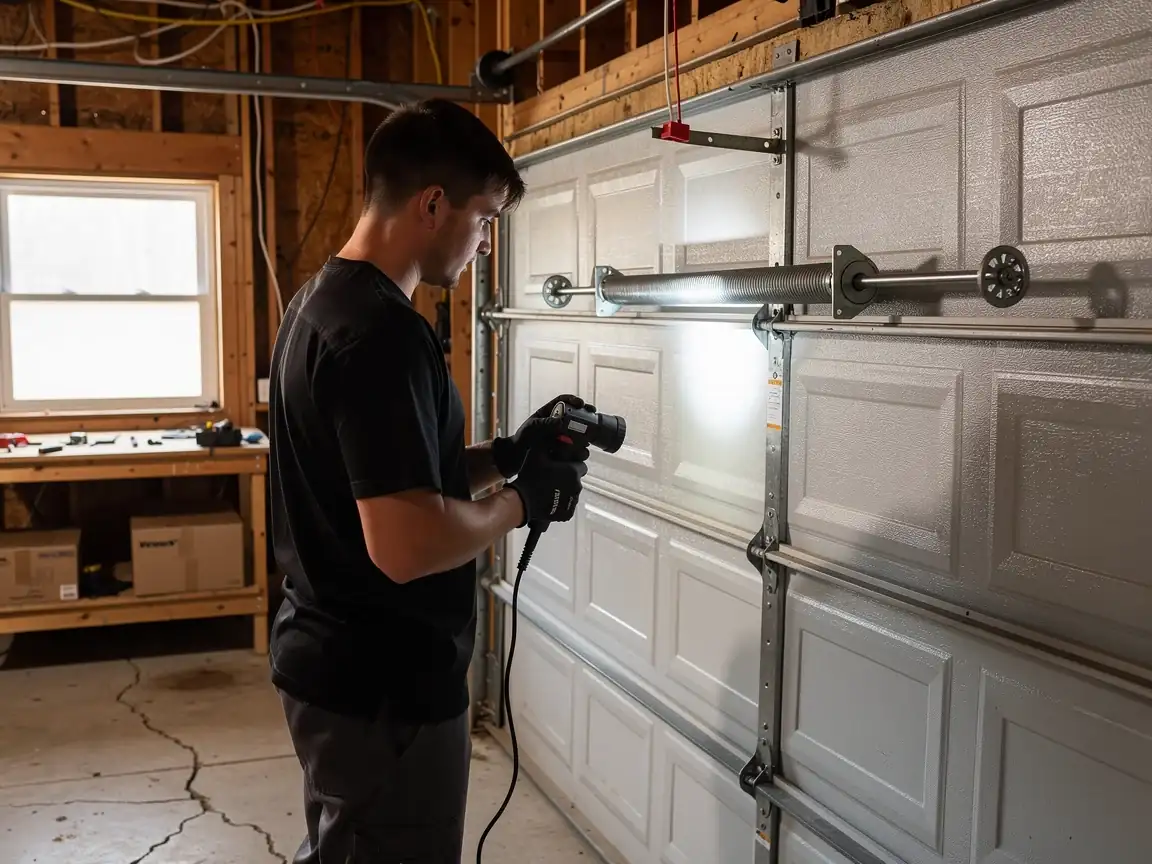
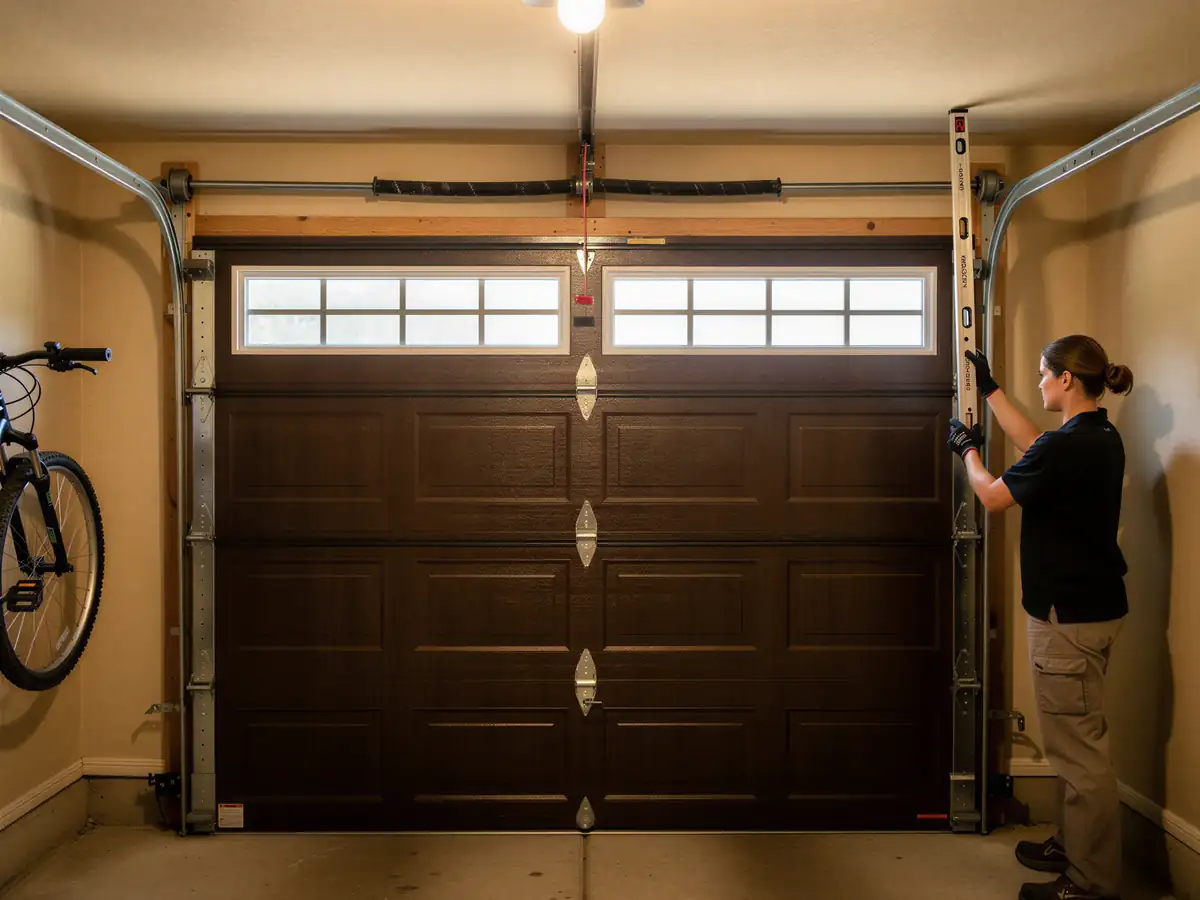
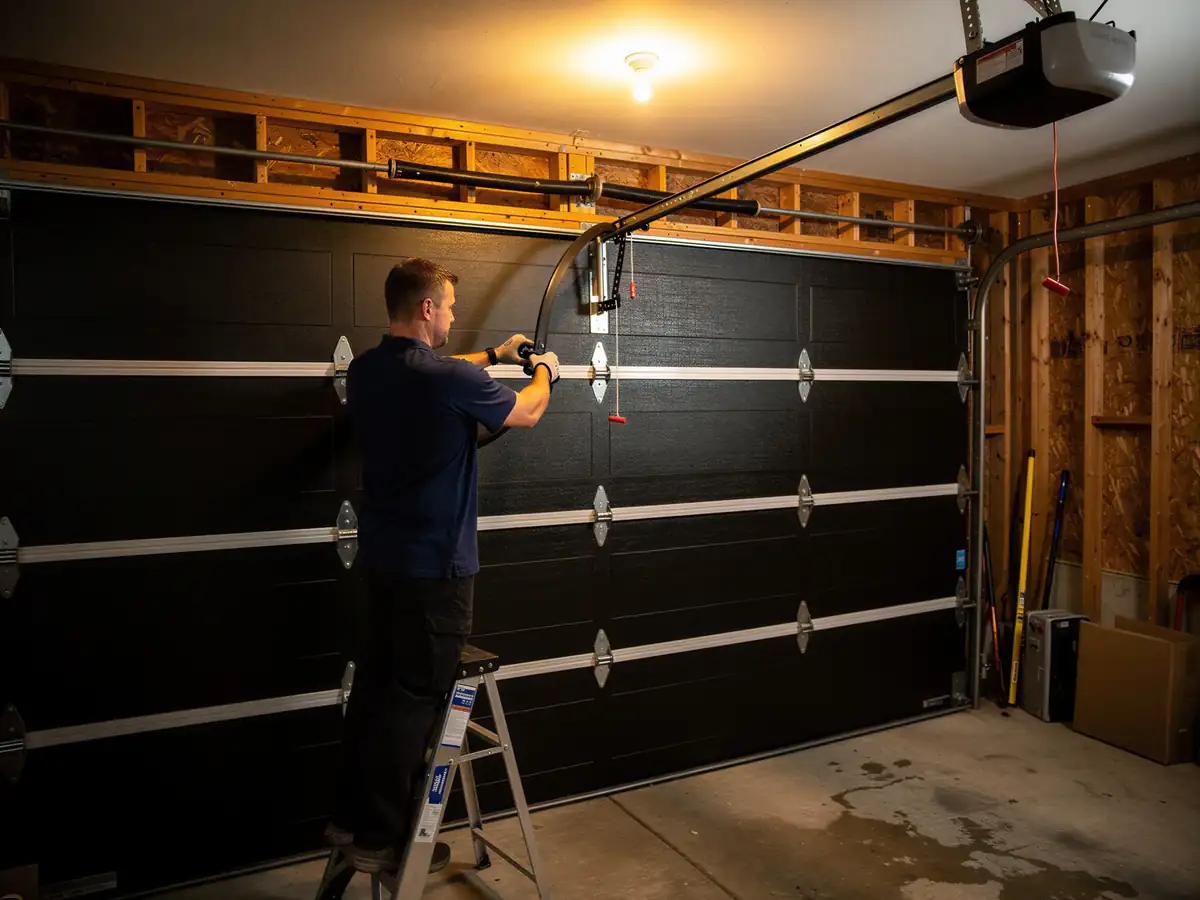
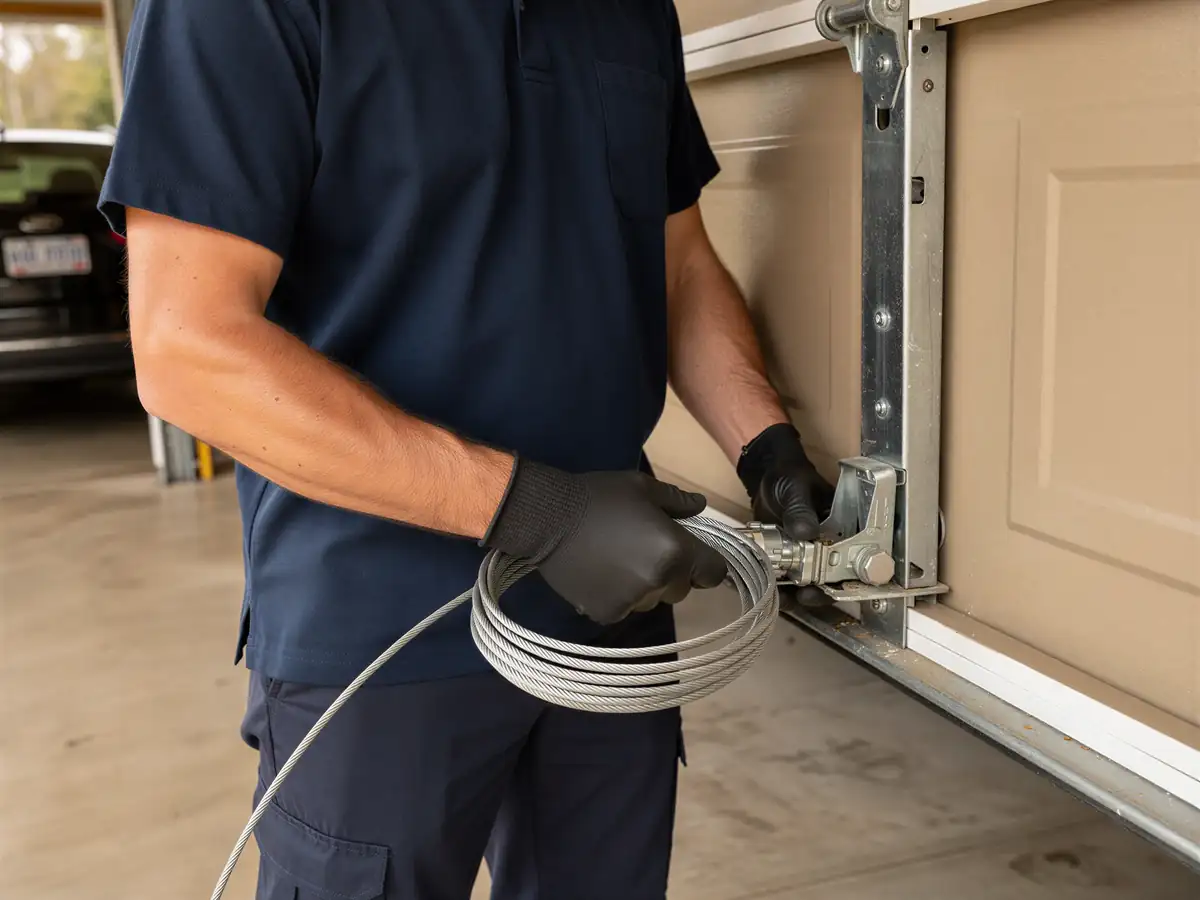
Before touching the opener, we check the torsion spring for visible gap or sag, since on a door installed near the 1964 median that spring has had six decades of cold-weather cycling to work against it. We check the cables next - fraying near the drum is common on hardware that's never been replaced.
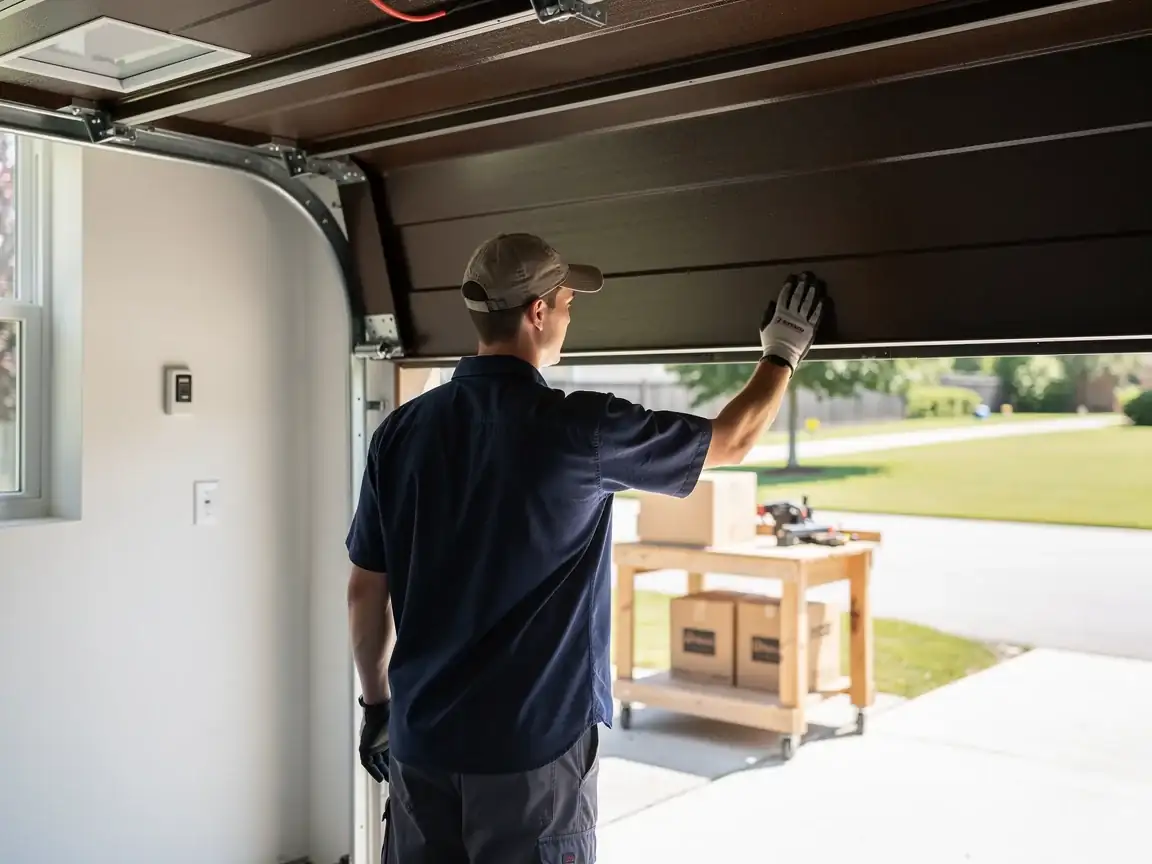
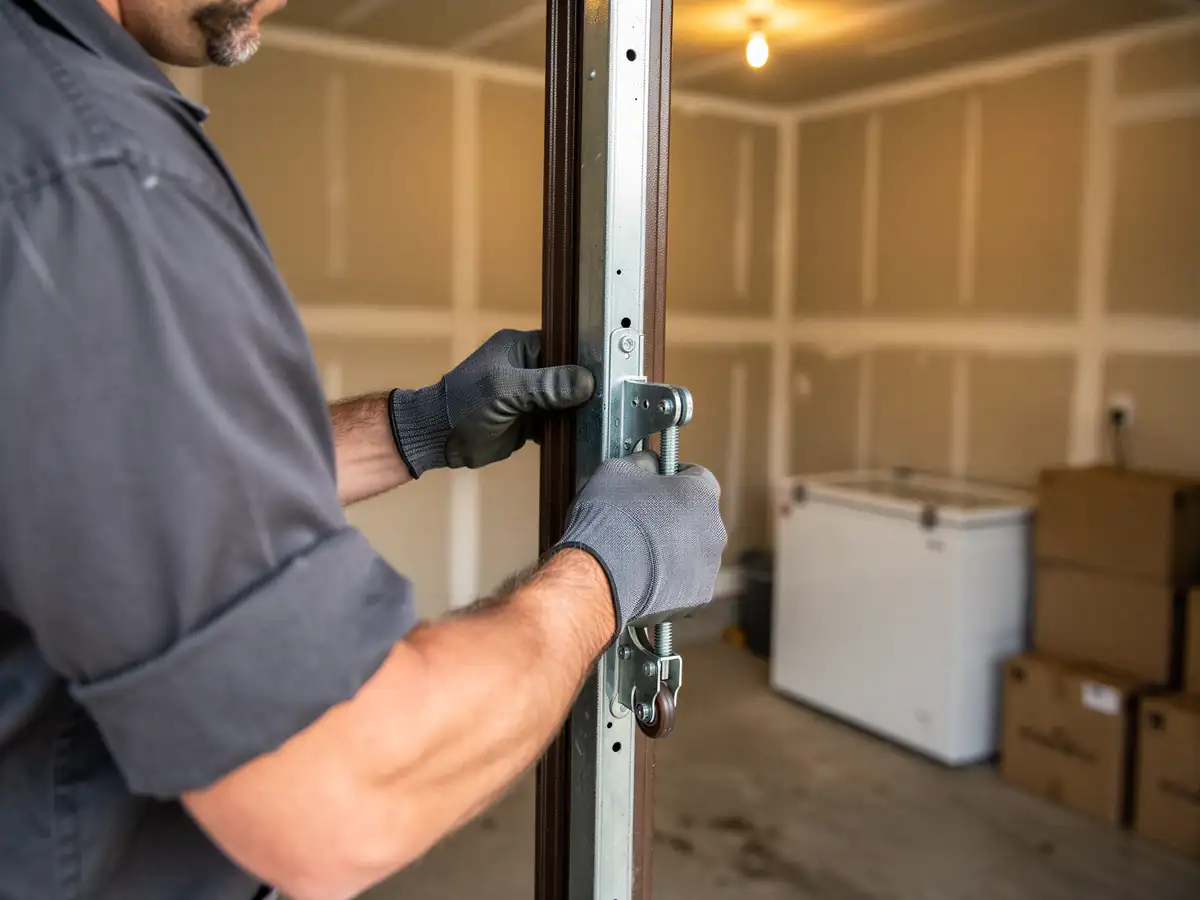
Then the track alignment. On older framing typical of this area's 1938-1996 build range, tracks have often been re-shimmed once or twice over the years, and a half-inch of drift throws the rollers off square. We check roller wear by hand, not by eye - a roller that feels gritty or flat-spots under light pressure is close to done.
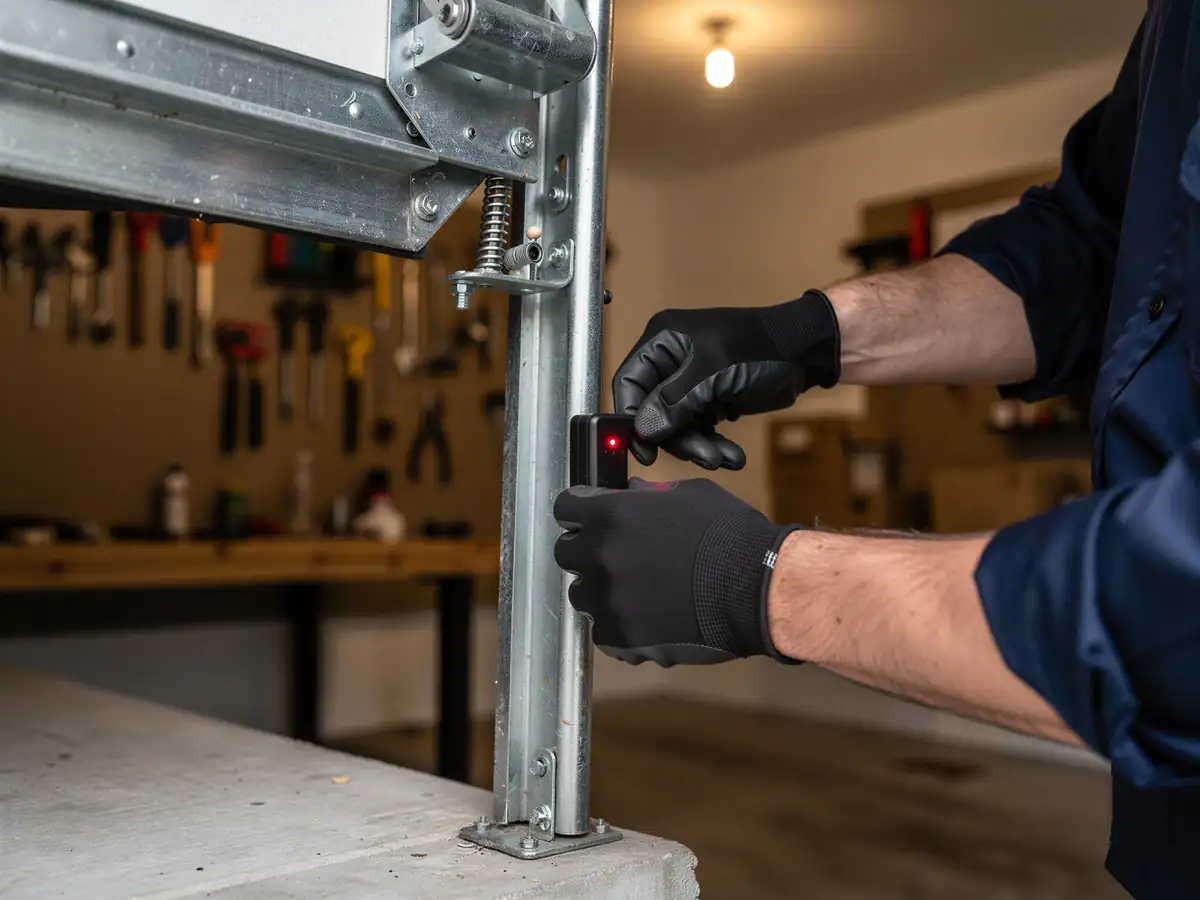
Last comes the opener itself: force settings, limit switches, and whether the travel distance still matches the door. On a lot of these original installs, nobody's touched the force setting since the day it went in, and that's a safety issue as much as a convenience one. We don't guess at which of these it is - we go down the list in that order because jumping straight to 'replace the opener' on a house this old usually means replacing the wrong part.
What the Weather Here Does to It
This area sits in a severe cold climate band
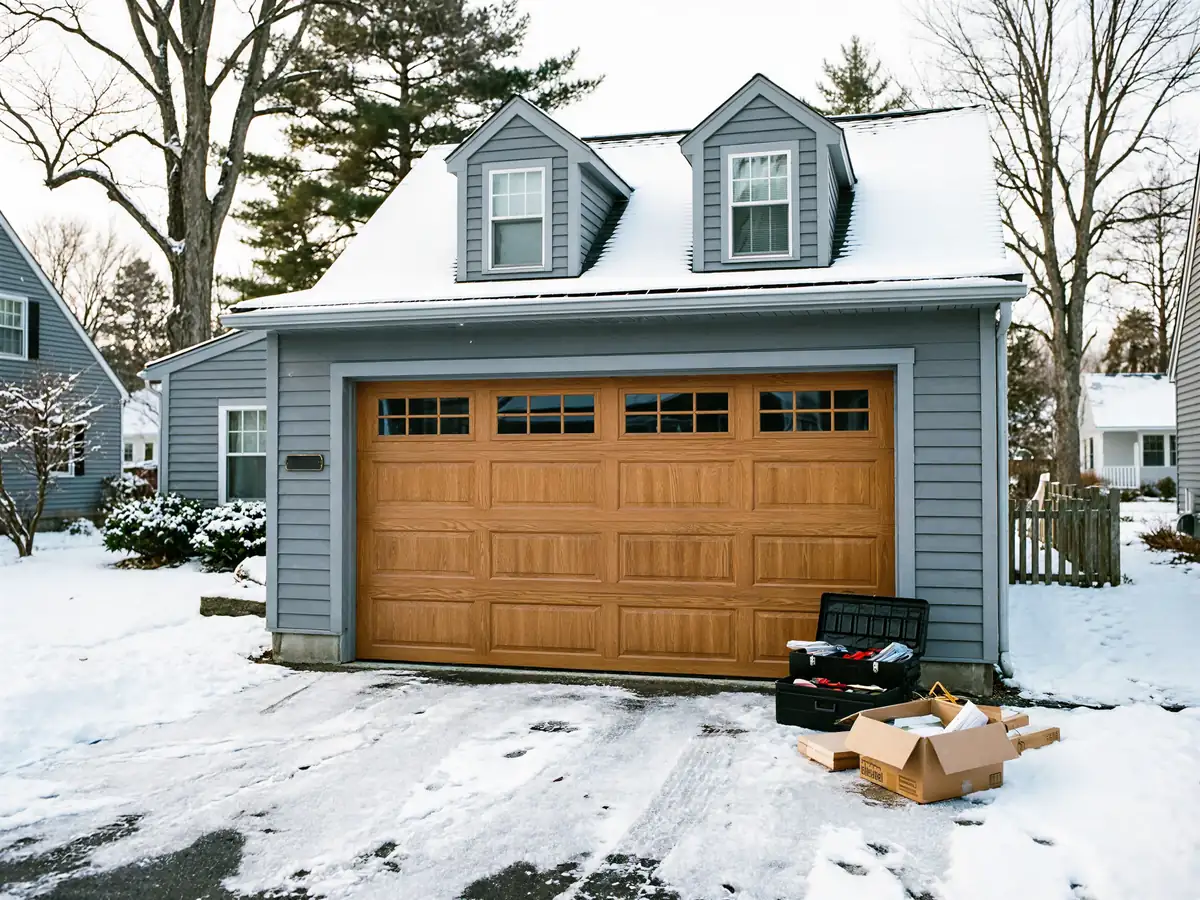
And that matters more to a garage door than most people think. Steel contracts in deep cold, and on a door with a spring that's already lost some tension, the combination shows up as a door that struggles on the first cold morning of the season but seems fine by afternoon once things warm a few degrees. That's not the opener adjusting - it's the metal.
Cold also stiffens the grease in older rollers and hinges
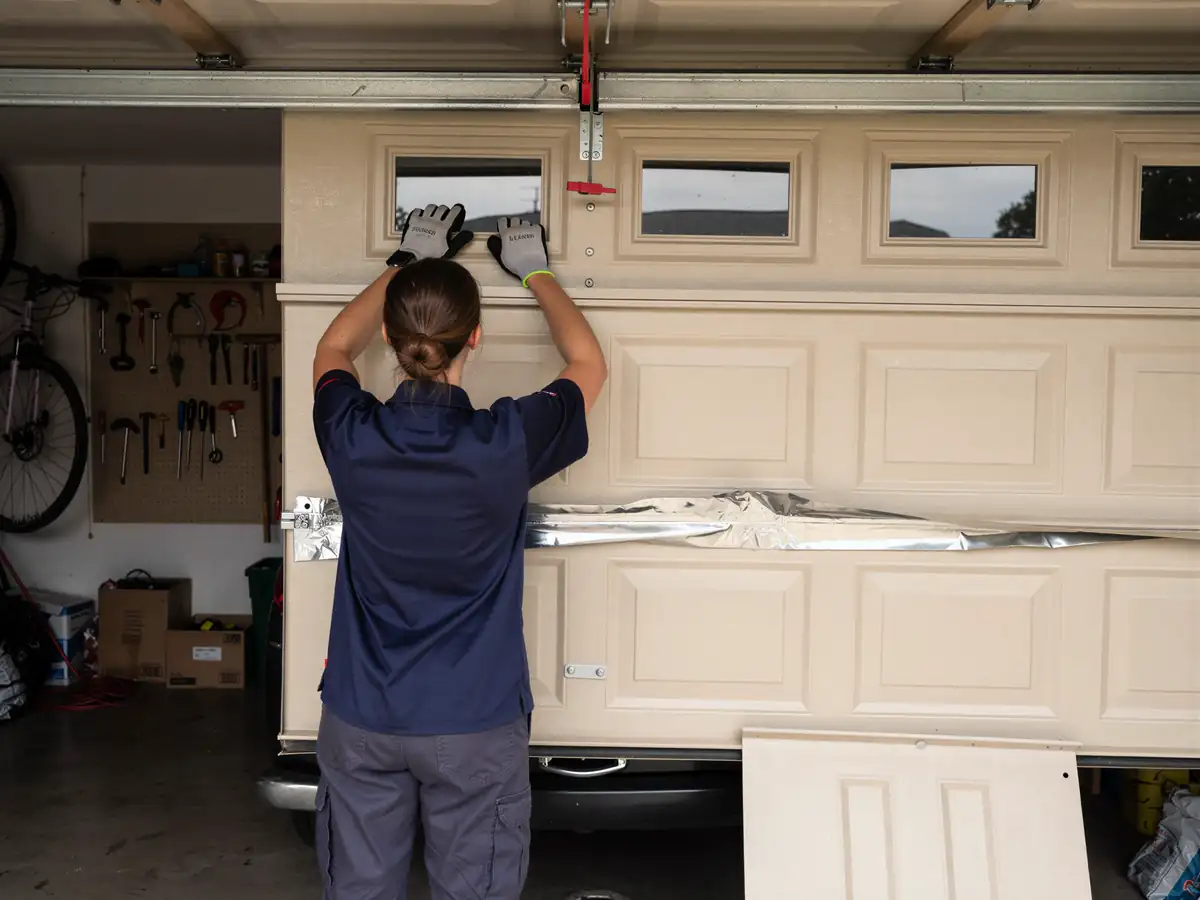
Which is why a door that was smooth in October can start groaning by January. On homes built mid-century, the weatherstripping at the bottom panel has usually been replaced at least once, but the seal still hardens and cracks faster in a severe cold band than it would somewhere milder, letting cold air into the garage and, in attached garages, into the house.
We see more spring-related calls in the first hard cold stretch of the season than at any other time of year
It's not coincidence - it's physics acting on hardware that was already near the end of its working life.
What Is Going On
Put it together and the pattern is pretty consistent across this service area: a housing stock centered on 1964, hardware that's aged through decades of severe cold winters, and an opener that gets blamed for what the spring and cables did first. With roughly 242,332 owner-occupied houses across the broader area and a median household income of $146,174, we see a lot of owners who could replace a whole system without blinking - but a surprising number still want the existing hardware diagnosed properly first rather than swapped wholesale, and that's usually the right instinct if the door is structurally sound.
One honest limit: if your spring is original to a house built near that 1964 median, we're not going to tell you it just needs adjusting. At that age, a spring is a replace, not a repair, and pretending otherwise just moves the failure to a worse moment - usually a cold morning with the door half up. We'll tell you straight when a repair isn't worth doing.