What Most People Get Wrong
The common move is to grab a roll of foam tape from the hardware store and press it along the frame. That buys a week, maybe. It doesn't address why the draught showed up in the first place. Most houses in this service area went up between 1938 and 1996, with the typical build year sitting at 1964, which means the weatherstripping channel on your door was designed for a different era of hardware than what's sold today.
Across the 116 named areas this crew covers, the bulk of the stock dates to the 1960s and 70s, so the factory vinyl bulb seal on your door has likely been replaced two or three times already, each time with a slightly different profile that never quite seats right. Slapping a new strip into an old retainer track that's already been reshaped by two prior installs doesn't close the gap - it just moves where the air gets in. The retainer itself, not the seal, is usually the actual problem, and no amount of fresh rubber fixes a bent or widened channel.
What to Check
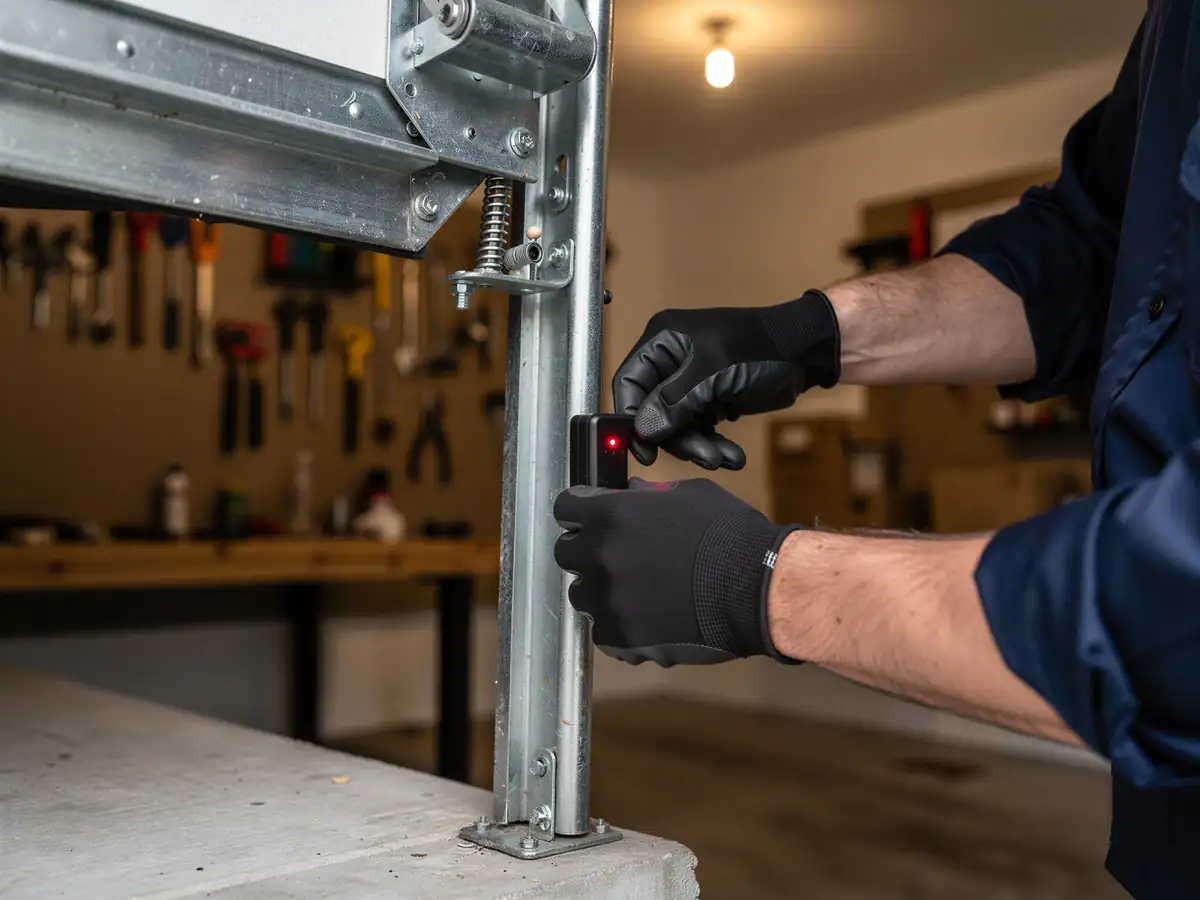
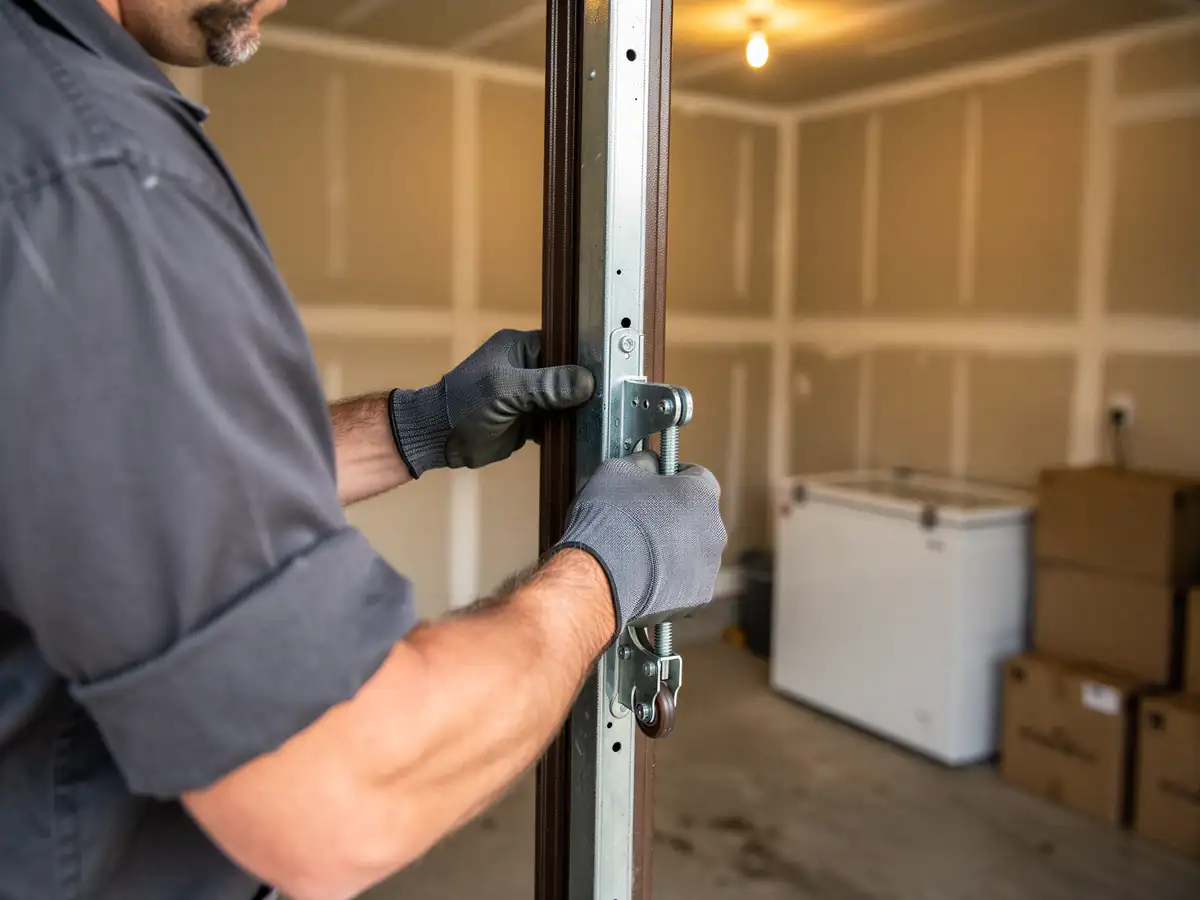
Start at the bottom. Press a hand along the floor seal with the door closed - if you feel air anywhere along the run, the retainer is likely sprung or the seal has flattened past its working shape. Next, check the vertical seals where the door meets the jamb on both sides; on older steel doors these are often stapled rather than slid into a track, and staples pull loose over decades.
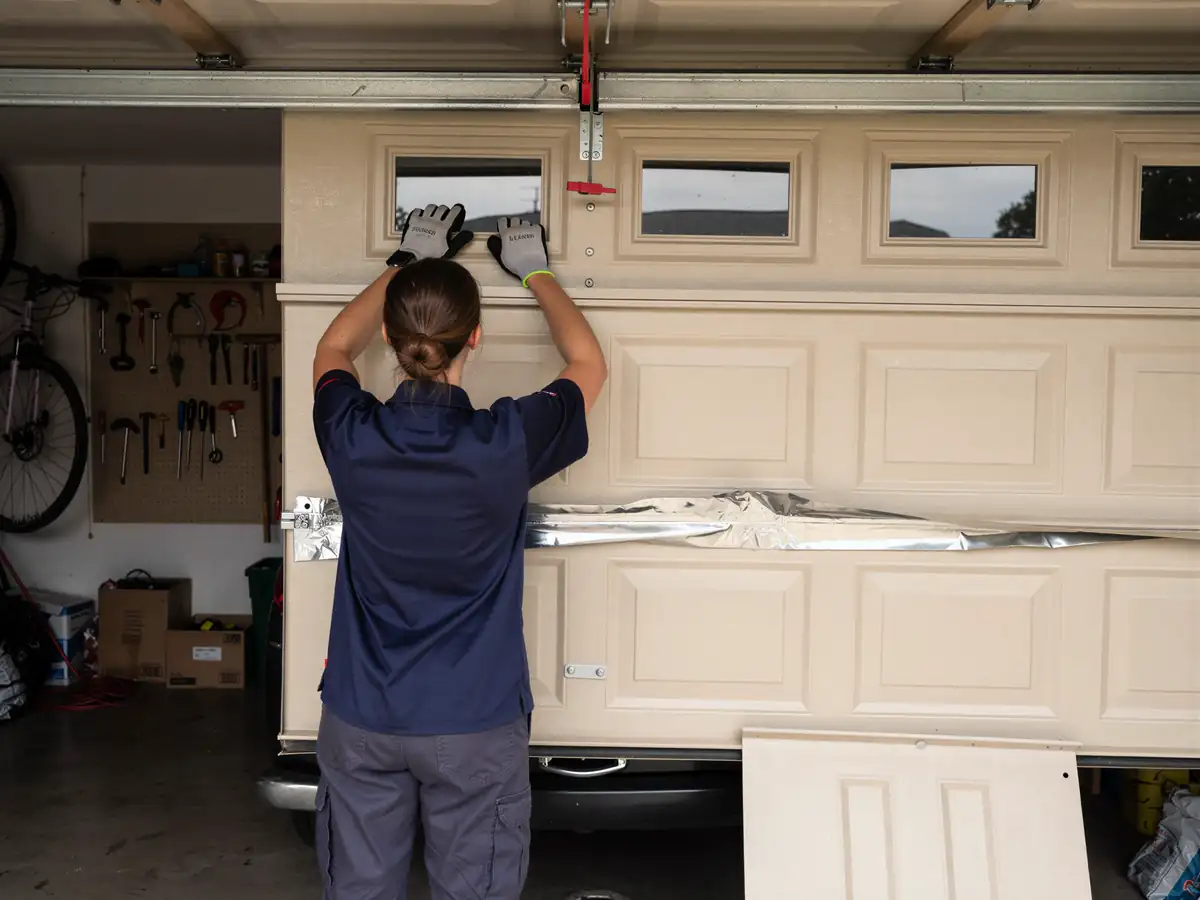
Look at the header seal above the top panel too - it's the one owners forget, and it's the one that lets the most air through on a door with a worn top roller or a track that's drifted out of plumb. Run your fingers along every panel seam while you're at it. On doors from the 1960s and 70s stock common in this area, seam gaskets between sections dry out and shrink, leaving thin lines where you can see daylight from inside the garage with the door shut.
What the Weather Here Does to It
This area sits in a severe cold climate band
Where repeated freeze-thaw cycles turn aging vinyl seals brittle and cracked faster than a milder region would. A seal that's merely stiff in October can split clean through by February once it's gone through several nights below freezing followed by a thaw the next afternoon.
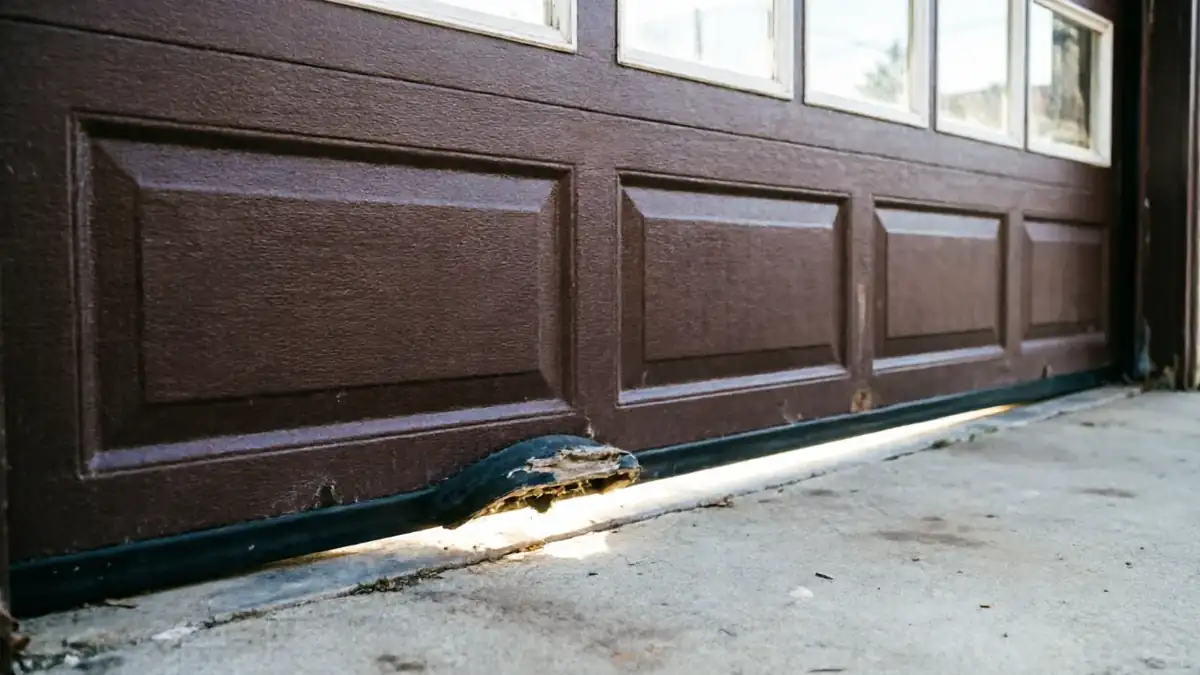
In a climate this cold, ice that forms under the door overnight and melts midday works the bottom seal loose season after season
Something a milder climate wouldn't do at the same rate. That cycle also drives moisture into the retainer track itself, which rusts the screws holding it to the door and lets the whole assembly shift a little more with every freeze. By the third or fourth winter, what started as a thin draught along one edge turns into a seal that's visibly pulled away from the slab, and the gap only gets wider from there.
What Is Going On
Put the two things together - the age of the housing here and the severity of the cold - and you get doors where the seal has failed well before the door itself needs replacing. A door built to the 1964 median-era spec usually has a bottom retainer track that was never designed to hold today's wider weatherstrip, so draughts sneak in at the corners no matter how new the seal is. That's a hardware mismatch, not a bad install.
Here's the honest part: if the track is bent, rusted through, or the panel bottom has warped from years of sitting in standing meltwater, a new seal won't hold its shape no matter how carefully it goes in. At that point you're better off replacing the bottom section or the track than paying for another seal that'll pull loose again by next winter. Resealing is the right call when the hardware underneath is still straight. It's the wrong call when it isn't, and no amount of foam tape changes that.