Doing It Yourself
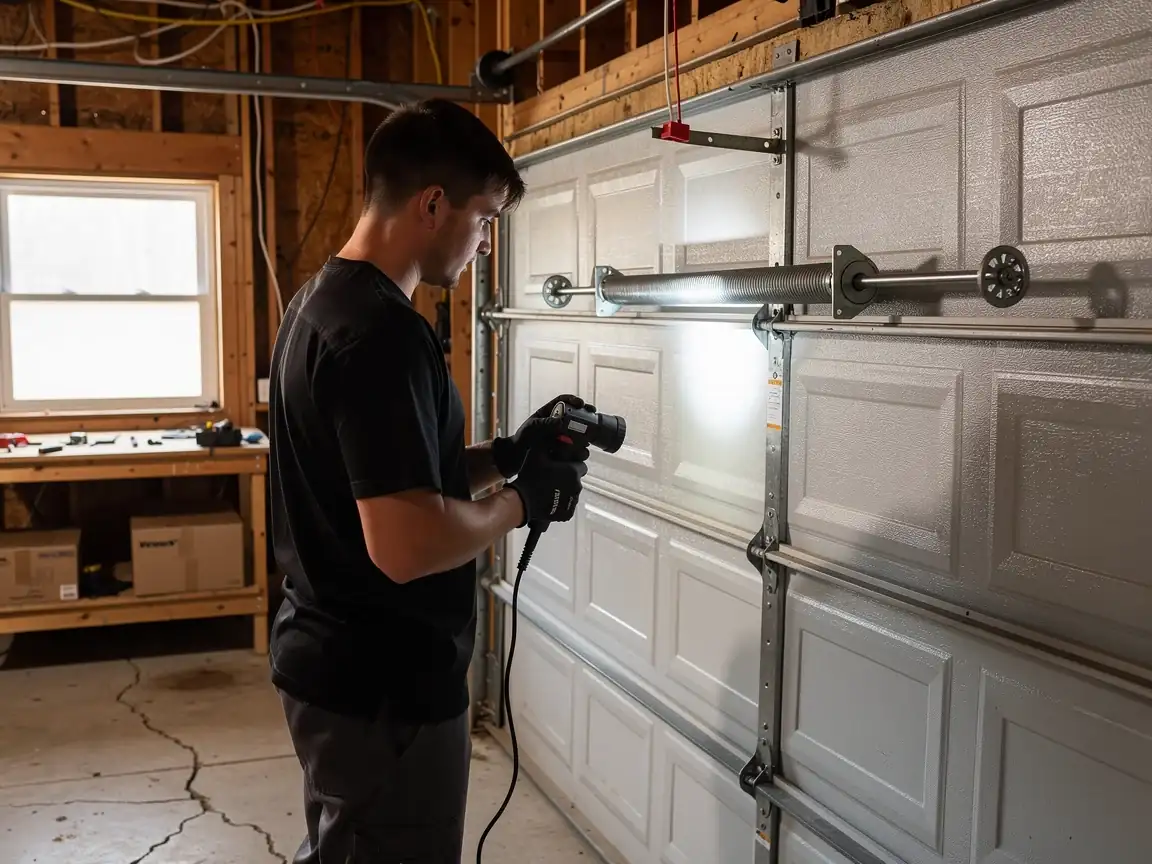
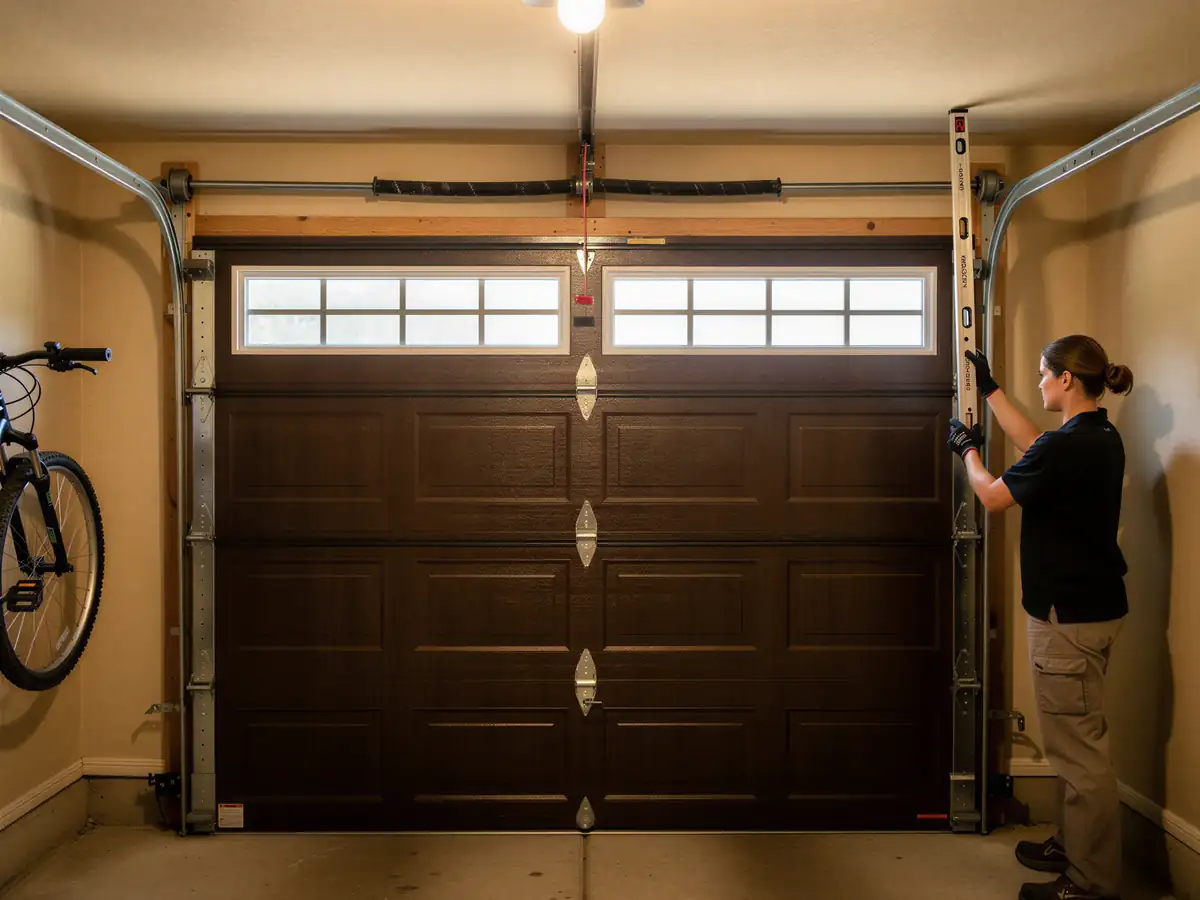
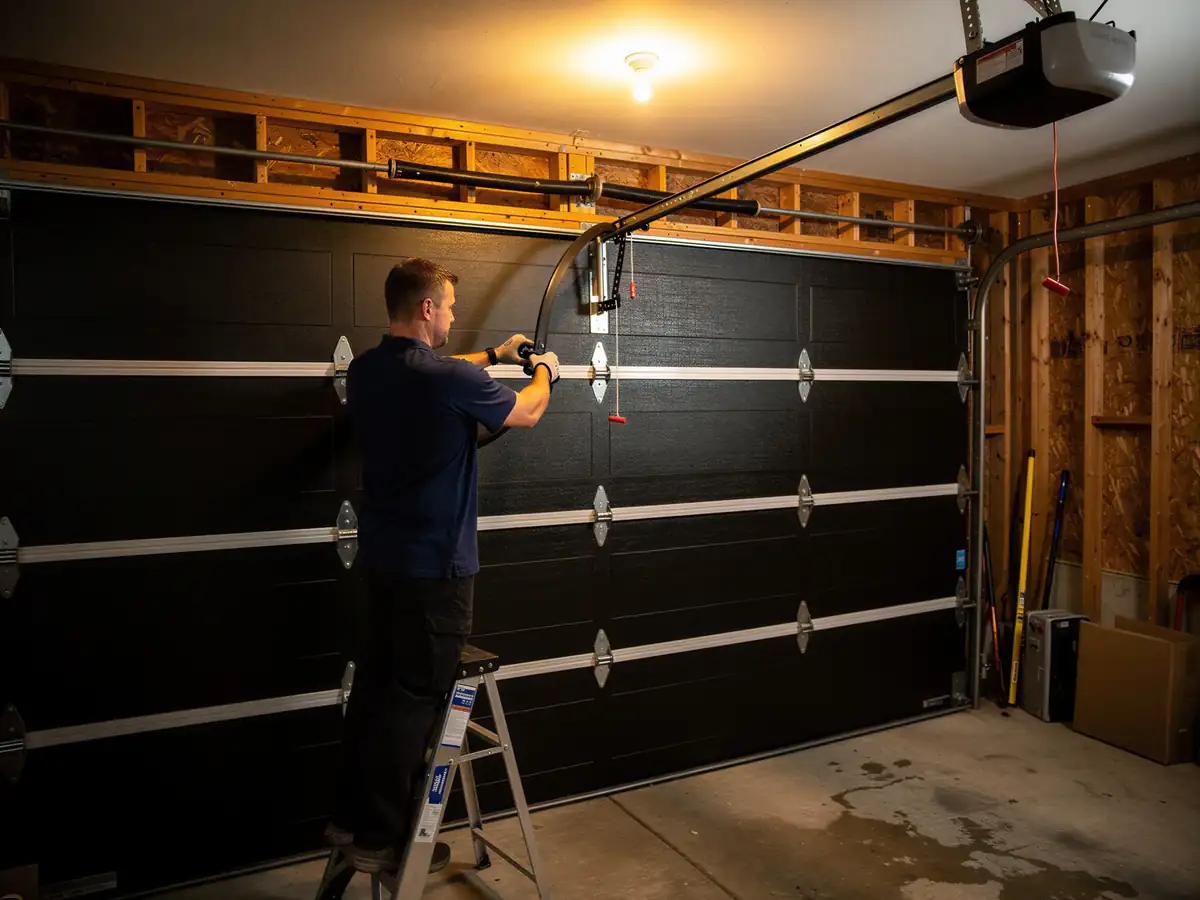
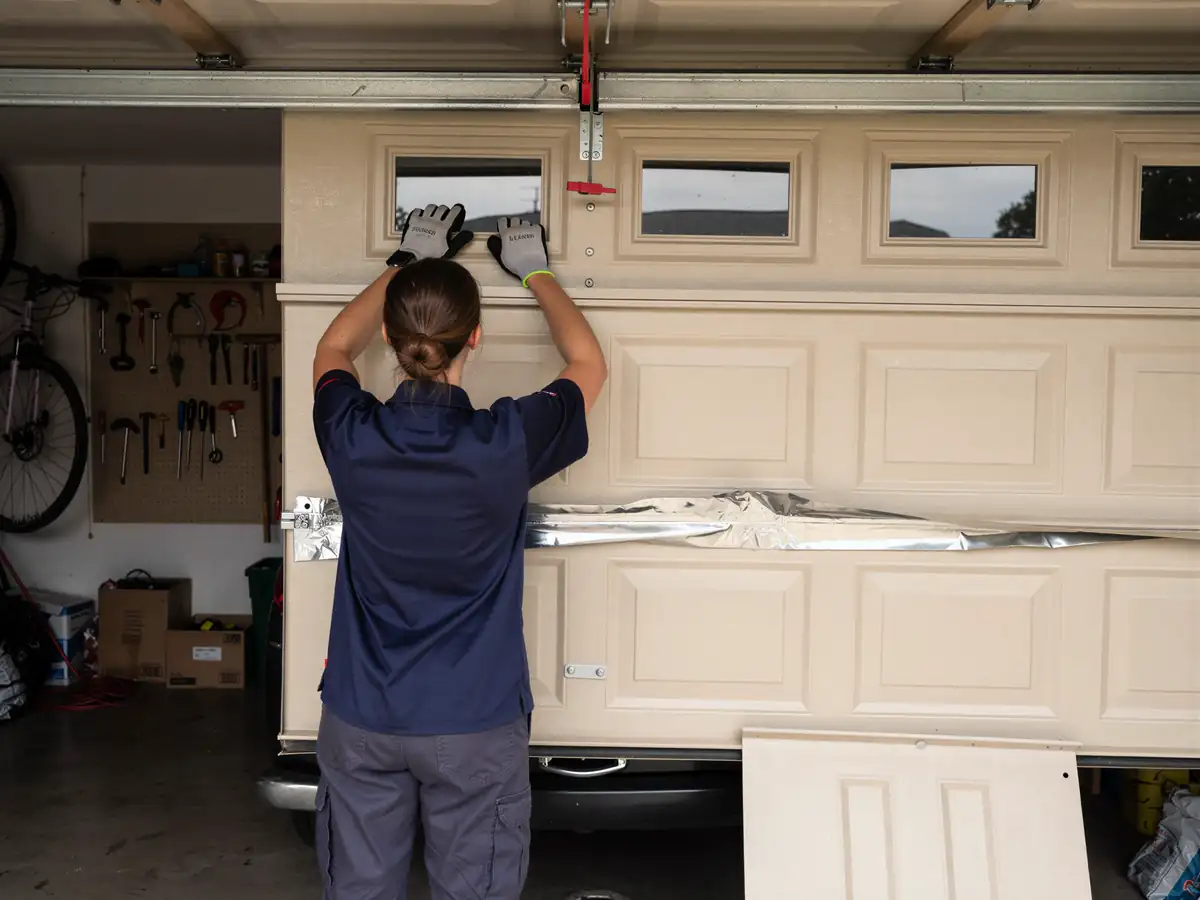
Here's the honest limitation: if a door is off track, don't try to force it back on yourself. The rollers sit in a channel that's supposed to guide them in a straight line, and once a door has slipped out, the whole panel is being held up by whatever is left of the cable and spring tension - not by the track. Pulling on it, driving the opener, or prying a roller back in with a screwdriver is how people lose fingers or bring a 150-pound door down on a foot.
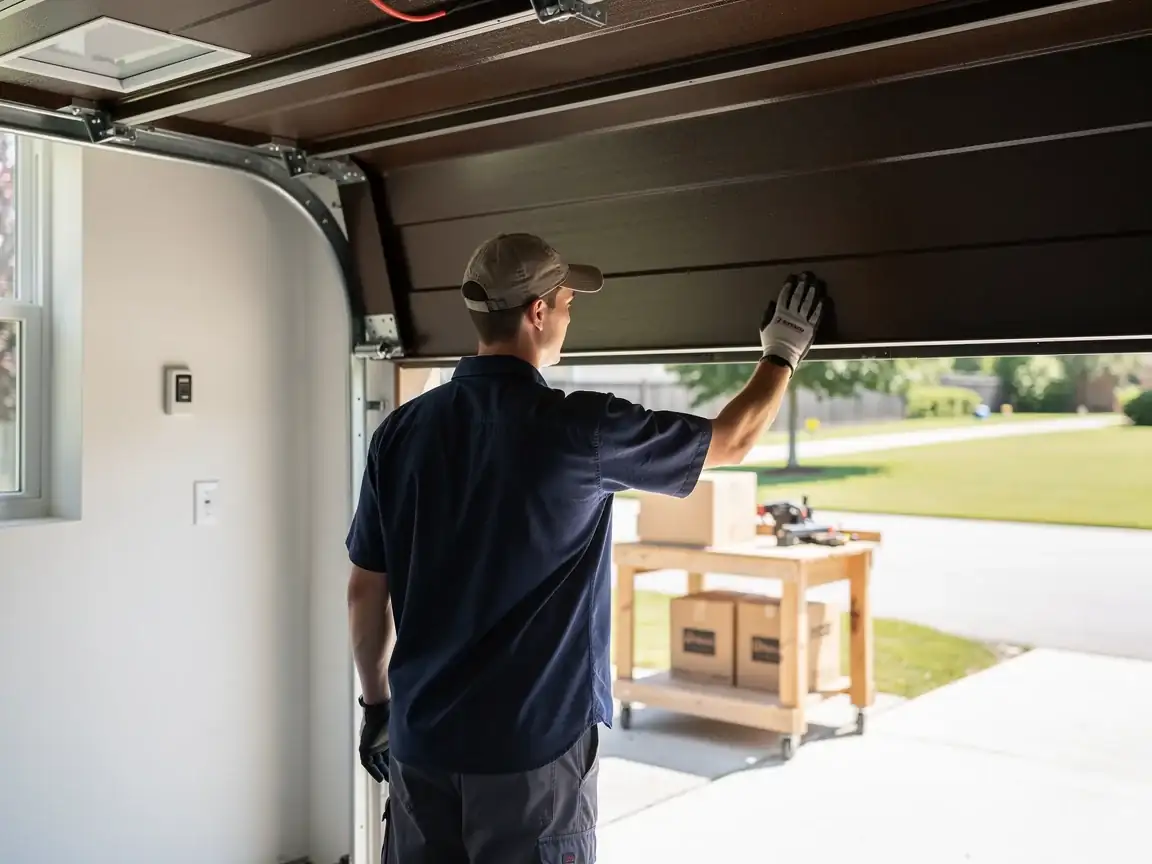
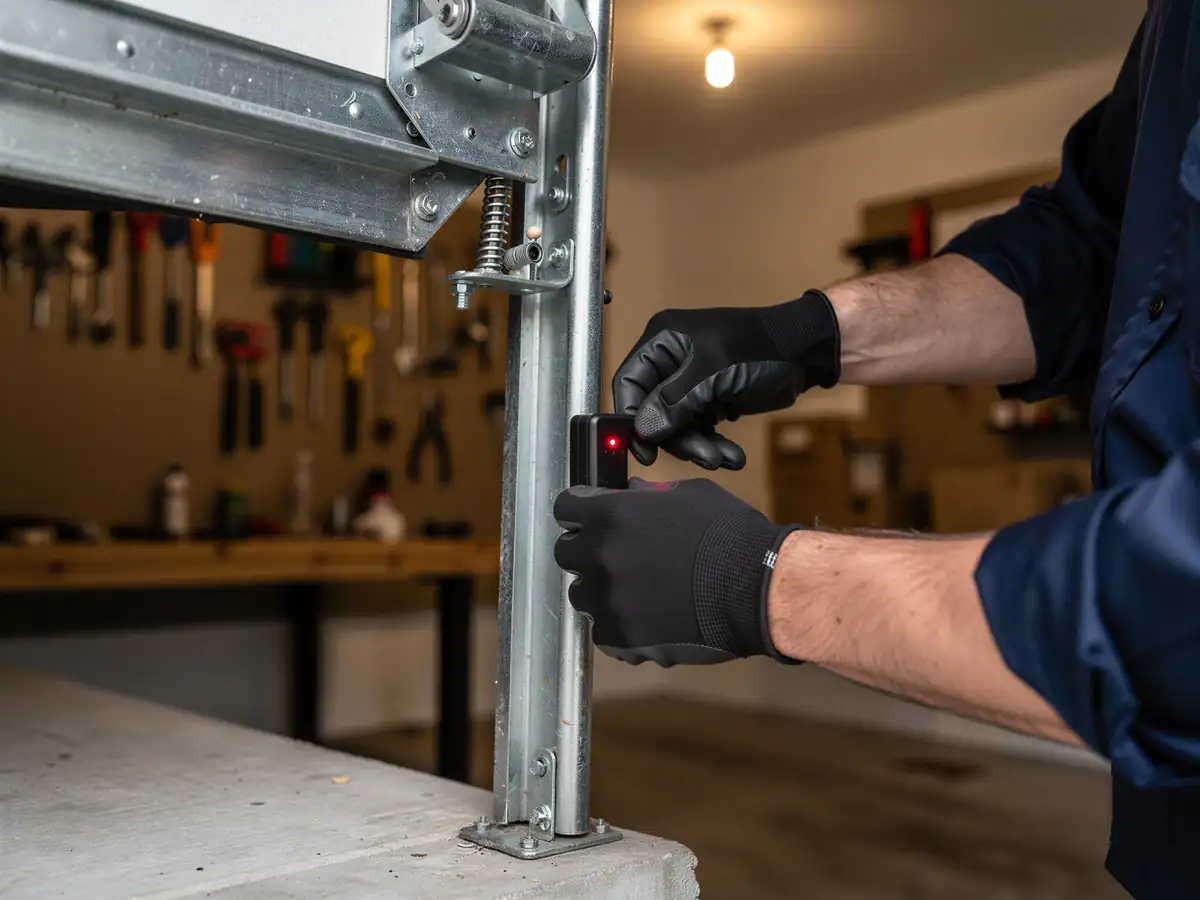
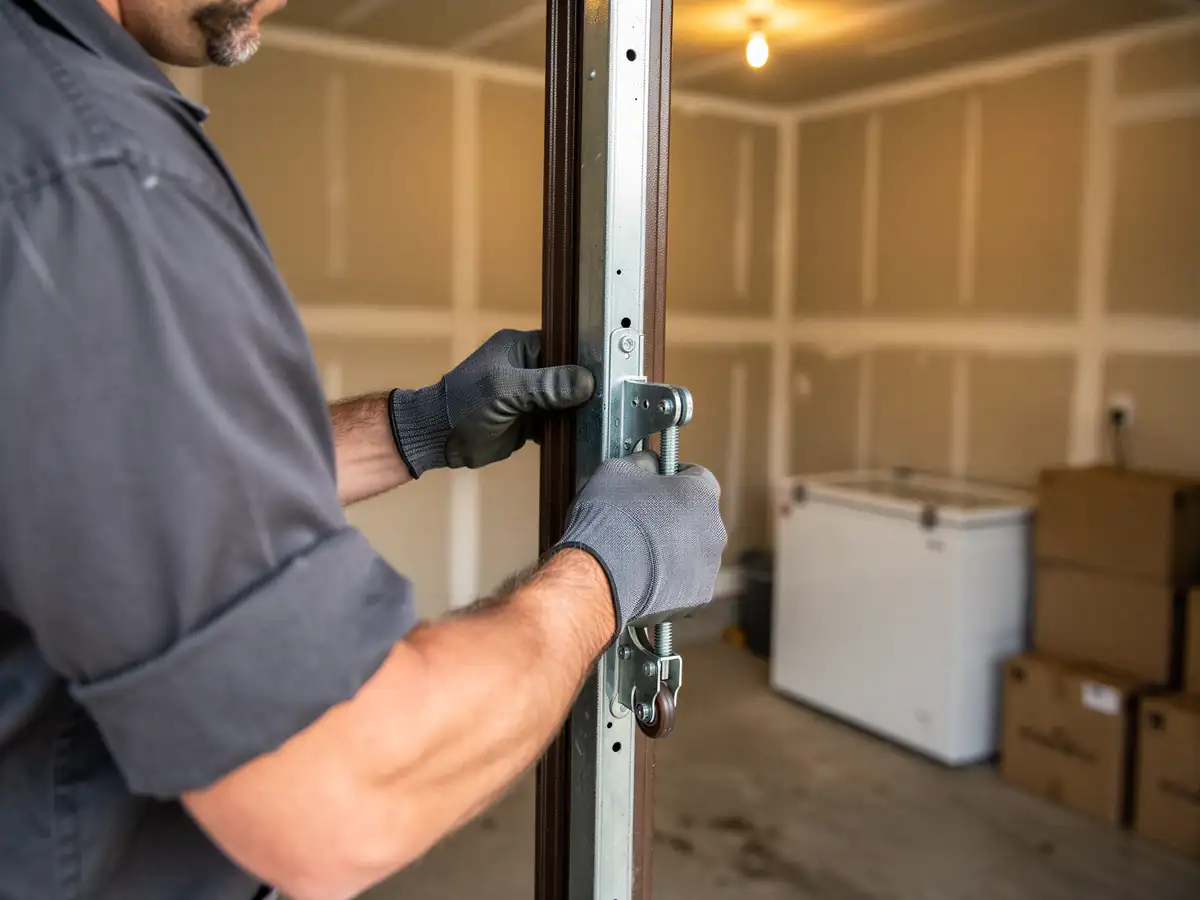
What you can safely do: stop using the opener right away, don't yank the emergency release cord while the door is mid-slip, and look (without touching) for the obvious - a bent track rail, a roller that's split, or a gap where the door pulled away from the wall bracket. That tells the tech what's probably wrong before anyone shows up. On a double-wide door especially, one corner can be off while the other side still looks fine, and that uneven load is exactly what turns a simple roller swap into a bent-track job if it sits too long. If the door came off because something hit it - a car bumper catching the bottom panel is the common one - the track itself may be bent, not just the roller, and that's a parts call, not an adjustment.
How Long You Are Without the Door
An off-track door is not driveable. Once a roller has left the channel, the door can't be raised or lowered safely on the opener, and most people end up parking in the driveway until it's fixed. How long that stretches depends on what actually failed - a roller and a bent section of track are a same-visit job in most cases, but if the track itself is warped along its length, or the bracket pulled out of the framing, the fix takes longer because the whole rail may need to come down and get re-hung plumb.
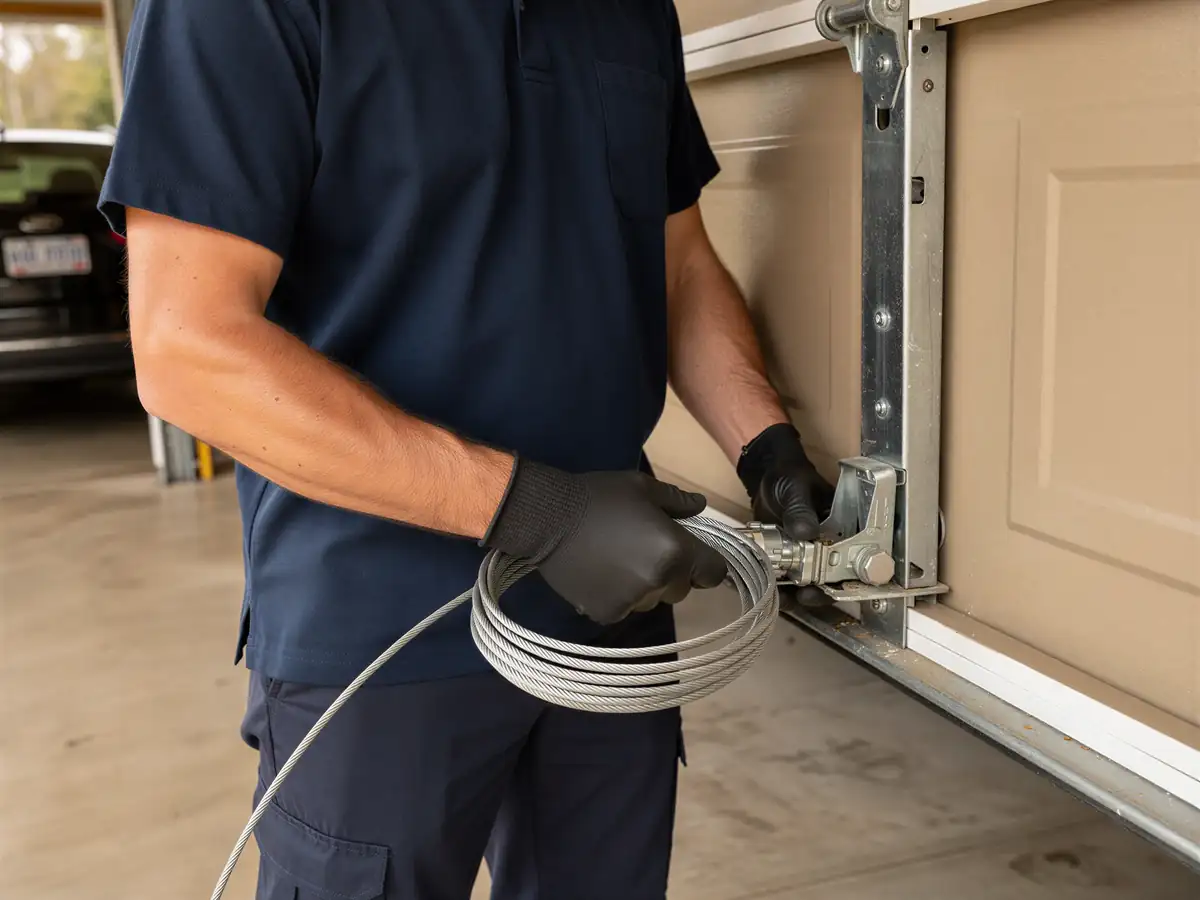
We don't carry every roller and track style on the truck for every house in this area, since homes built across the 1960s and 70s often used hardware sized differently than what's sold today. If a part has to be special-ordered, that's a second visit. We'll tell you straight when we're looking at a quick fix versus a parts wait - we'd rather say that up front than promise a timeline we can't keep.
What Causes It Around Here
Housing in this area was mostly built between 1938 and 1996
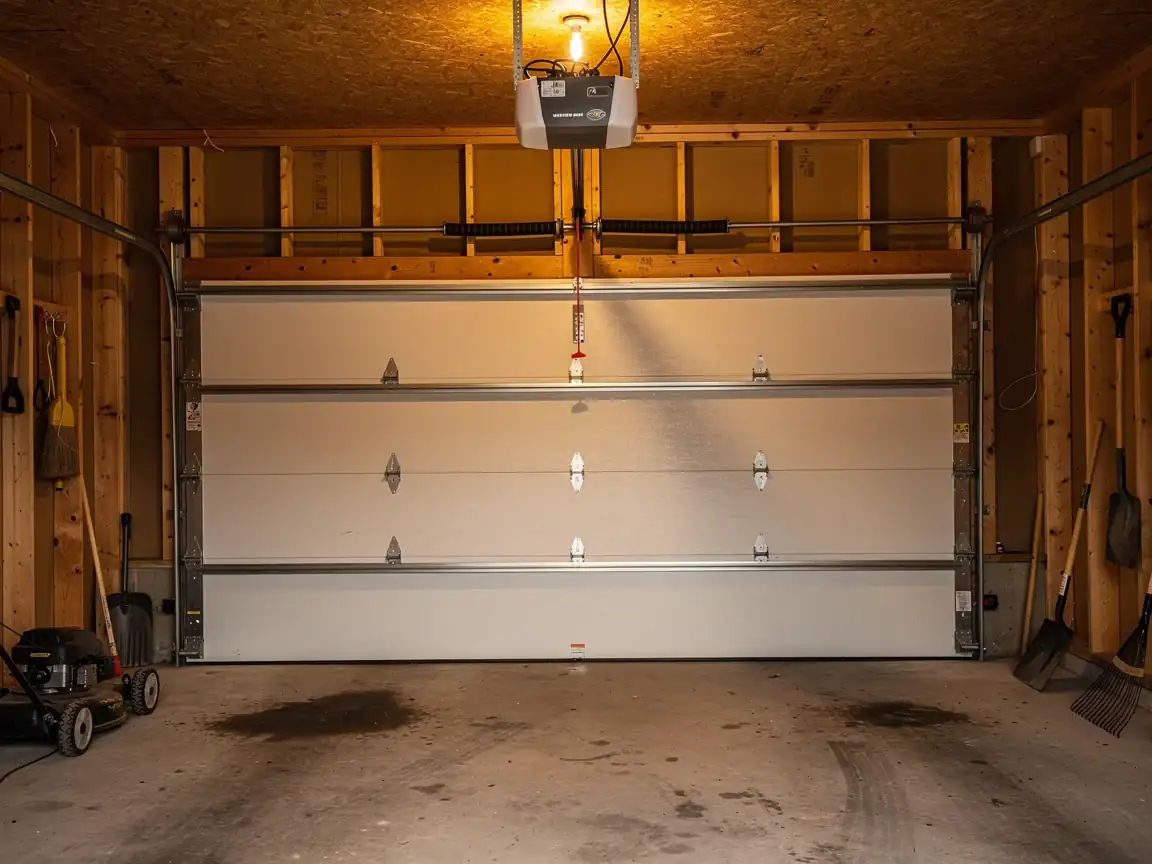
With the median landing around 1964, and that matters for this specific failure. A track installed in the 1960s or 70s has had sixty-plus years of expansion and contraction to work on it. Steel rail bows slightly over that much time, especially where the original mounting brackets have loosened in aging framing - and a door riding a slightly bowed track is a door that's one bump away from a roller popping loose.
Cold is the other half of it
This area sits in a climate band the federal data marks as cold and severe, which means real freeze-thaw cycling every winter. Grease in older rollers and track hinges stiffens in the cold, so the door doesn't travel evenly - one side drags, the other keeps moving, and that's when a roller jumps the rail. We see this pattern most on original hardware that's never been re-lubricated or squared up since the house was built.
How It Shows Up
Usually it starts small. The door looks slightly crooked when it's halfway up or down, like one corner is a few inches ahead of the other. You'll hear a grinding or popping sound instead of the normal smooth roll, and sometimes a visible gap opens between the bottom roller and the track on one side. In the worst version, the door stops dead at an angle and the opener keeps straining against it, which is hard on the motor and the remaining rollers.
Sometimes it's immediate and obvious - a hard impact knocks the door straight off the rail and it's sitting cockeyed in the opening. Either way, once you see daylight between a roller and its channel, treat it as off track even if the door still technically moves. Running it further in that state is what turns a roller job into a bent-rail-and-panel job.