Doing It Yourself
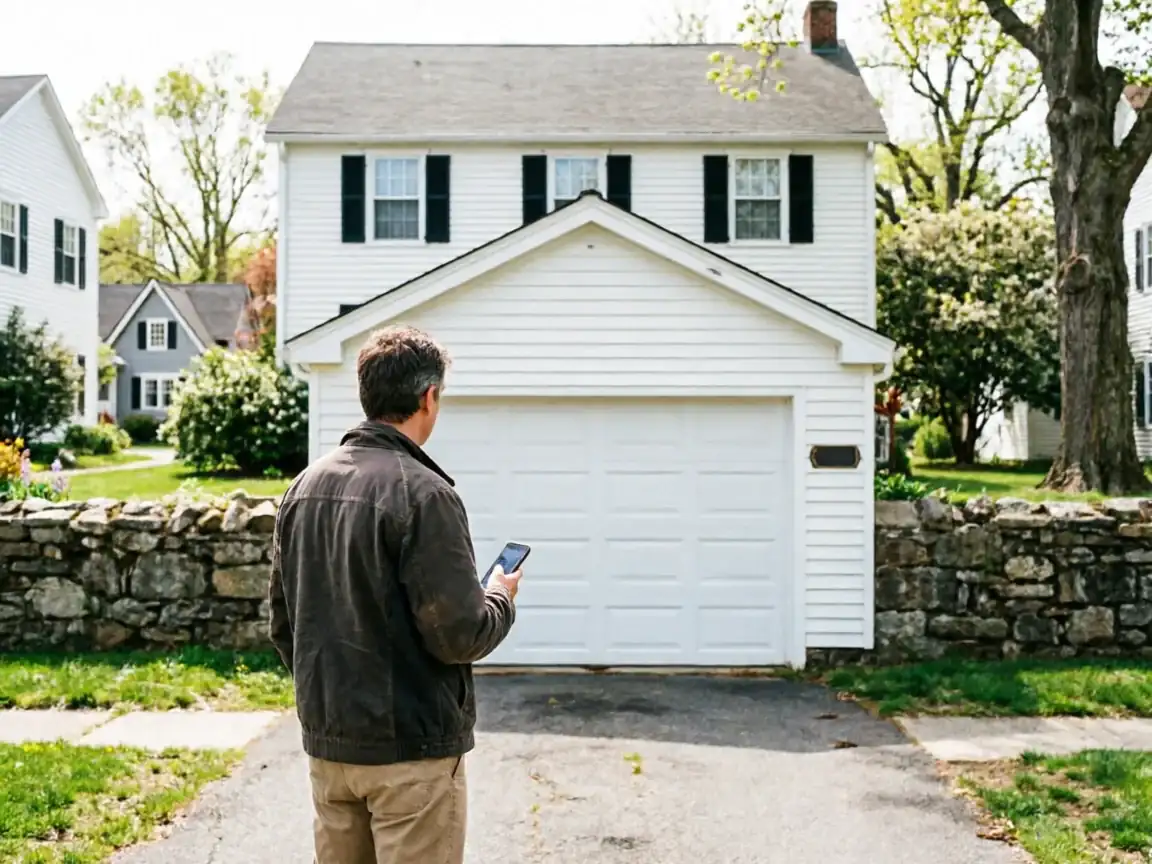
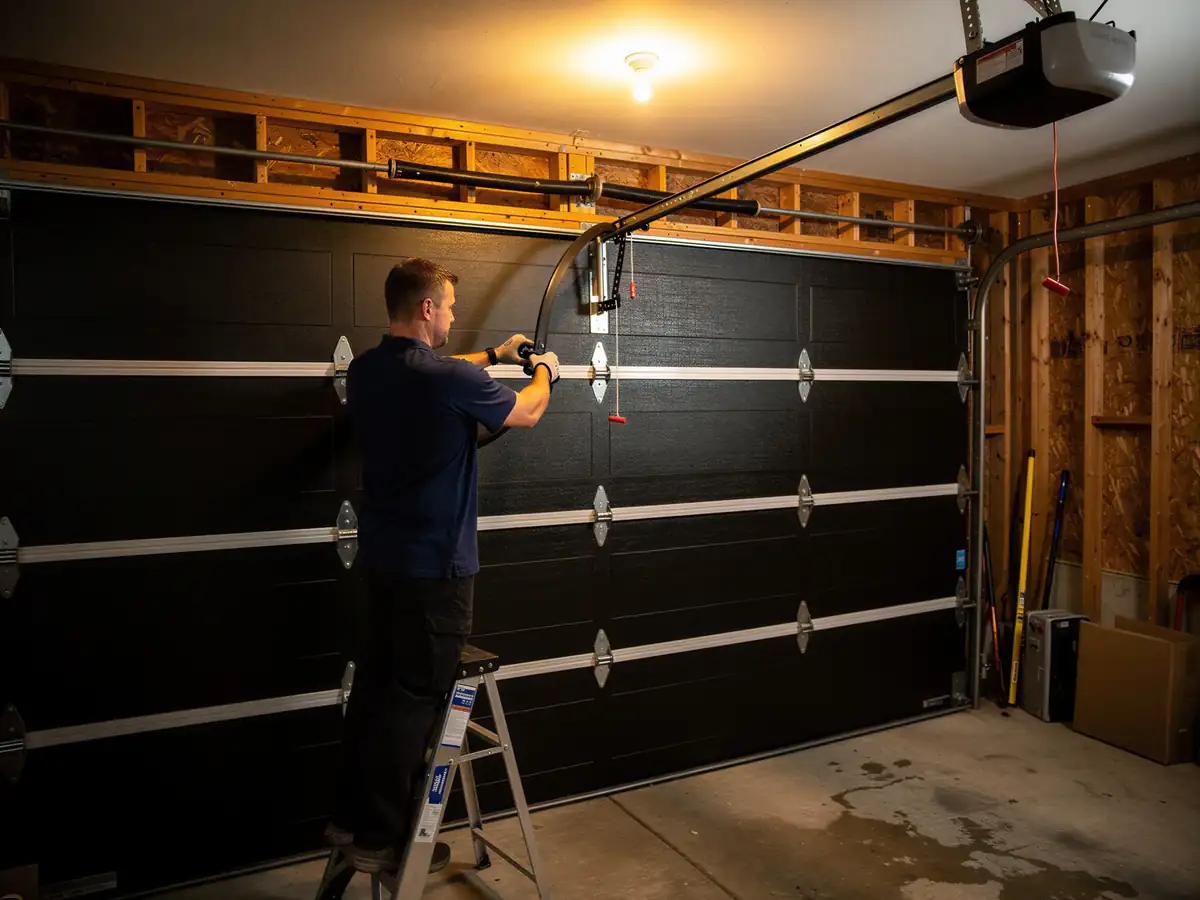
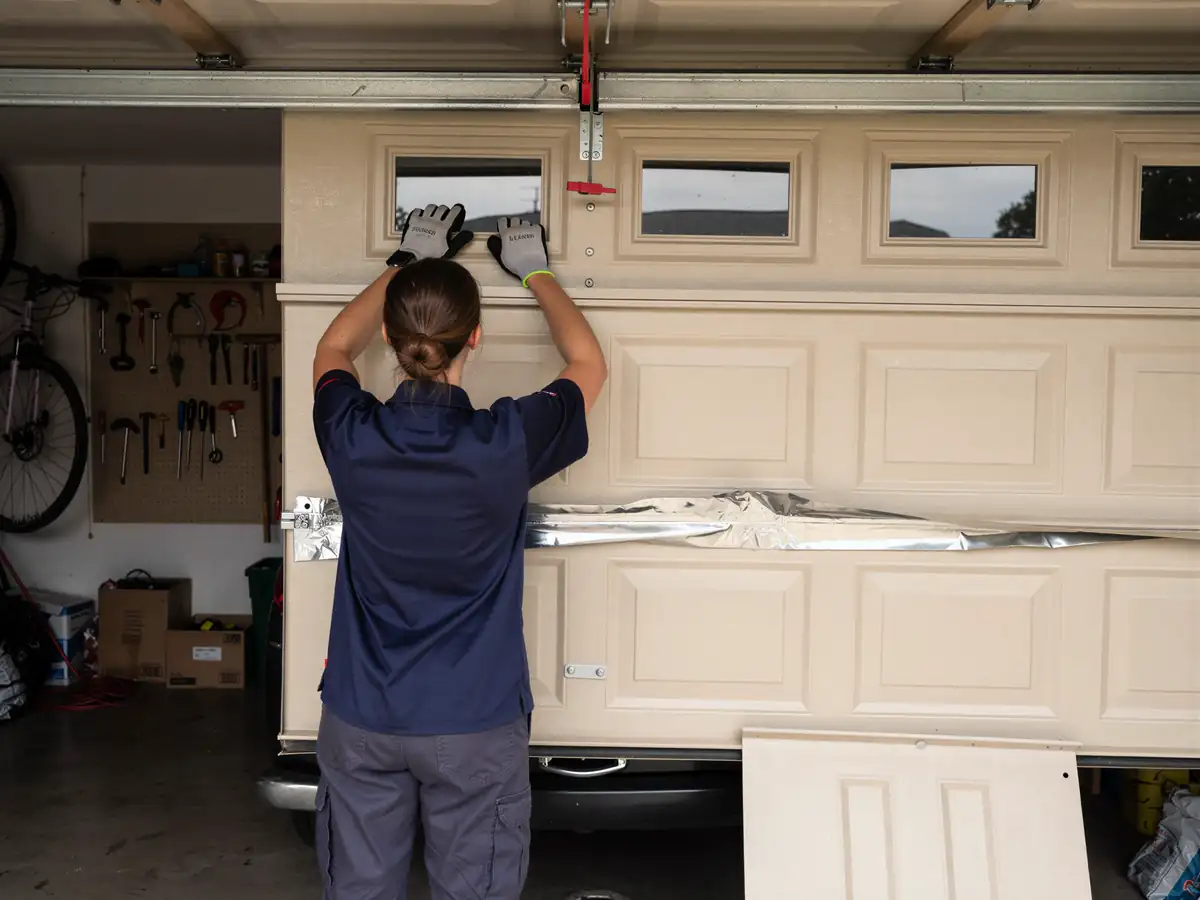
A lot of homeowners look at a dented or rusted-through panel and figure it's a weekend job: order a panel online, swap it, done. Sometimes that's true. If your door is a newer design with panels still in production, a single-car swap on a steady slab can be reasonable DIY work.
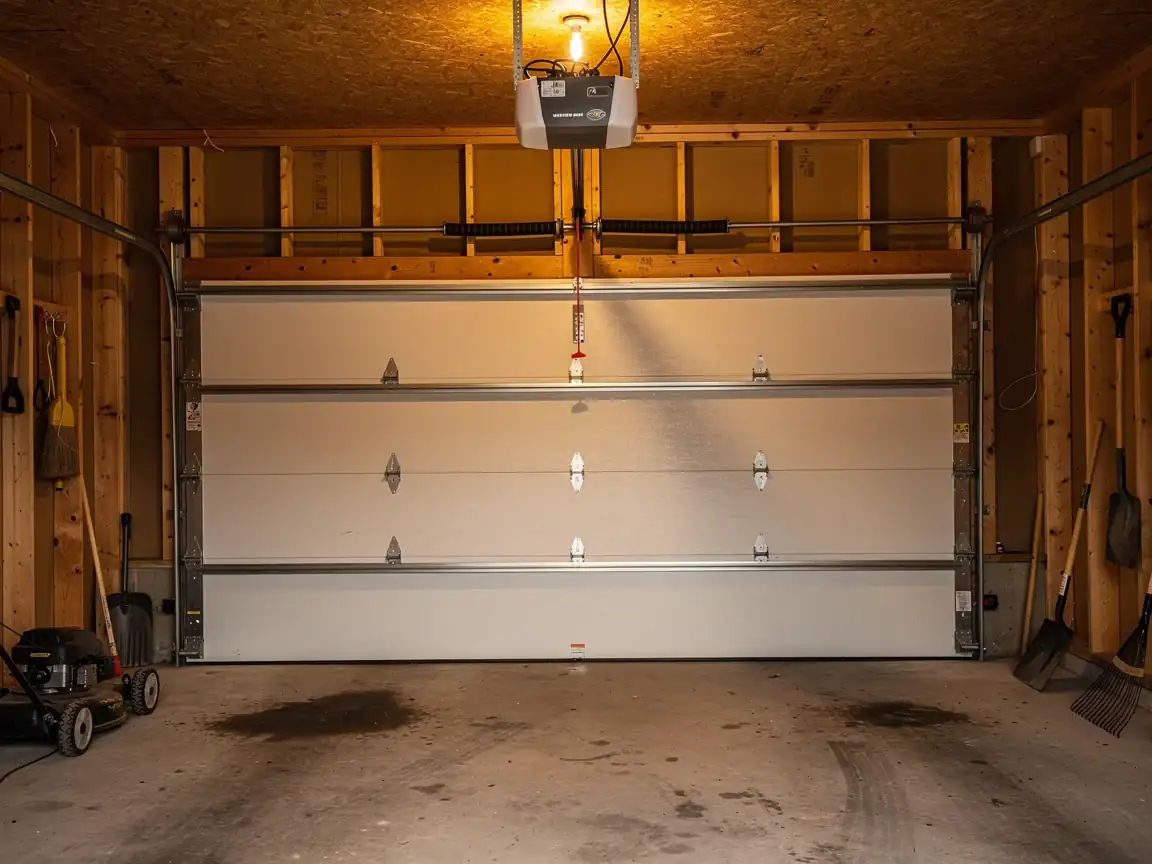
The problem in this area is that so much of the housing stock here went up between 1938 and 1996, with a median build year of 1964. A door that's original to a house from that era, or even a 1970s replacement door, often isn't a model you can order a matching panel for anymore. The track spacing, the panel height, the hinge pattern - none of it is standardized the way modern doors are. You can end up buying a panel that's close enough to bolt on and visibly wrong in color, profile, or fit.
We'll be honest: if your panel is a common size from a door made in the last 10-15 years, you may not need us at all. Where it gets harder is matching an older section without replacing the whole door, and that's the call we make on site, not over the phone. We'd rather tell you to skip the service call than sell you a mismatched panel.
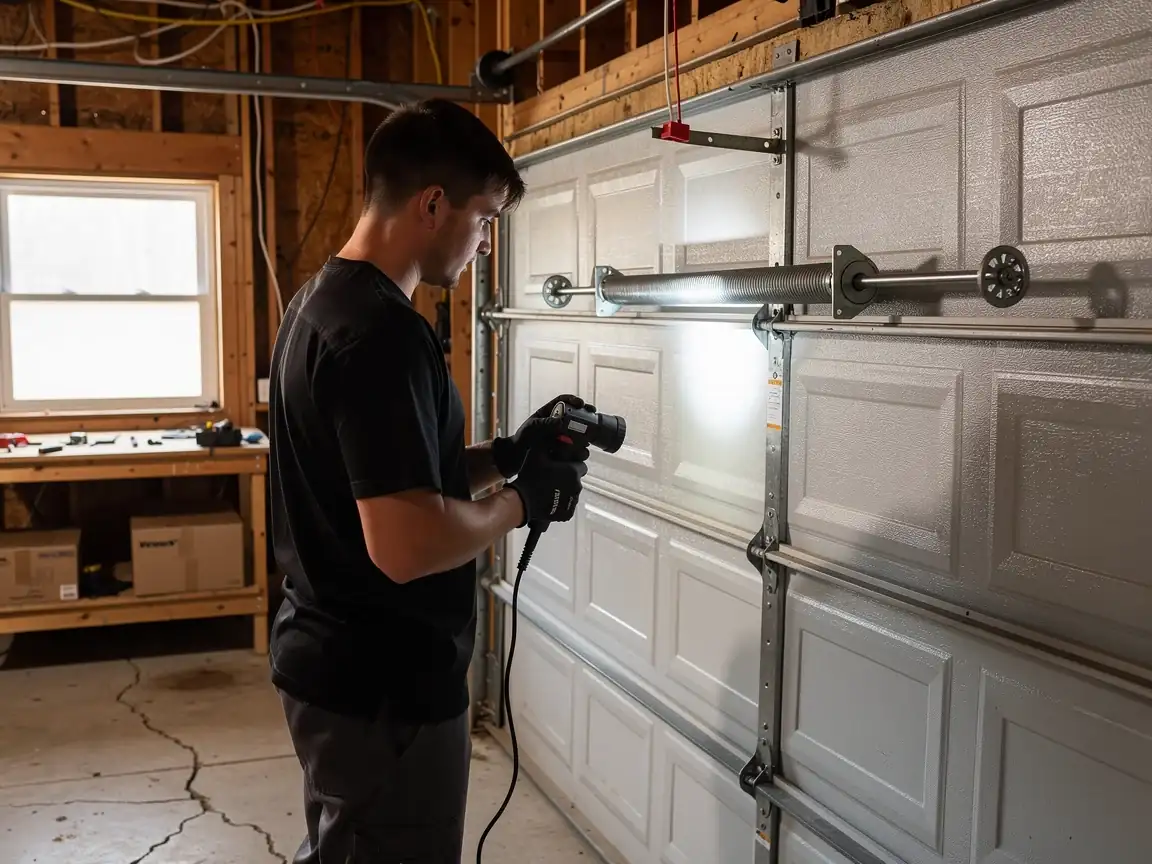
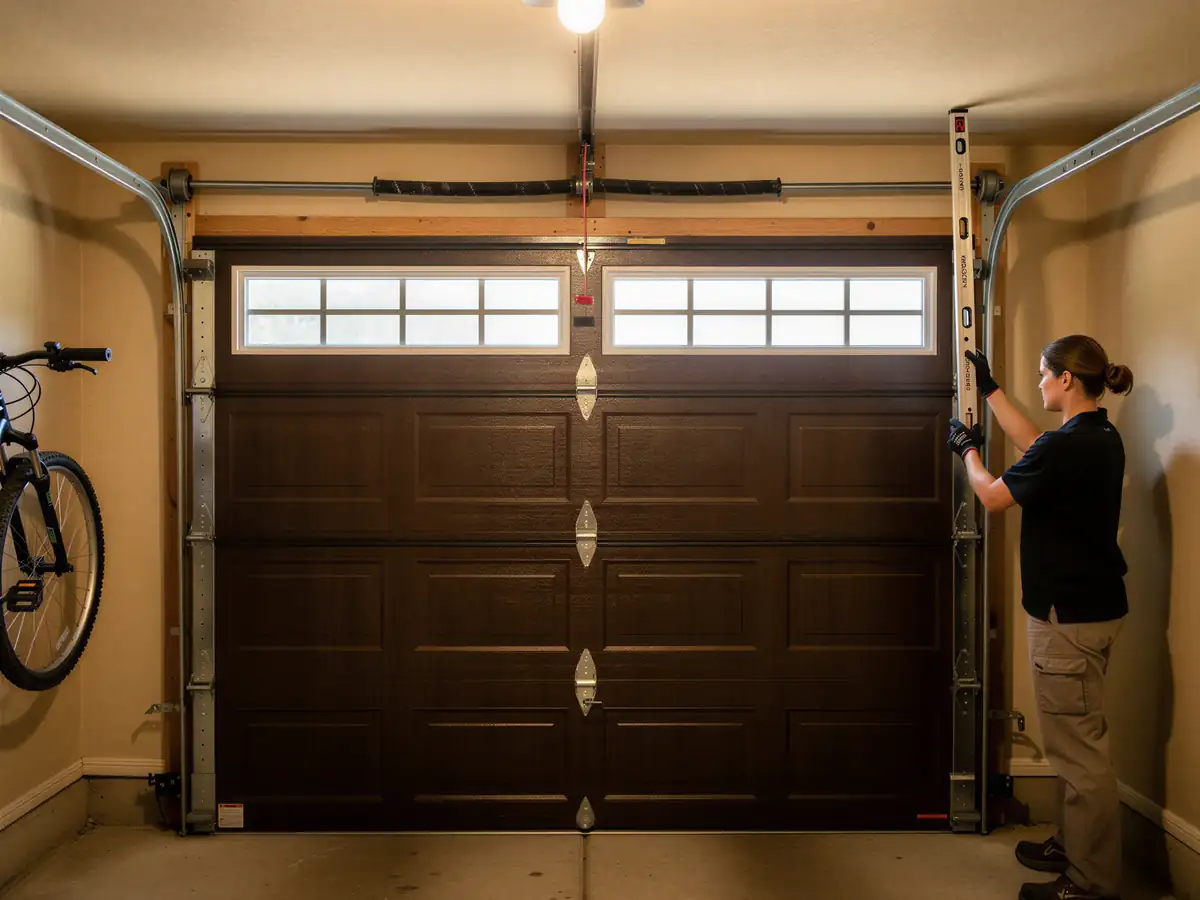
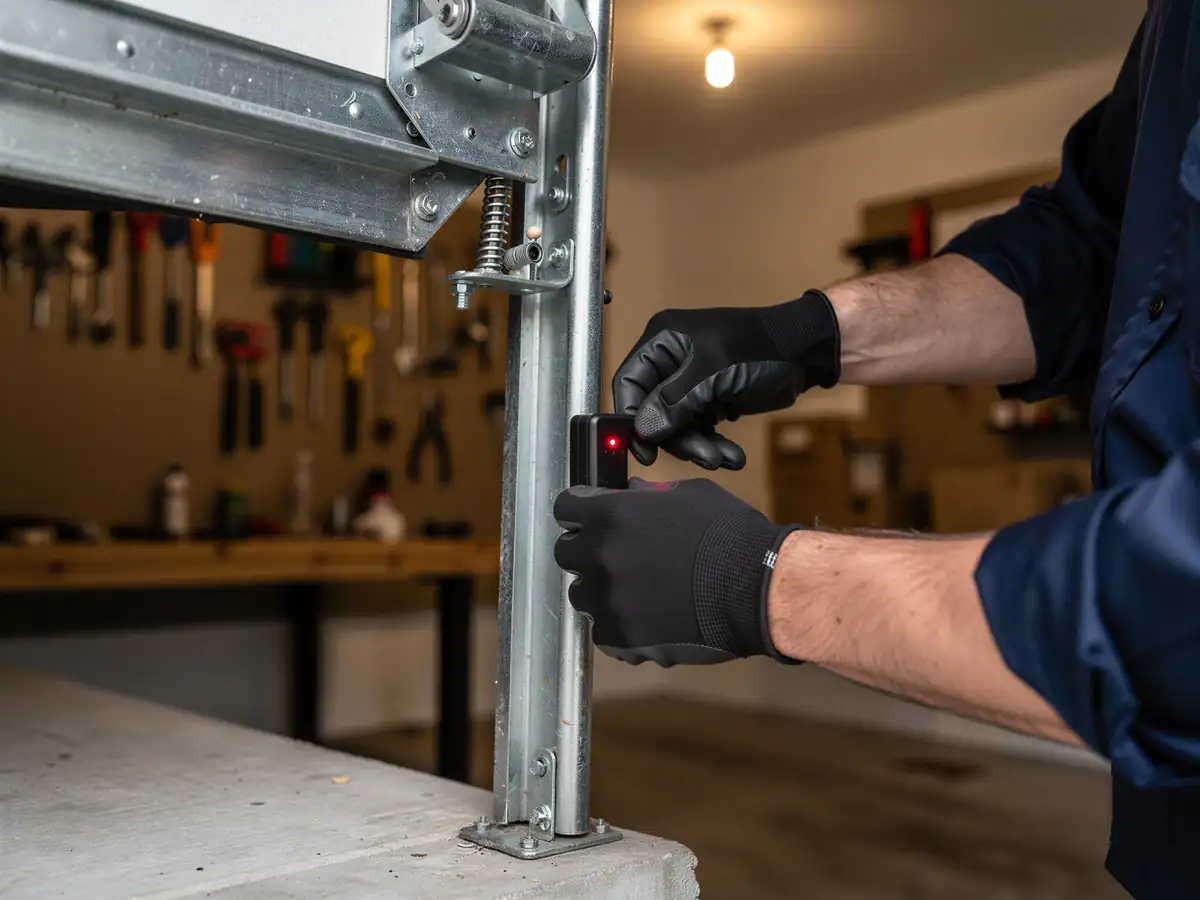
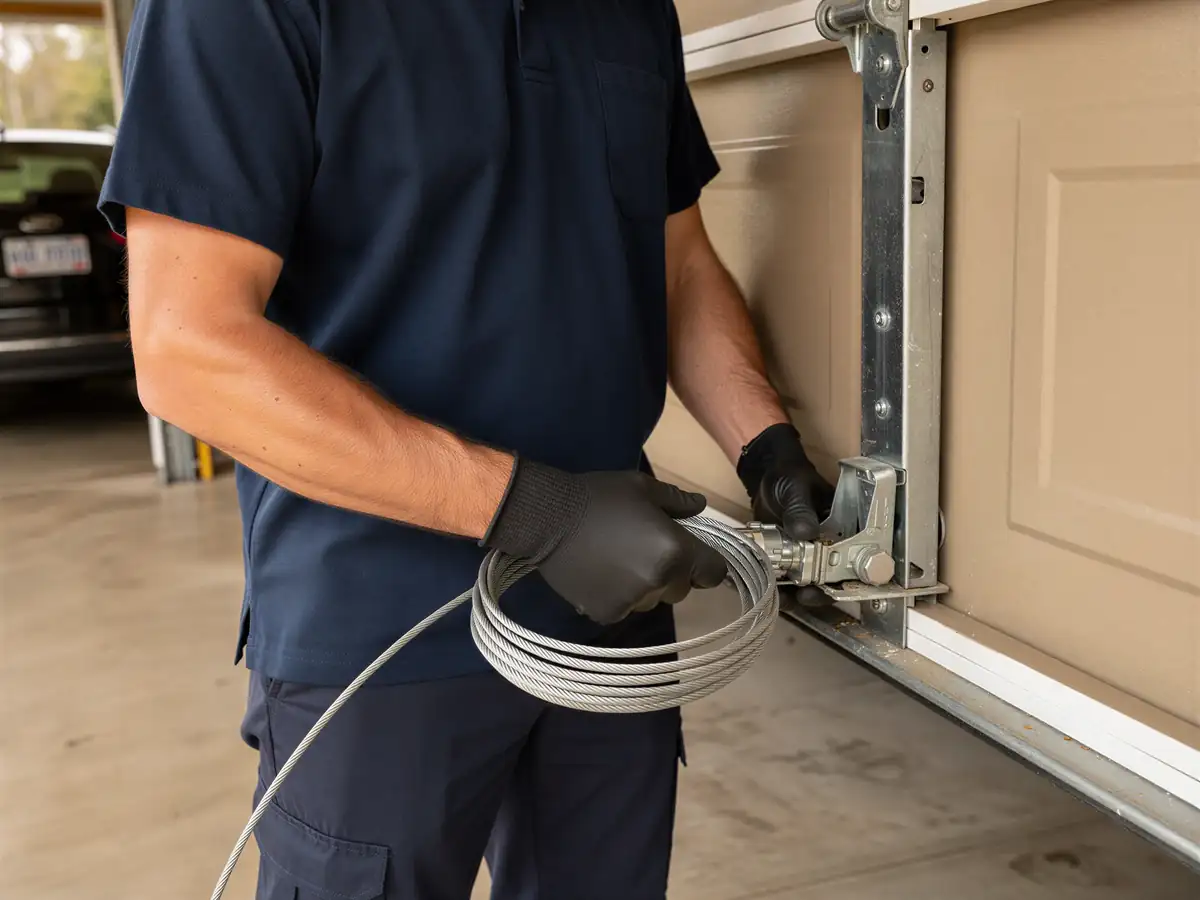
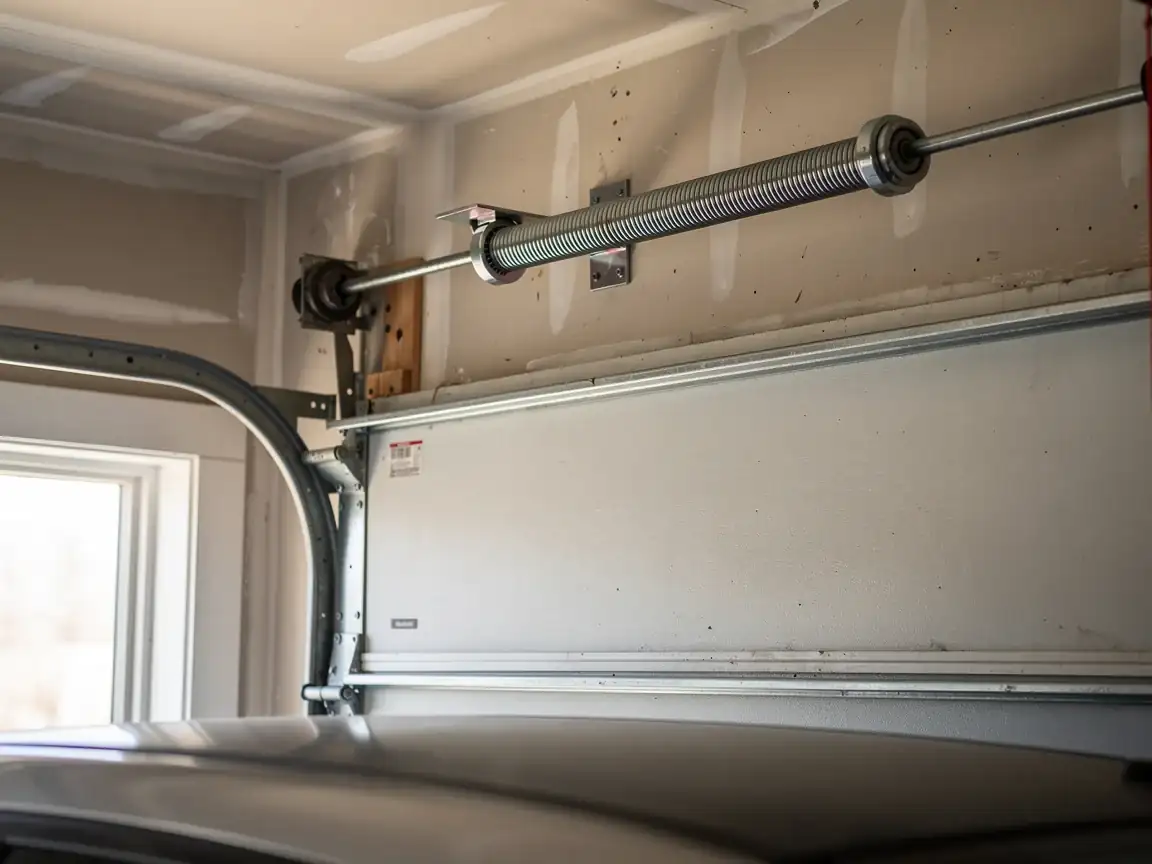
Torsion spring work that often comes up during a panel swap is not a DIY step - that spring is under real tension and it's the one part of this job where a mistake sends someone to the ER, not just back to the hardware store.
How Long You Are Without the Door
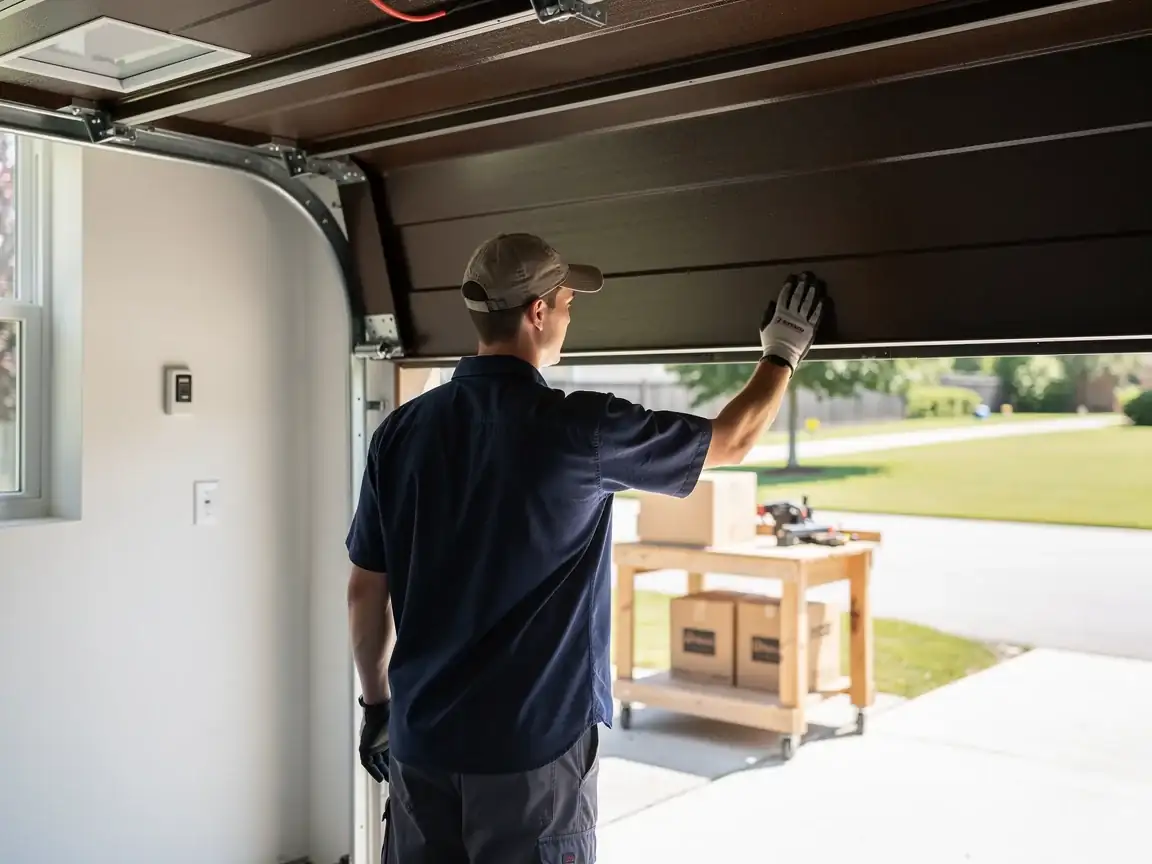
Panel availability is the real variable here, not labor. If your door is a current production model, a matching panel can sometimes be on a truck within a few days and the swap itself is usually a half-day job including balance adjustment afterward.
Where it stretches out is on the older doors that are common across this service area - houses built in the 1960s and 70s often still have original or first-replacement doors, and those panel profiles aren't sitting on a shelf anywhere nearby. In that case we're ordering from a manufacturer that may still carry the discontinued line, or we're telling you upfront that full replacement will get your garage sealed up faster than waiting on a custom panel order.
We don't like leaving a garage open to a New Jersey winter any longer than we have to, so when a panel order is going to take a while, we'll talk through whether a temporary brace or insulated cover makes sense to hold you over, versus just moving the replacement date up. There's no fixed number we can promise you here - it depends entirely on what's discontinued and what isn't - but we'll give you the real timeline once we've identified the door, not a guess to get the job booked.
What Causes It Around Here
Two things drive most of the panel replacement calls in this service area: age and cold
The housing stock across the 116 communities we cover skews heavily 1960s-70s
With the overall range running 1938 to 1996 and a median build year of 1964. Steel garage doors from that era used thinner gauge steel than what's sold today, with less reinforcement at the bottom panel - the section that takes the most abuse from cars, plows, and basketballs. Sixty years of expansion and contraction through severe cold winters takes a toll on that steel: seams rust from the inside out, and the bottom panel in particular develops soft spots you can push a finger through before it ever gets hit.
- 116 communities
The cold itself does damage on its own
In a severe-cold climate band like this one, steel panels contract hard overnight and expand again by afternoon. Over decades that cycle works bottom brackets loose and stresses the panel seams, especially on doors that were never insulated to begin with - common on houses from the 1960s and 70s before insulated doors were standard. Add a plow clip or a trailer hitch backing up wrong, and a panel that was already brittle from age and cold just gives out instead of denting and holding.
How It Shows Up
Panel failure rarely looks dramatic at first. It usually starts as a crease or dent low on the door, at bumper height, from a car tap or a plow pass. On an older steel panel from the 1960s-70s stock common in this area, that dent doesn't pop back out the way a newer, thicker panel might - the metal's fatigued and it stays bent.
Rust is the other early sign, and it shows up first at the bottom corners and along the horizontal seams where water sits after snow melt. Once rust has worked through from the inside, the panel can look solid from three feet away and still flex or crack under pressure.
The third pattern is a panel that's gone slightly wavy or bowed, usually from decades of thermal cycling in a cold climate on an uninsulated door. That warping throws off how the sections meet at the joints, which can make the door bind in the track or let daylight show at the seams even before anything looks broken. If you're seeing any of these on a door that predates insulated panel construction, it's worth having someone look at whether a panel swap is still possible or whether the door's run its course.