What People Here Ring About
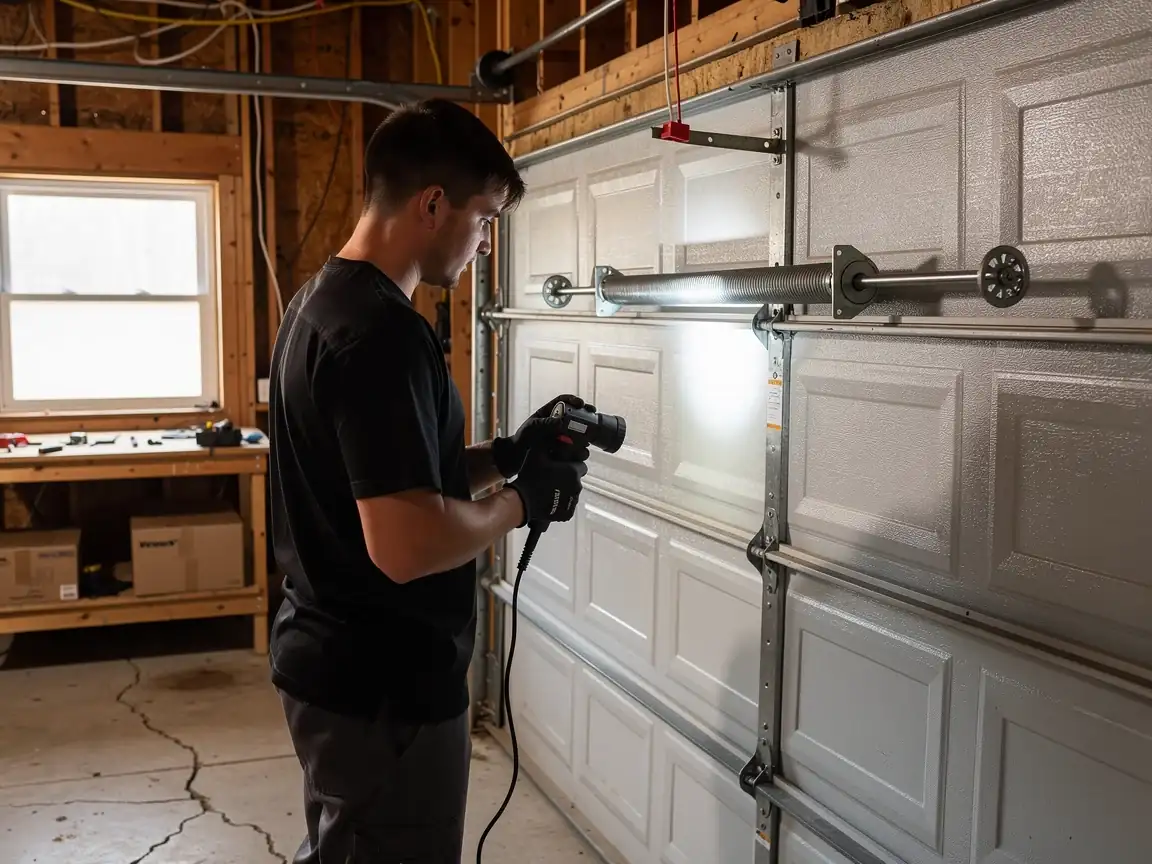
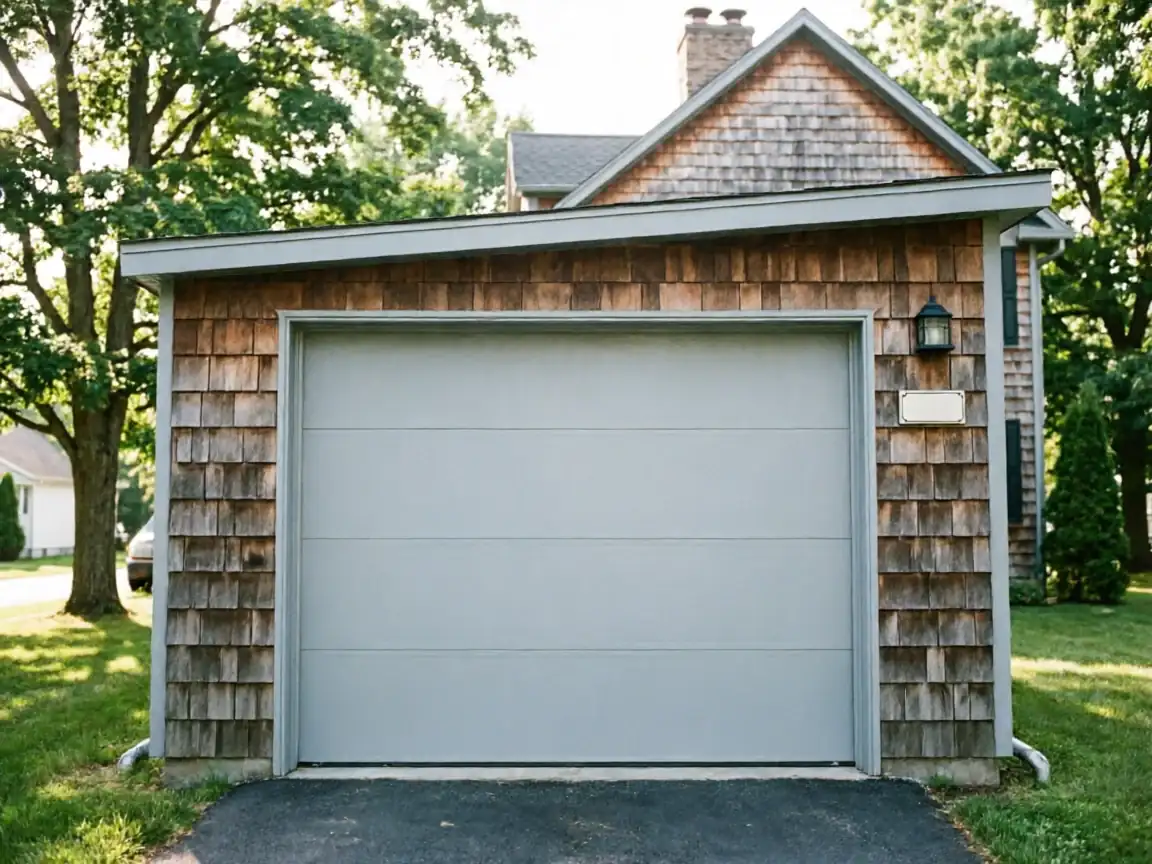
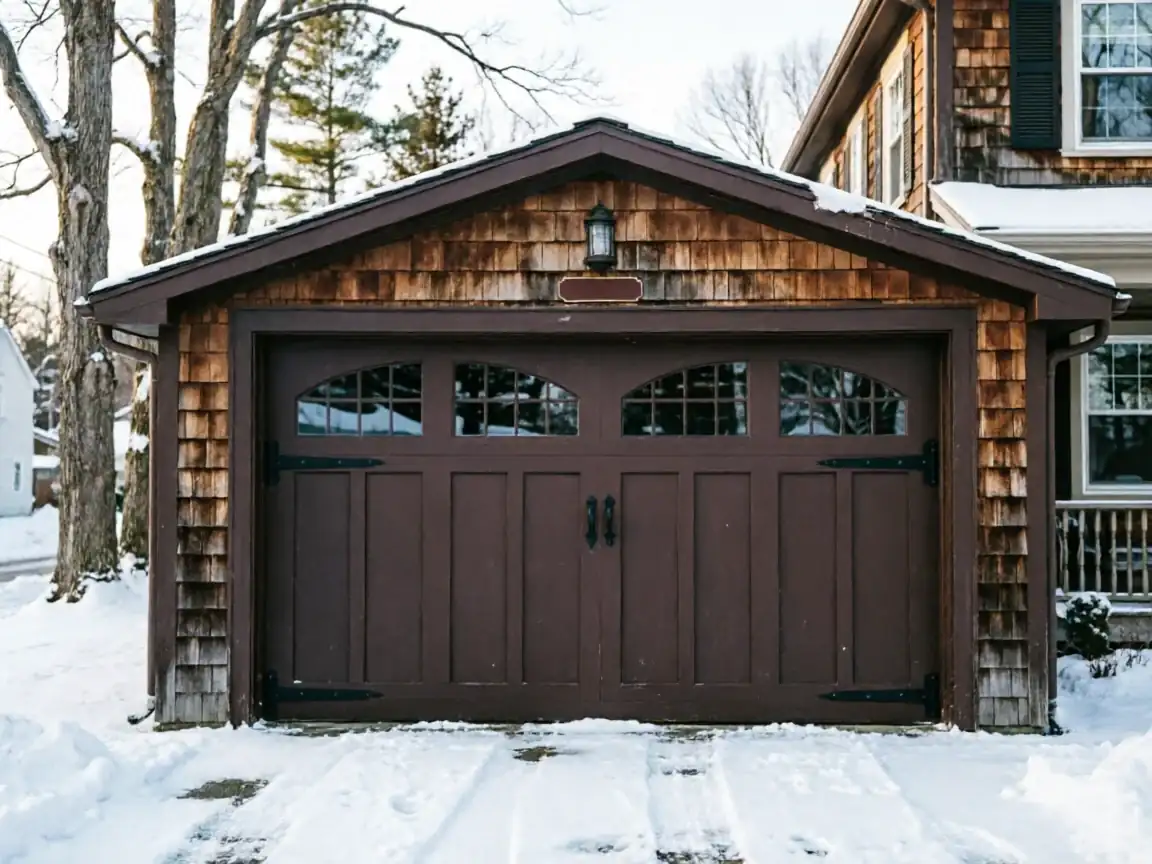
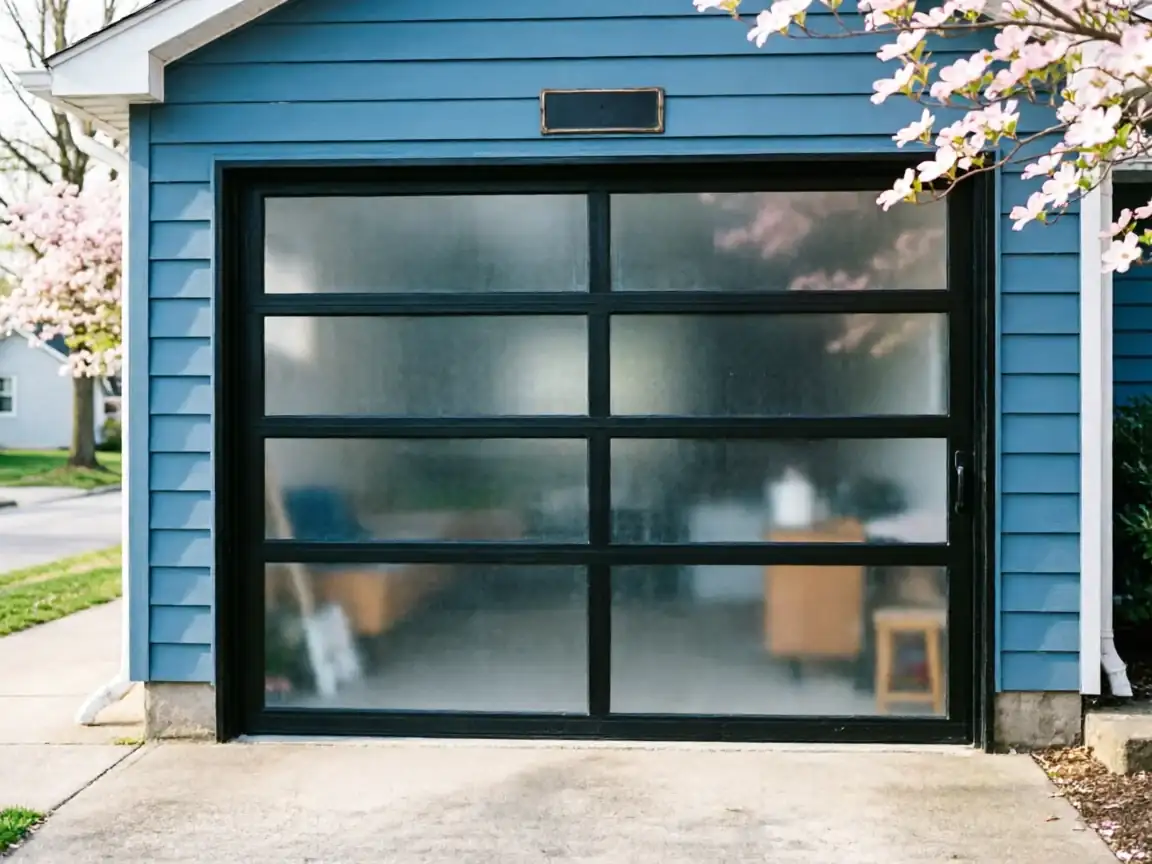
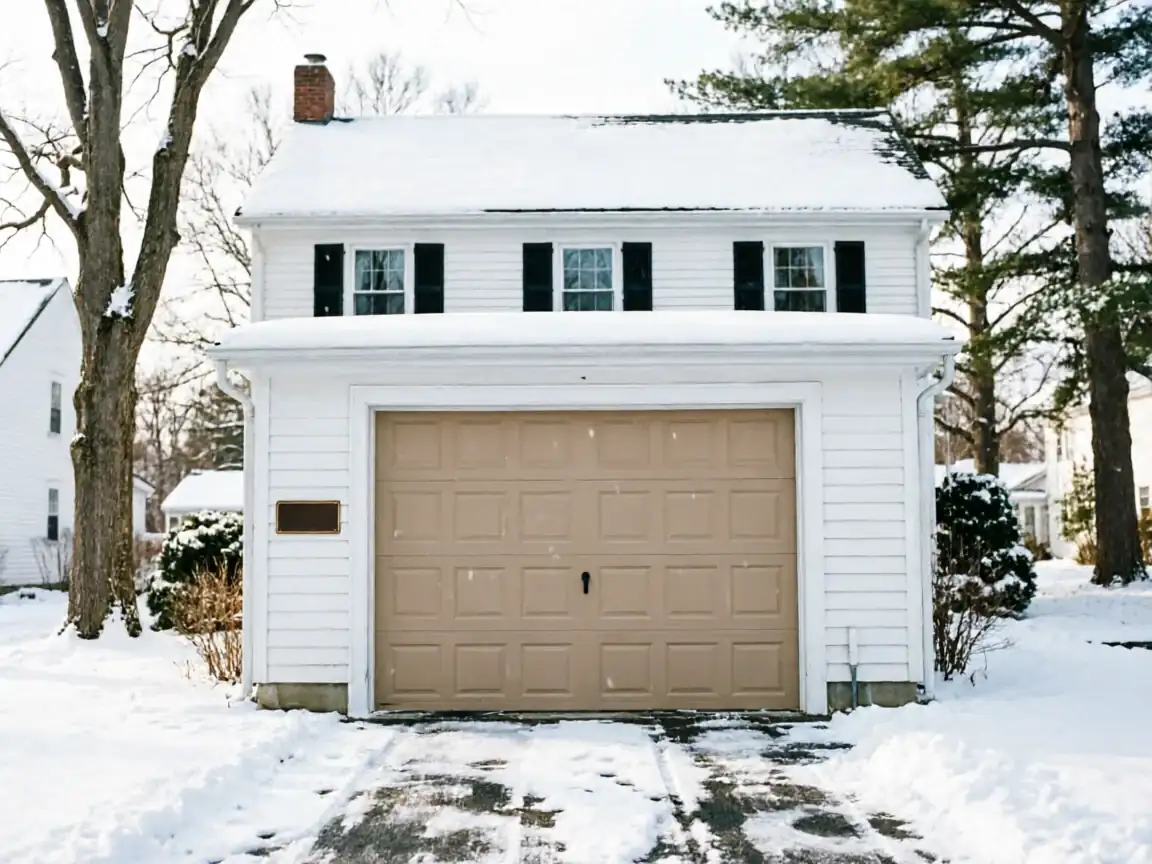
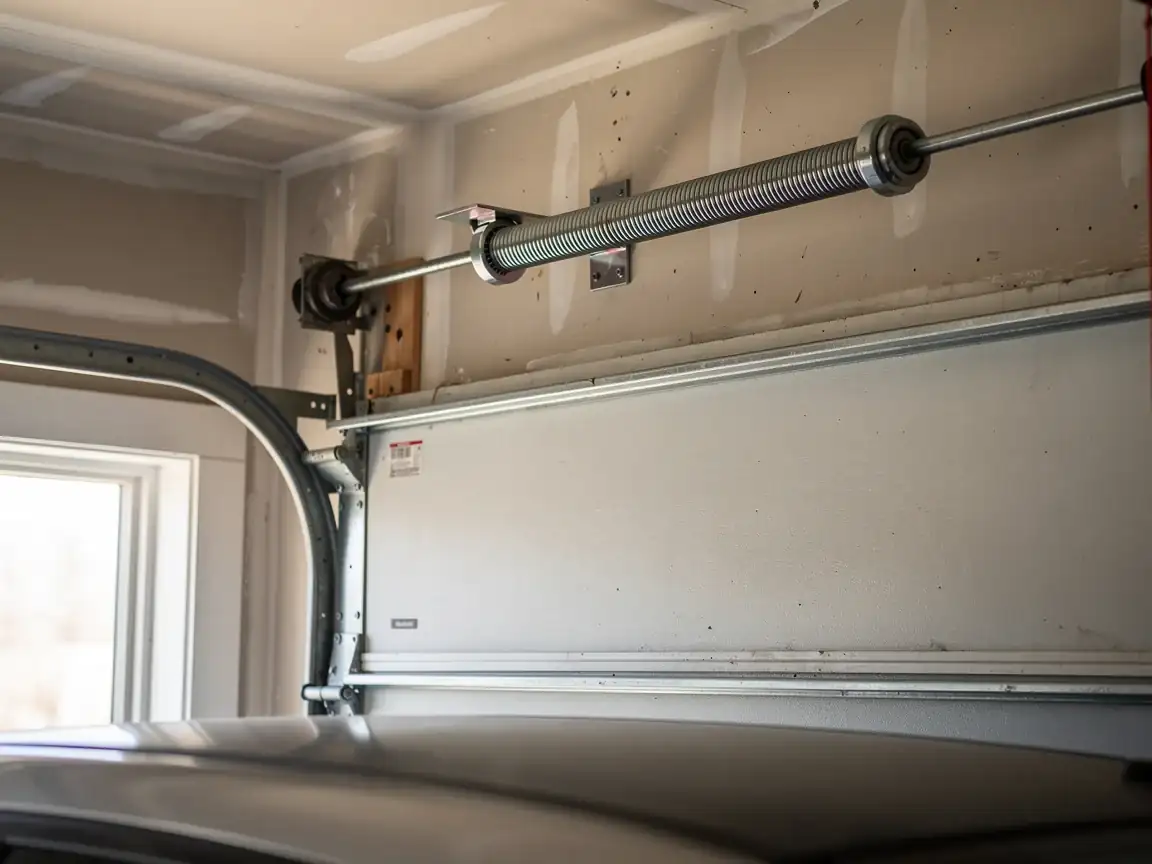
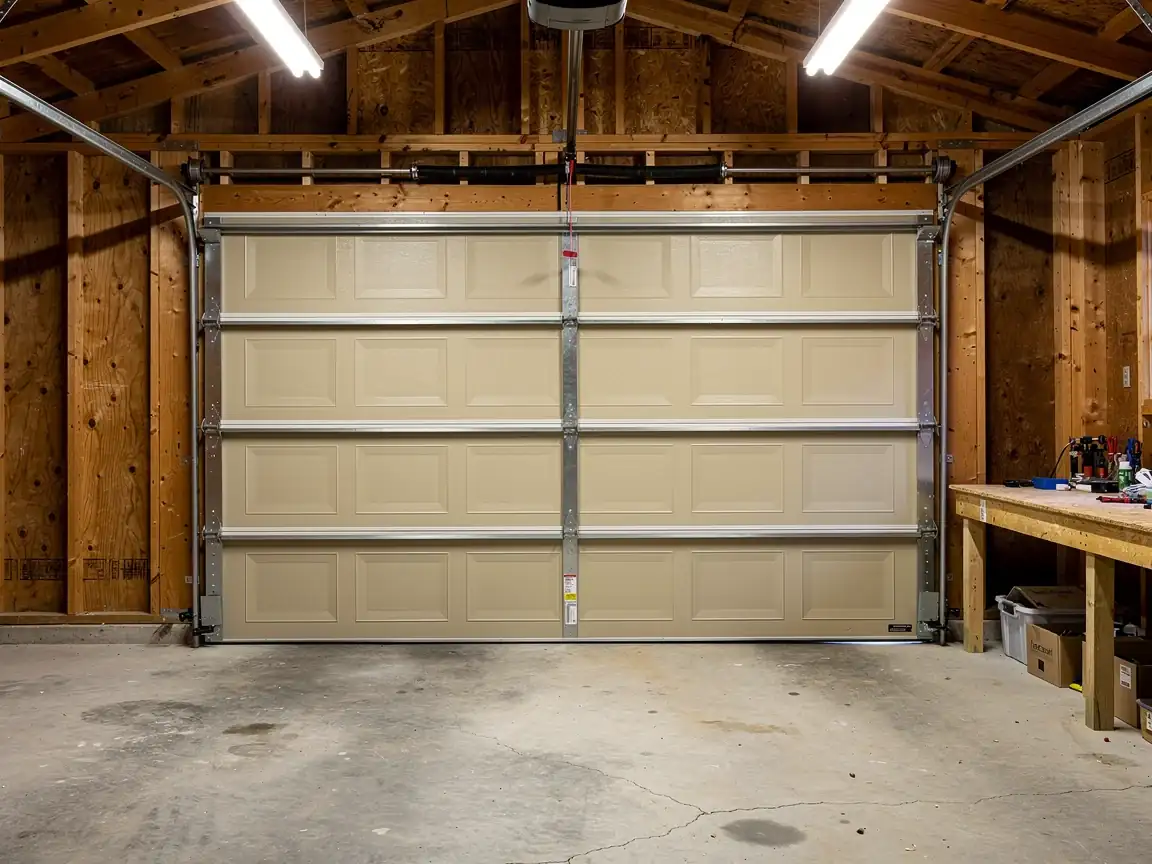
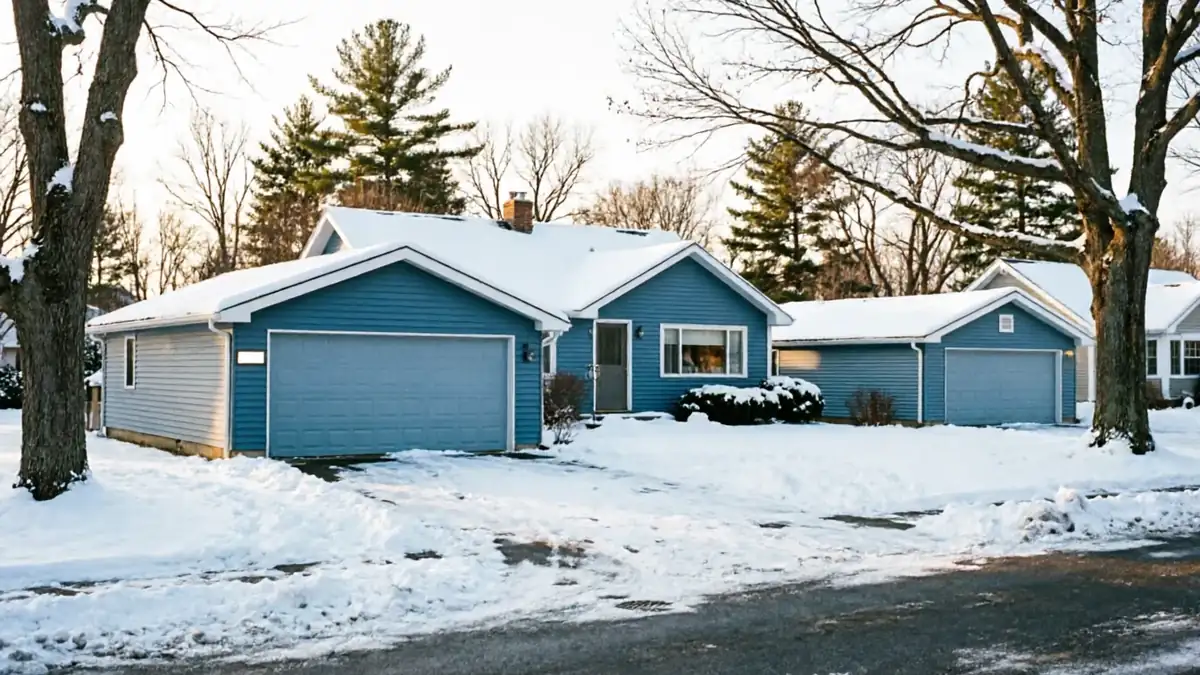
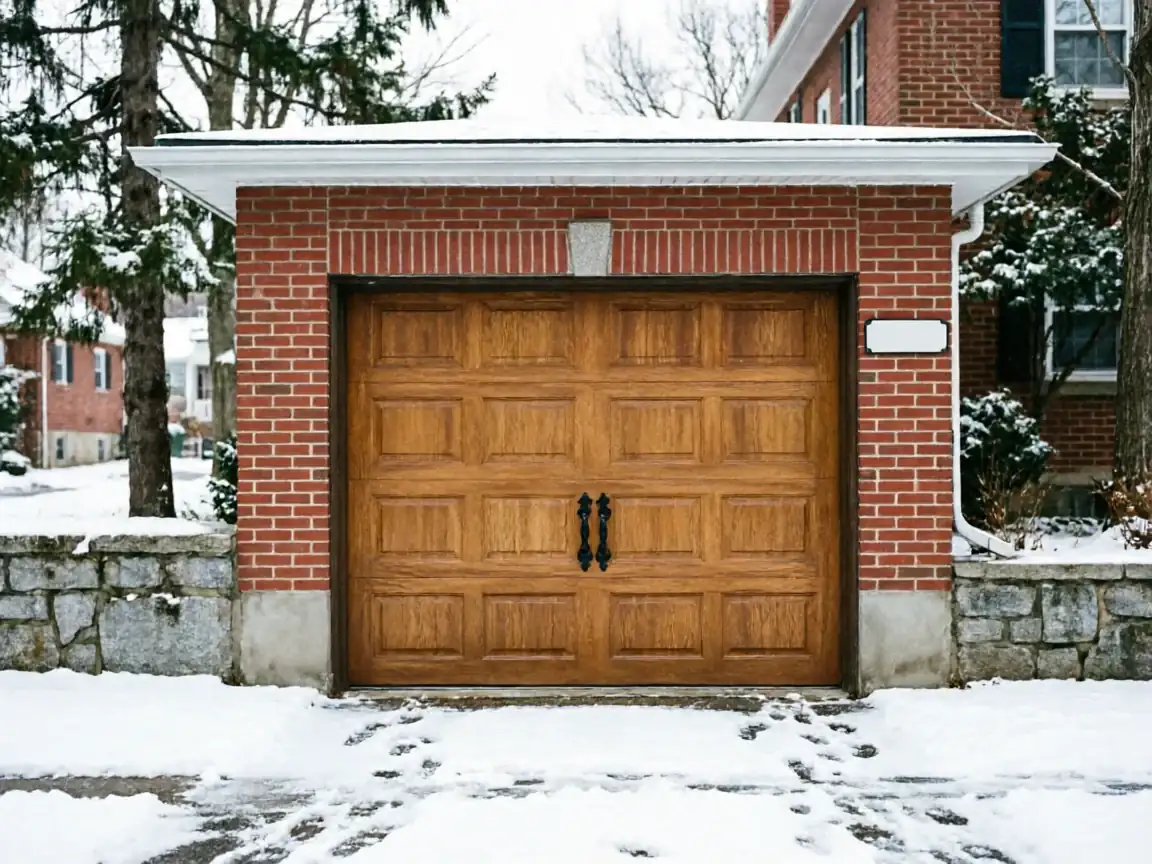
Most calls we take from White Meadow Lake are about hardware that's been in the house since it was built. With a median build year of 1965 for homes around the lake, a lot of garages still run the torsion spring setup that came standard that decade, and a good share of those springs have never been swapped. We hear from owners whose door suddenly won't budge, or whose opener grinds but the door barely lifts - usually a spring that's finally given out after close to sixty years, not an opener problem at all.
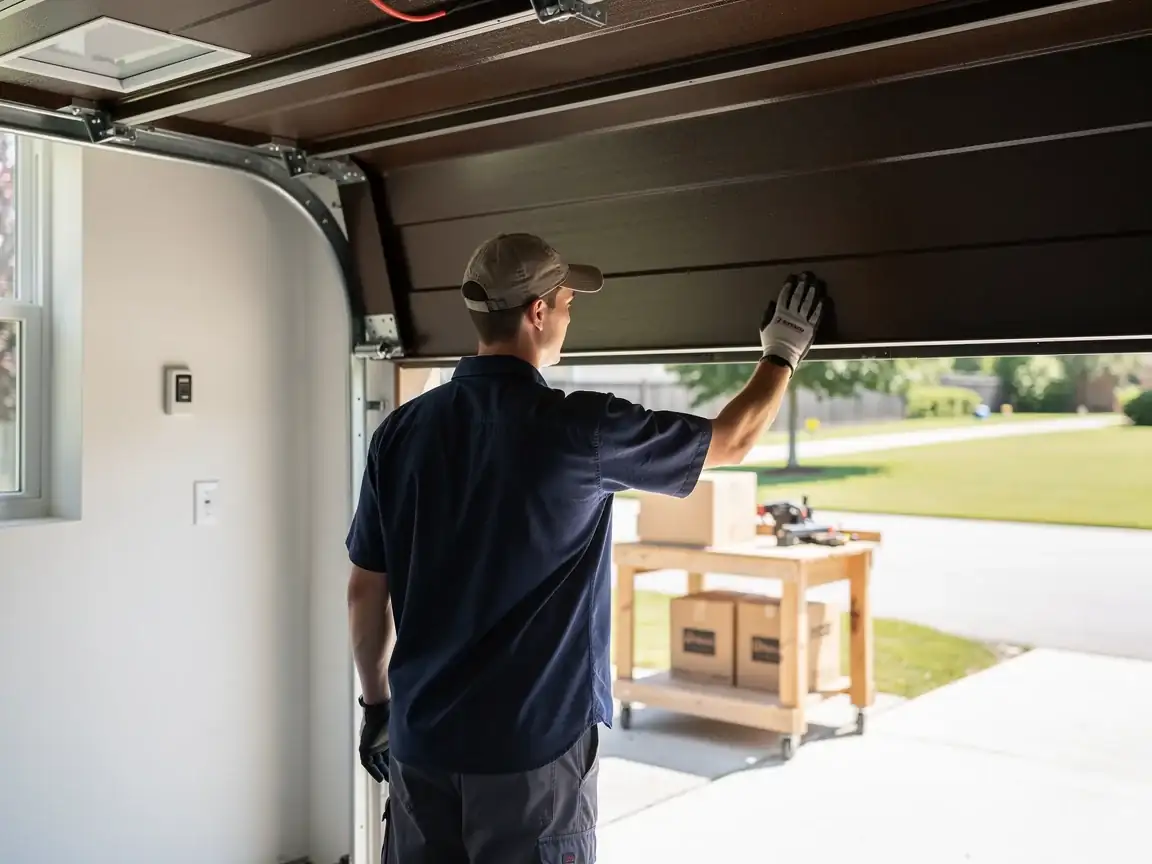
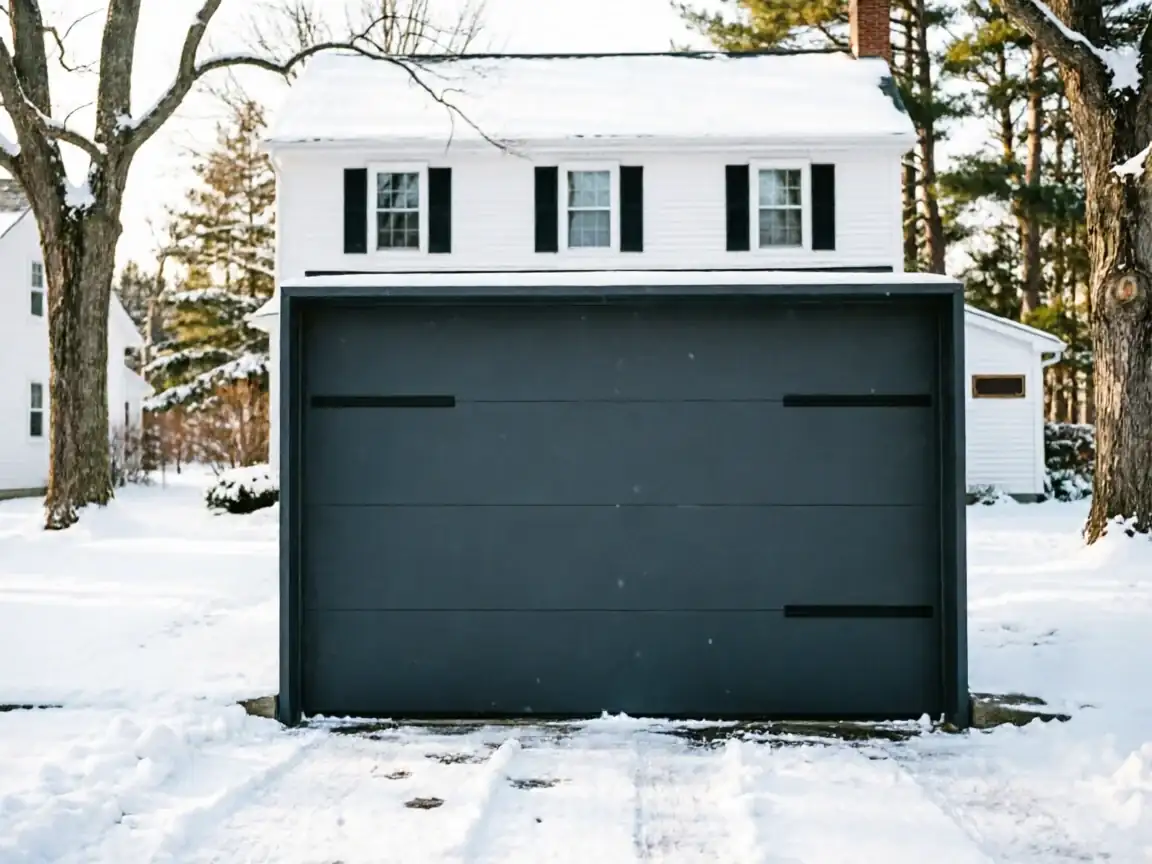
We also get calls about panels that have warped or rusted at the bottom, especially on homes close to the lake where moisture sits longer against the garage slab. That's a build-era issue as much as a weather one - doors from the mid-60s weren't built with the insulation or sealing standards you'd see on a door sold today.
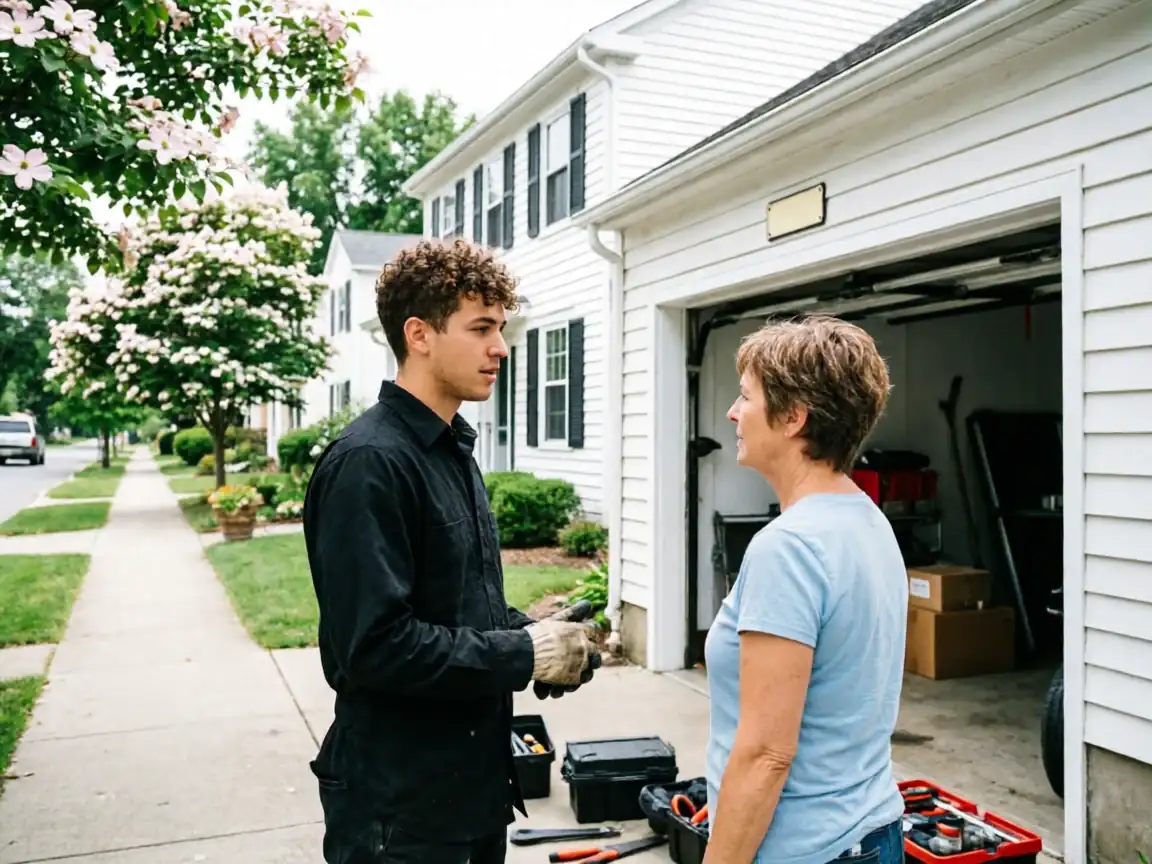
We travel out from Randolph for these calls. We don't keep a crew or a stocked van sitting in White Meadow Lake waiting on work, so what we bring depends on what the job needs - which is why a quick call ahead to describe the door helps us show up with the right part the first time.
This Area's Housing
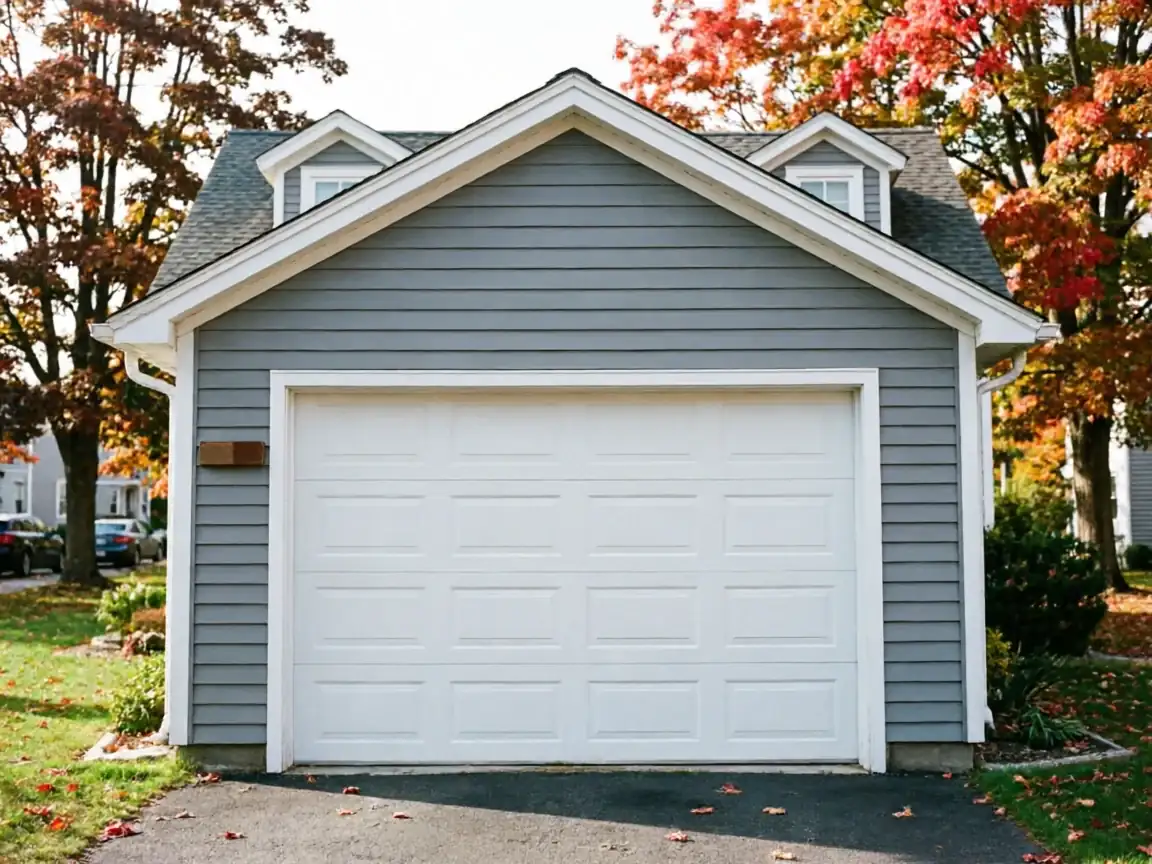
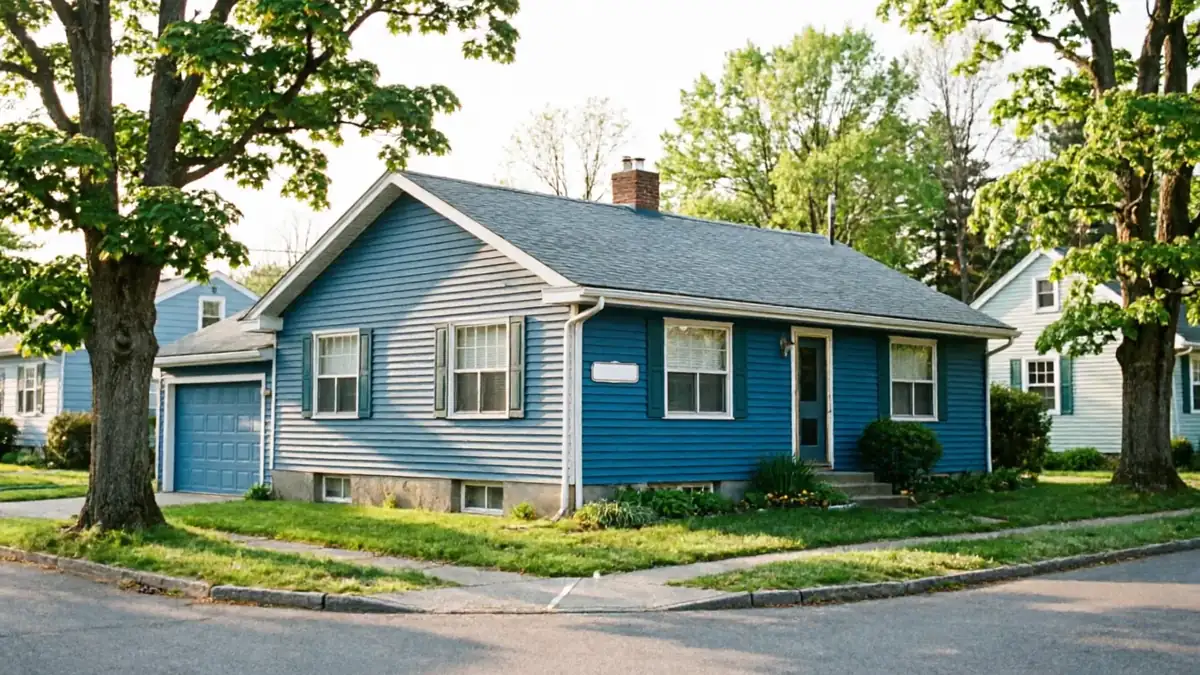
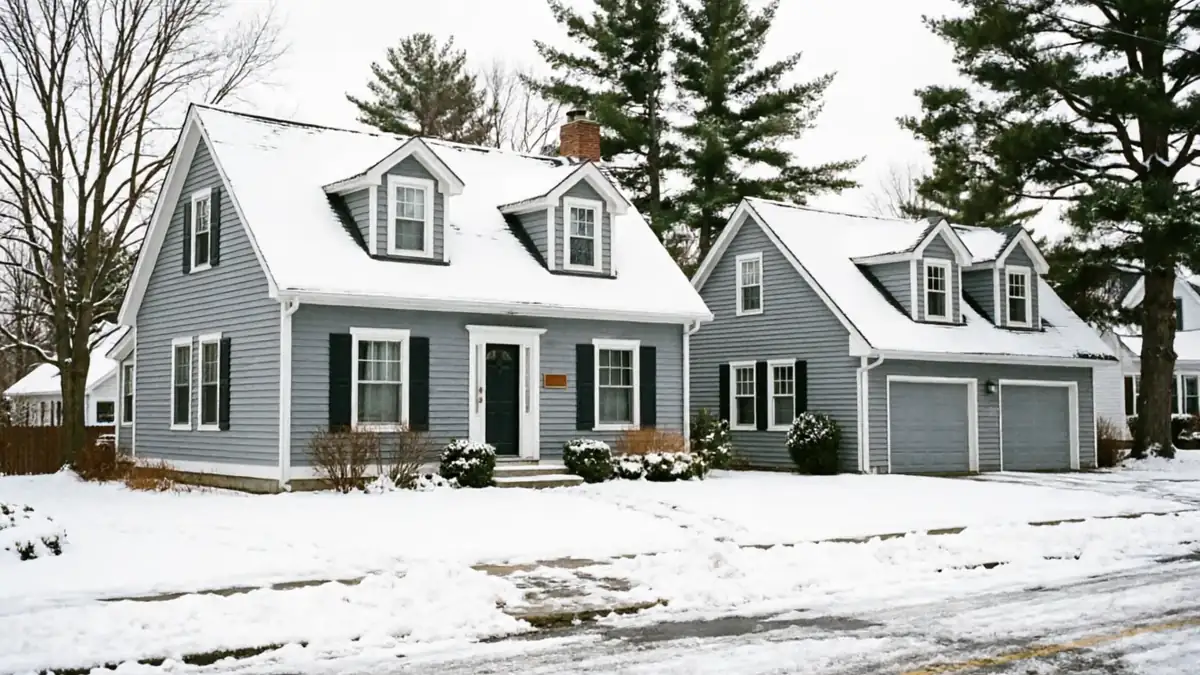
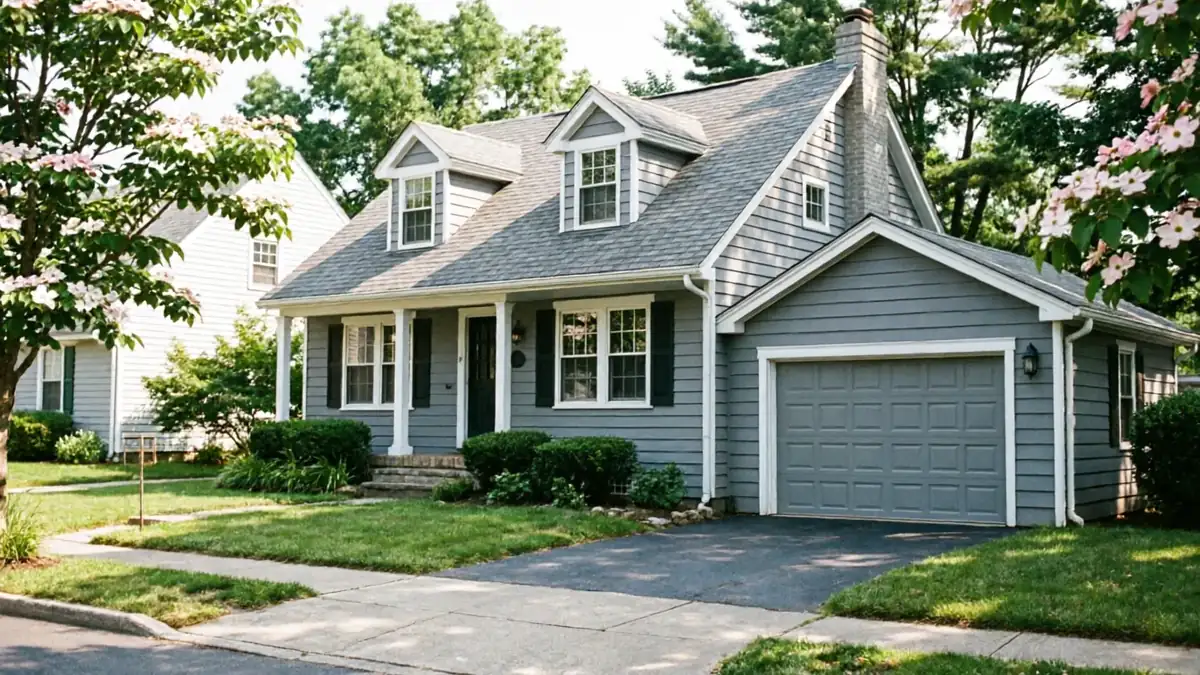
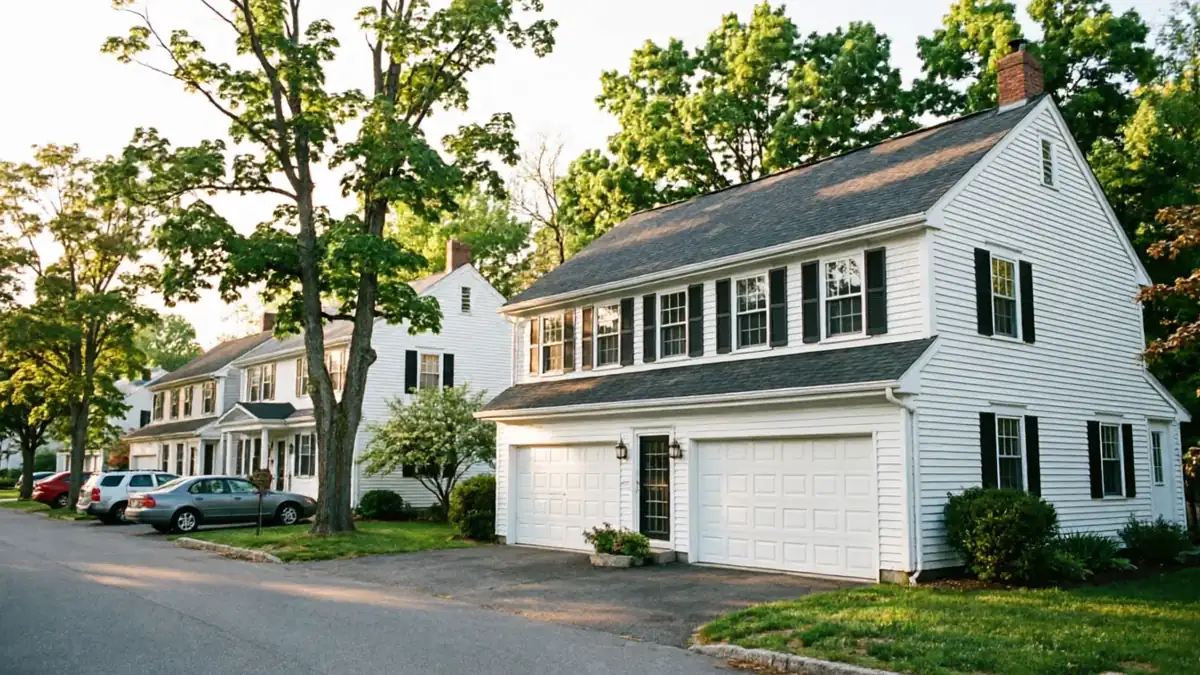
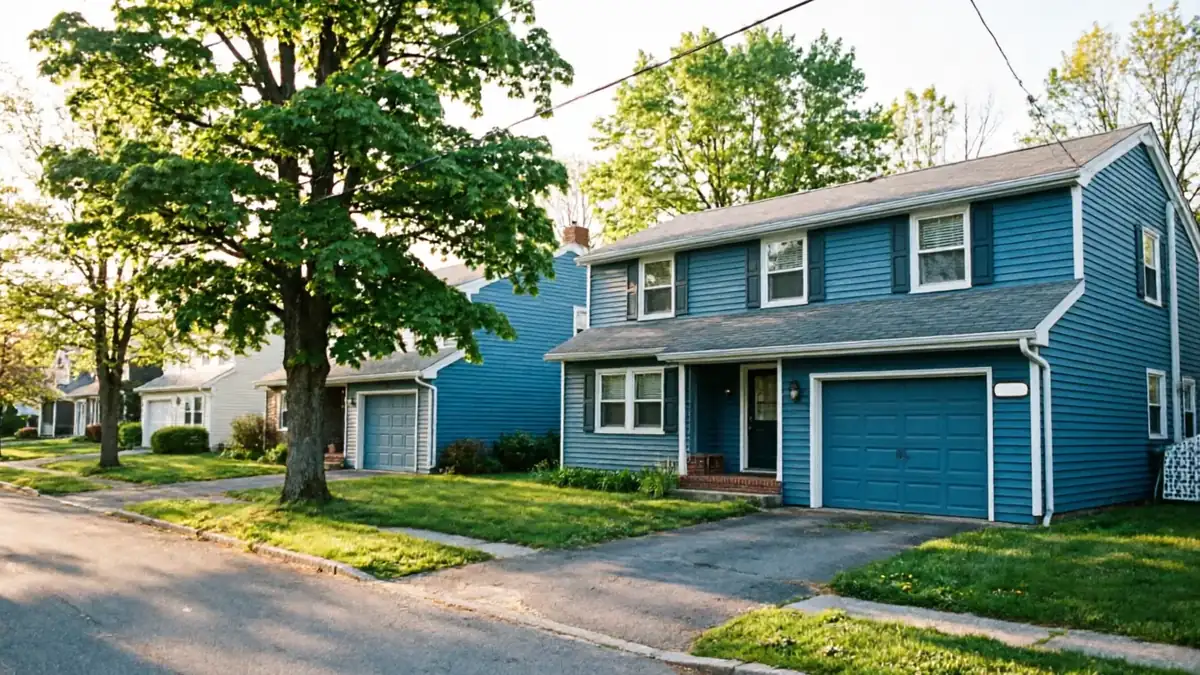
White Meadow Lake sits about 6 miles from our Randolph base, and its housing stock lines up close to the broader pattern across this region - homes built between 1938 and 1996, with the area median landing around 1964 to 1965. That near-match matters here more than almost anywhere else nearby: it means the garage doors we're pulling off in White Meadow Lake are often original or close to it, not a mix of eras like you'd find in a newer development.
With roughly 2,848 households in the area and a median income of $150,042, this isn't a market where people are replacing doors on a whim. Owners here tend to want the existing door kept running as long as it reasonably can be, and that's the job we're usually called for - not a sales pitch for a new unit.
What That Means for Doors
A door installed in 1965 was built for a torsion spring system sized to the door's weight at the time
Often with hardware nobody's made in decades. When a spring on one of these goes, it's rarely a straight swap off a shelf - we're measuring wire gauge and winding cone size against what's actually on the door, not what a modern double-door kit assumes.
The cold here is the other half of it
This region sits in a severe cold climate band, and steel hardware from the 1960s wasn't built with the kind of weatherstripping or insulated panel core that holds up to decades of freeze-thaw cycling. Cables and rollers on these older doors corrode and seize faster than they would on a door installed in the last ten years, and a seized roller puts extra load on a spring that's already near the end of its life. One failure tends to drag another behind it on a door this old, which is why what looks like a simple fix sometimes turns into replacing two or three worn parts in the same visit.
What We Do Not Do
We don't stock every obsolete torsion spring or wind-up hardware set in the truck - some of what's still on 1960s-era White Meadow Lake doors has to be special-ordered, and we'll tell you upfront if that's the case rather than pretend we can finish same-day. We also don't push a full door replacement when a repair will genuinely hold; if your original door is sound and it's one spring or a cracked roller, that's what we'll fix.
We don't keep a standing presence or depot in White Meadow Lake itself. Every job here is a trip out from our Randolph shop, so we're not the right call for something that genuinely can't wait - we'll be honest about that on the phone before you book anything.