Serving Randolph, NJ & nearby
(973) 291-0706
Randolph, NJ

Safety Sensors and Why They Drift in Randolph Homes

Randolph homes built mostly in the 1960s-70s see sensor drift from slab settling and frost heave. Here's what to check before you call for a repair.

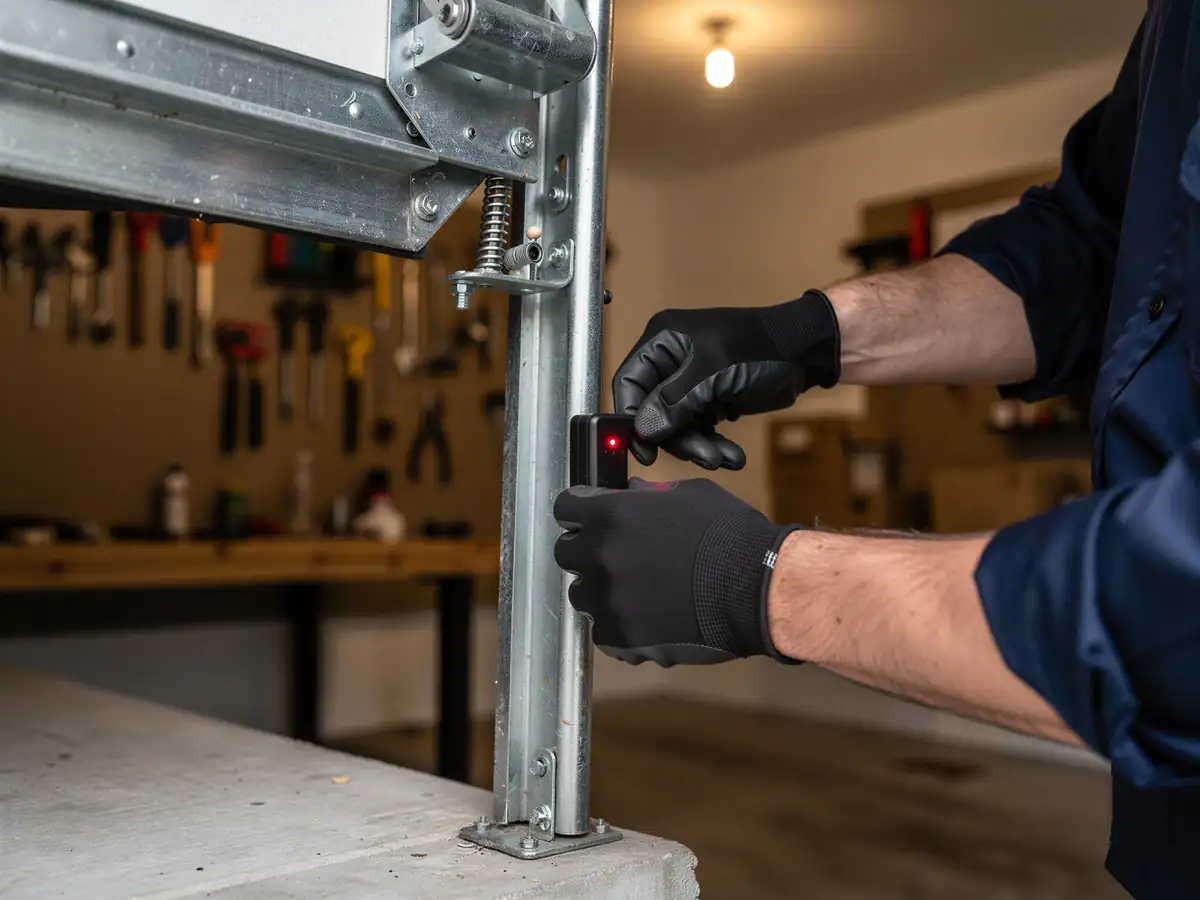
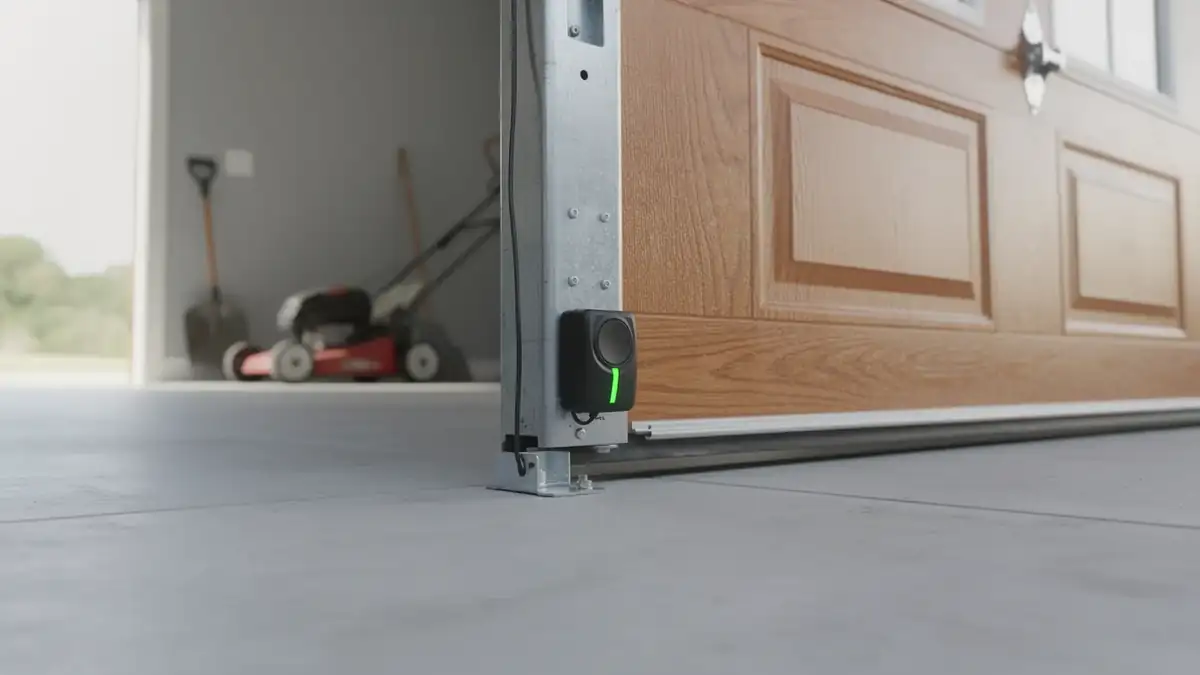
A black garage door sensor with a green light is mounted on a metal track.

What Most People Get Wrong

Most Randolph homeowners assume a blinking sensor light means the sensor itself is broken. In a house built in the 1960s or 70s - and that's most of this area, since local stock runs 1938 to 1996 with a median build year of 1964 - the sensor is usually fine. What's moved is the slab or the track bracket it's mounted to. These houses have had sixty-plus years to settle, and the concrete floor of the garage doesn't settle evenly. One side of the slab can drop or heave a fraction of an inch relative to the other, and that's enough to tip a sensor eye out of alignment with its pair. People replace a $20 sensor when the real fix is a five-minute bracket adjustment. The other common mistake is blaming the opener logic board, pulling it apart, and finding nothing wrong because the board was never the problem. If your door reverses before it touches the floor, or refuses to close at all, check alignment first. It's the cheapest explanation and the most likely one in a neighborhood this age.

What to Check

Kneel at each sensor and look at the small LED on the unit - one should be steady, the other should match once the beam is clear. If either light is dim, flickering, or off, that's your drift. Next, run a finger along the bracket mount. On original 1960s and 70s track hardware, these brackets were often fastened directly into wood jamb trim that has since shrunk or warped with the seasons, and a loose screw lets the whole sensor rotate a degree or two - enough to break the beam path across a two-car opening. Check that the lenses are clean; garage dust and road salt tracked in over a Randolph winter film over the glass and scatter the beam even when the alignment is correct. Finally, look at the wire running to each sensor. In homes this old, that wire has usually been stapled, re-routed, or spliced at least once, and a nicked line causes intermittent faults that look exactly like misalignment but aren't. If you've checked all four of these and the door still won't behave, the bracket mount itself may have failed, not just loosened - that's a part swap, not an adjustment.

What the Weather Here Does to It

Randolph sits in a severe cold climate band, and that matters more for sensors than people expect. The failure isn't the cold itself - it's the freeze-thaw cycle acting on a slab and a door frame that are six decades old. Every winter the ground under and around the garage floor freezes, heaves slightly, and thaws back down, and every cycle nudges the slab a hair's width in a different direction than the wood-framed opening above it. Over fifty-plus winters that's a lot of small nudges, and it's why sensor drift complaints cluster here in late winter and early spring rather than July. Cold also stiffens the wiring insulation on older runs, making it more likely to crack at a staple point where it's bent sharply, which again mimics alignment trouble. If you notice your sensors needing more frequent nudging as the weather turns, it's not your imagination and it's not a defective part - it's the same ground movement working on the same aging bracket year after year.

What Is Going On

Put together, what's happening in most of these calls is a chain: a slab that's moved slightly over sixty years, a bracket that was never designed to be re-leveled, and a cold climate that keeps nudging both every winter. None of that shows up as a dramatic failure - it shows up as a door that reverses for no clear reason, or won't close at all some mornings and works fine by afternoon once things settle. We can true up the brackets and re-aim the sensors in most cases without replacing hardware. Where we can't help is if the jamb wood itself has rotted or warped badly enough that the bracket has nothing solid to hold onto - at that point you're looking at frame repair before a sensor adjustment will hold, and that's a different job than we do on a sensor call. Worth knowing going in, so you're not surprised by the scope once we're under the door.
How it works

From “it’s stuck” to “it’s fixed”

A quick, honest process - no guesswork and no surprises, start to finish.

  1. 1
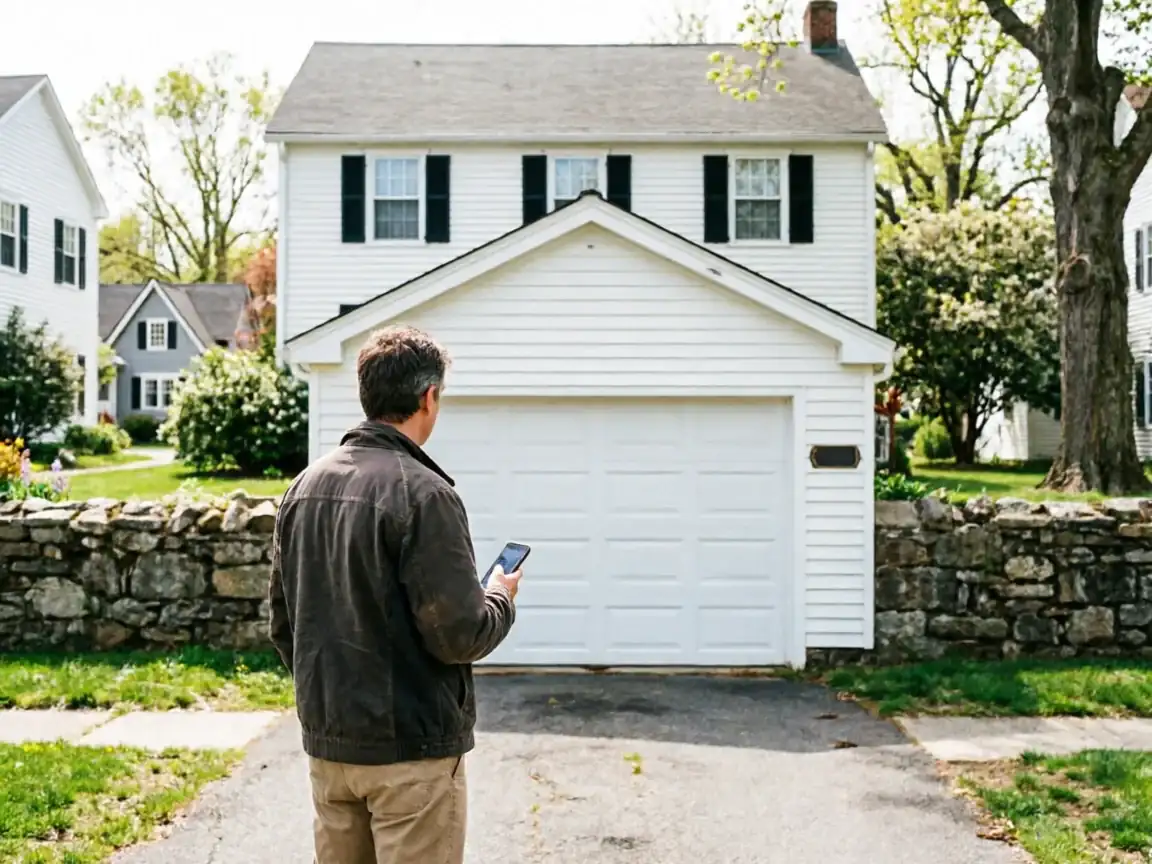
    A man stands in a driveway holding a phone, facing a white garage door.

    Tell us what’s wrong

    Describe the symptom - won’t open, loud bang, opener runs but the door won’t move.

  2. 2
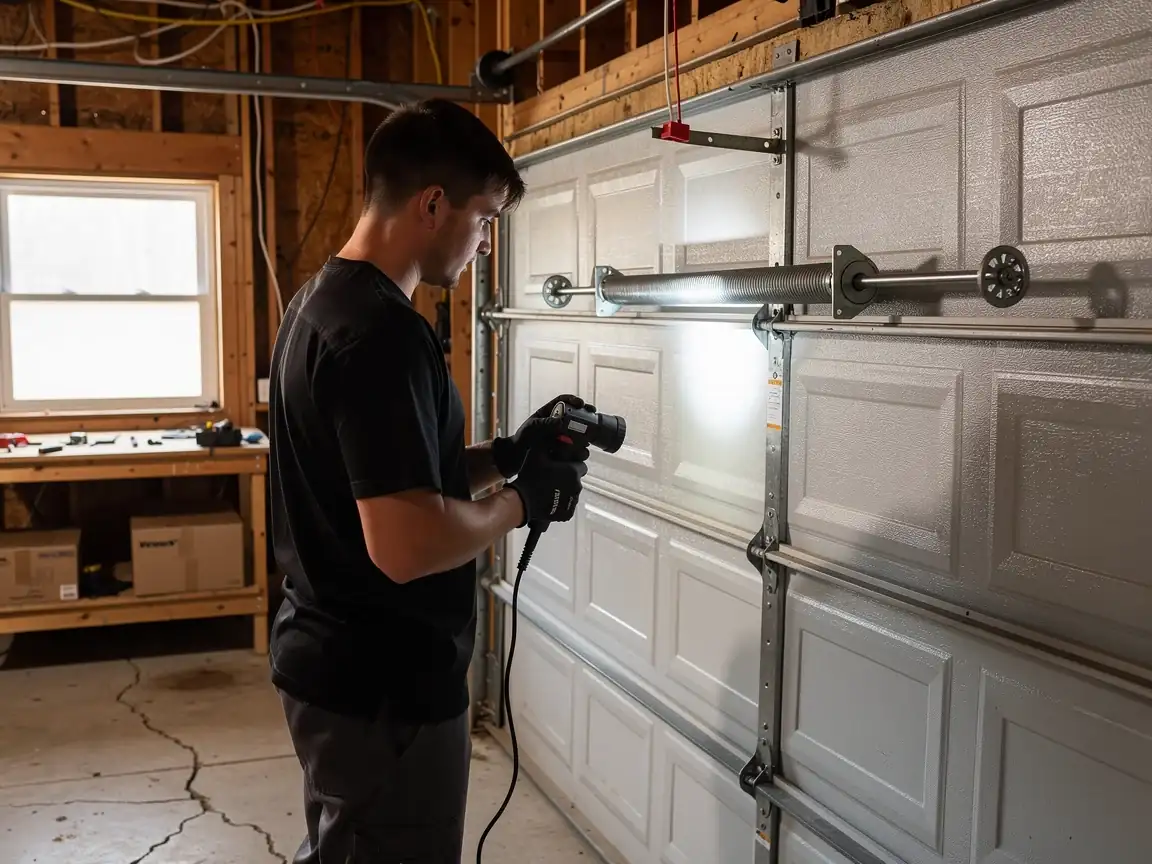
    A technician shines a light on a garage door torsion spring.

    On-site diagnosis

    A technician tests the door under power and by hand and finds what actually failed.

  3. 3
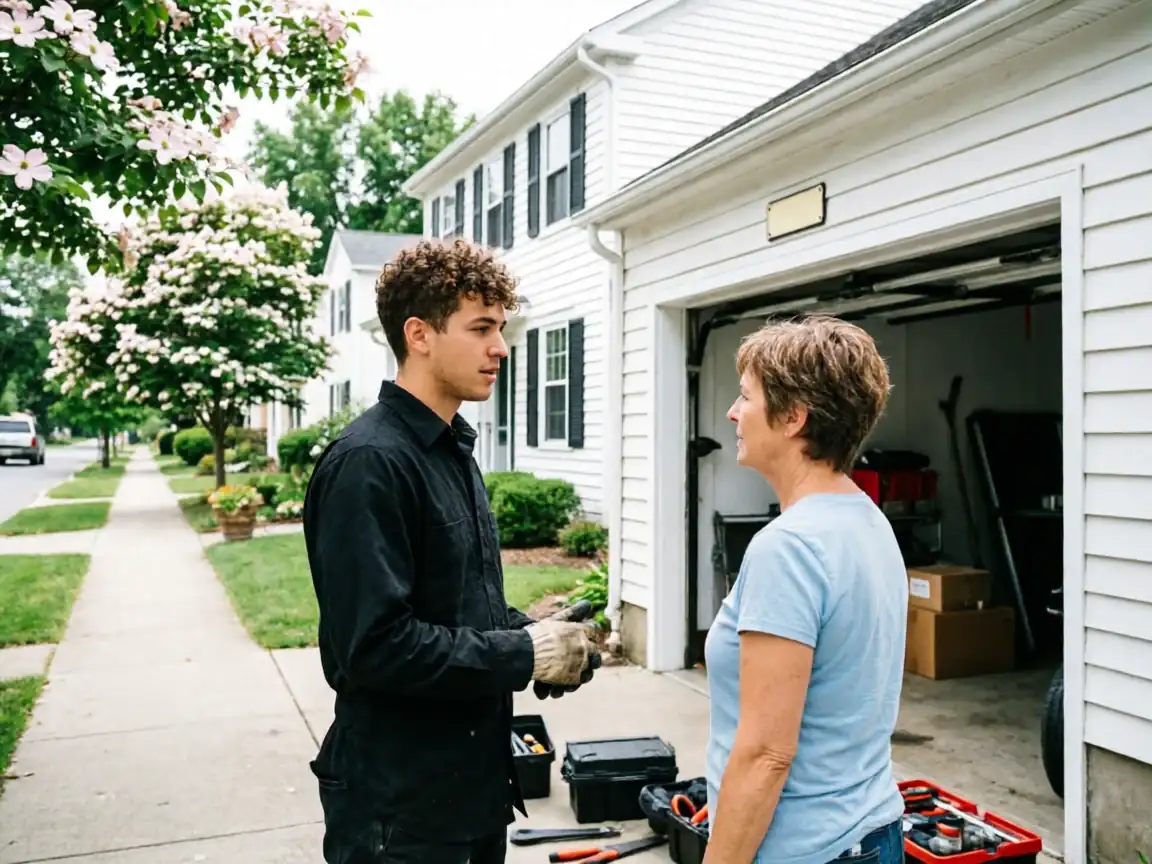
    A technician talks to a woman in front of an open garage.

    Clear, up-front plan

    You get the fix that’s needed and what drives the cost - before any work starts.

  4. 4
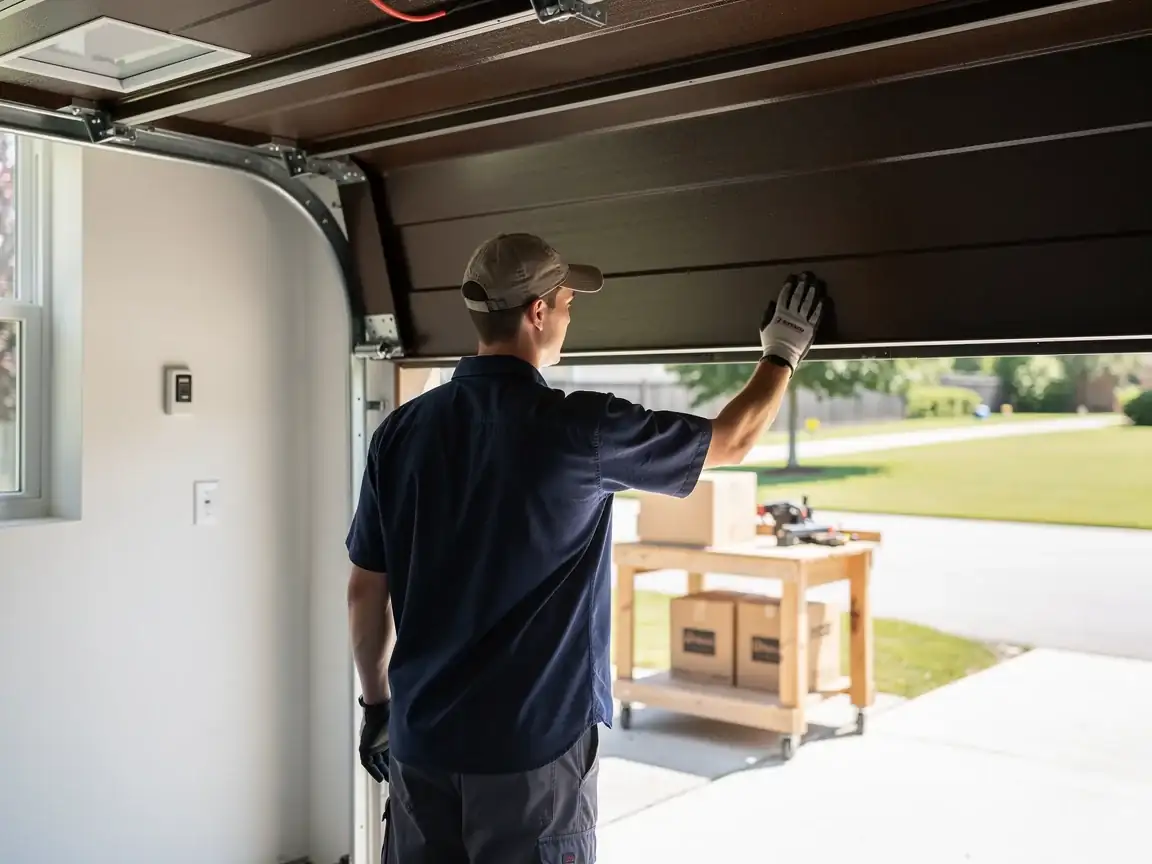
    A technician in a cap and gloves adjusts a brown garage door.

    Repaired & tested

    The repair is done, the door is set true and tested, and the work area left clean.

Not sure which repair your door needs in Randolph, NJ? Describe what it’s doing - every job starts with a diagnosis.

8areas covered
How we work

What to expect

Diagnosis firstEvery visit starts by finding what actually failed - not a pre-written parts list.
The right part for the doorSprings and openers matched to the door’s weight and age, so the fix holds up.
Straight answersWhen a repair makes more sense than a replacement - or the reverse - you hear it plainly.
Clean, careful workTension released safely, hardware set true, the door tested under power before we leave.
What we do

Garage Door Services

Repair and installation work for Randolph homes and businesses.

Questions

Frequently asked

Straight answers about garage door repair in Randolph. Still unsure? Ask us directly.

Why does my garage door sensor only act up in winter?

Ground freeze-thaw cycles shift the slab and the frame around it at slightly different rates, which is common in a severe cold climate like Randolph's. That movement nudges sensor brackets out of alignment, and it tends to show up more in late winter after months of freezing and thawing than in warmer months.

Is sensor drift a sign I need a new opener?

Usually not. In Randolph's older housing stock, drift is almost always a bracket or wiring issue tied to the house settling, not the opener's logic board. Replacing the opener rarely fixes true alignment drift - realigning or replacing the bracket does.

Can I fix sensor alignment myself?

Often yes, if it's a simple matter of loosening the wing nut and re-aiming the eye so both LEDs show steady. If the bracket itself is loose in rotted jamb wood, which happens in houses from the 1960s and 70s, that's a repair job, not a quick adjustment.

Ready to get your garage door sorted?

Tell us what it’s doing and where you are in Randolph - we’ll take it from there.

Request a QuoteCall