What Most People Get Wrong
The usual mistake is treating every broken spring or noisy opener as a one-off fix. In Randolph, that logic runs out fast, because most houses here were built between 1938 and 1996, with the typical home dating to 1964. That means a lot of original torsion hardware is now pushing fifty to sixty years old, and it's been replaced piece by piece rather than looked at as a whole system. You fix the spring this year, the roller next year, the opener gear the year after, and never step back to ask whether the door itself has aged out.
With median household income in this area at $146,174, a lot of owners can afford to keep throwing parts at an old door rather than face a bigger bill, and for a few years that's a reasonable call. But a door built in the 1960s or 70s wasn't engineered for the insulation retrofits, heavier openers, and decades of New Jersey winters it's been through since. If you're a few miles out in Succasunna, Wharton, or Dover, the same build years and the same winters apply - this isn't a Randolph-only quirk, it's the age of the regional housing stock.
What to Check
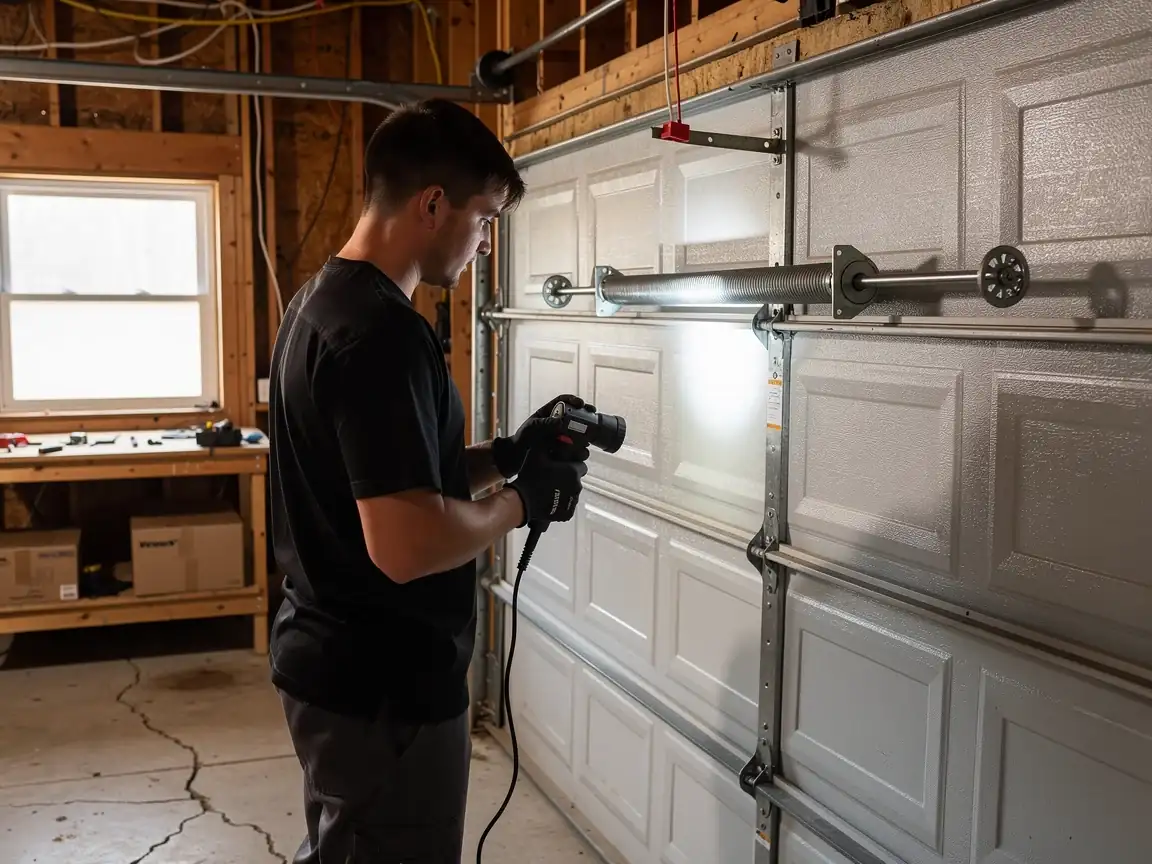
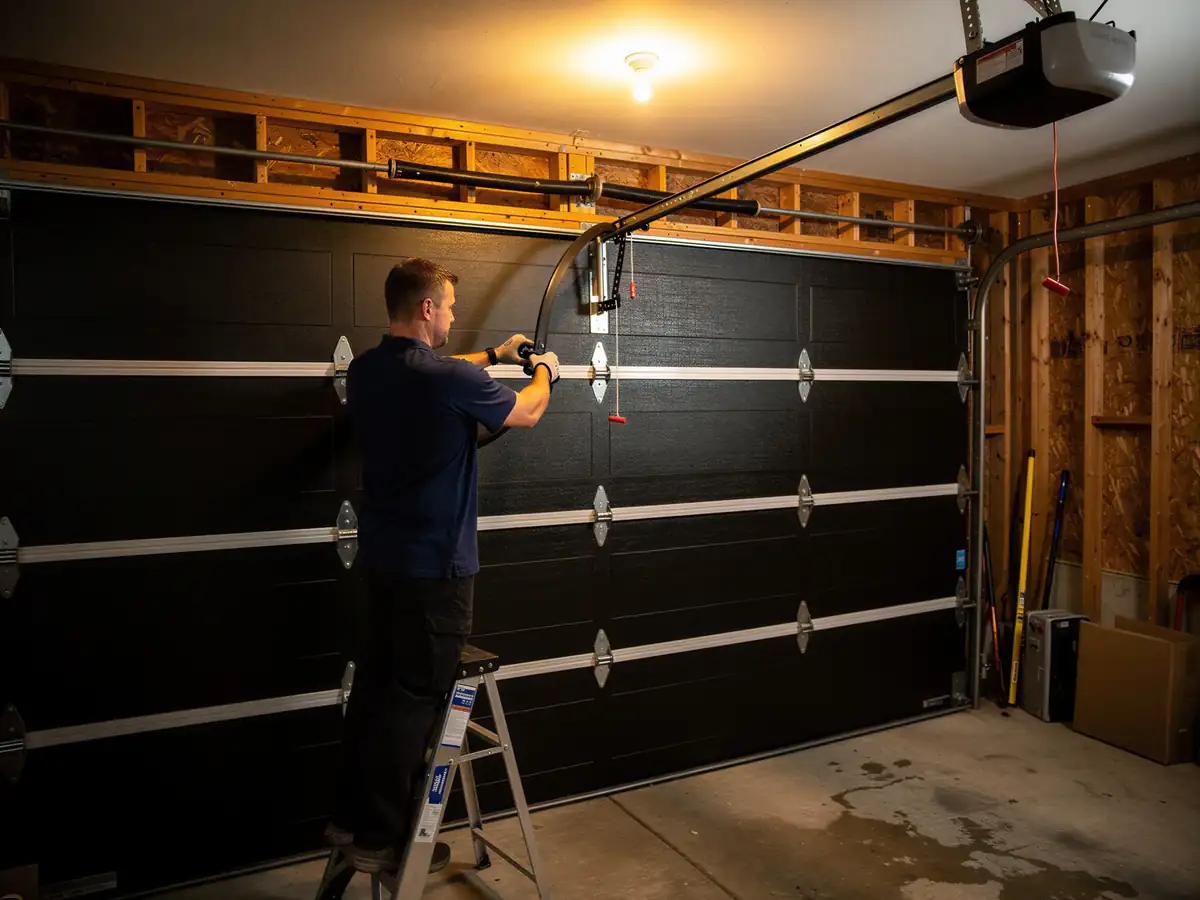
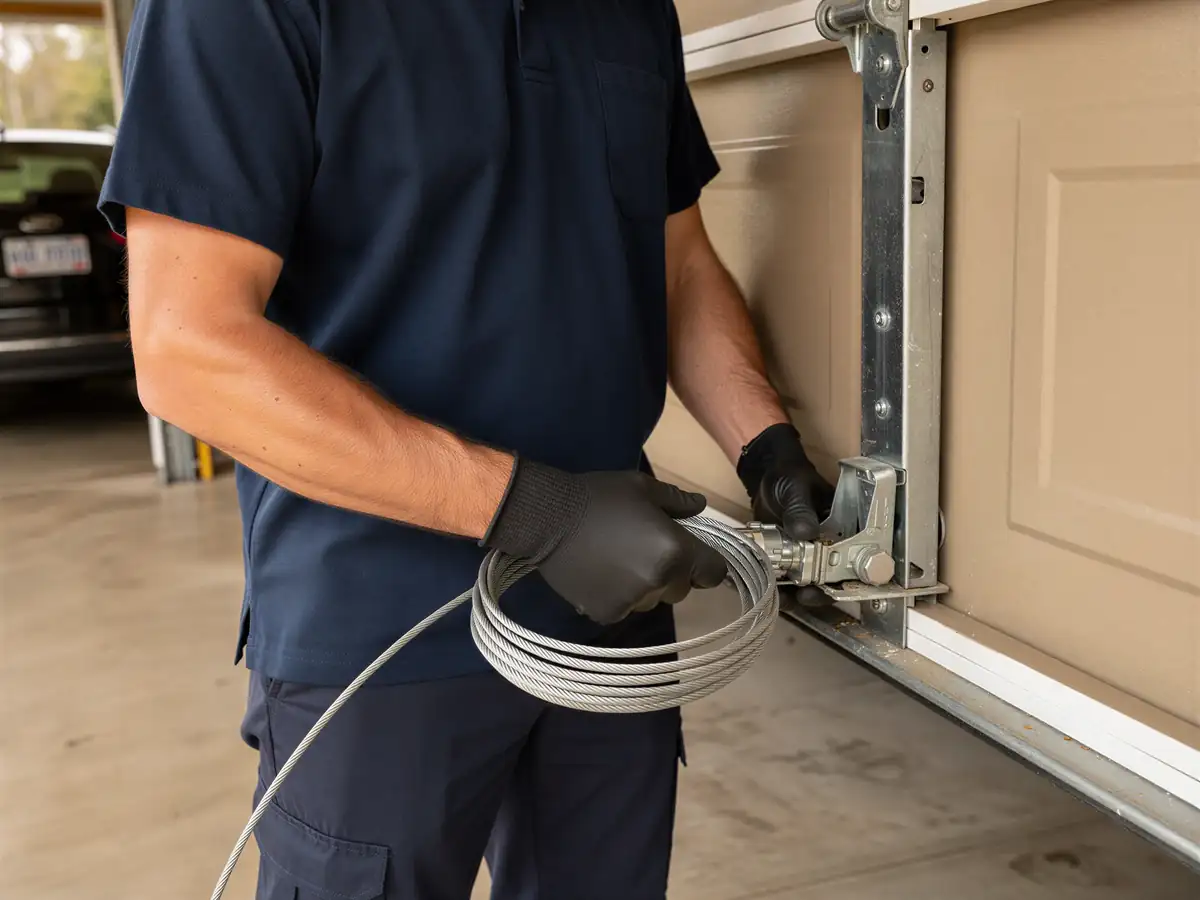
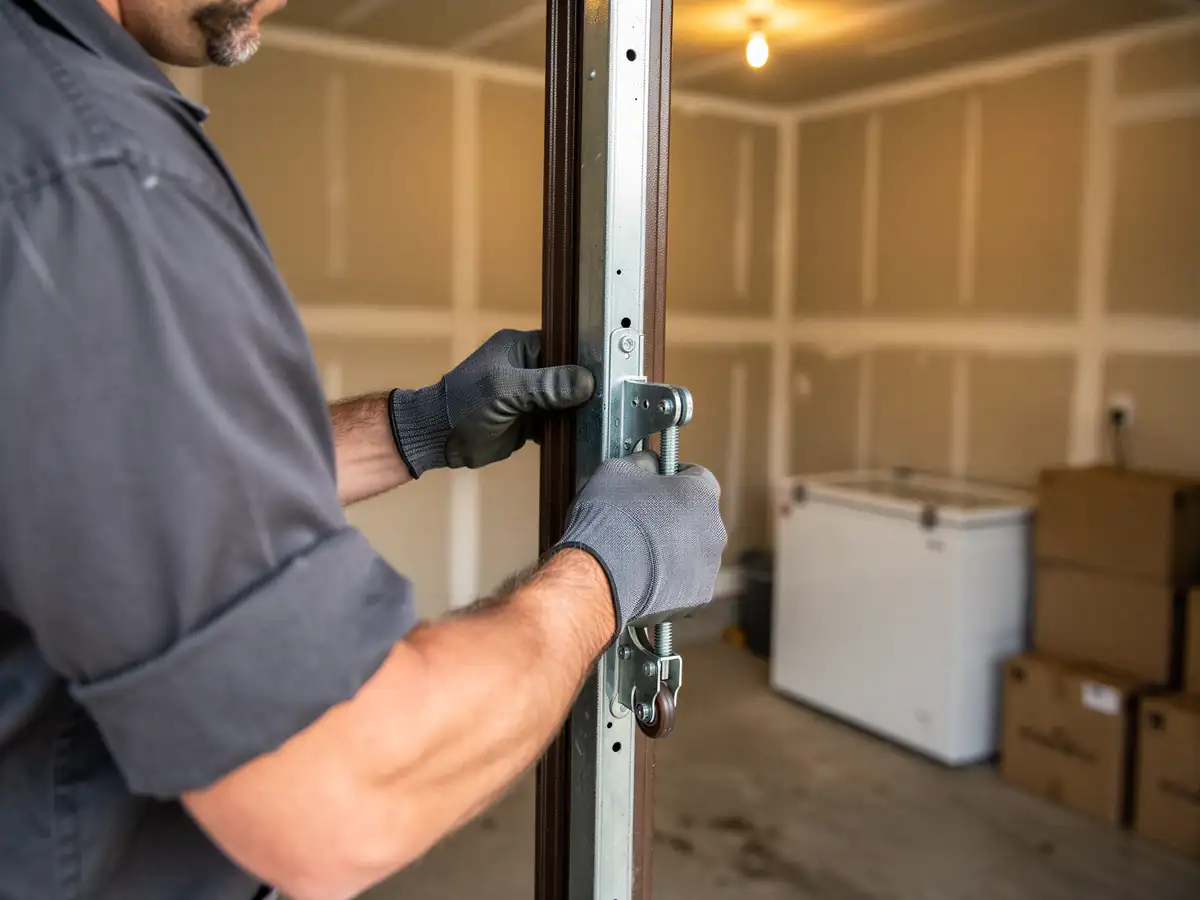
Start with the springs. If they're the original torsion springs from a 1960s or 70s install, look for flat spots, rust pitting, or gaps between coils - metal fatigue on hardware this old doesn't announce itself with a dramatic snap every time. Next, check the track for rust at the mounting brackets, especially near the bottom few feet where road salt and snowmelt collect.
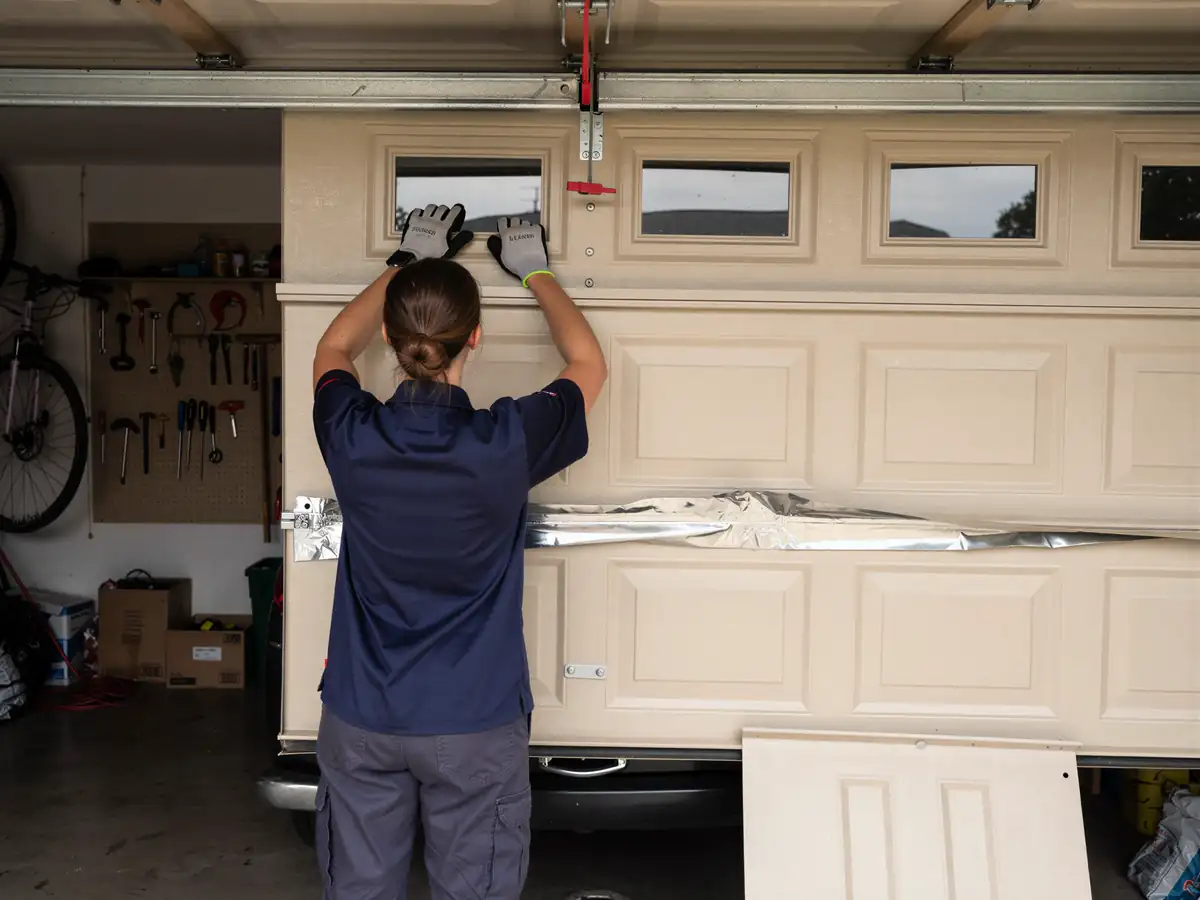
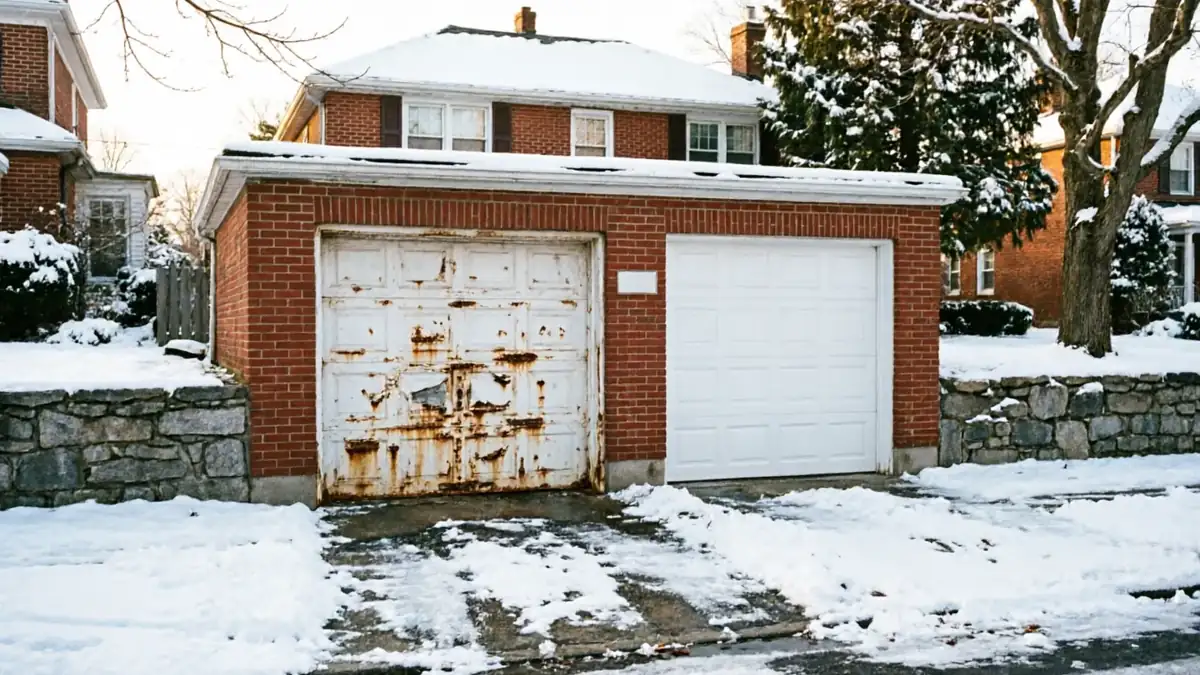
Look at the panel seams on steel doors from that era. Original doors often weren't insulated, and owners who added foam later sometimes introduced moisture that rusts the panel from the inside out - you'll see bubbling paint before you see a hole. Check weatherstripping at the bottom and sides; if it's cracked or compressed flat, cold air and meltwater are getting past it into the garage.
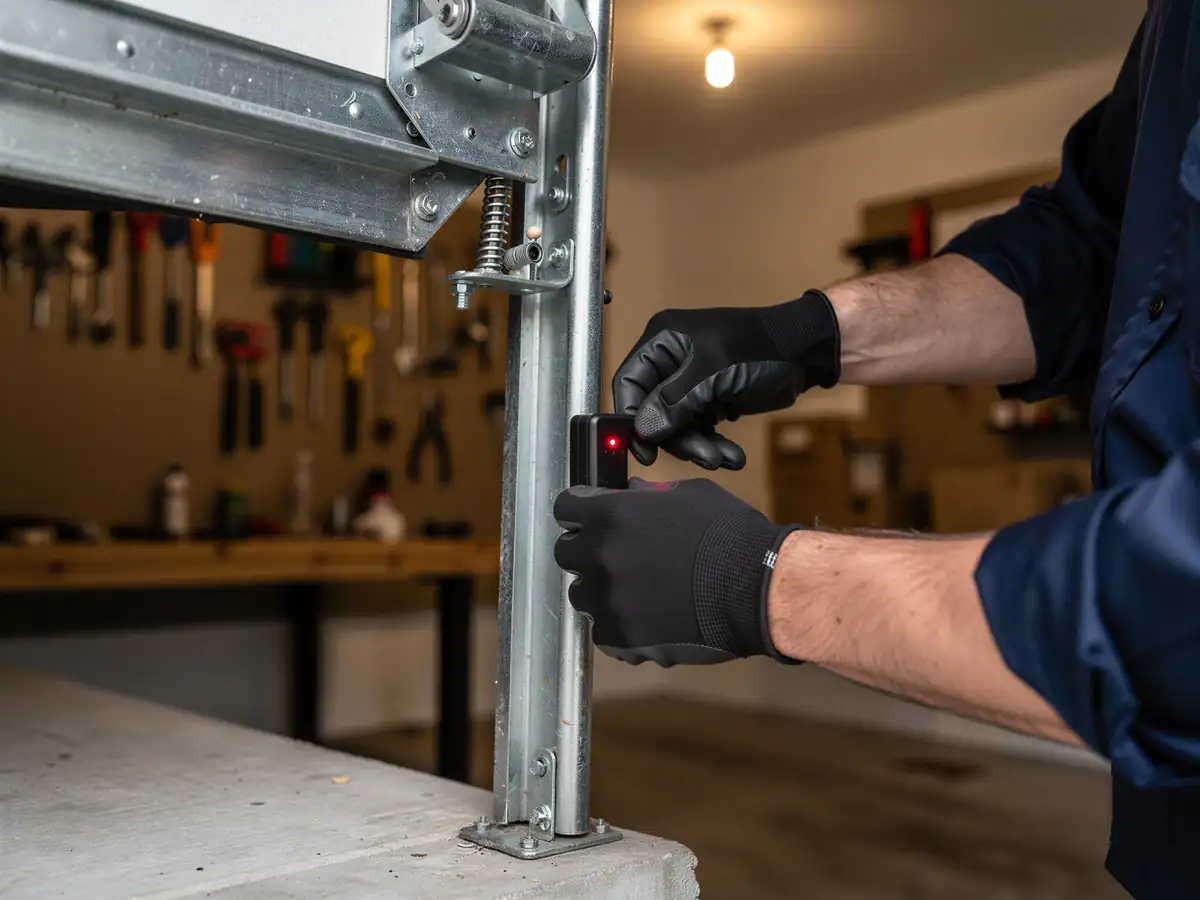
Finally, check the opener's drive gear and sensor wiring. Older units weren't built for decades of winter condensation. If the gear is already stripped once or the sensors have been swapped more than once, you're not dealing with a single bad part, you're dealing with a system at the end of its service life.
What the Weather Here Does to It
Randolph sits in a cold-severe climate band
And that matters more to a mid-century garage door than almost anything else. Steel contracts in deep cold, which tightens tolerances on tracks and rollers that were already worn loose from decades of use. A spring that's been fine for years can suddenly bind or snap on the first hard freeze of the season, because the metal has less give left in it.
Freeze-thaw cycling is the other half of the problem
Snowmelt gets into seams and bracket bolts during the day, then refreezes overnight, which is exactly how rust gets a foothold on original hardware that's already fifty-plus years old. Lubricant that worked fine in October thickens in January and stops doing its job on a track that's already slightly out of alignment.
This cycle doesn't damage a newer, properly sealed door nearly as much
Because modern weatherstripping and galvanized hardware are built to shed water and flex in the cold. An original door from the 1964-median build era wasn't designed around that standard, and it shows every winter.
What Is Going On
Put the pieces together and the pattern is clear: housing stock built mostly between 1938 and 1996, a cold climate that punishes old steel every winter, and hardware that's now well past its expected life. When a door hits that combination, each repair buys less time than the last one, and the cost of chasing failures starts to add up to more than a replacement would.
A rough rule: if the door is original to a house built in the 1960s or 70s and you're now replacing the second major part within a year or two - spring, opener, track - it's worth pricing a new door instead of a third repair. We're honest that we don't stock custom panel matches for original mid-century doors; if a single panel on a decades-old door cracks, the realistic fix is often a full replacement rather than a color-matched patch, because that exact panel profile usually isn't being made anymore.
Across the broader area - 242,332 owner-occupied houses built mostly in that same window - this isn't an unusual situation. It's the ordinary endpoint for a door that's done its job for a long time.