Serving Randolph, NJ & nearby
(973) 291-0706
Randolph, NJ

Wind and the Wide Door: A Randolph-Specific Problem

How wind load affects wide garage doors on Randolph's 1960s-70s housing stock, and what to check before the next cold-season storm front moves through.

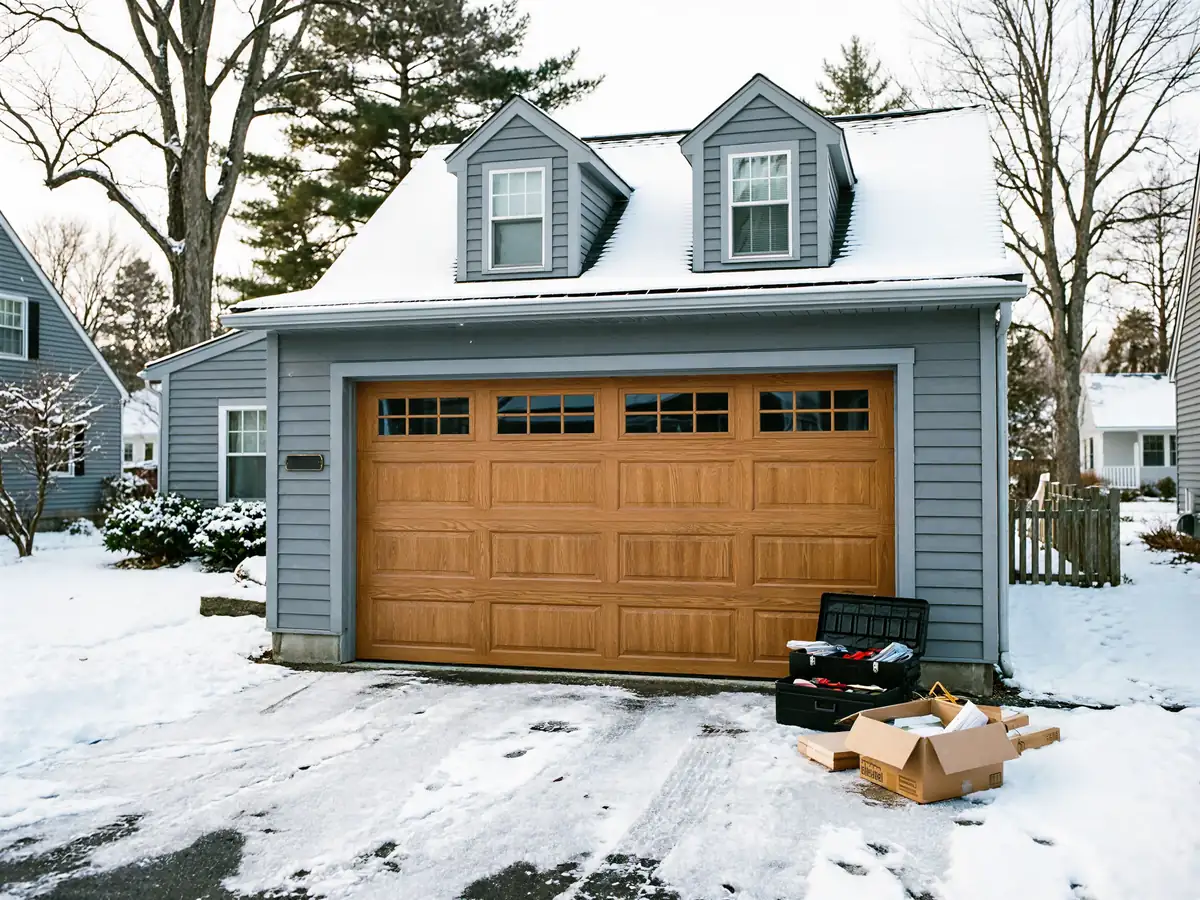
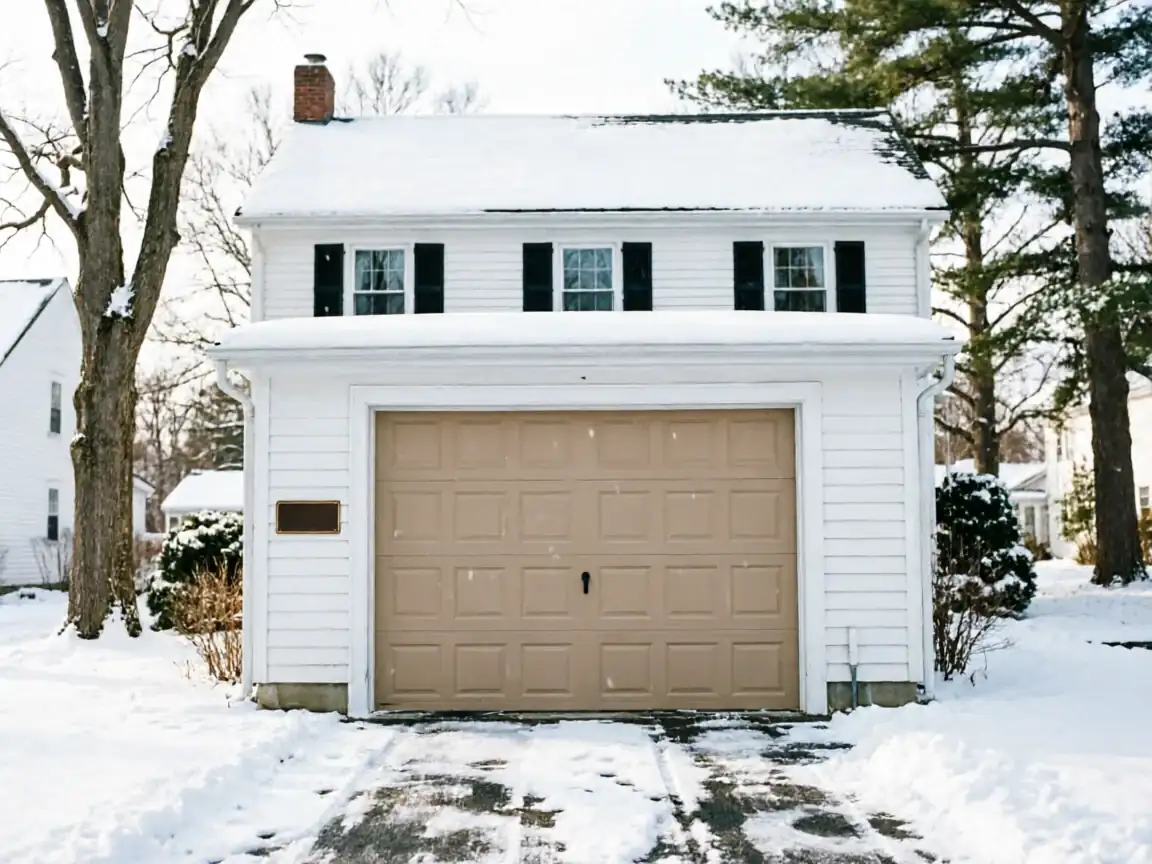
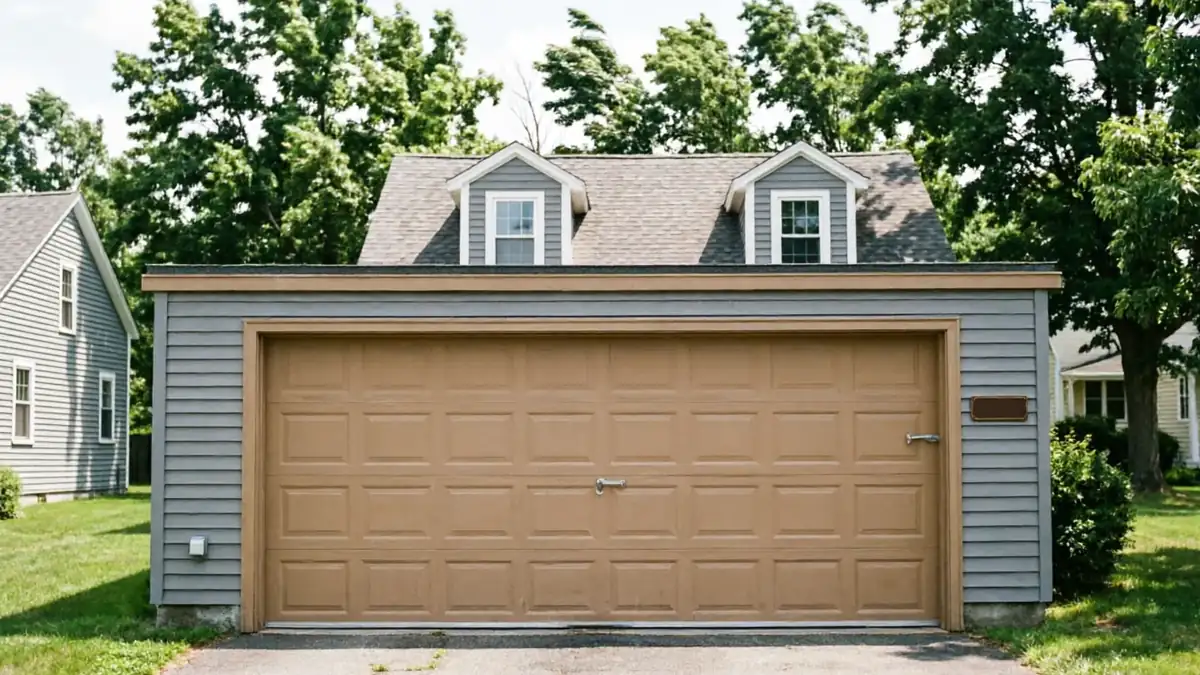
A brown garage door is on a gray garage with two dormers.

What Most People Get Wrong

Most Randolph homeowners think a garage door fails from age alone. On a double-wide door it's usually load, not age. Houses in this area were mostly built between 1938 and 1996, with the median landing around 1964 - and that matters here because the double-car opening on a split-level or raised ranch from that era is a different animal than a single door. A 16-foot-wide door has twice the surface area catching wind as an 8-foot door, but it doesn't have twice the structural backbone unless someone added it later. Builders in the 1960s and 70s ran two or three horizontal struts on a wide door and called it done. That was fine for the wind loads code required then. Nobody retrofits that bracing unless a door gets replaced, so a lot of original or early-replacement doors on these streets are still running factory-minimum reinforcement on an opening that's wider than what the hardware was really sized for. People notice the bowing during a gust and assume it's a spring problem. It's not - it's the panel itself flexing because the center strut isn't holding the line.

What to Check

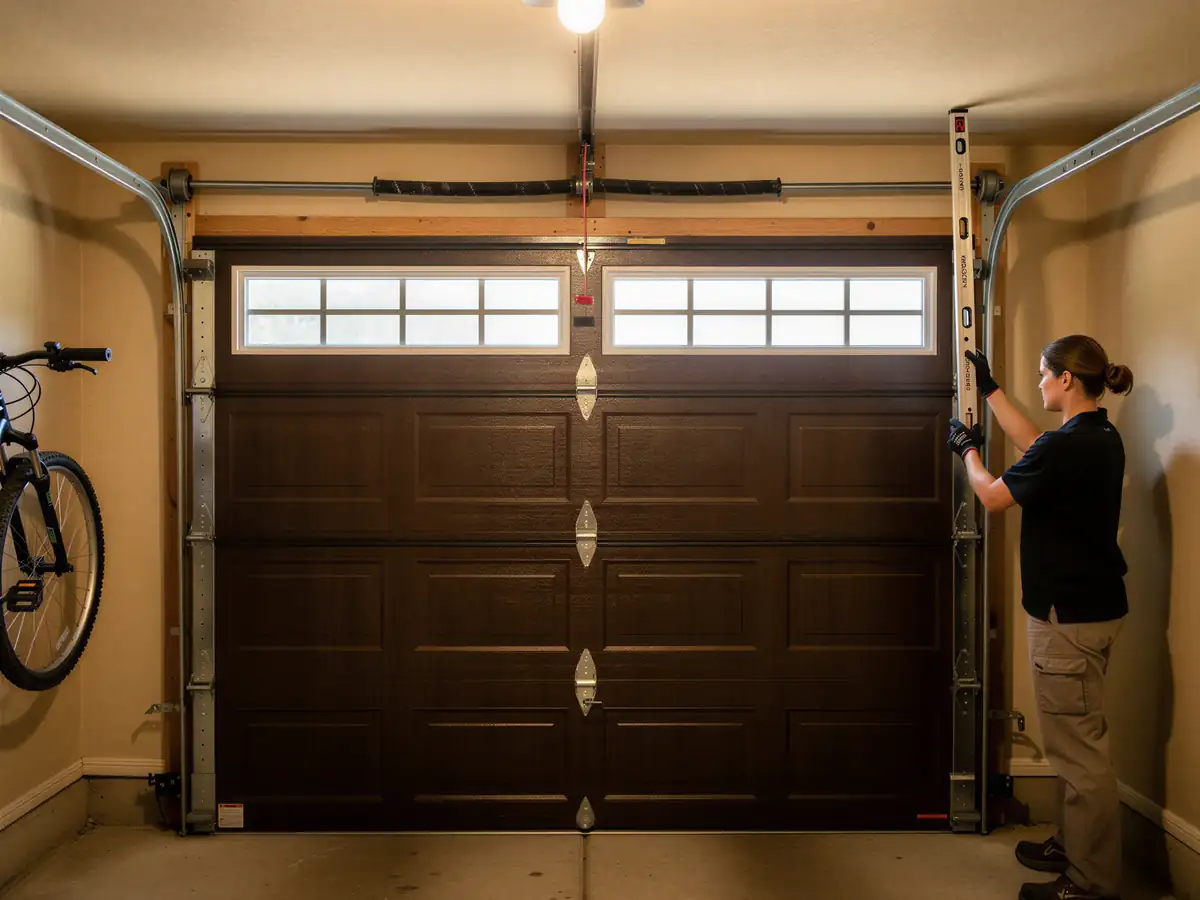
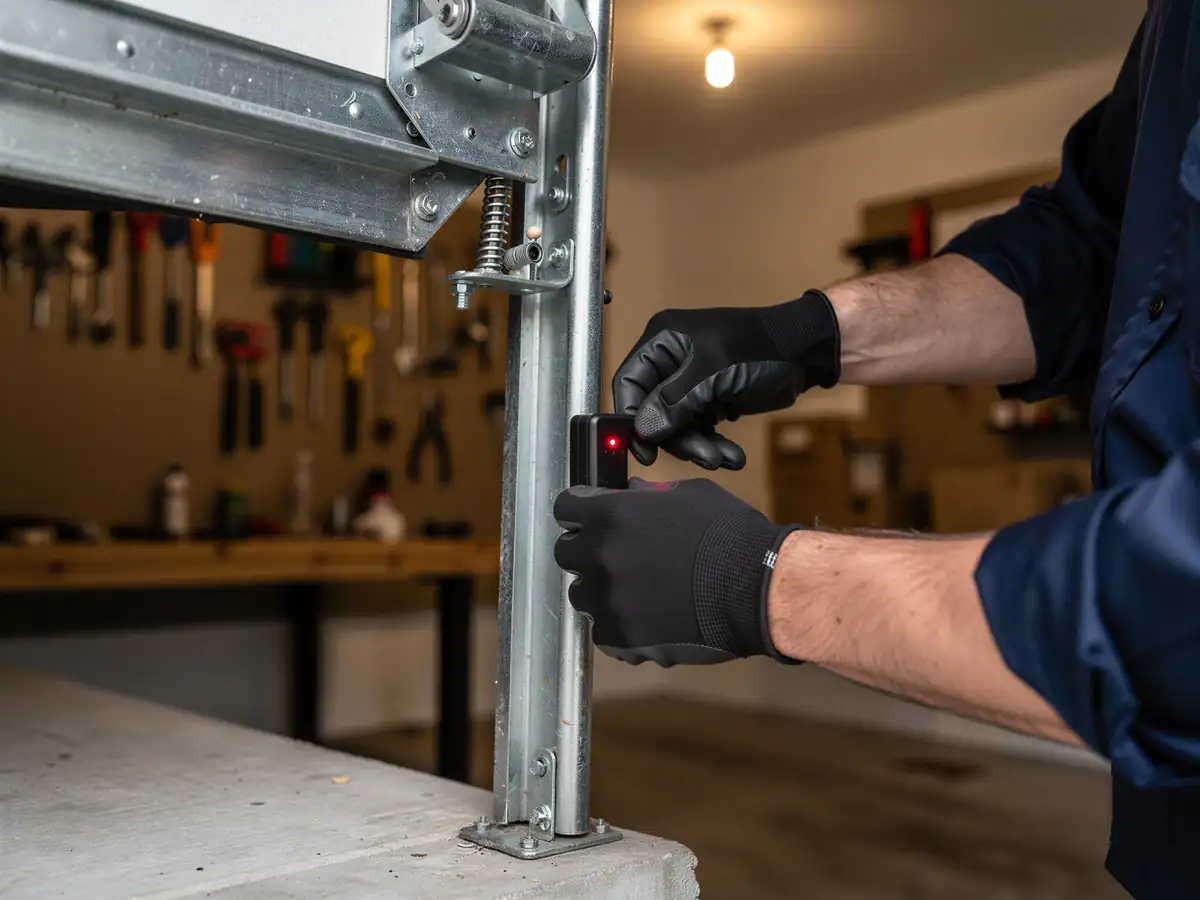
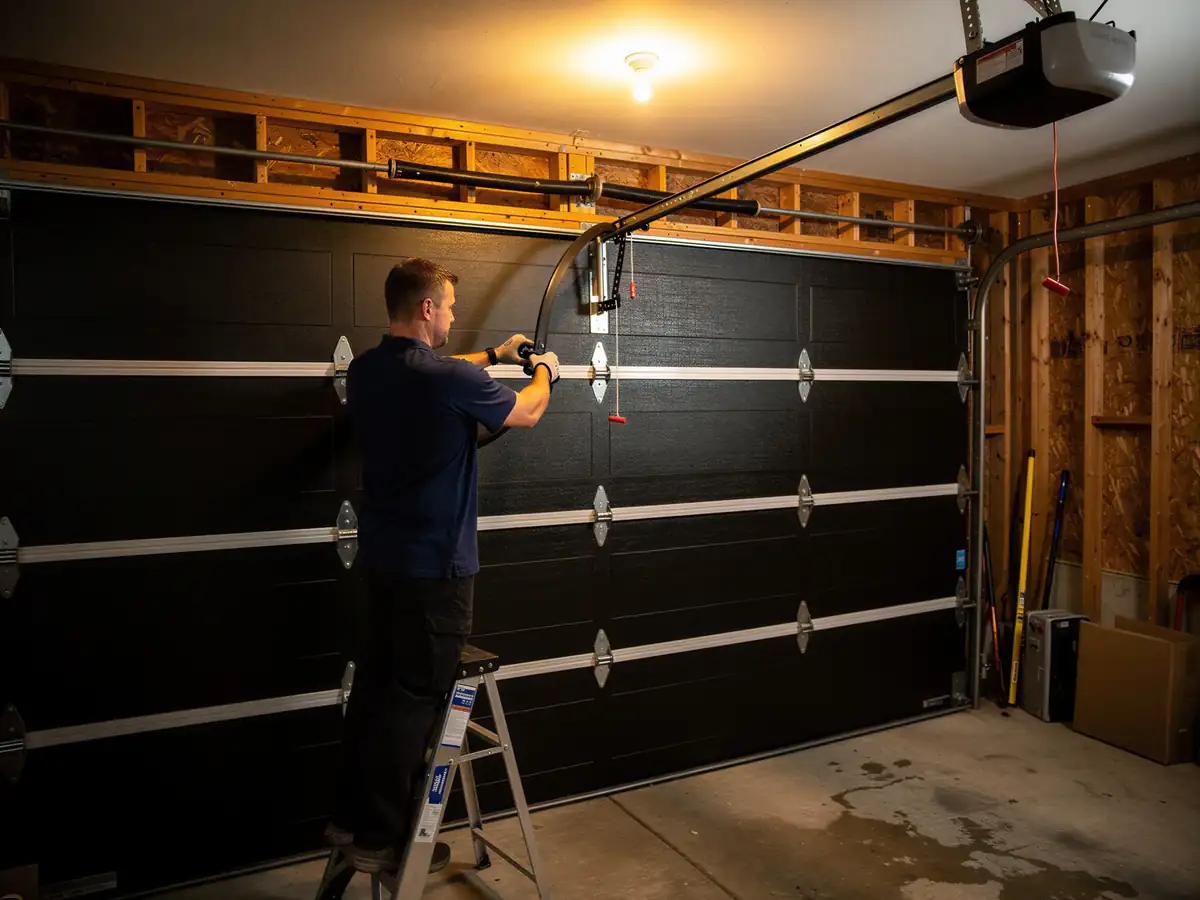
Stand inside the garage with the door down and look at the horizontal struts - the metal bars running across the inside face of the top two or three panels. On a wide door from the 1960s-70s stock common here, there should be a strut on every panel that spans the full width, end bracket to end bracket. If a strut stops short, or there's visible daylight flex when wind pushes on the door from outside, that's the panel working harder than it should. Check the end stiles too, the vertical pieces where the door meets the track on each side - on an older wide door these take the brunt of the twisting force and they're often the first thing to crack or pull away from the fasteners. Look at the track itself for any sign it's been bowed outward near the bottom rollers; a wide door under wind load pushes sideways, not just inward, and the track takes that load directly. None of this is a five-minute glance from across the garage - you need to actually put a hand on the strut and feel for give.

What the Weather Here Does to It

Randolph sits in a cold-severe climate band, and that changes what wind actually does to a wide door, as opposed to what it would do somewhere mild. Cold makes steel stiffer and more brittle at the same time - less able to flex and absorb a gust without taking a permanent set. On a narrow door that's a minor concern. On a wide door with a long unsupported strut span, repeated cold-weather wind loading is how you get a slow, permanent bow that never fully pulls back out, even on a calm day. The hardware suffers too: torsion springs and end bearings that are already working at their rated capacity on a 16-foot door lose a little tolerance when cold tightens up the metal, so the same gust that a well-maintained door shrugs off in October can be the one that cracks a stile in January. This isn't a once-a-year storm problem. It's the cumulative effect of a climate band that spends a large share of the year at or below the temperature where steel starts behaving differently, acting on a door design that was never over-built for the span it covers.

What Is Going On

Put the two facts together and the picture is straightforward: a housing stock built mostly in the 1960s and 70s across this part of the county means a lot of double-wide garage doors running original or close-to-original reinforcement, and a cold-severe climate band means that reinforcement gets tested harder, more often, than it would somewhere warmer. Neither fact alone explains the bowing, cracked stiles, or binding tracks we see on wide doors in this area - it's the combination. A door that would be fine at 9 feet wide is working at its structural limit at 16 feet, and a cold winter doesn't give that door any slack. One honest limitation: if a wide door's strut system is original to a mid-century build and the panels themselves are warped rather than just the struts bent, reinforcing it isn't a repair worth doing - replacement with a door built for current wind-load bracing standards is the straighter answer at that point.

How it works

From “it’s stuck” to “it’s fixed”

A quick, honest process - no guesswork and no surprises, start to finish.

  1. 1
    A man stands in a driveway holding a phone, facing a white garage door.

    Tell us what’s wrong

    Describe the symptom - won’t open, loud bang, opener runs but the door won’t move.

  2. 2
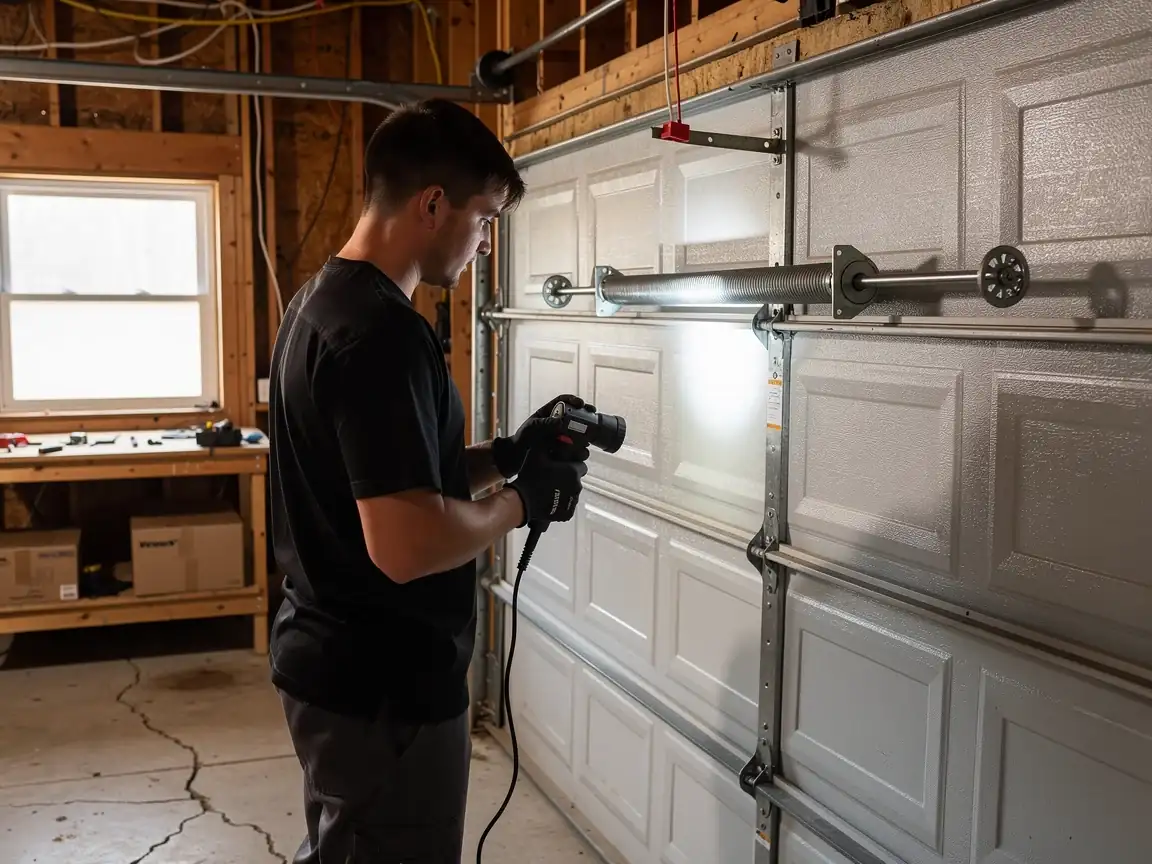
    A technician shines a light on a garage door torsion spring.

    On-site diagnosis

    A technician tests the door under power and by hand and finds what actually failed.

  3. 3
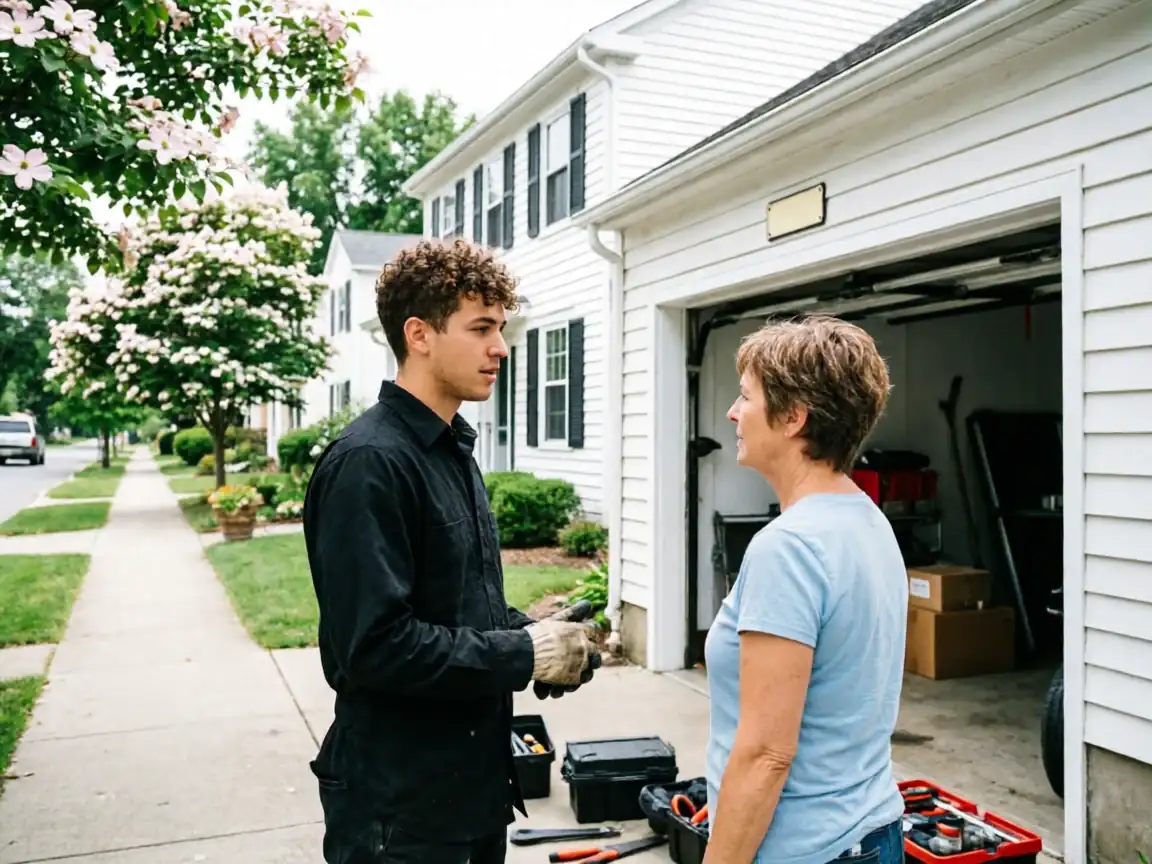
    A technician talks to a woman in front of an open garage.

    Clear, up-front plan

    You get the fix that’s needed and what drives the cost - before any work starts.

  4. 4
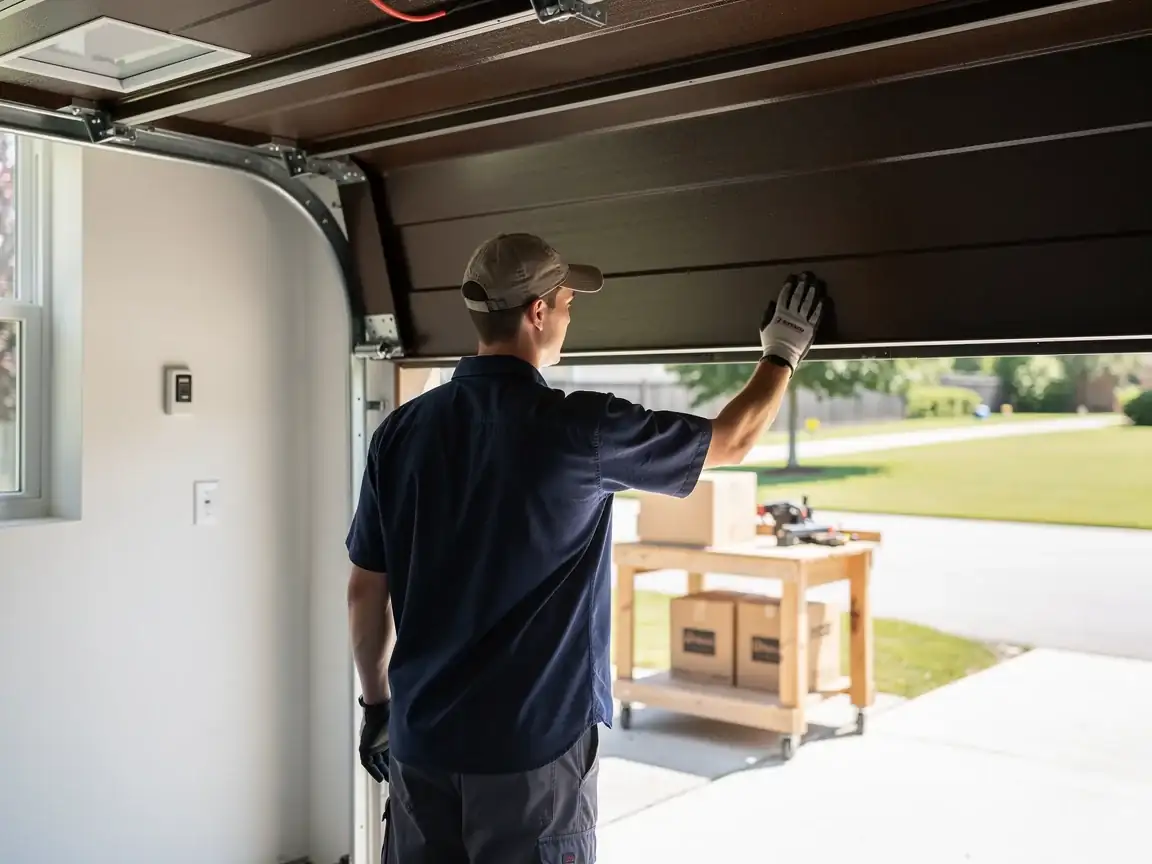
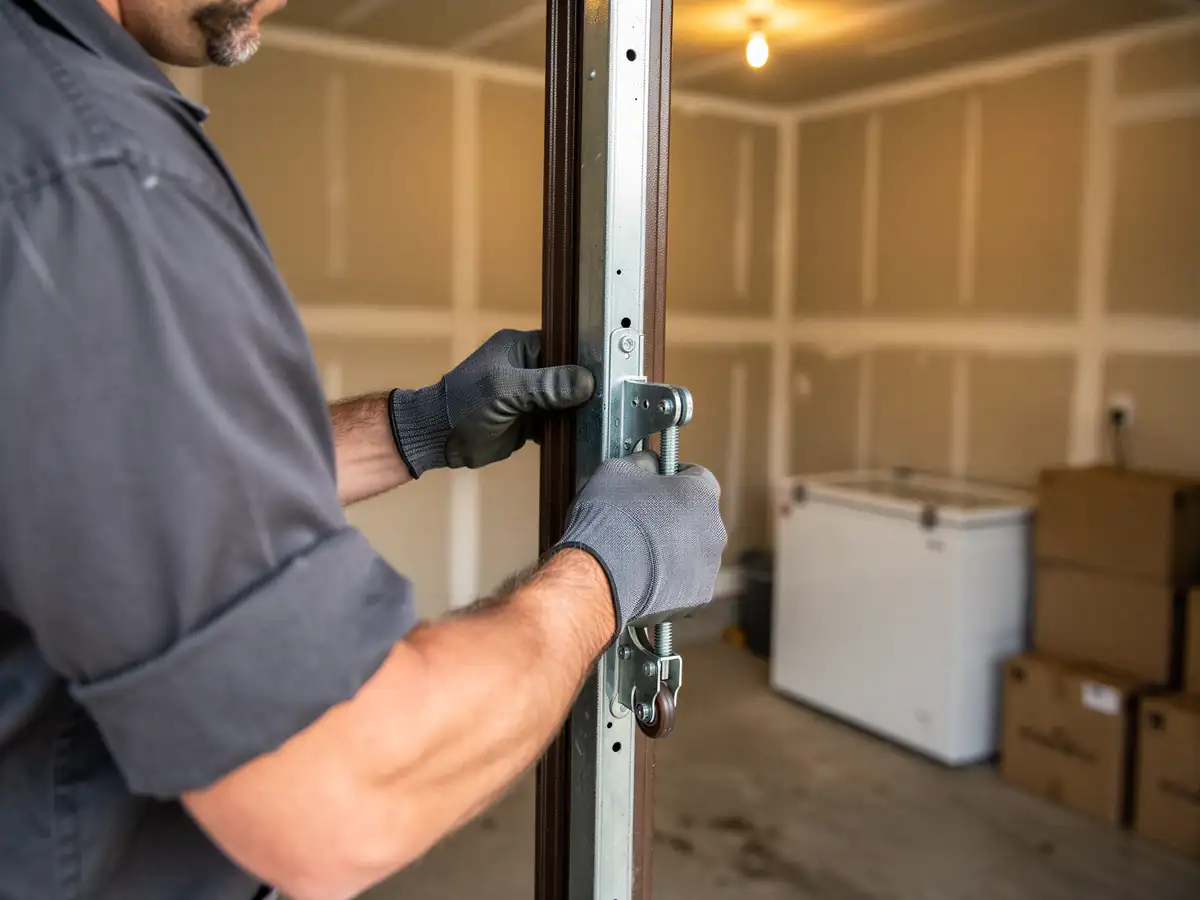
    A technician in a cap and gloves adjusts a brown garage door.

    Repaired & tested

    The repair is done, the door is set true and tested, and the work area left clean.

Not sure which repair your door needs in Randolph, NJ? Describe what it’s doing - every job starts with a diagnosis.

8areas covered
How we work

What to expect

Diagnosis firstEvery visit starts by finding what actually failed - not a pre-written parts list.
The right part for the doorSprings and openers matched to the door’s weight and age, so the fix holds up.
Straight answersWhen a repair makes more sense than a replacement - or the reverse - you hear it plainly.
Clean, careful workTension released safely, hardware set true, the door tested under power before we leave.
What we do

Garage Door Services

Repair and installation work for Randolph homes and businesses.

Questions

Frequently asked

Straight answers about garage door repair in Randolph. Still unsure? Ask us directly.

Why does my double-wide garage door bow in the middle when it's windy?

On a wide door, the horizontal struts carry the load across the panel. If your house dates to the common 1960s-70s build era here, those struts are often original and sized to older minimum standards. Wind pushing on 16 feet of panel surface flexes the unsupported middle of the panel. That's the bow you're seeing.

Does cold weather make wind damage to a garage door worse?

Yes. Randolph sits in a cold-severe climate band, and cold steel is stiffer and more brittle than warm steel. A gust that a door would absorb without issue in warmer months is more likely to leave a permanent bend or crack a stile when the metal is cold. The damage is cumulative over a cold season, not just from one storm.

Should I reinforce an old wide door or replace it?

Depends on whether the panels themselves are still flat. If it's just the struts that are undersized, adding reinforcement can help. If the panels are already warped from years of flex, reinforcing won't fix that - a replacement built to current wind-load bracing is the straighter fix at that point.

Ready to get your garage door sorted?

Tell us what it’s doing and where you are in Randolph - we’ll take it from there.

Request a QuoteCall