What Most People Get Wrong
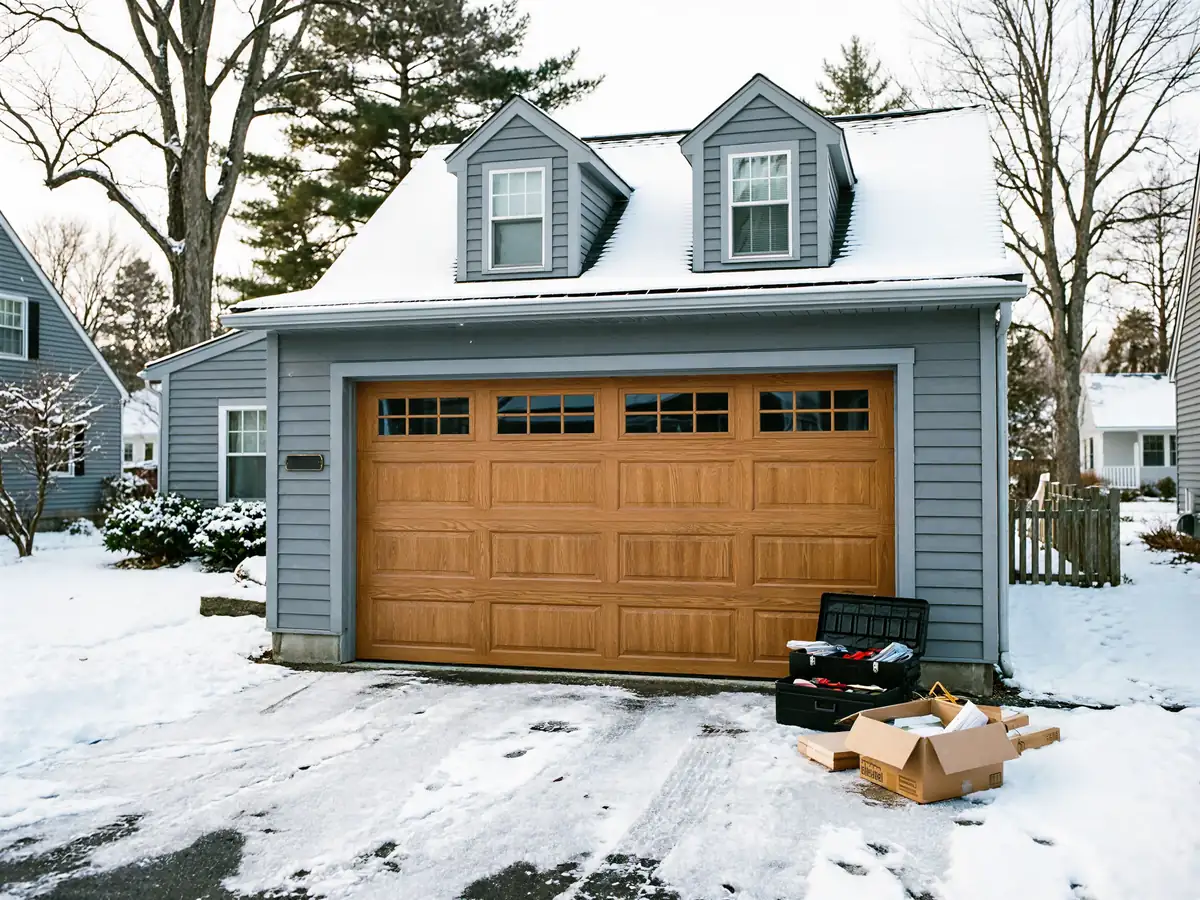
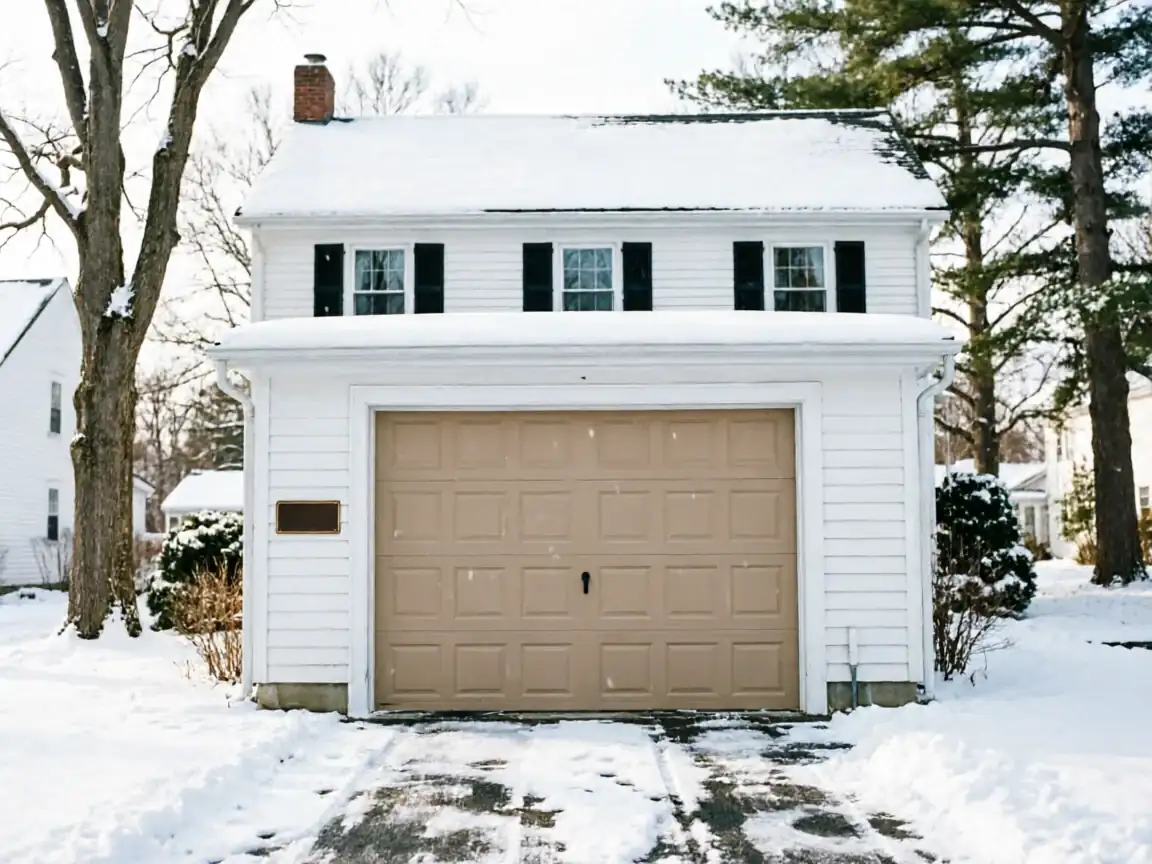
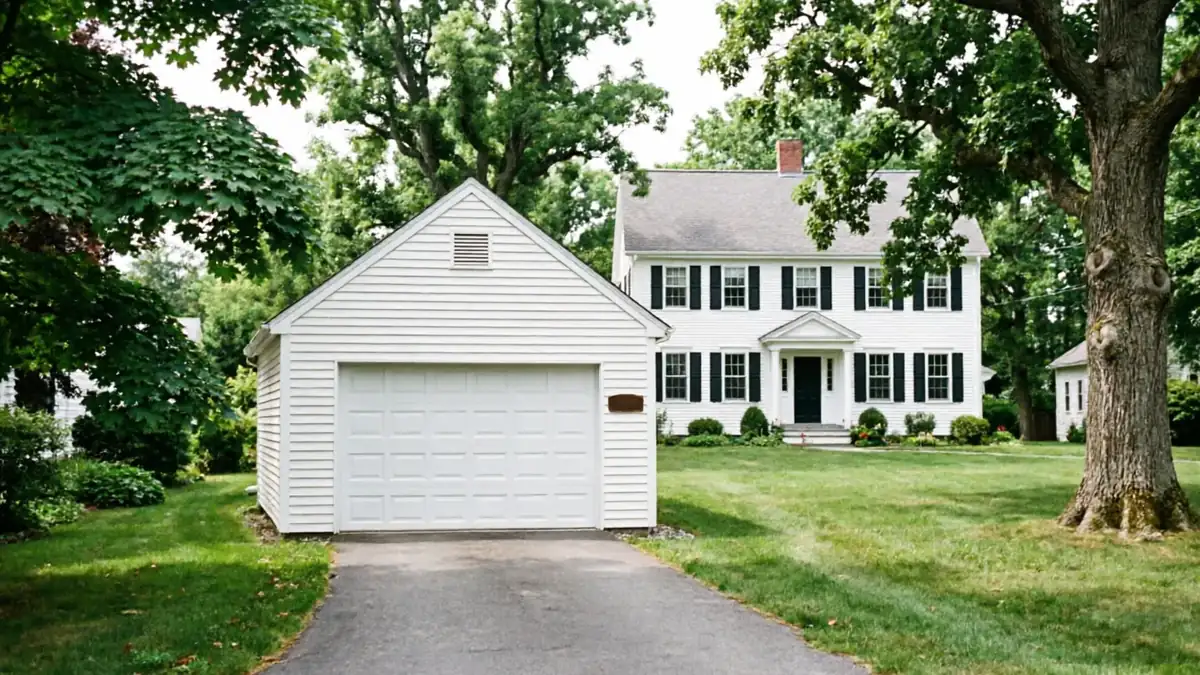
Most homeowners treat a garage door problem as a garage door problem, full stop. It isn't. Whether your garage is attached to the house or standing on its own changes what actually breaks and why. Randolph's housing stock runs from 1938 up through 1996, with the bulk of it dating to the 1960s and 70s, and that era built both kinds side by side - sometimes on the same street. An attached garage from that period usually shares a wall and a slab with the living space, so the door is doing double duty: keeping weather out and keeping the house's heat from bleeding into an unconditioned bay. A detached garage from the same build year has none of that pressure. It's just a box with a door, and the hardware was sized accordingly. Swapping parts between the two assumptions is where most misdiagnosis starts - a seal kit that makes sense on an attached door does nothing for a detached one losing tension because the whole structure runs colder. People also assume a door's age tells you everything, when actually whether it's attached or detached tells you more about what's failing first.
What to Check
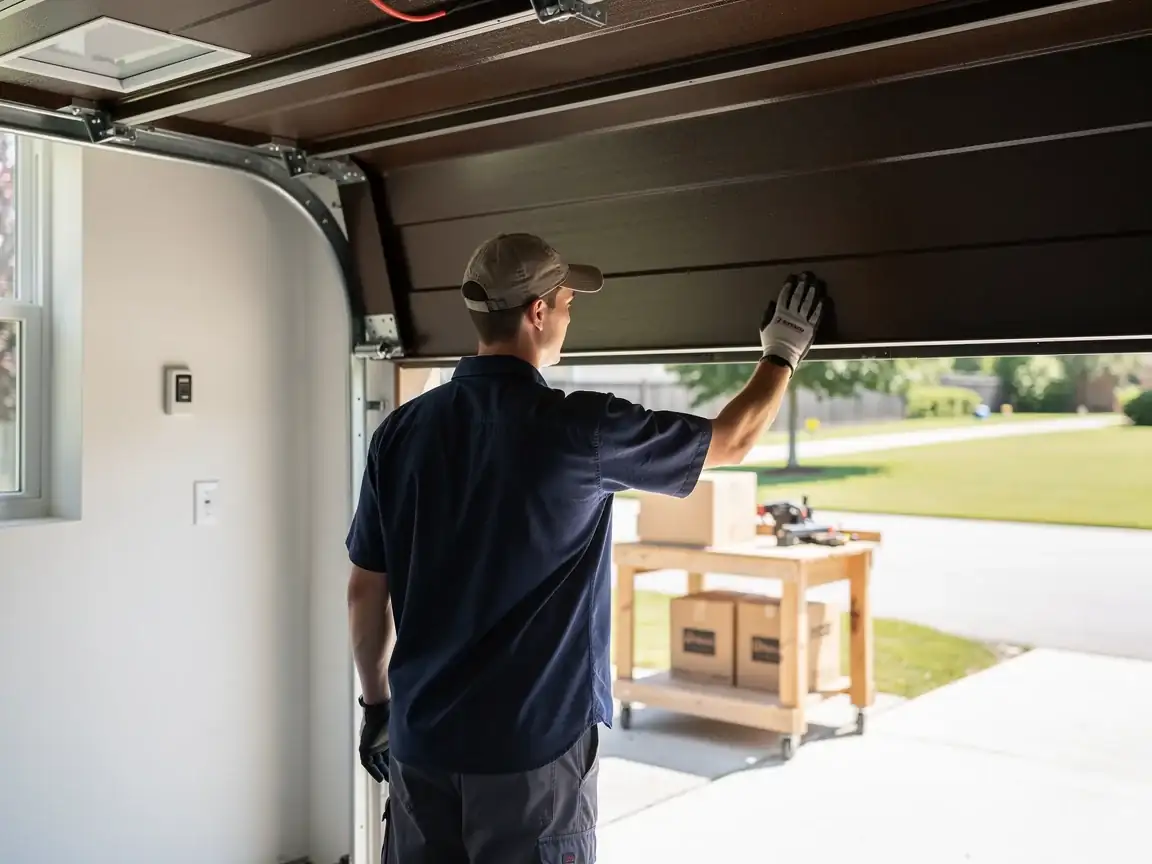
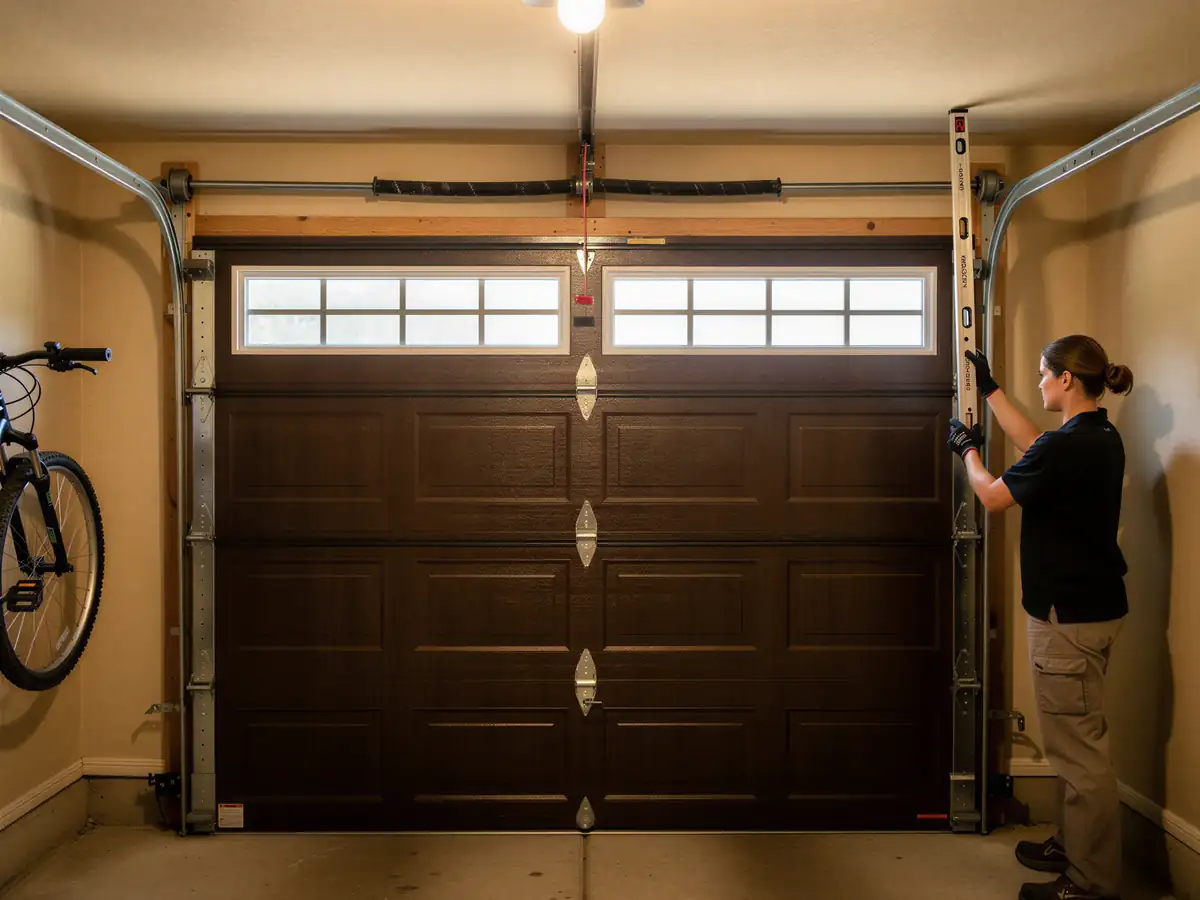
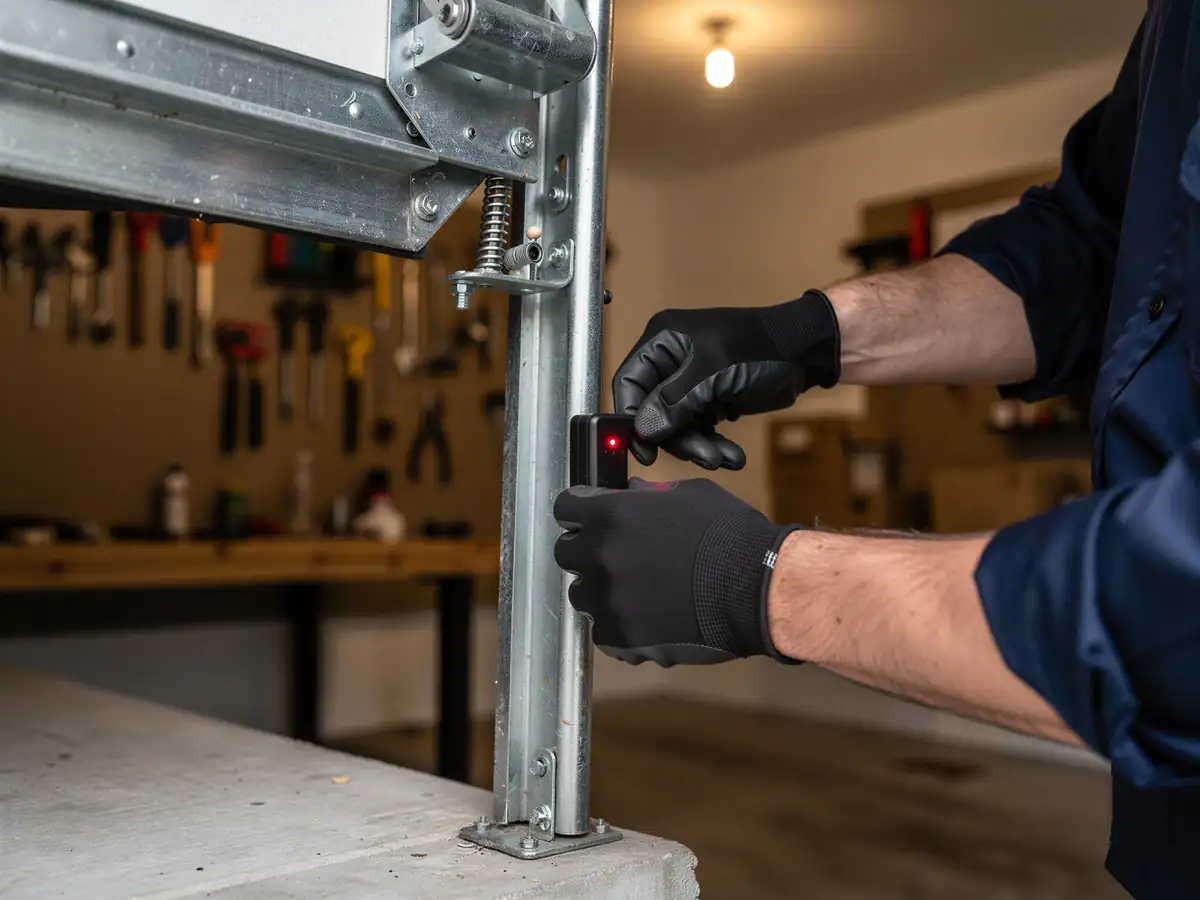
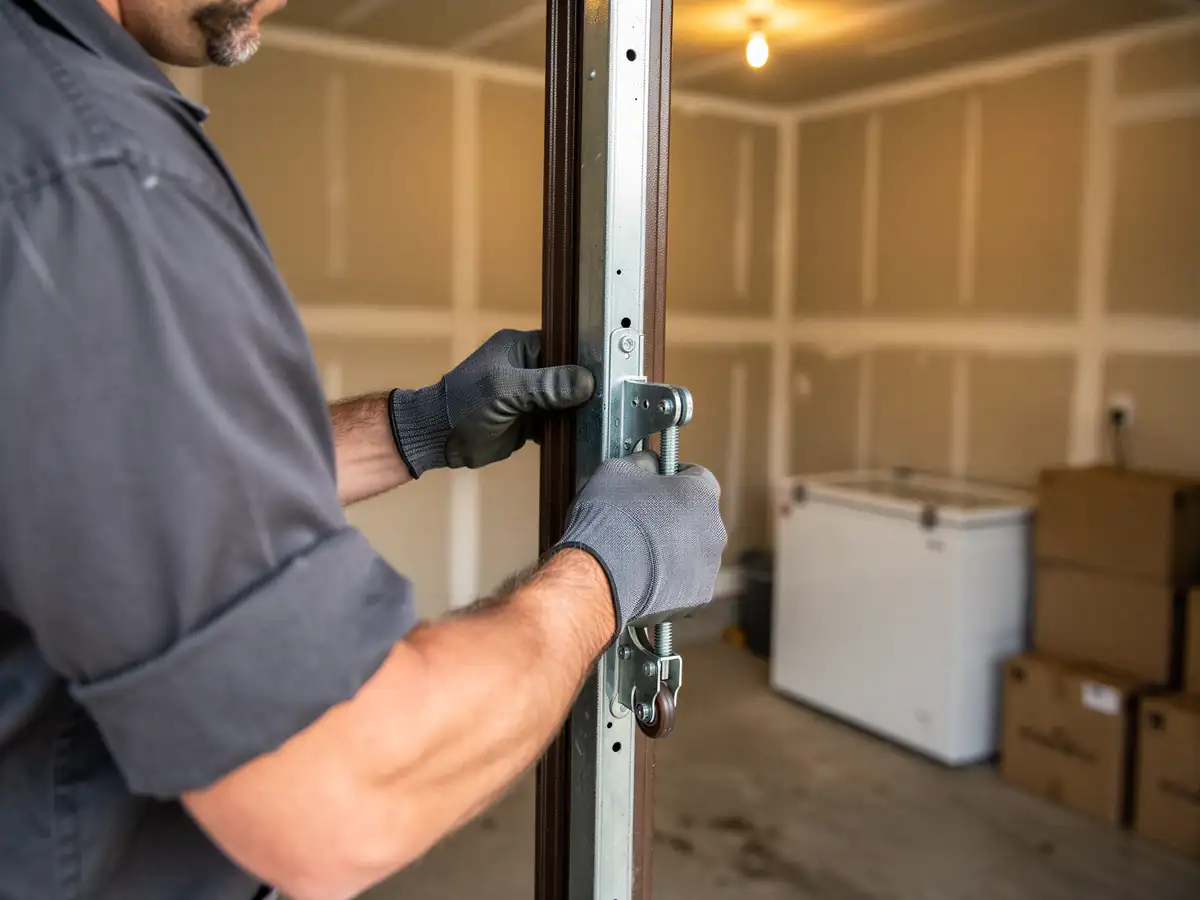
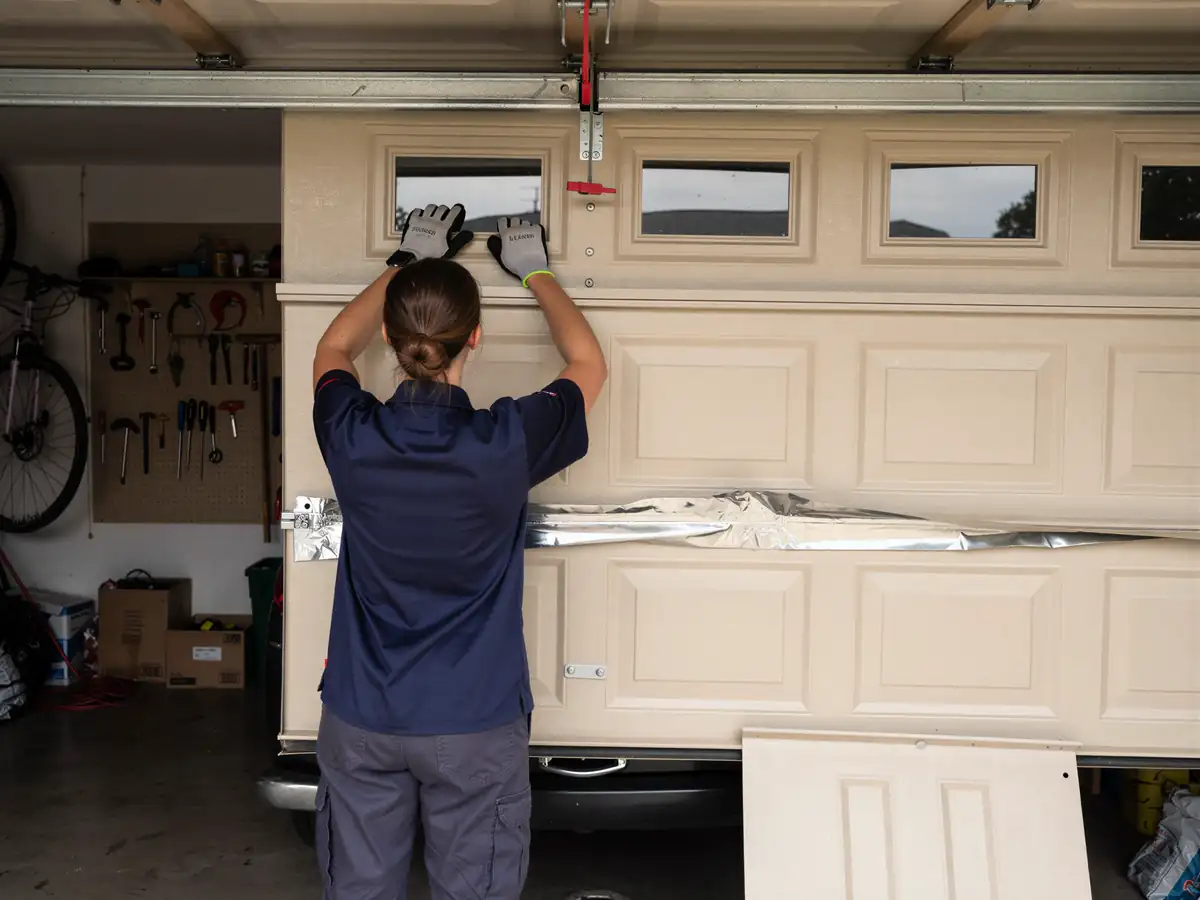
On an attached garage, start at the top seal and the weatherstrip where the door meets the house-side wall - that's the gap doing the most work against a cold-severe climate, and it's also the one owners forget because it's not visible from the driveway. On a detached structure, the first thing to check is the spring itself, since there's no residual heat from the house keeping the metal workable overnight. Look at the bottom seal on both types; on houses from the 1960s and 70s stock, original tracks were often set for a door weight and spring tension that doesn't match a heavier replacement panel installed later. Rollers matter more on detached units because there's more day-to-night temperature swing racking the track. We don't recommend DIY spring adjustment on either type - that's a job for a call, not a Saturday.
What Is Going On
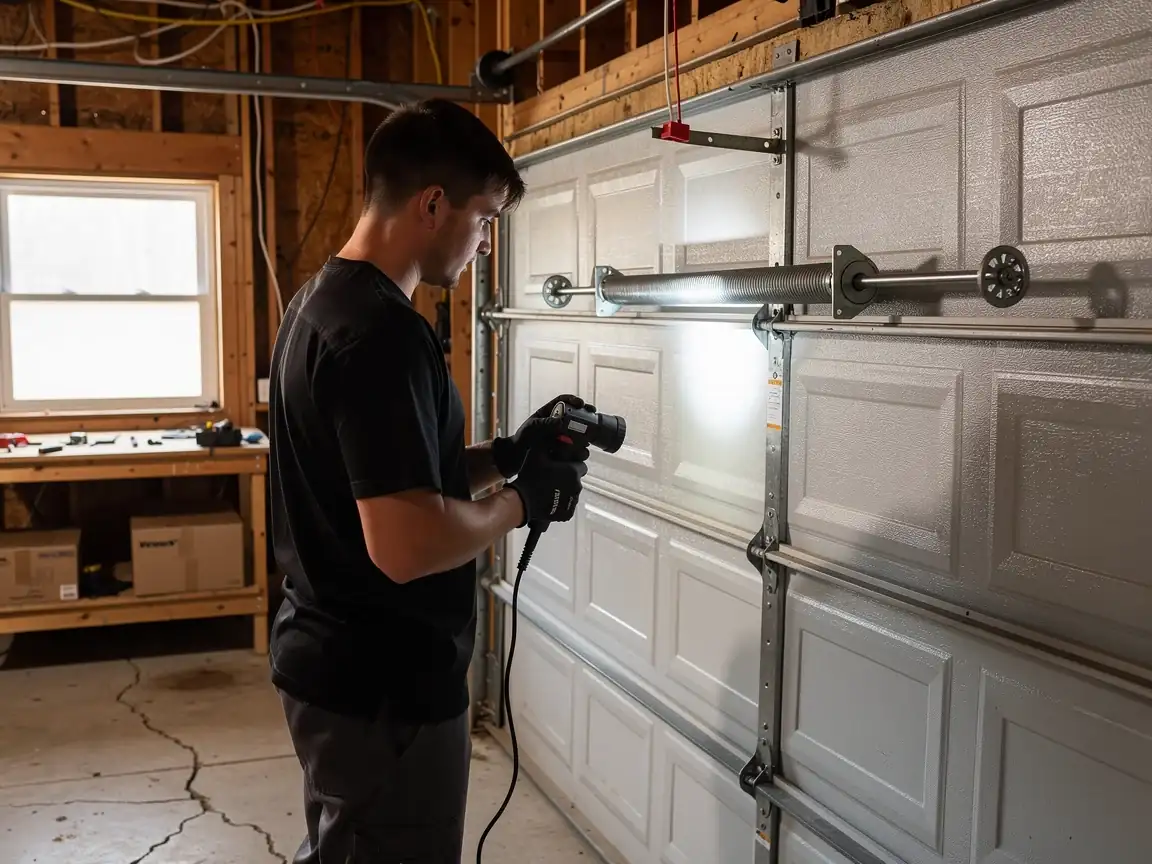
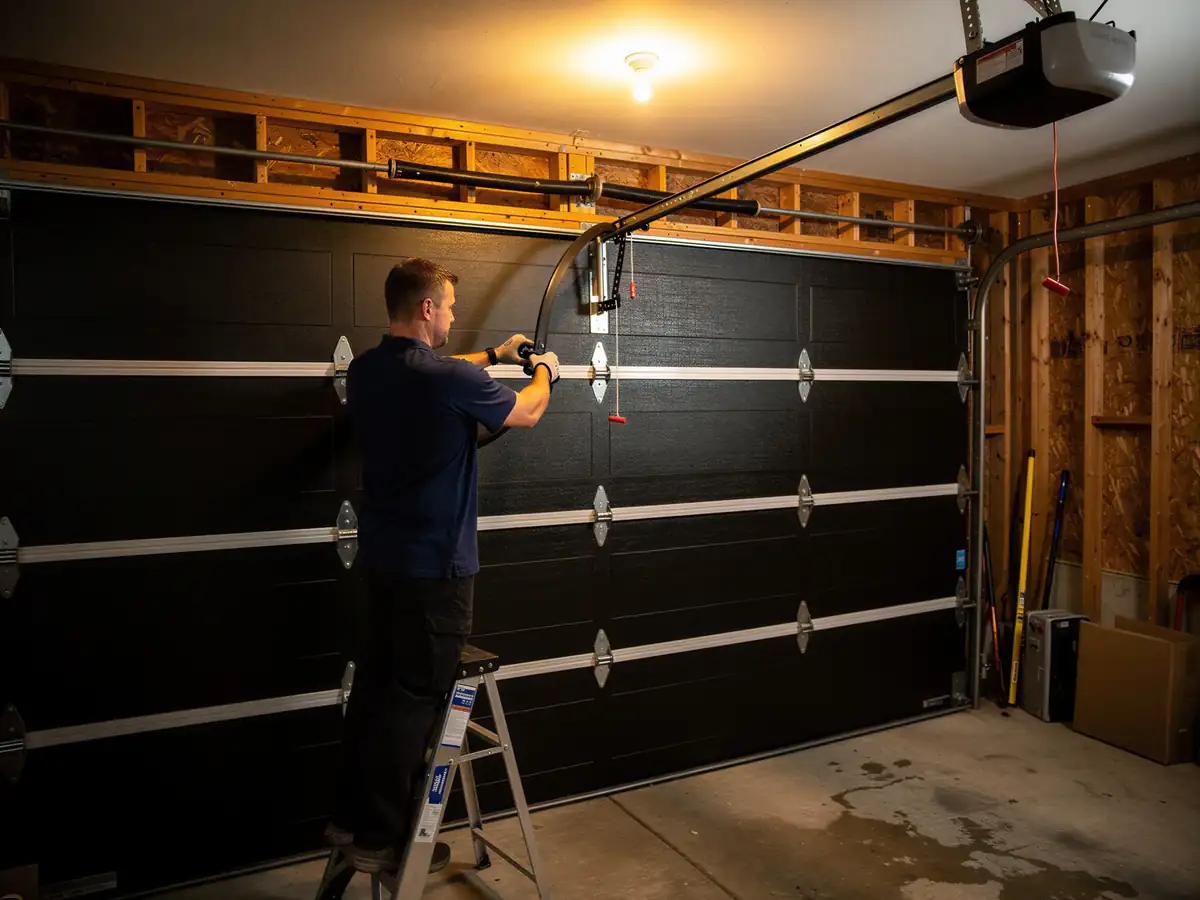
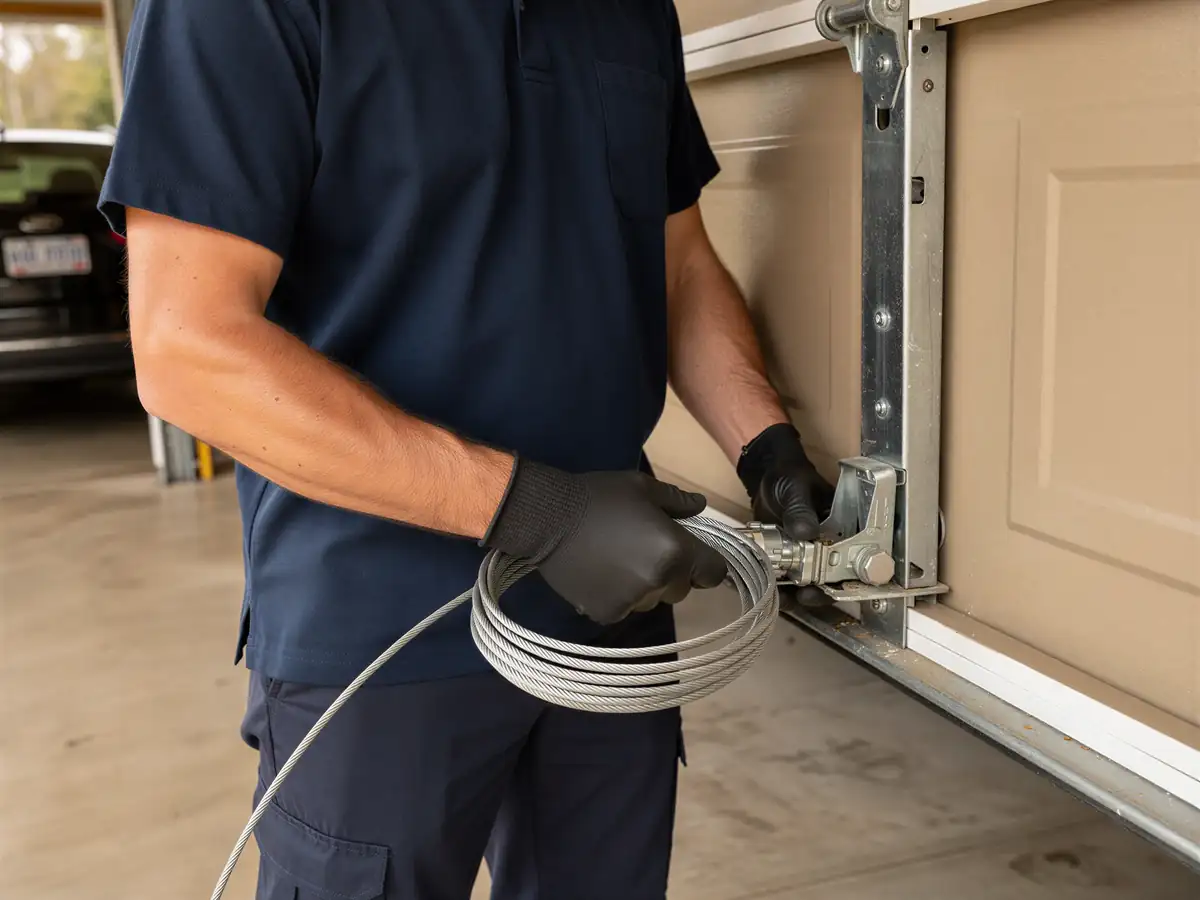
When a call comes in about a door that's suddenly heavy or won't stay open, the attached-versus-detached question usually answers itself once you're standing in the garage. In an attached bay, it's often a cable or roller gone sluggish from built-up condensation rust, something that compounds year over year in a cold-severe climate once a seal starts failing. In a detached structure, it's more often the spring itself, worn down by repeated cold contraction cycles with no heat buffer to soften it. Given how much of the local housing stock dates to the 1960s and 70s, a lot of these doors are carrying original or long-past-due hardware, and at some point replacement is the honest answer rather than another spring swap. We'll tell you when that point has arrived instead of running up a repair bill on a door that's done.