Serving Randolph, NJ & nearby
(973) 291-0706
Randolph, NJ

What an Older Garage Door in Randolph Is Still Worth Fixing

Most Randolph houses date to the 1960s, meaning original torsion hardware and panels never meant for sub-zero cold. Here's what to fix and what to replace.

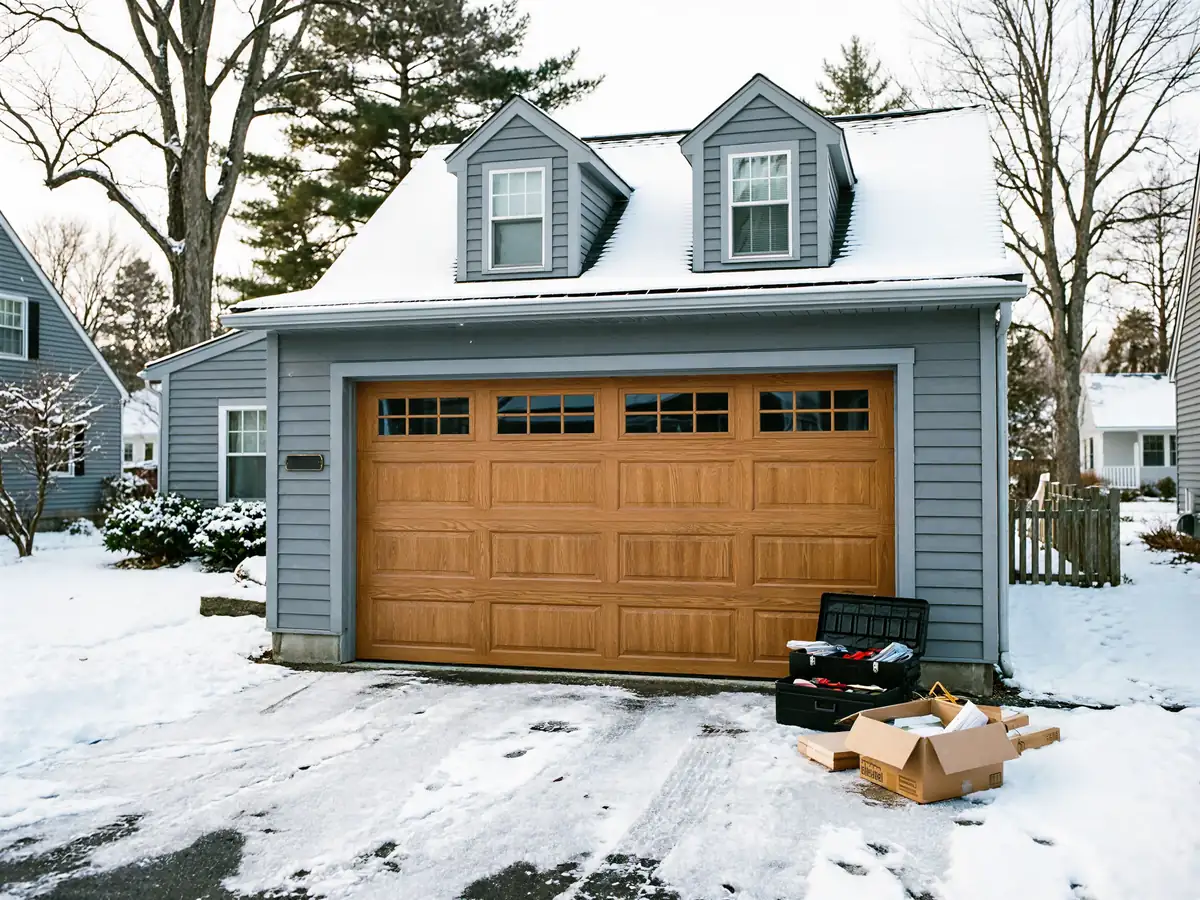
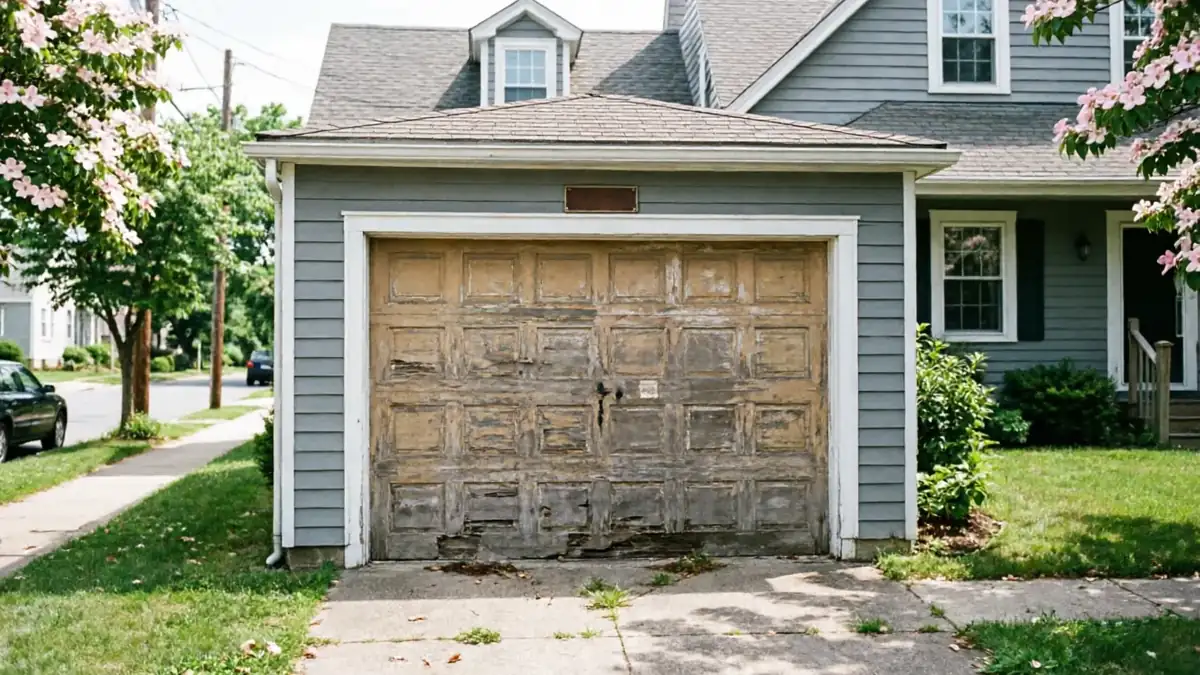
The weathered garage door on a gray house has peeling paint and damaged panels.

What Most People Get Wrong

The biggest mistake we see is an owner assuming the door's age alone means it's done. Most houses in Randolph went up between 1938 and 1996, with the median landing around 1964, so a lot of what's on these garages is original torsion hardware from an era before today's safety cables and sensor eyes. That doesn't mean it's junk. A torsion spring system from 1964, if it's been lubricated and the drums aren't pitted, can still carry a door evenly for years. What actually fails isn't the design, it's neglect - a dry bearing plate, a cable that's frayed but still holding, a center bracket that's loosened a quarter inch. People hear "old door" and think "replace everything" when the fix is a spring, a bearing, and an hour of labor. The flip side is just as common: an owner keeps patching a door that's structurally tired because the opener still runs. Age by itself tells you almost nothing. What tells you something is the specific part in front of you, and whether the rest of the system was built to work with it.

What to Check

Start with the springs. If the door is original to a house built in the 1960s or '70s, which covers most of this stock, look at the winding cones for rust blooming at the coil ends - that's where they let go first. Next, the track: galvanized steel tracks from that era were sized for lighter doors and smaller openers than what's sold today, so check for flare at the rollers, a sign the track's been fighting a door it wasn't built for. Look at the panels themselves. Steel panels from the '60s and '70s run thinner than current stock; a crease across a panel usually means a bent hinge did the damage, not a worn-out door. Check the bottom panel for rust creep at the weather seal, since that's the section that sits closest to the slab. Last, the cables - original aircraft cable holds up fine mechanically but frays at the drum after enough winters. None of this requires guessing. A door with sound springs, a track that's still straight, and cables without visible fraying is worth fixing, full stop.
What the Weather Here Does to It

Randolph sits in a cold-severe climate band, and that matters more for an older door than almost anything else on this list. Steel contracts in the cold, and a torsion spring that's lost even one coil wire is the part most likely to snap on the first hard freeze, usually on the coldest morning of the year when you need the door most. Grease that was fine in October turns to paste by January, which is why a door that opened smooth all fall suddenly groans or sticks once the real cold sets in. Tracks narrow slightly too, just enough to turn a roller that was borderline into one that binds. None of this is dramatic failure - it's slow stiffening that an owner reads as

How it works

From “it’s stuck” to “it’s fixed”

A quick, honest process - no guesswork and no surprises, start to finish.

  1. 1
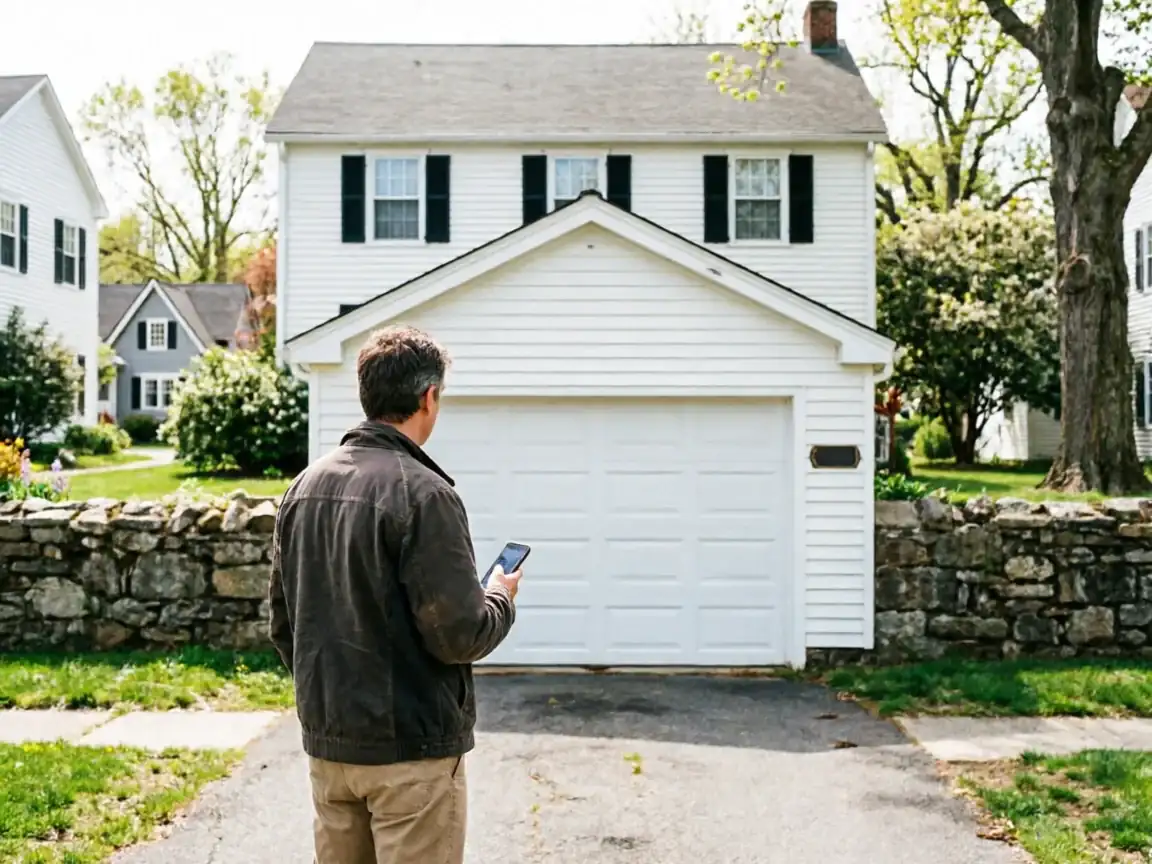
    A man stands in a driveway holding a phone, facing a white garage door.

    Tell us what’s wrong

    Describe the symptom - won’t open, loud bang, opener runs but the door won’t move.

  2. 2
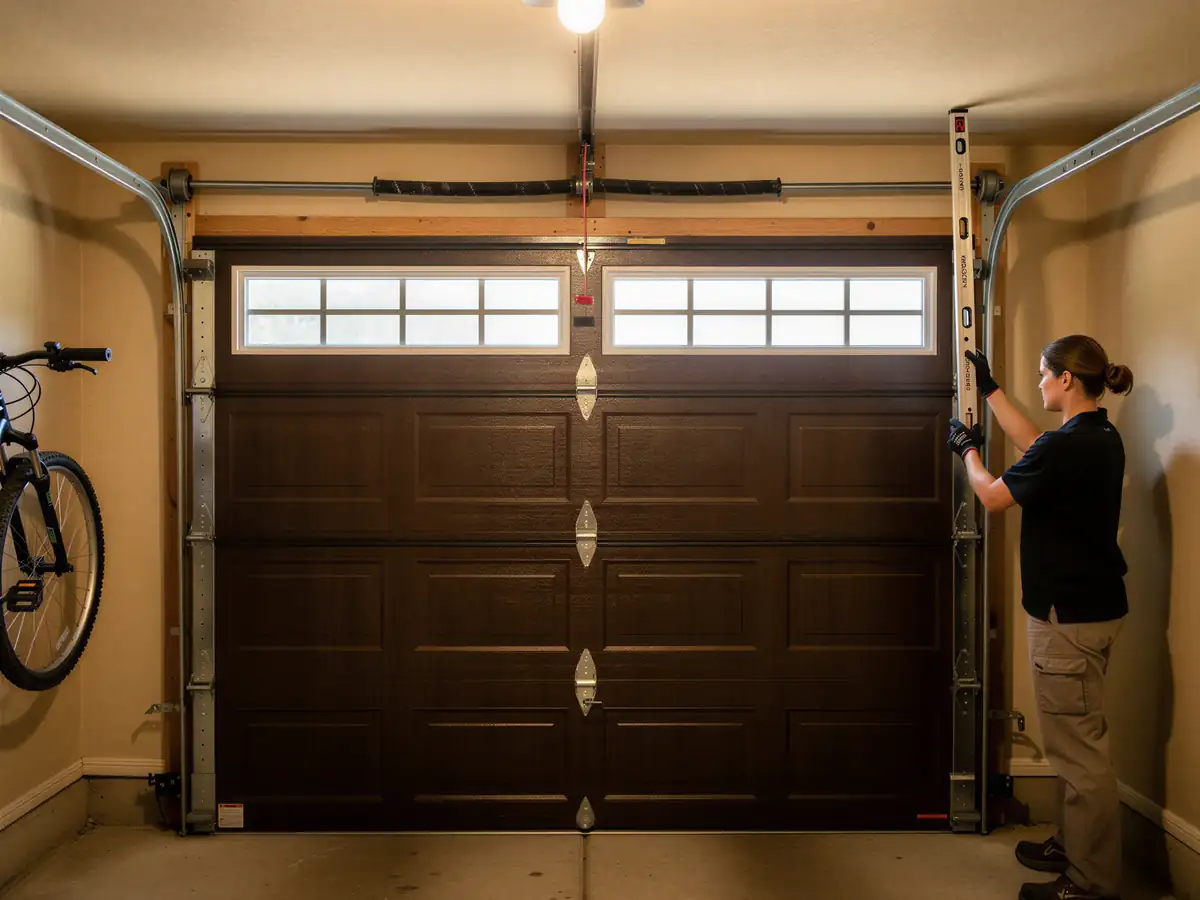
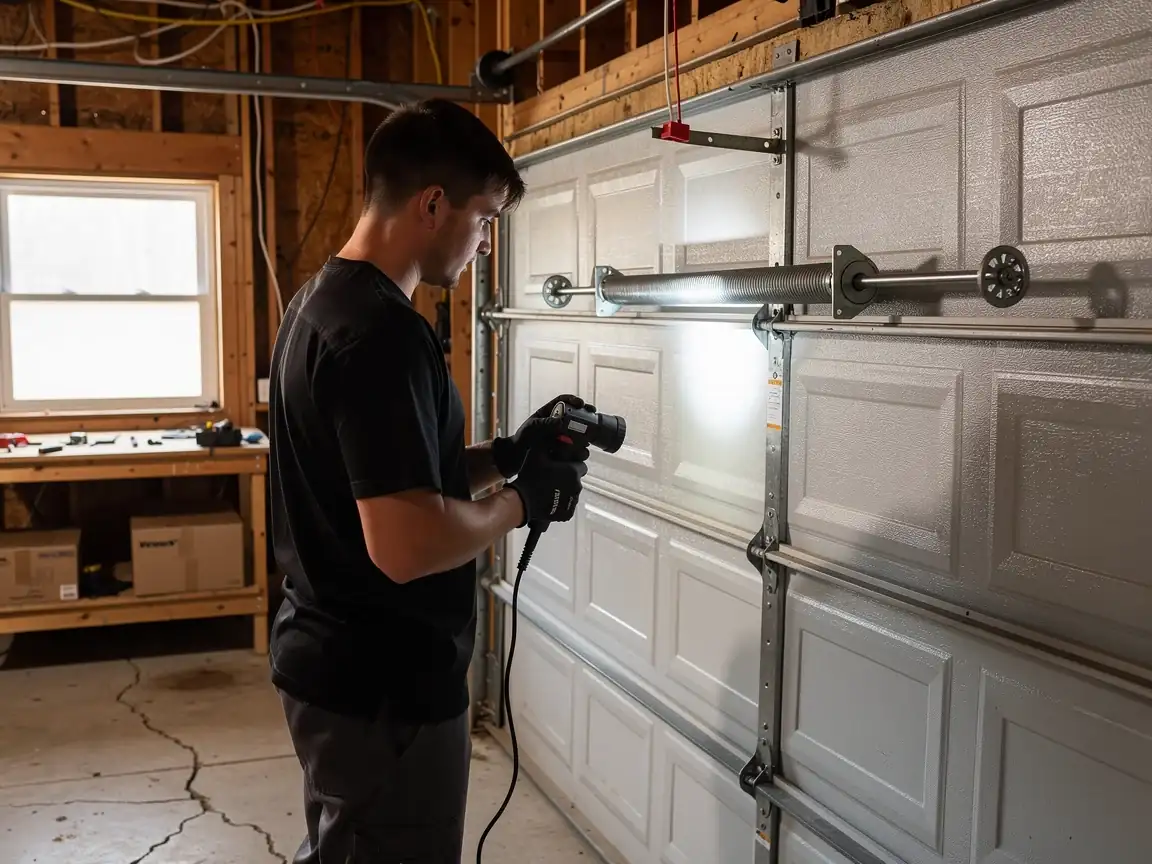
    A technician shines a light on a garage door torsion spring.

    On-site diagnosis

    A technician tests the door under power and by hand and finds what actually failed.

  3. 3
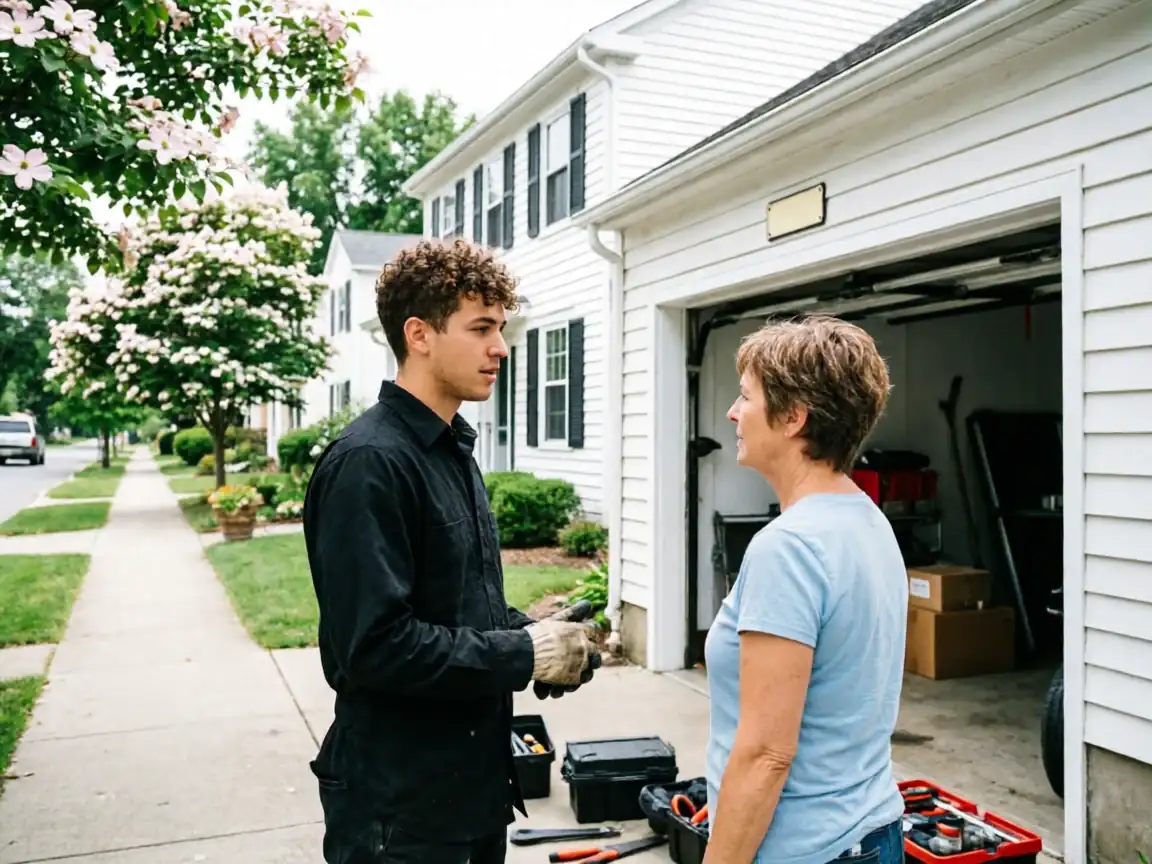
    A technician talks to a woman in front of an open garage.

    Clear, up-front plan

    You get the fix that’s needed and what drives the cost - before any work starts.

  4. 4
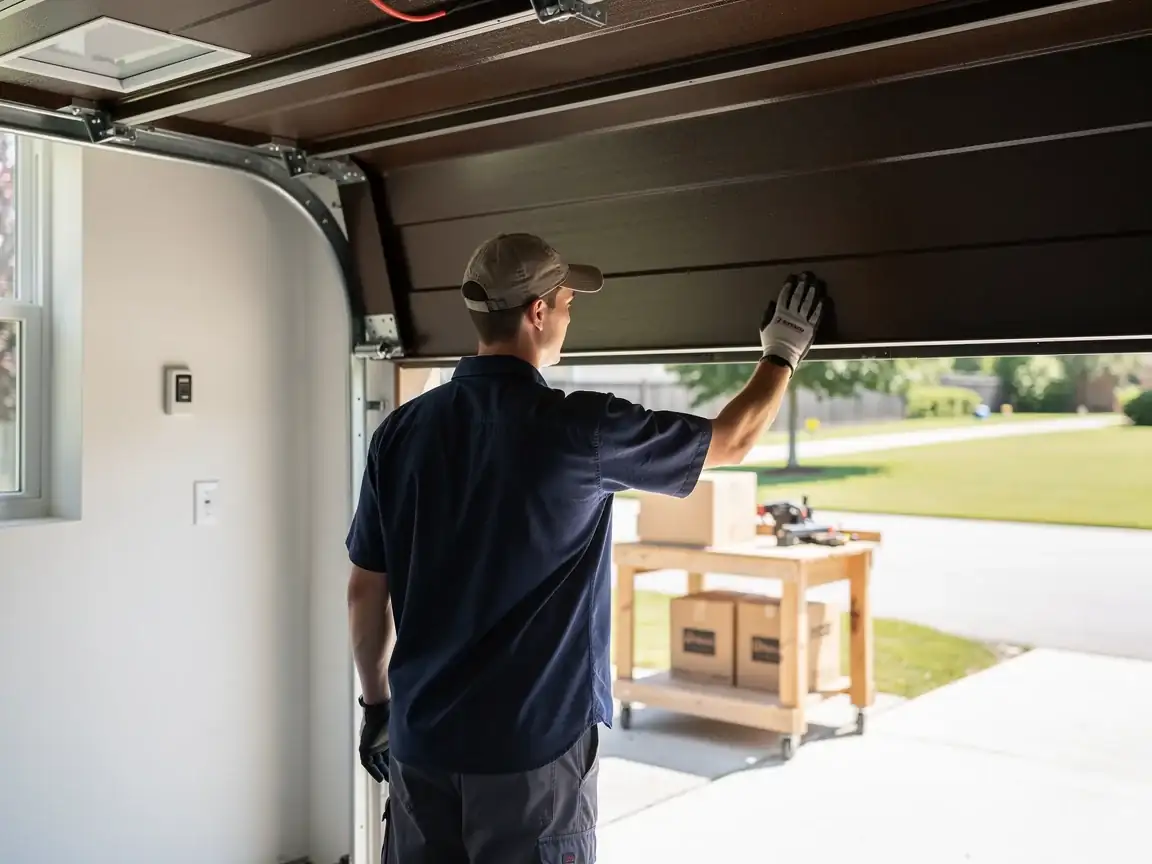
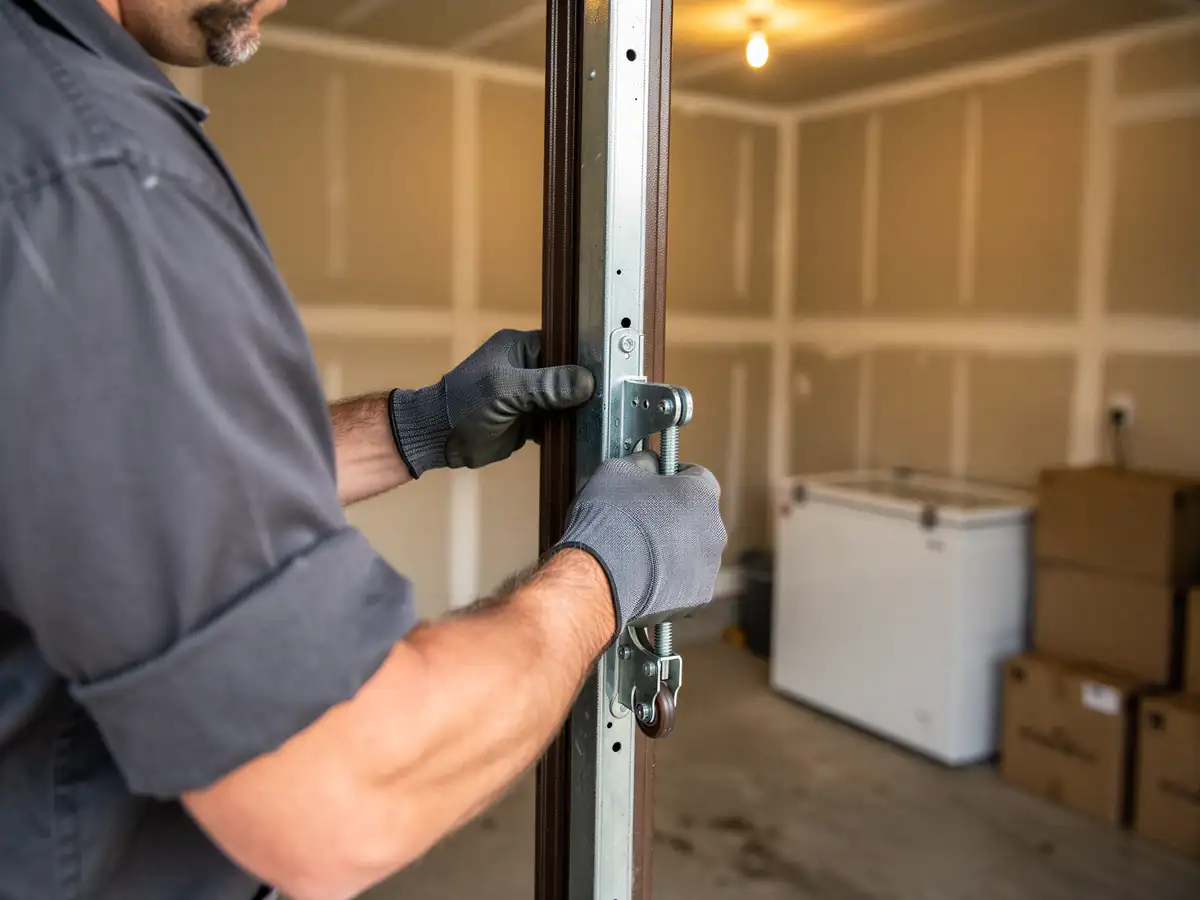
    A technician in a cap and gloves adjusts a brown garage door.

    Repaired & tested

    The repair is done, the door is set true and tested, and the work area left clean.

Not sure which repair your door needs in Randolph, NJ? Describe what it’s doing - every job starts with a diagnosis.

8areas covered
How we work

What to expect

Diagnosis firstEvery visit starts by finding what actually failed - not a pre-written parts list.
The right part for the doorSprings and openers matched to the door’s weight and age, so the fix holds up.
Straight answersWhen a repair makes more sense than a replacement - or the reverse - you hear it plainly.
Clean, careful workTension released safely, hardware set true, the door tested under power before we leave.
What we do

Garage Door Services

Repair and installation work for Randolph homes and businesses.

Questions

Frequently asked

Straight answers about garage door repair in Randolph. Still unsure? Ask us directly.

Is it worth fixing a garage door from the 1960s or should I just replace it?

Depends on the part that failed. A spring, cable, or bearing on a 1960s or '70s door is usually a straightforward fix if the track is still straight and the panels aren't rusted through. What pushes you toward replacement is structural damage - a bent track, a cracked panel section, or an opener mismatched to a heavier door someone installed later.

Why did my spring break in the middle of winter?

Cold-severe weather is hard on aging torsion springs. Steel contracts, old grease stiffens, and a spring that's already lost a coil wire from years of cycling is most likely to let go on the coldest mornings. It's rarely random - it's wear that finally meets a cold snap.

My door still works but feels heavier than it used to. Is that normal?

No. A door that's getting heavier to lift by hand usually means the springs are losing tension, which happens gradually over years. On an original 1960s or '70s system, that's often a worn torsion spring rather than anything wrong with the opener.

Ready to get your garage door sorted?

Tell us what it’s doing and where you are in Randolph - we’ll take it from there.

Request a QuoteCall