What People Here Ring About
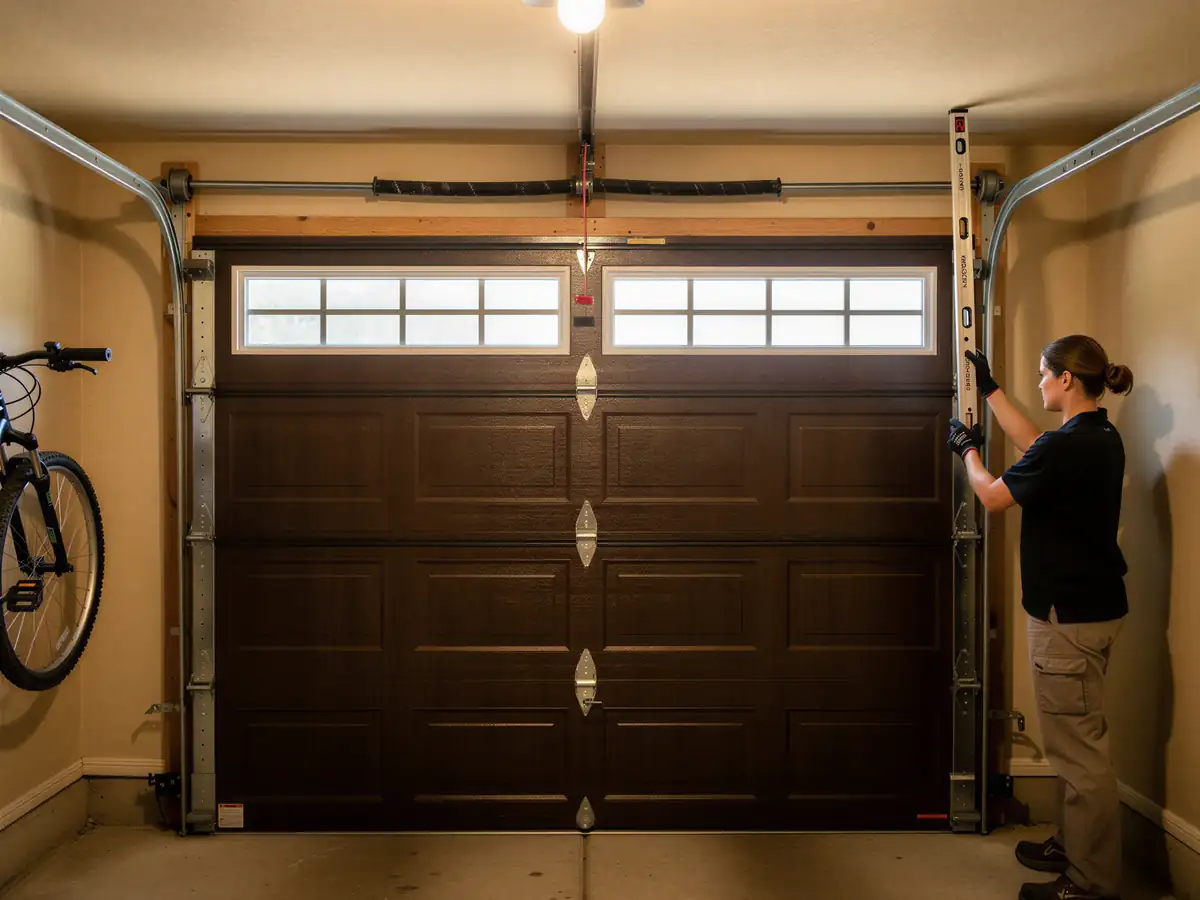
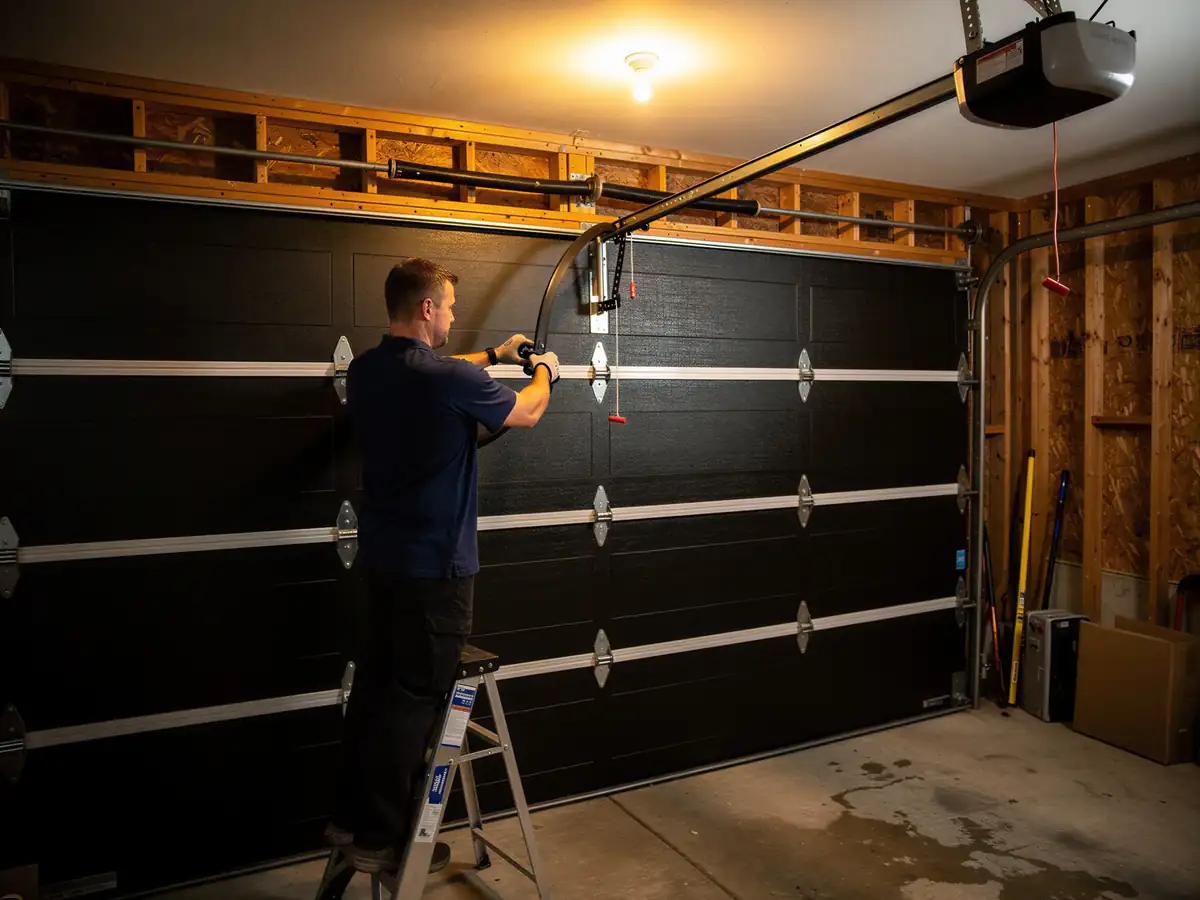
Most calls out of Dover start the same way: a door that won't lift, or one that lifts crooked. That tracks with what's actually installed on these streets. A lot of Dover's garages still run the torsion or extension spring setups that came with the house, and when those springs were wound for a lighter, single-layer steel door in the 1950s, they don't forgive much once the cables fray or a roller seizes in the track.
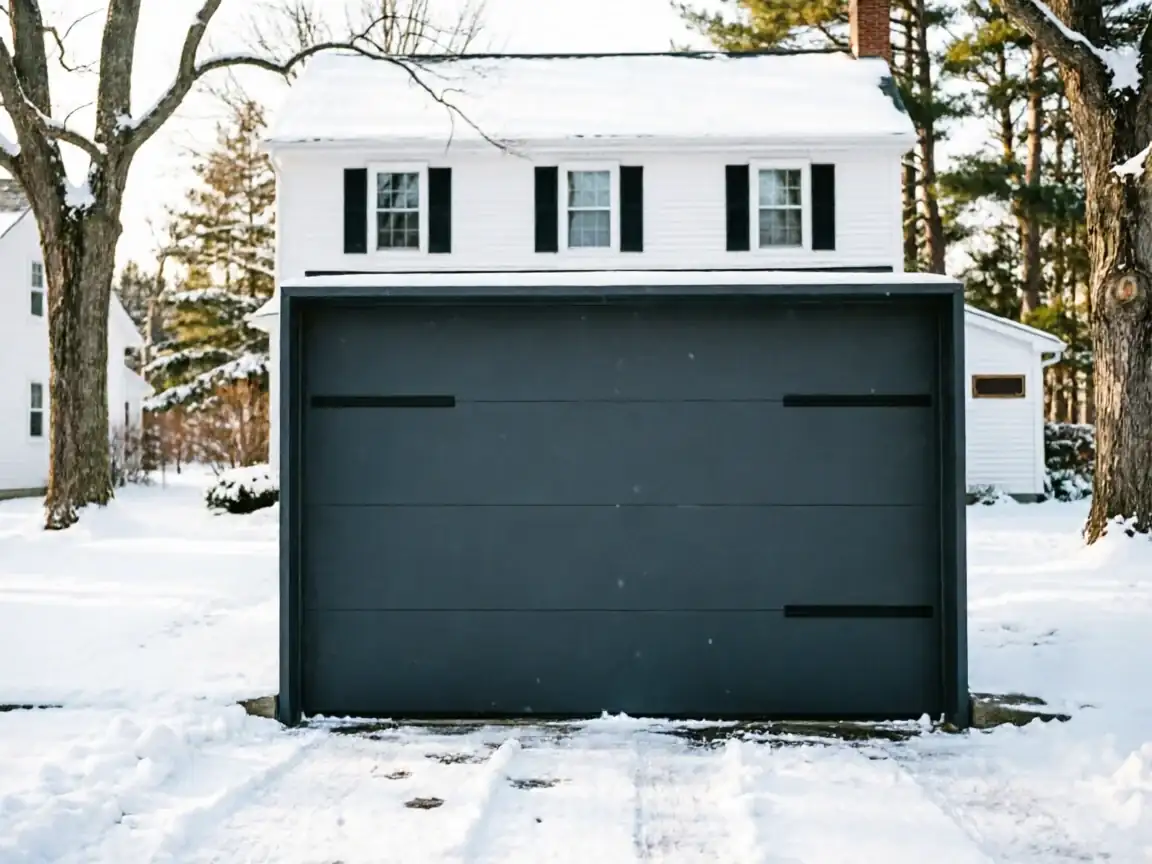
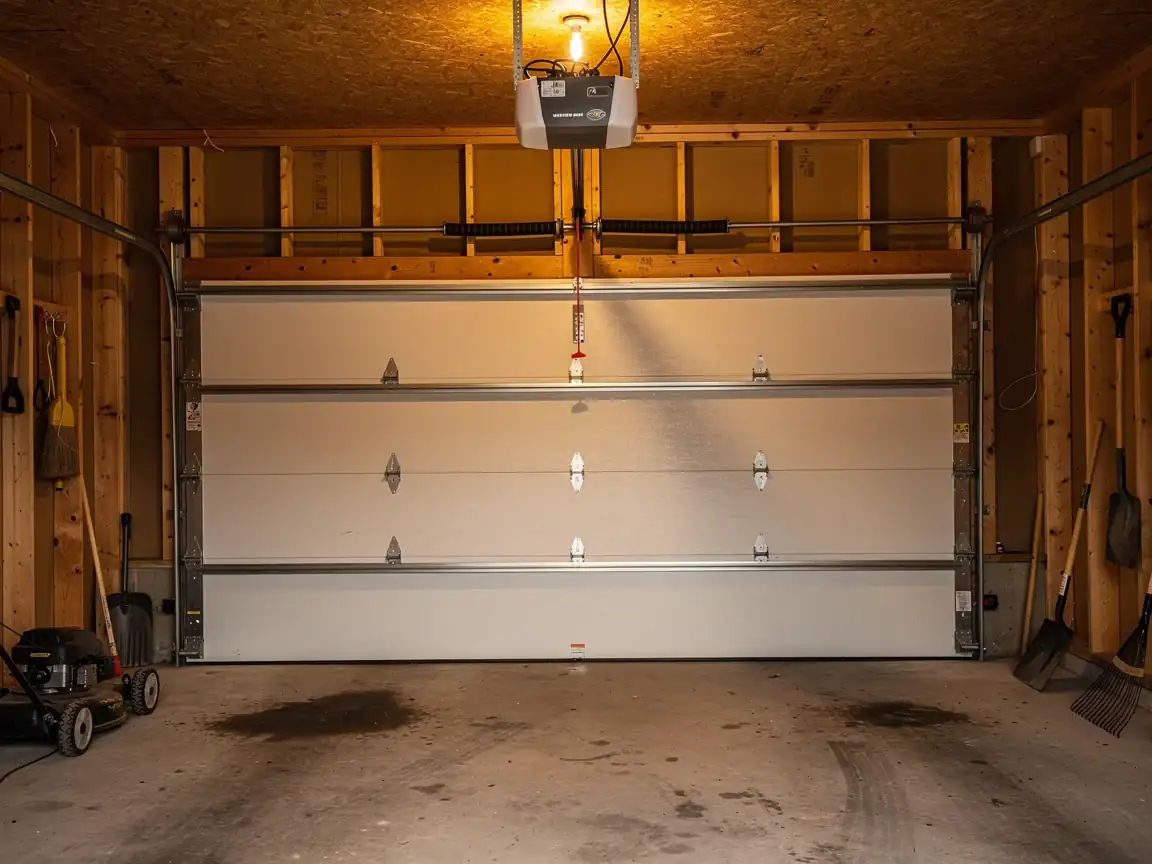
We also hear from owners whose opener just stopped responding - older chain-drive units bolted to joists that were never built for a heavier replacement door. Swapping a door without checking whether the header and opener can handle the new weight is a common mistake, and it's one we catch before it becomes a bigger job.
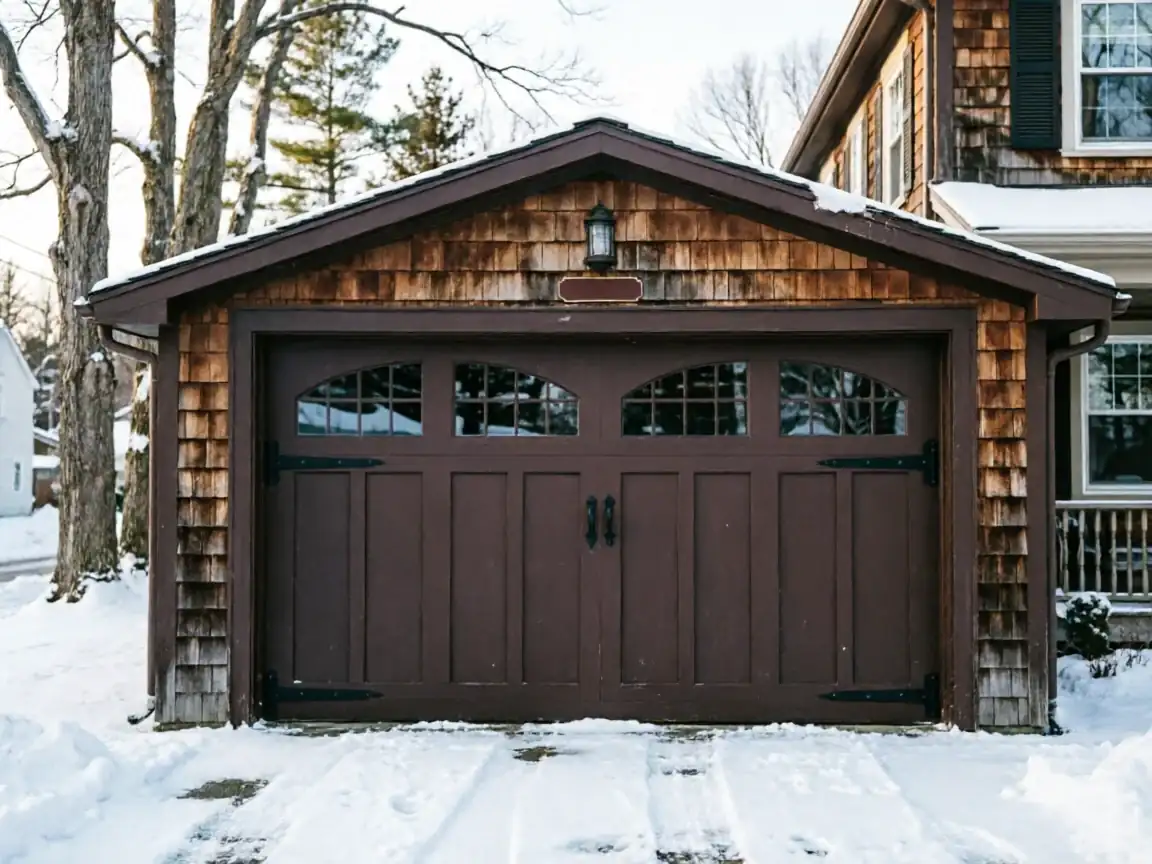
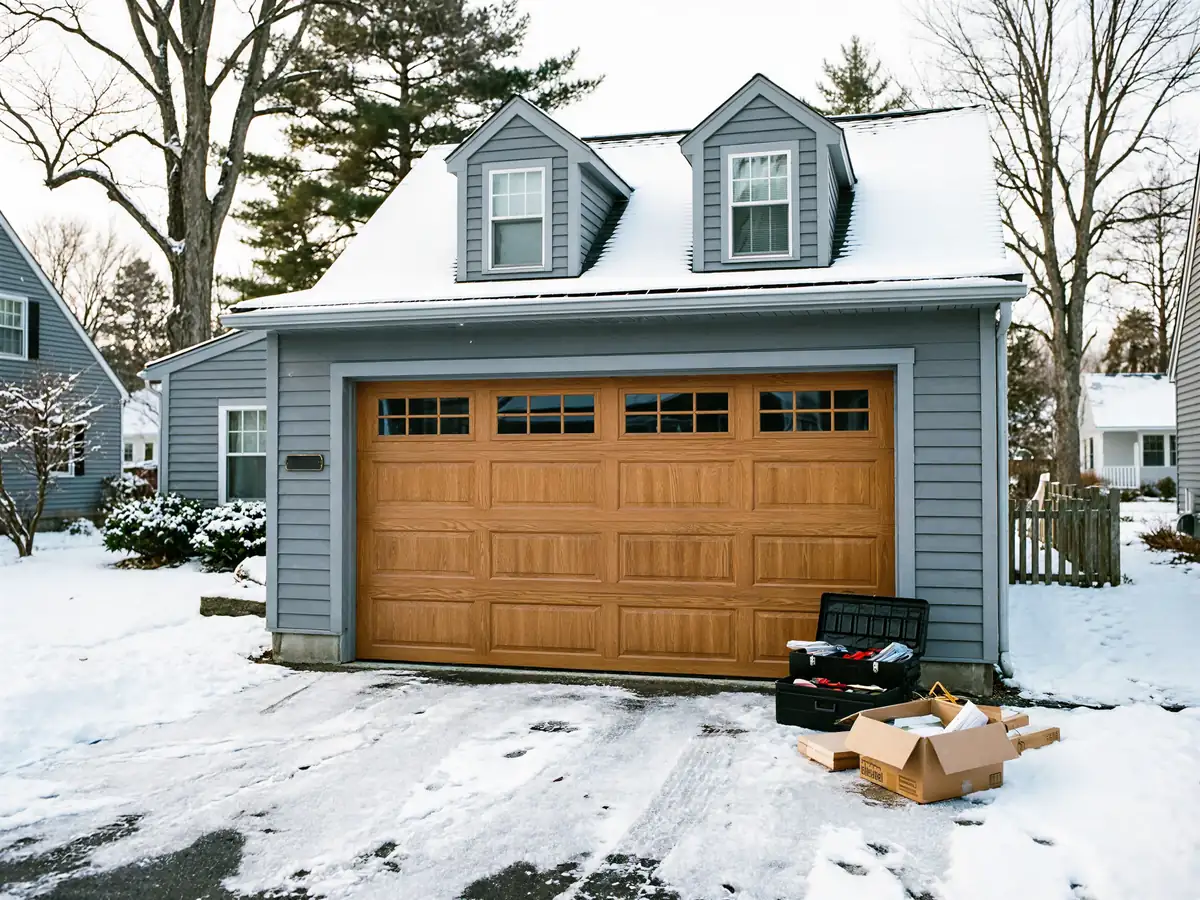
Less common, but it shows up: wood panel doors original to the house, swollen or split at the bottom panel from decades of freeze-thaw cycling. Those jobs usually end in a conversation about repair versus replacement, not a quick fix.
This Area's Housing
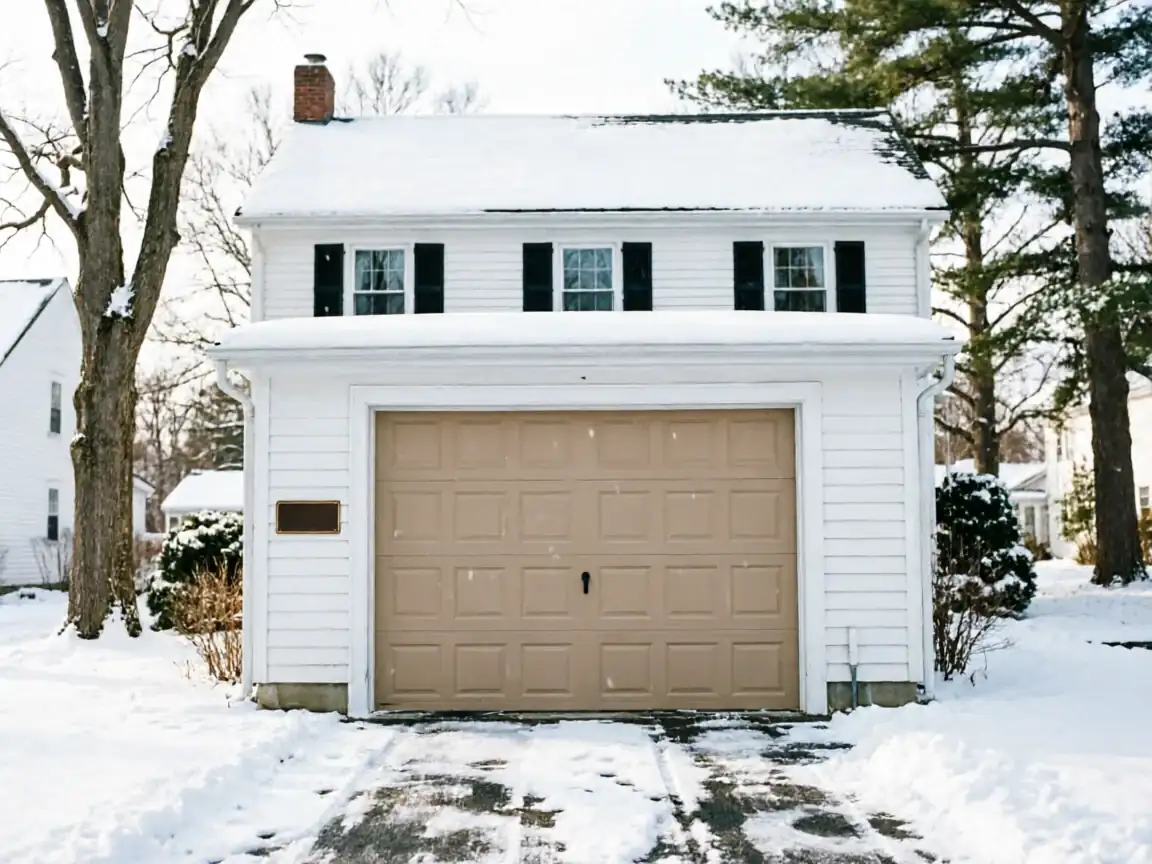
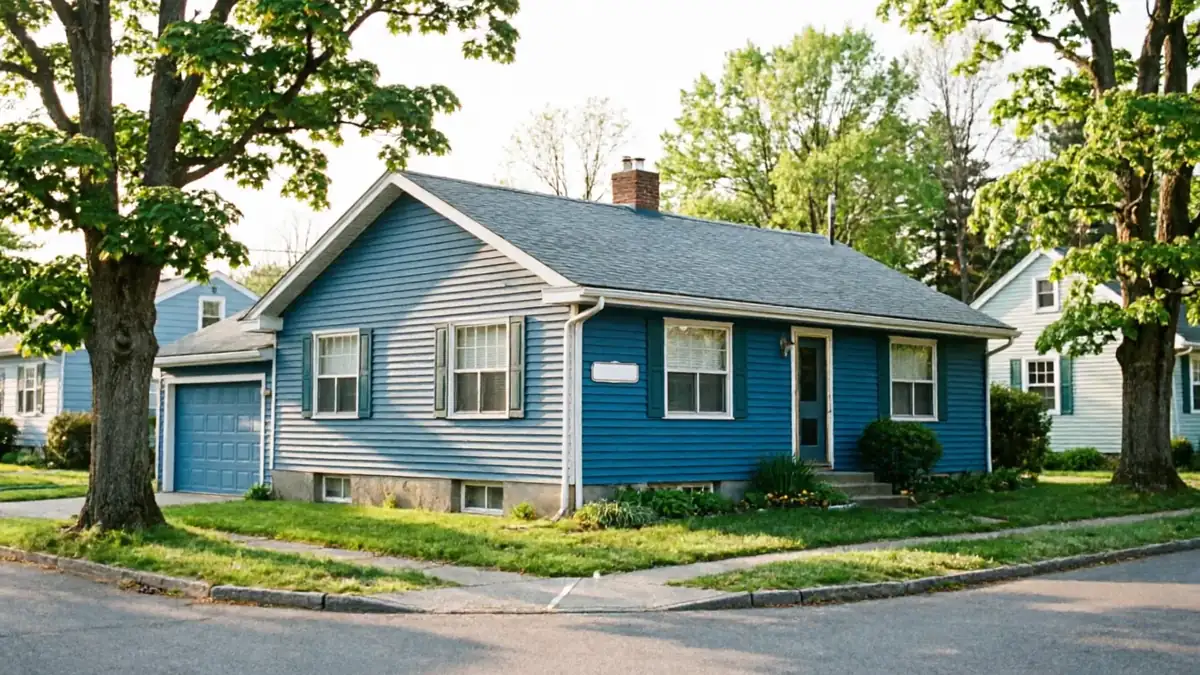
Dover's housing centers on 1953 - nine years earlier than the 1964 median across the wider service area this company covers. That's not a small gap. It means a meaningful share of Dover's garages were built before steel sectional doors were the standard choice, so you still find older wood doors, narrower door openings, and hardware sized for lighter panels.
The area carries 6,455 households, and median household income here runs $70,519 - well under the $146,174 figure for the service area as a whole. That income gap tends to show up in how repairs get decided: more owners here ask us to fix what's there rather than replace it outright, and more jobs involve matching old hardware instead of swapping in whatever's new on the shelf.
Dover sits three miles from Randolph, which puts it on the closer end of the towns this company drives to for service calls.
What That Means for Doors
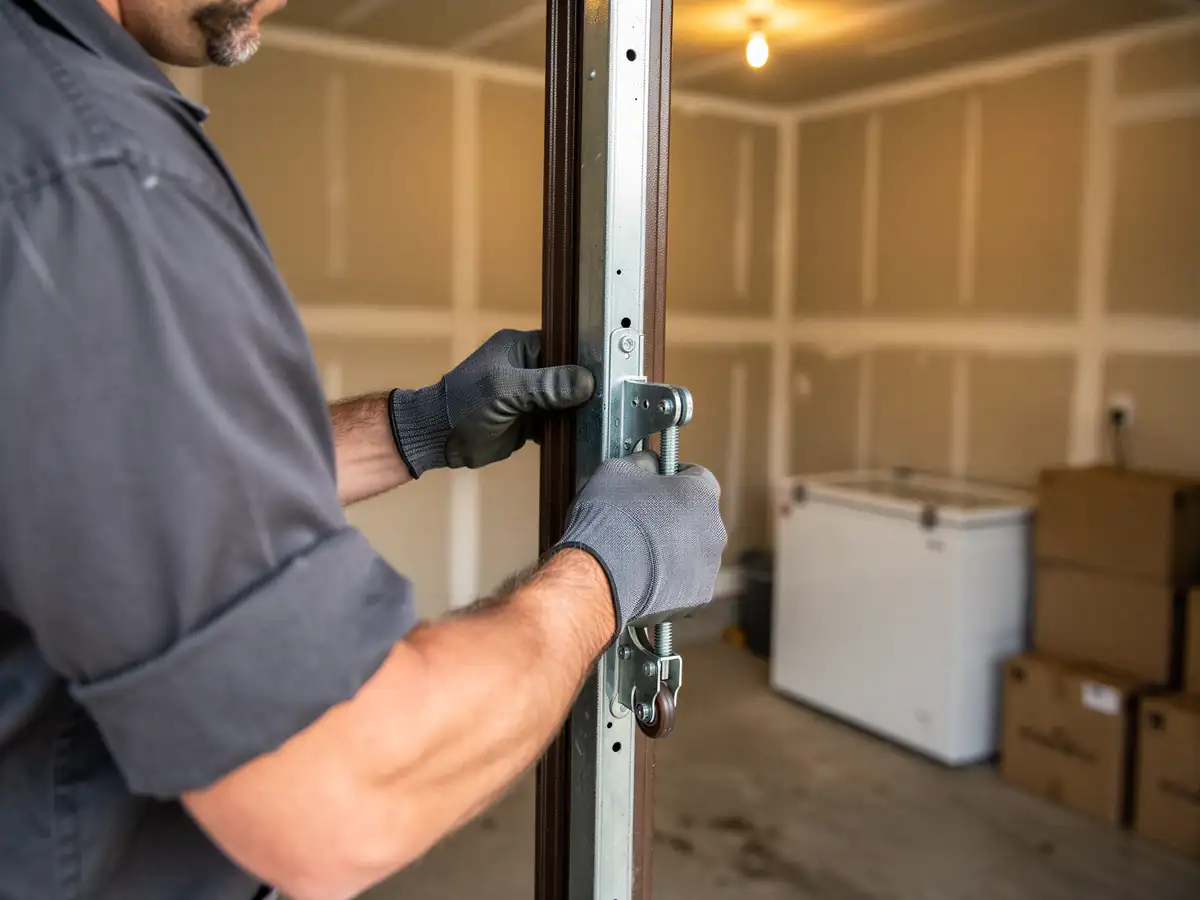
A door built around 1953 almost never has the same spring tension, drum size, or track width as something installed in the last fifteen years
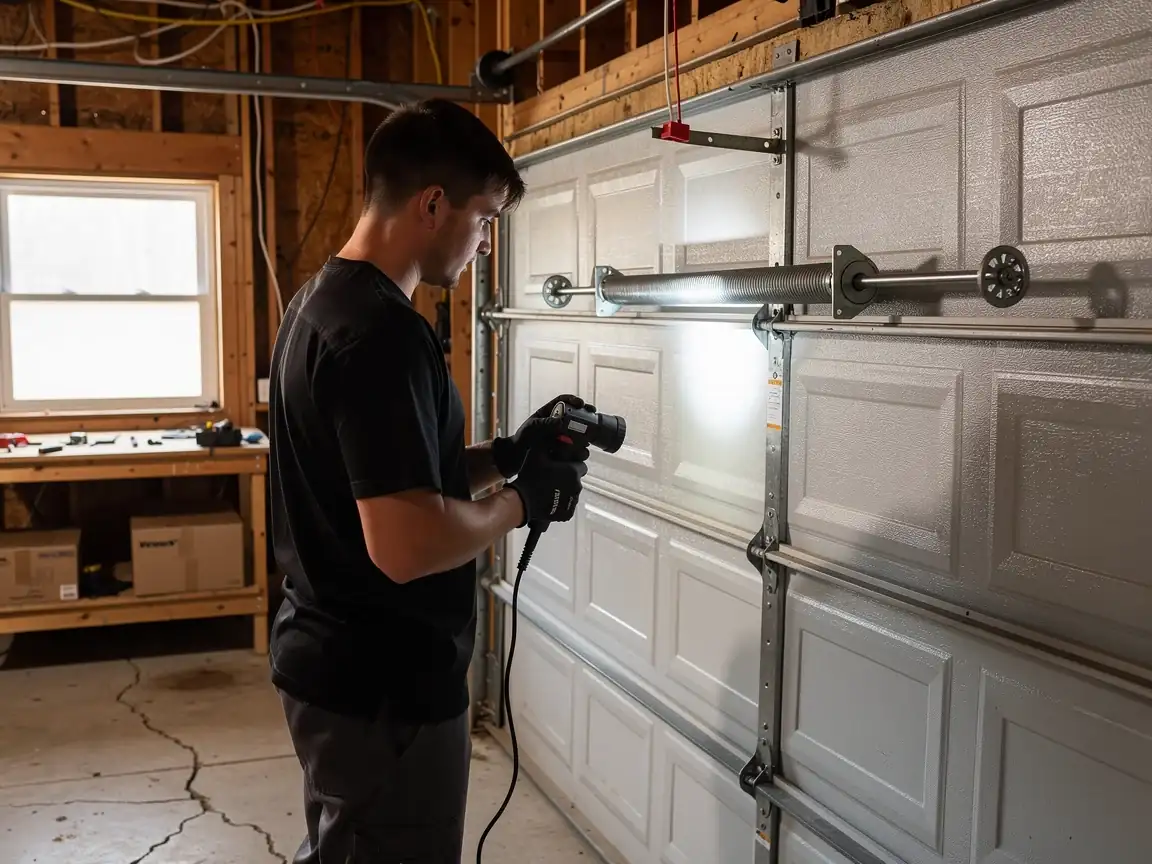
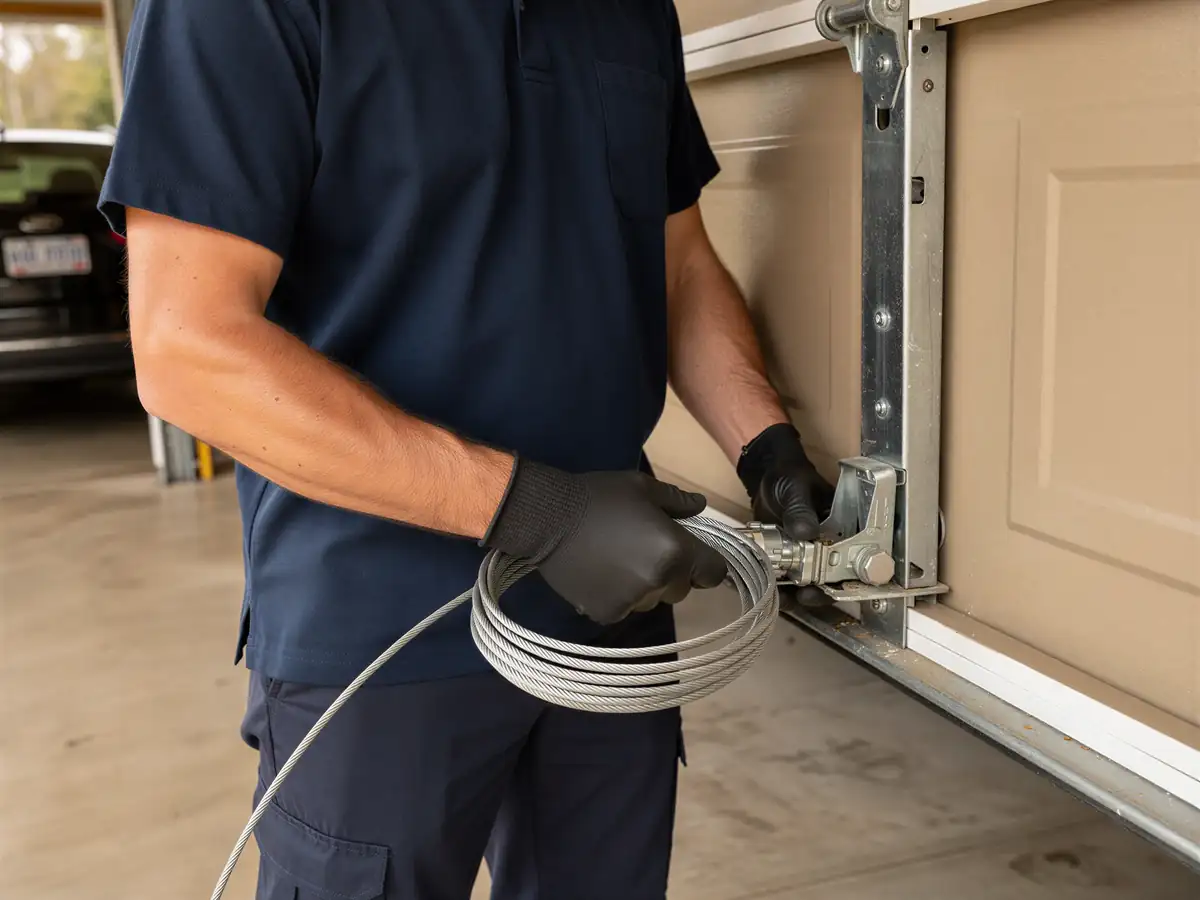
When a spring breaks on one of these older setups, we're not just grabbing a standard part off the truck - we're often measuring wire gauge and coil length against hardware that predates the common sizing charts.
Insulation is another gap
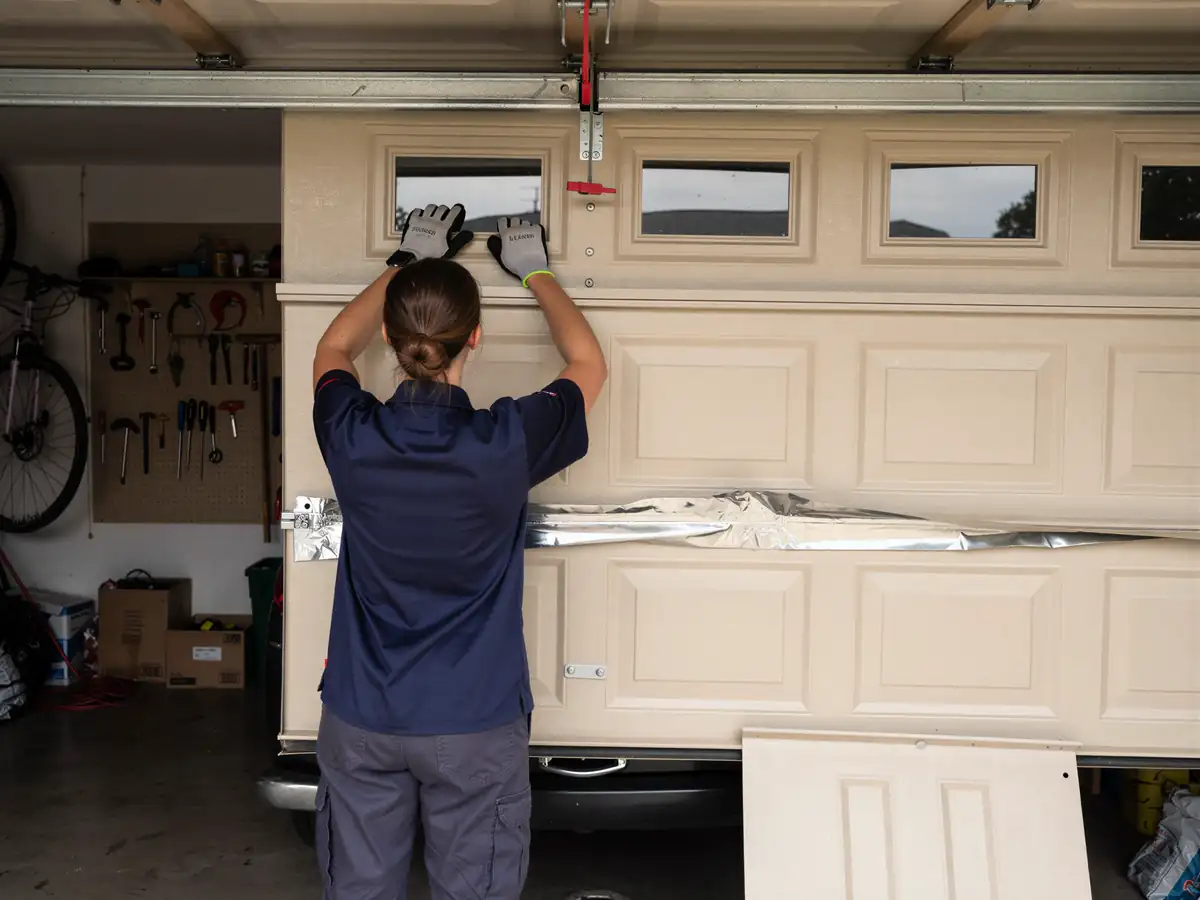
Many of these original doors are uninsulated single steel skin or bare wood, built before anyone worried much about garage heat loss. In a cold-winter climate, that matters: temperature swings crack old panel seams and stiffen lubricant in seized rollers faster than on a newer insulated door. Retrofitting a cold-rated weatherstrip or adding a bottom seal is often the simplest fix that actually holds up through the winter.
Openers are the third piece
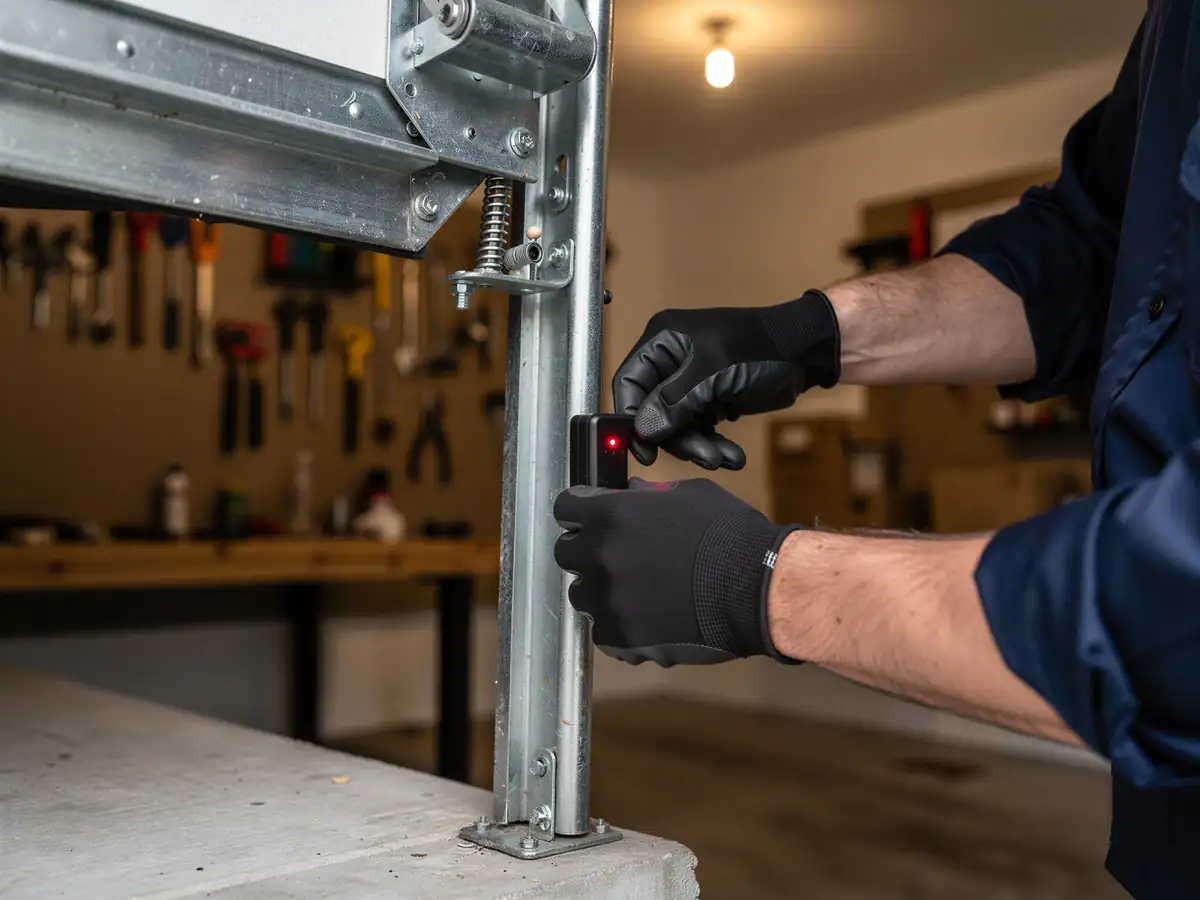
A lot of Dover garages still run units from well before current safety-sensor standards. When we replace one, we check the door weight and track alignment first - an opener swap on a door this old is the wrong fix if the real problem is a bent track or a worn bearing plate.
What We Do Not Do
We don't keep a depot in Dover - we drive out from Randolph for every call, and we tell owners that up front rather than implying a local office that doesn't exist. We also don't promise a same-day fix sight unseen; on older hardware like what's common in this area, we sometimes need to order a part sized to match a 1950s door, and that can mean a short wait instead of a same-visit repair.
We don't do structural carpentry - if a header or jamb has rotted to the point the door opening itself needs rebuilding, that's a job for a carpenter or general contractor, and we'll say so rather than patch around it. And we don't push full replacement on a door that's still sound just because it's old. If a 1950s wood door can be re-hung, re-sealed, and fitted with new hardware for less than a replacement costs, that's what we'll recommend.