What You Pay
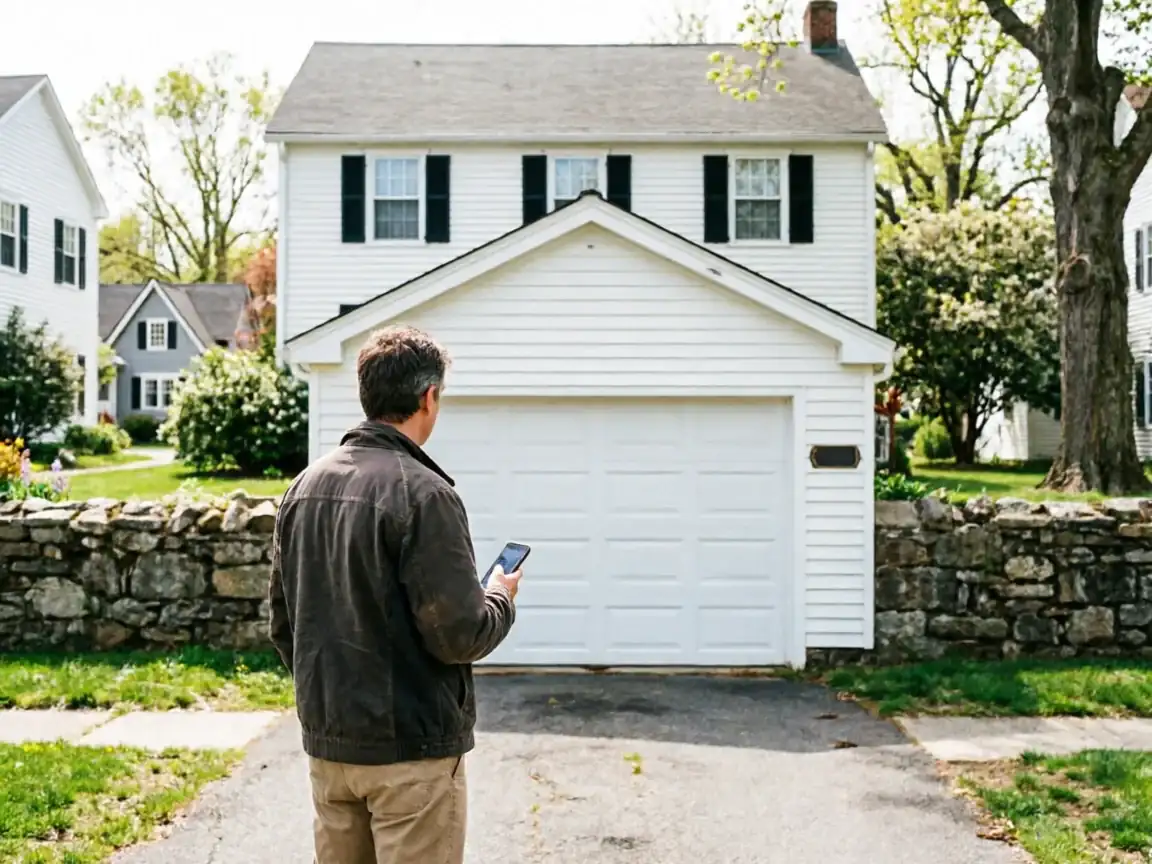
Hopatcong's housing stock runs a touch older than the service area as a whole - the median build year here sits at 1962, two years ahead of the 1964 median we see across the broader Randolph coverage area. That two-year gap doesn't sound like much until you're standing in front of an opening framed for a door that hasn't been made in decades. A lot of these 1962-era openings were cut for doors a few inches narrower or shorter than current standard sizes, which means a straight swap sometimes isn't a straight swap - it's a reframe. We quote the job after we see the opening, not before, because on a house this age the jamb condition decides more of the cost than the door panel does.
Income here runs lower than the Randolph-area median too - $114,057 against the broader area's $146,174 - and we keep that in mind when we walk a homeowner through steel versus insulated versus wood-composite options. There's no single right door for every budget, and we'd rather spec a solid steel door that fits the opening than push an upgrade that doesn't.
Doing It Yourself
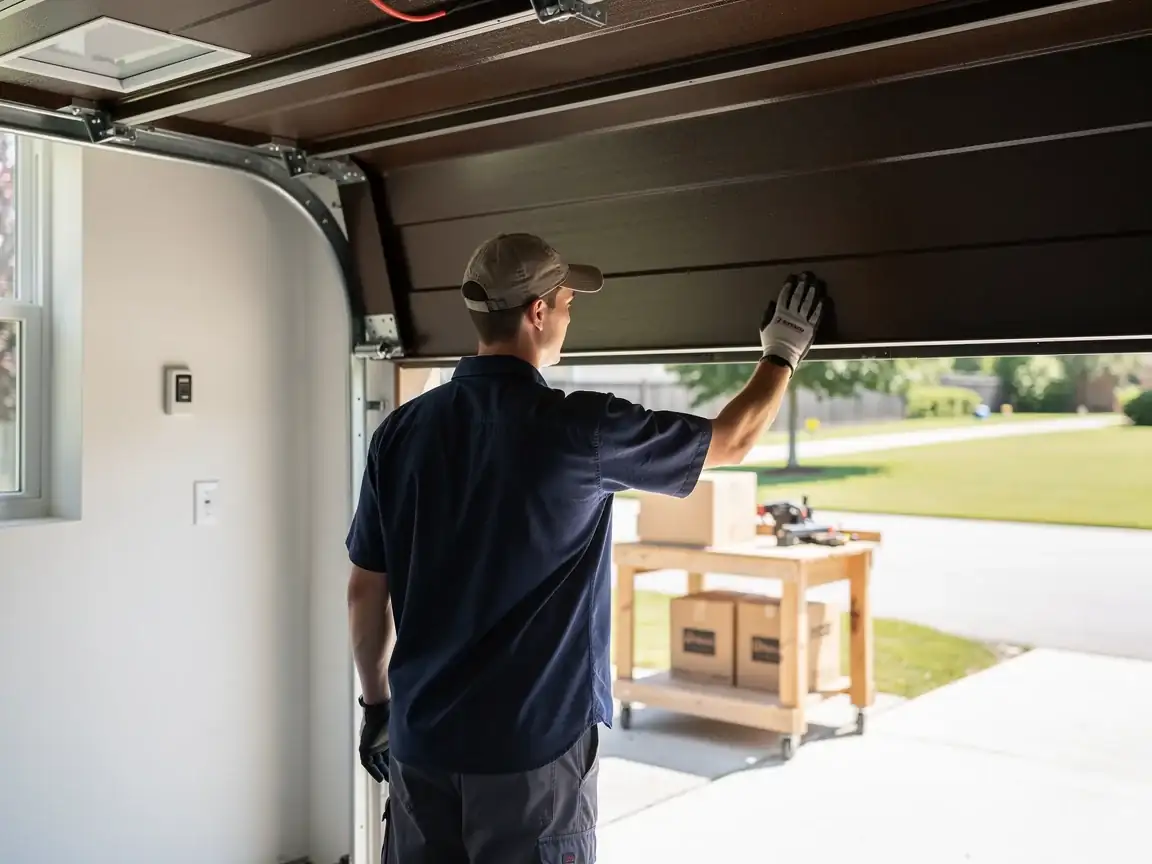
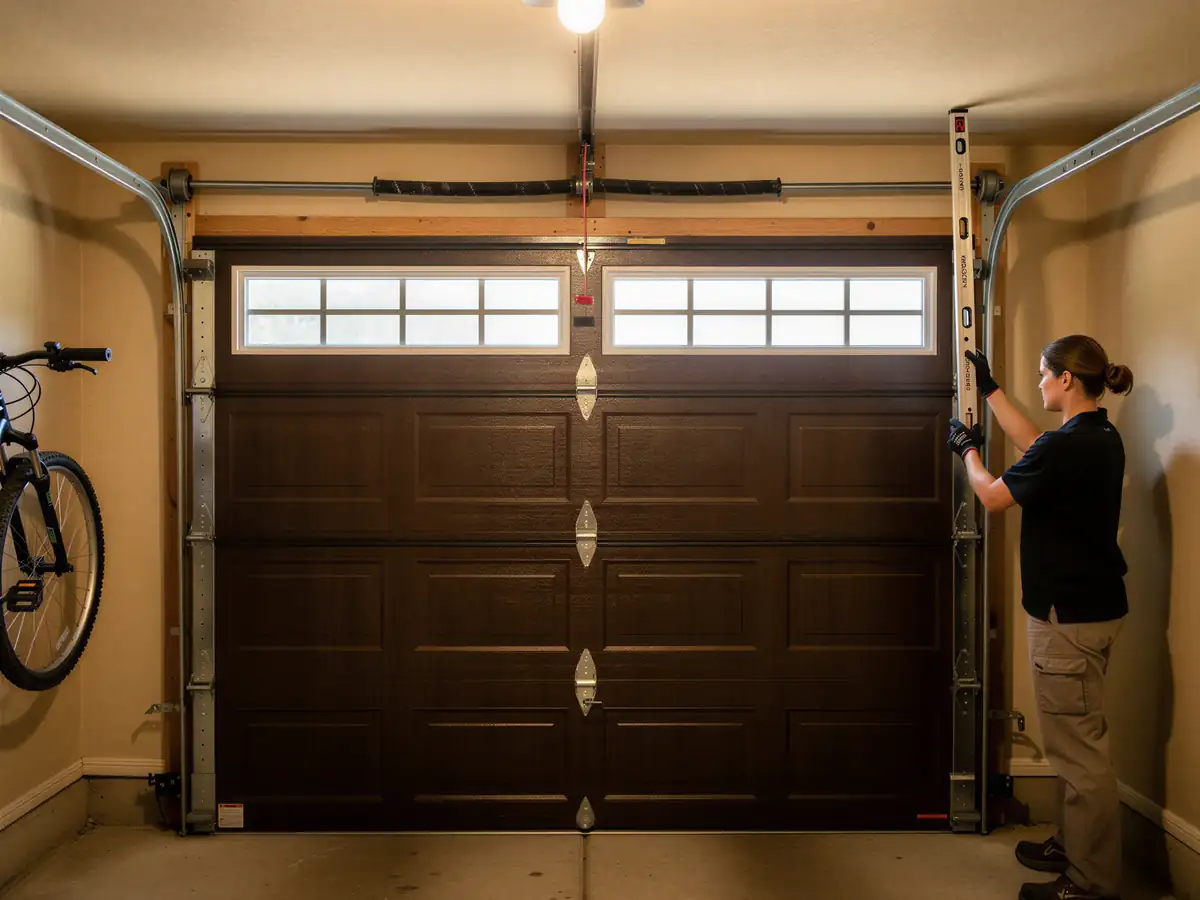
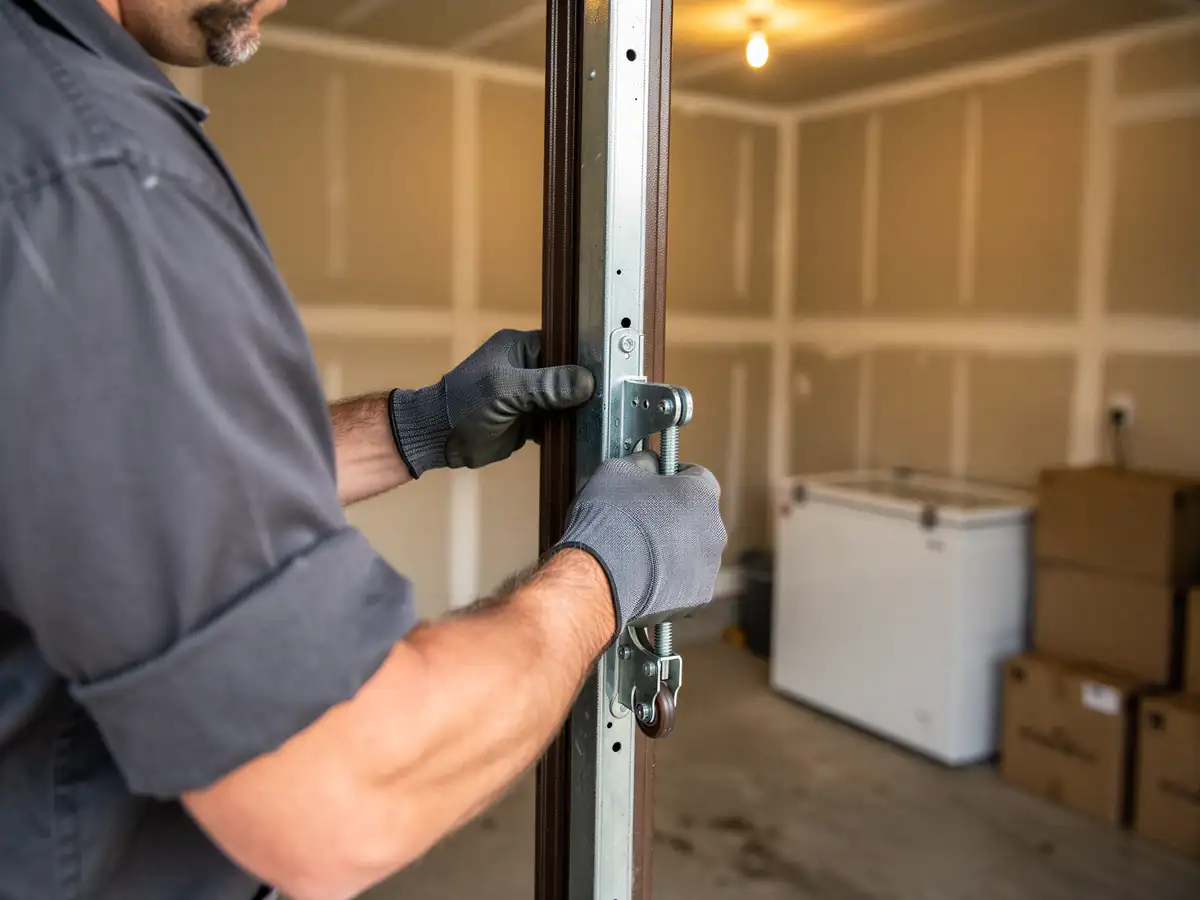
If you're set on doing this yourself, the main thing that trips people up on a house from this era is the track alignment against an opening that's settled over sixty-plus years. Framing shifts. What was square in 1962 is rarely square now, and a new door hung on an out-of-square jamb will bind on the rollers within a season. You can check this with a level on both side jambs before you order anything - if they're more than a half-inch off from plumb, budget for jamb work, not just a door.
We'll say plainly what we won't do: we don't talk anyone through a full install over the phone, and we don't sell doors for pickup without seeing the opening first. Too much on a house this age depends on what's actually behind the trim, and guessing wrong on a torsion spring size or a track length wastes more money than the service call would have.
How We Fix It
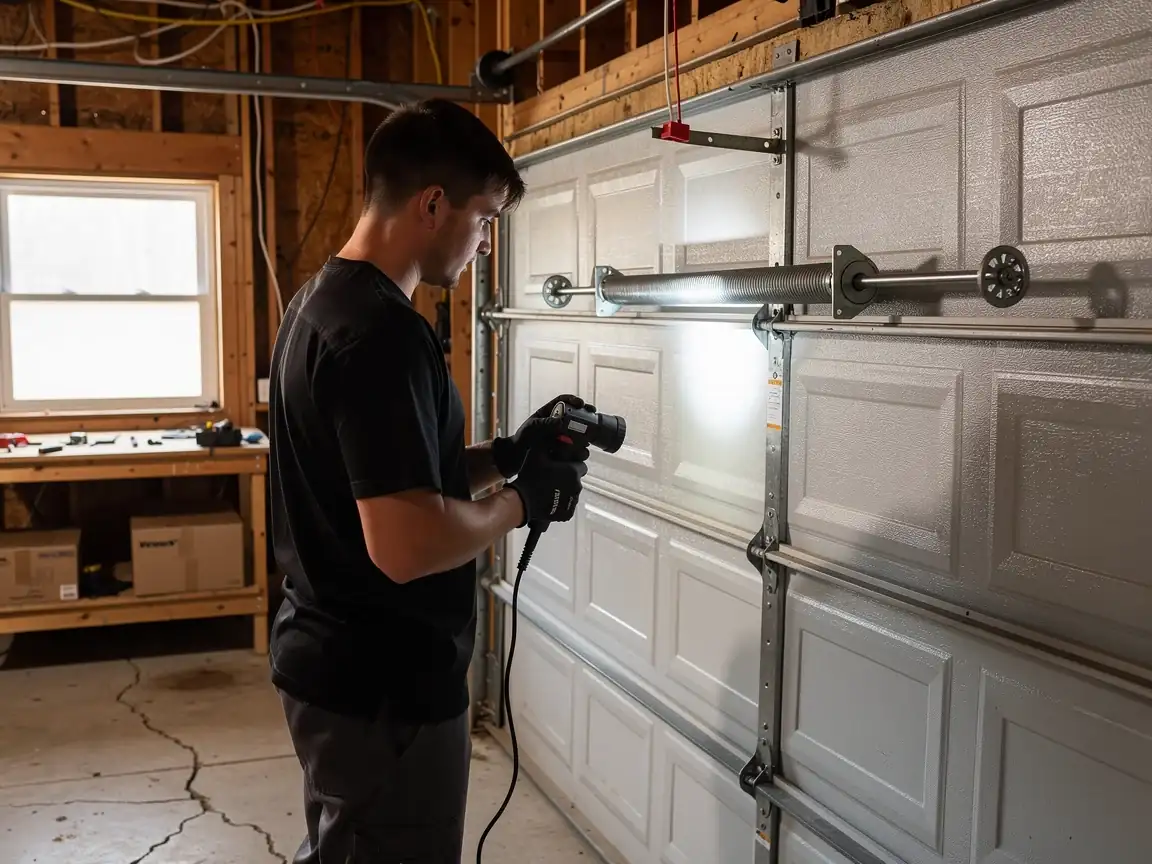
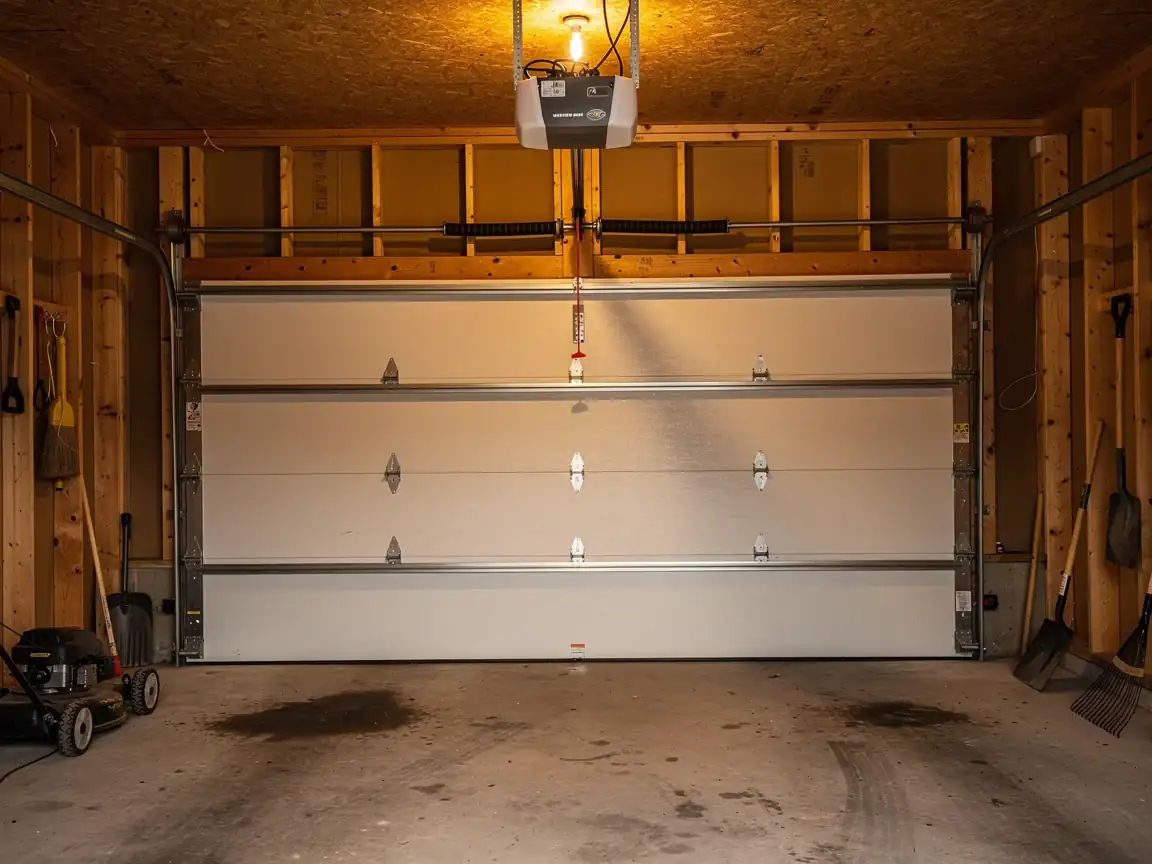
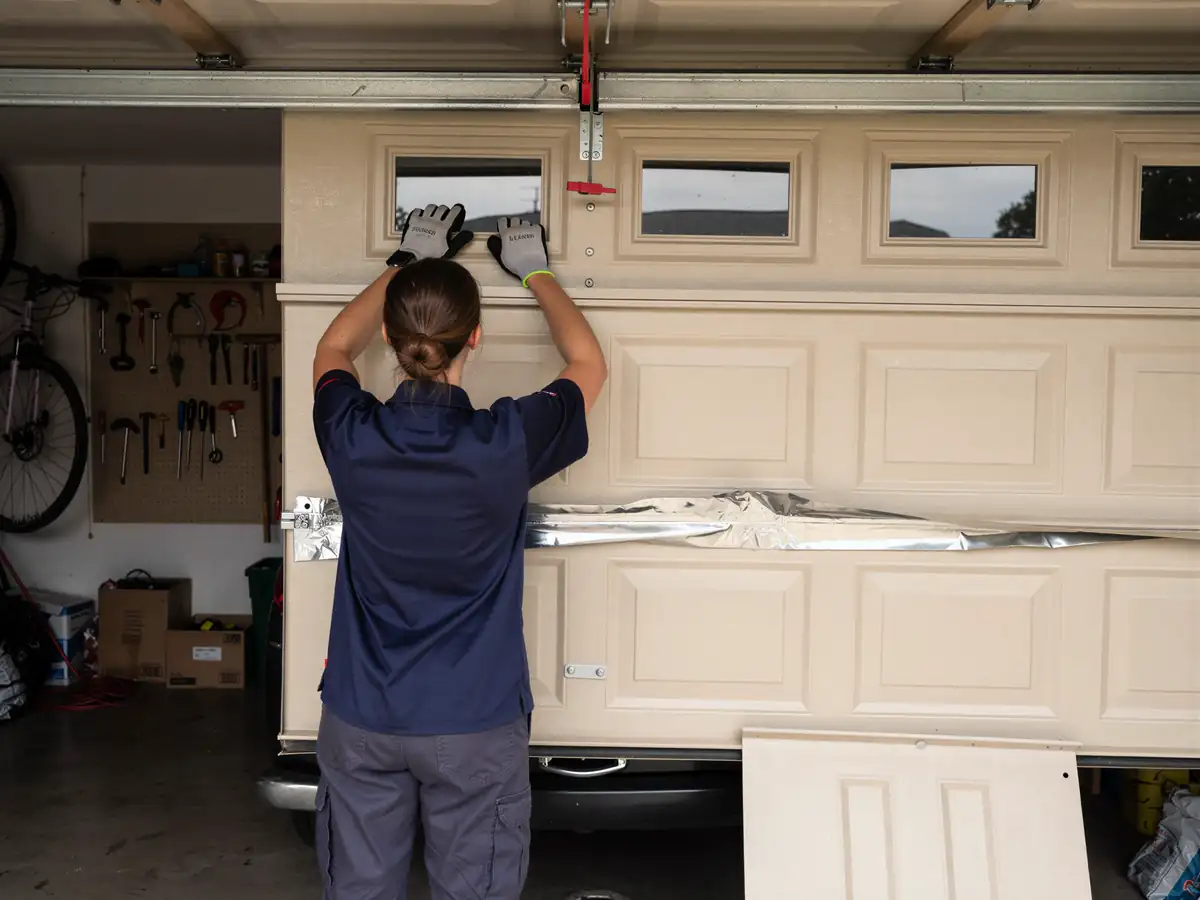
On a 1962-built opening, the first thing we check is headroom and backroom
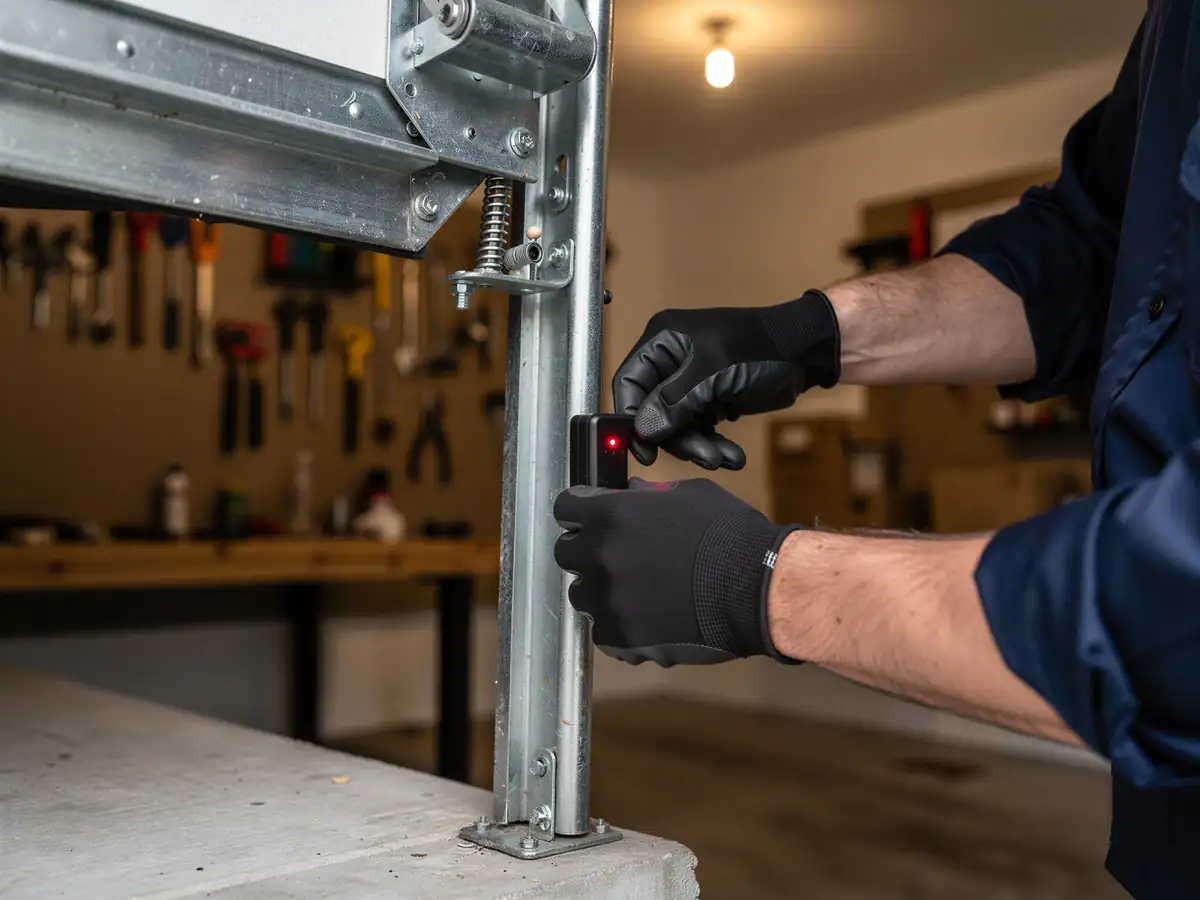
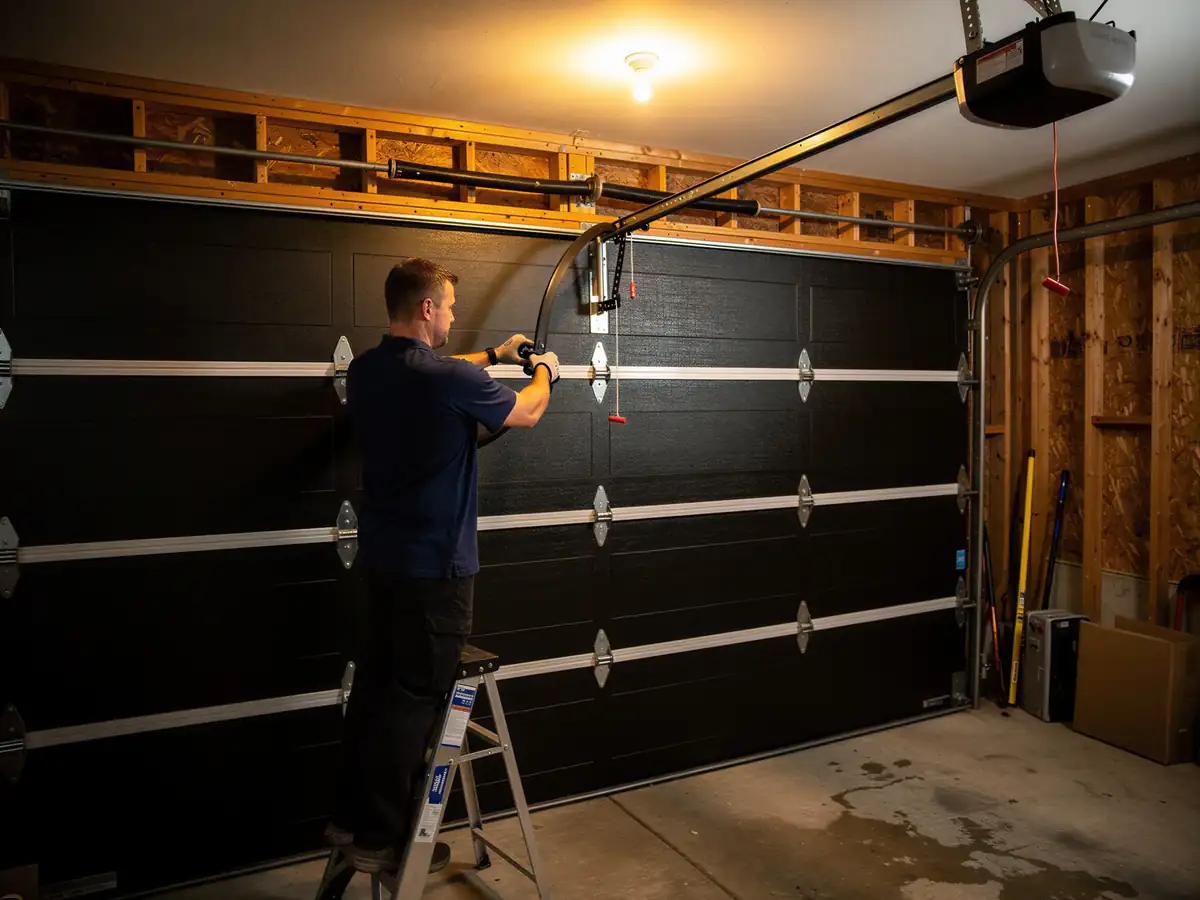
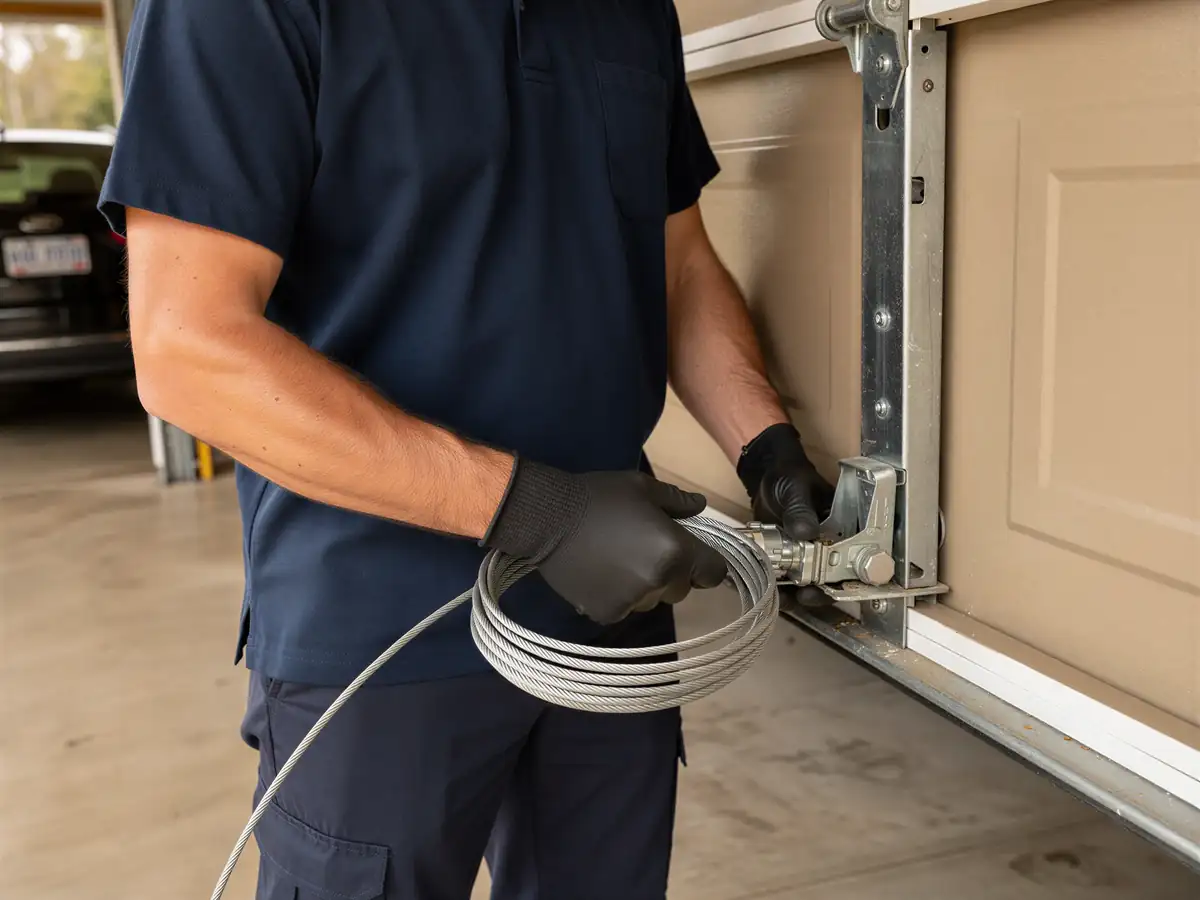
Because older framing sometimes doesn't clear modern torsion spring hardware without a low-headroom conversion kit. We measure, confirm the spring and cable sizing against the new door's weight, and set the track to match - not to a generic chart, but to what that specific opening needs. Climate matters here too: this area sits in a cold-climate band with the kind of severe winter swings that stress weatherstripping and bottom seals fast, so we size the door's bottom seal and astragal for that, not for a mild-winter spec sheet.
We travel out from Randolph for every Hopatcong install
There's no branch office in town, just a truck that comes when it's booked. That means we schedule the visit rather than drop in same-day, and we're upfront about that before you book.
What Is on the Truck
For a house in this age range we carry both standard and low-headroom torsion spring kits, because a 1962 opening can go either way depending on whether a prior owner already converted the hardware. We bring galvanized track in a couple of lengths, standard and high-lift conversion brackets, and insulated steel panel doors in the widths most common across the area's older openings - older framing here doesn't always match current standard door widths, so we carry adapter jamb kits rather than assume a direct fit.
What we don't carry on the truck: custom wood doors or anything built to a nonstandard size. Those are special-order, and if your opening needs one, we'll tell you the lead time up front rather than promise a date we can't hit.
Booking a Visit
We come out to Hopatcong from Randolph, about 8 miles, same as we do for Dover, Kenvil, and Wharton nearby. Because we're not based in town, we book the visit rather than show up unscheduled - tell us the door size and roughly how old the house is and we'll have a sense of what hardware to bring before the truck leaves. If you're not sure what you've got, a photo of the opening from inside the garage tells us most of what we need.