What You Pay
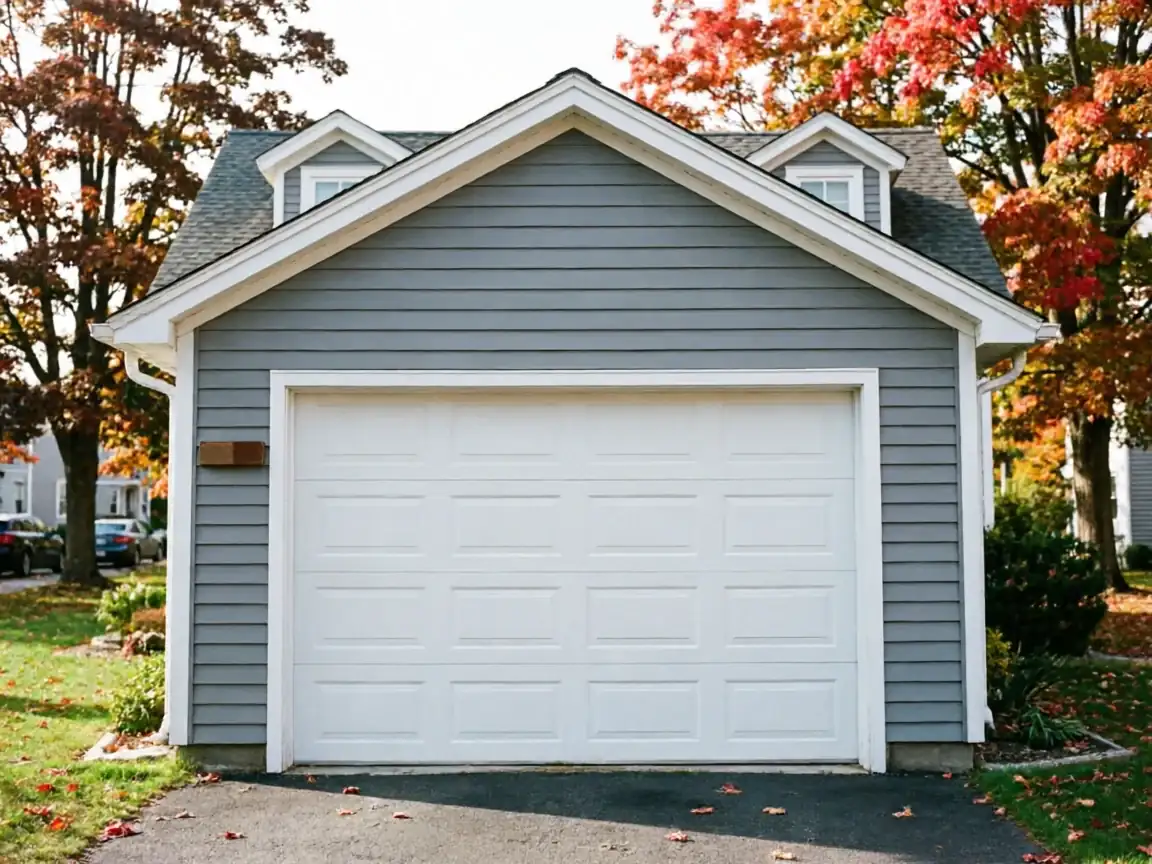
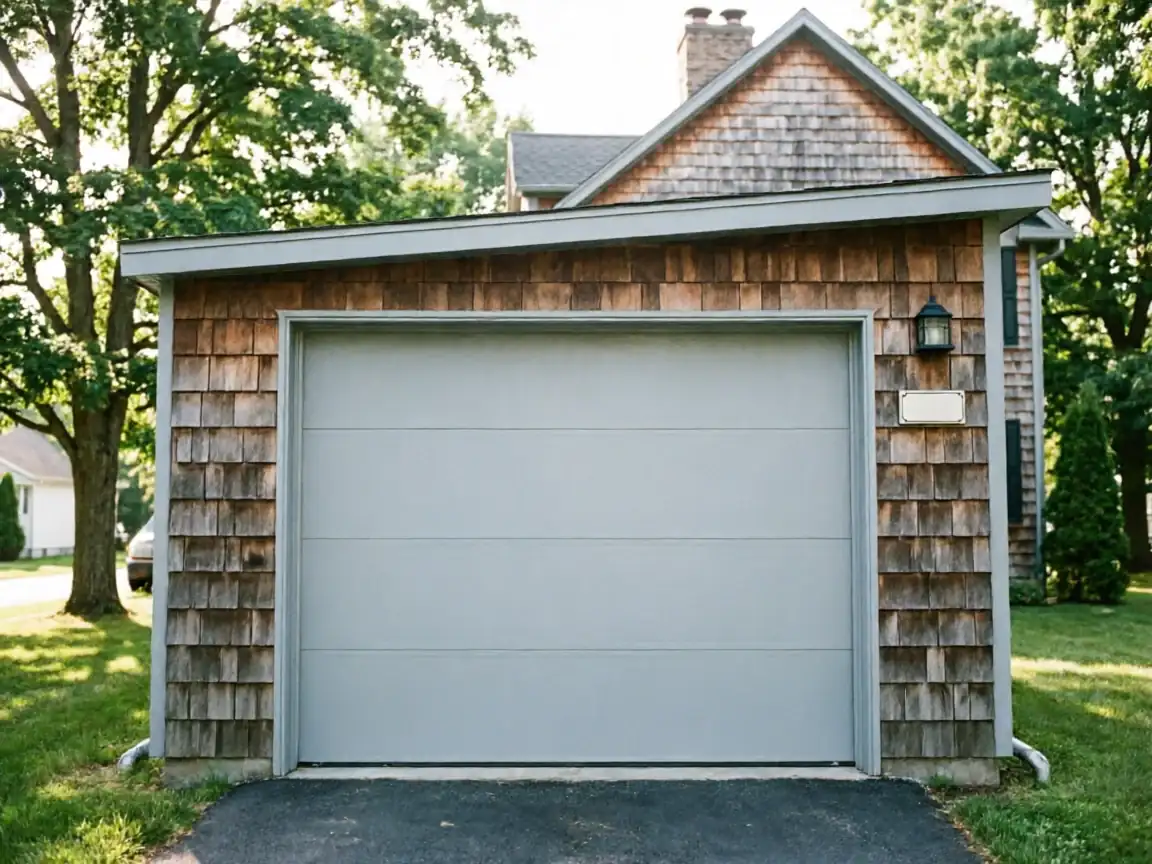
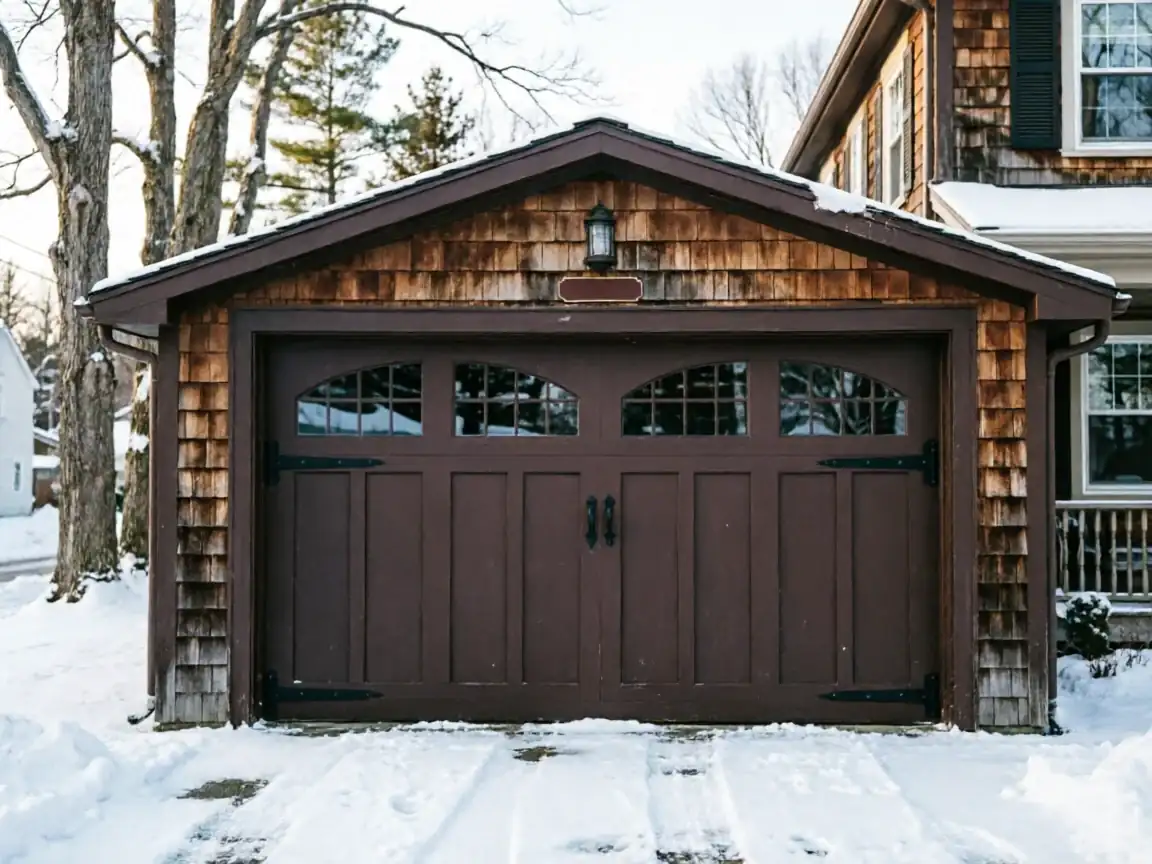
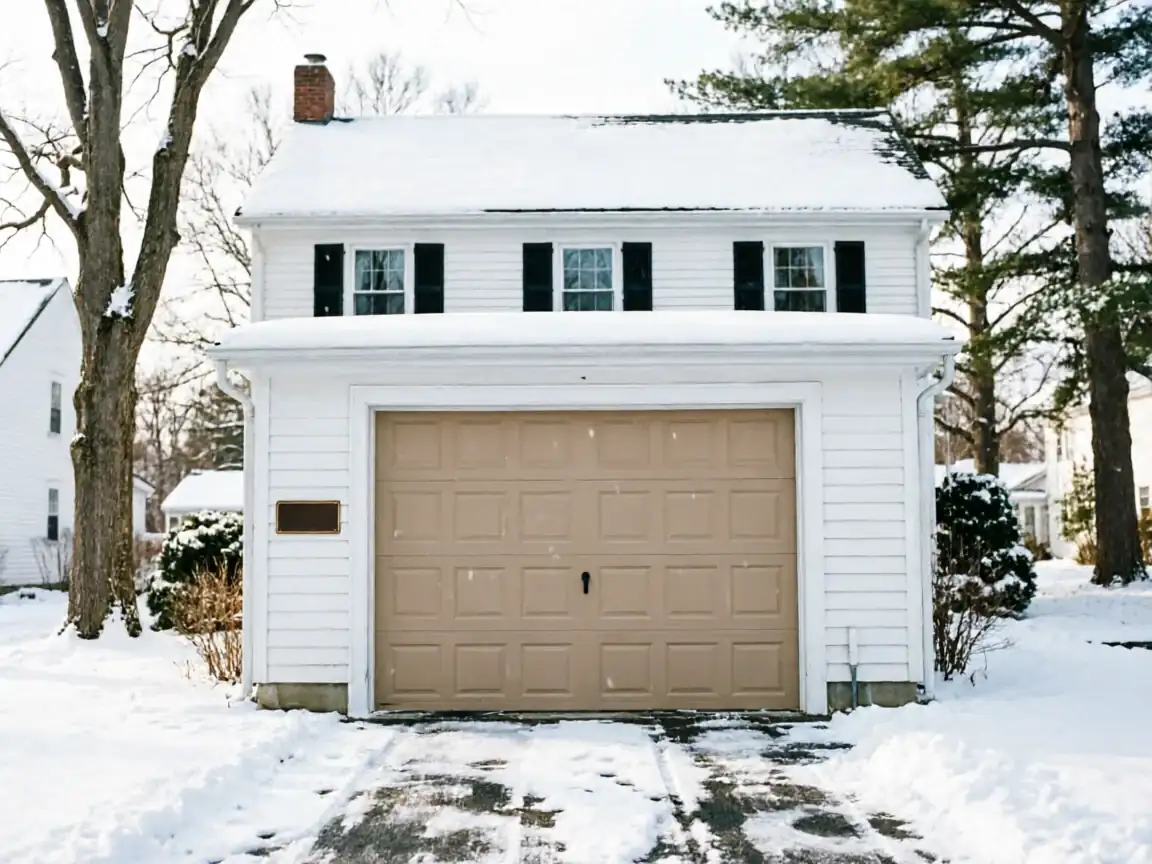
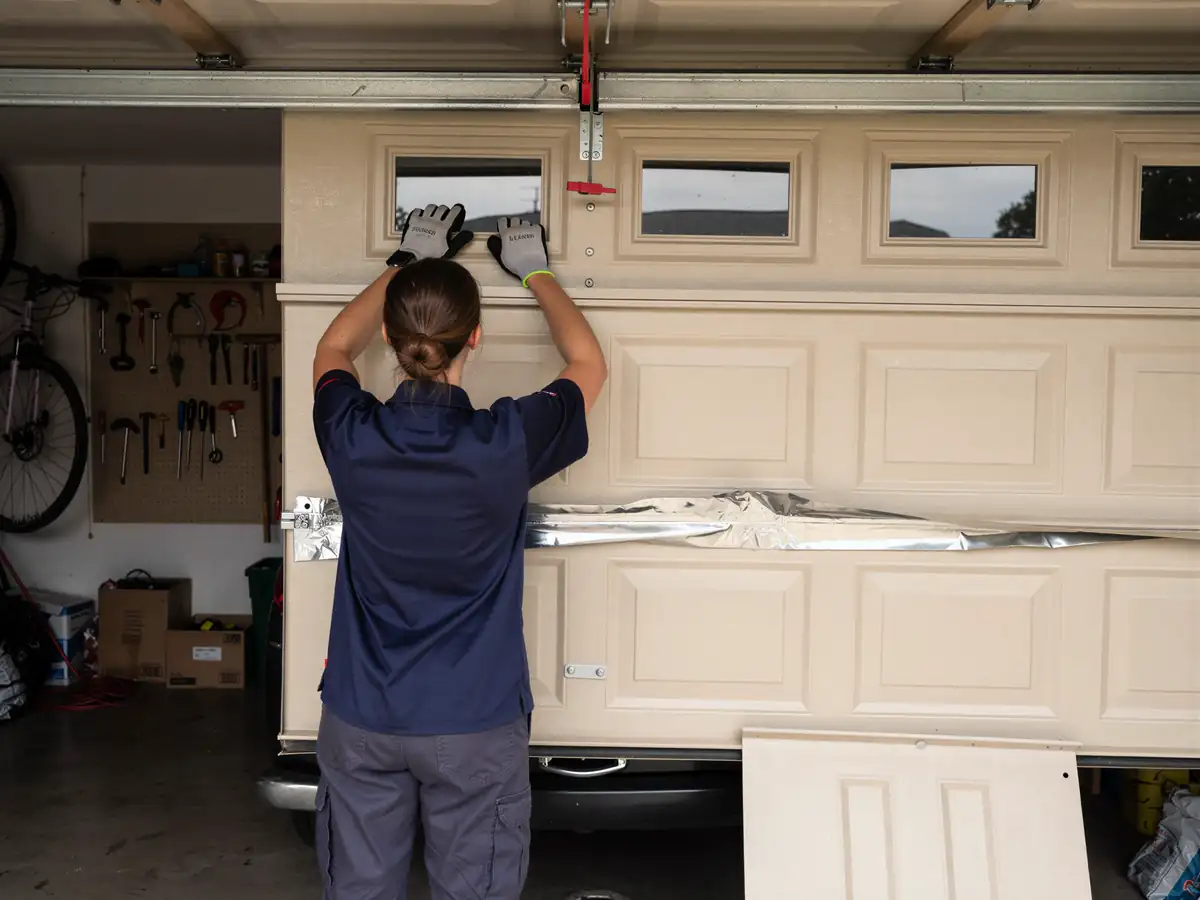
Before we talk price, we talk about the door the opener has to lift. Hopatcong's housing stock runs old - the median year built here is 1962, right in the middle of the 1938-1996 range we see across this whole area. A door that age is usually a single wood panel or an early steel face with no insulation layer behind it, hung on hardware nobody has made in decades. That changes what an opener install actually costs, because half the job is often getting the door itself ready to carry a modern motor safely - new brackets, sometimes a new spring set rated for the door's real weight, not the weight the original hardware assumed.
Hopatcong's median household income is $114,057, well under the $146,174 median across the wider area we cover from Randolph. That gap is part of why we carry a mid-tier opener line as the standard recommendation here, not just the premium belt-drive units, and we'll tell you plainly when the cheaper chain-drive does the same job on a door this size. We quote the opener and any hardware work as separate lines, so you can see what's install and what's repair.
Doing It Yourself
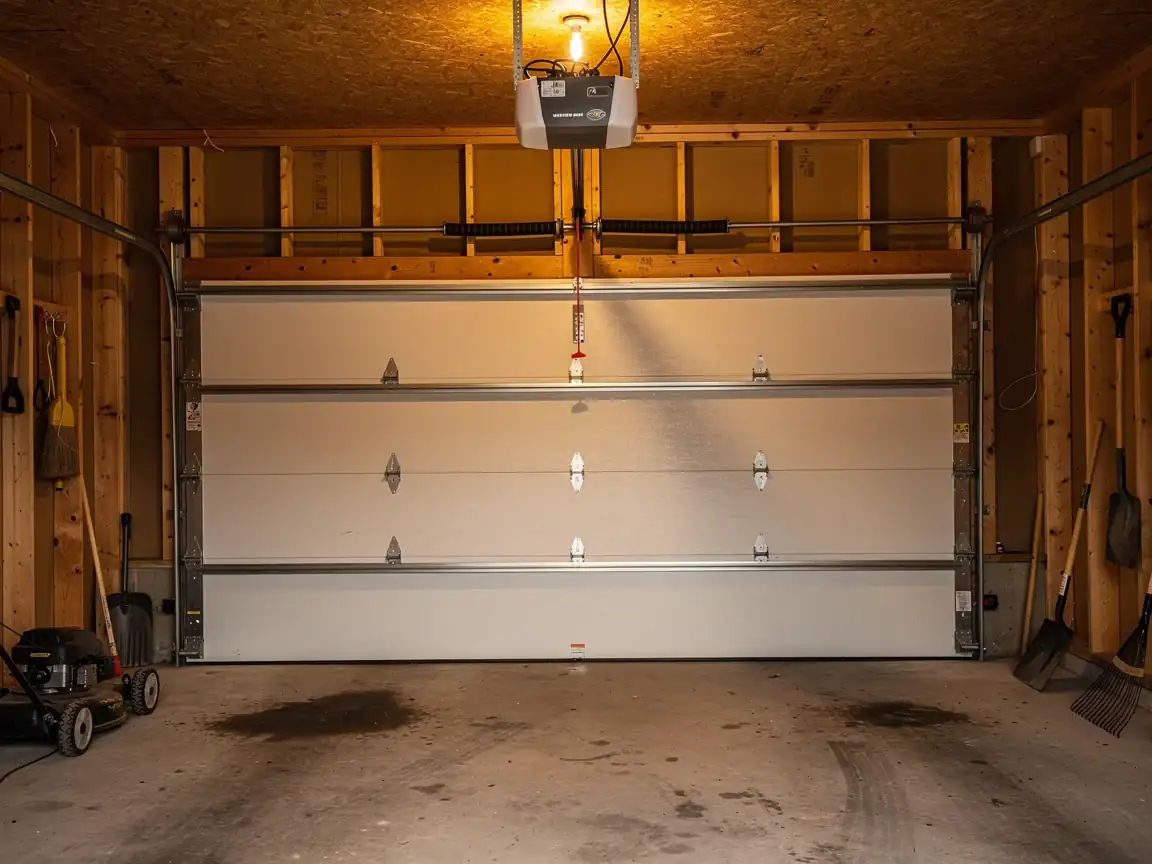
A boxed opener kit assumes a door built to current spec - balanced springs, square tracks, a header with enough clearance for the rail. A door from 1962 doesn't always give you that. The travel limits on an original jamb often sit a few inches off from where a new opener's sensors expect them, and a lot of these older doors were never drilled for a modern safety reversal sensor bracket at all.
We're not going to tell you it can't be done - plenty of people manage a straightforward swap on a door that's already square and properly sprung. But on a door this old, the part that usually goes wrong isn't the opener wiring, it's discovering mid-install that the top section is cracked, or the track is bent just enough that the carriage binds under load. If that happens with the old opener already pulled off the ceiling, you're stuck with a door that won't open by hand either. If you want a second opinion before you start, or just want someone to look at the door first, that's a shorter call than an install.
How We Fix It
We start at the door, not the opener box
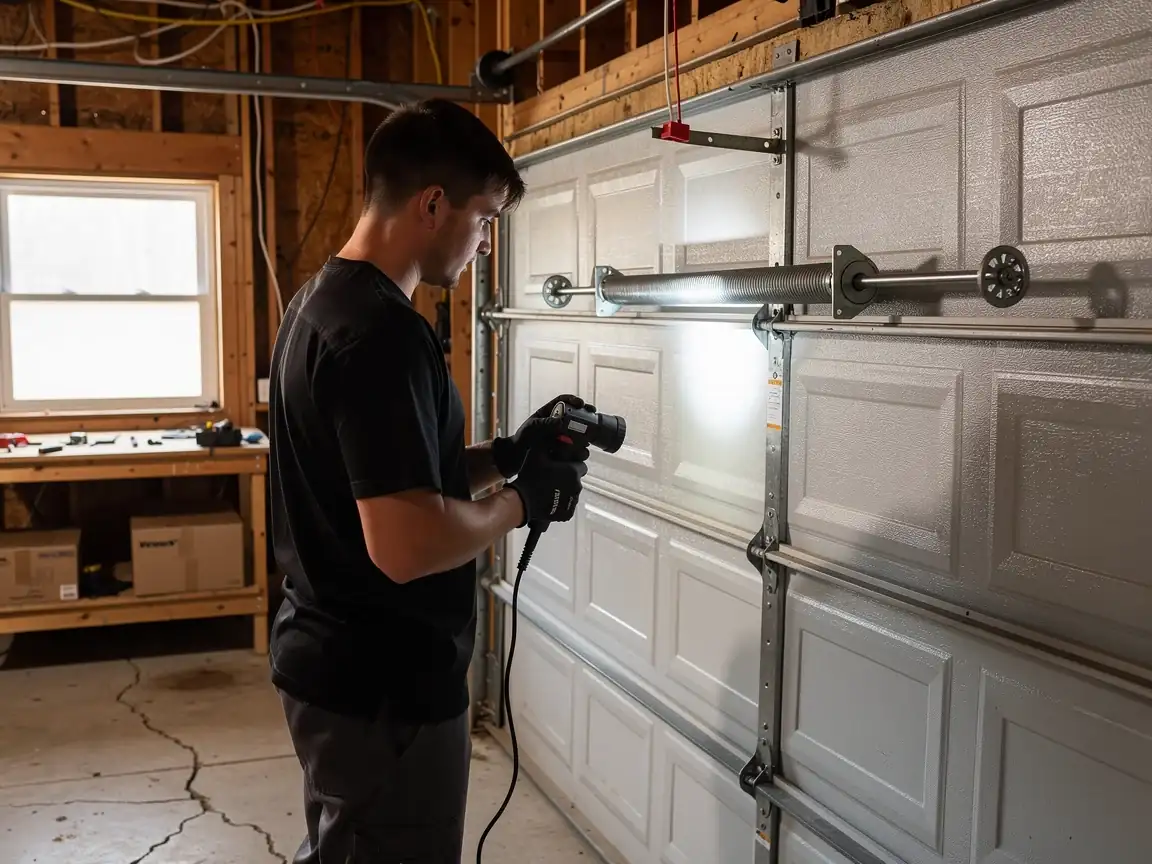
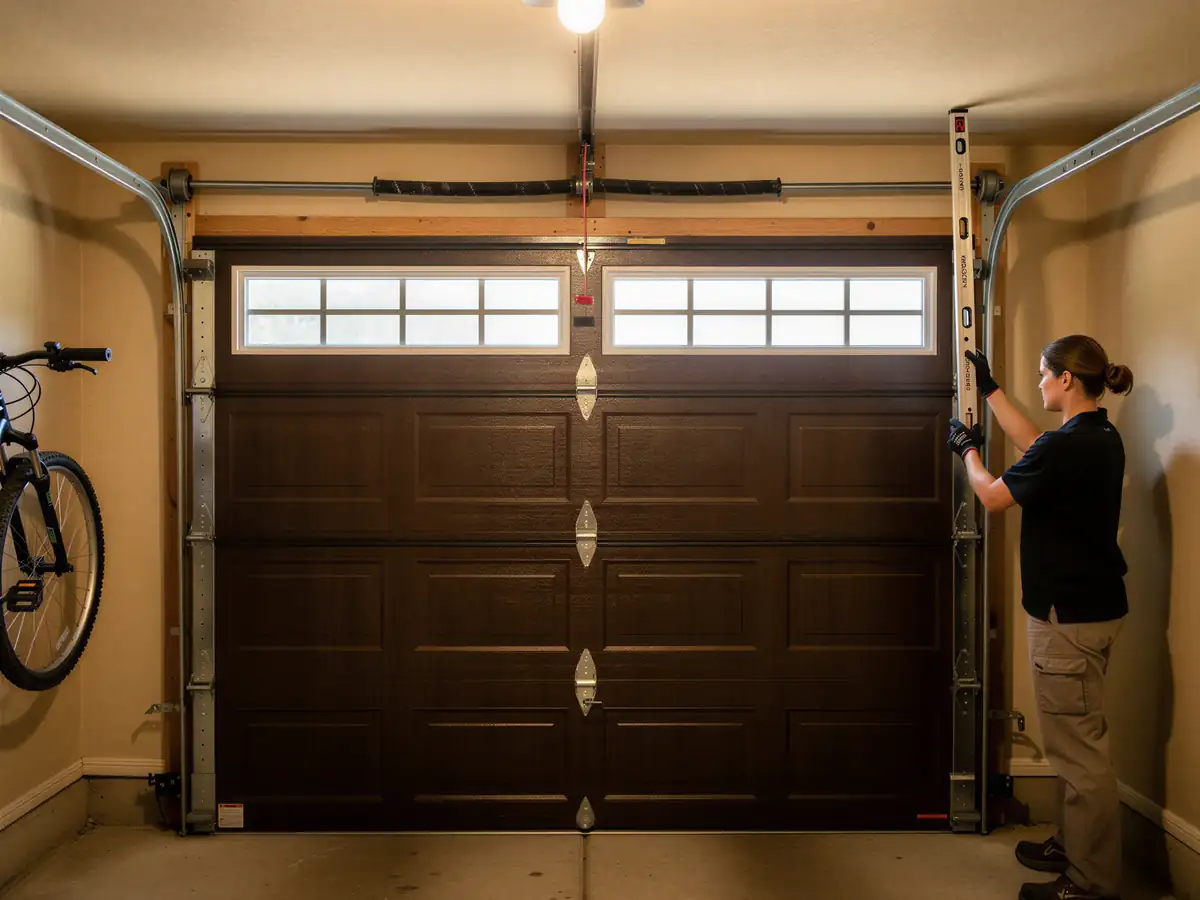
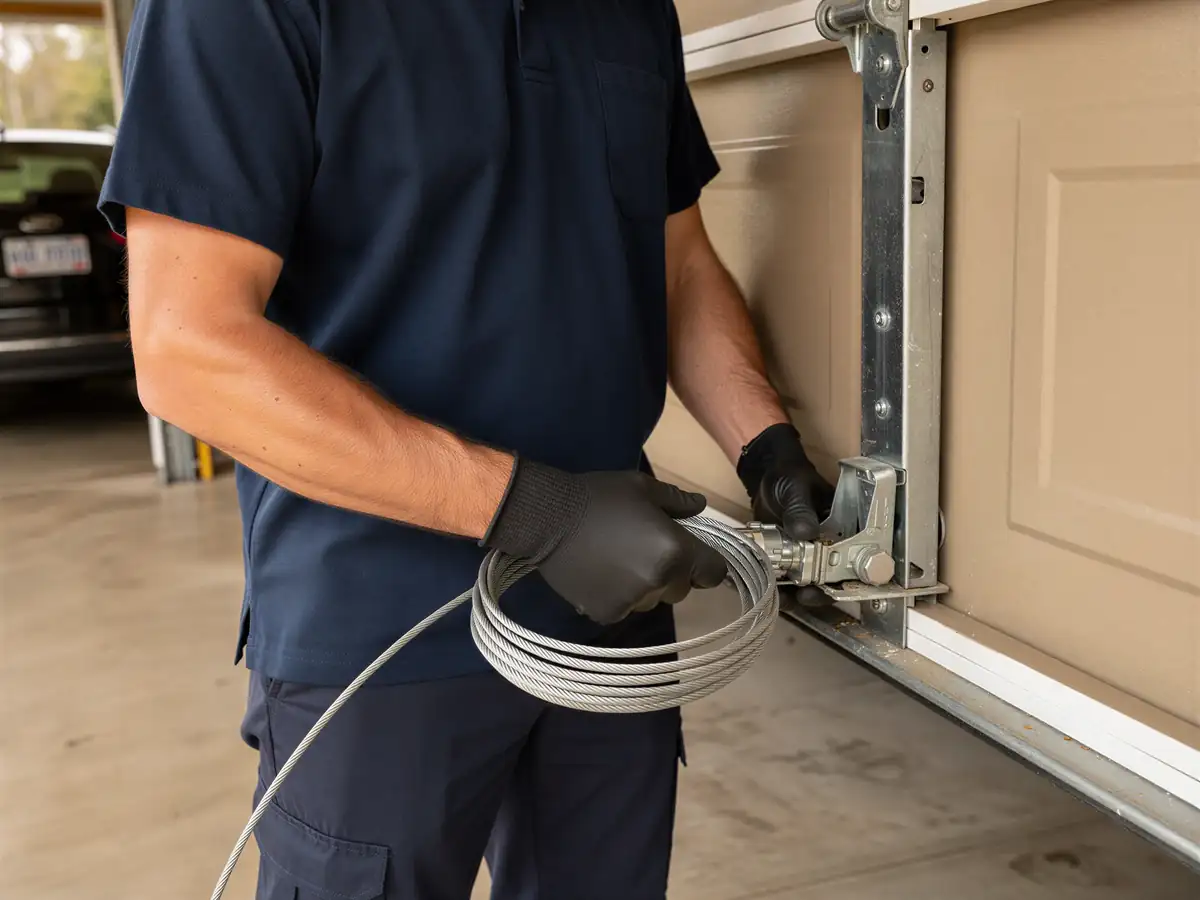
On a 1962-era door we check the spring weight against the door's actual mass - original torsion springs on doors this age were sized for the hardware of the time, and if a previous repair swapped in a mismatched spring, a new opener will fight it every cycle and burn out early. This area sits in a cold-climate zone with hard winters, and cold makes stiff old lift cables and dry rollers worse, not better, right when the opener is working hardest.
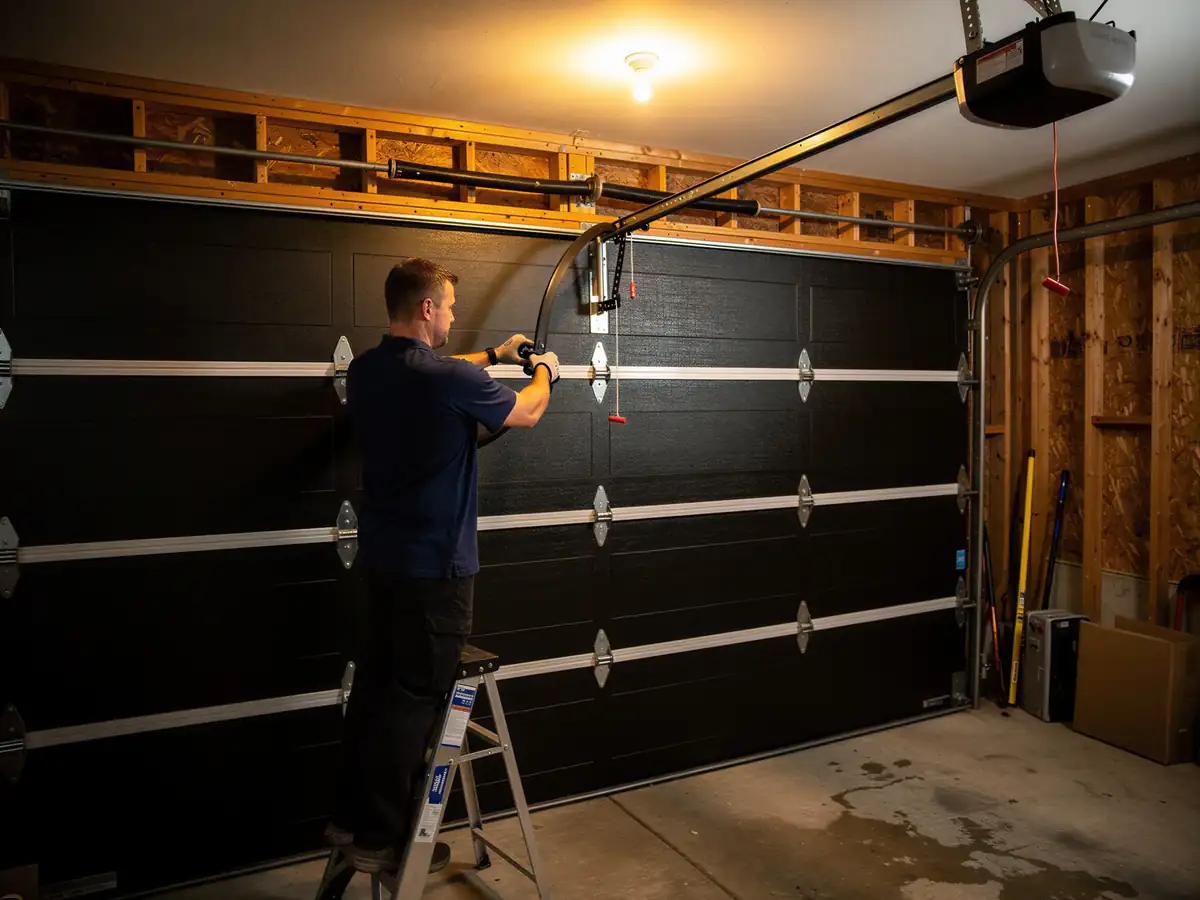
From there we mount the rail, set the travel limits to the door's real top and bottom
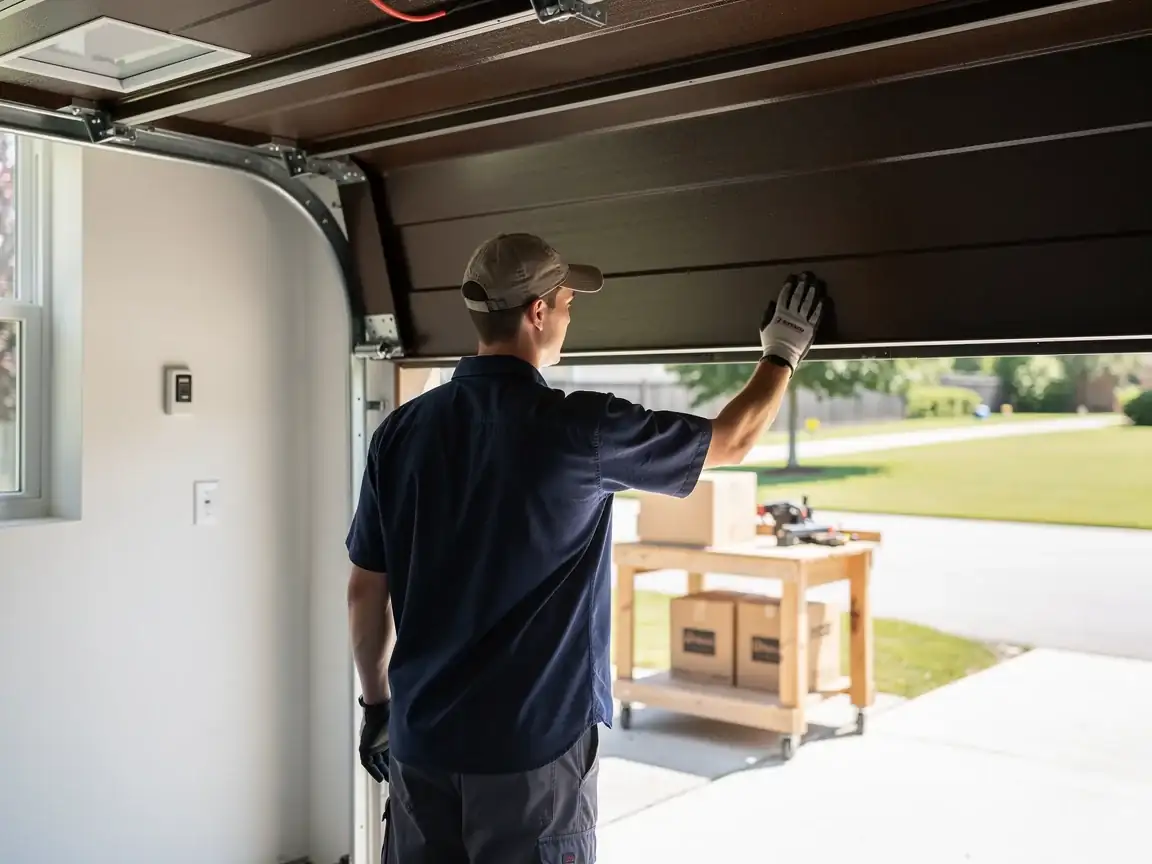
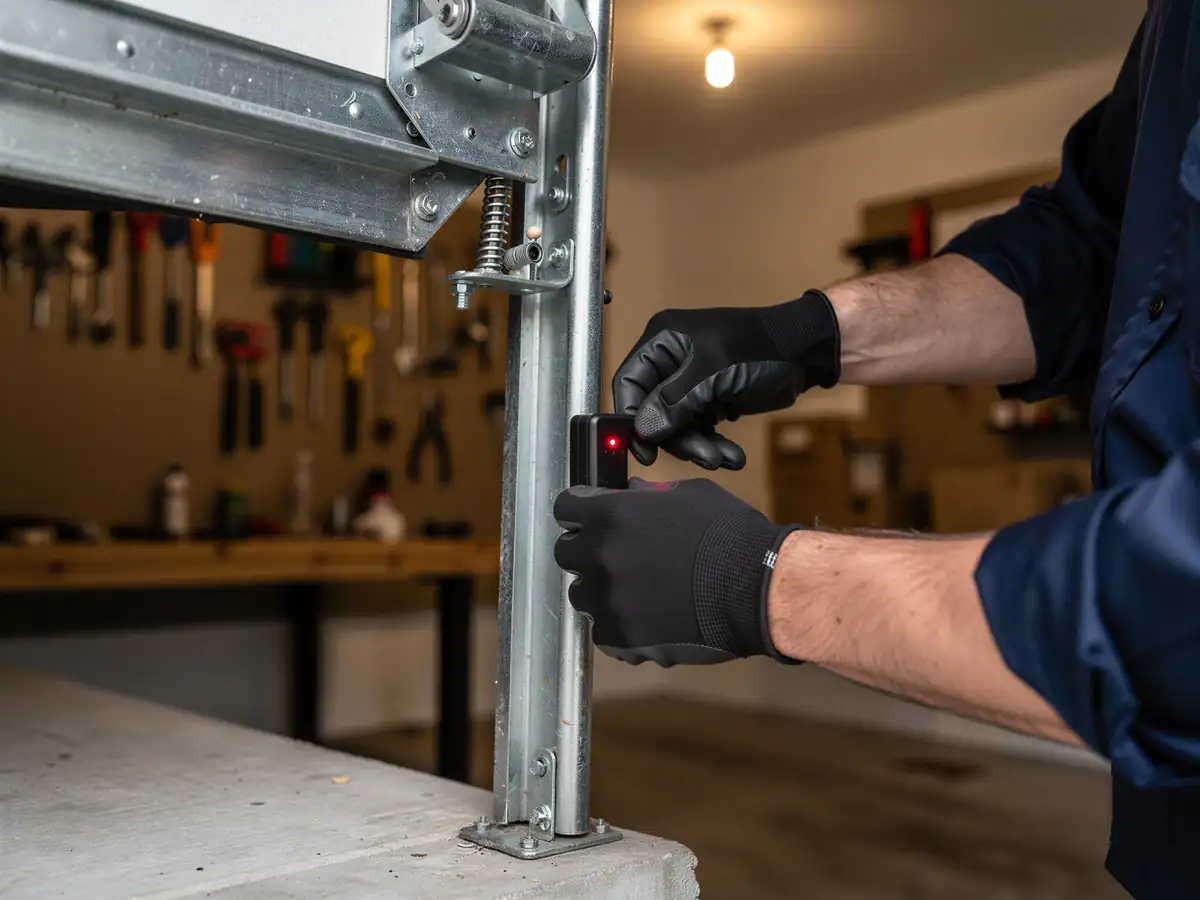
And wire in a safety reversal sensor pair if the door doesn't already have one - a lot of these older doors in Hopatcong were built before that was required. We test force settings by hand before we test them with the remote. A door this age sometimes needs a new bottom bracket or a reinforced top section to hold the opener's attachment point properly, and we'll show you that before we bolt anything to it, not after.
What Is on the Truck
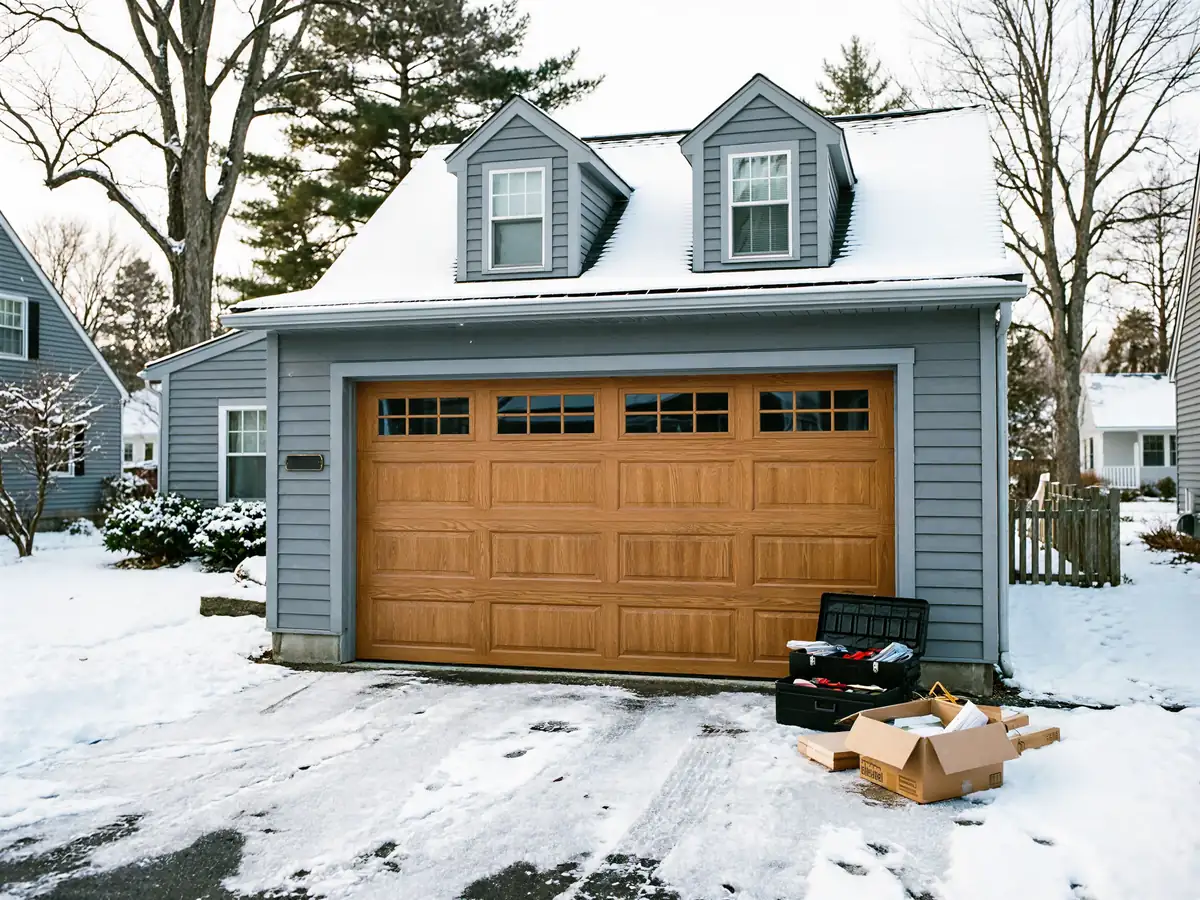
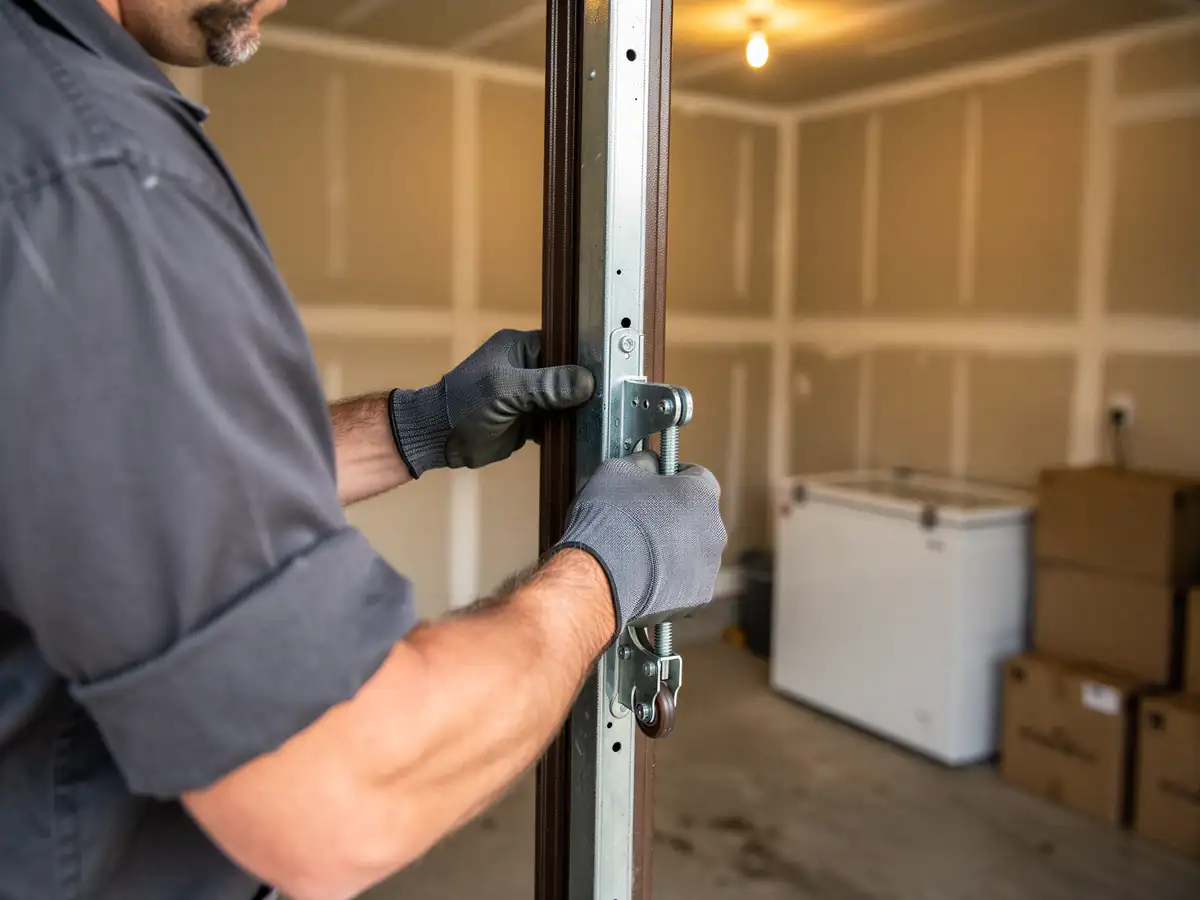
Because we're driving in from Randolph, about 8 miles out, the truck carries what fits most of what we see on this stretch - openers in a couple of horsepower and drive-type options, standard rail lengths, and the brackets and reinforcing struts that older single-panel doors usually need before an opener goes on. What we don't stock is every spring size for every nonstandard door; this area has enough variety in door width and spring configuration, left over from decades of piecemeal repairs, that an unusual torsion spring can mean a second trip while we order the right one.
We'd rather tell you that up front than pretend every job finishes in one visit. If your opener install turns out to need a spring we don't have on the truck, we'll say so at the door, not after we've started pulling the old unit down.
Booking a Visit
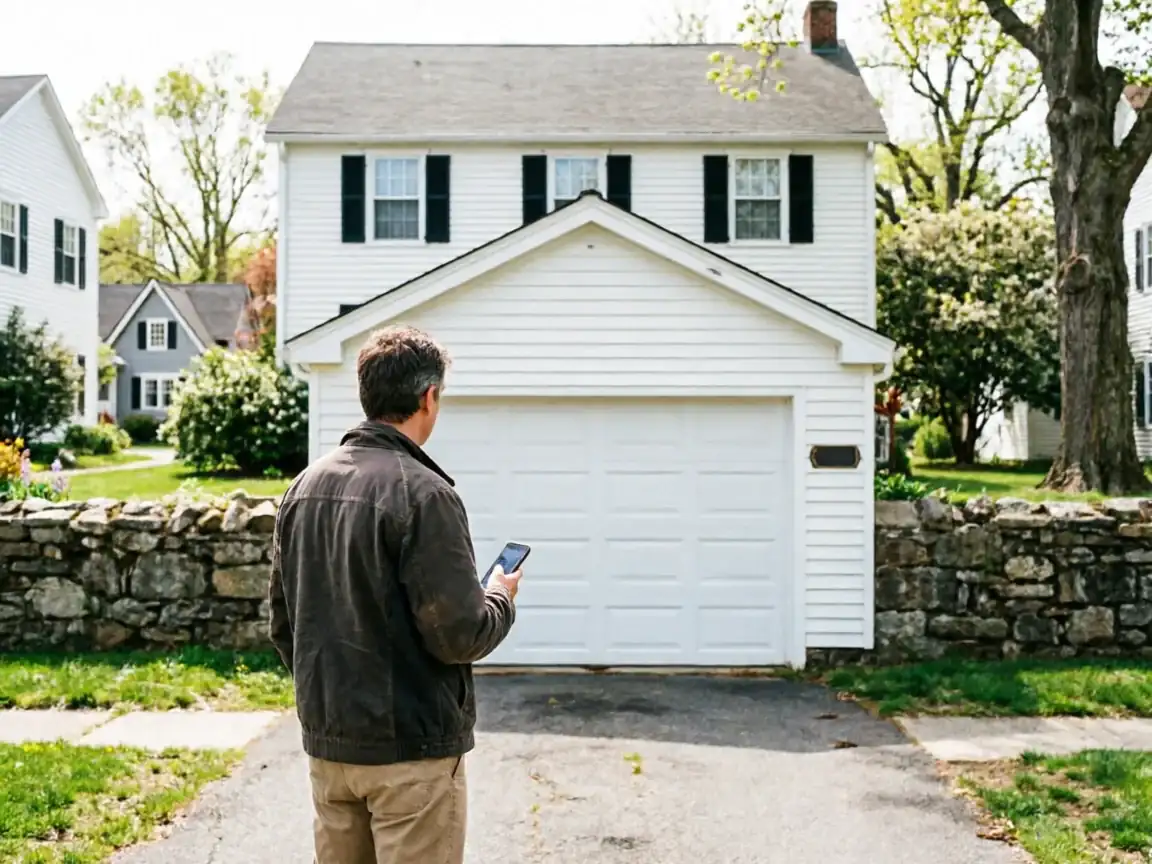
We schedule Hopatcong openers jobs in blocks out of Randolph rather than treating each one as a separate trip, which keeps the travel cost off your invoice. Tell us the door's rough age and whether it's single or double width when you call - on a town built mostly in the early 1960s, that's usually enough for us to bring the right rail length and bracket set the first time. If you're not sure what you have, a quick look at the door from the driveway tells us more than a model number ever does, since most of these original doors never had one printed anywhere visible.