What Is on the Truck
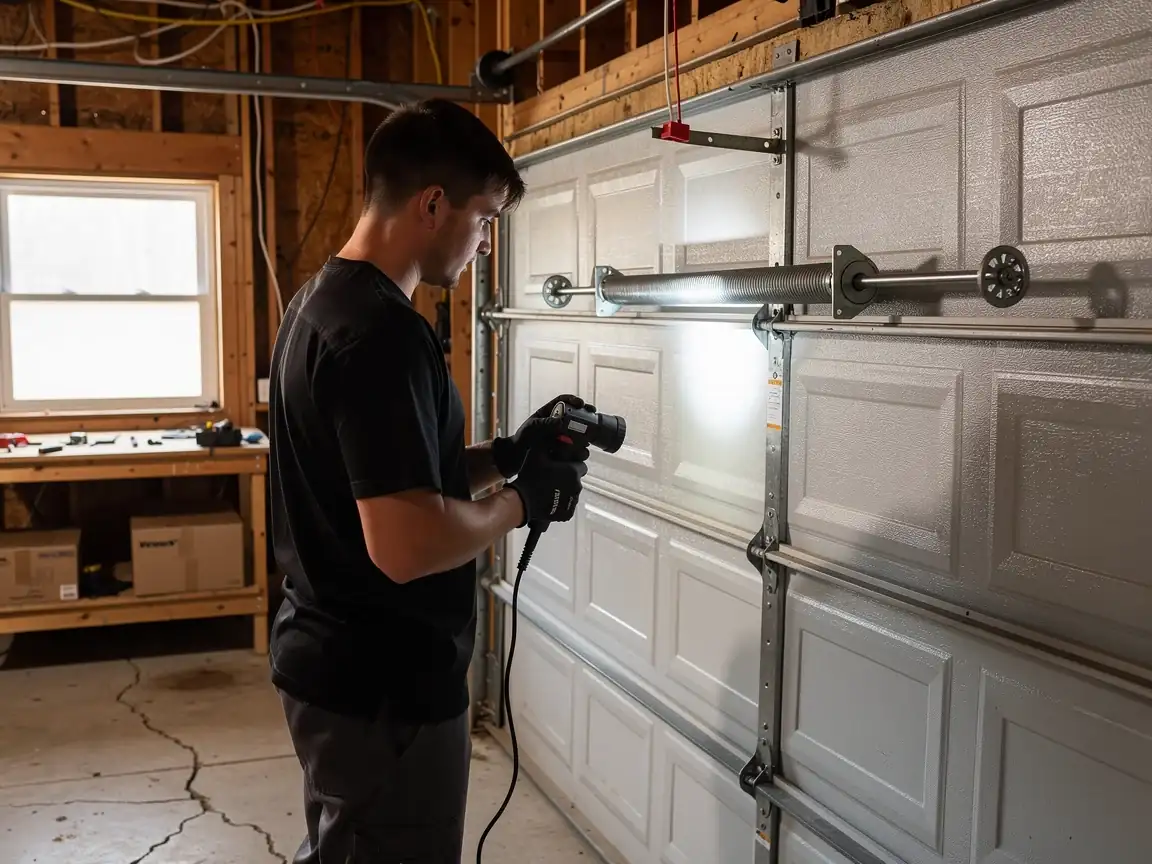
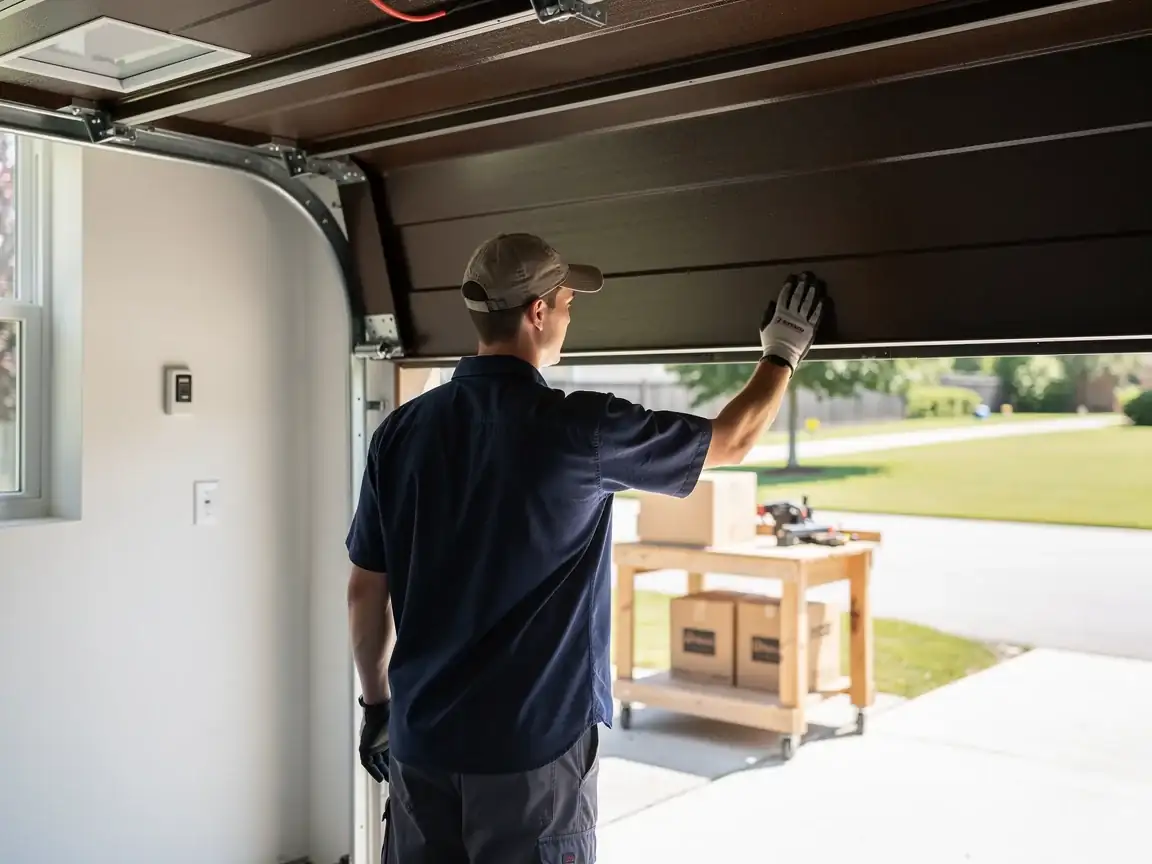
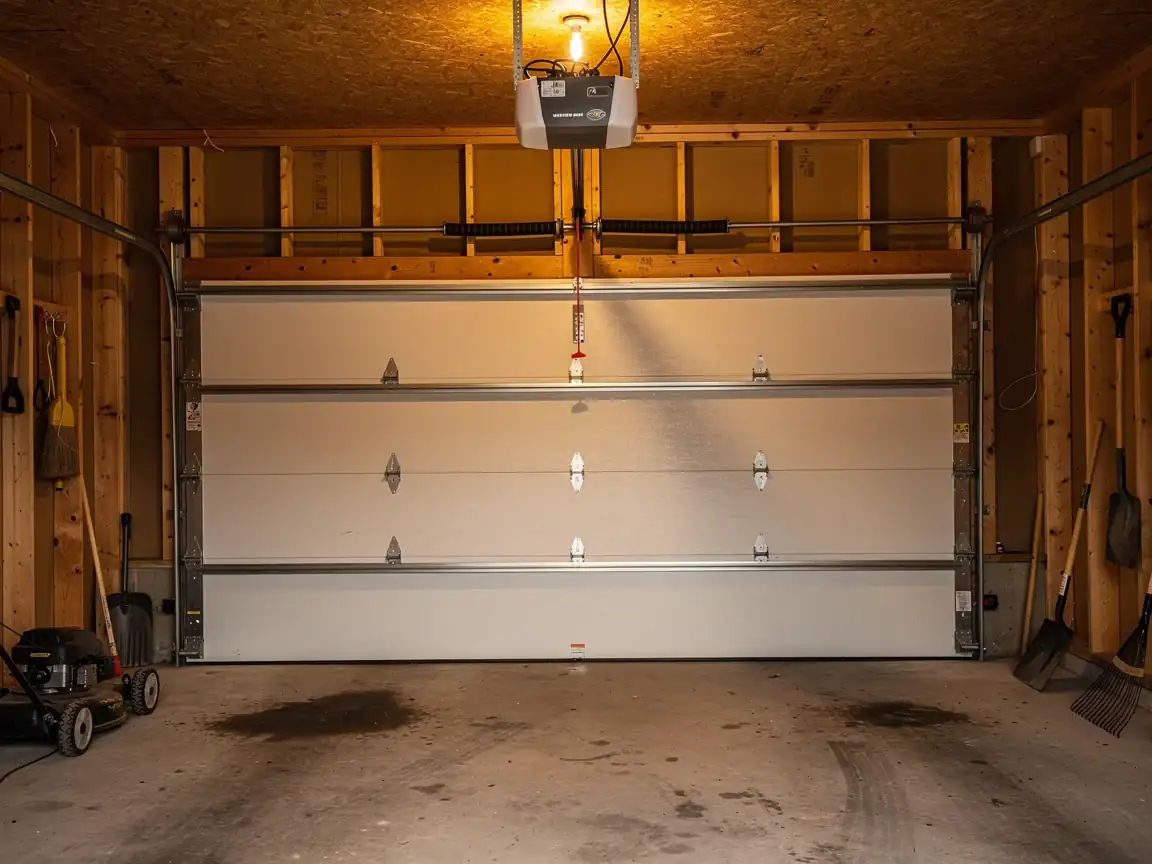
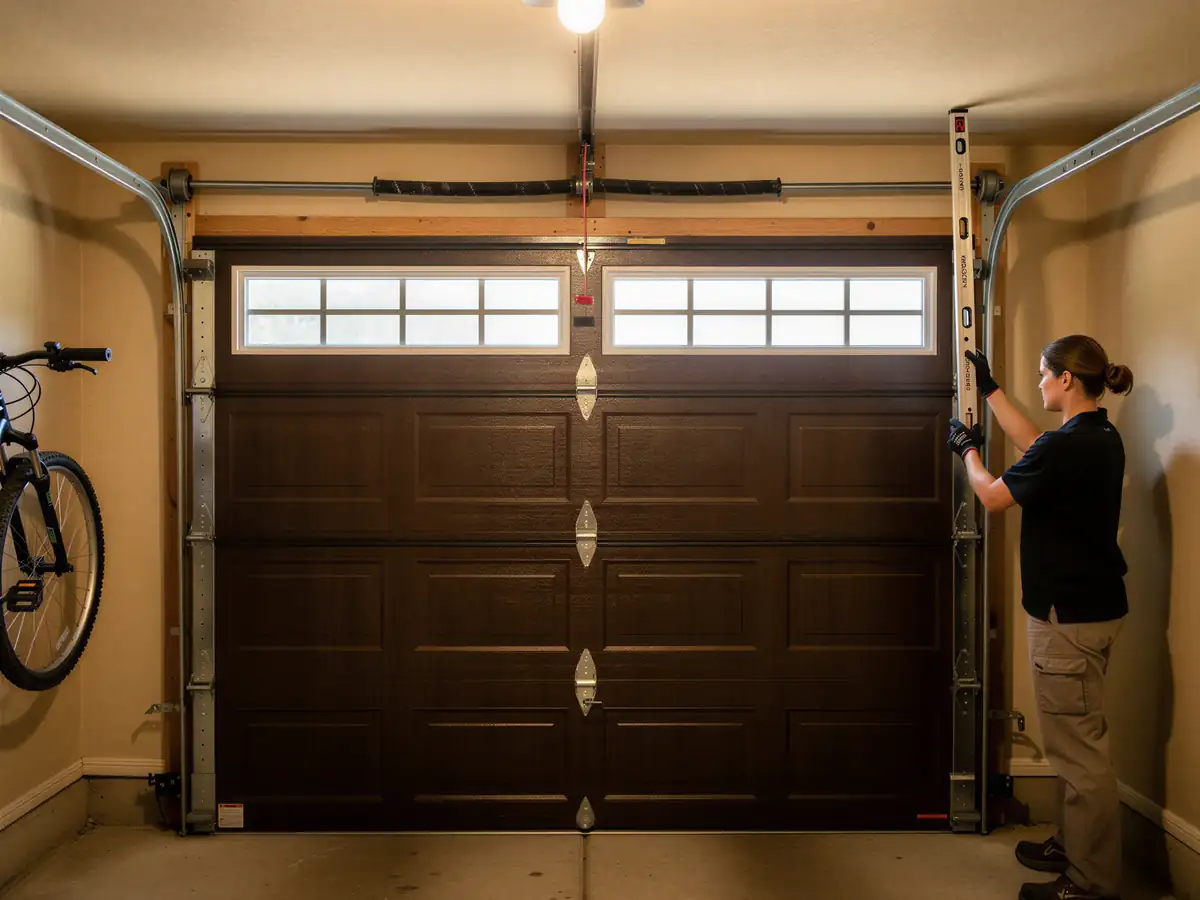
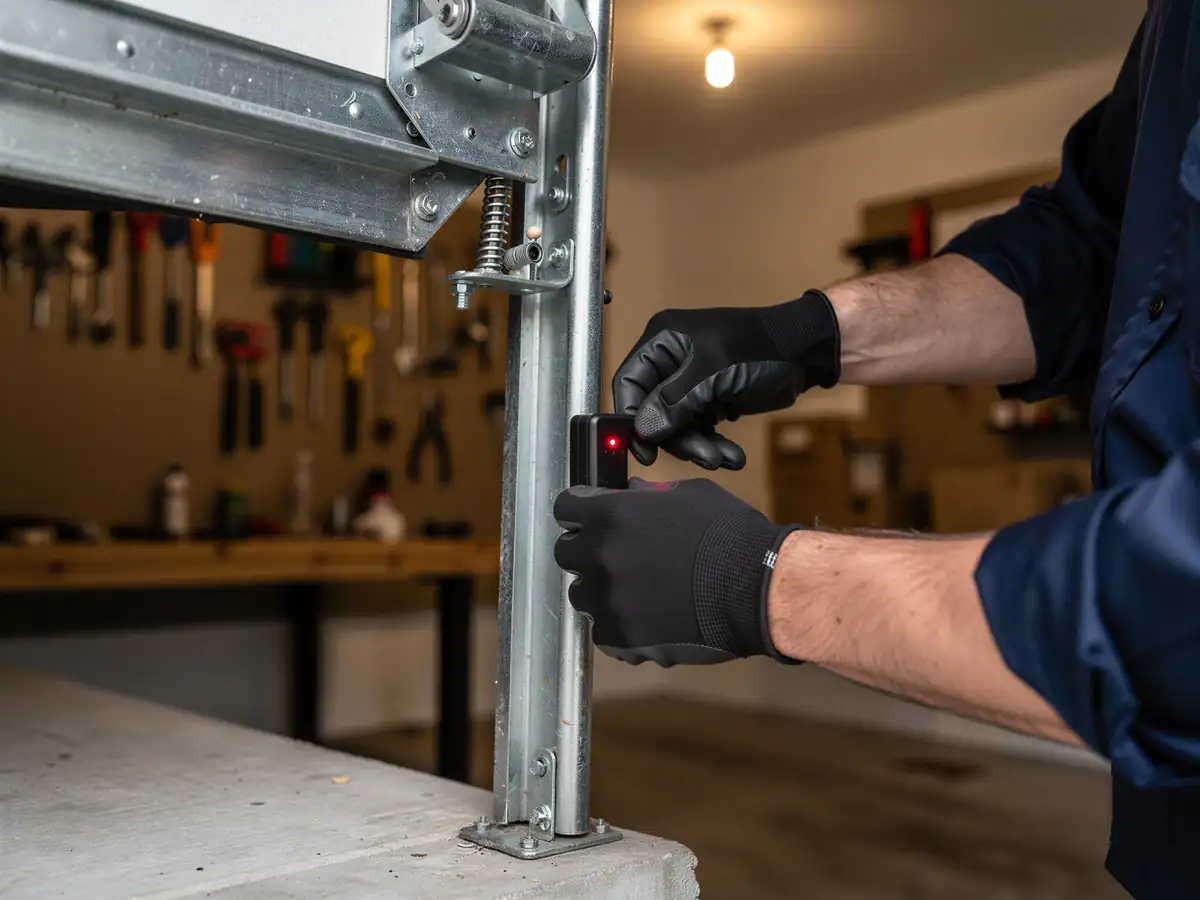
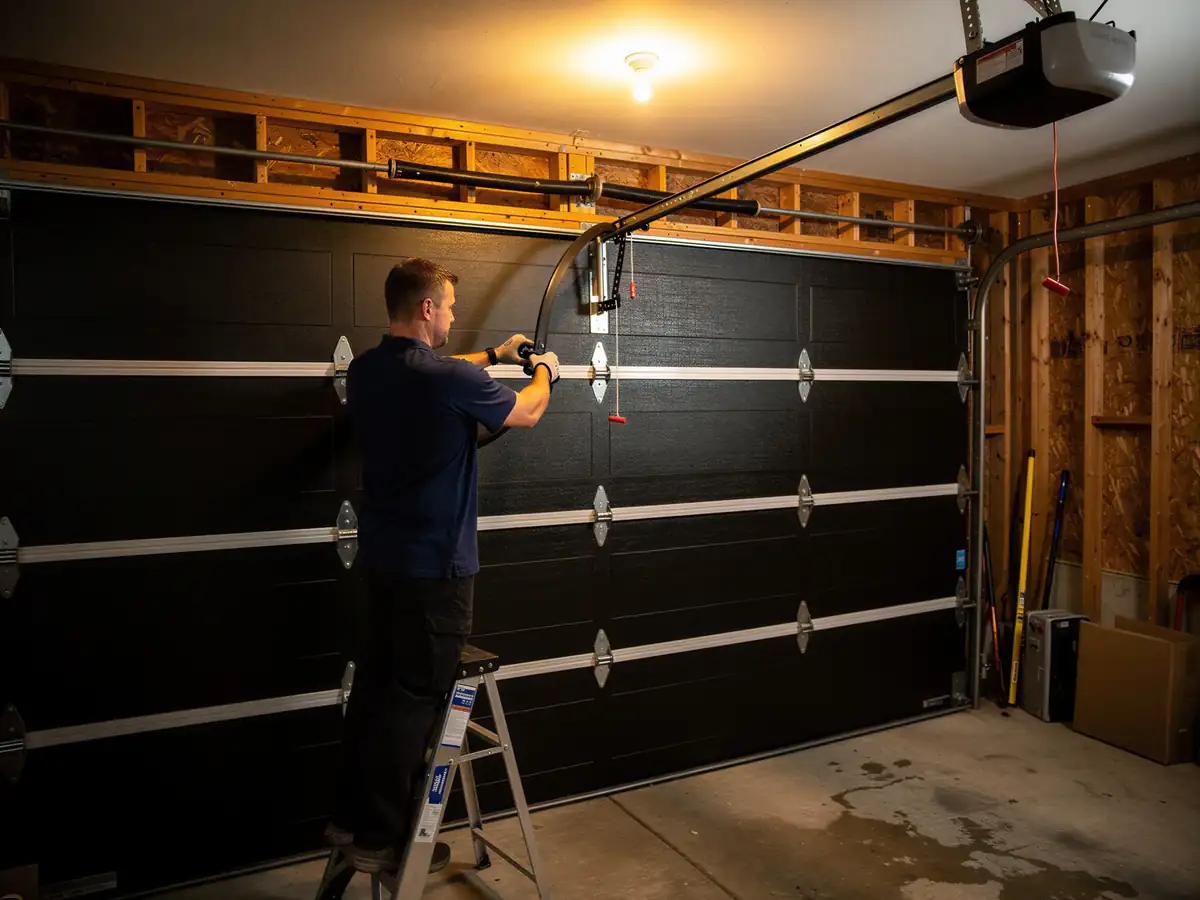
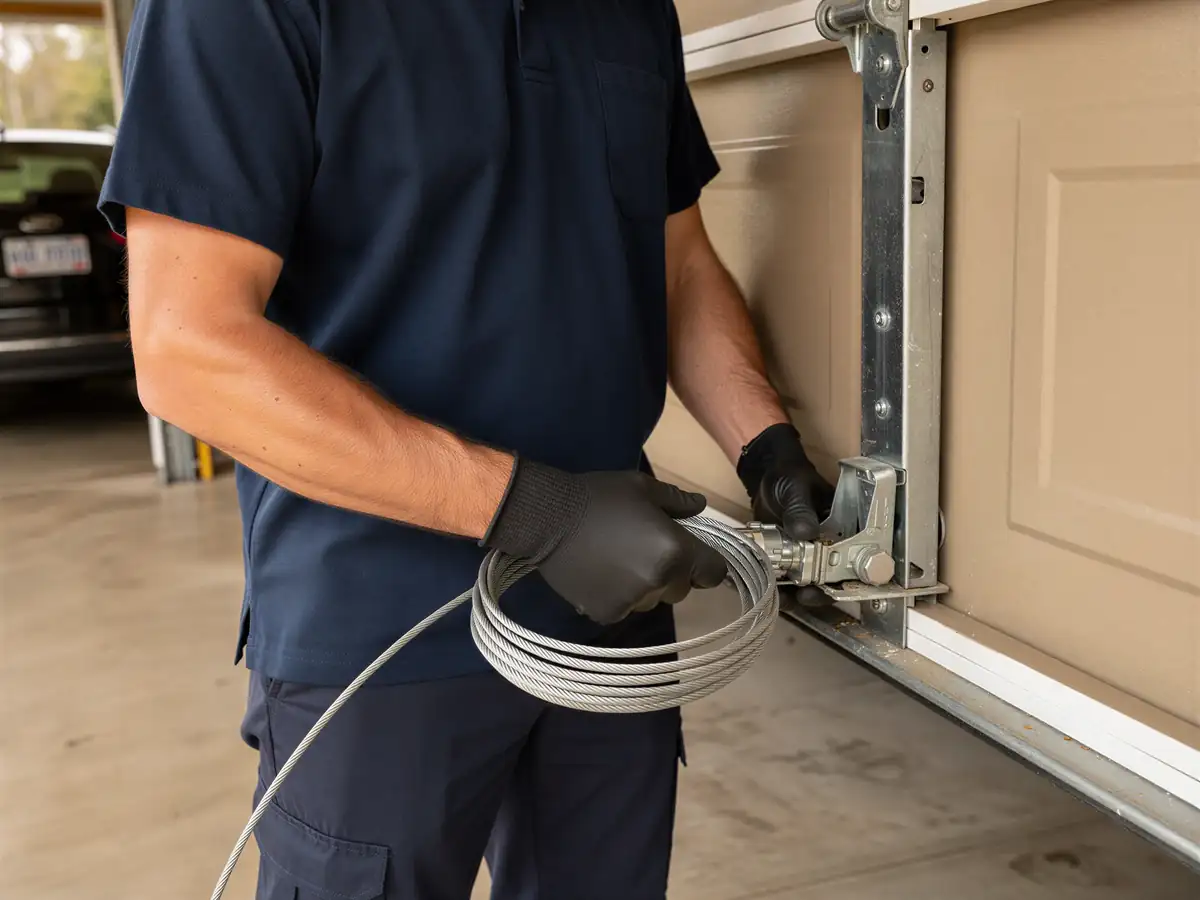
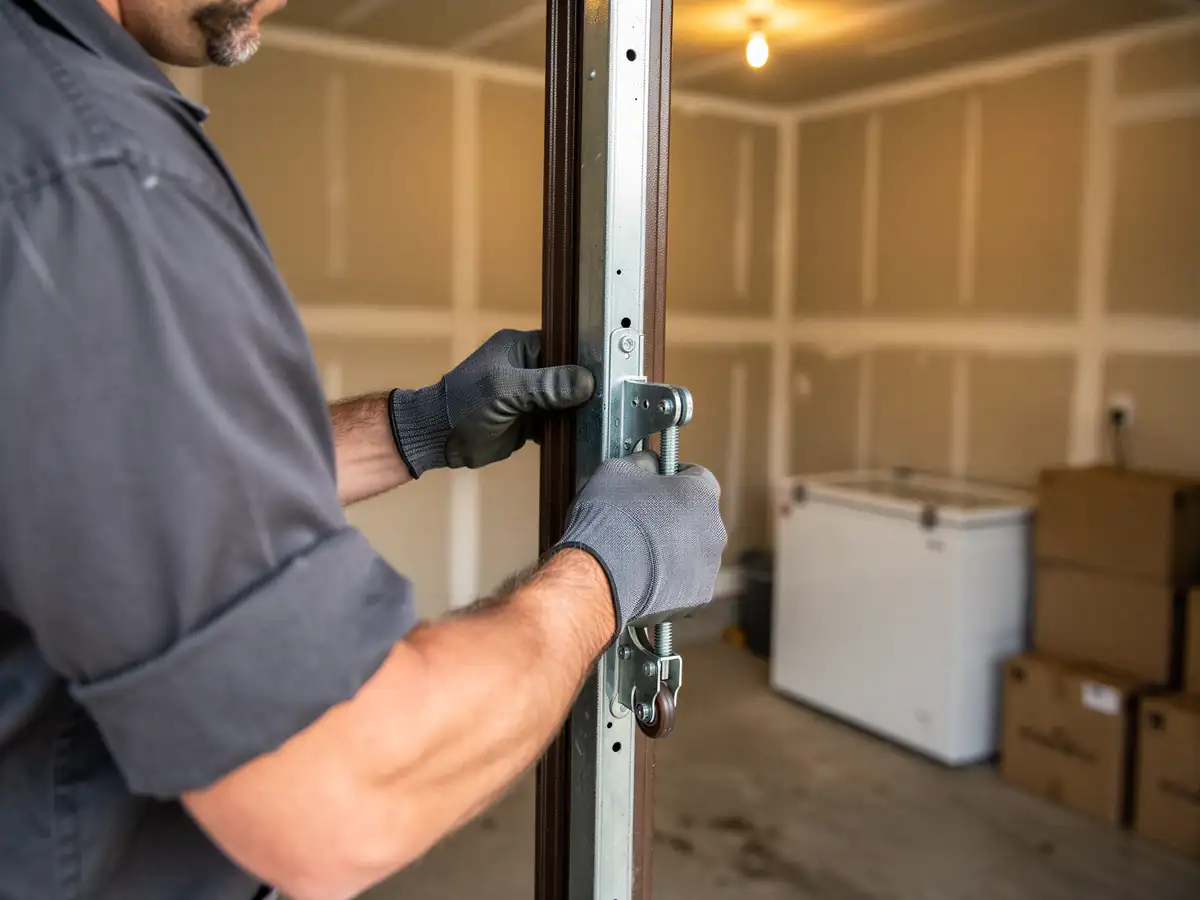
Most houses in Mendham went up around 1972, and a lot of that original track and roller hardware has never been swapped out. Nobody tears out a working track system just because it's old, so when a door jumps off, we're usually dealing with 50-year-old steel that's bent, rusted at the bottom bracket, or held together with a hinge that was never meant to carry this many open-close cycles. The truck carries replacement track sections in the lengths that fit a standard two-car opening, along with rollers, hinges, and the brackets that bolt those tracks to the jamb. We also carry cable and a spare bottom fixture, because a door that's off the track on one side has often already let a cable go slack or jump its drum. What we don't carry is a guess. If the track itself is still square and just knocked loose from a bent bracket, we realign and resecure it on the spot. If the steel is bowed or pitted from age, we replace that section rather than force a door back onto hardware that's going to let go again in six months. We're driving in from Randolph, about 6 miles out, so the van is stocked before we leave, not restocked from a local supply house.
What You Pay
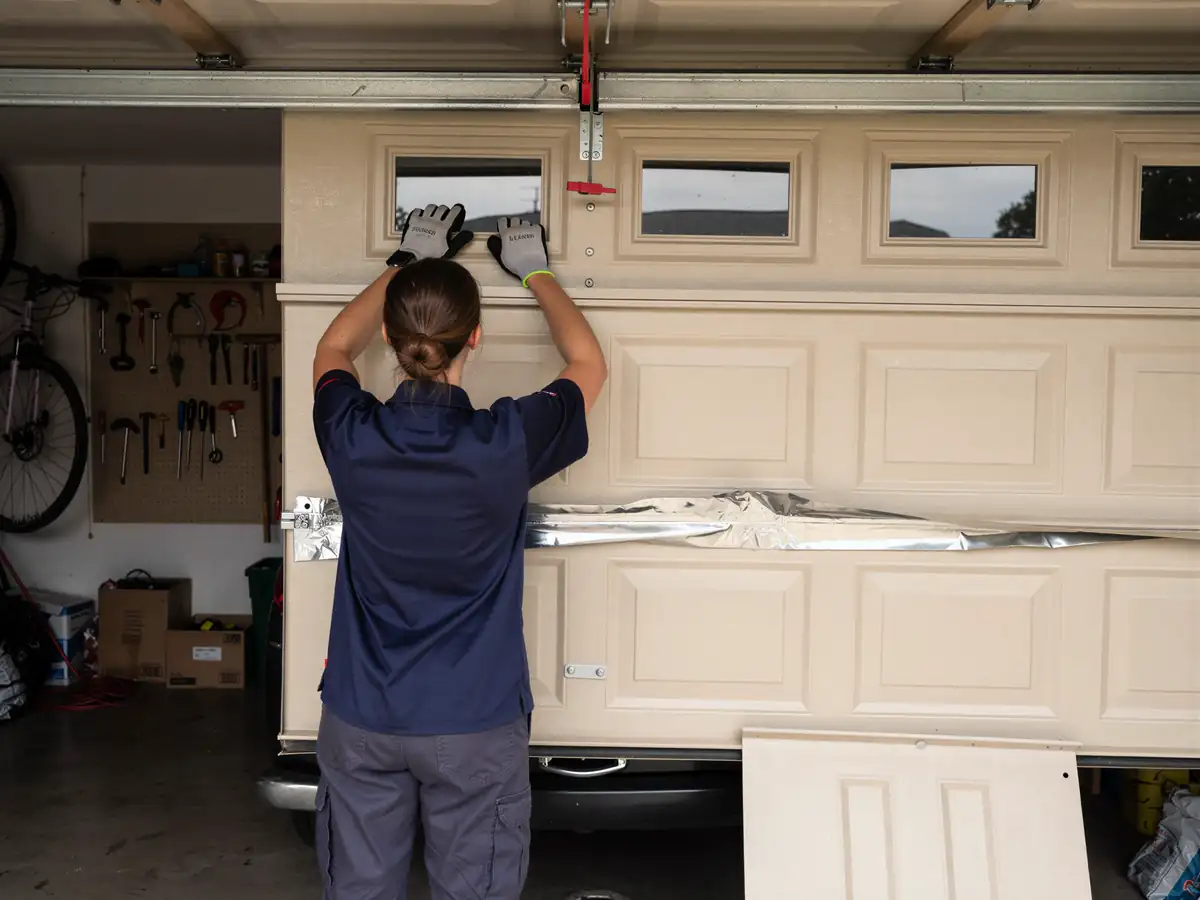
We don't have a flat number to quote you here, because off-track jobs split into two very different repairs and the cost follows which one you've got. A door that's simply slipped a roller out of the track, with the hardware otherwise sound, is a short fix: realign, resecure the bracket, check the opposing side, done. A door that's bent the track, cracked a hinge, or torn a bottom bracket loose from the jamb is a parts-and-labor job, and the price moves with how much track and hardware actually needs replacing. Mendham's housing stock, mostly dating to the early 1970s, tends to land in that second category more often than newer construction does, simply because the steel has had five decades of cycles to fatigue. We tell you which situation you're in before we start cutting anything loose, not after.
What Causes It Around Here
With most Mendham houses built close to 1972, the single biggest driver we see is age fatigue in hardware nobody's thought about since the house was built - a bracket that's slowly worked its screws loose, a roller stem worn thin enough to let the wheel wobble out of the track. Add the cold-climate swings this part of New Jersey gets, where steel track contracts hard in winter and expands again by spring, and a bracket that was borderline tight in October can be loose enough to let the door jump by January. We also see it from impact: a car bumper or a stored ladder catching the bottom section and knocking the track out of alignment, which on older, thinner-gauge steel bends rather than springs back. None of this is exotic. It's just what happens to hardware that's been doing its job quietly for fifty years without anyone checking it.