What Is on the Truck
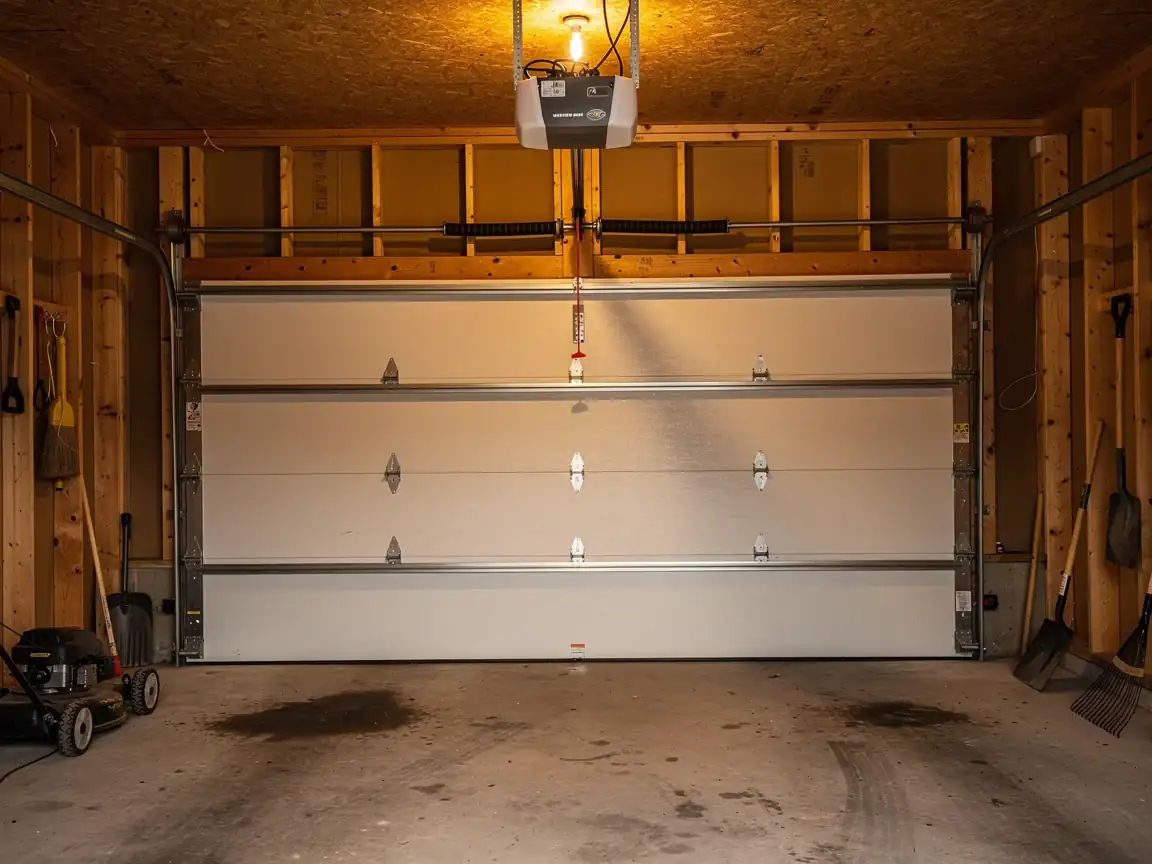
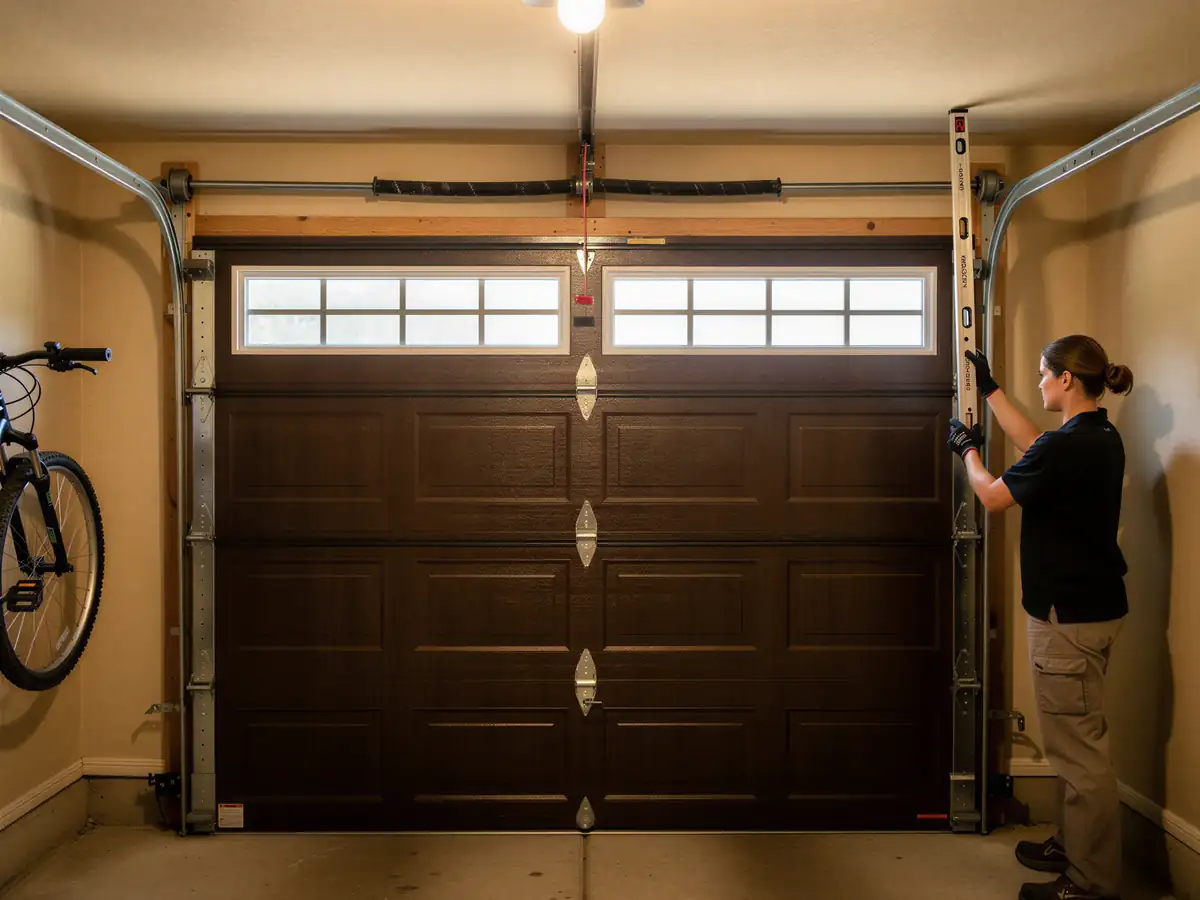
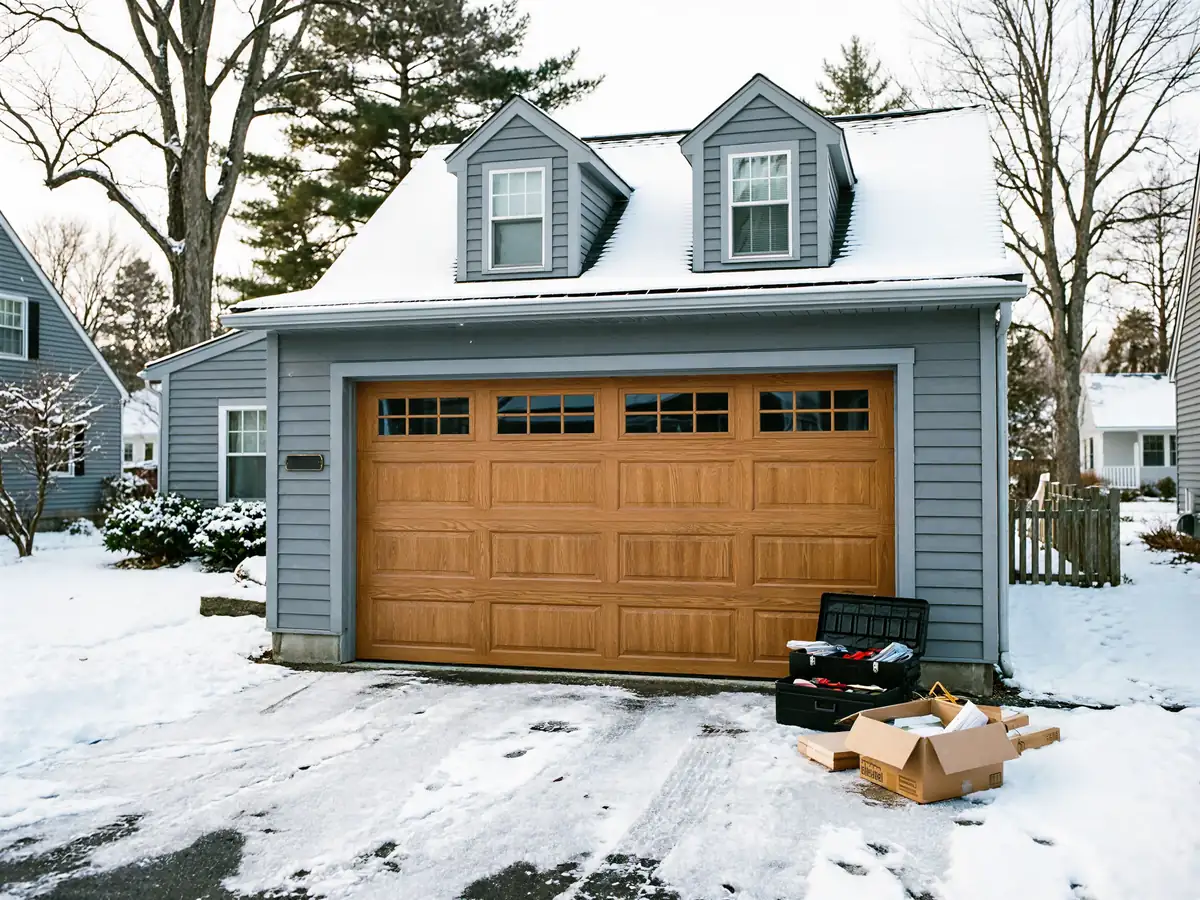
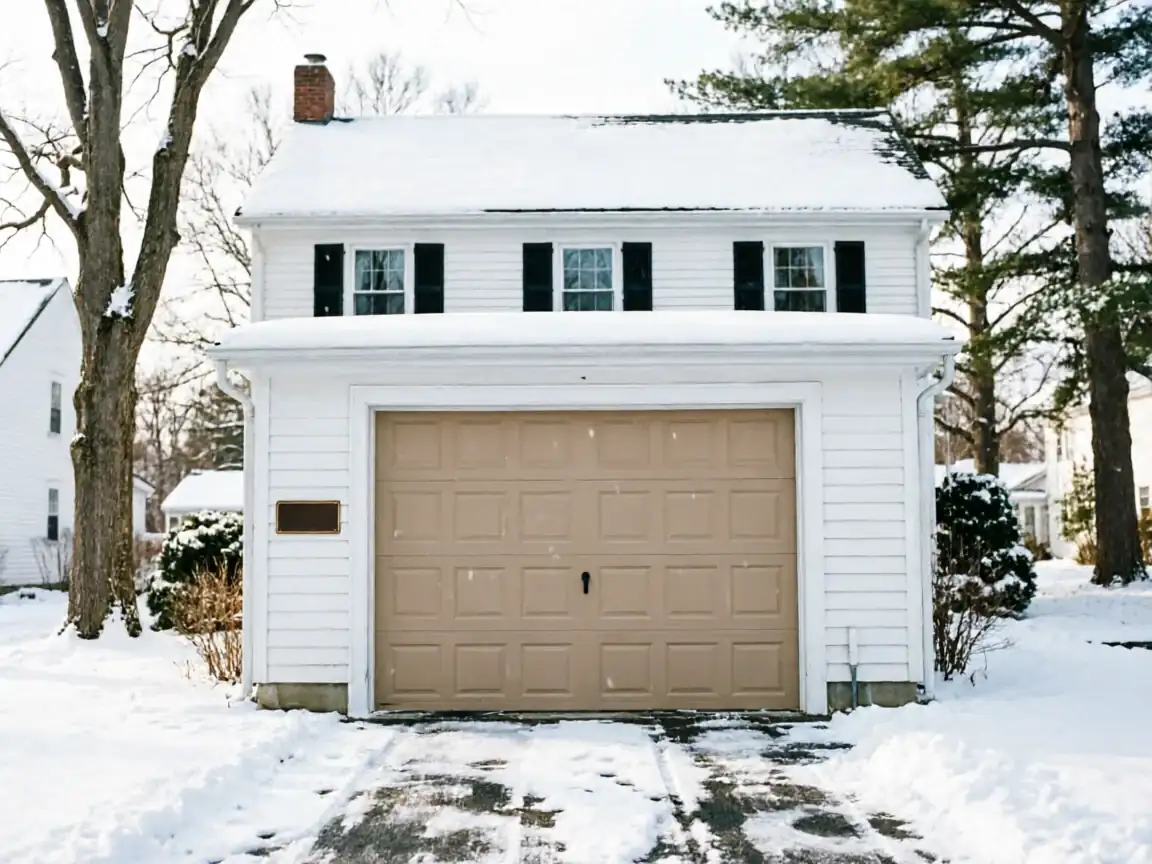
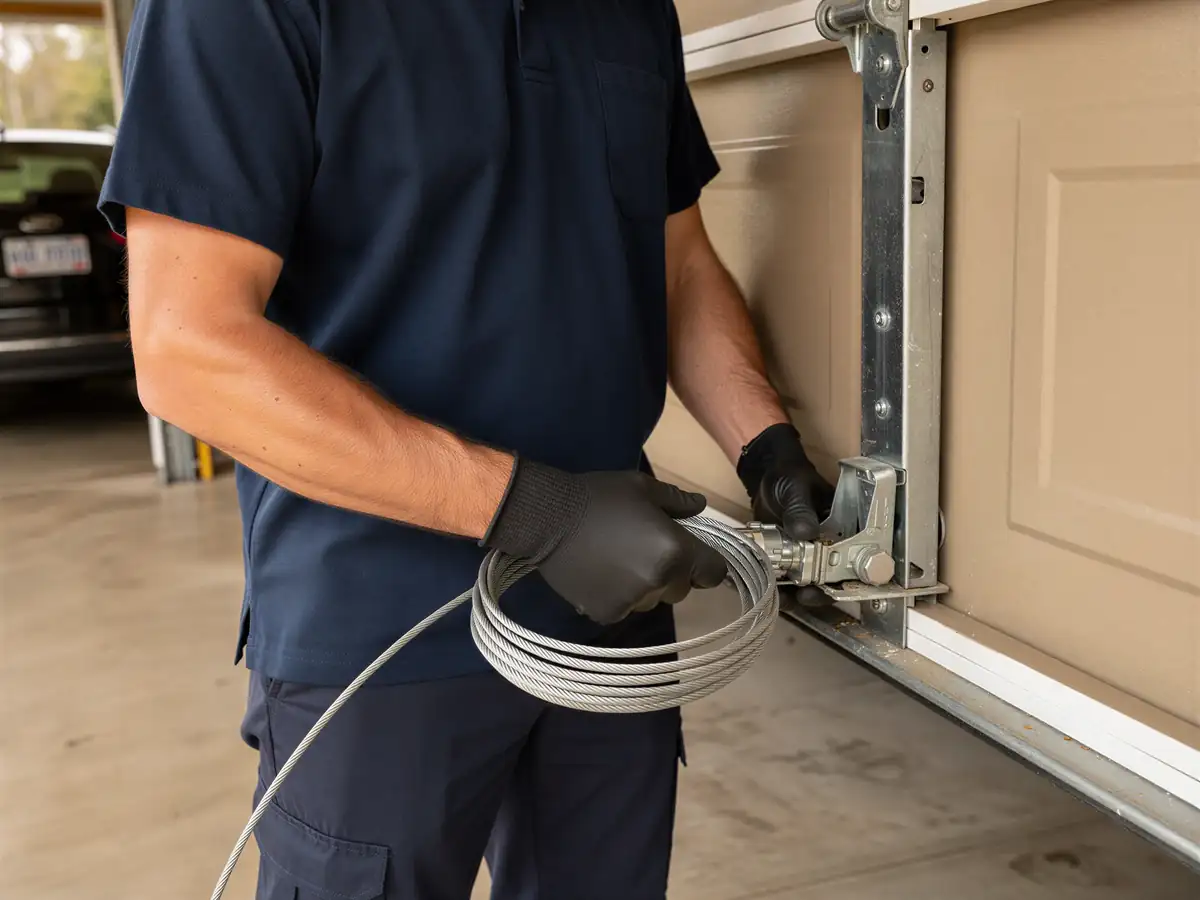
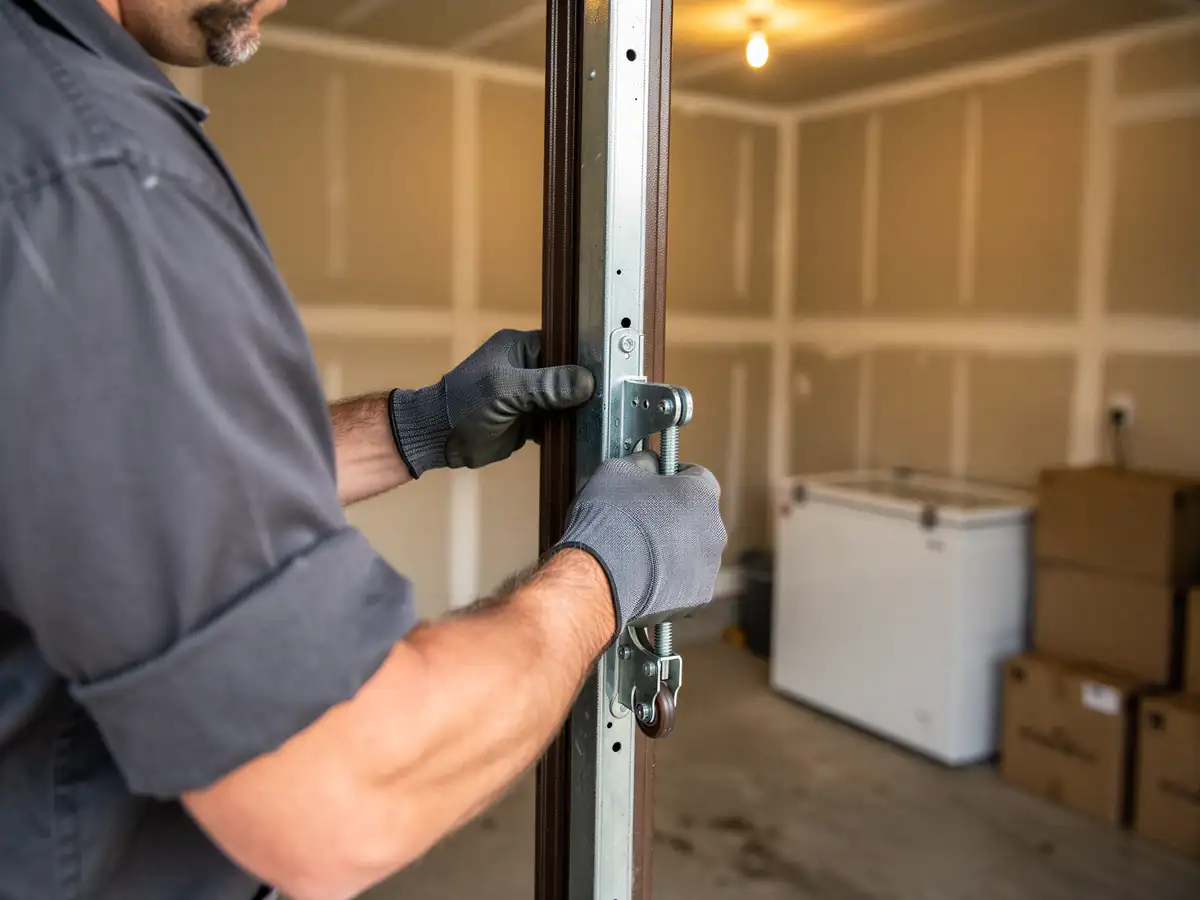
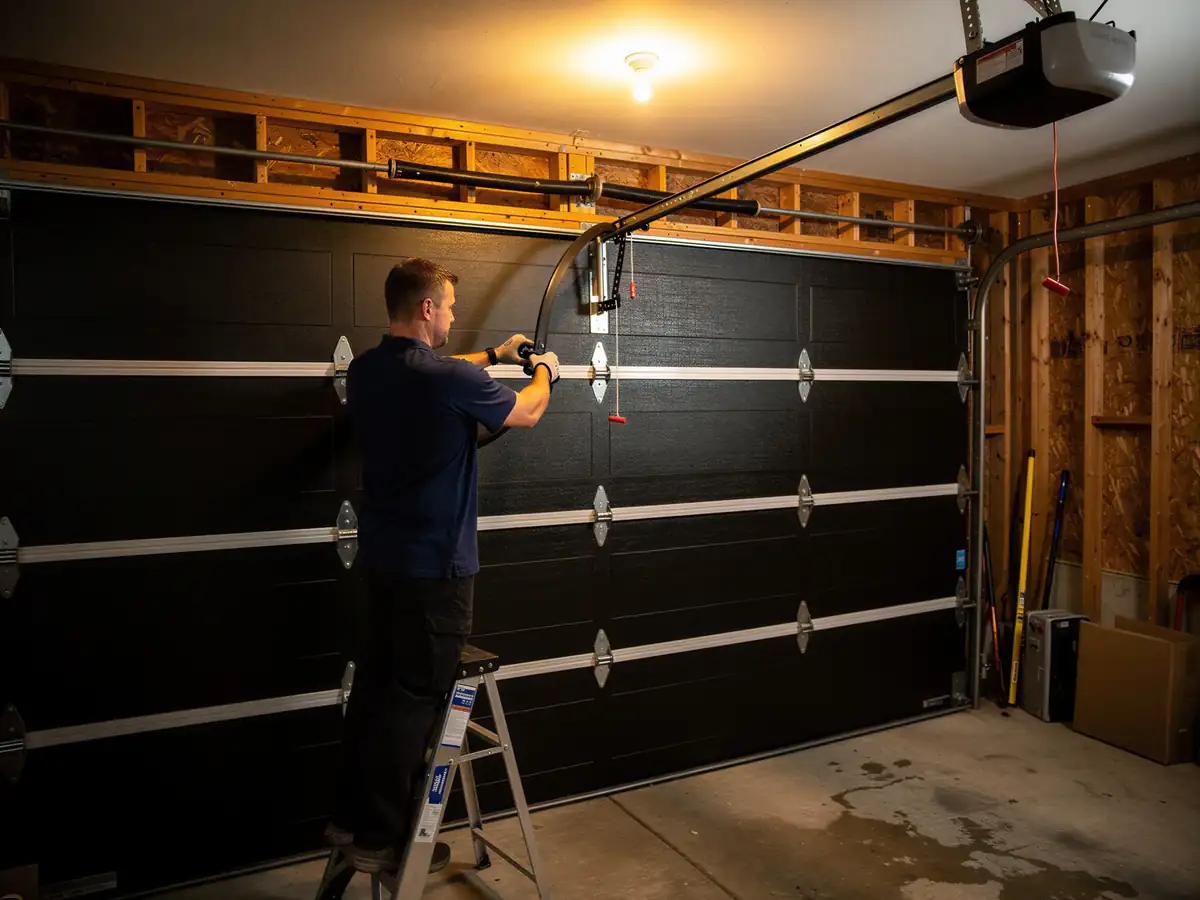
Mendham's housing stock centers on a median build year of 1972, which means most garages here were framed for a wider double door than the 1960s tract houses closer to Randolph. That changes what goes on the truck before we even talk about the opener. A door from this era is usually a 16-foot steel sectional, sometimes with a wood-grain overlay, hung on a torsion spring rated for that wider span. The opener has to match: we bring 3/4-horsepower belt and chain units rated for doors in that weight class, not the half-horsepower units that work fine on a single-car door from an older block. We also carry reinforcement brackets, because a 16-foot steel door without the right top-panel strut can rack or buckle under a heavier drive unit over time. For the 1,792 households in this township, that double-door, mid-weight setup is close to the default, so we stock the parts for it rather than ordering after a first look.
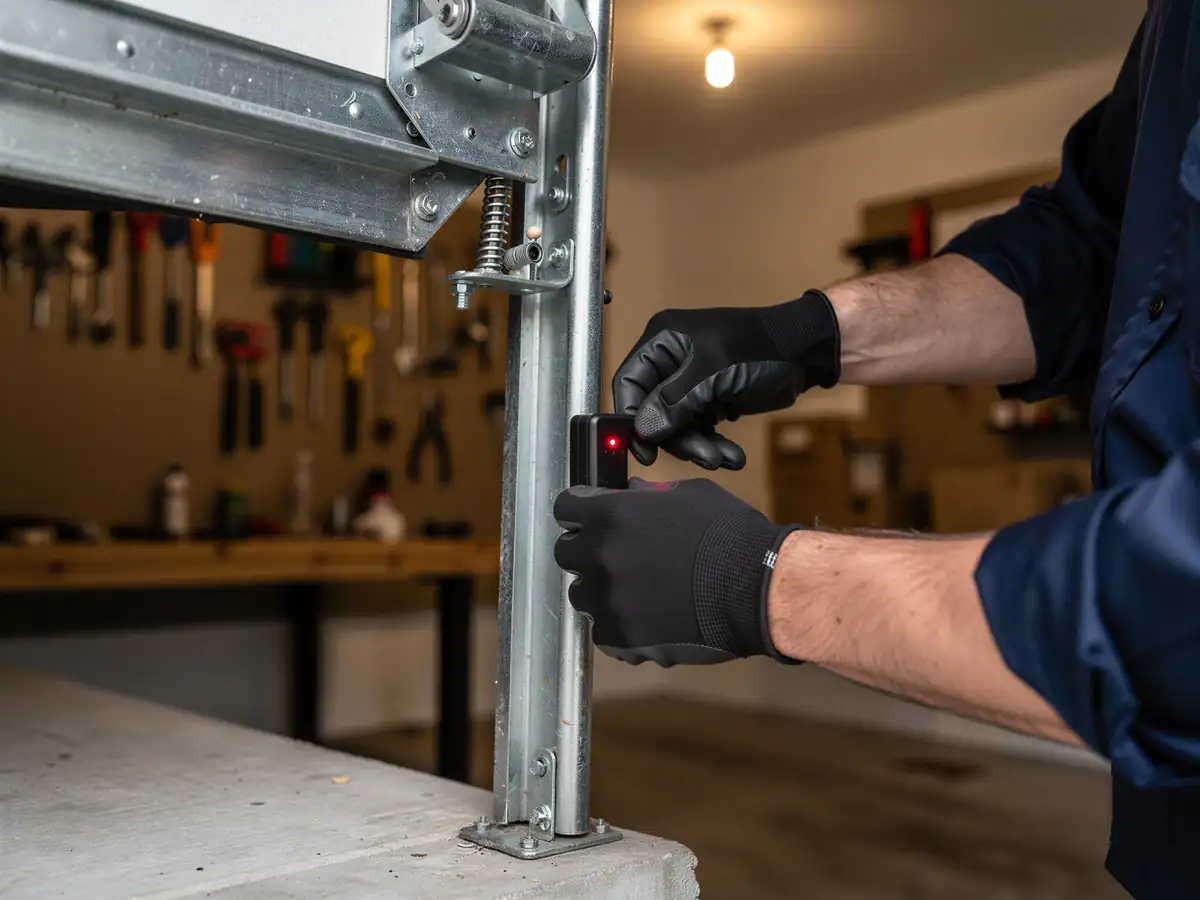
We also bring battery-backup opener units on most runs out this way. Township income here runs higher than the wider service area ($223,750 median versus $146,174 across the region), and we see more homeowners asking for the backup unit up front rather than adding it later as a second trip.
What You Pay
We don't post a flat number for opener installs because the job changes with the door. A 16-foot double door built for the heavier opener we described above costs more in parts and labor than a single-car install, and we won't quote a number here that doesn't hold up once we see the actual door and spring setup. What we can tell you is what drives the number up or down on a house in this area: whether the existing rail and bracket are reusable, whether the door needs a reinforcement strut added before the new opener goes on, and whether you want the battery backup built in now or wired for later. Homes built around 1972 with original hardware often need a bracket swap as part of the job, which is labor, not a part markup. We'll walk the door with you before we say a number, and that number is specific to your garage, not a township average.
What Causes It Around Here
The region sits in a cold, severe climate band, and that's the main thing that wears out an opener on a schedule rather than randomly. Chain and belt drives both rely on a gearbox lubricated with grease that thickens in sustained cold, and a motor working against stiff grease pulls more current every cycle until the gear strips. On a heavier 16-foot door, the kind common on 1972-era Mendham garages, that extra load shows up sooner than it would on a lighter single-car door. We also see logic boards fail after repeated cold-to-warm cycling in an unheated garage, which is common township-wide. One honest limit: if the opener is original to a house built in the early 1970s, we usually recommend replacement over repair, since parts for openers that old are no longer stocked by any manufacturer and we won't keep a customer waiting on a part that isn't coming.