What Is on the Truck
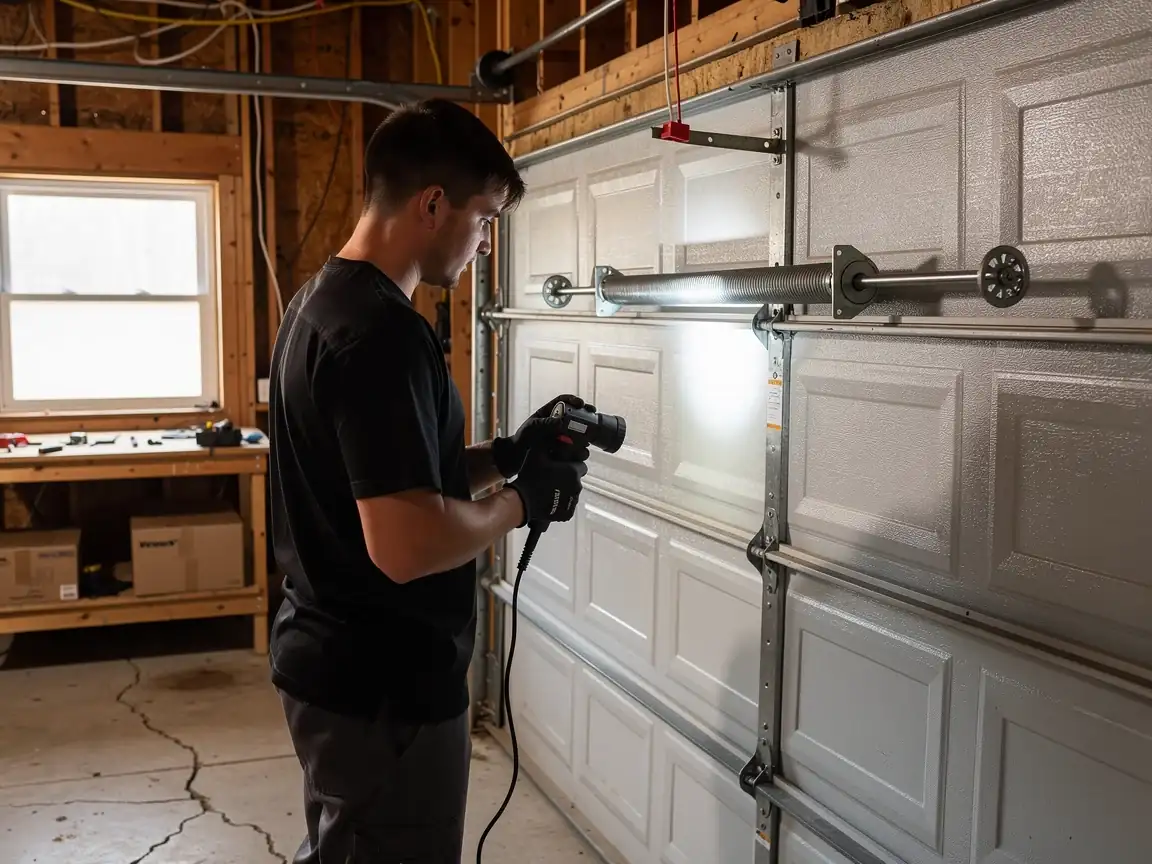
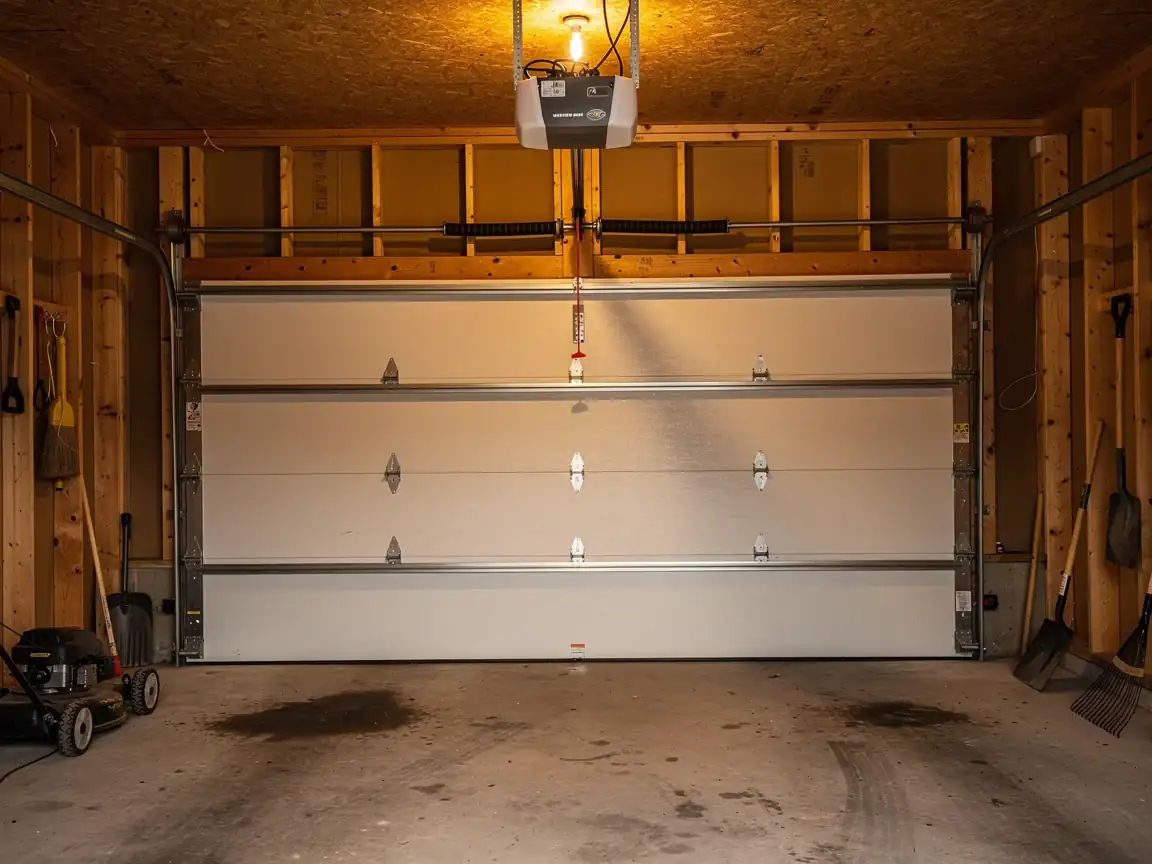
Mendham's housing stock centers on 1972, a decade and a half newer than the 1964 median across the wider service area we cover from Randolph. That matters for openers because a house built in the early 70s usually got a chain-drive unit sized for a single-layer wood or early steel door, and by now most of those original motors are long gone, replaced once or twice already with whatever belt or screw-drive unit was on the shelf at the time. We carry logic boards, drive gears, and belt kits sized for that generation of opener, plus the capacitors and circuit boards that fail first when a unit has been cycling for 15-20 years. What we don't carry is every obsolete chain-drive gearset still original to a 1972 build - if your unit is that old and the gear is stripped, replacement usually makes more sense than a parts hunt, and we'll tell you that on site instead of running up a bill chasing a part that may not exist anymore.
What You Pay
Mendham's median household income, at $223,750, sits well above the $146,174 median across the broader area we serve out of Randolph. We don't price by zip code and we don't mark up a job because of what a street looks like - a stripped gear or a burned-out circuit board costs what it costs wherever the house sits. What does change the bill is the opener itself: a basic chain-drive logic board repair is a different job than swapping a dead screw-drive unit for a new belt-drive with battery backup, and we'll give you both options before we start, not after.
What Causes It Around Here
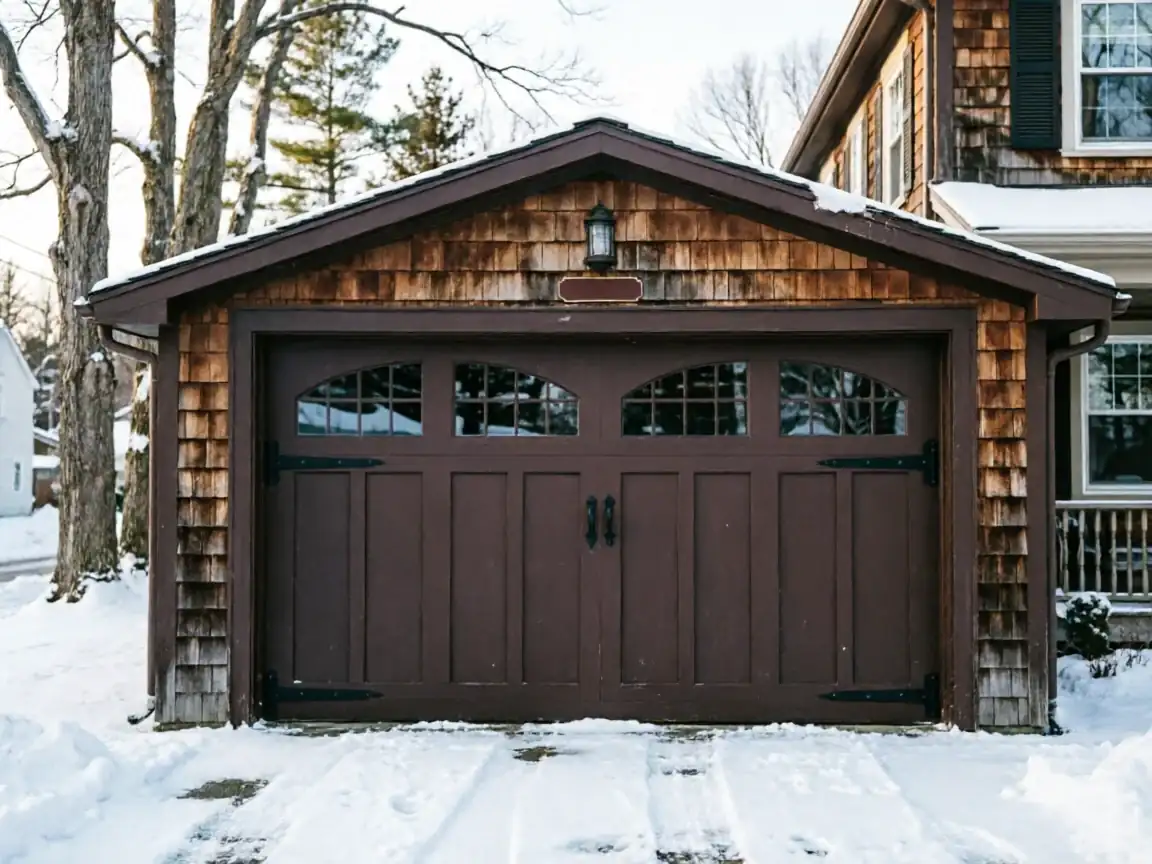
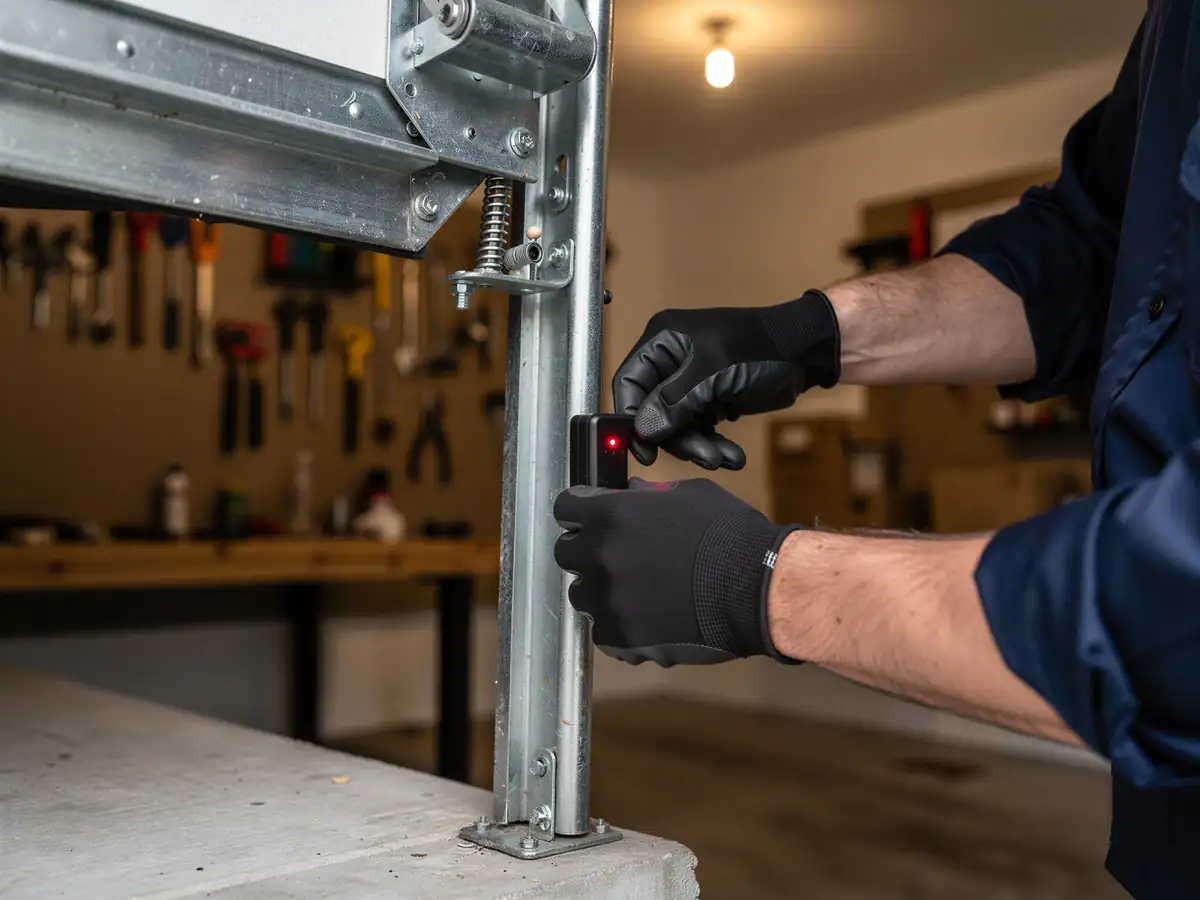
This region sits in a cold, severe winter climate band, and openers feel that before doors do. Lubricant in an aging chain-drive gearbox thickens in deep cold, the motor strains harder to pull a heavy door through the last few inches of travel, and that's often the moment a worn drive gear finally gives out. Safety sensors mounted low near a concrete slab floor also take the brunt of winter - road salt and slush tracked in off tires corrode the wiring at the sensor eye, which shows up as a door that reverses for no visible reason. On a 1972-era house, a lot of this hardware has already been replaced once, so we're often looking at a second-generation opener that's simply reaching the end of its own service life rather than an original unit failing for the first time.