What Is on the Truck
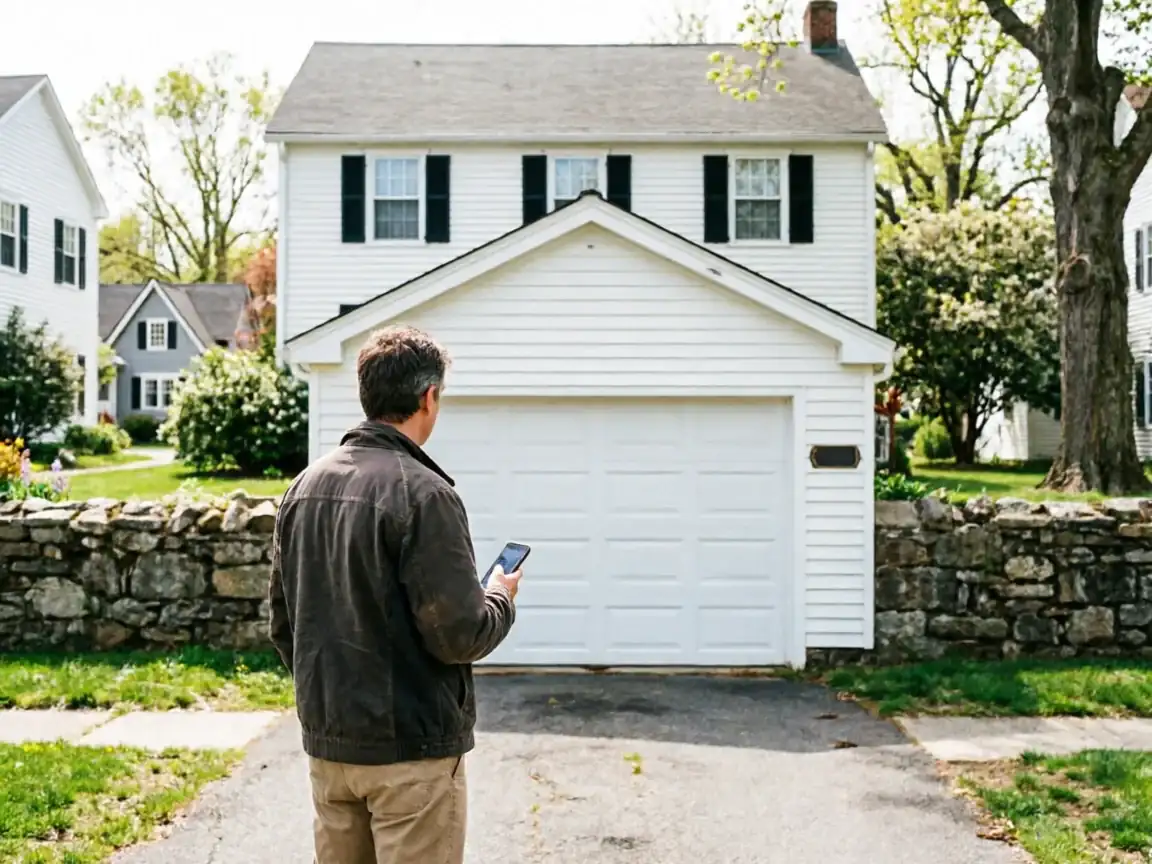
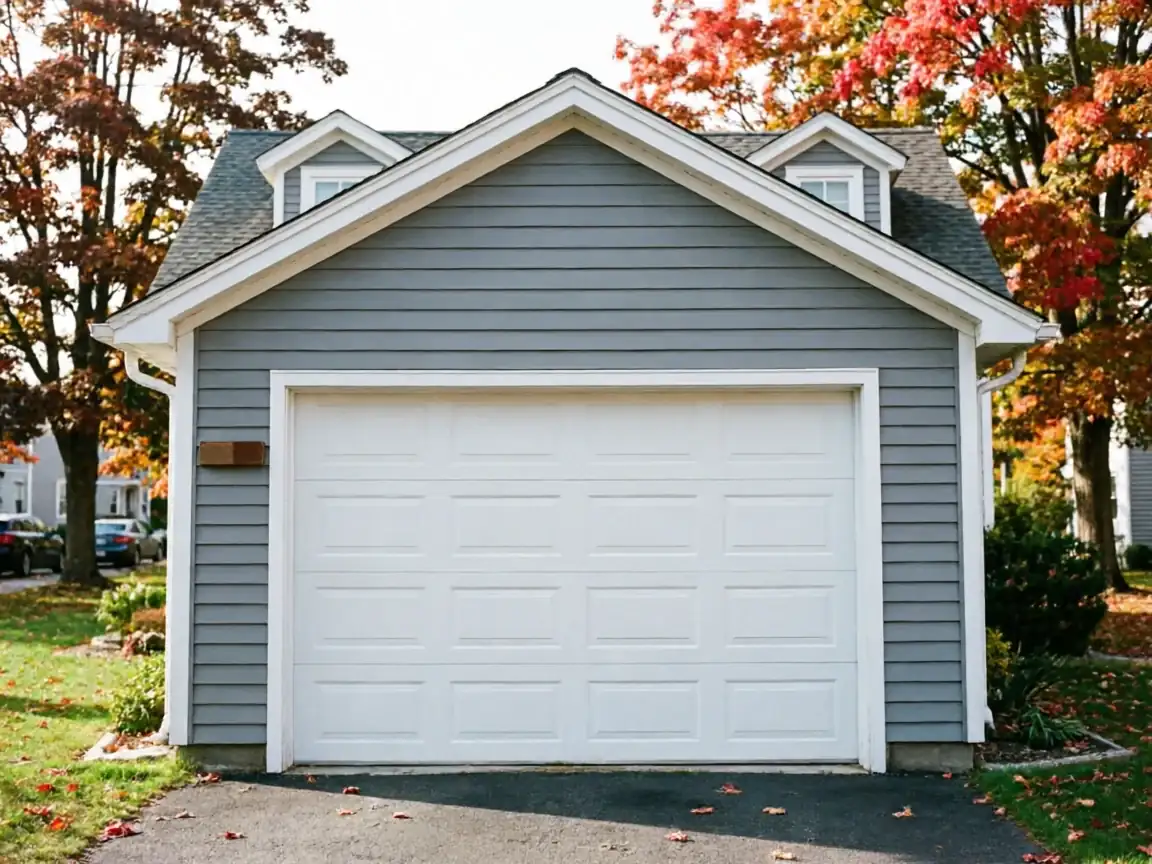
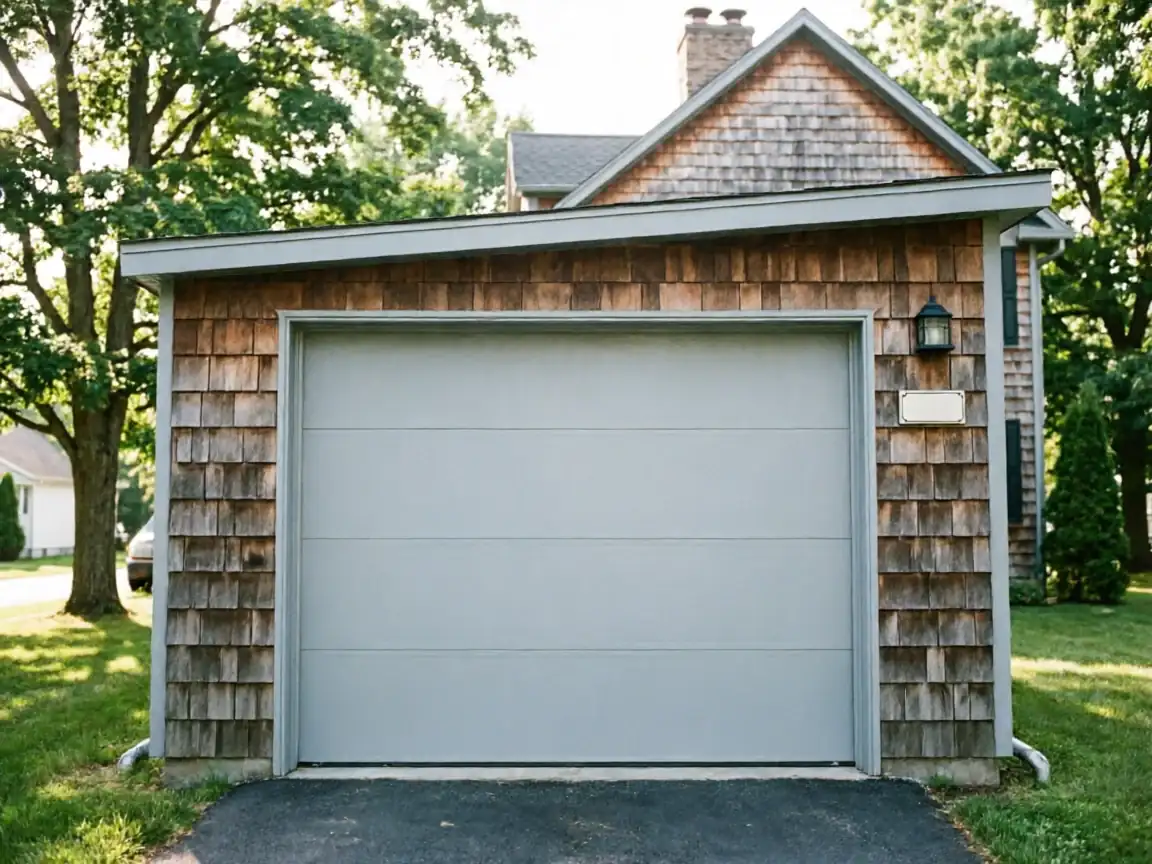
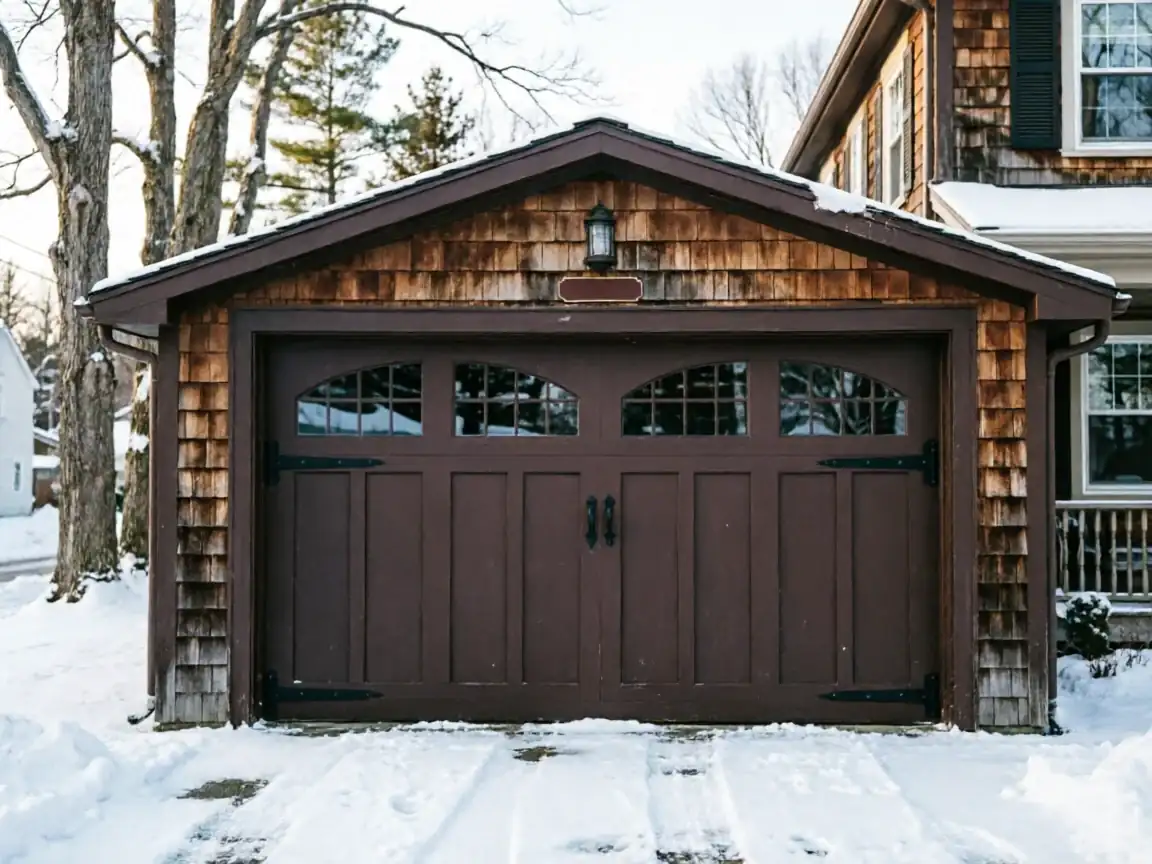
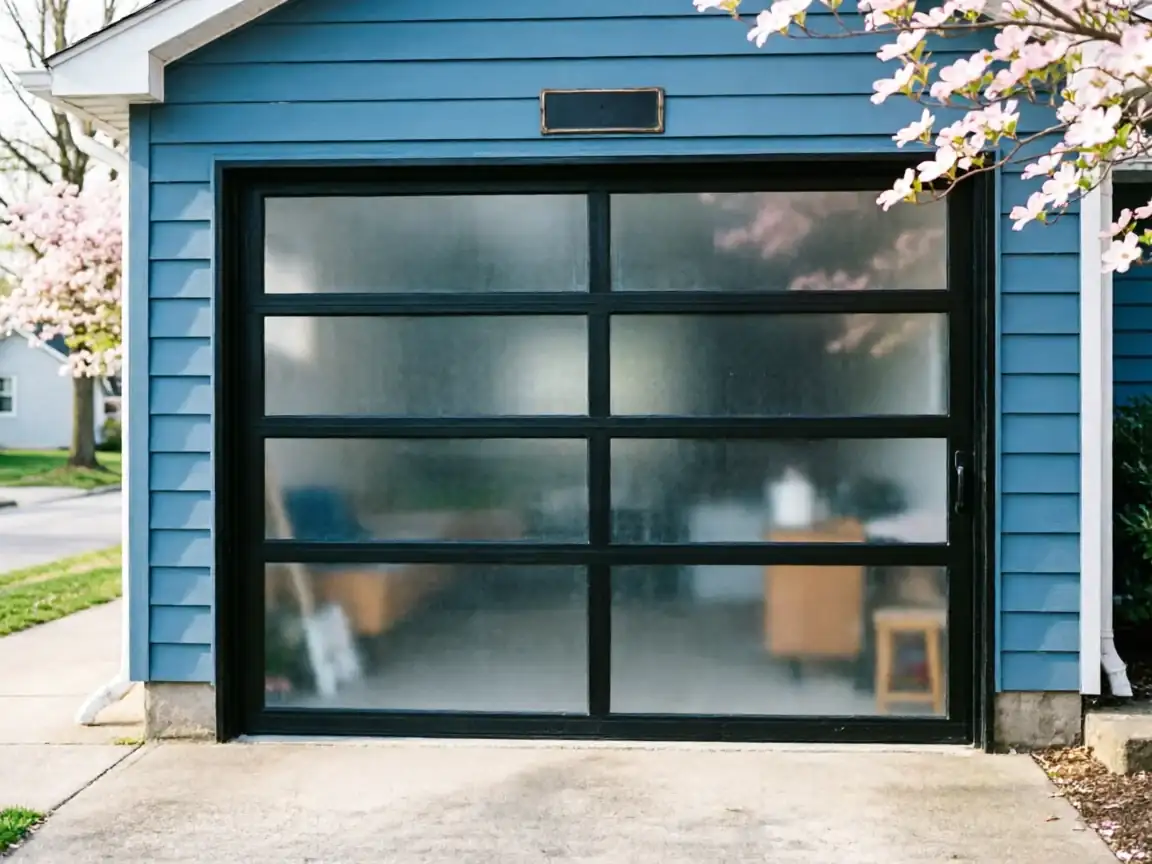
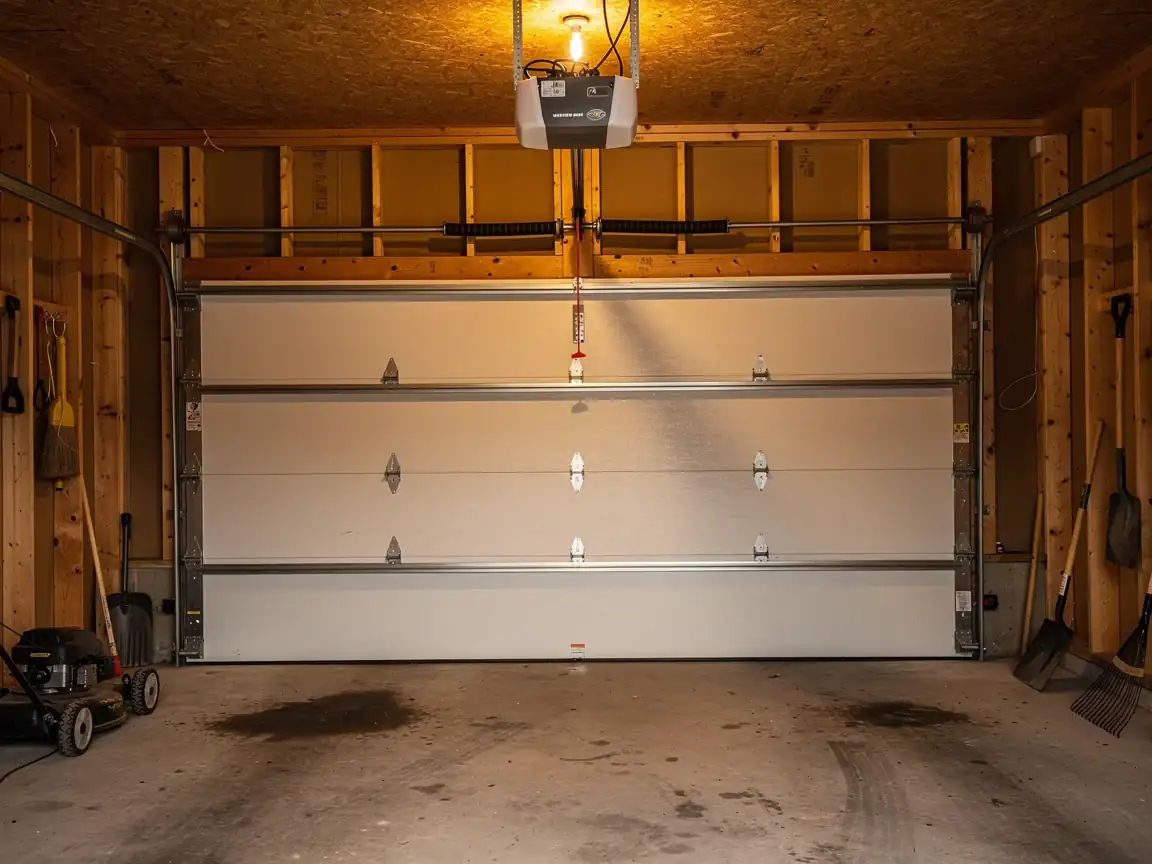
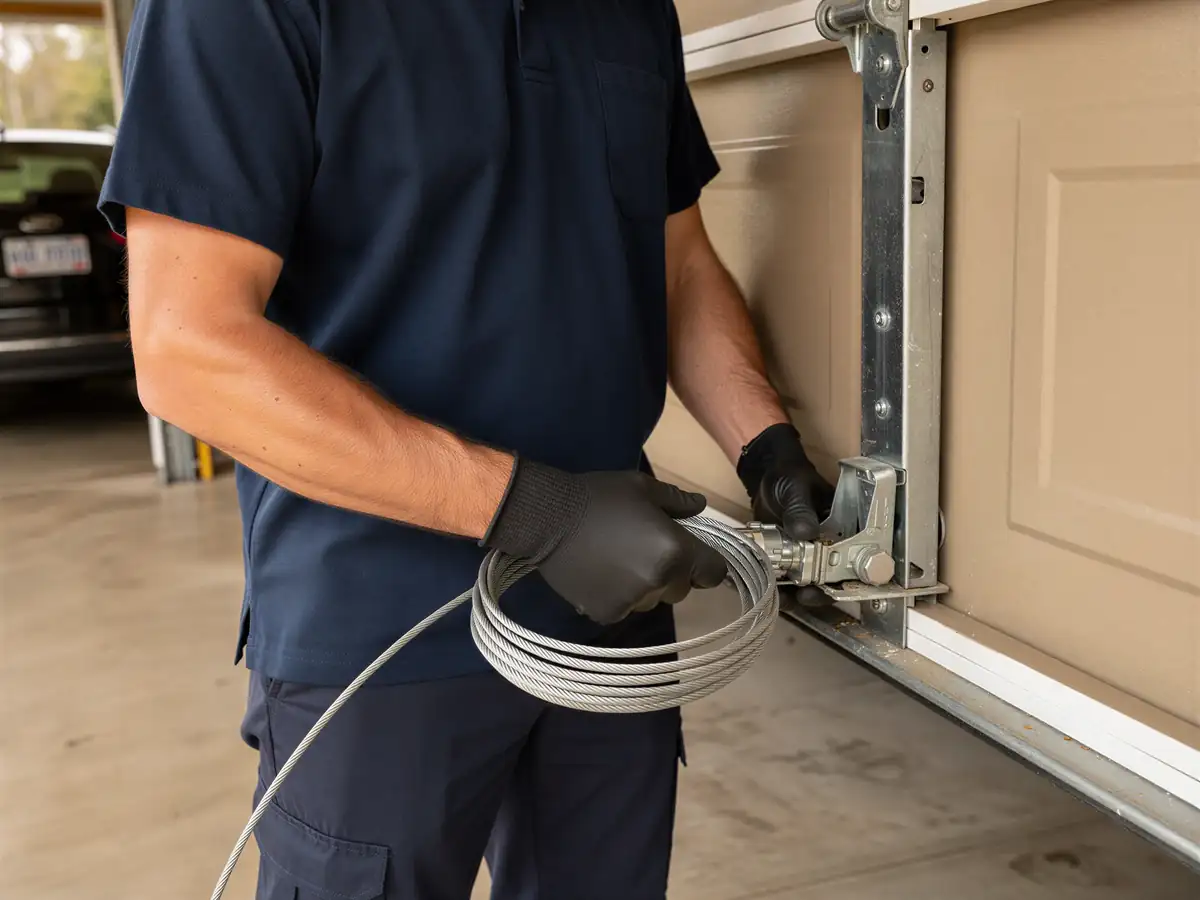
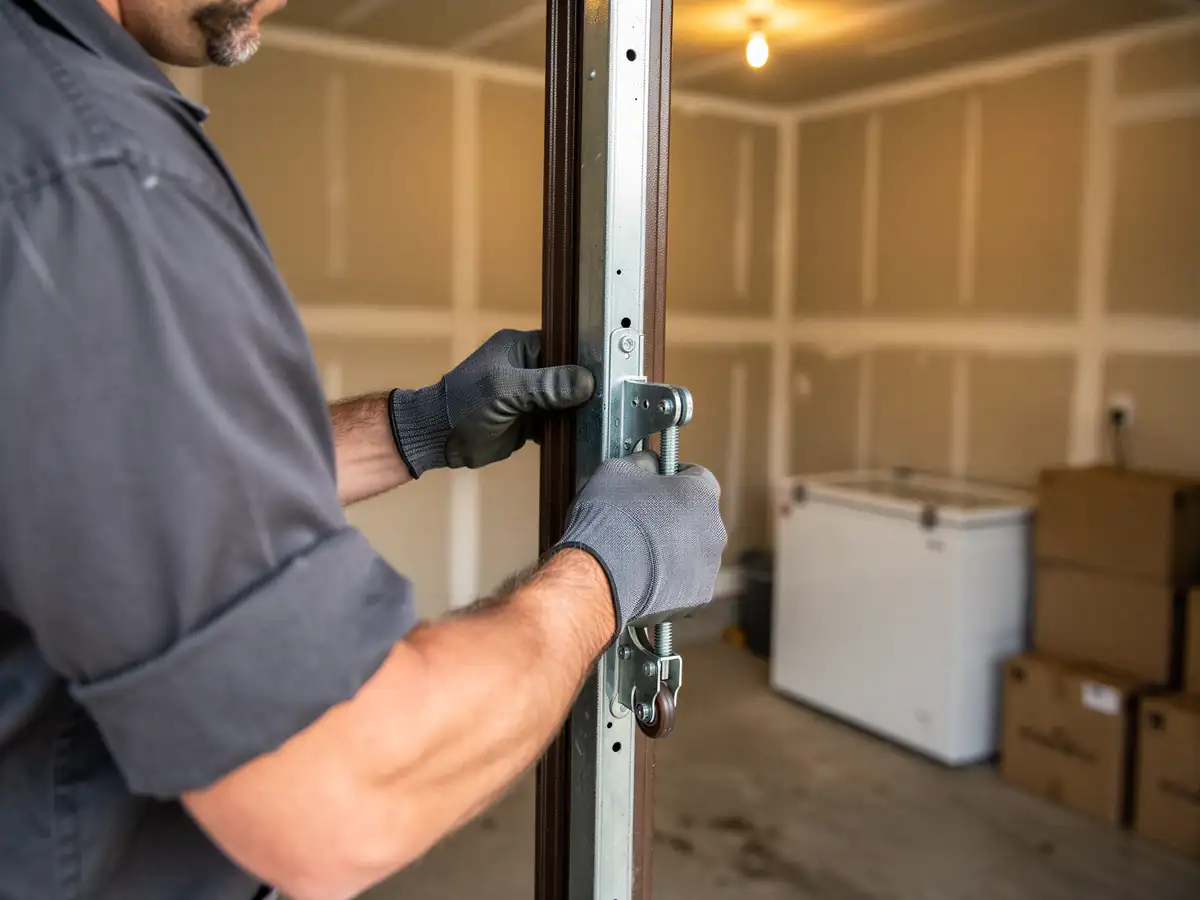
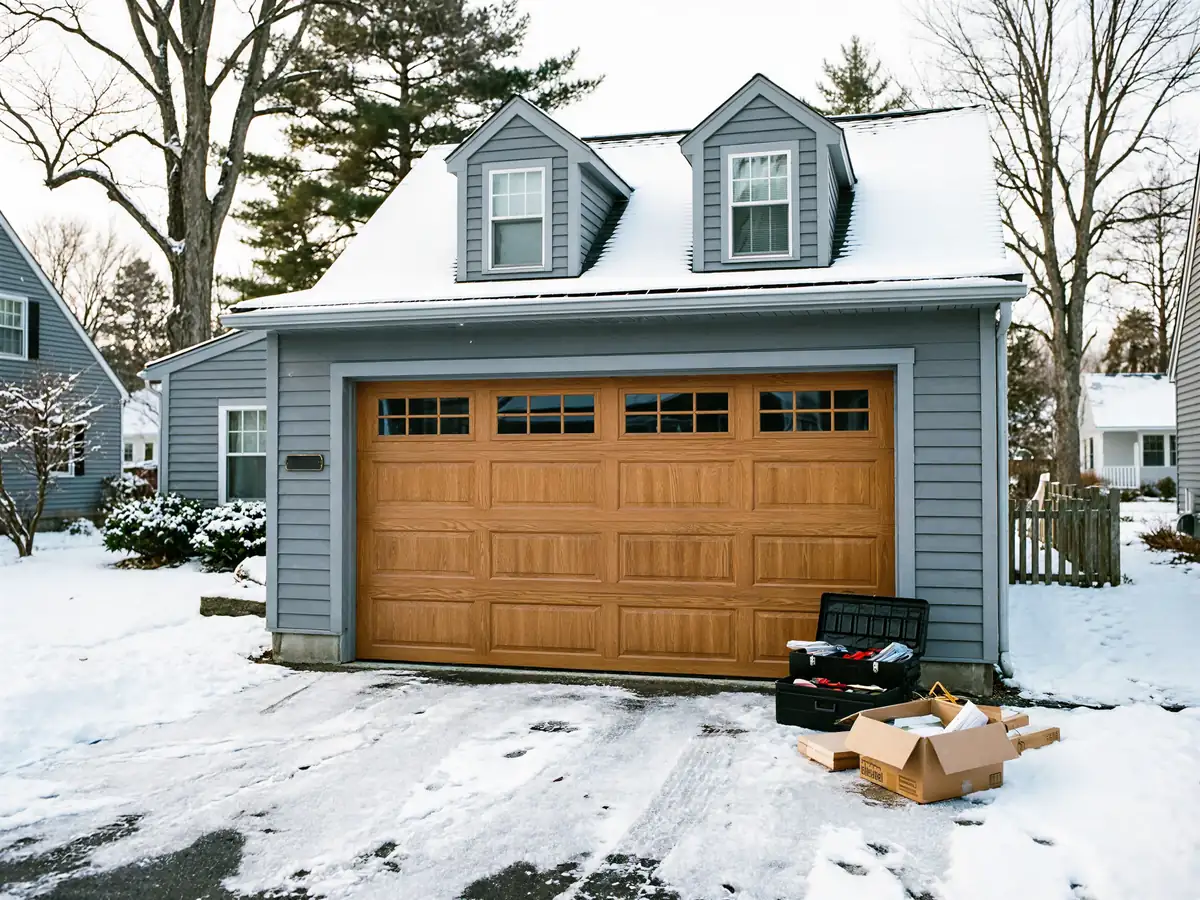
We load the truck in Randolph and drive the four miles into Succasunna, which means what's on it has to cover 1970s-era openings - the most common age bracket in this part of the service area, median build year 1971. That's 16-foot and 9-foot steel sectional doors in standard heights, torsion springs sized for the heavier old wood or single-layer steel panels still hanging on a lot of these houses, and nylon or steel rollers to match whatever track is already bolted to the jamb. We carry galvanized track sections and drums for the common widths, plus weatherstrip and bottom seal stock sized for a COLD severe climate - the kind of seal that actually holds shape at single digits instead of going stiff and cracking. What we don't load as standard stock are custom clad or oversized carriage-style doors; those get special-ordered after we measure the opening in person, because guessing a width off a listing photo is how you end up with a door that doesn't fit the brick mold.
Doing It Yourself
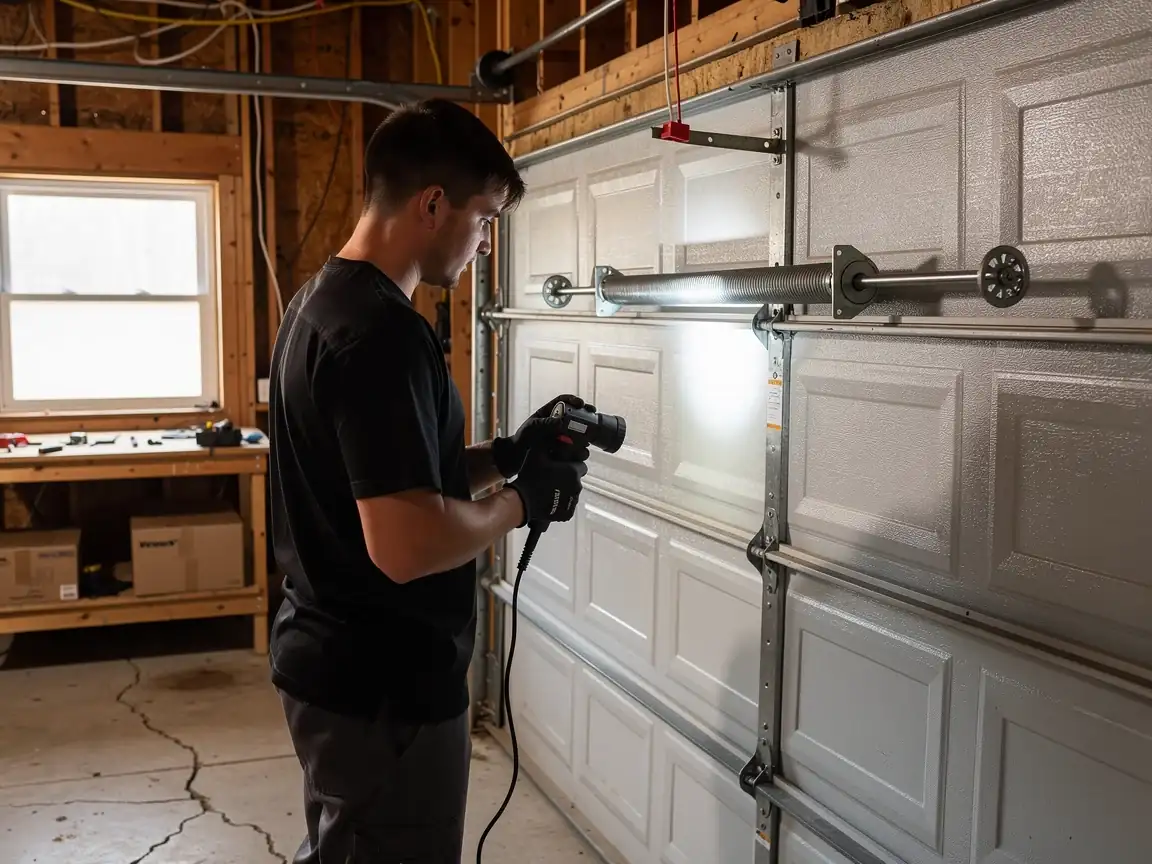
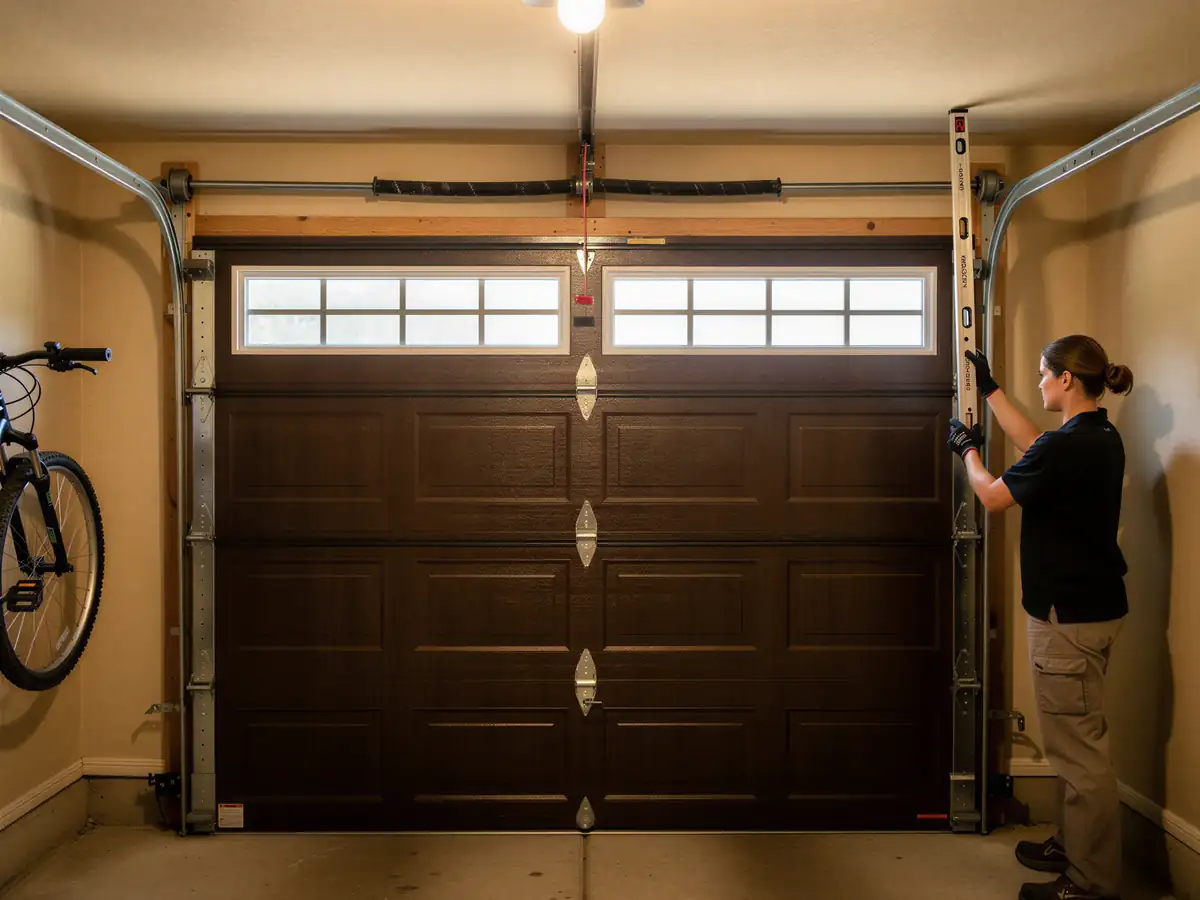
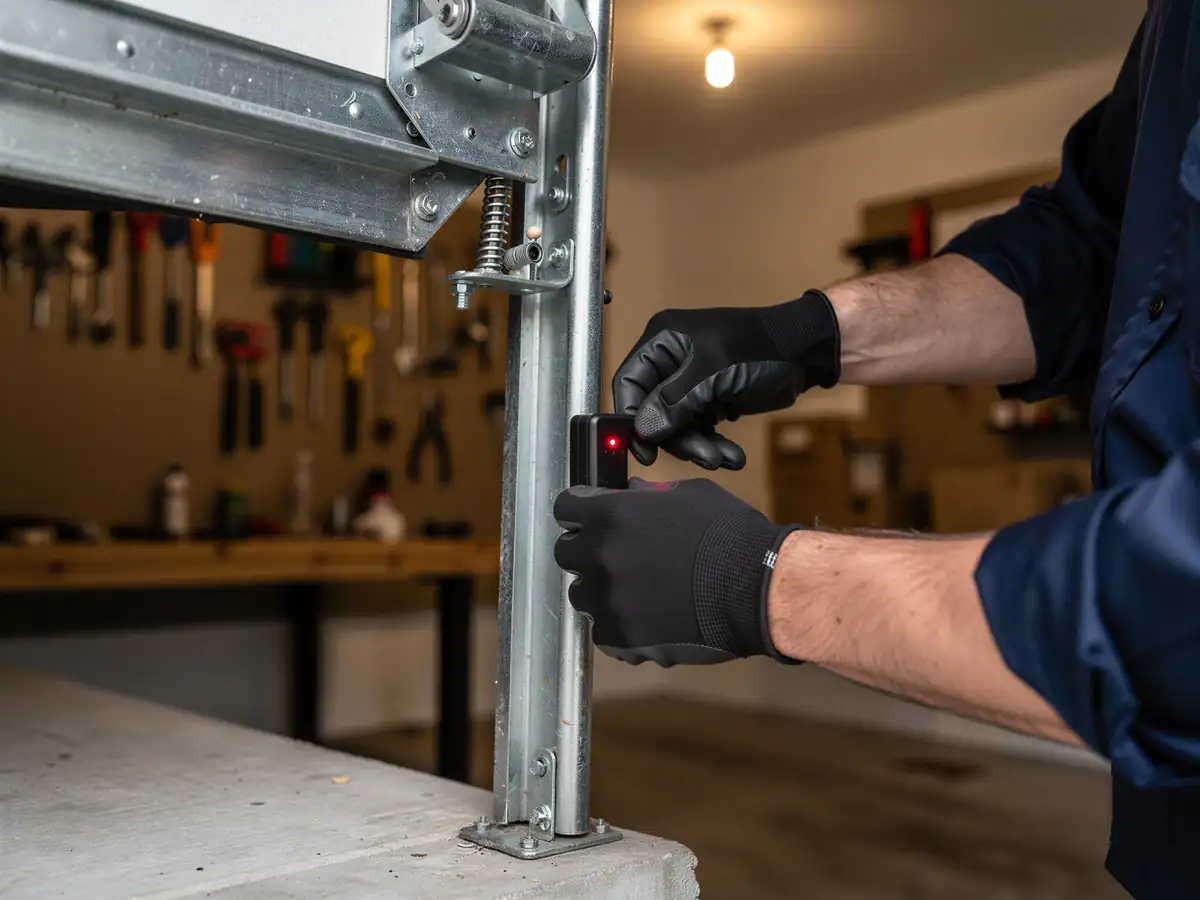
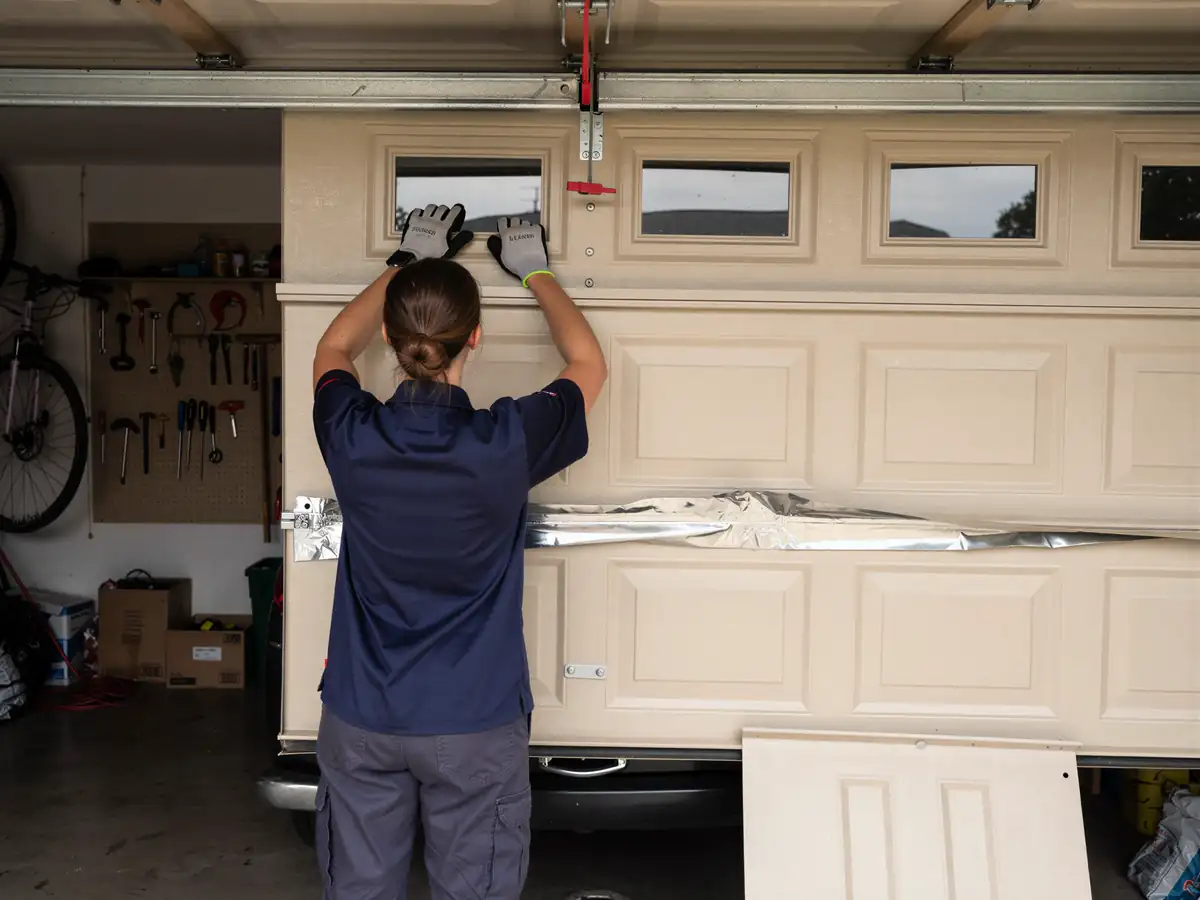
A new door install is not a weekend project you walk into without knowing what you're doing, and we'll say that plainly. Hanging panels is the easy part - leveling the track, tensioning a torsion spring to the right number of turns, and squaring the opening on a house built in 1971 where the jamb has shifted an inch over fifty years is where people get hurt or end up with a door that binds. If you've done it before and have the spring winding bars, go ahead. If you haven't, the spring alone is reason enough to call someone: a torsion spring under full tension that slips off a winding bar can break a hand or worse. What you can reasonably do yourself is the small stuff - swapping weatherstrip, lubricating rollers, tightening hinge bolts. Save the install itself, especially the spring and track alignment, for someone who does it daily.
Where This Job Goes Sideways
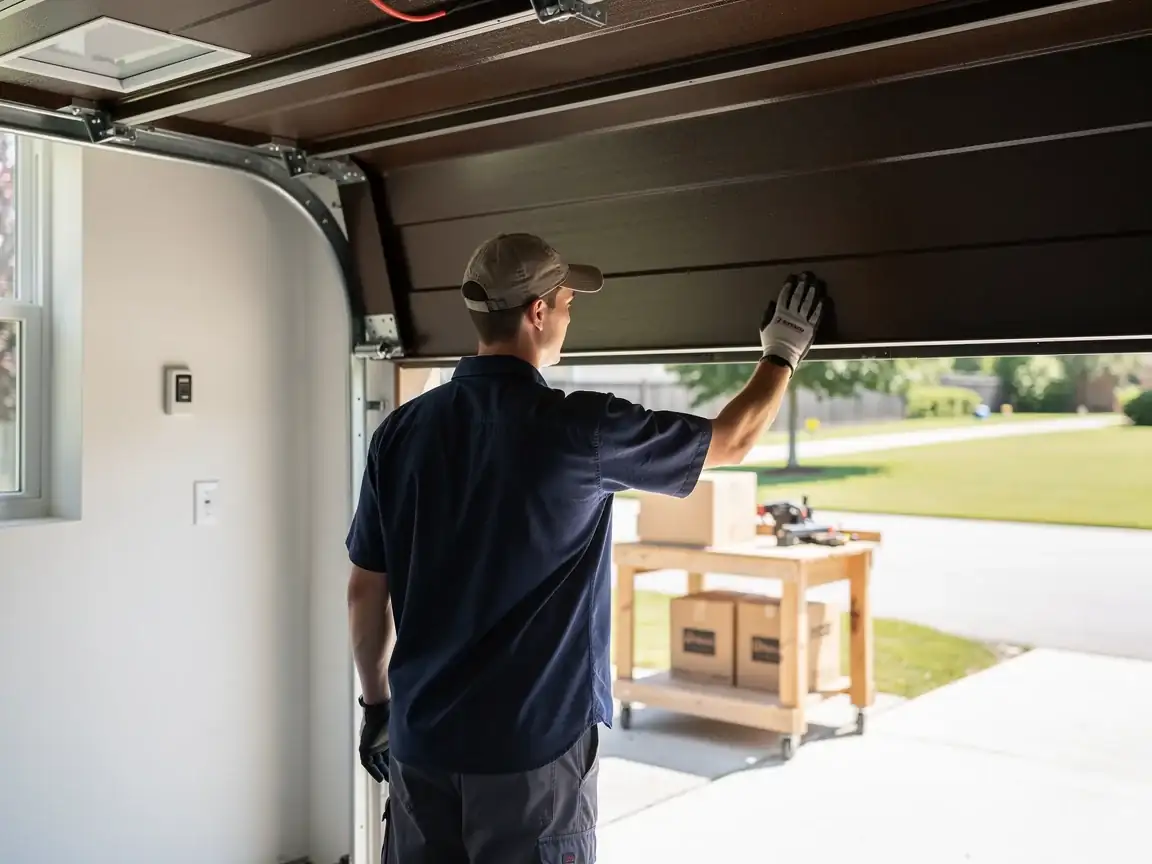
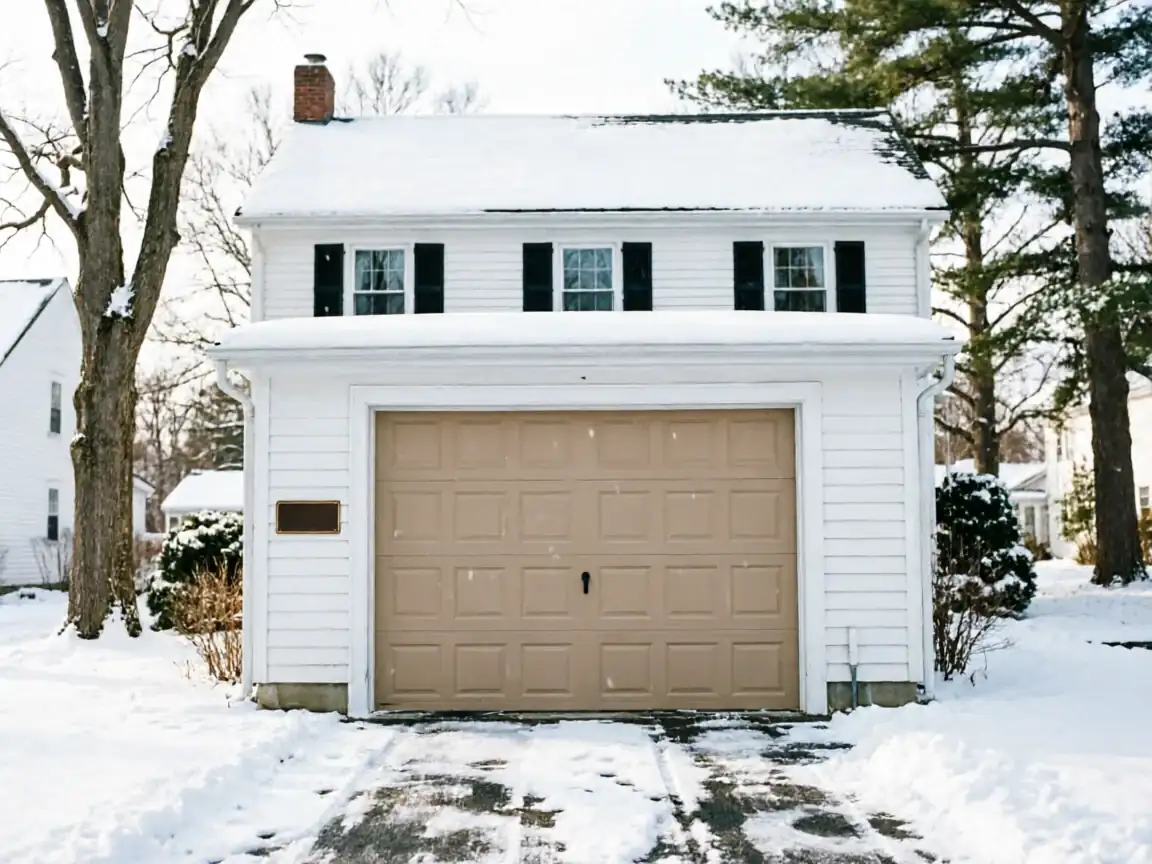
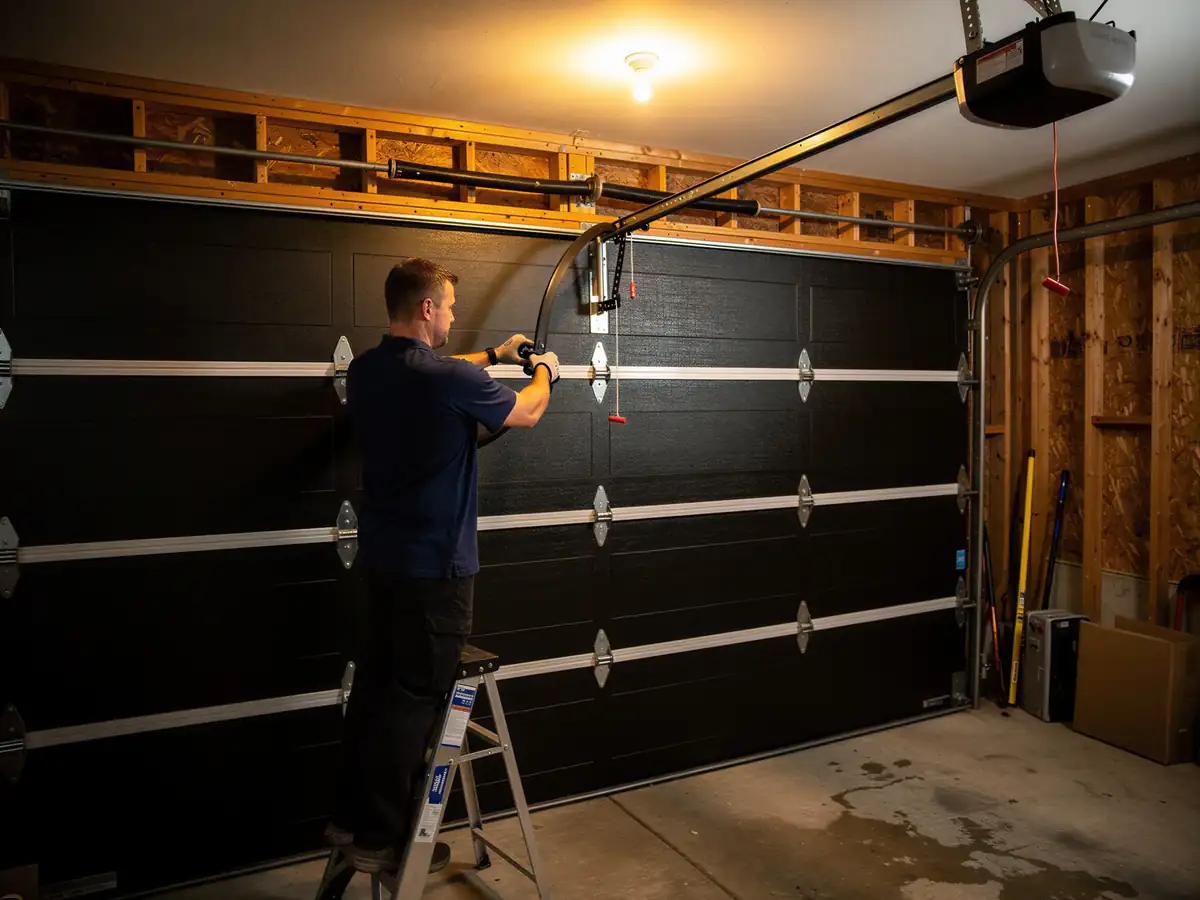
The usual trouble spot in a house built around 1971 is the jamb itself, not the door. Over fifty-plus years of settling, the opening is rarely still square, and a new door hung on an out-of-square frame will bind, drag, or leave a gap wide enough to let in a COLD severe winter draft. We shim and re-square as part of the install, but if the header or side jamb has rotted or shifted enough, that's carpentry work outside a door install, and we'll tell you before we start rather than after. The other place it goes sideways is the opener - a lot of these houses still have a chain-drive unit from the same era as the door, and the bracket mounting doesn't always match a new door's track height. We check that up front so you're not stuck with a door that's hung but an opener that can't lift it.
Booking a Visit
We cover Succasunna out of our Randolph location, about four miles away, so scheduling a measure-and-quote visit doesn't mean a long wait on travel. We'll come out, measure the actual opening, check the jamb and the existing opener, and give you a real price for the door you want - not a phone estimate. See our <a href="/succasunna/garage-door-service/">Succasunna service page</a> for the full range of work we do in town, or if you're comparing installation against a repair first, our main <a href="/garage-door-installation-randolph-nj">installation page for the Randolph area</a> covers the broader picture.