What Is on the Truck
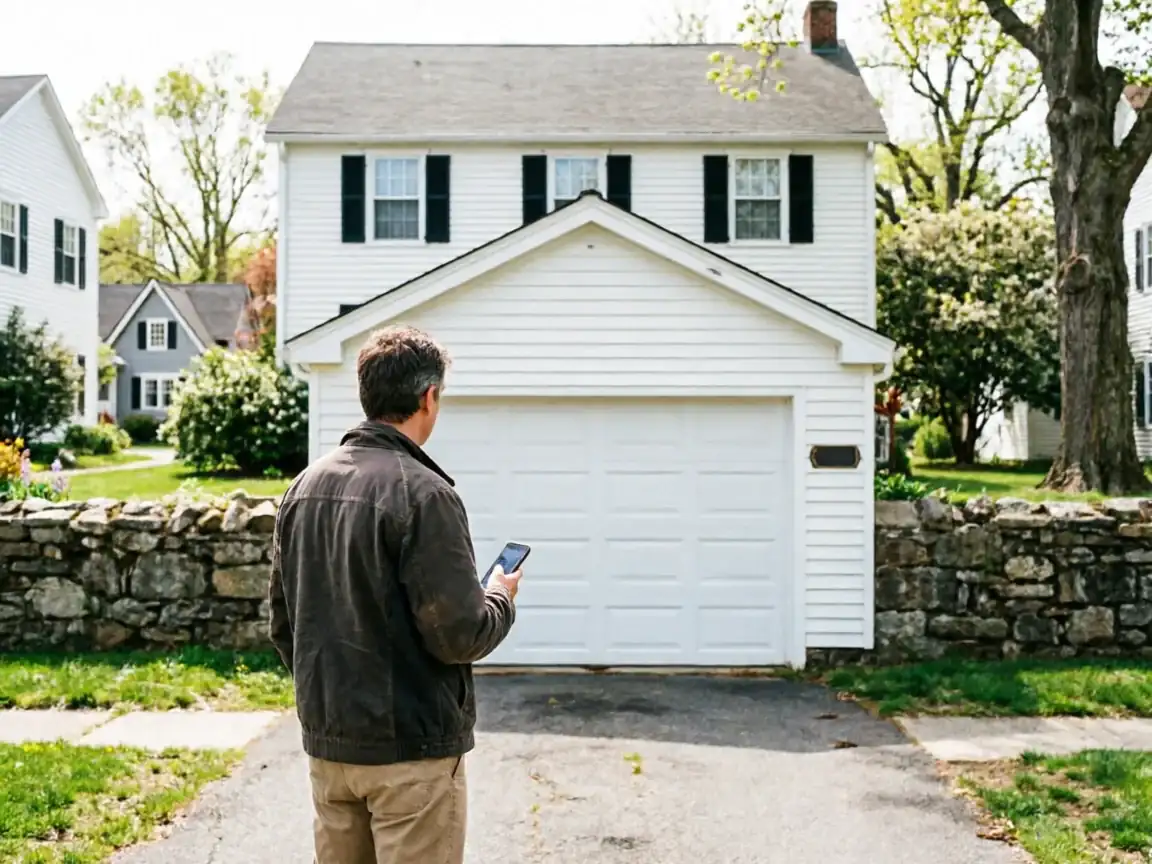
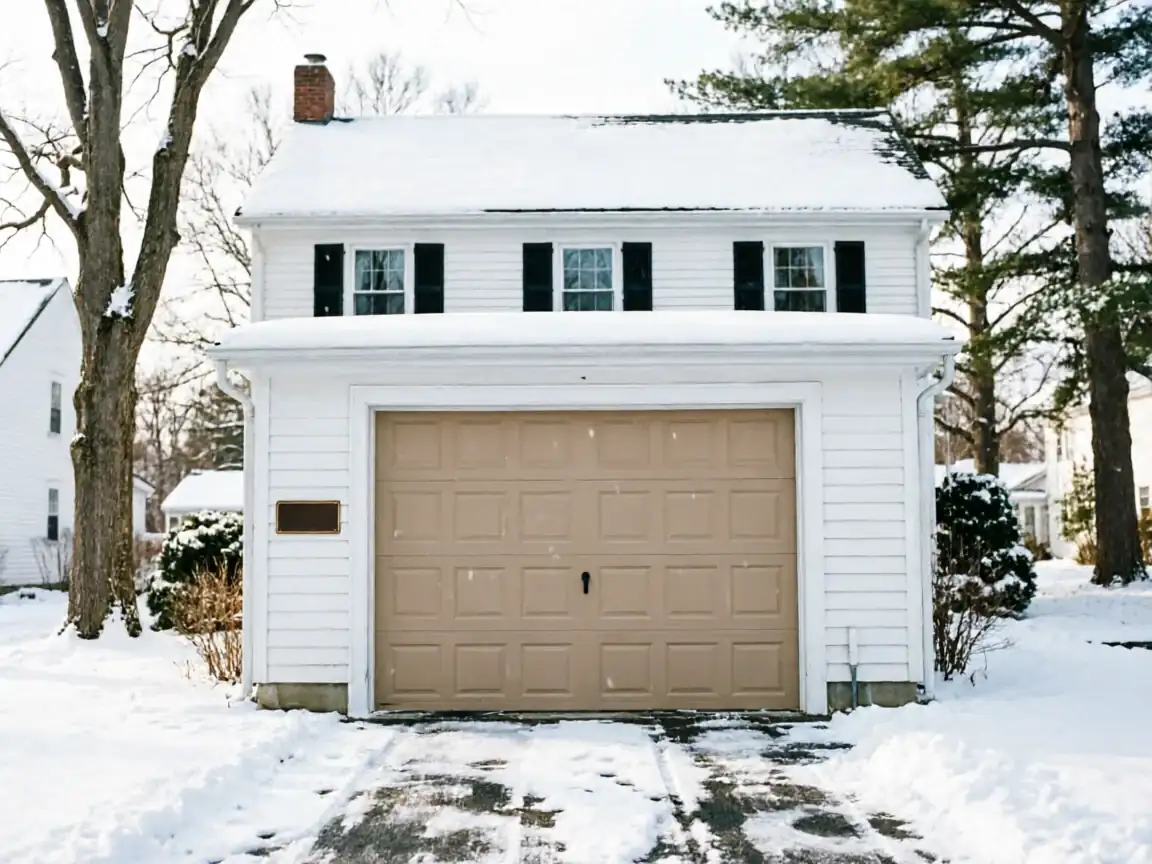
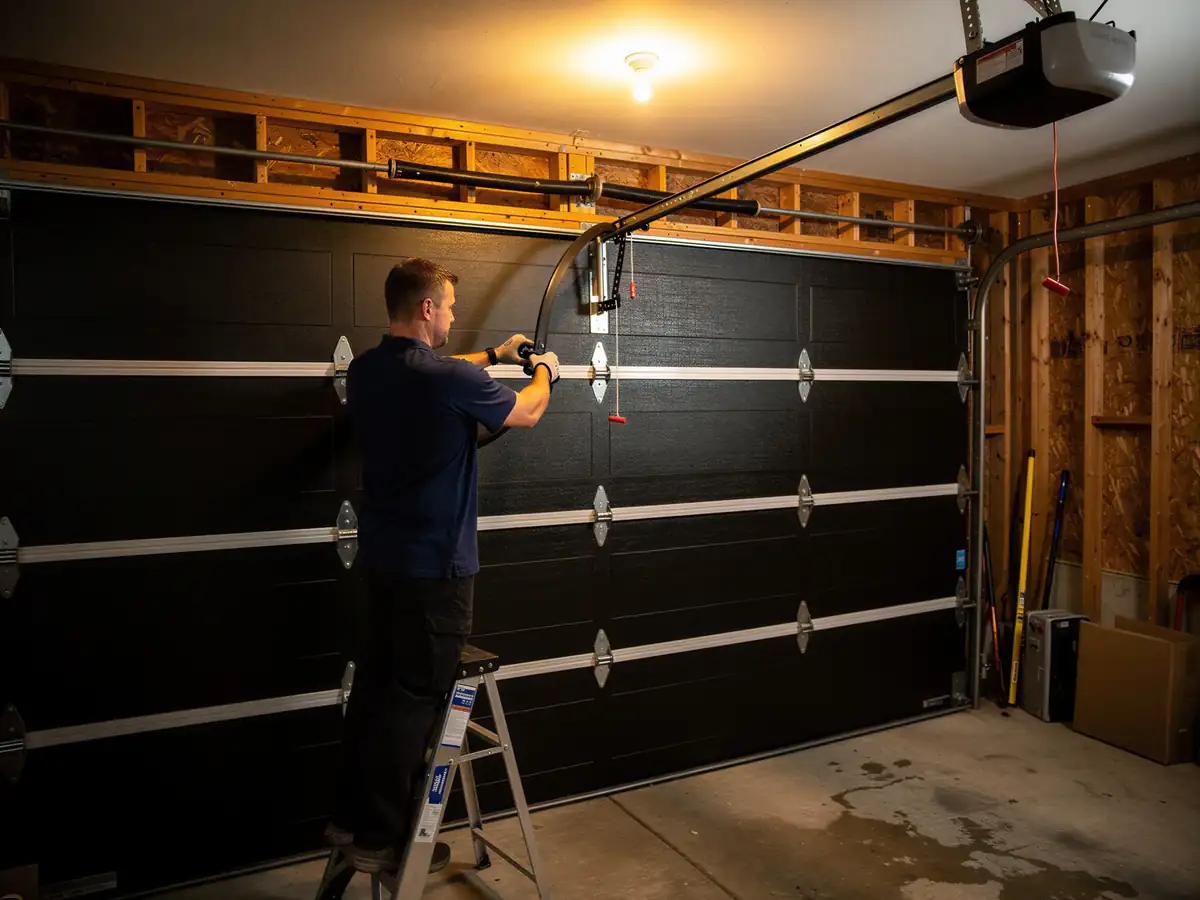
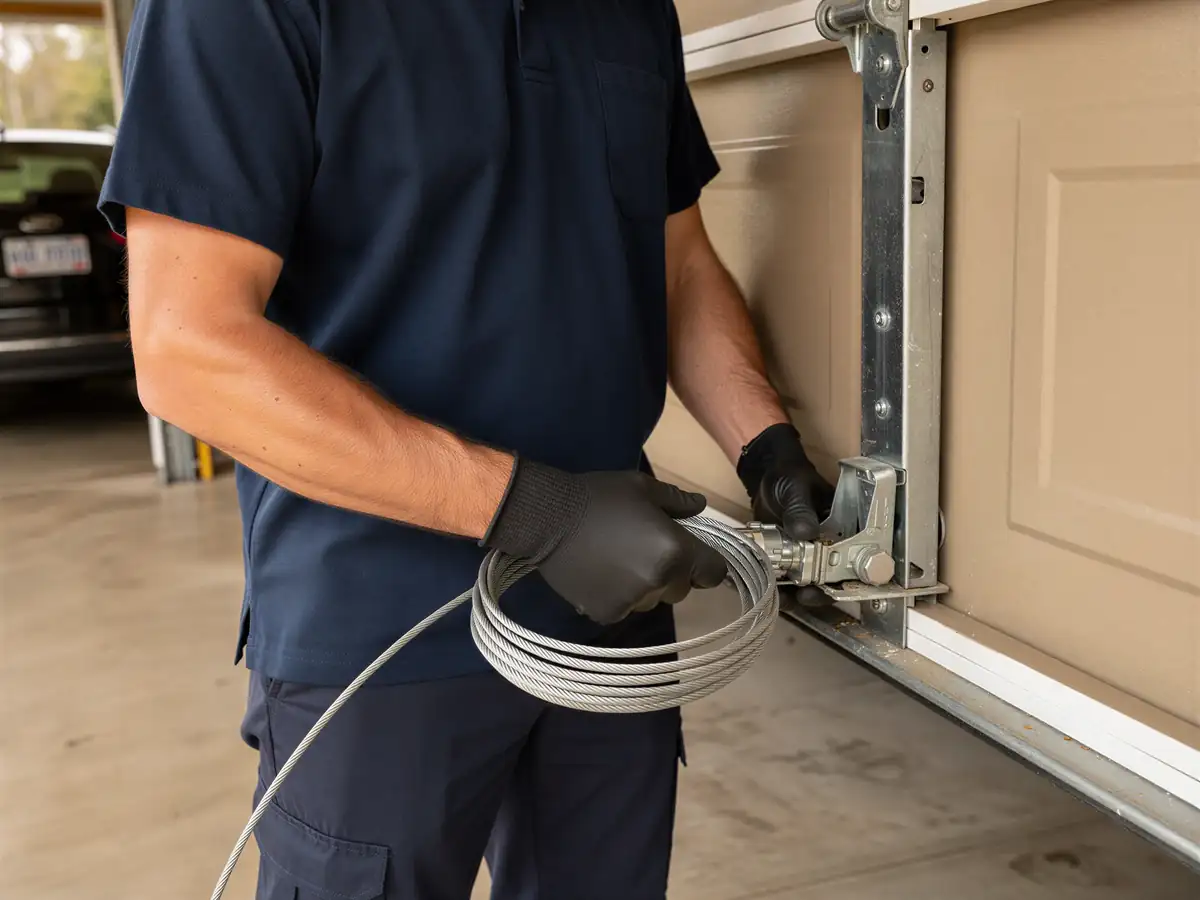
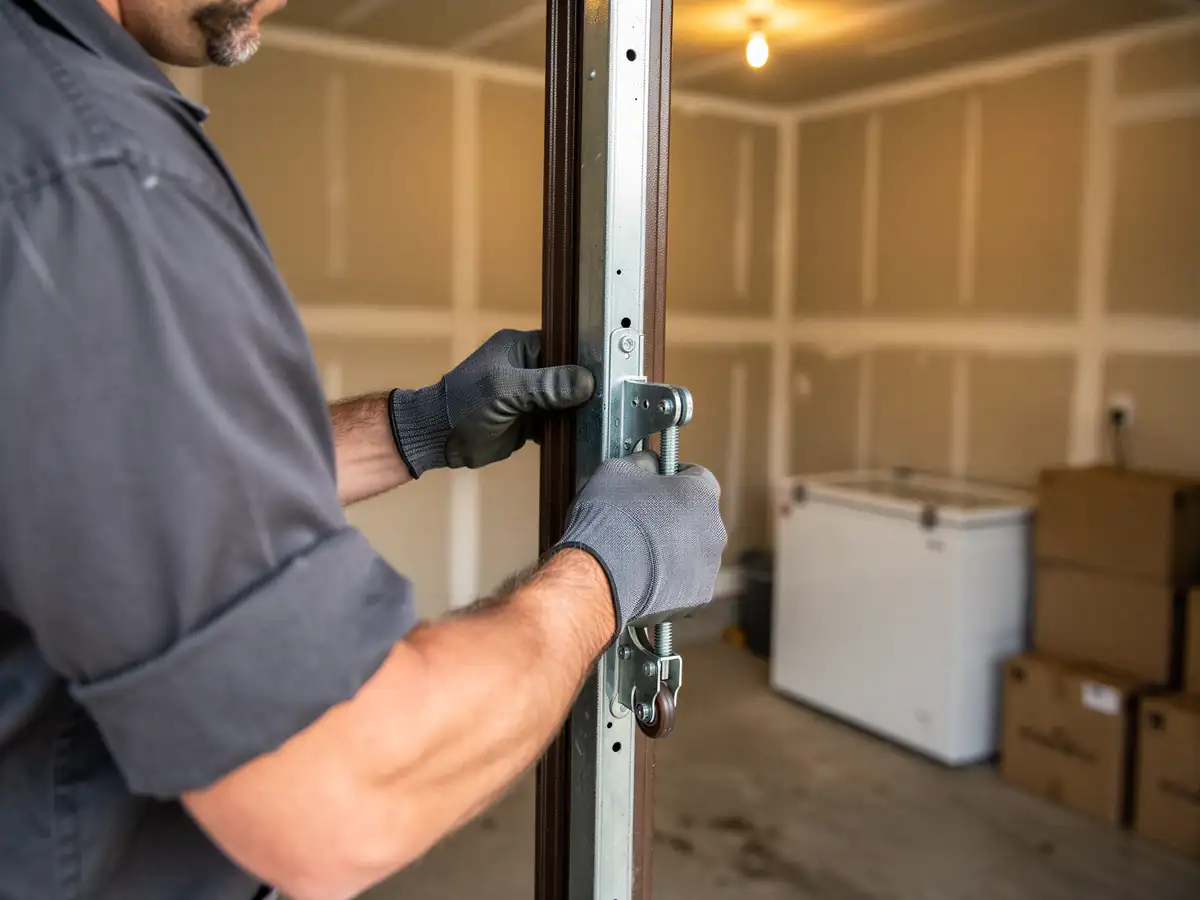
Succasunna's housing stock centers on 1971, a decade newer than the 1964 median across the wider Randolph service area. That matters for openers more than most homeowners expect. A house built in 1971 almost never has its original opener - chain-drive units from that era maxed out at 15 to 20 years of service, so most of these houses are on a second or third unit by now. What we carry on the truck reflects that: modern chain and belt-drive openers in half-horsepower and three-quarter-horsepower, drive gears and sprockets for the mid-tier brands that replaced those original units in the 1990s and 2000s, and the wall controls and safety sensor pairs that wear out from age rather than from a single bad part. We don't stock parts for openers older than that first replacement generation - if your unit turns out to be a holdover from the 1970s house itself, we're more likely to recommend swapping it than hunting for a part nobody makes anymore.
We also carry logic boards and photo-eye sensor sets separately, since on a house this age it's common for one to fail well before the other, and replacing the whole opener for a $20 sensor is a waste of a service call.
Doing It Yourself
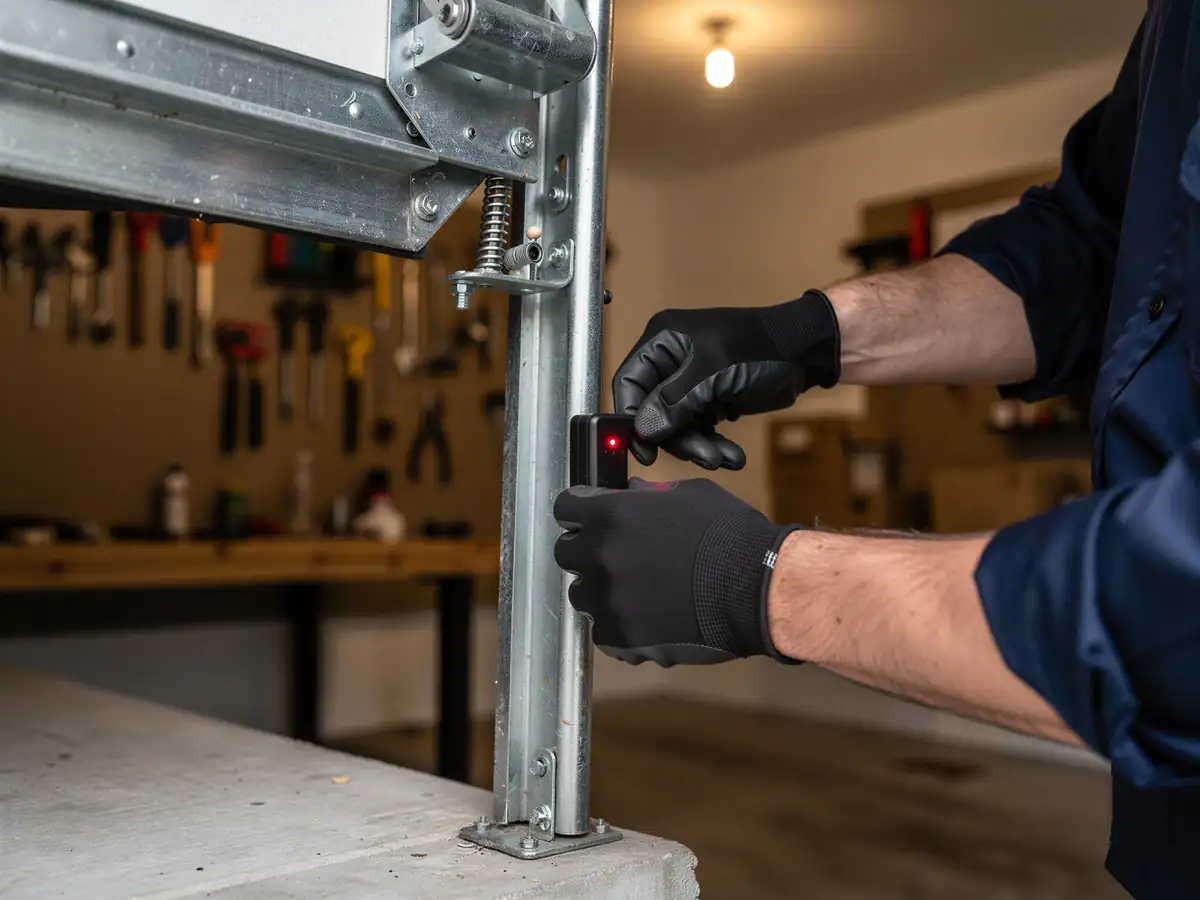
A photo-eye sensor that's knocked out of alignment is the one opener fault worth checking yourself before you call anyone. The two small sensors near the bottom of the track need to face each other dead level; if the door reverses right after you hit the button, or won't close at all, that's usually it. Wipe the lenses, nudge them back to level, and see if the light goes solid instead of blinking.
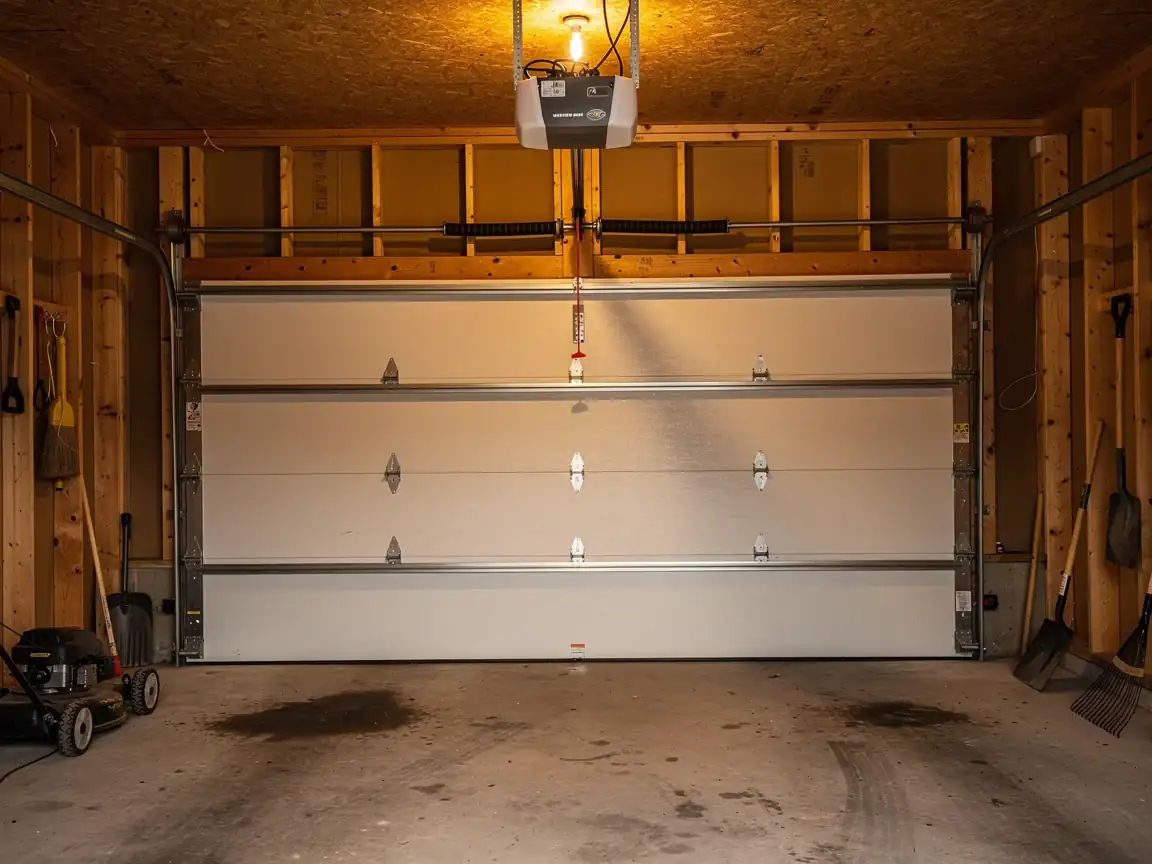
Past that, we'd rather you not open the opener housing. The capacitor inside a chain or belt-drive unit holds a charge even unplugged, and on these 1970s-era double doors the spring system working against the opener is under enough tension to do real damage if you're mid-repair and something lets go. Remote programming and travel-limit adjustment are fine to try yourself - most manual-free units have a label inside the housing with the reset sequence. If the opener runs but the door doesn't move, or moves and then grinds, stop there. That's a drive gear or a motor problem, not a settings problem.
Where This Job Goes Sideways
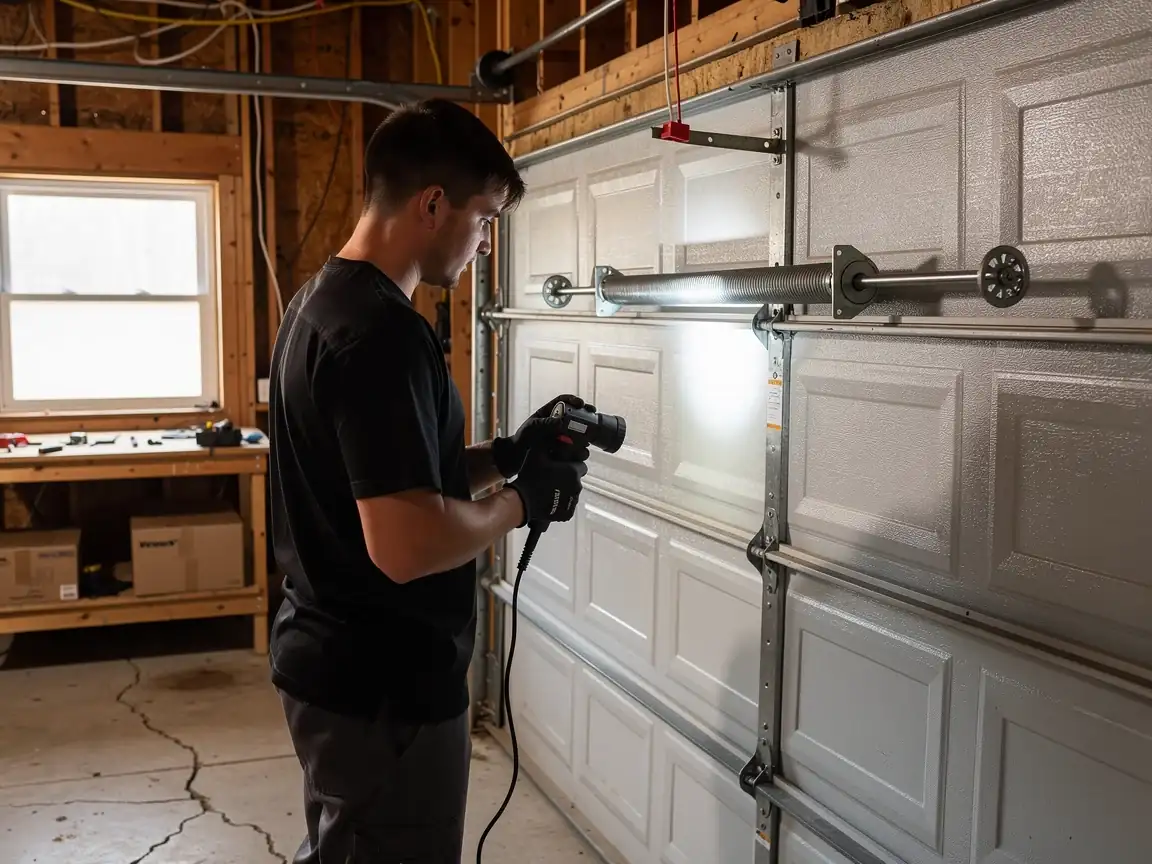
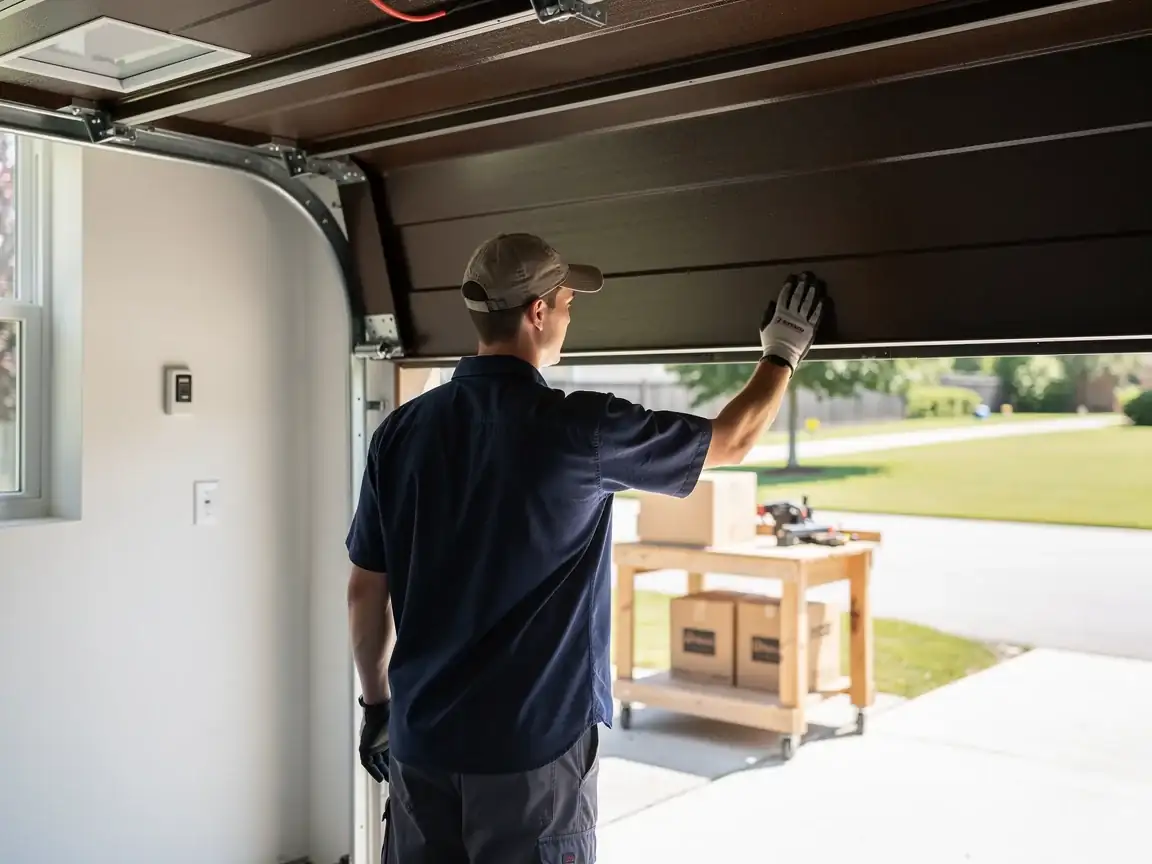
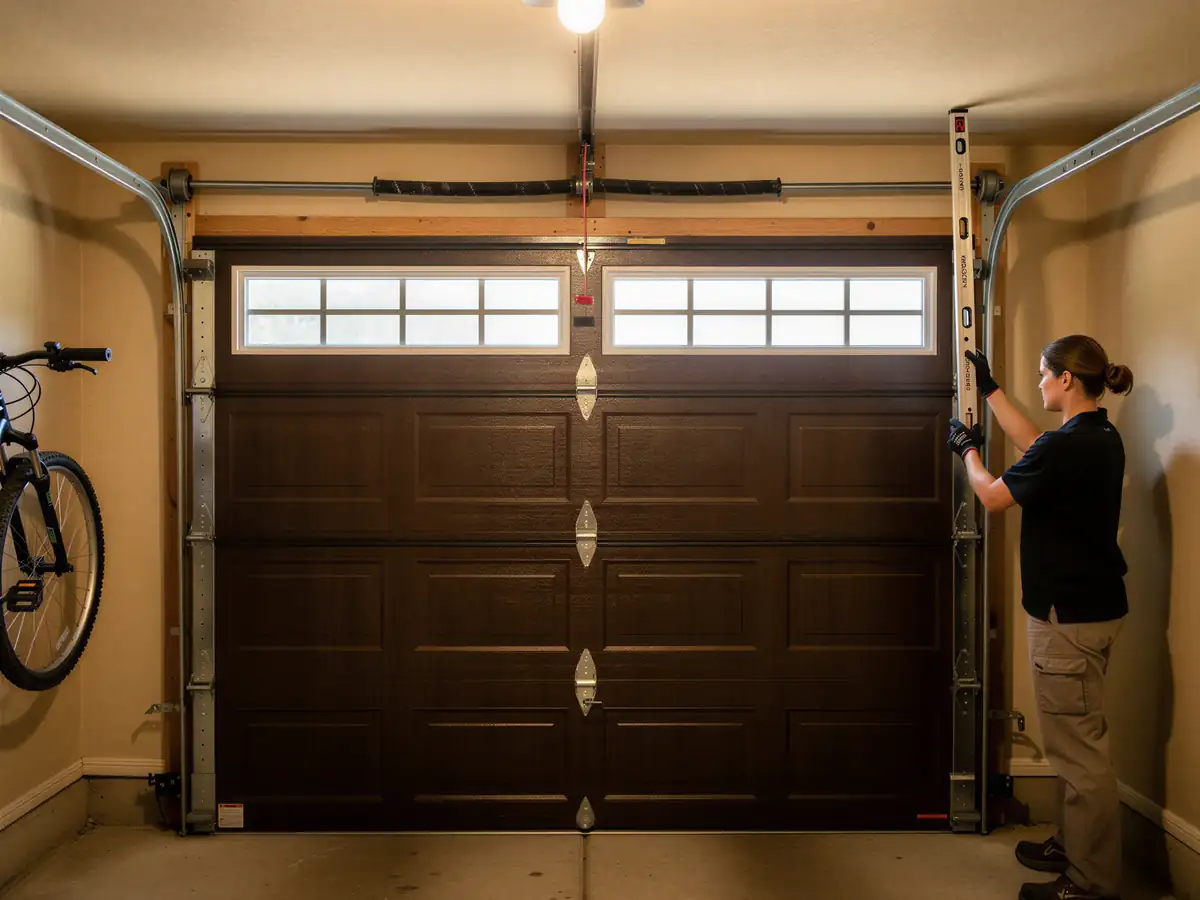
The call that starts as "opener won't work" and turns into something bigger almost always traces back to the spring system, not the opener itself. On a house from this era, the opener is working exactly as designed - straining against a torsion spring that's lost tension, or a door that's racked slightly on its track. The motor just takes the blame because it's the last thing you touched. We check the door's balance before we touch a single wire in the opener, because installing a brand-new unit on a door that's out of balance just means you've burned money on a new opener that's about to fail the same way the old one did, only faster.
The other sideways moment: logic boards for openers made before the early 2000s are getting hard to source, full stop. If yours is that old, we'll say so rather than quote a part we can't get in any reasonable timeframe.
Booking a Visit
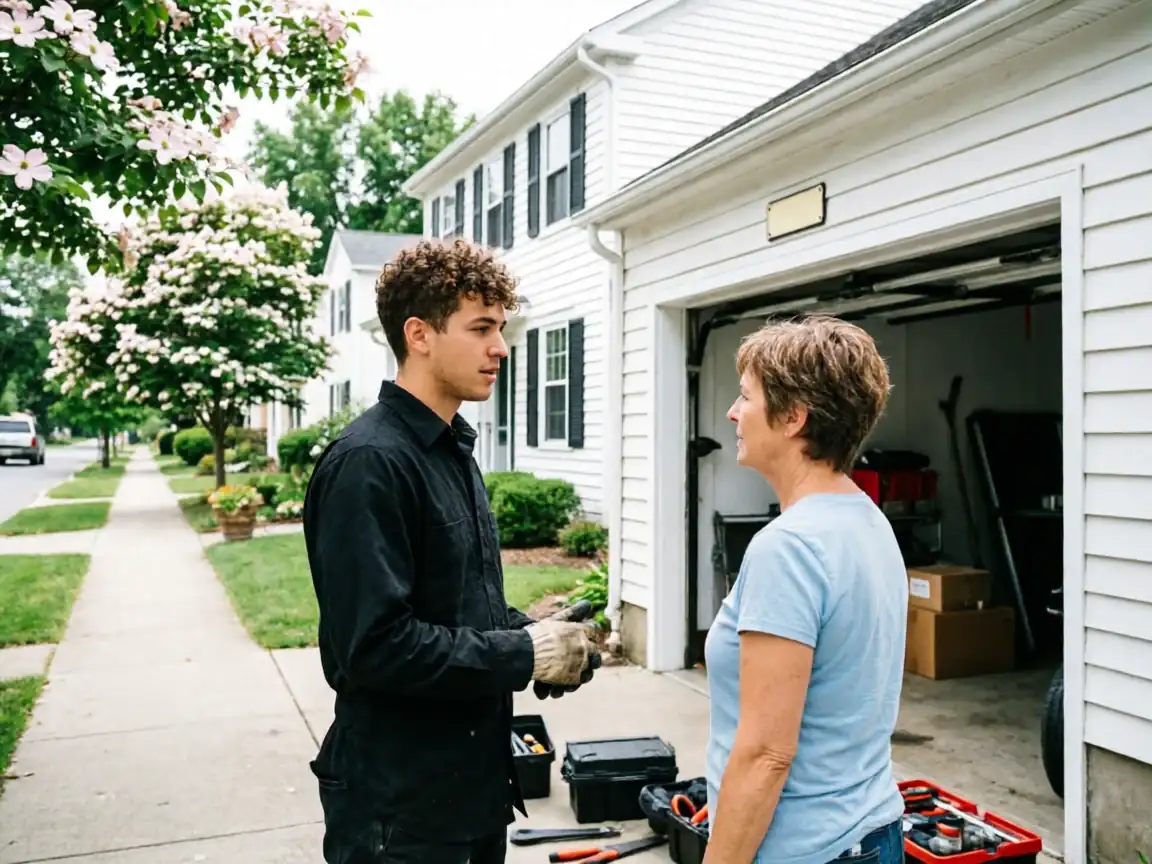
We run out of Randolph, four miles from Succasunna, so a visit here is a short trip, not a cross-county haul. When you call, have the opener's brand and, if you can see it, the model number printed on the housing - that one detail saves a diagnostic trip in a lot of cases, since we can often tell from the model whether we're looking at a sensor issue or something in the drive. Tell us what the door does when you press the button: nothing, a hum with no movement, movement that stops partway. That detail, more than the age of the house, is what tells us what's in the service bag before we knock on the door.