What Is on the Truck
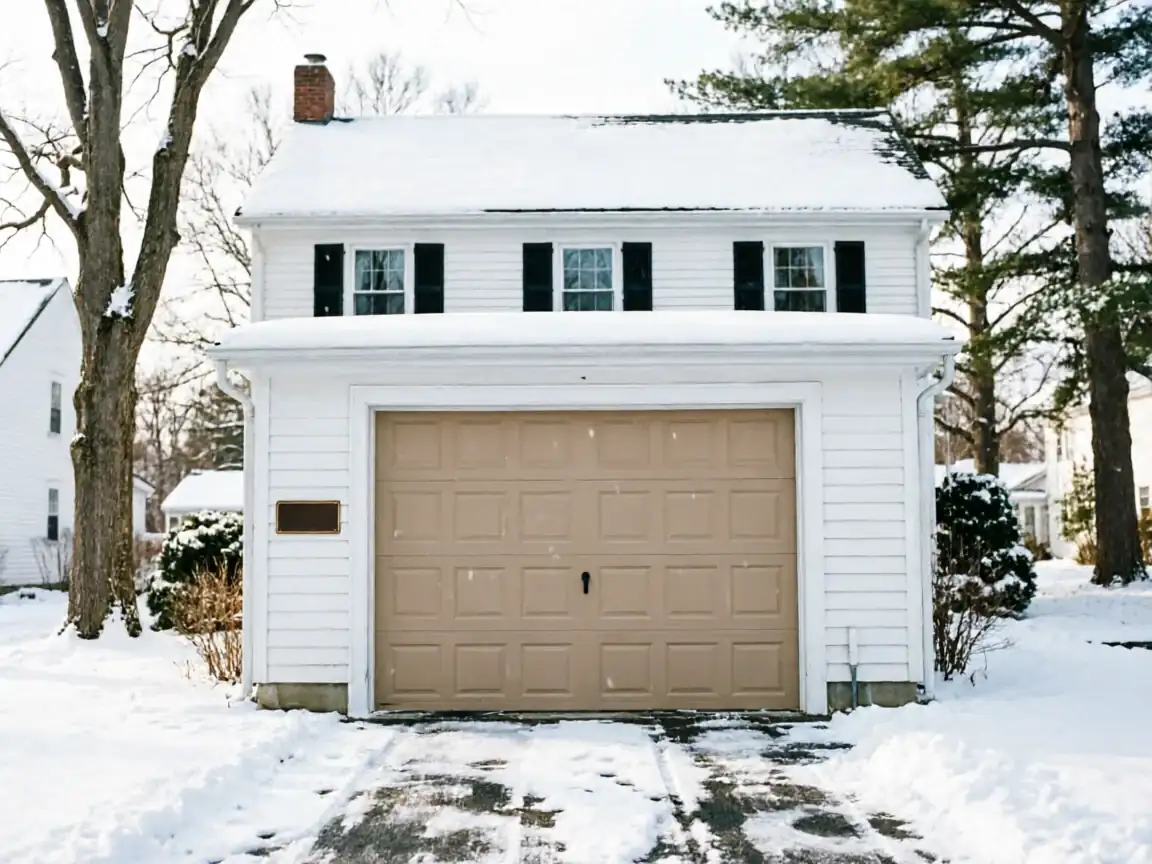
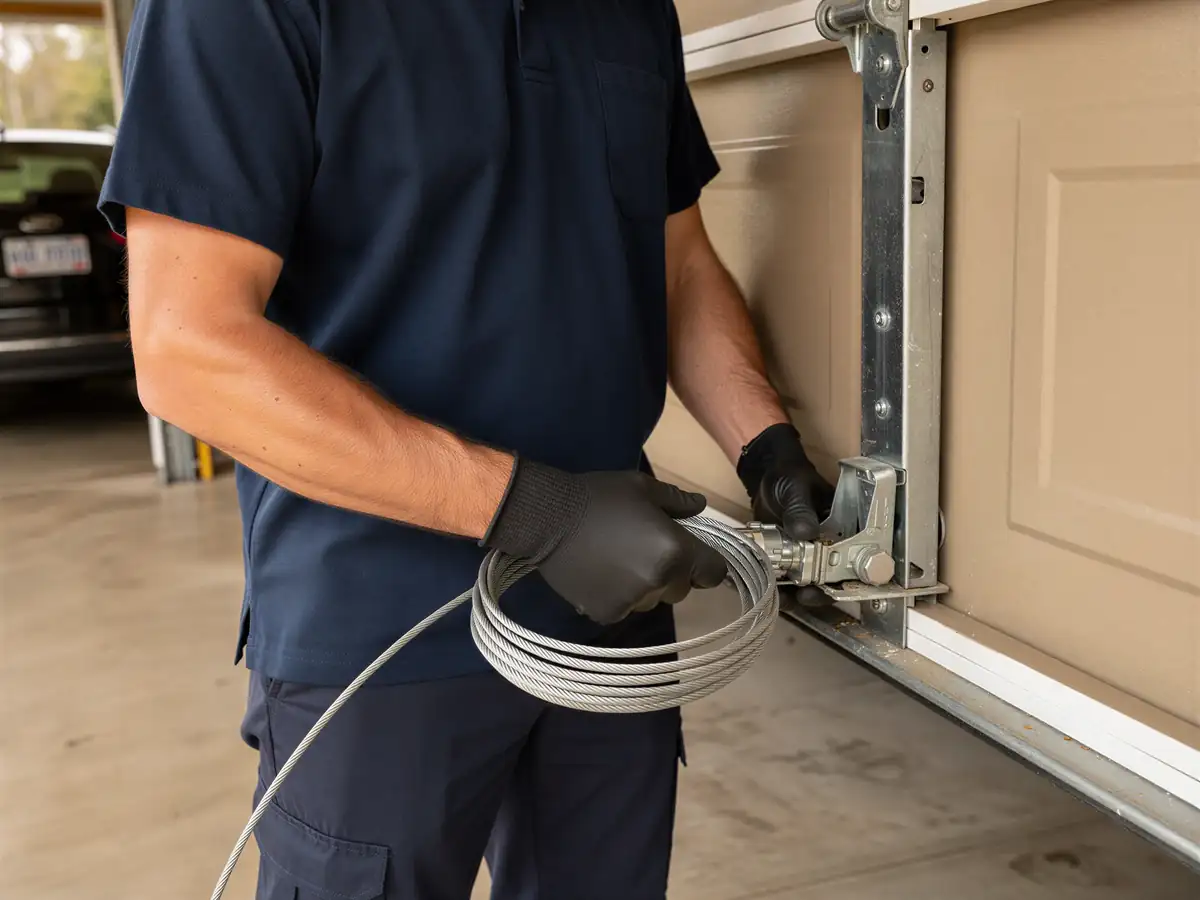
Most houses in Succasunna went up around 1971, which puts a lot of original garage doors and their first replacements into a narrow window of steel gauge and section height that isn't what big-box stores stock today. We carry a run of panel sizes that cover 18-inch and 21-inch sections, since doors from that build era mix both depending on who put the door in and when. We also carry long-reach clamps and panel jacks, because a single damaged section on a door this old often won't come loose clean - the seams have had 50 winters of expansion and contraction to work on them. If your door is a short-panel style from a later retrofit, we check the section height before we pull a replacement off the truck, not after, so we're not back out a second time for the wrong part.
What we don't carry is every obsolete color and wood-grain finish from that era. If your door was painted to match trim decades ago, the new panel will likely be close but not identical until the whole face gets repainted. We'll tell you that on-site before we start, not after the panel's already in.
Doing It Yourself
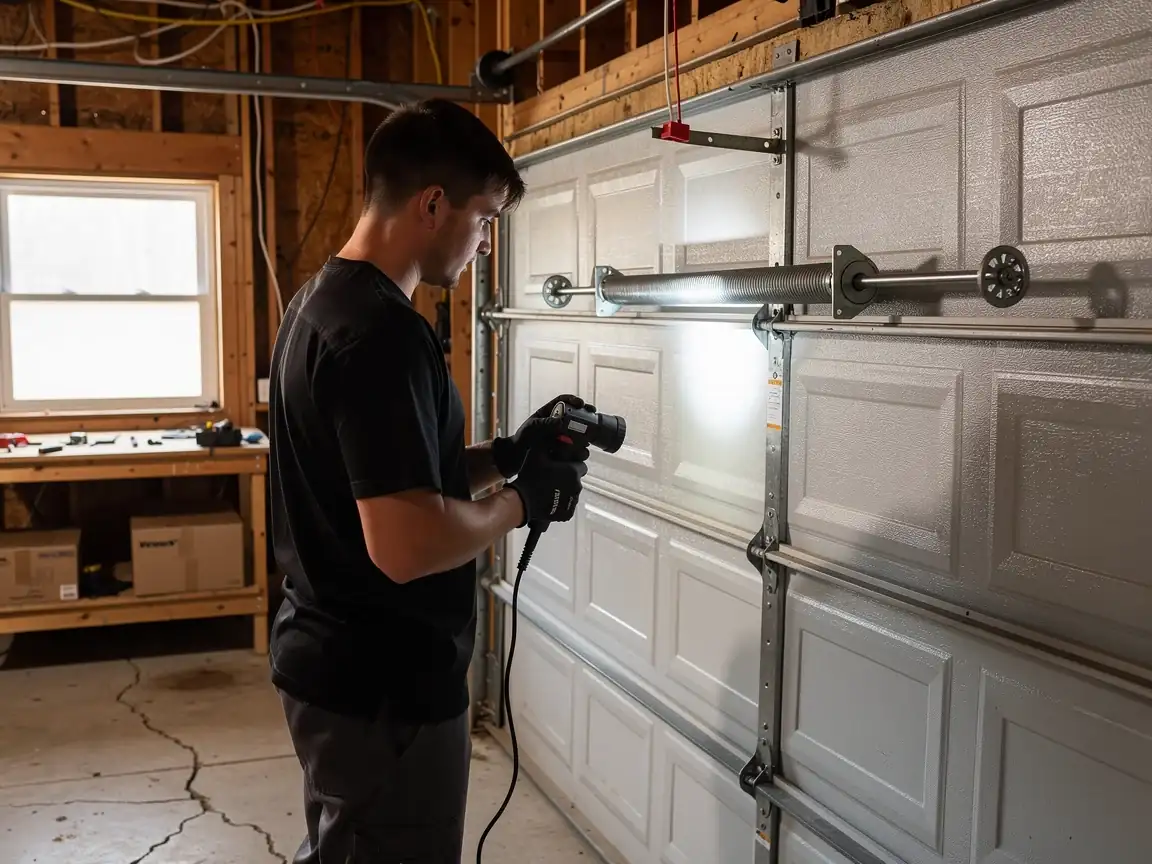
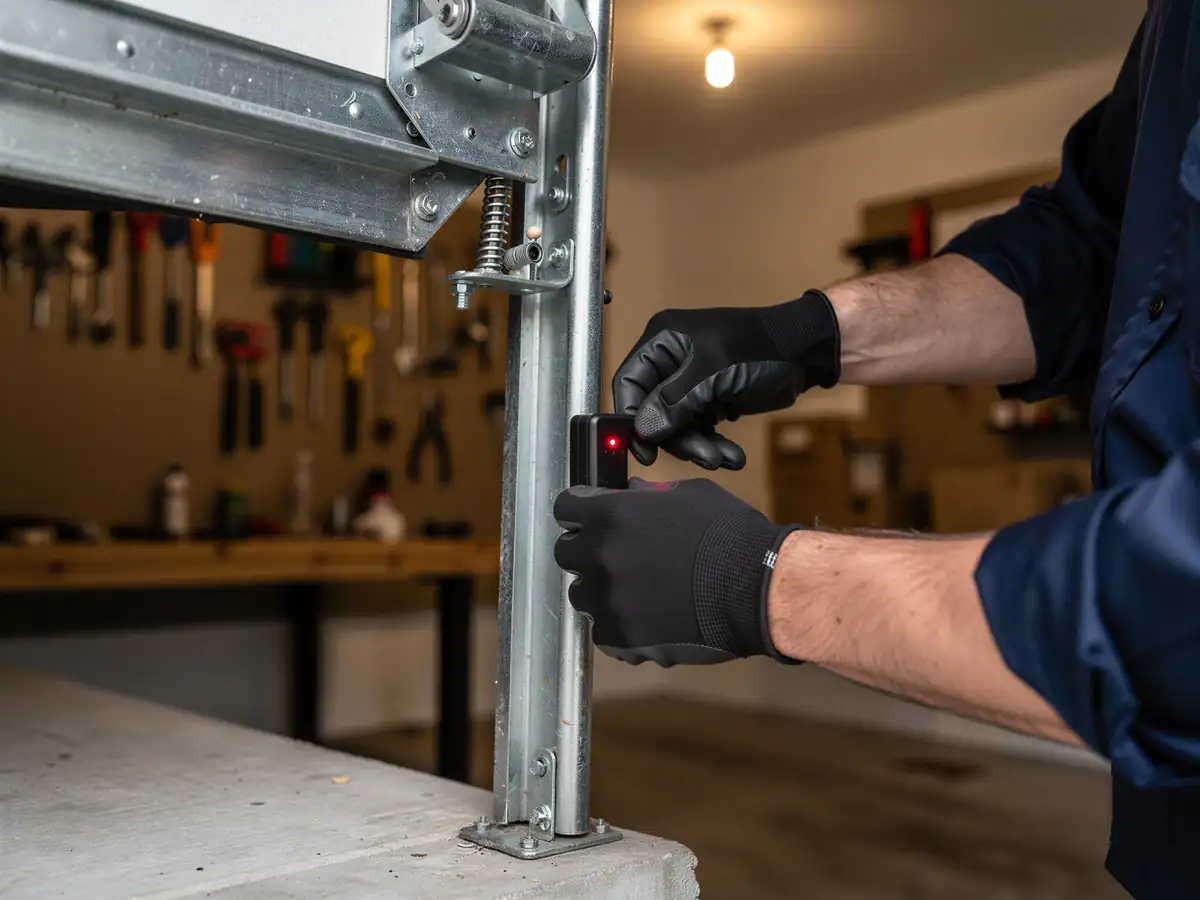
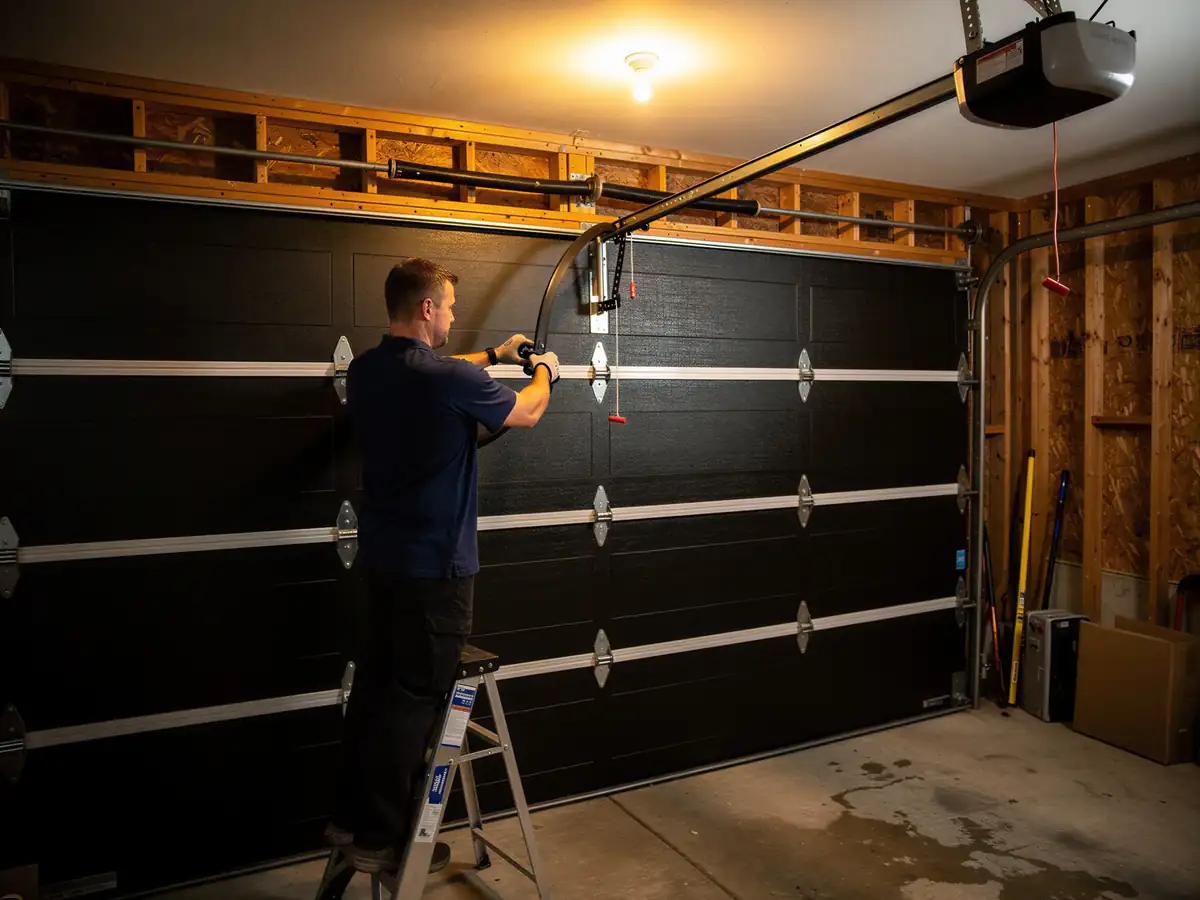
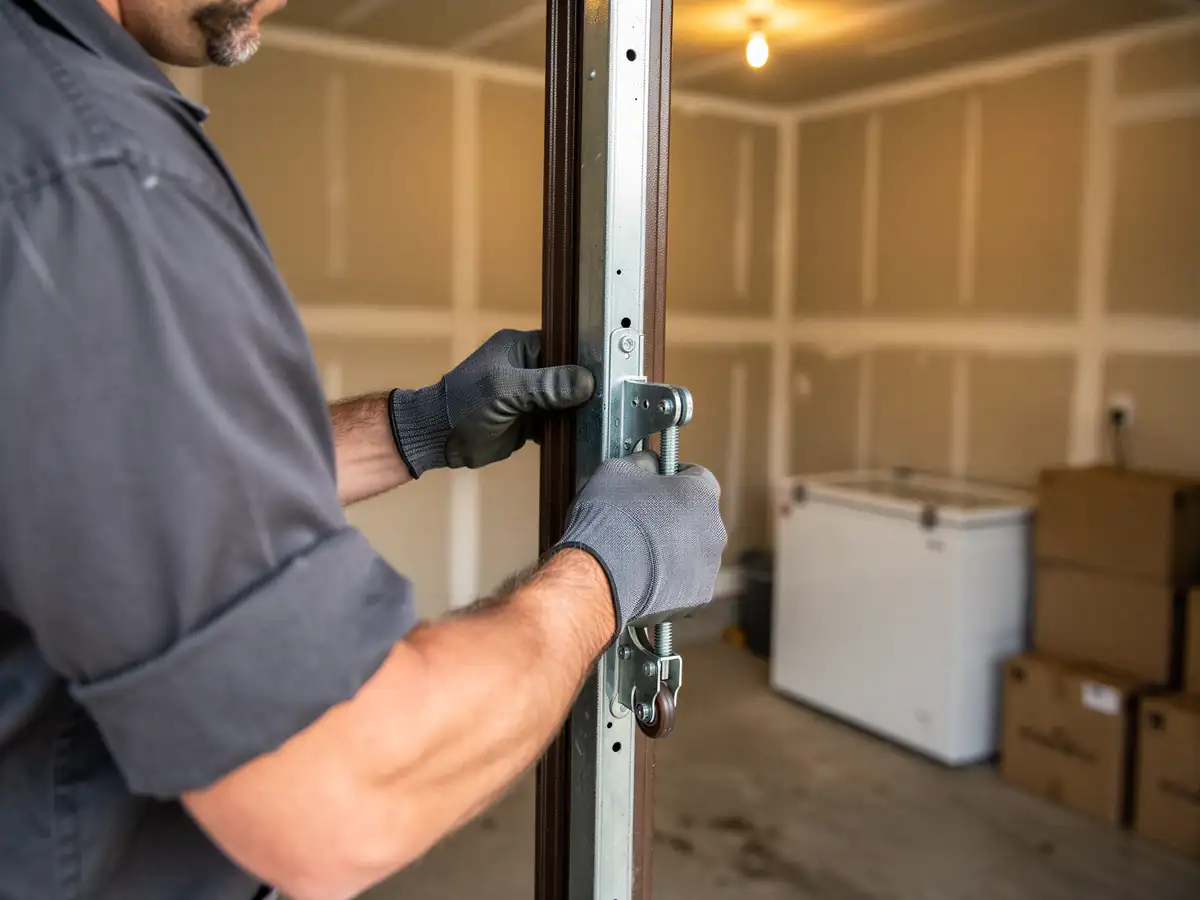
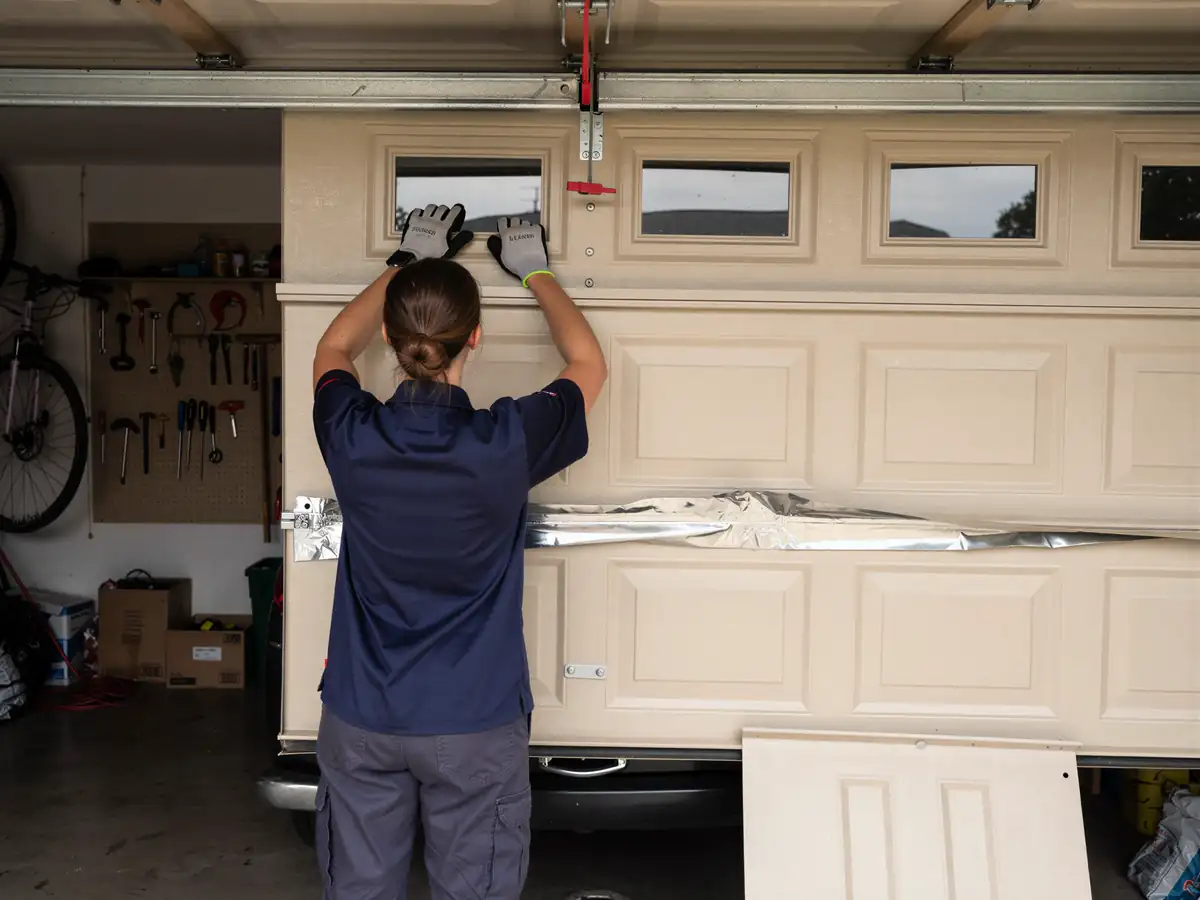
A single dented or cracked panel on a steel sectional door is one of the more doable DIY jobs if the door is still square and the track isn't bent. You unbolt the end hinges, slide the old section out, and bolt the new one in - assuming you can find the right section height and it ships to you, which on a house this age is the real obstacle, not the labor. Where this gets past a weekend job: torsion spring tension has to come off the door before you pull a panel near the bottom section, and on a door old enough to be original to a 1971 build, that spring and its winding cone are often undersized or worn past what's safe to touch without a bar and a clamp you already know how to use. If you've never wound or unwound a torsion spring, don't start on this door to learn - buy or rent the part, then call someone for the hour of install. That's the honest split: panel swap, doable; spring tension near an old door, not worth the trip to the ER to save a service call.
Where This Job Goes Sideways
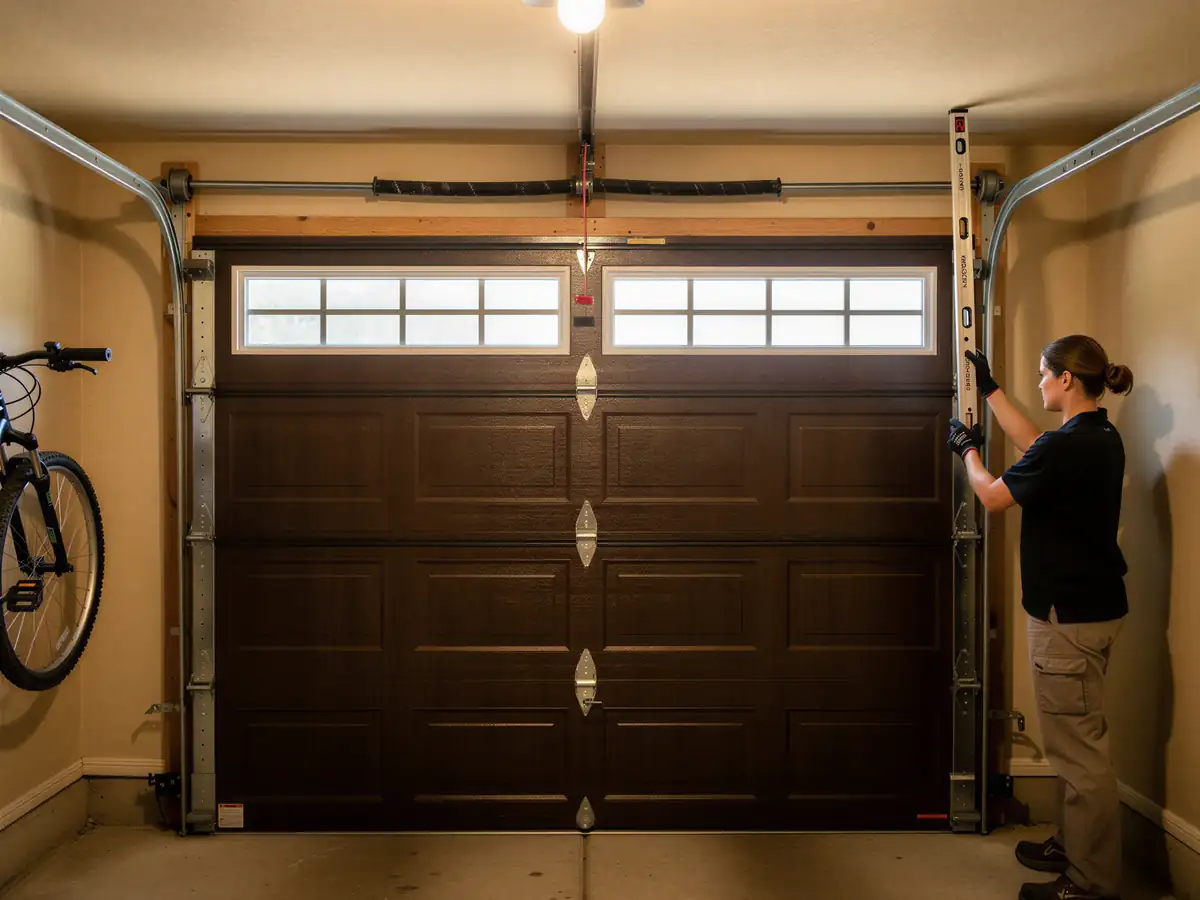
The failure mode we see most on doors from this build era isn't the panel itself, it's the track alignment underneath it. A door that's been opened and closed for five decades through a northern New Jersey winter has rollers and tracks that have shifted slightly out of plumb, and a brand-new panel bolted into a slightly twisted frame will bind on the next cold morning - the same severe cold-weather swings that stiffen steel and tighten tolerances across this whole region. We check track plumb with a level before we commit to a panel swap, not after. The other place this goes sideways: panels ordered by eye instead of measured section height. A 21-inch section looks a lot like an 18-inch section from six feet away, and a mismatched section will never sit flush no matter how carefully it's installed.
Booking a Visit
We run this job out of Randolph, about 4 miles from Succasunna, so getting a truck out isn't the obstacle - getting the right panel on it before we leave is. When you call, tell us the door's approximate age if you know it, how many sections wide the panel run is, and whether the damage is a single section or spans more than one. That lets us pull the likely section height before we're standing in your driveway guessing. If the measurement doesn't match what we expected once we're on-site, we'll say so and come back with the right part rather than force a close-enough fit onto a door that's going to outlast the mismatch by another 20 years.