Where This Job Goes Sideways
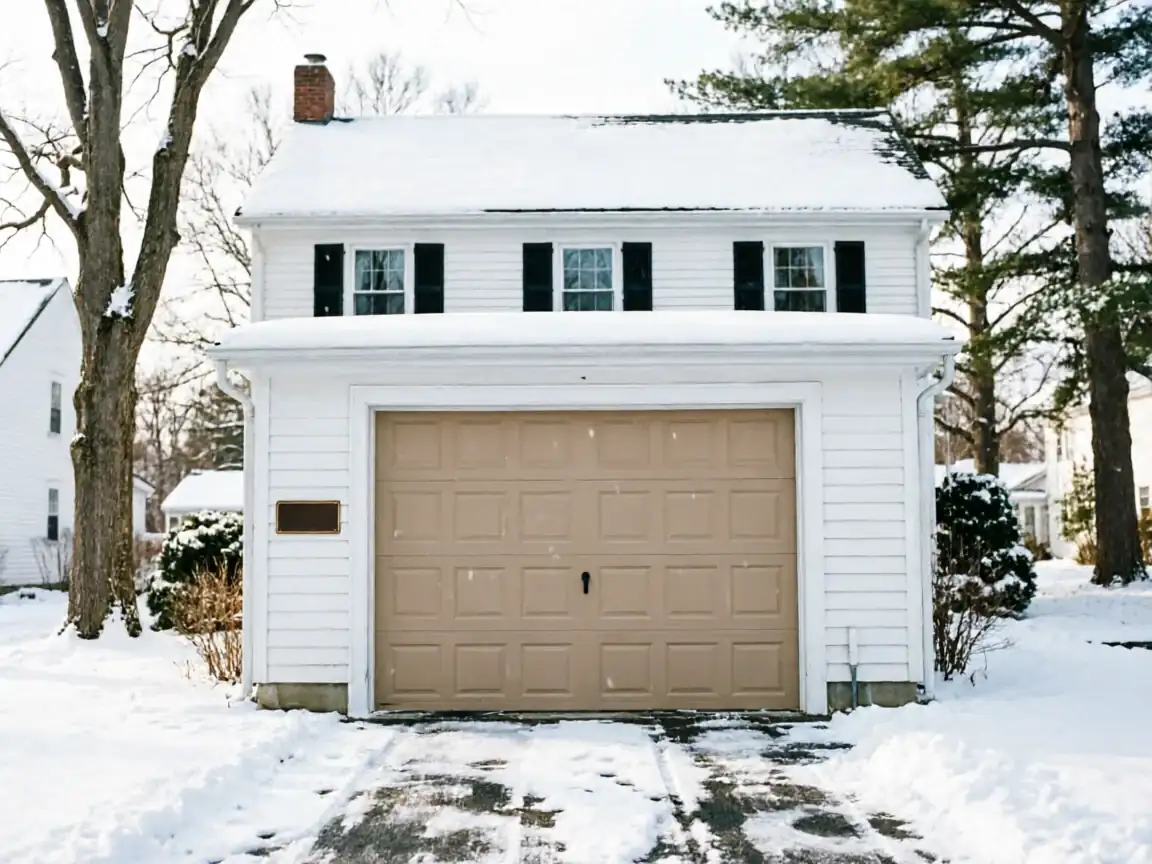
Landing is a small place - about 1,519 households, nowhere near the size of the bigger towns on our route like Parsippany-Troy Hills or Mount Olive. That matters for cable work because a small town means fewer doors, but it doesn't mean simpler ones. Most of the housing stock in this part of the service area went up between 1938 and 1996, with the median landing around 1964, and Landing itself sits right in that window at about 1967. Doors from that era were built for steel cable on drums sized for the torsion springs of the day, and when a homeowner swaps in a heavier insulated door later without matching the drum and cable gauge, the cable frays unevenly instead of wearing flat. That's the job that goes sideways - a tech shows up expecting a clean cable swap and finds a drum that's fighting the new door. We've seen enough of this vintage stock across the area to know which combinations cause it, but we still check before quoting on the phone, not after.
Booking a Visit
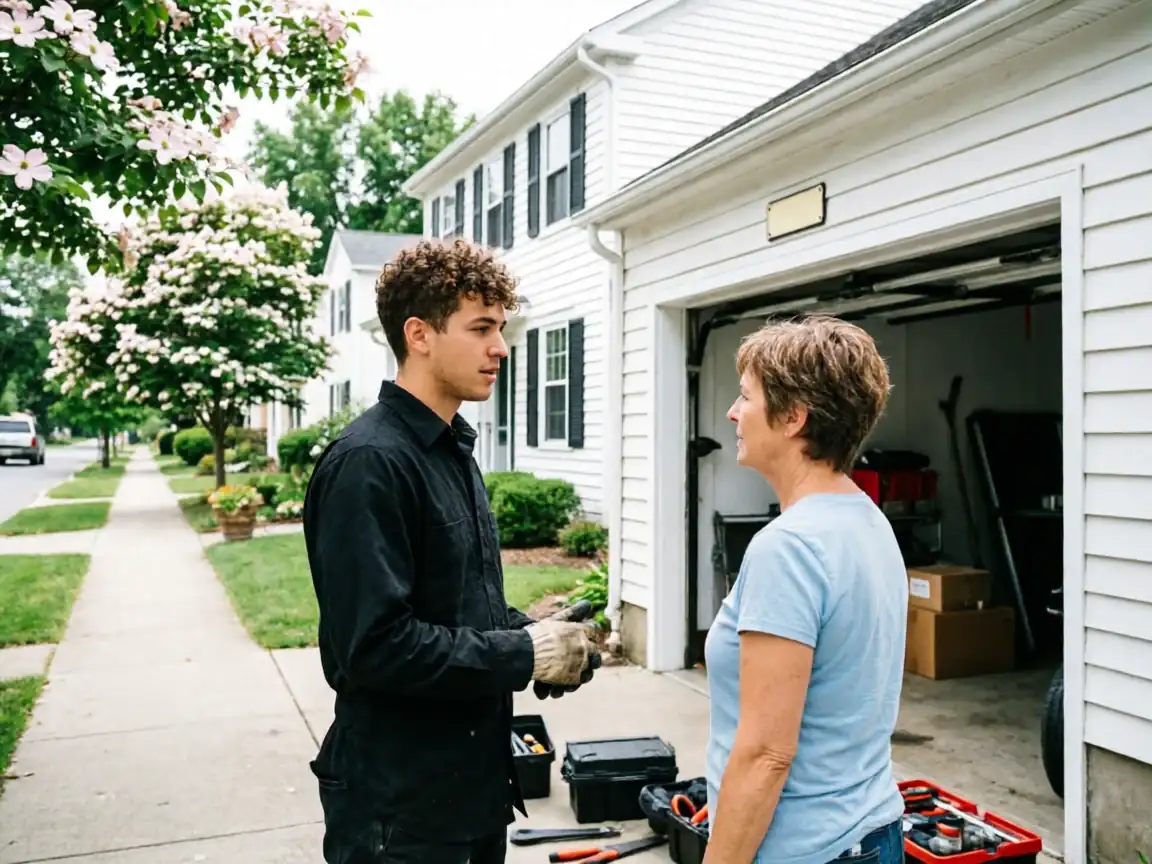
We run out of Randolph, about 6 miles from Landing, so there's no branch office here and we're not going to pretend otherwise. What we can tell you up front: describe what the door is doing - a loose cable hanging off the drum, a door that drops crooked, a cable that's visibly frayed or popped off one side - and we'll tell you whether it's a same-visit fix or something that needs a part ordered first. Cable alone is rarely the whole story on a house this age; the drum, the spring, and the track all share the load, and we'd rather look at all three before we say what it costs.
How It Shows Up
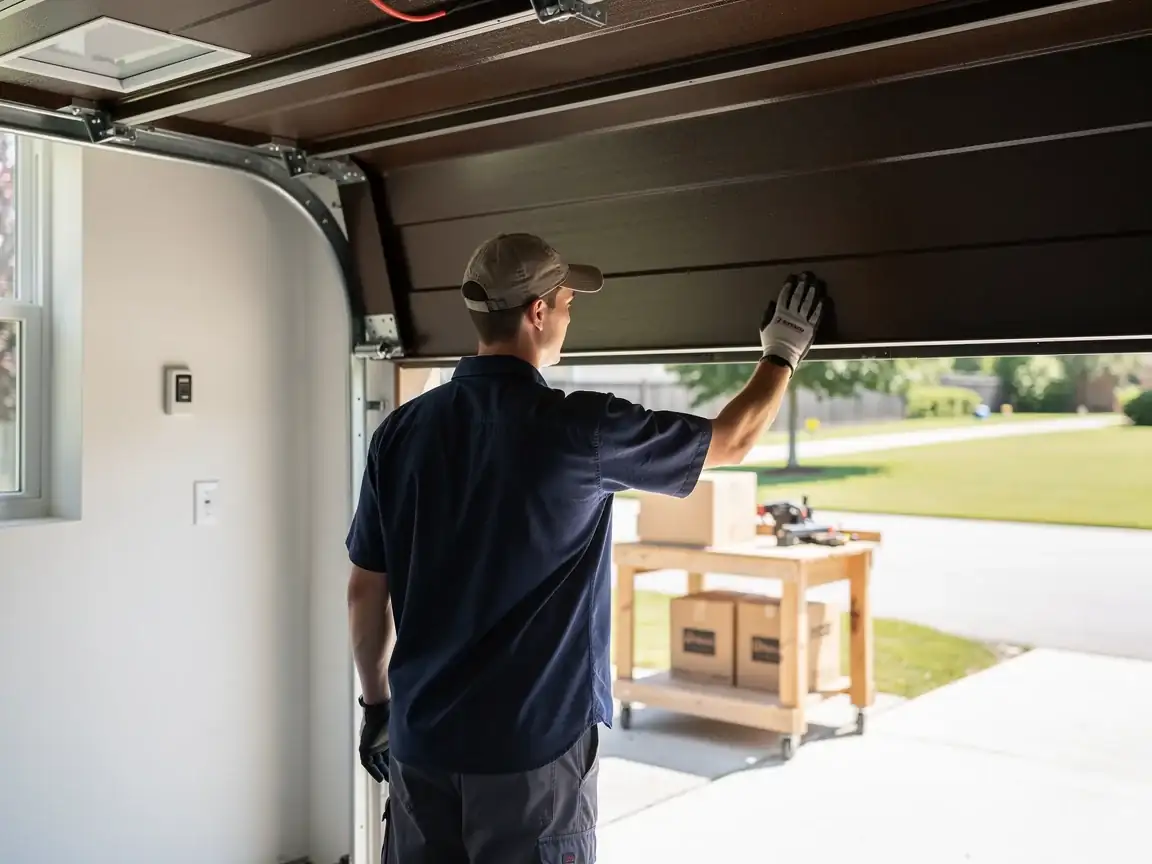
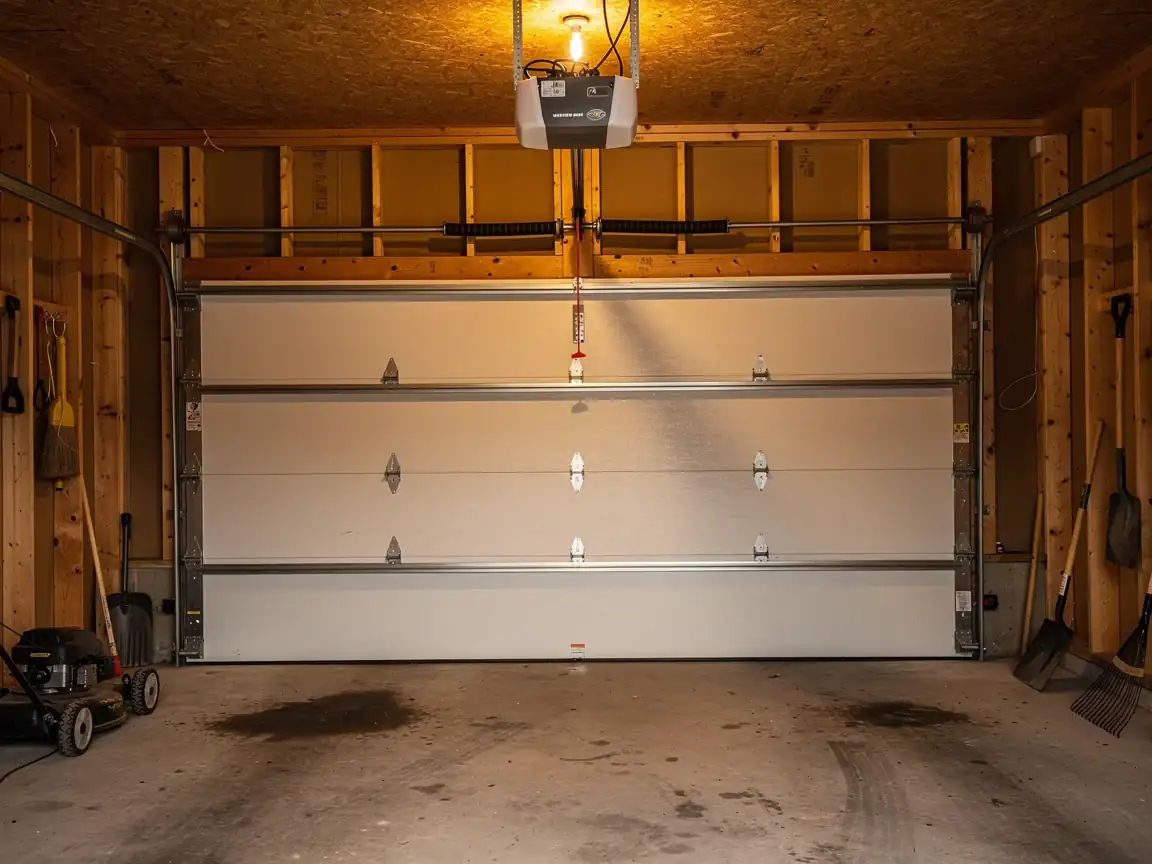
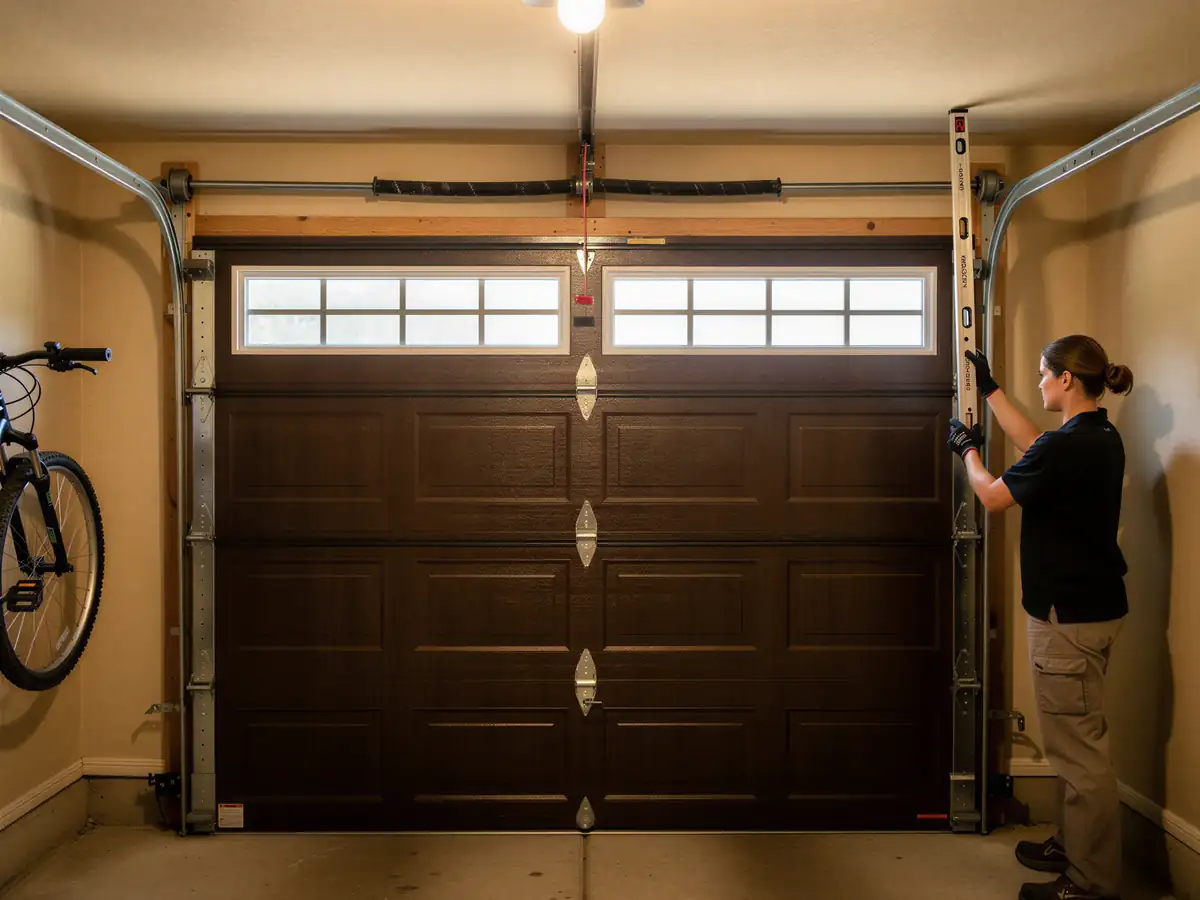
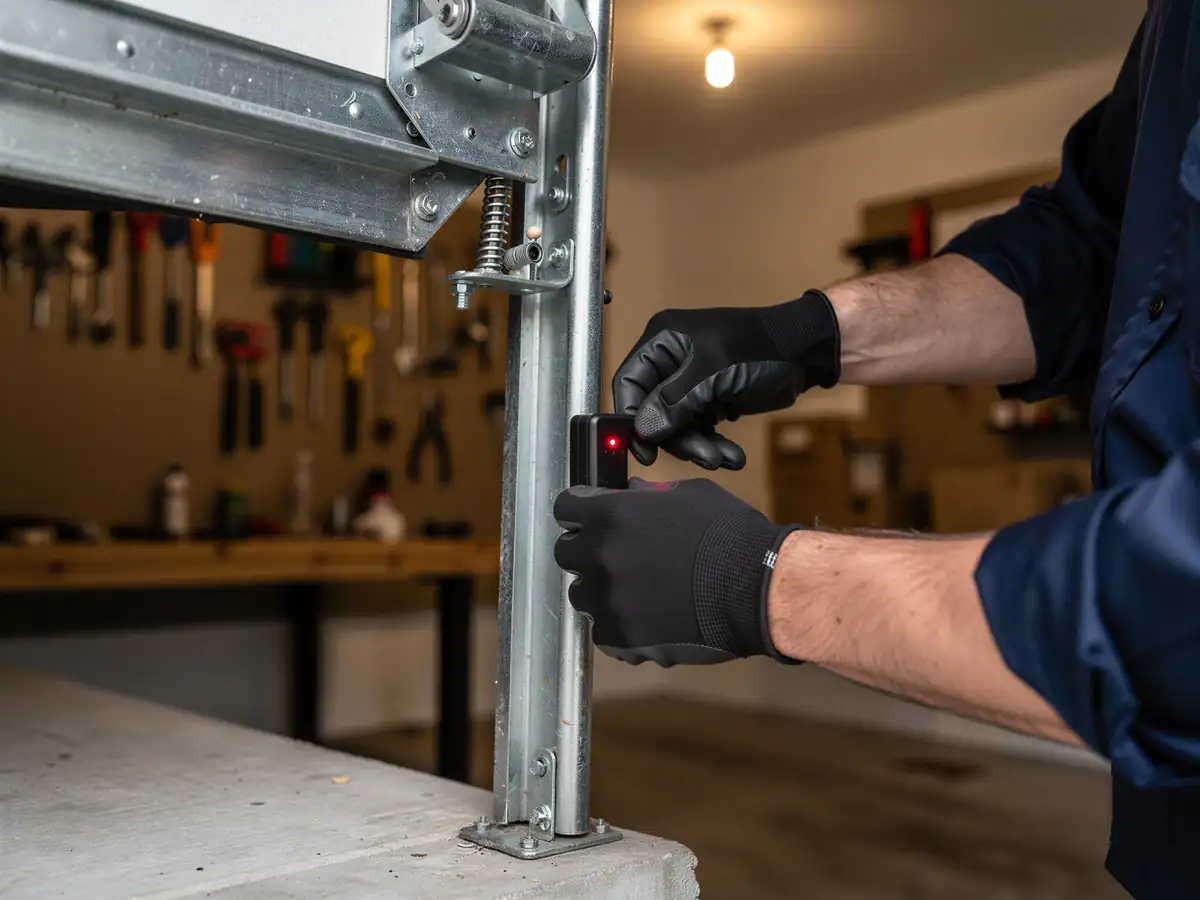
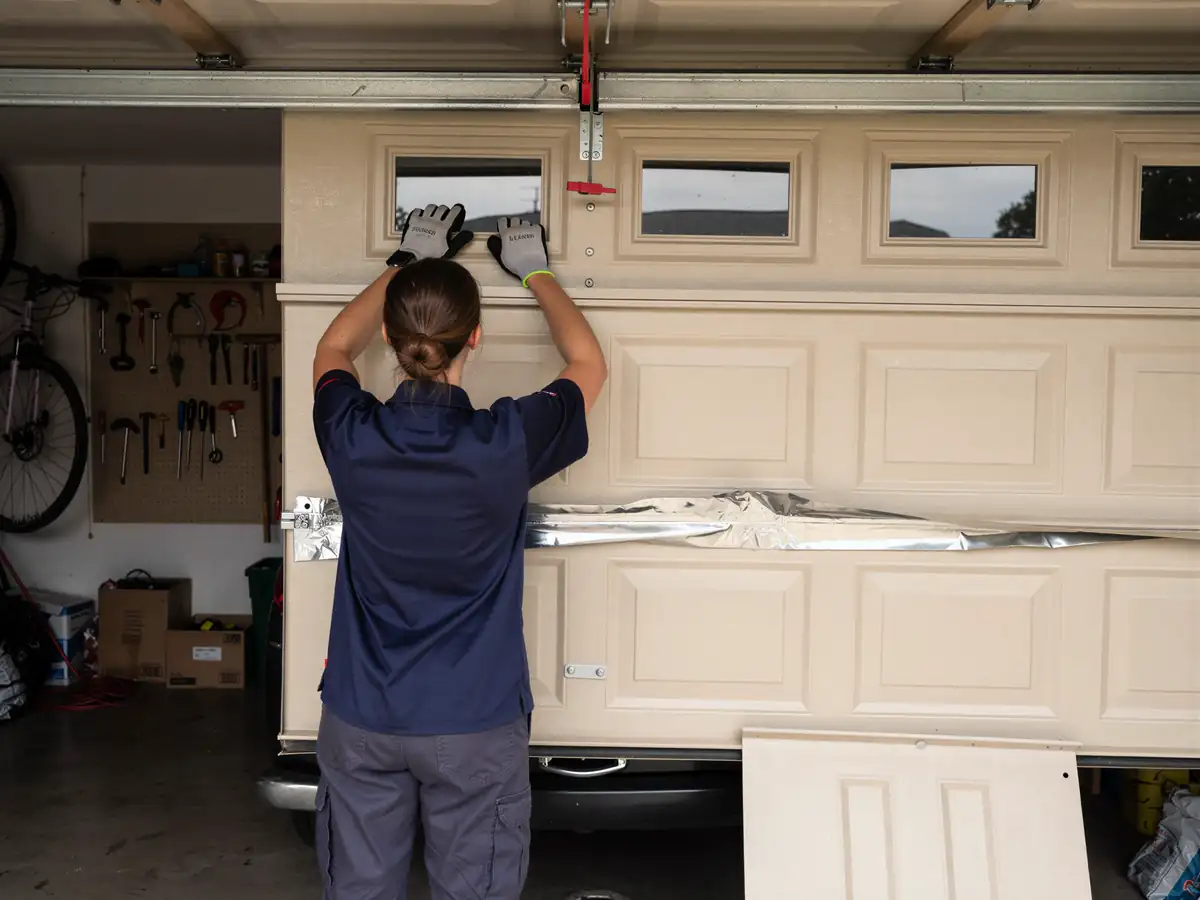
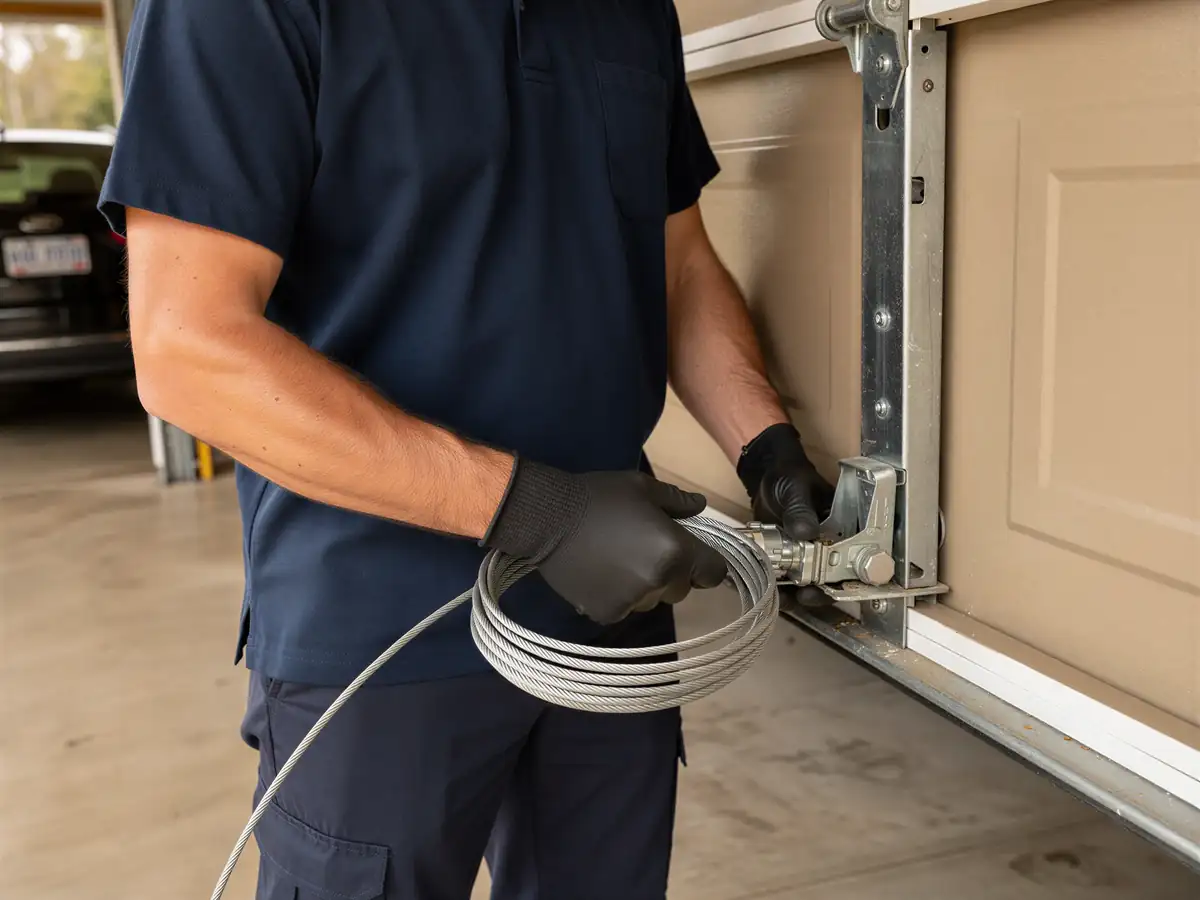
The door looks tilted when it's halfway up, hanging lower on one side than the other. Sometimes you'll hear a pop and then the door won't move at all, or it drops the last foot instead of settling. A cable that's about to go usually shows frayed strands near the bottom bracket first - thin wire hairs sticking out, easy to miss if you're not looking for it. If the opener still runs but the door doesn't lift square, don't keep hitting the button. Running a door on one working cable twists the track and can bend the section, which turns a cable job into a panel replacement.
Doing It Yourself
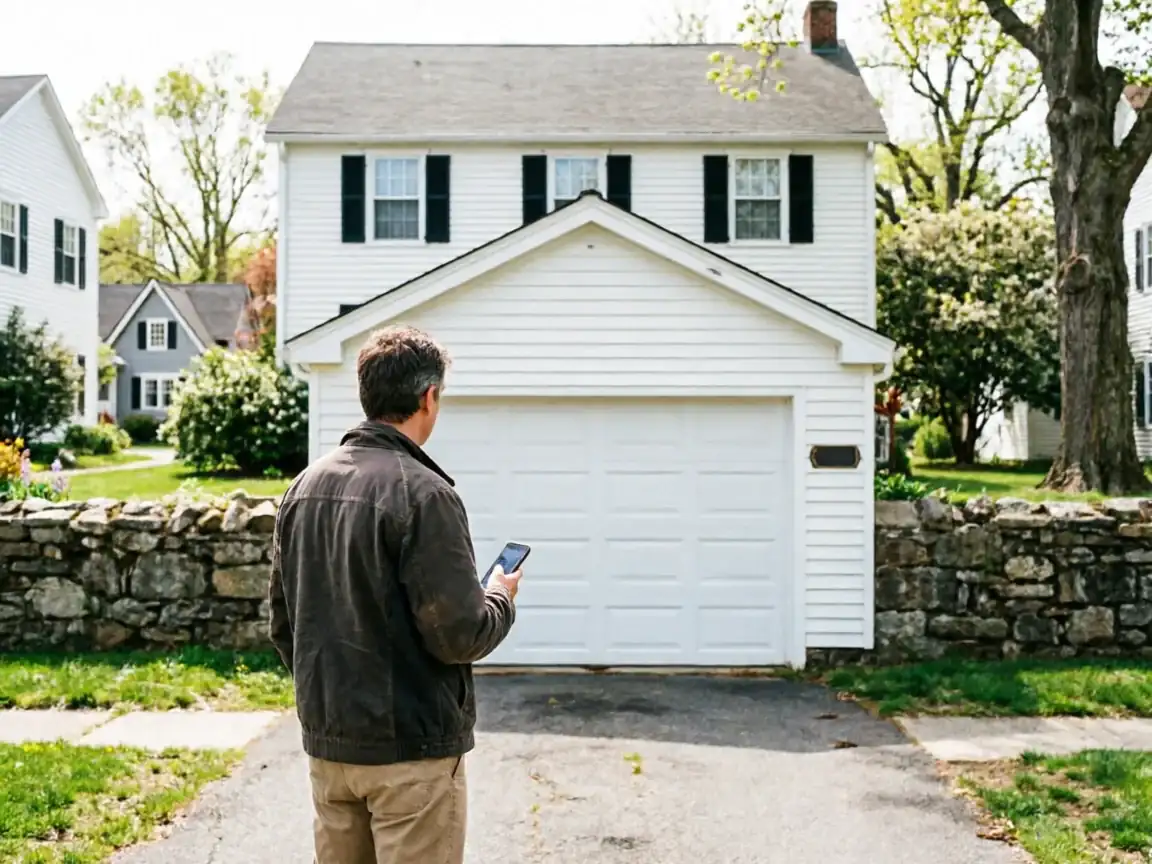
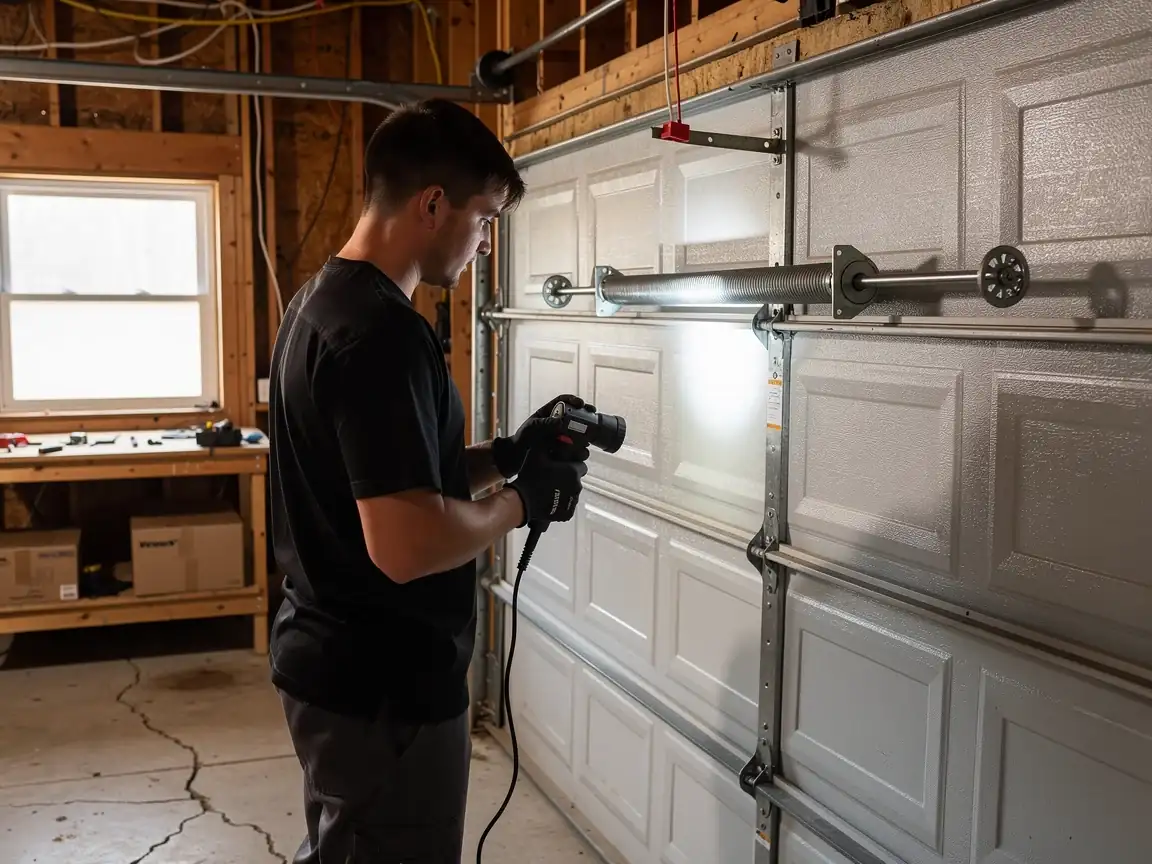
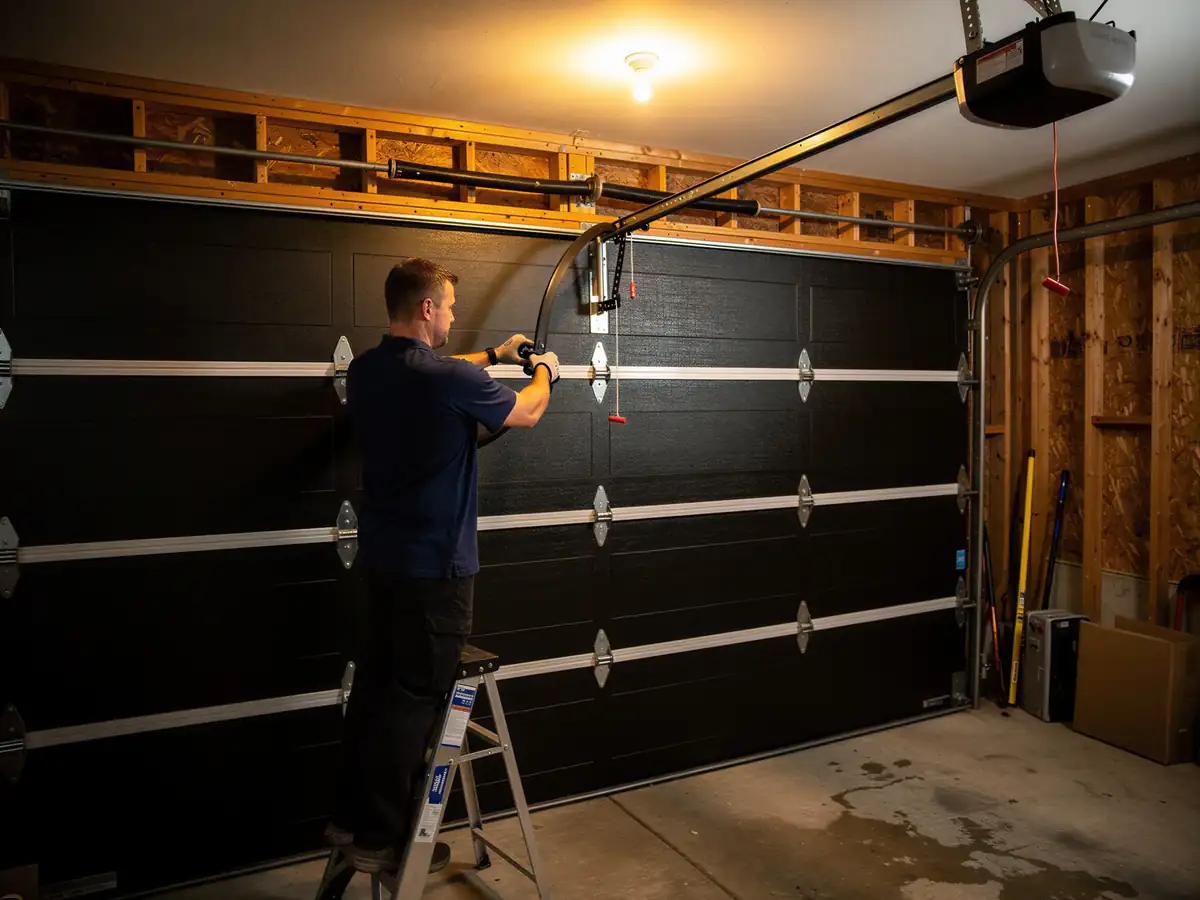
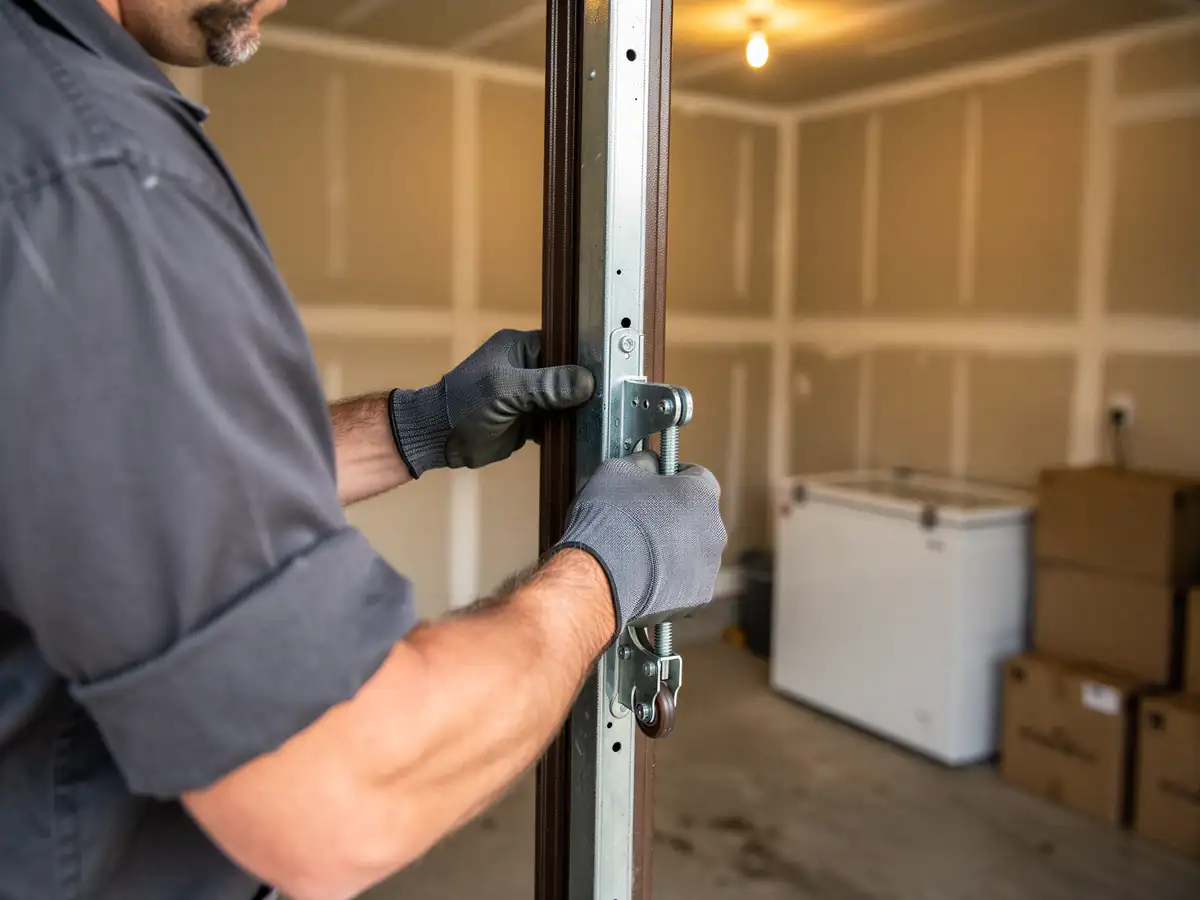
Cable work means the spring is under load the whole time you're near it, and on a torsion system that spring can do real damage if it lets go while you're working. We're not going to walk through a DIY cable swap here because the honest advice is: don't, on a loaded spring system, without the right bars and a clamp. What you can safely do yourself is the diagnosis - look at the bottom brackets for fraying, check if the door hangs level, and note whether the opener strains or runs quiet. That tells us what to bring before we drive out.