Where This Job Goes Sideways
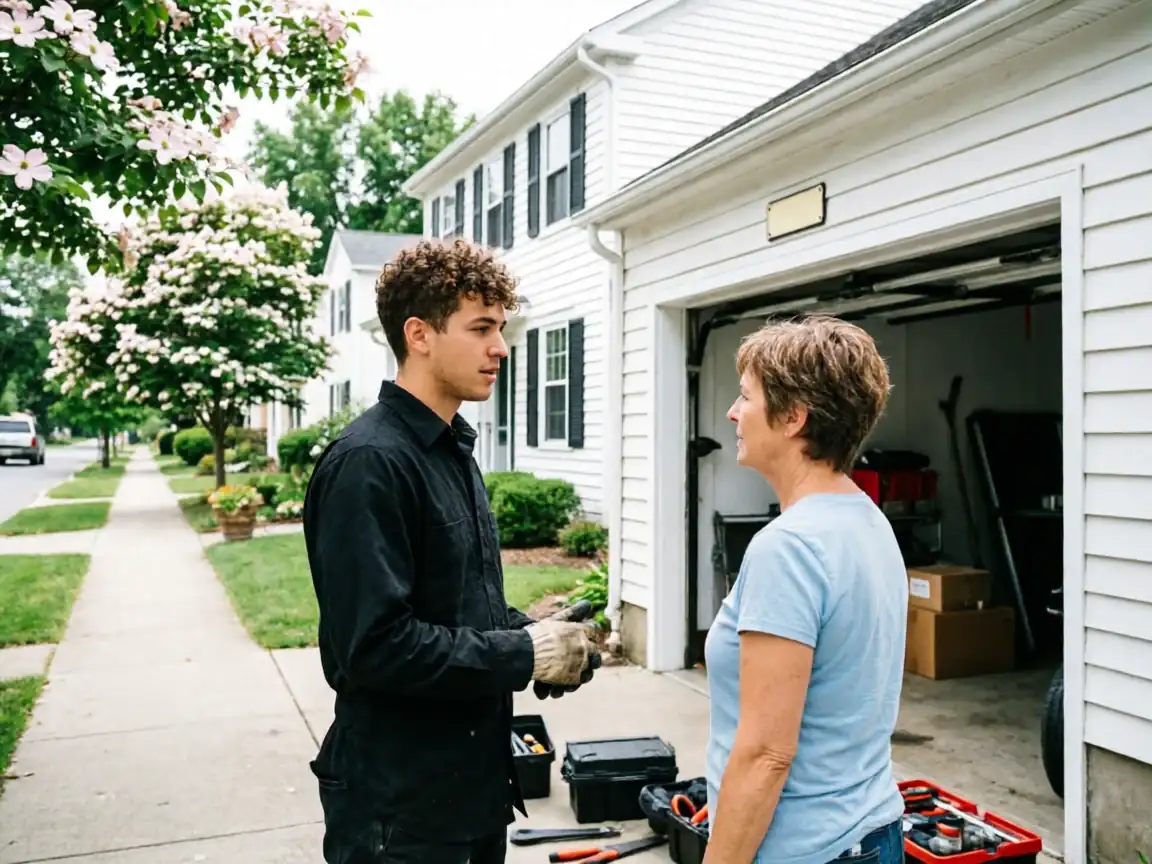
Landing is six miles out from our shop in Randolph, which is close enough that a new-install job here runs the same as one at home base - one trip out with the truck loaded for the measure-and-quote, a second trip for the install once the door's ordered. The six miles mean we're not guessing at drive time or padding a window for traffic we can't predict; it's a known stretch of road and we plan around it like any other call.
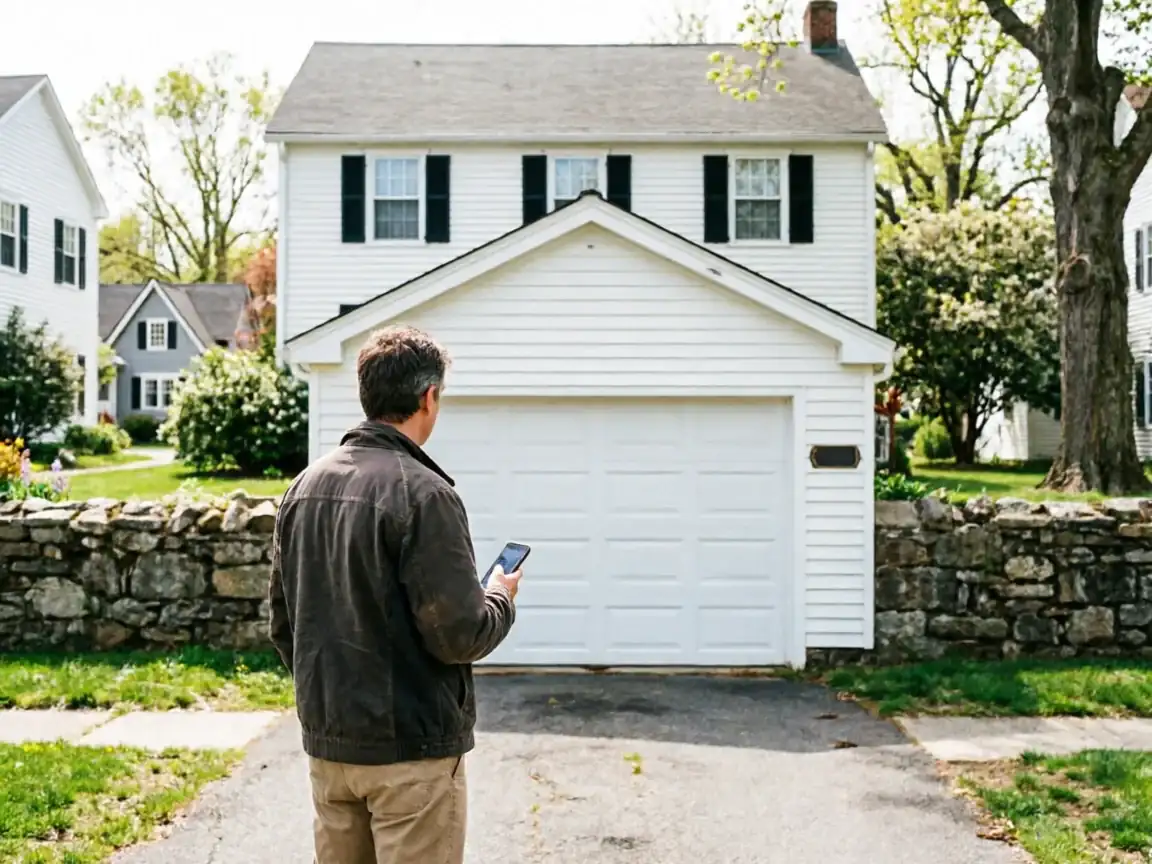
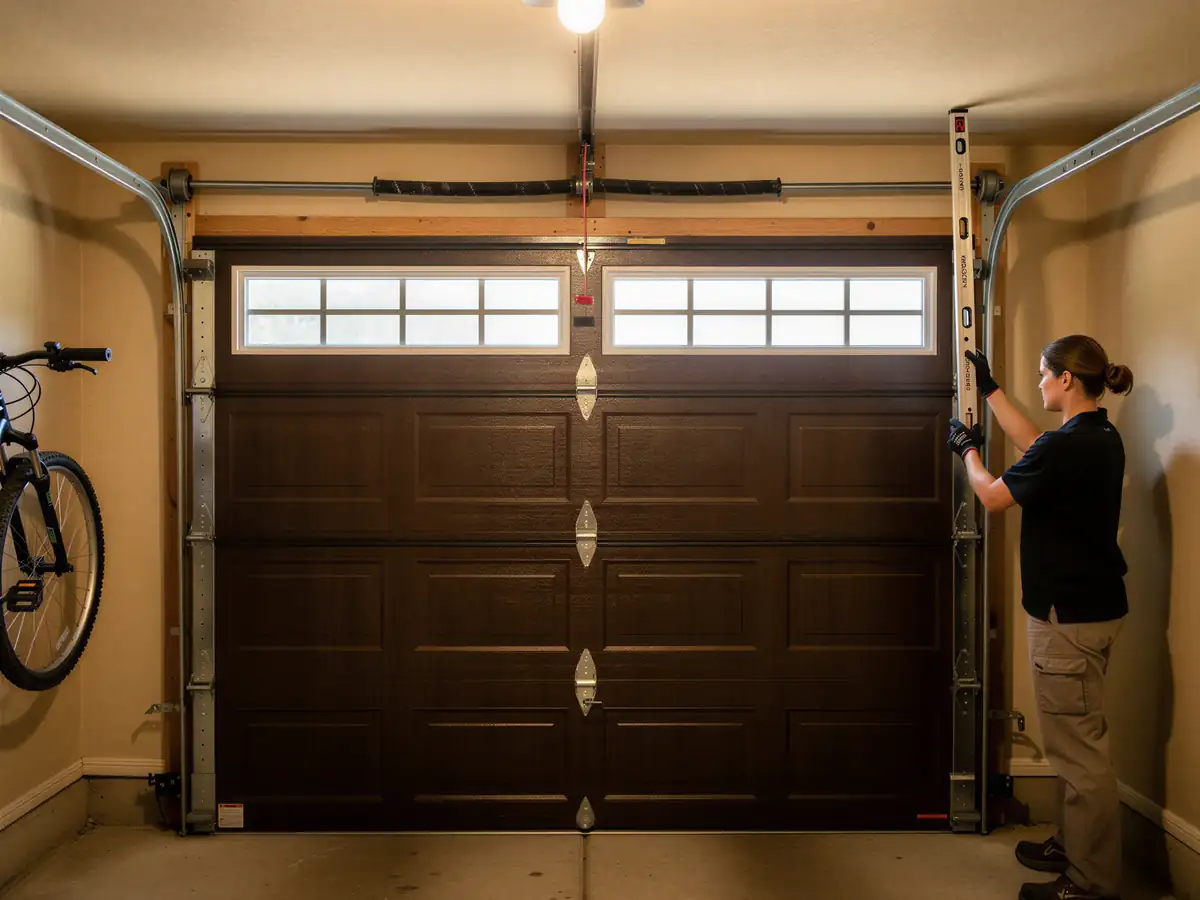
Where it goes sideways is usually the opening itself, not the trip. A lot of garages around Landing were framed for doors that don't match what's sold off the shelf today - older track heights, jamb widths that are an inch or two off from current standard sizing. We won't know which until we're standing in front of it, which is why the first visit is a measure, not a guess from a phone call.
Booking a Visit
With 1,519 households in Landing, this isn't a town where we're doing installs every week - it's steady work, not constant work, so booking means picking a date that lines up with when the door itself is in stock, not just when the truck is free. Median income here runs $125,407, and what we see is owners replacing a door that's still technically working but is loud, drafty, or ugly next to a renovated front of the house, rather than waiting for a full failure.
We'll ask for the opening dimensions or a few photos up front so the quote isn't a ballpark. That saves a wasted first trip and gets the order placed sooner, since panel doors on back order can run weeks, not days.
What Causes It Around Here
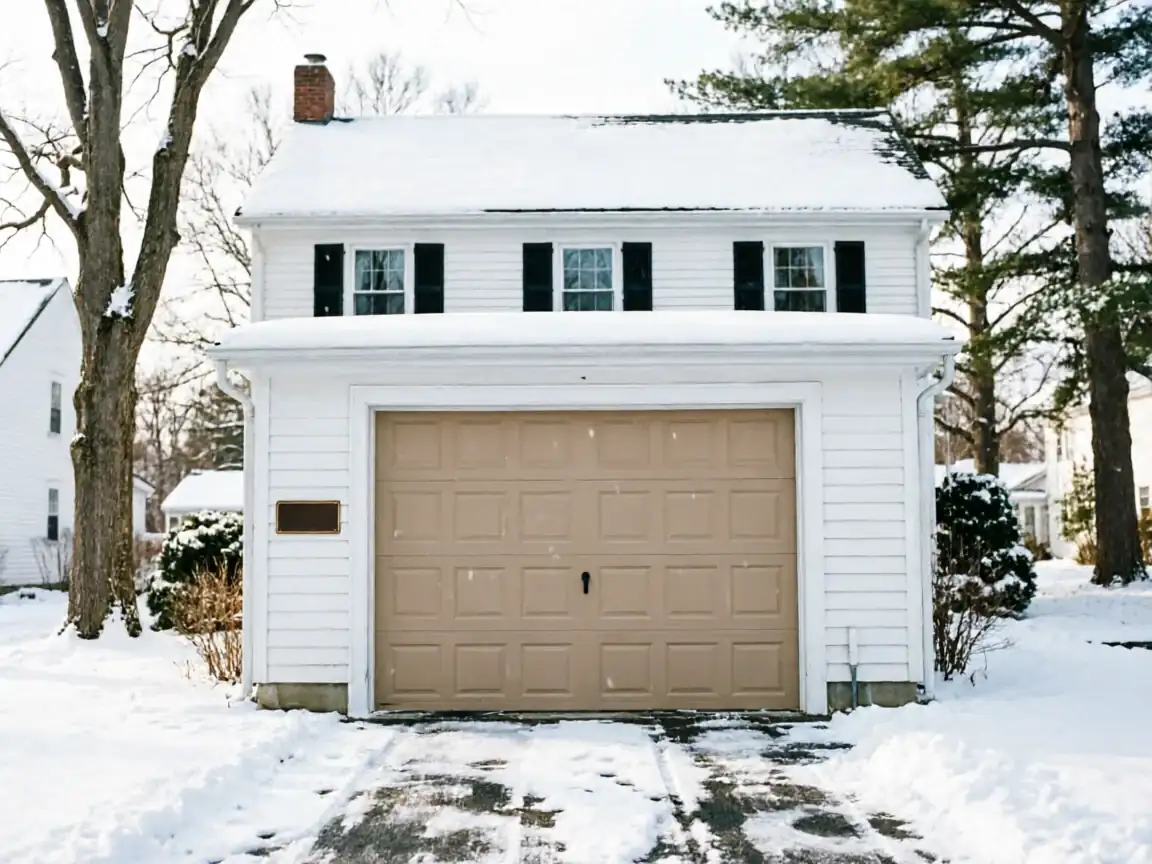
Landing's housing stock centers on 1967, a touch newer than the broader service area's 1964 median
But still well inside the era where doors were framed single-wall with thinner headers than you'd see in new construction. That means less structural backing behind the jamb for a heavier insulated door, and it's the first thing we check before quoting an upgrade from a single-layer door to anything heavier.
The cold-severe climate band this part of New Jersey sits in also plays a role
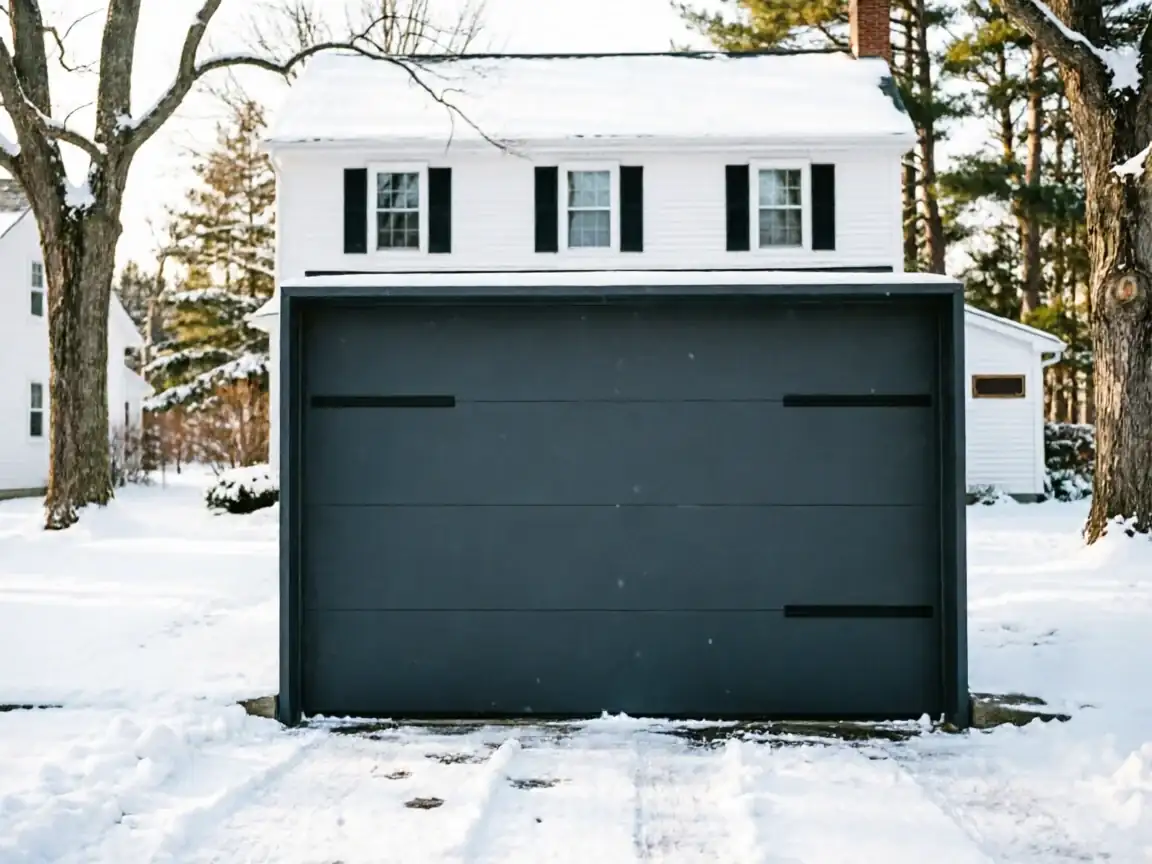
A garage built in the mid-60s wasn't insulated with an attached living space or heated workshop in mind, so when an owner finishes the garage or parks a second car that actually lives in there, the old door becomes the weak point in the room - thin steel, no thermal break, a gap at the bottom that lets the cold track right in.
How It Shows Up
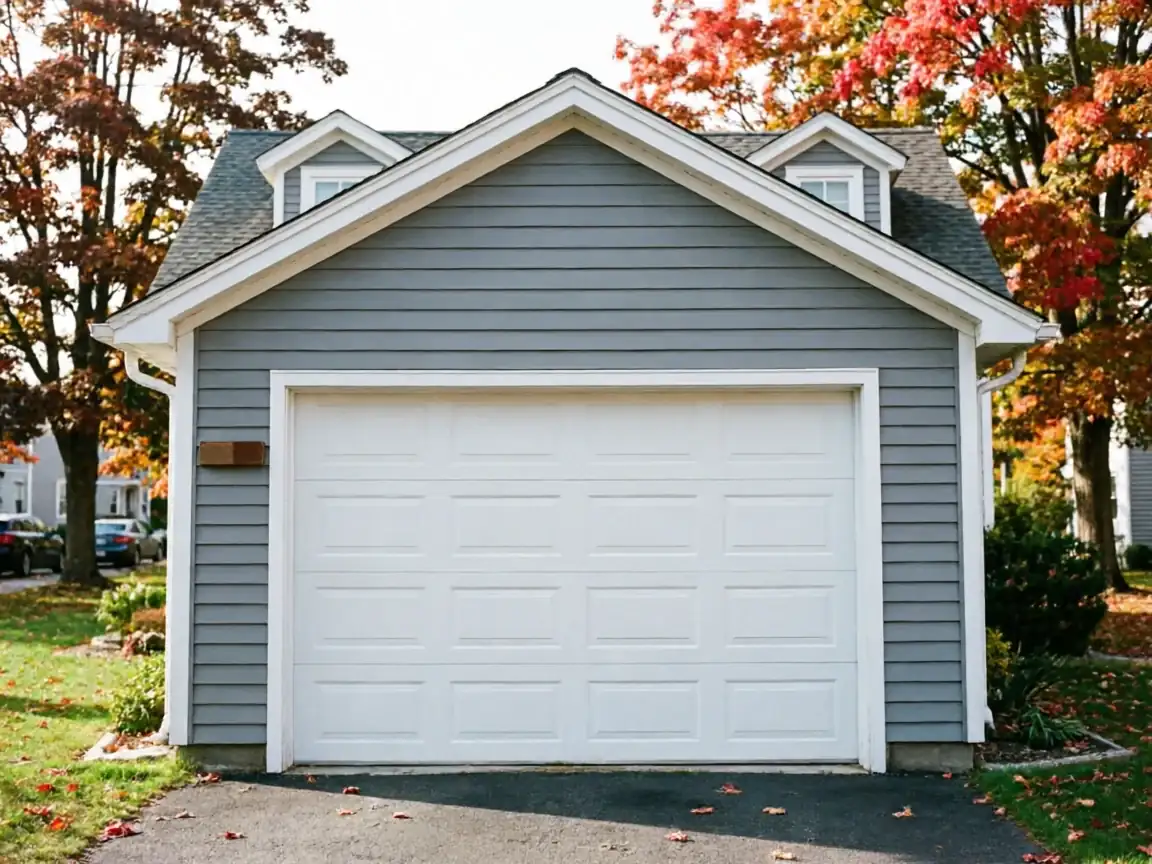
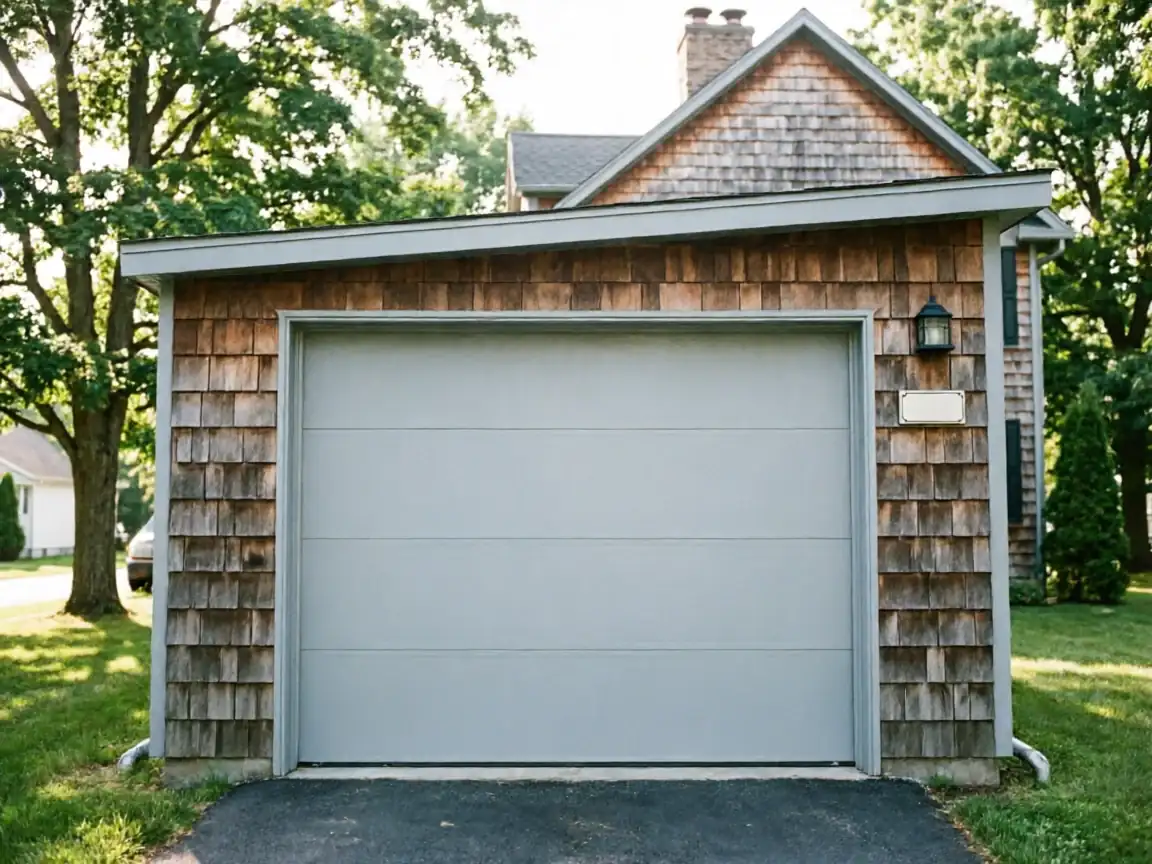
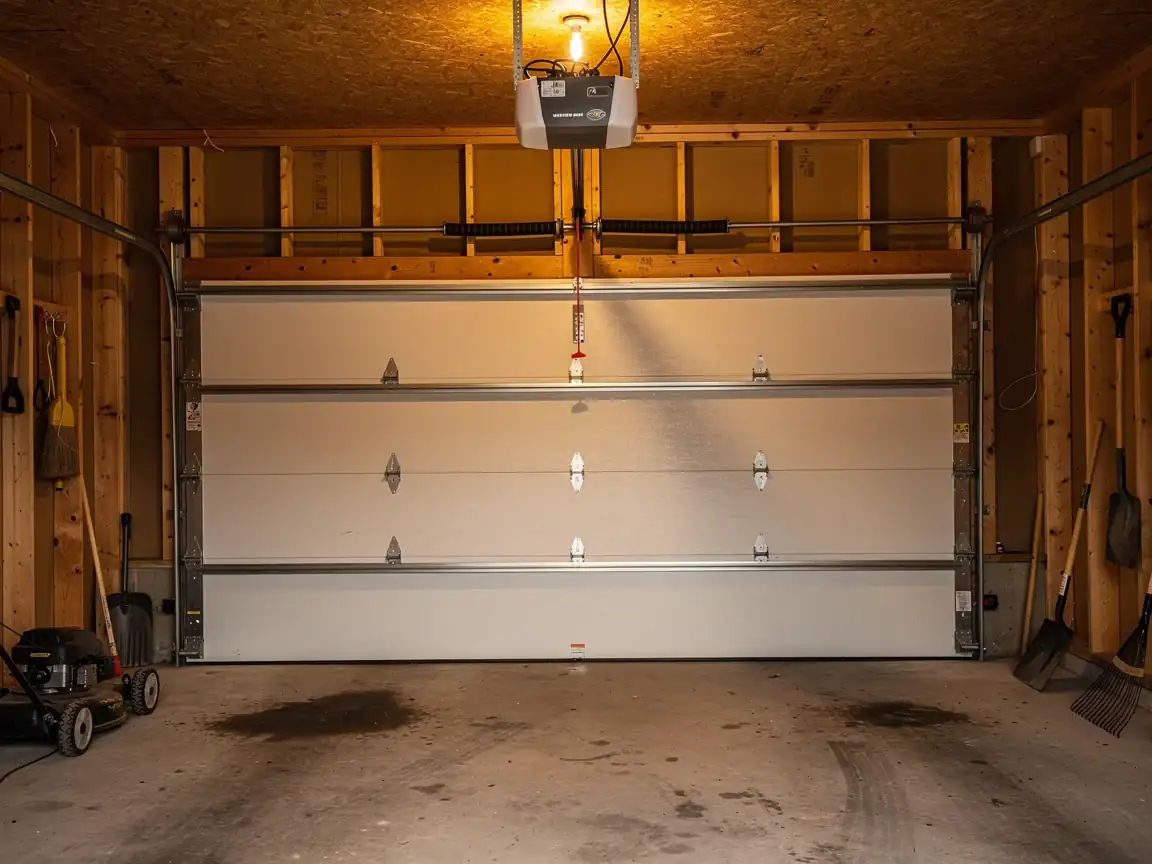
Most calls start with a door that still opens and closes but costs more to run than it should - you can feel the cold radiating off it in January, or hear the opener straining because the panel's warped slightly out of true after fifty-plus winters of expansion and contraction. Sometimes it's cosmetic first: dented panels, peeling paint, hardware that doesn't match a newer front door or siding job.
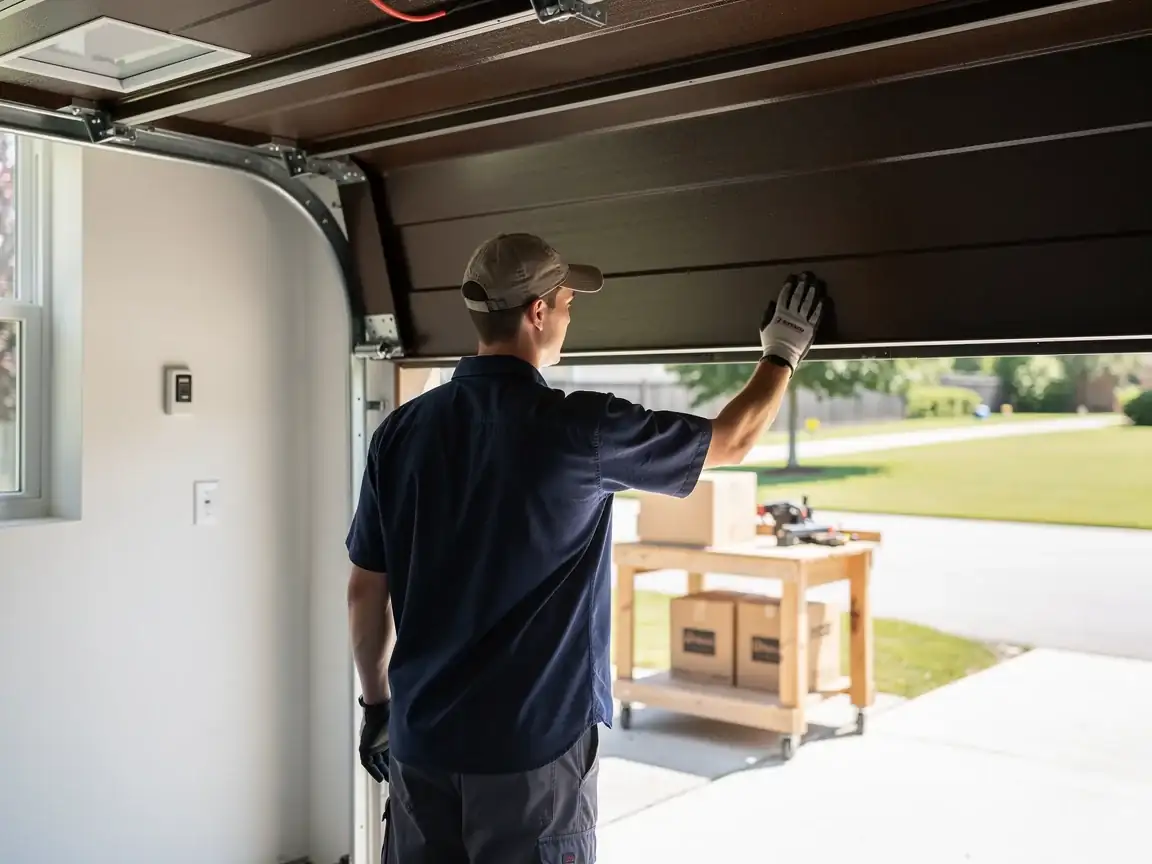
Less often, it's a structural call - a door that's been patched after storm damage or a bent track, where the owner's weighing one more repair against just replacing the whole unit. On a door this old, that math usually favors replacement, since parts for the original hardware aren't something we stock and often aren't made anymore.
Doing It Yourself
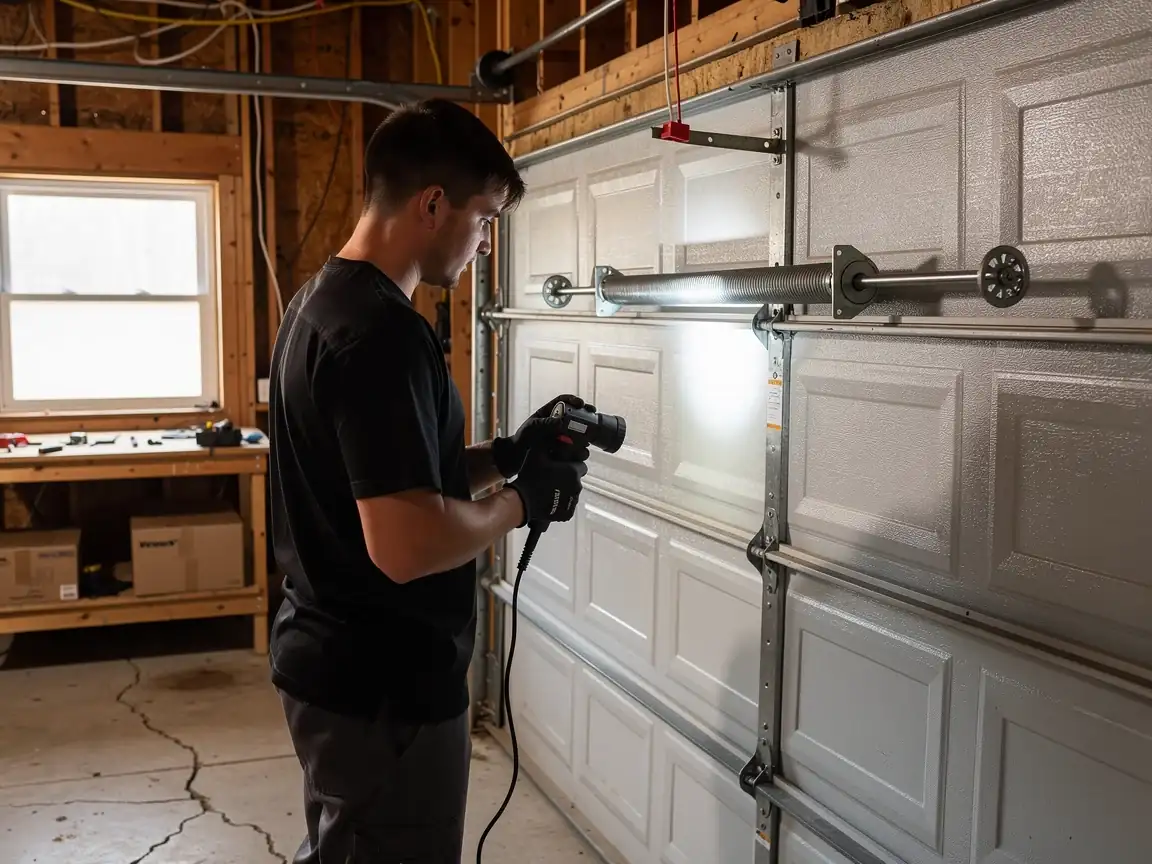
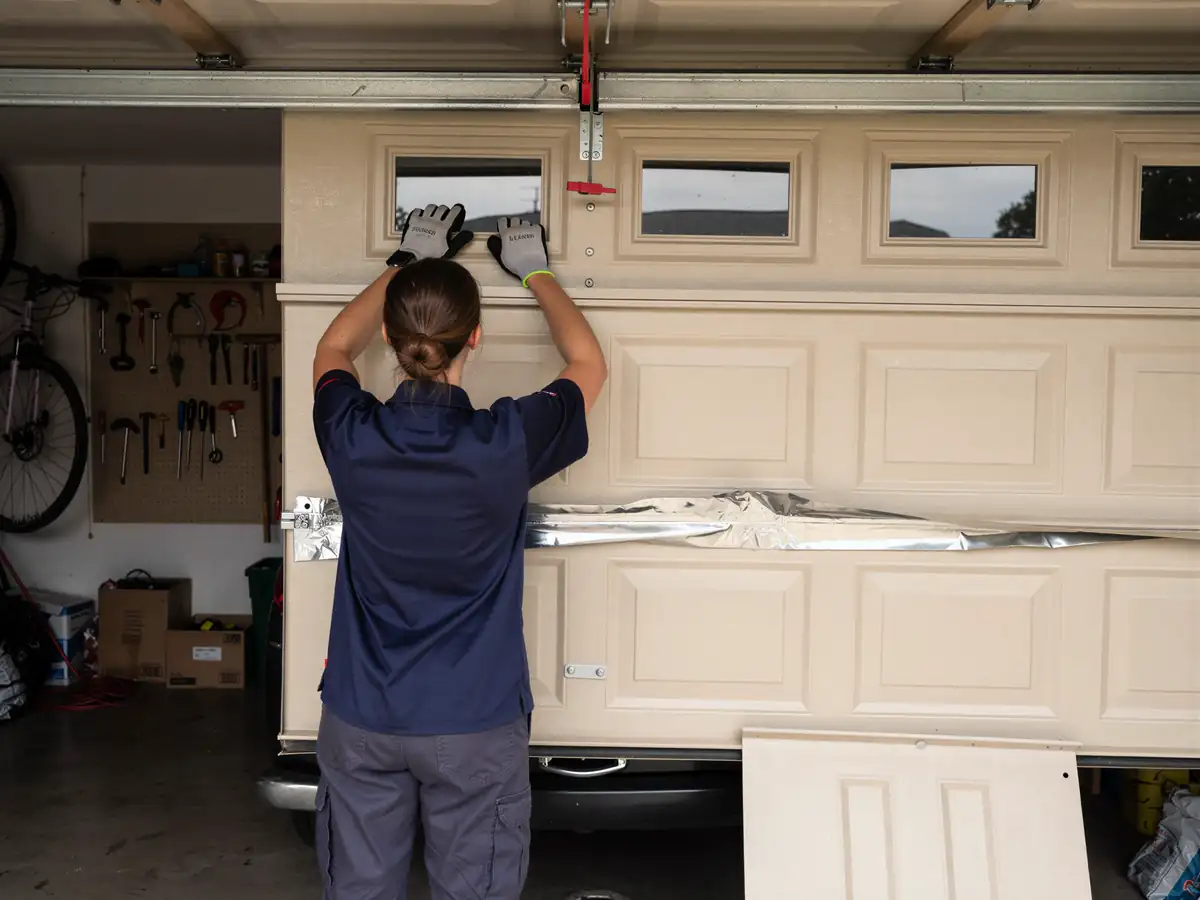
Swapping a garage door yourself is possible if you've done it before, but sizing it to a 1960s-era opening without a second person and the right jamb brackets is where people get hurt or end up with a door that doesn't seal right. The springs are the real risk - a torsion spring under tension lets go fast, and we're not going to pretend a video tutorial replaces the experience of knowing when a cable's about to fail.
We're honest that not every job needs us. If your opening is standard size and you're comfortable with the tools, a basic single-layer door is a reasonable weekend project. Where we come in is the non-standard openings, the insulated doors, and anything with a spring already under load.
What Is on the Truck
For a Landing install we bring stock sized for the openings common to this era
The narrower jamb widths and lower headroom that show up in houses built around 1967 - plus the torsion hardware to match, since most of what we pull out here is original equipment that's never been upgraded. We carry insulated panel doors in a couple of standard widths and order anything custom once we've confirmed the measurement on site.
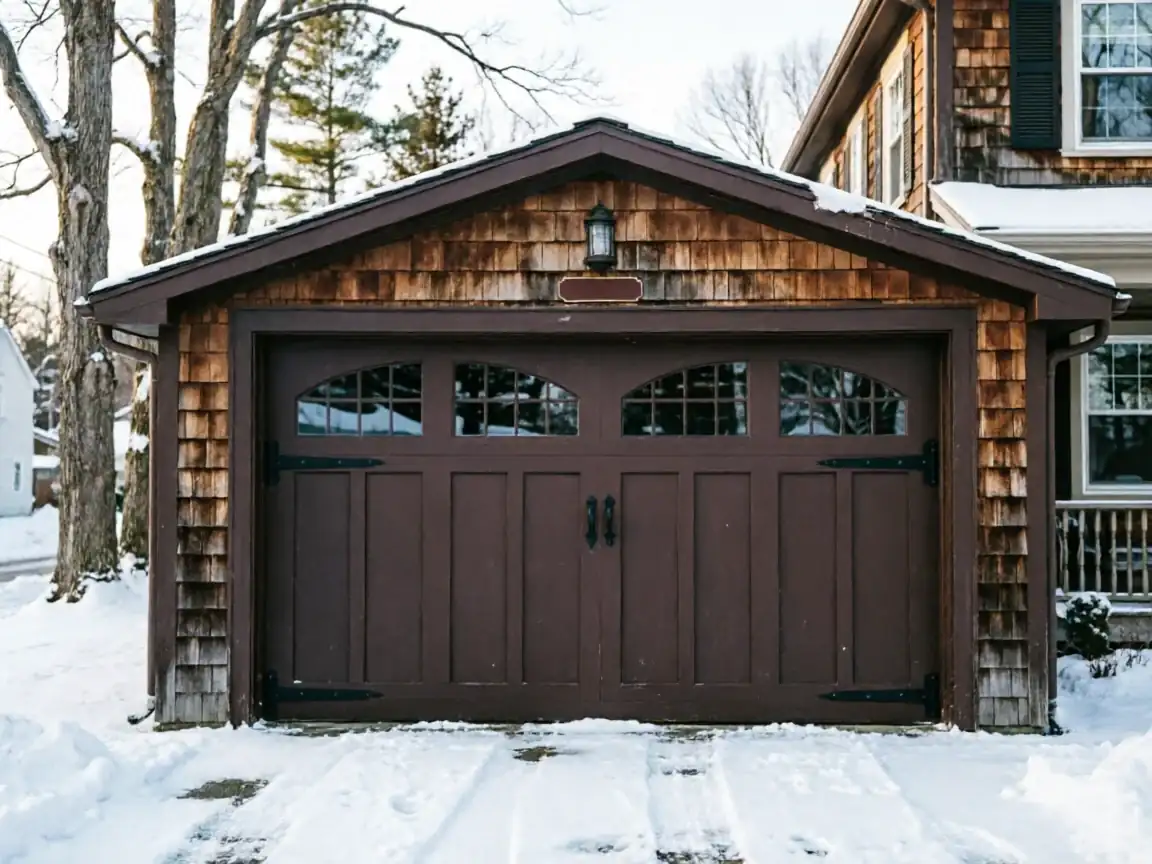
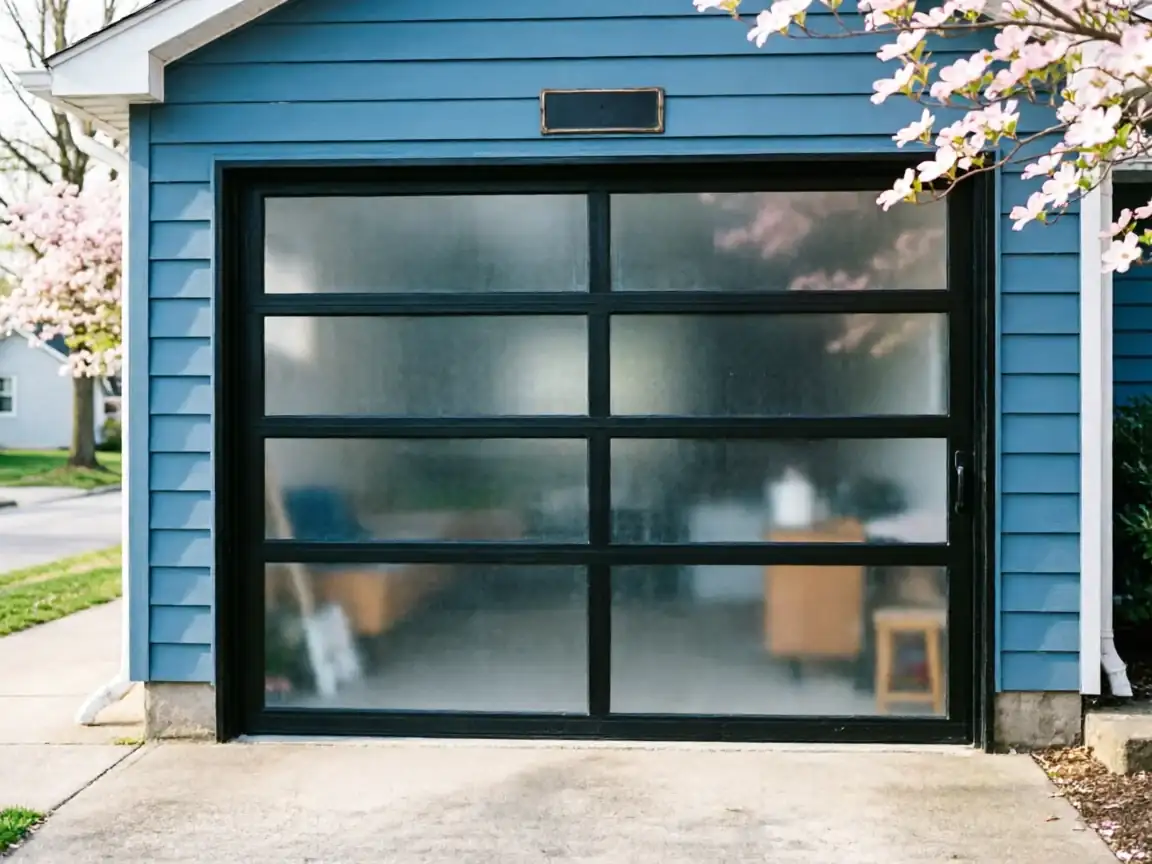
We don't carry every finish or window-lite pattern on the truck
Custom glass or a specific paint match usually means a short order wait. We'll tell you that up front rather than quote a date we can't hit.