Where This Job Goes Sideways
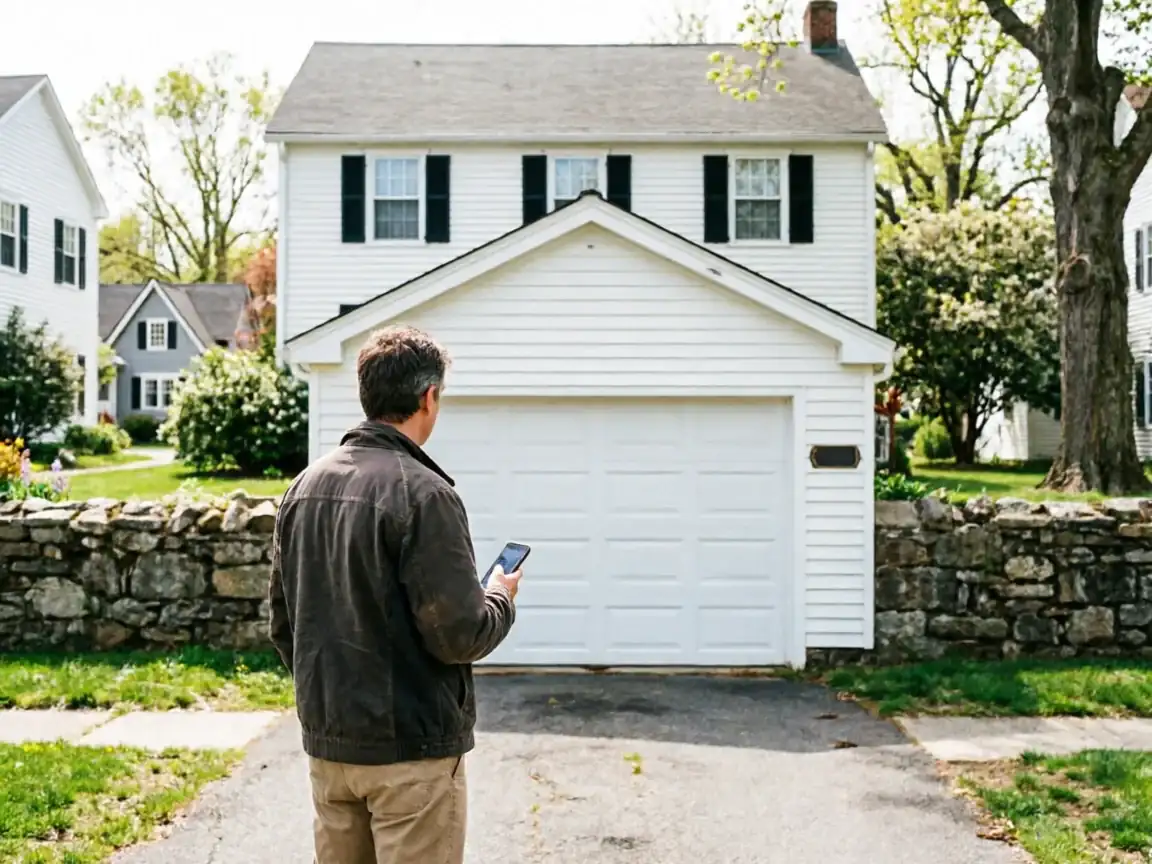
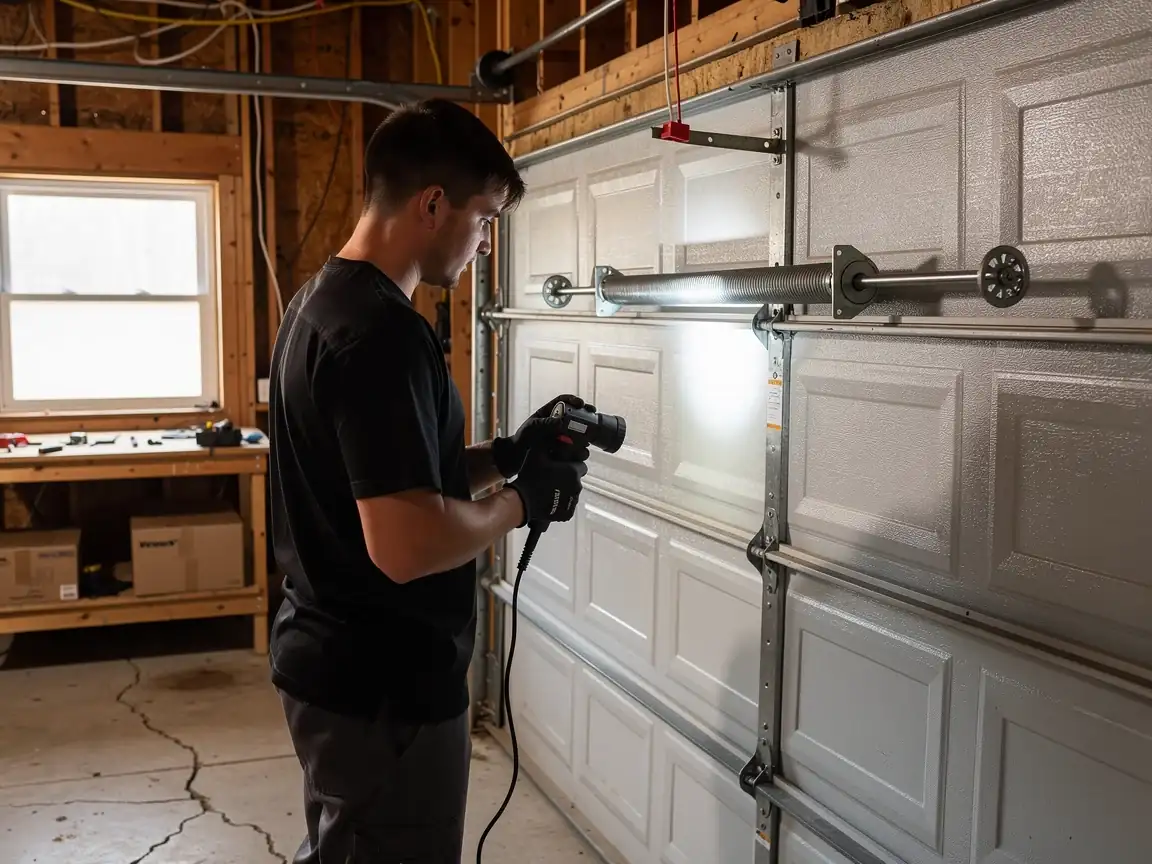
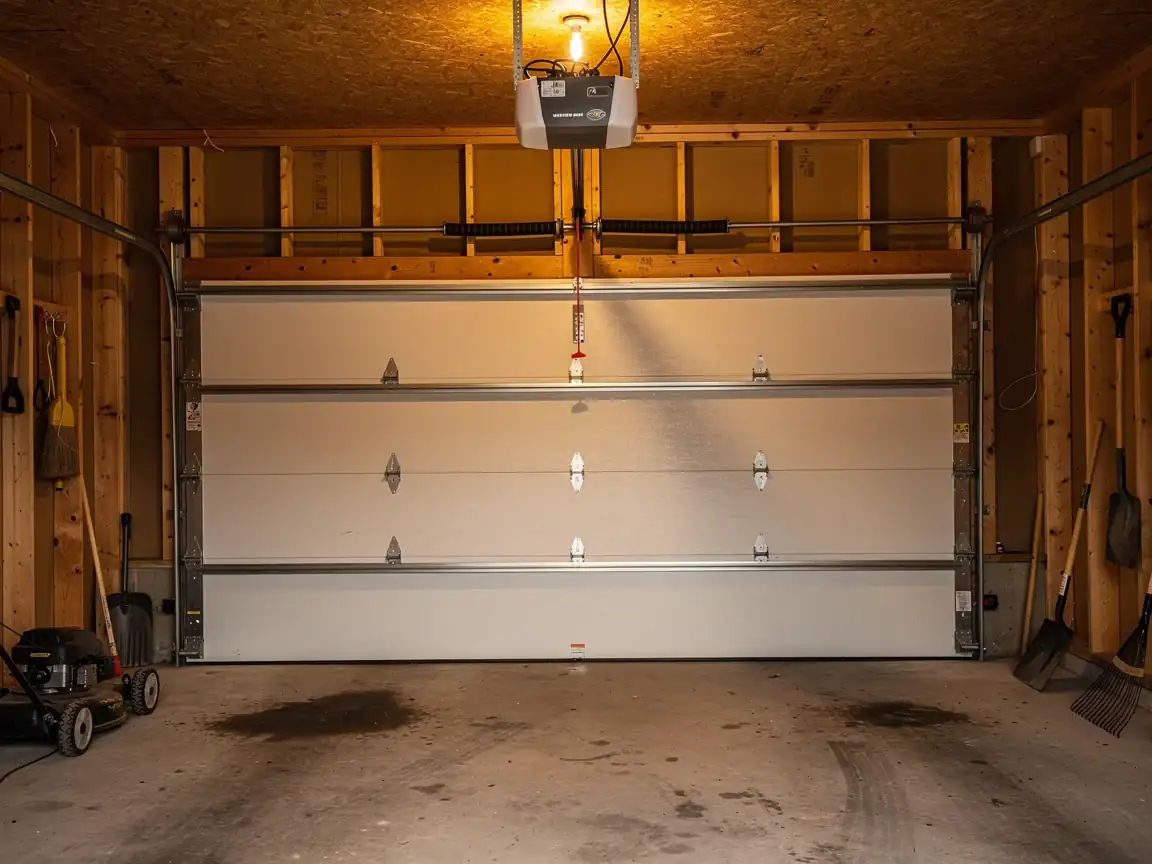
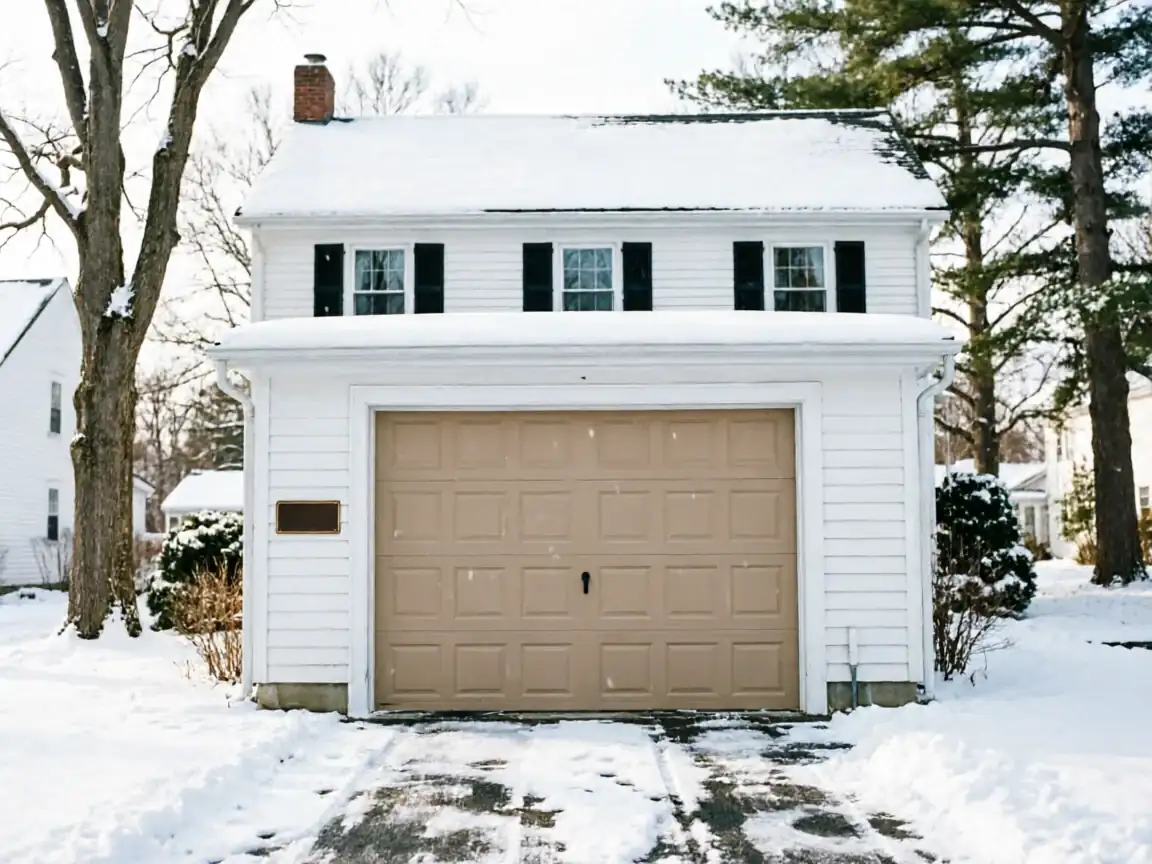
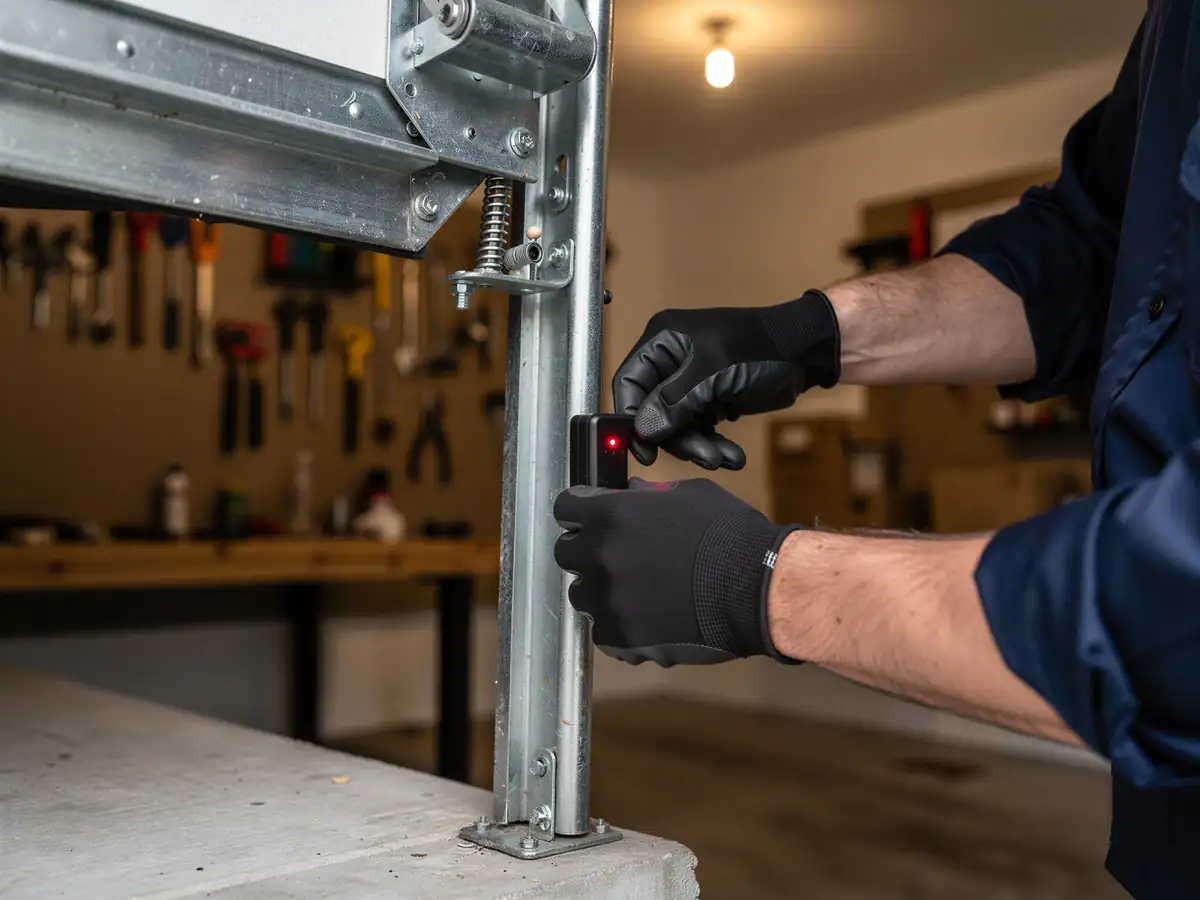
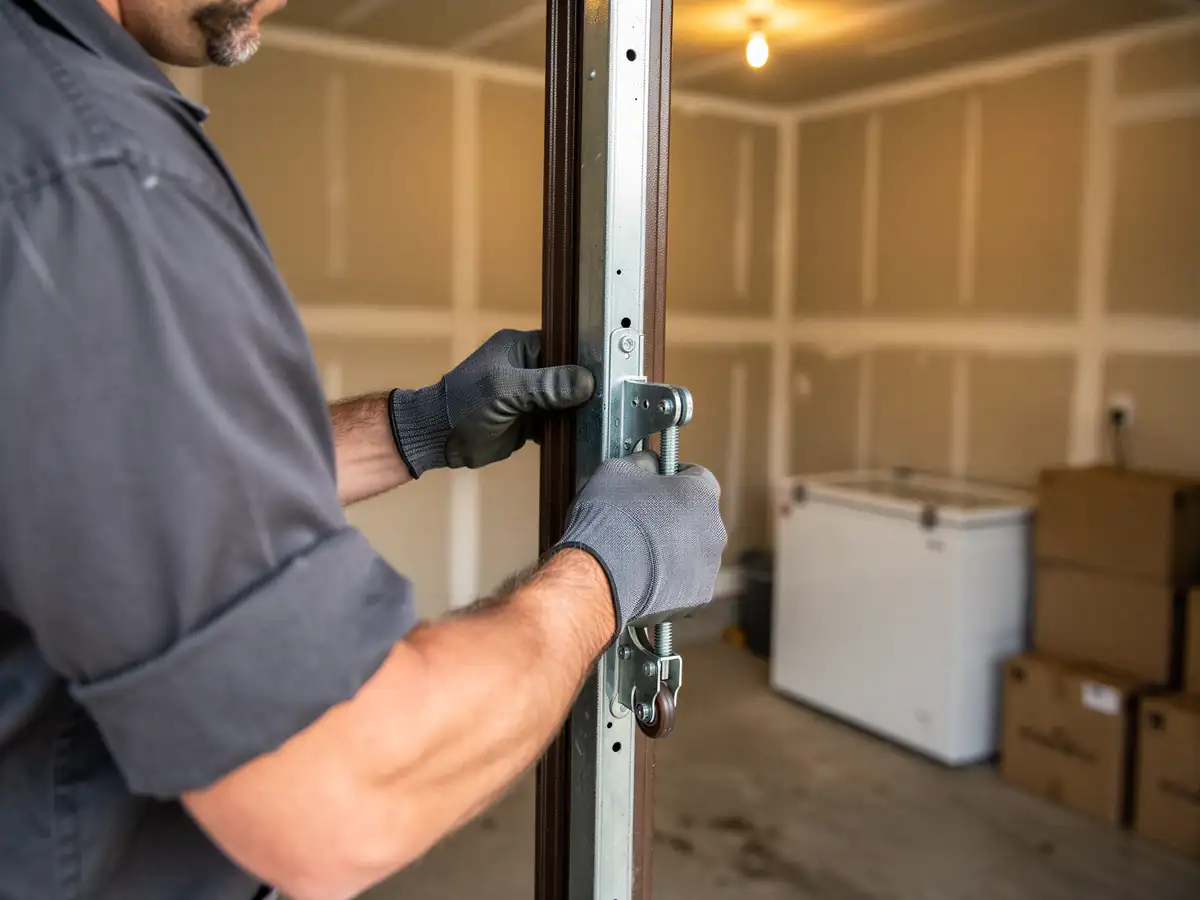
Most houses in Landing went up around 1967, and a lot of what's bolted to those garage doors has never been touched since. The panel might look fine from the driveway, but pull it off and you find hinges, rollers, and sometimes the track itself still running on original hardware from the build year. That's the part that turns a simple panel swap into a longer job: the new panel doesn't match the old hole spacing, or the hinge gauge is different from anything a supplier stocks today. We see this across the wider service area too, where housing generally dates to the 1938-1996 range with a lot of it clustered in the 1960s and 70s, so Landing isn't unusual - it's just consistently old enough that "just replace the one dented panel" sometimes isn't the whole fix. We check the hardware before we quote the job, not after we've already pulled a panel and found out it doesn't fit.
Booking a Visit
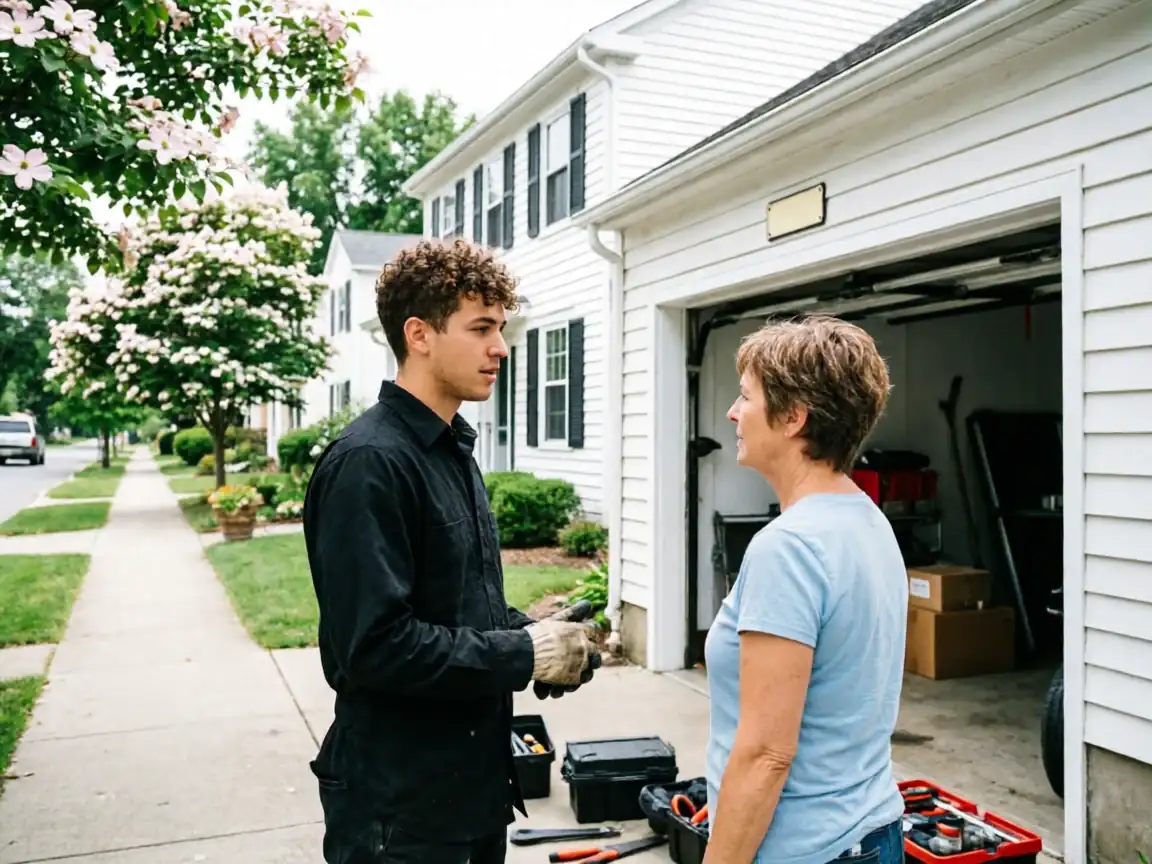
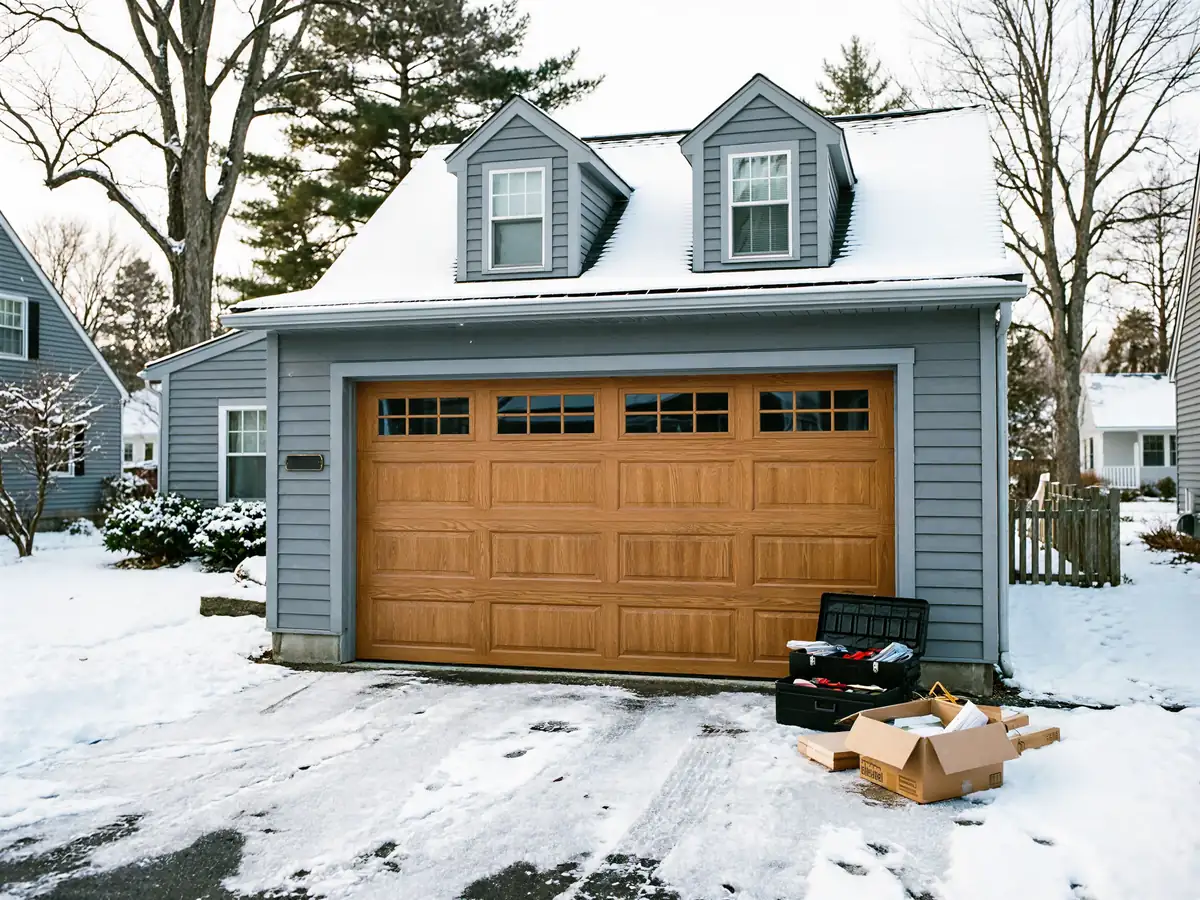
We run out of Randolph, about 6 miles from Landing, so we're not sitting on a truck around the corner - we schedule the trip out rather than showing up same-hour. When you call, tell us the door's age if you know it (1967 is a good guess for most of Landing) and whether the damage is one panel or the whole section is racked. That tells us what to load before we leave. If you want the general rundown on what we do in town, that's on the Landing garage door service page. For the base version of this specific job as we run it out of Randolph, see the panel replacement page for Randolph.
How It Shows Up
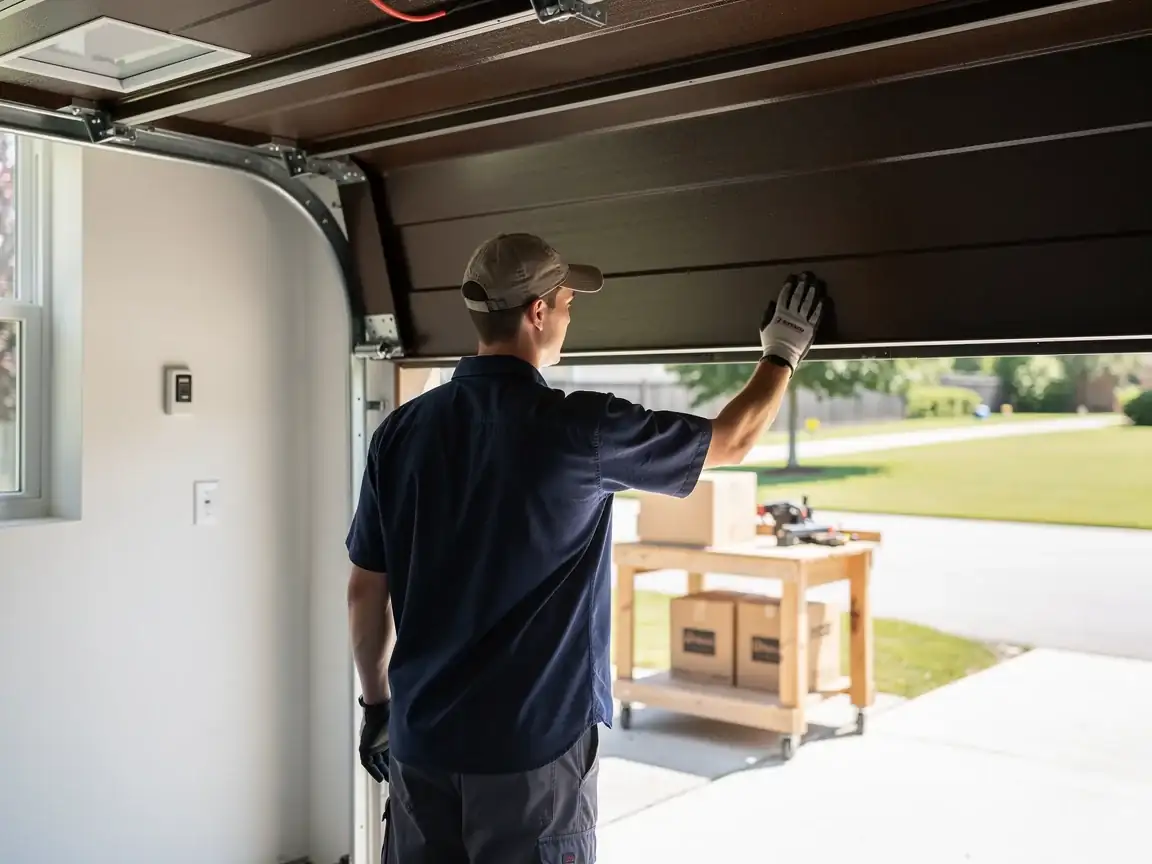
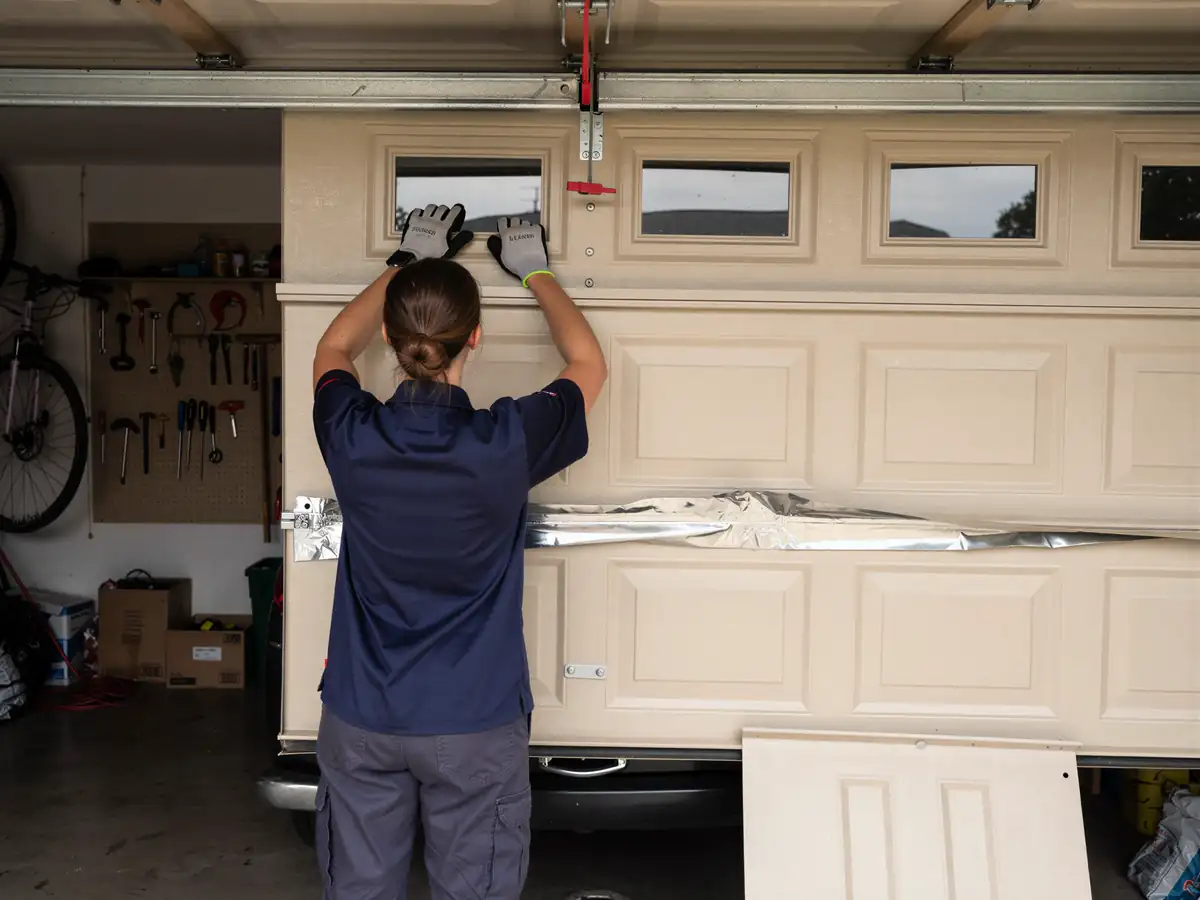
The giveaway is usually a visible bow or a horizontal crease across one section, most often near the bottom where it takes the most impact. On older steel doors from Landing's era, you'll also sometimes see bubbling paint along a seam - that's rust working from behind, not in front, which means the panel's been compromised longer than it looks. If the door binds or scrapes against the track only when that panel passes through, the section itself has likely bent enough to throw off the roller alignment. A door that still opens smoothly but just looks rough is a cosmetic call. A door that catches, grinds, or won't seal at the bottom is a structural one, and that's the one to stop running.
Doing It Yourself
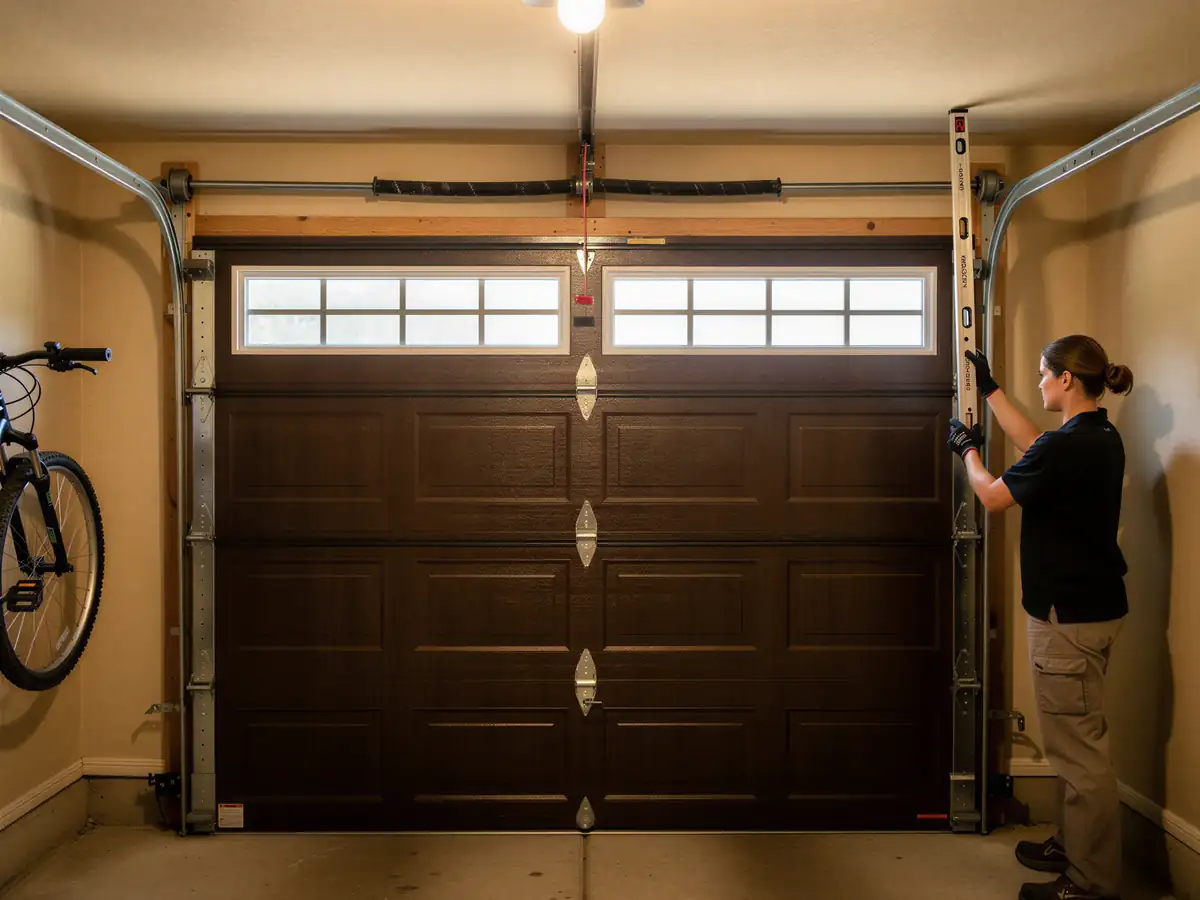
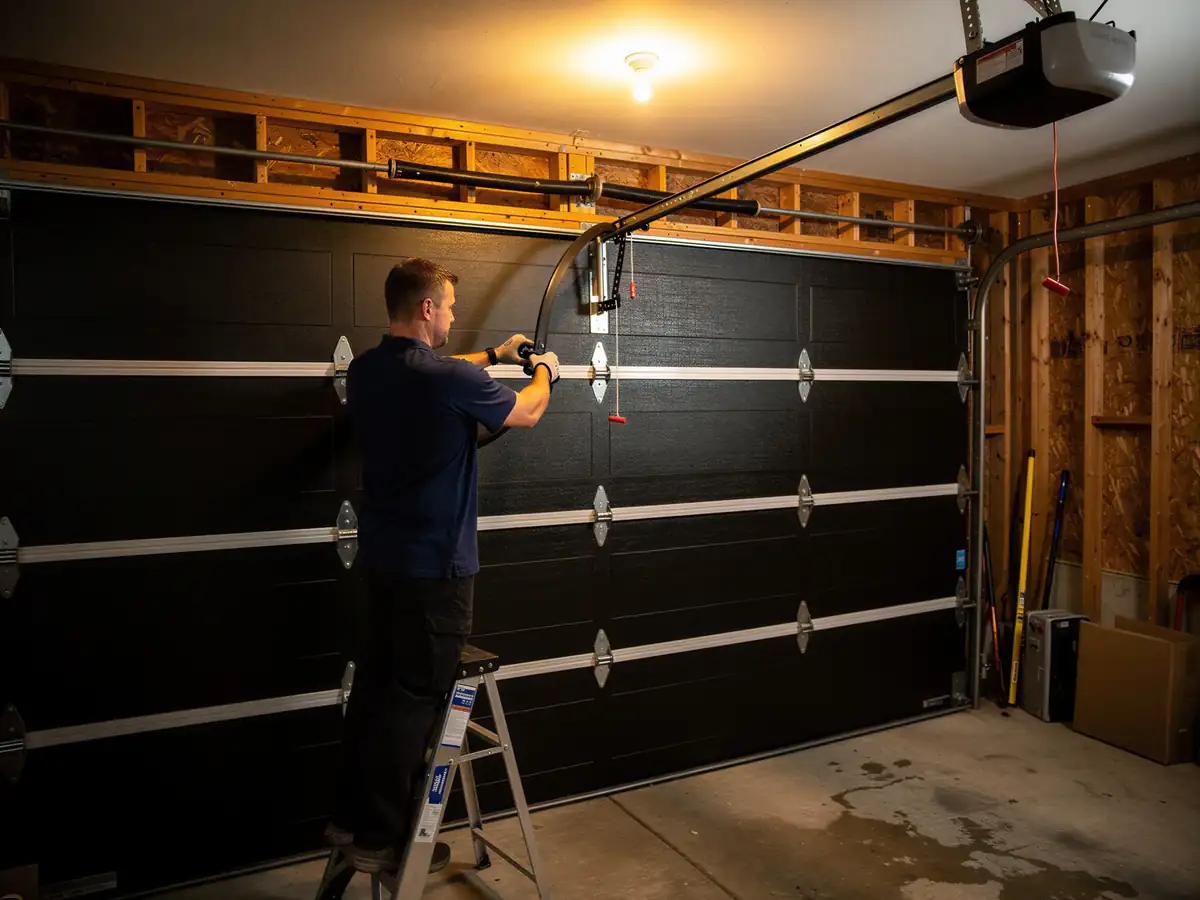
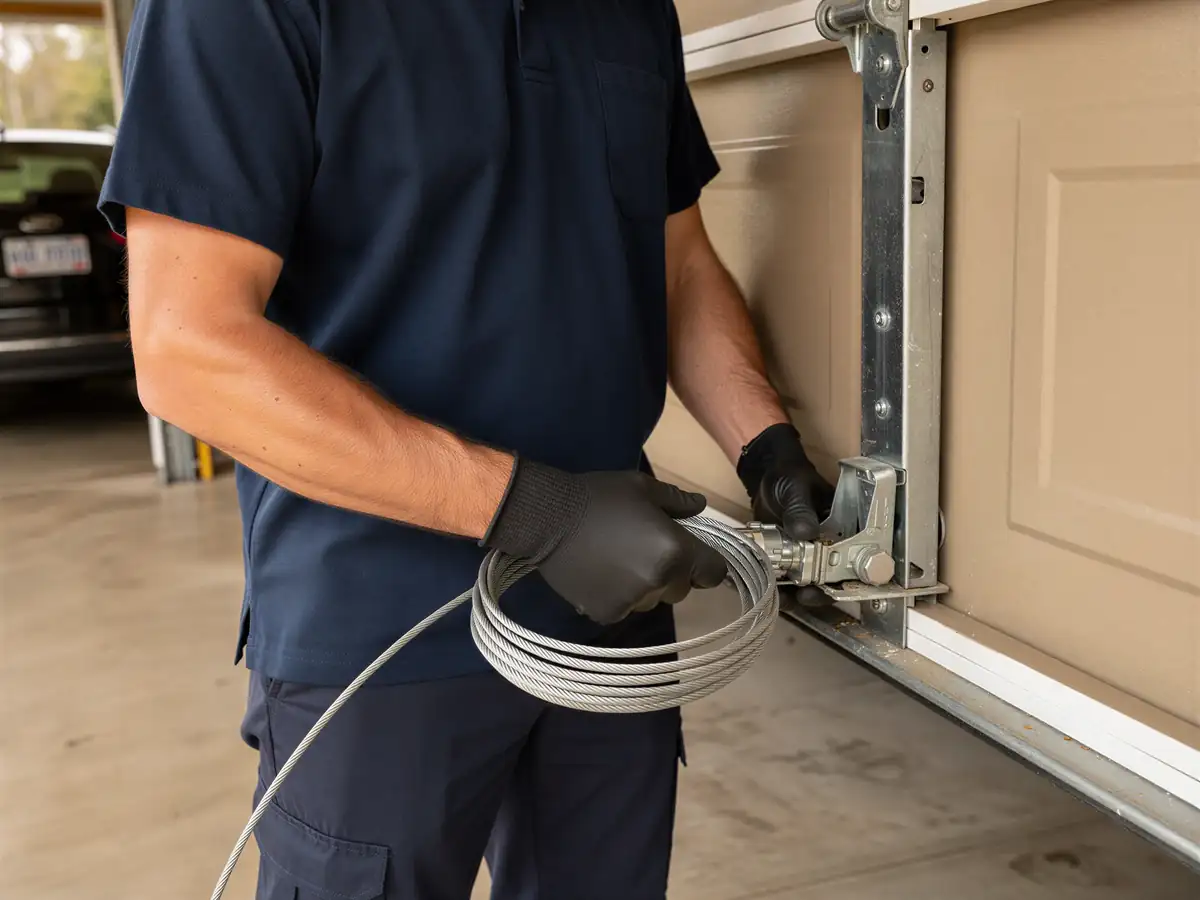
Swapping a single panel on a sectional door is a job some owners manage, but on a door this old we'd rather you call before you buy a panel online. The limitation here is real: current off-the-shelf panels rarely match 1960s hole patterns, hinge spacing, or steel gauge, so a DIY panel often needs modified hardware to seat right, and that's not a weekend fix for most people. If the rest of the door - springs, track, opener - is original too, replacing one panel can also mean you're propping up a door that's due for full replacement anyway. We'll tell you straight if that's where your door's at, even though it means a bigger job, not a cheaper one.