Where This Job Goes Sideways
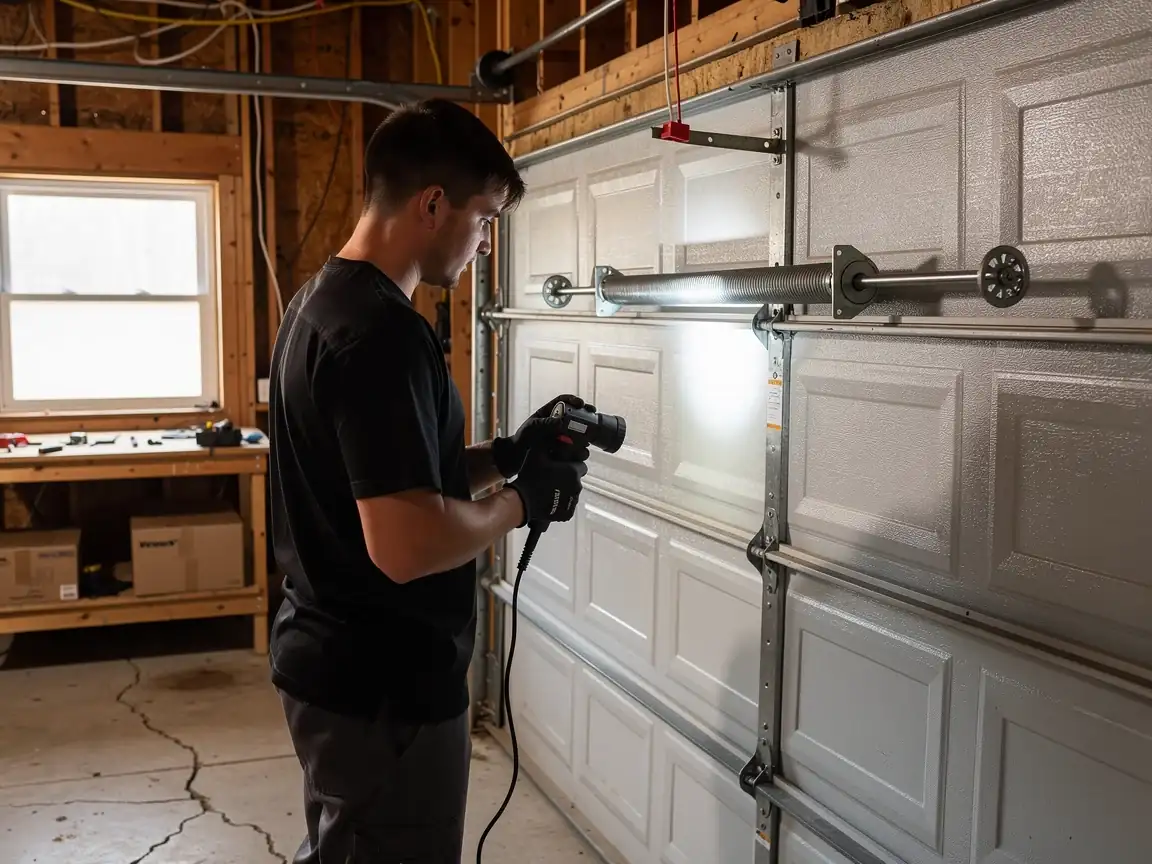
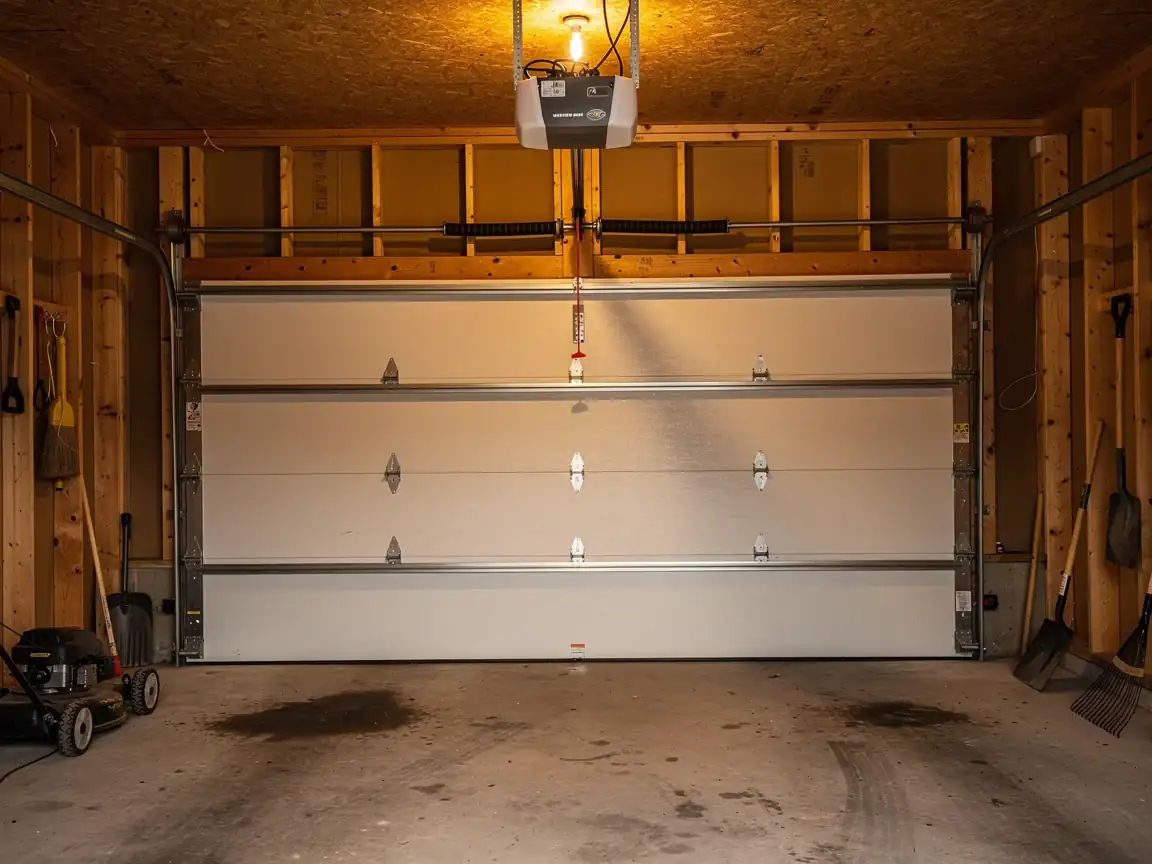
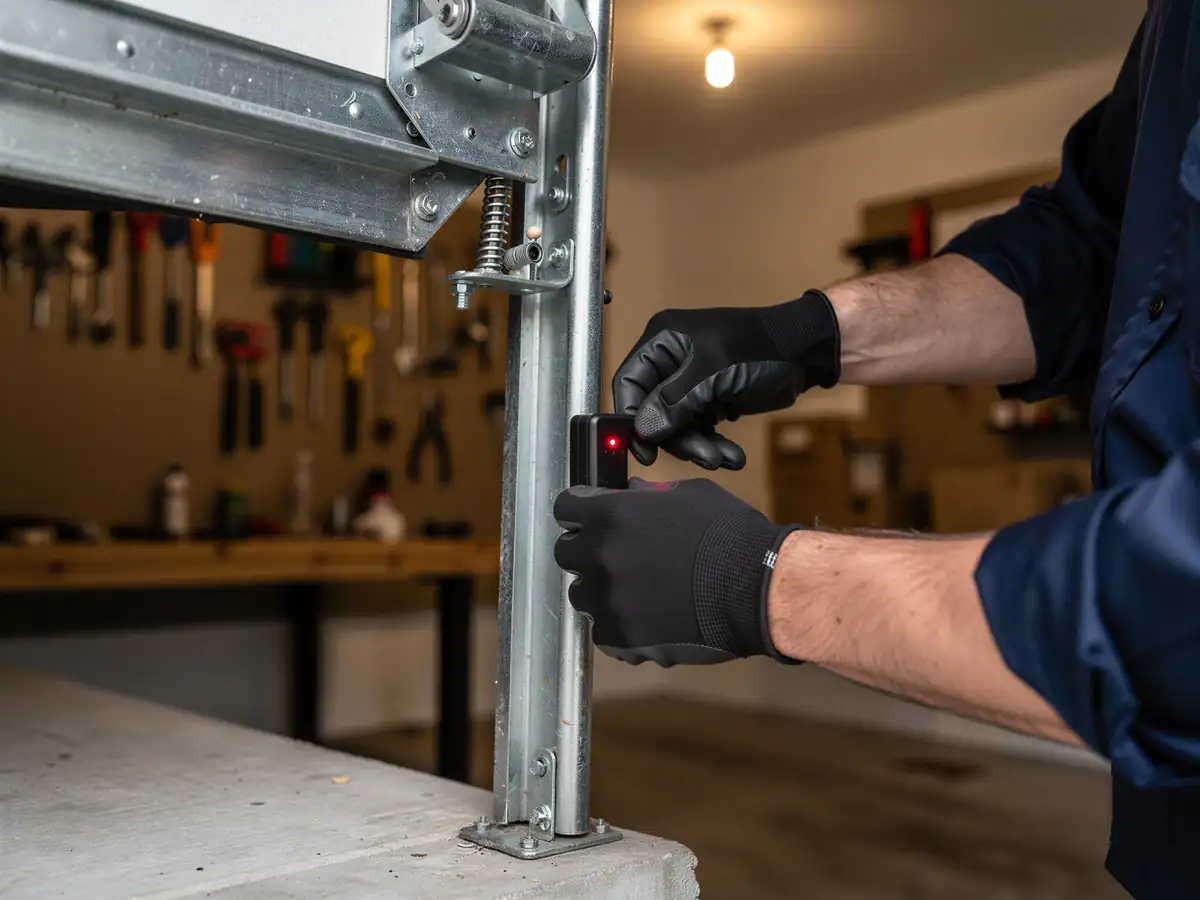
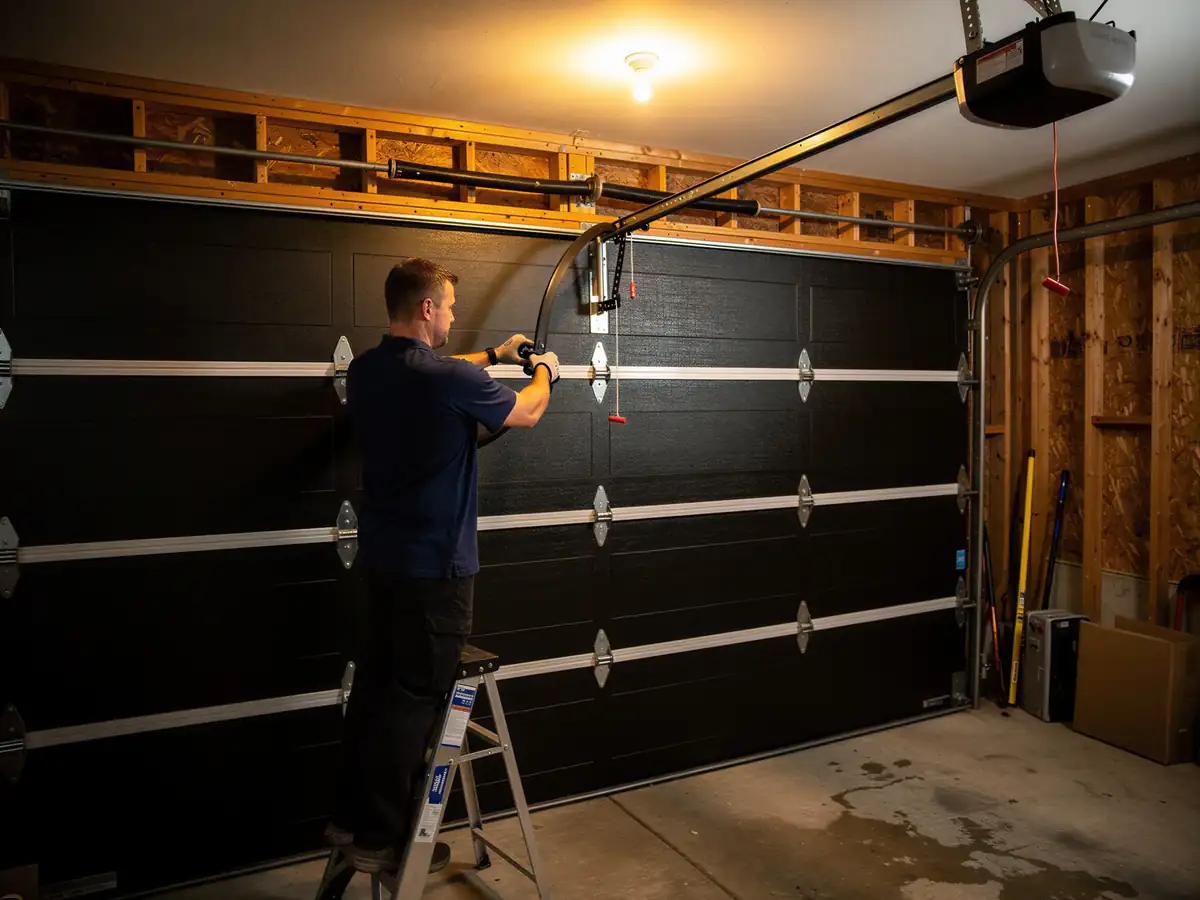
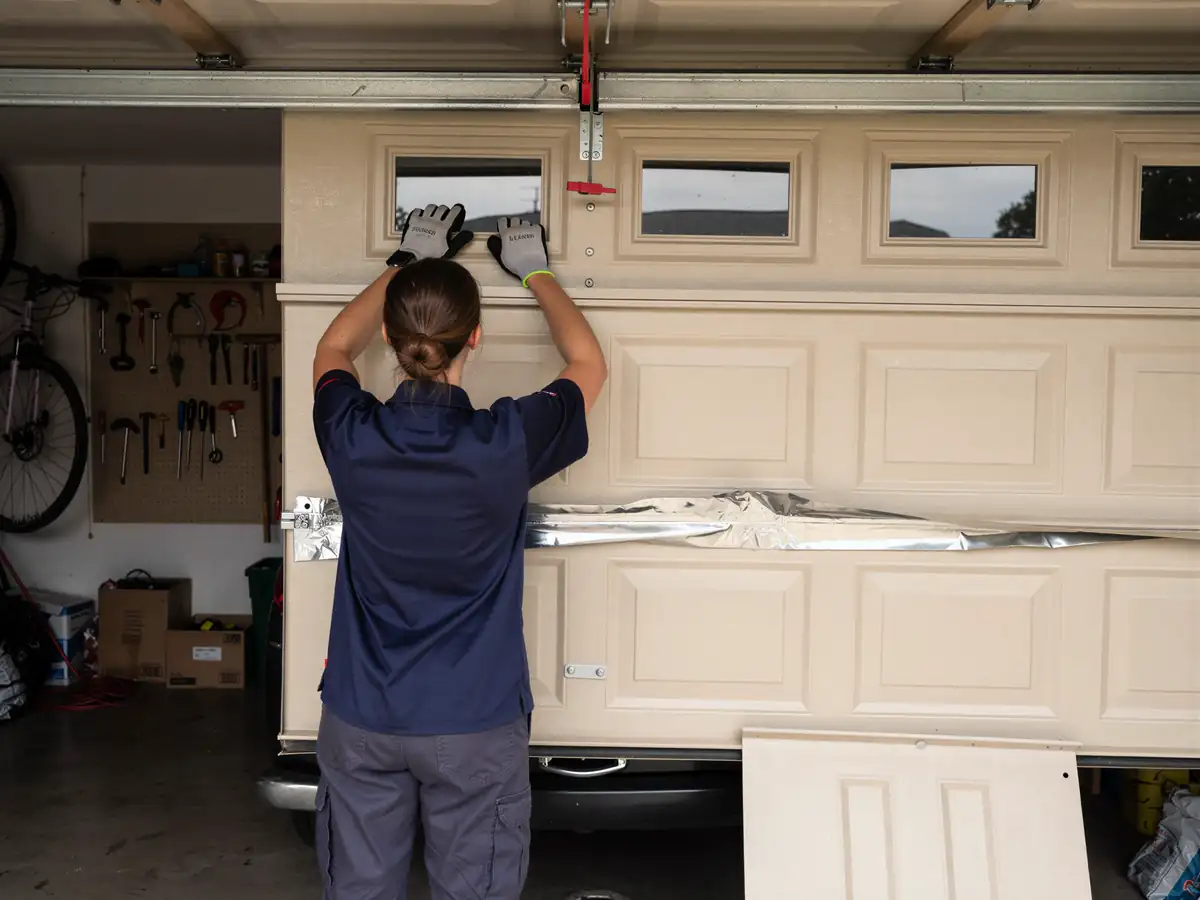
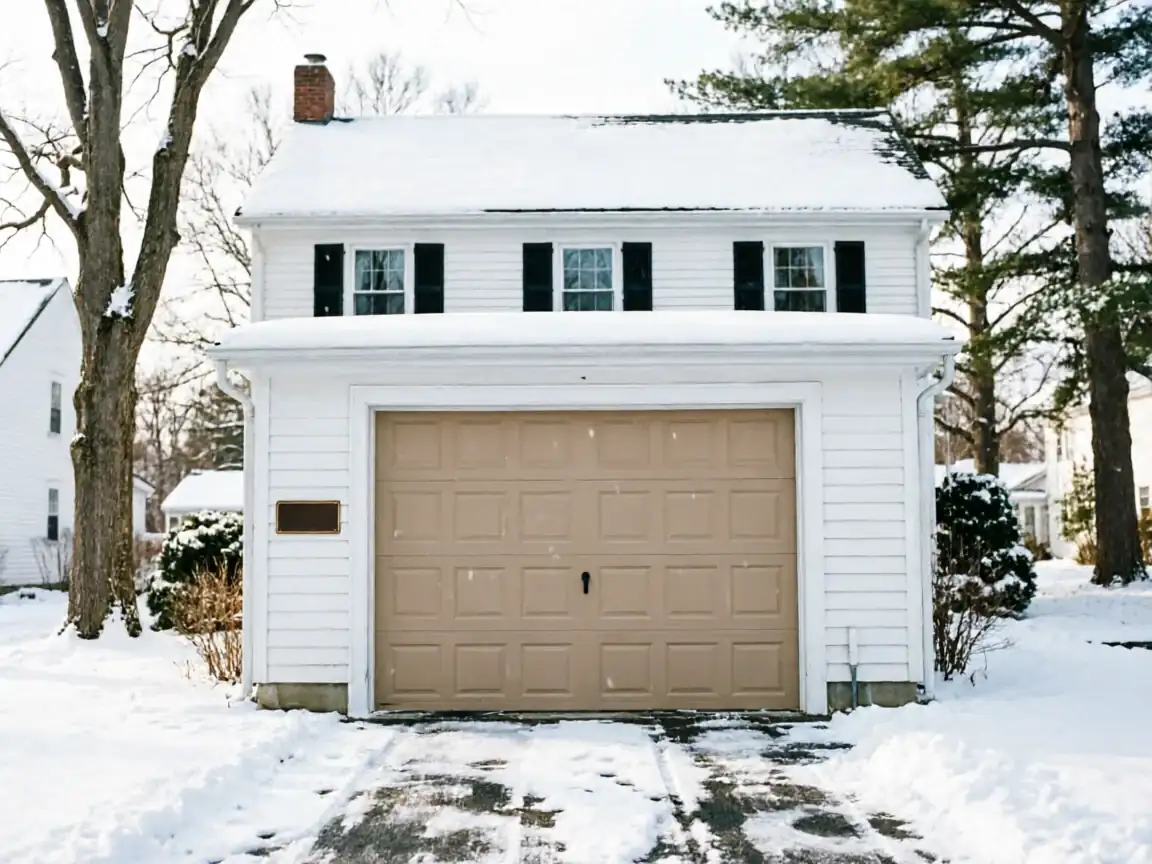
Landing's housing stock mostly went up around 1967, when builders still hung doors on extension springs instead of torsion bars, and ran them on tracks sized for the single-layer steel or wood panel doors that were standard then. That hardware wasn't built to last sixty years, and most of it has never been swapped out, just patched. The failure we see most isn't a dead opener - it's an extension spring that's stretched past its coil limit, or a cable that's frayed where it rides the pulley on that older style track. Add the winters here - this is a cold-climate area, and cold makes steel brittle and lubricant gum up - and you get the classic Landing call: a door that was fine Tuesday and won't budge Thursday morning. The sideways part is that owners usually blame the opener first, because that's the part that hums and clicks, when the actual fault is the spring assembly it's straining against. Chase the opener and you've spent money on the wrong half of the system.
Booking a Visit
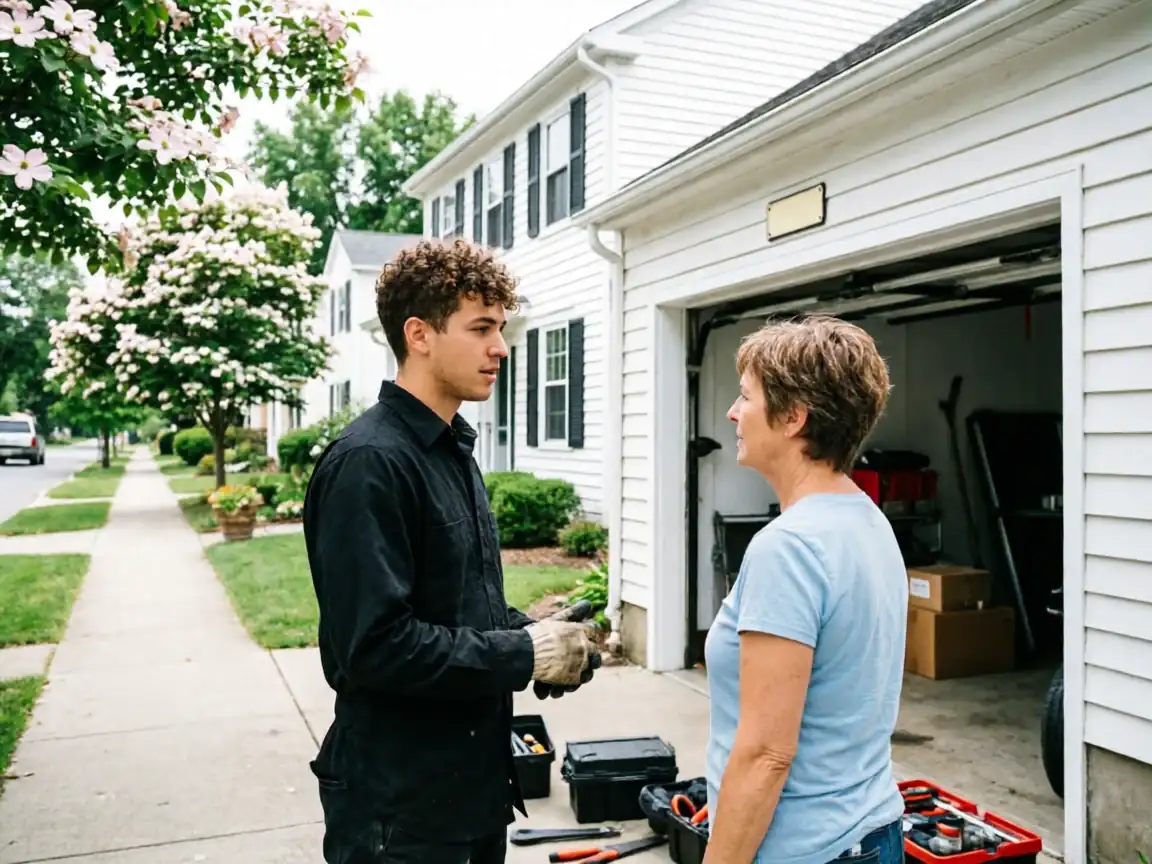
Landing is six miles out from the Randolph shop, not around the corner, so a visit here gets scheduled, not walked over to. There's no branch or depot in Landing - the truck comes from Randolph, and the job gets slotted into the day's route like every other stop in the service area. That's not a knock on the town; it's just how a one-shop operation works across a wide area. When you call, the more specific you can be about what the door is doing - won't lift, lifts and stops, grinds on one side - the better the first trip goes, since it lets us bring the right spring size or roller stock instead of guessing. We don't claim a same-day window here, because we're not making promises about travel time we can't back with a fact. What we can tell you is that a 1960s-era door in Landing and a 1960s-era door in Randolph often take different parts, even six miles apart, because the track width and spring wind changed more than once in that stretch of building years.
How It Shows Up
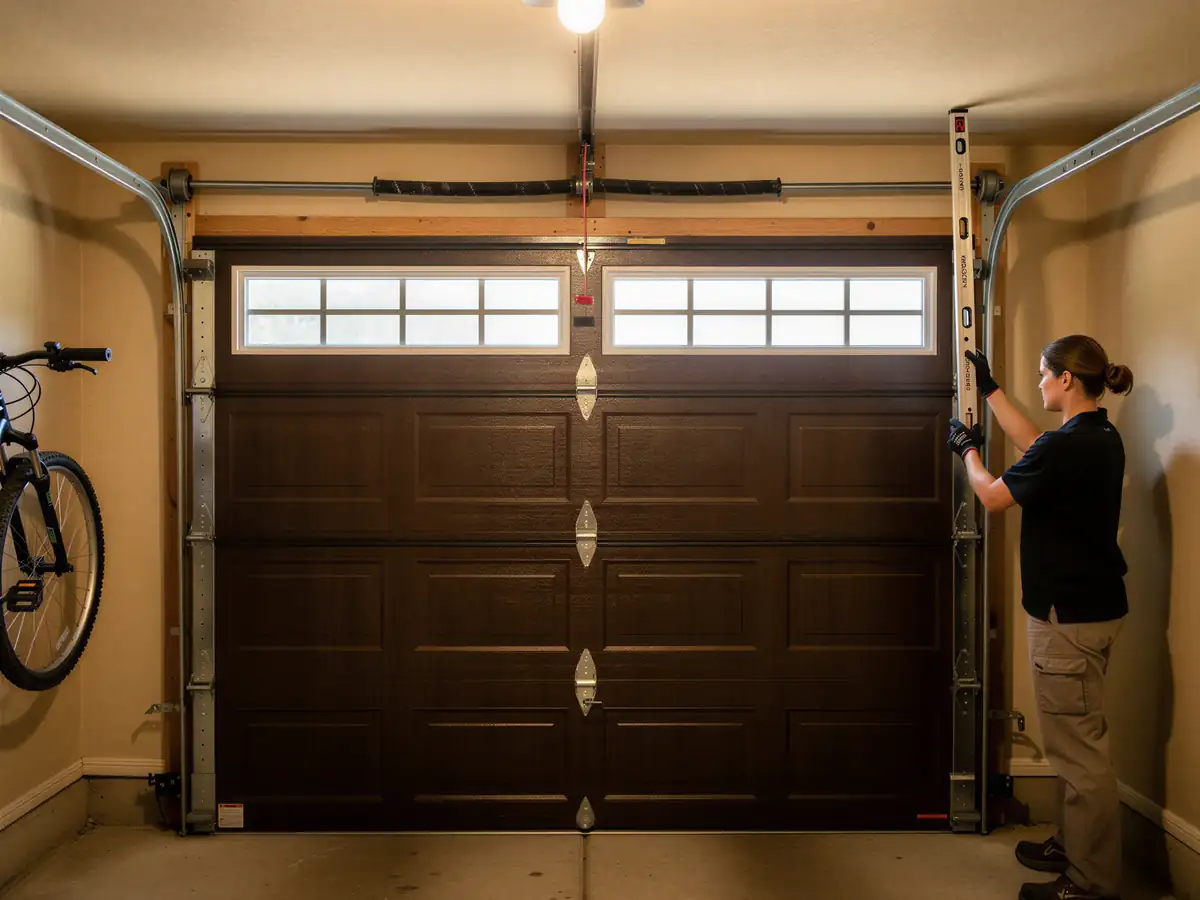
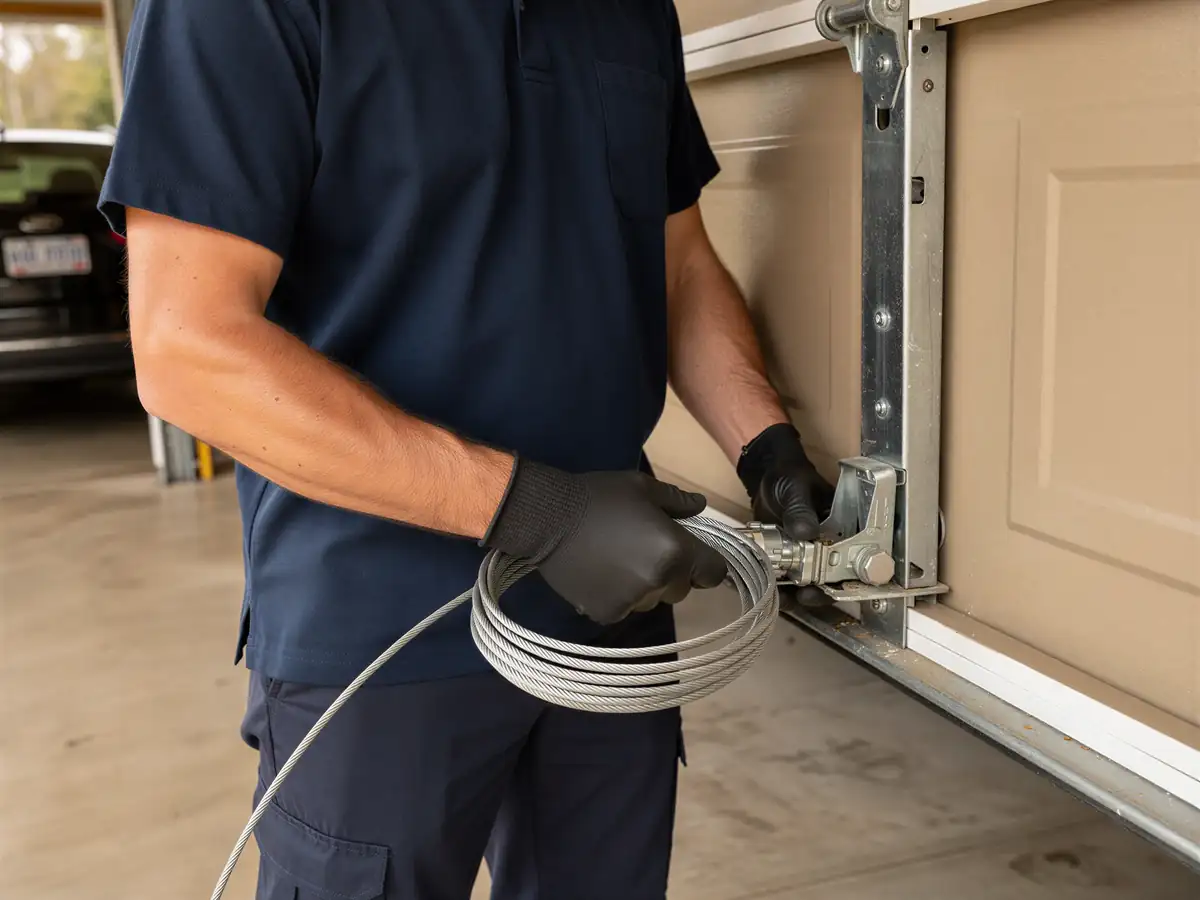
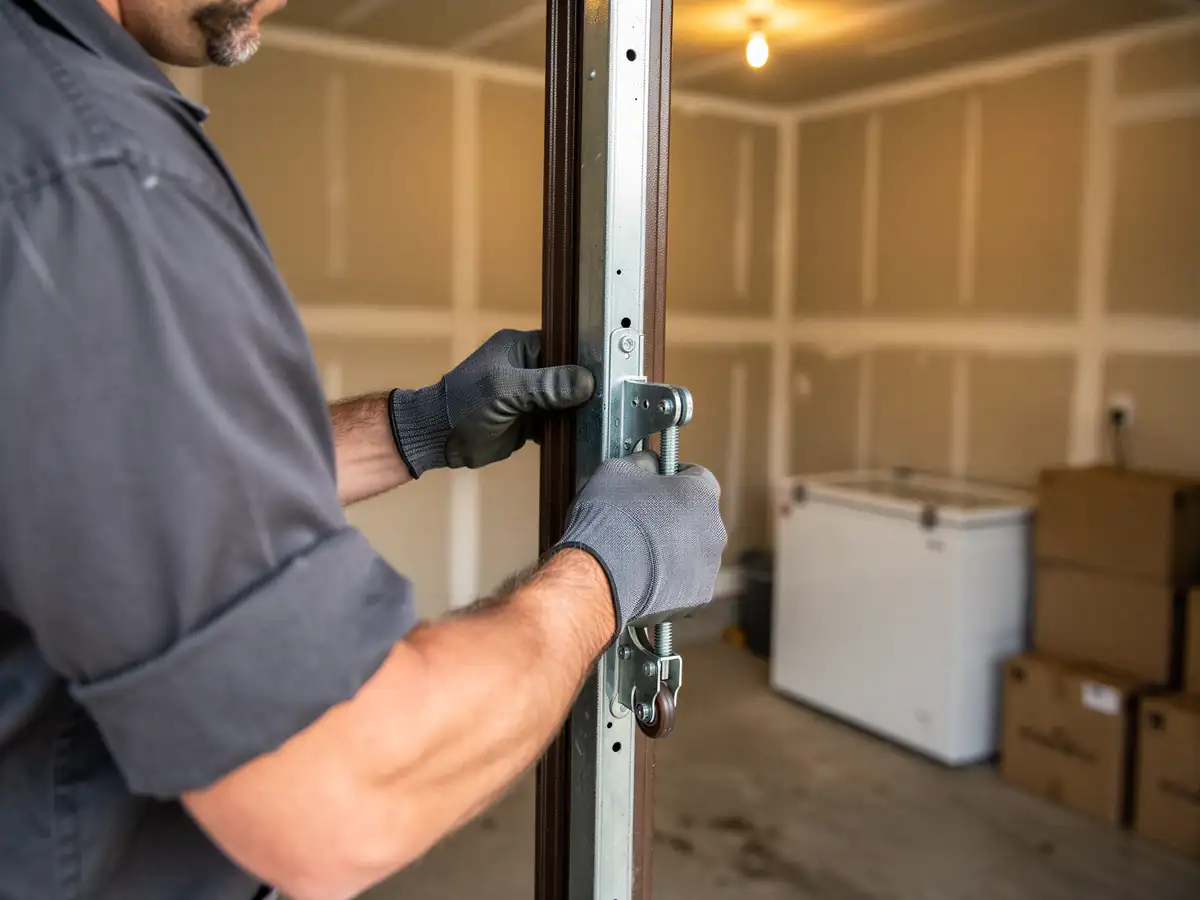
The door that won't fully close and leaves a gap at the bottom is usually a spring that's lost tension, not a sensor issue, on these older Landing setups. A door that reverses halfway up, grinding, points to a track that's racked out of alignment after decades of the house settling - common in homes built in this era. If the opener motor sounds like it's working harder than it used to, check the spring before you replace the motor; an opener fighting dead springs will burn out early and make you think you have a motor problem when you don't. Cables that look frayed where they wrap the bottom bracket are a sign the whole assembly - cable, drum, spring - is near the end of its life together, not something to patch one piece at a time. None of these show up overnight. They build for months, which is why so many Landing calls start with