How Long You Are Without the Door
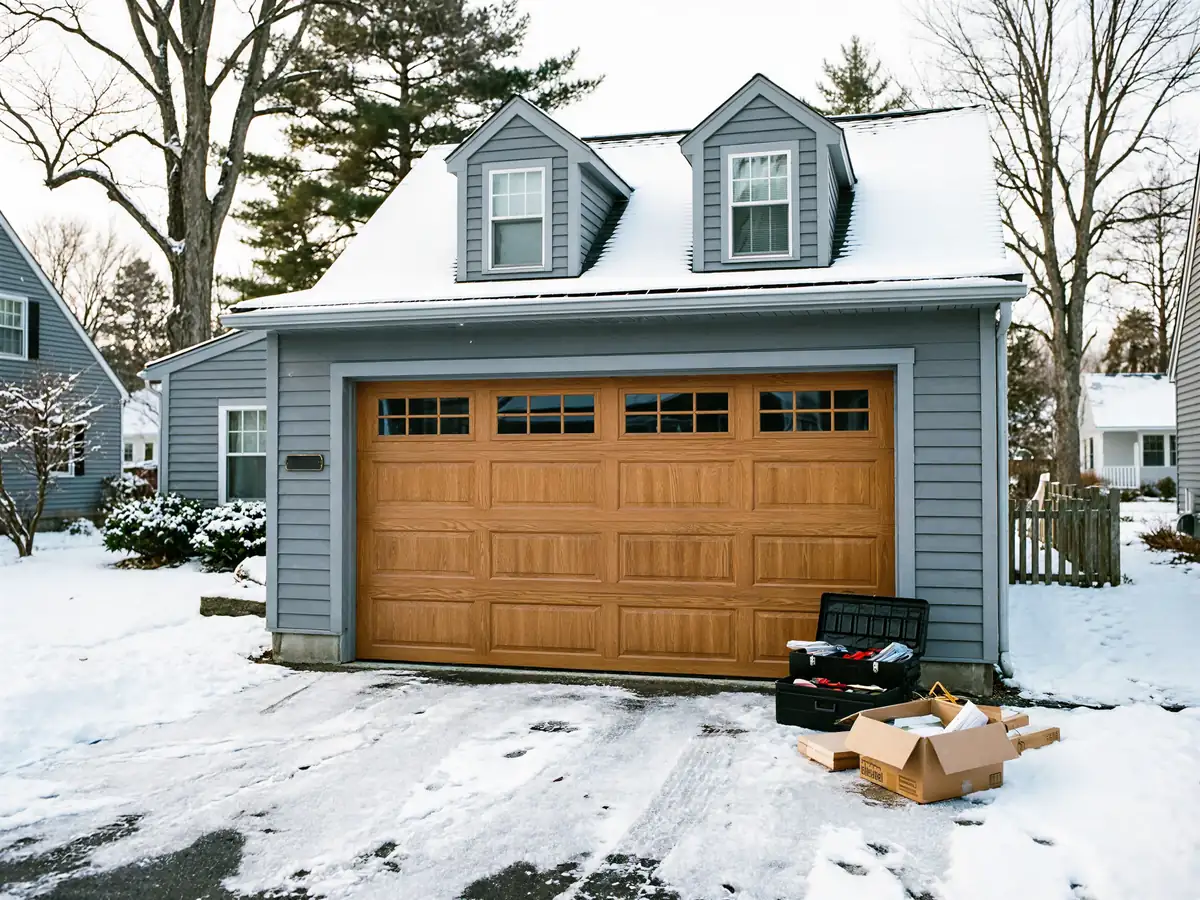
Rockaway sits about 5 miles from our Randolph shop, so the first thing to know is that we're driving in, not walking over from a local branch. That travel time is part of planning the job, not an excuse - we build it into the schedule rather than promising a window we can't back up.
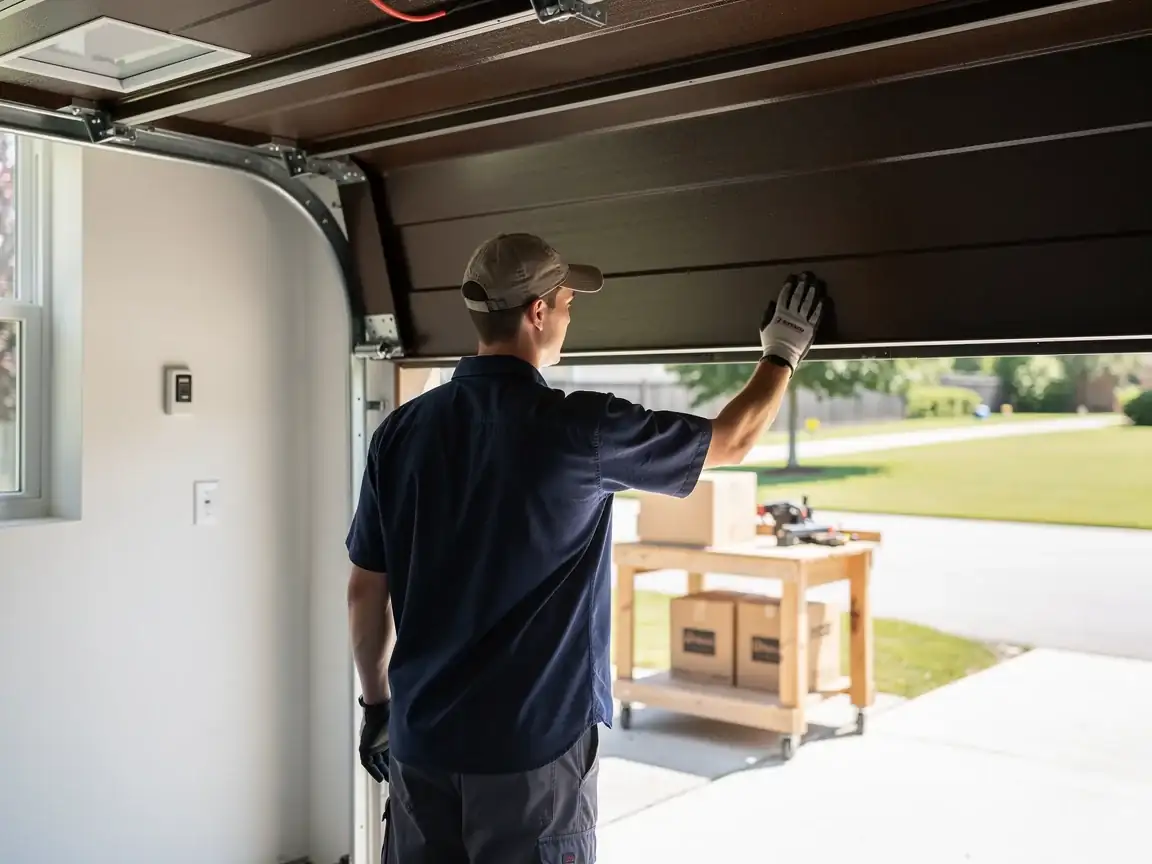
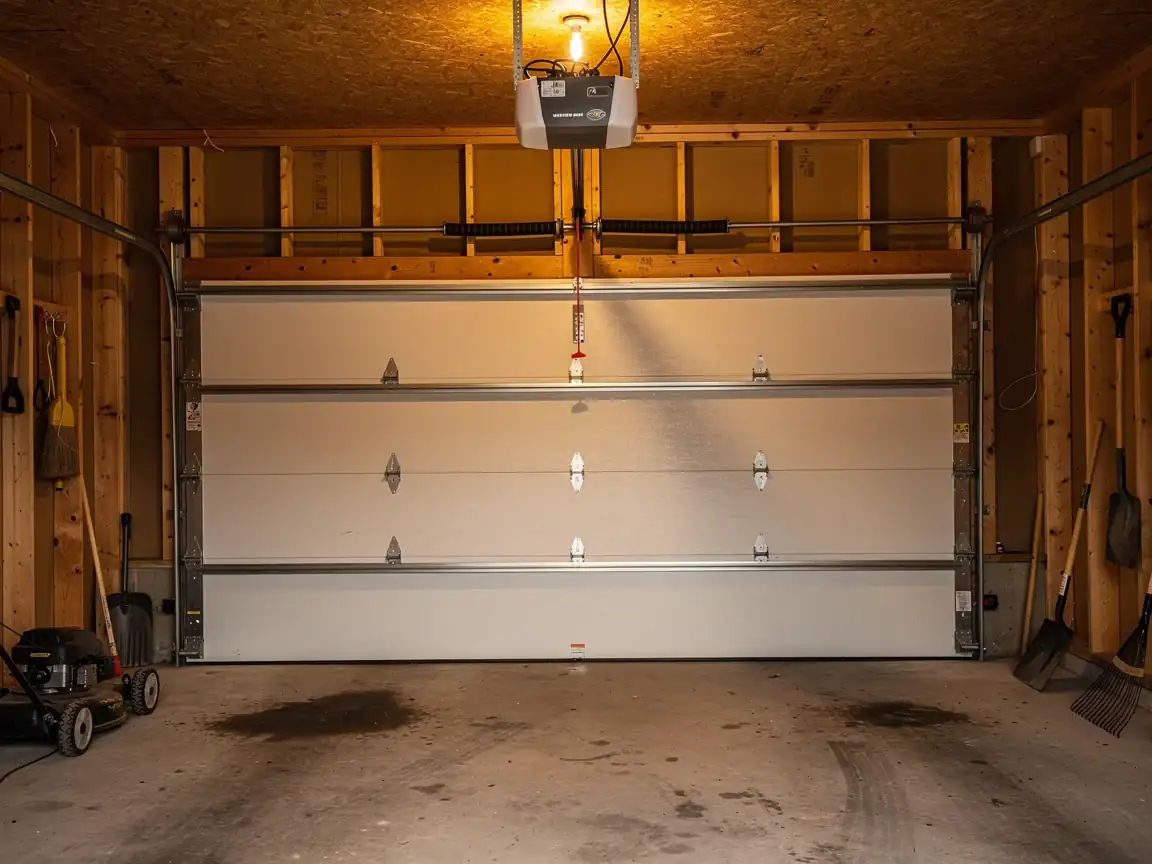
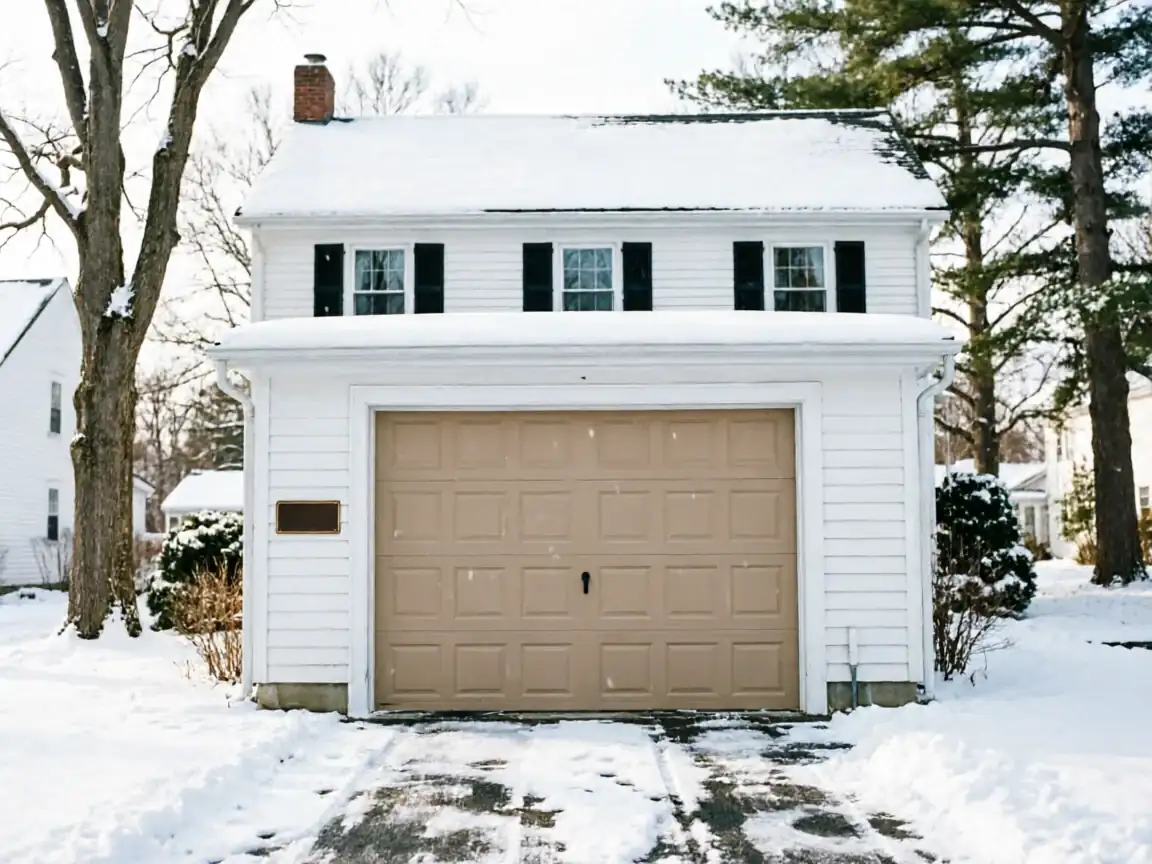
For opener installation specifically, the door itself usually still works fine; you're swapping the motor unit, not fixing a stuck panel. That means the garage isn't sitting wide open while we work. The old opener comes down, the new one goes up, and the door is operable again the same visit in most cases. What stretches the timeline isn't the install - it's matching the right opener to a door and track setup that, in a town where the housing stock centers on 1960, often predates the opener entirely.
With a median household income of $100,028 in Rockaway, we hear the same question a lot: is it worth replacing the opener now or riding it out until it fails completely. A dead opener on its own almost never means a dead door. If the track, springs, and panels are sound, opener-only replacement is usually the cheaper and faster path, and it's the one most households here land on.
How We Fix It
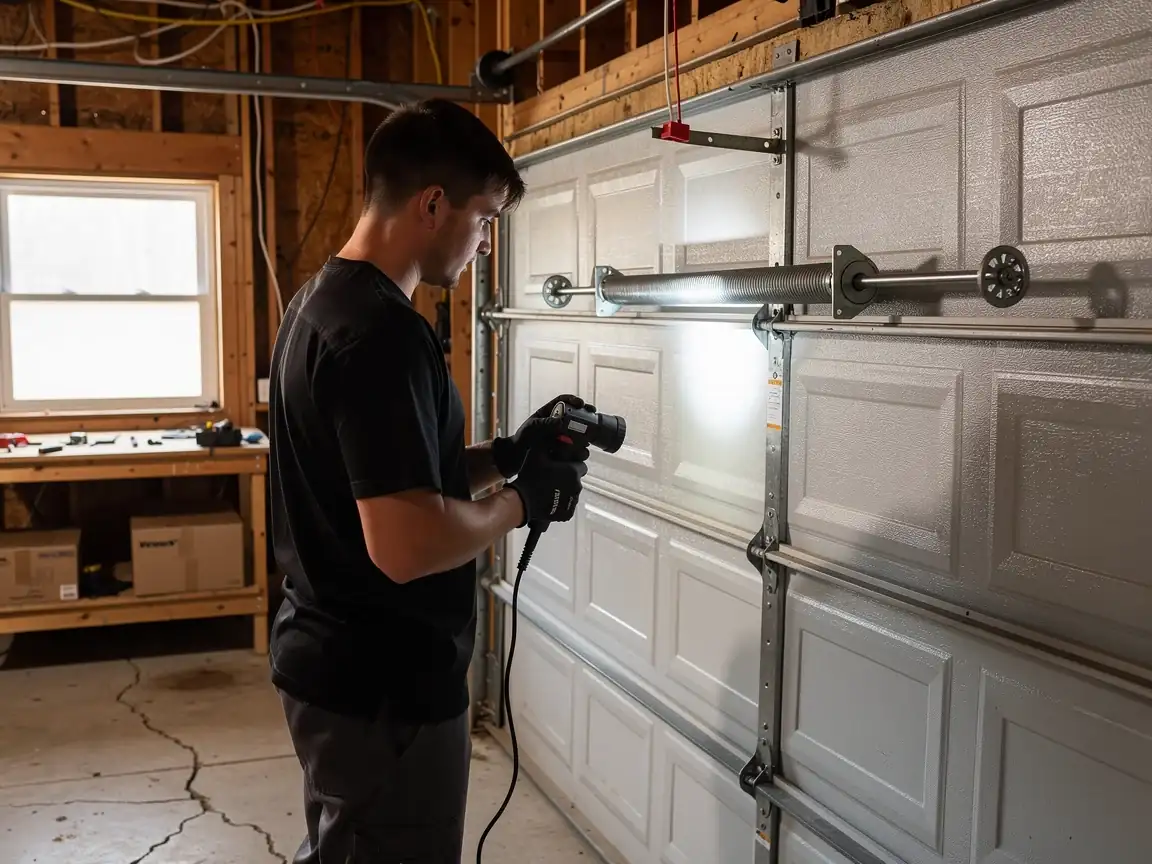
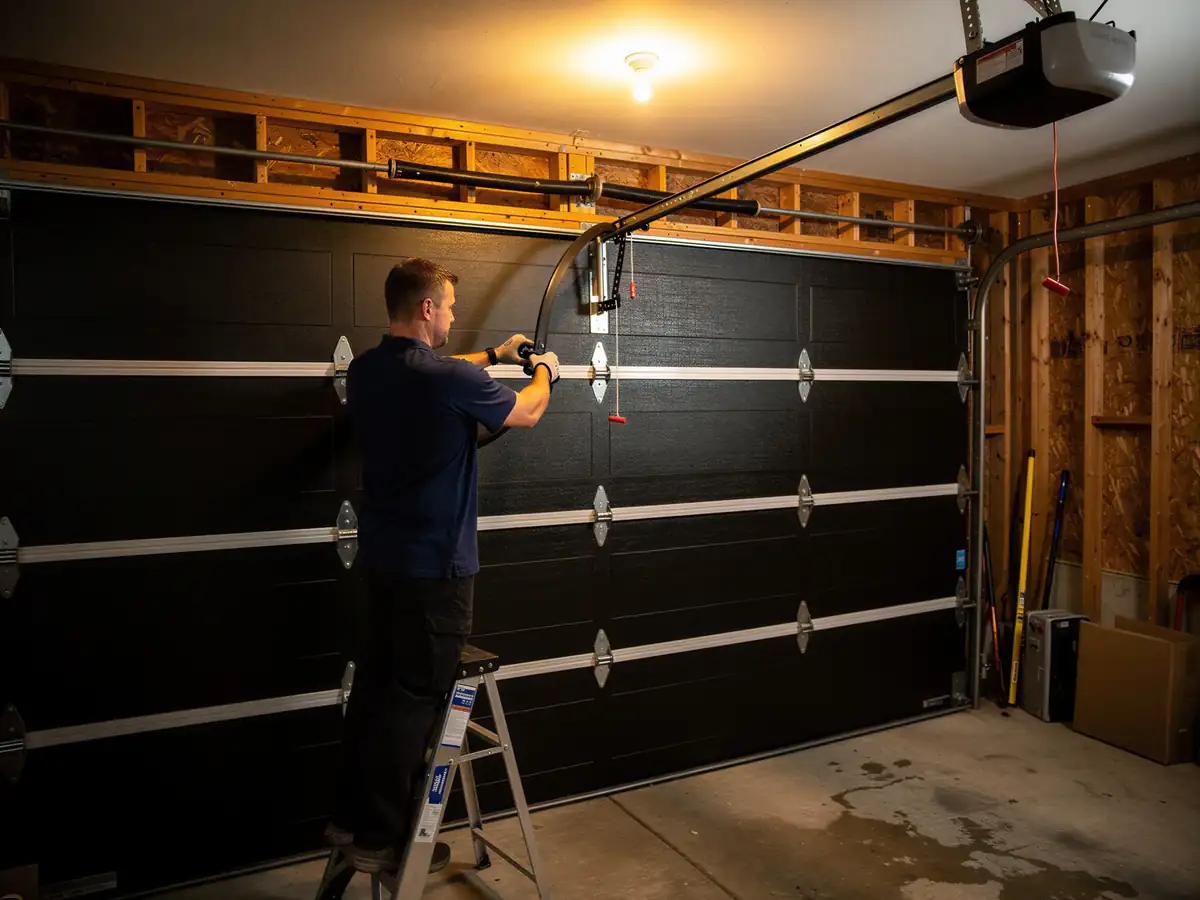
We pull the old unit, check the header bracket and rail for wear that's common on openers original to a 1960-era build, and confirm the door's spring tension is correct before the new motor ever lifts it - an opener fighting bad spring balance burns out fast no matter how new it is.
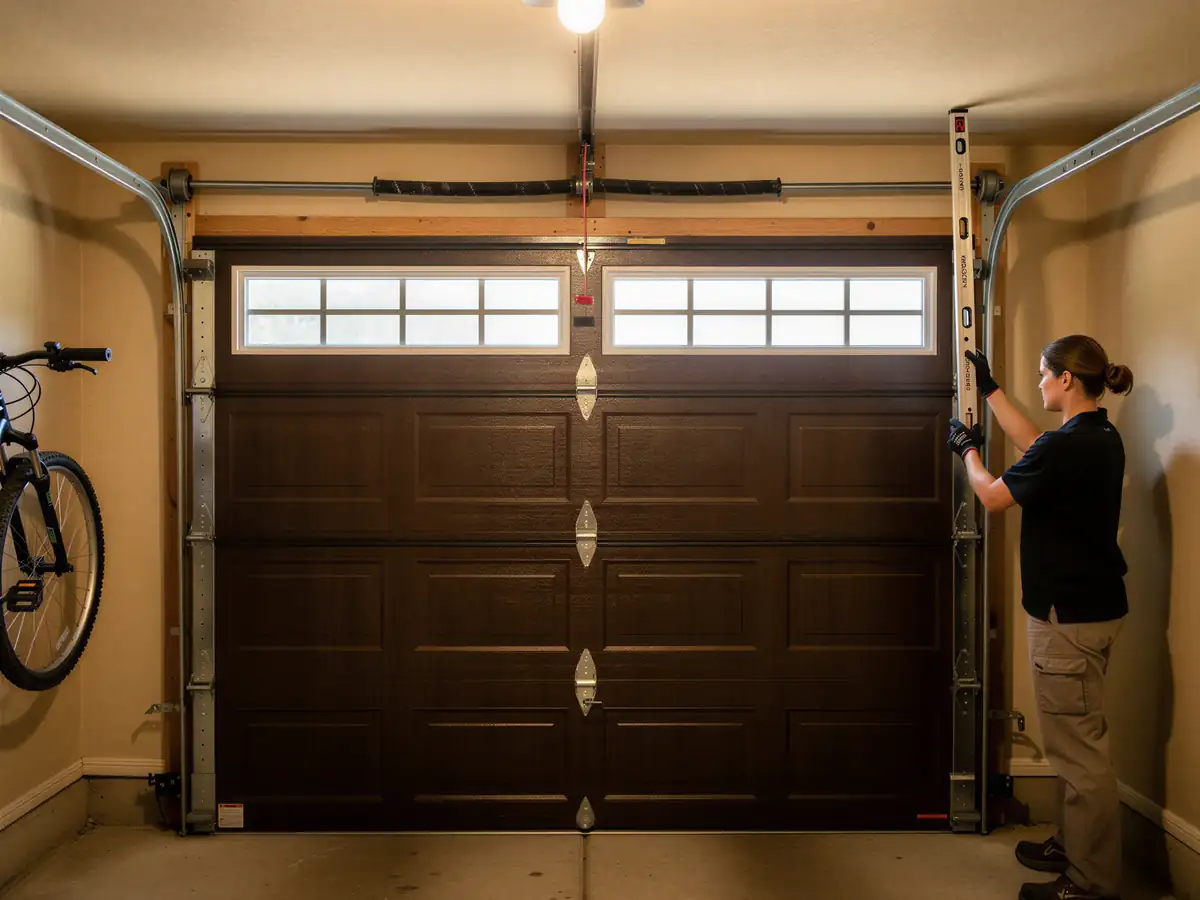
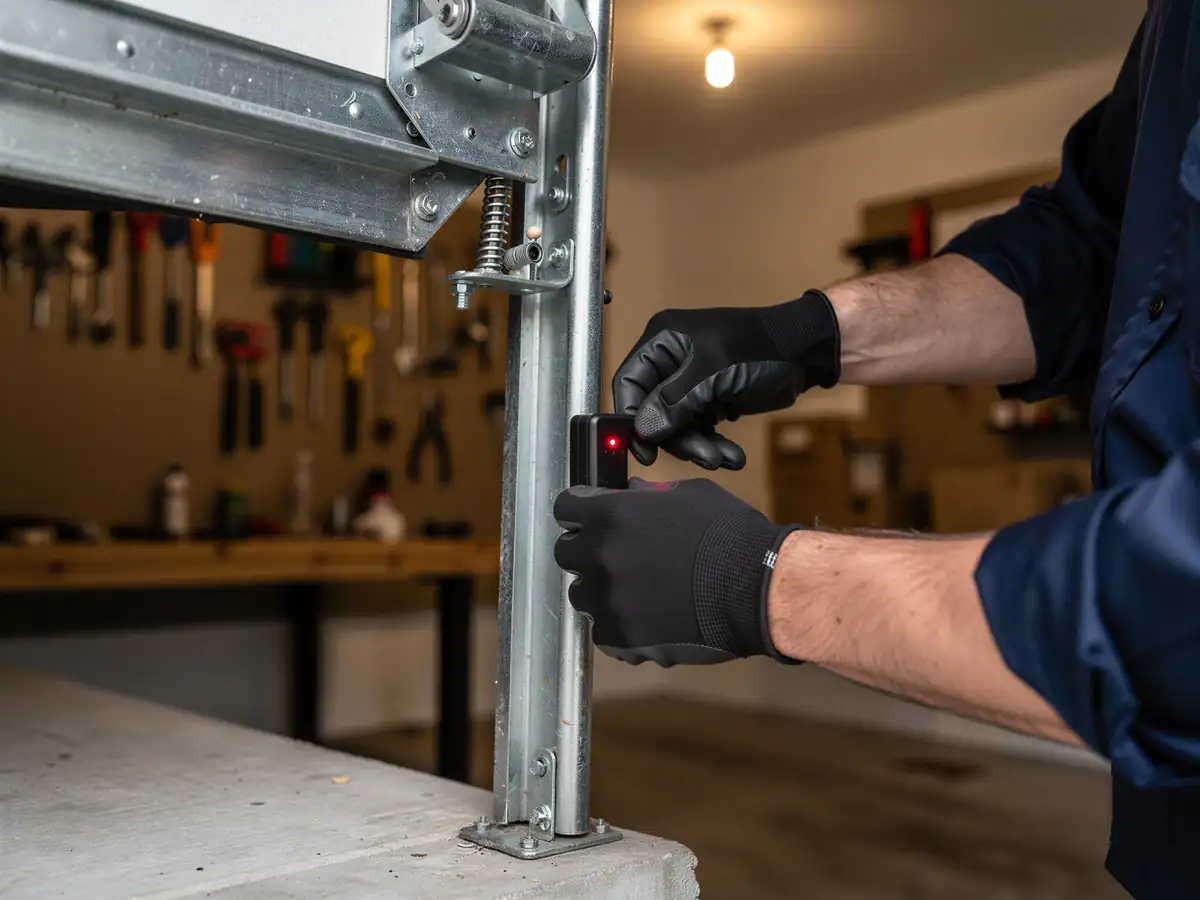
From there it's a standard mount: rail, motor head, wiring to the wall control, and safety sensor alignment. We test travel limits and force settings by hand rather than trusting factory defaults, since older tracks in this area often aren't perfectly square anymore.
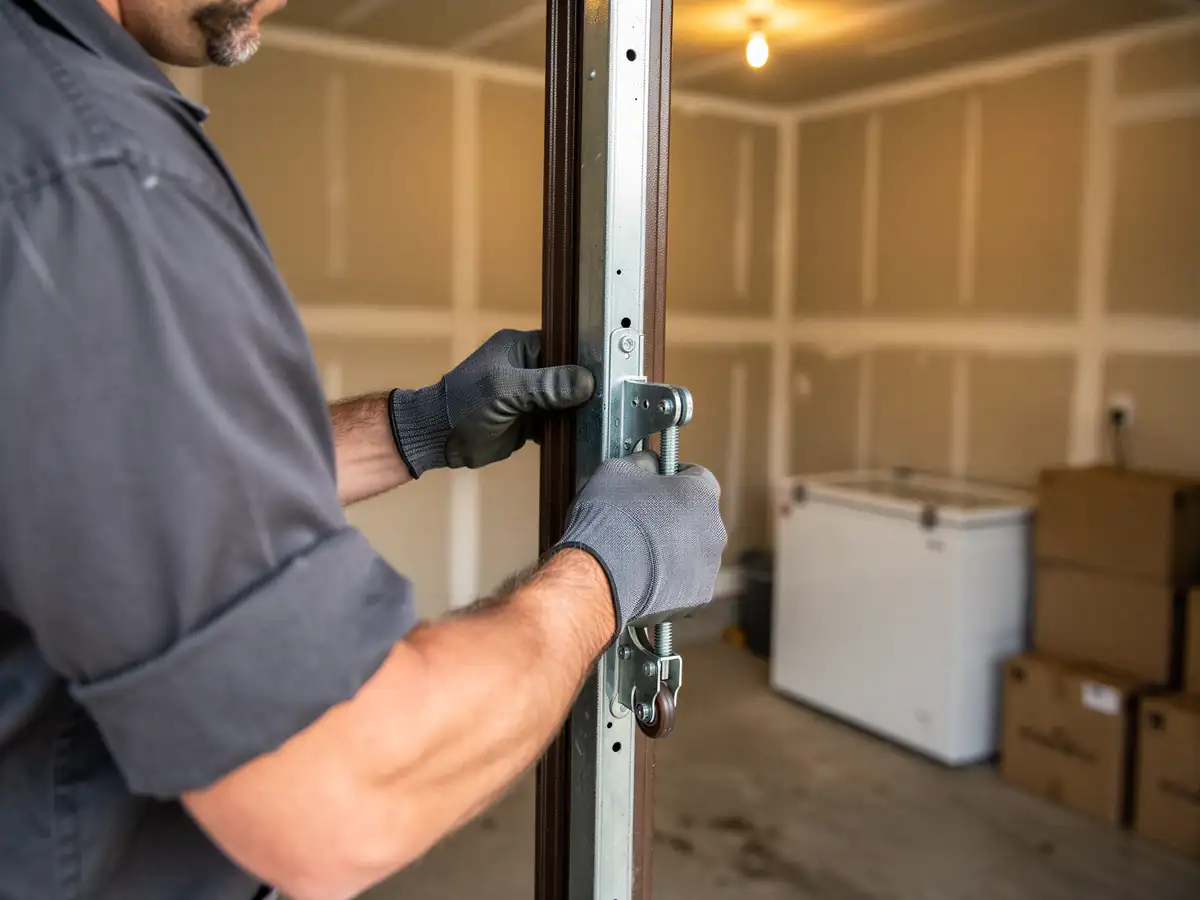
One limitation worth saying plainly: if the existing track or header is bent, warped, or rotted, an opener swap alone won't fix the door. We'll tell you that before we quote the job, not after.
What Causes It Around Here
Housing in the broader service area runs 1938 to 1996 with a median build year of 1964
And Rockaway's own stock centers right around 1960 - close enough to that span that the same failure pattern shows up house after house. Openers from that era, or even the first replacement generation installed decades later, tend to be chain-drive units with worn drive gears and no rolling-code security, the kind that grind, reverse unpredictably, or stop responding to the remote.
The region sits in a cold, severe winter climate zone
And that matters more for openers than people expect. Chain drives contract and expand with temperature swings, which loosens tension over a cold season and leads to slipping or binding right when you need the door most. Gear-driven openers with plastic sprockets are especially prone to stripping once they're past their service life in this kind of weather.
With 2,660 households in Rockaway, most sitting in homes from that same build era, the pattern repeats
An opener original or near-original to the house, now past its working life, failing in winter rather than summer.
- 2,660 households
What Is on the Truck
We carry belt-drive and chain-drive openers, since the right choice depends on the garage setup, not personal preference. Belt drives hold tension better through cold-weather temperature swings, which matters given the severe winter climate here, and they run quieter if the garage sits under or next to living space - common in homes from the 1960s where the garage wasn't always a fully separate structure.
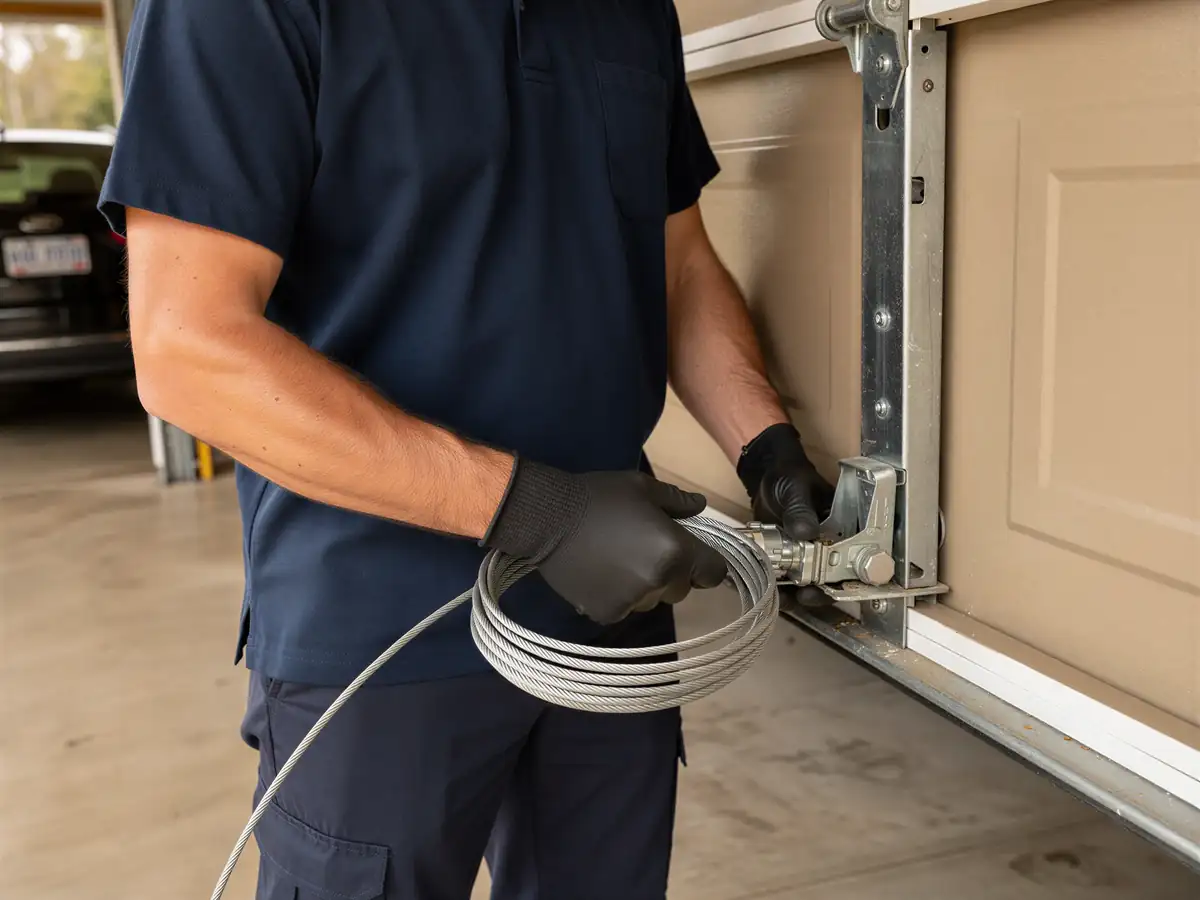
We also stock standard wall controls, keypads, and the wiring and mounting hardware needed to fit a rail to an older header bracket without modifying the framing. What we don't carry on the truck is replacement track or spring sets sized for every nonstandard setup - if a Rockaway garage needs structural header work along with the opener, that's a second visit with the right parts ordered ahead, not a same-day fix.