How Long You Are Without the Door
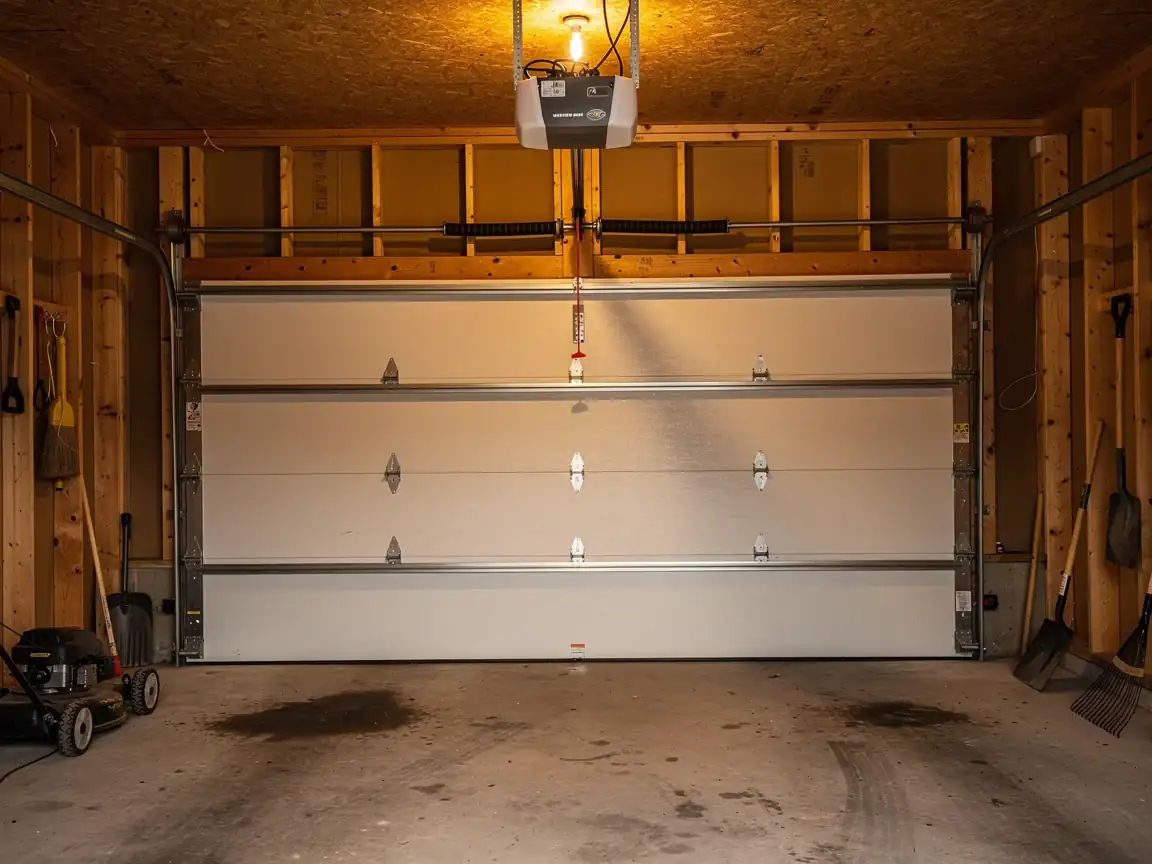
Rockaway sits about five miles from our shop in Randolph, which is close enough that a dead opener doesn't mean an all-day wait, but we're not going to promise you a window we can't back up - we don't run a branch in town, we run a truck out from Randolph. What matters more than the drive is what's broken. A tripped safety sensor or a drained wall-station battery is a five-minute fix once we're on site. A fried logic board on an opener old enough to have outlived two or three remotes takes longer, because we have to confirm it's the board and not the motor winding before we touch anything. If your door is stuck shut and the car's inside, pull the manual release cord - the one hanging from the trolley - and lift by hand until we get there. That's not a workaround we invented; it's standard on every opener built since before Rockaway's housing boom, and it still works on units from the 1960s and '70s just fine.
How We Fix It
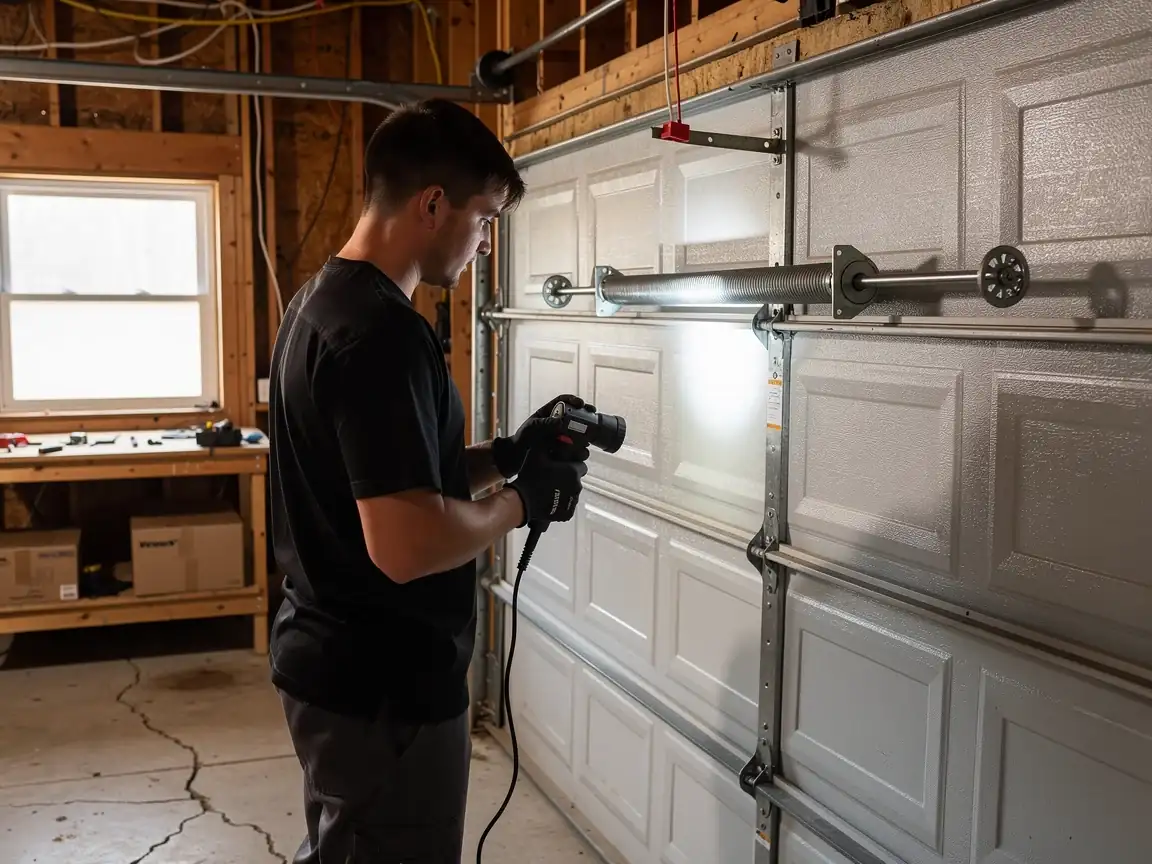
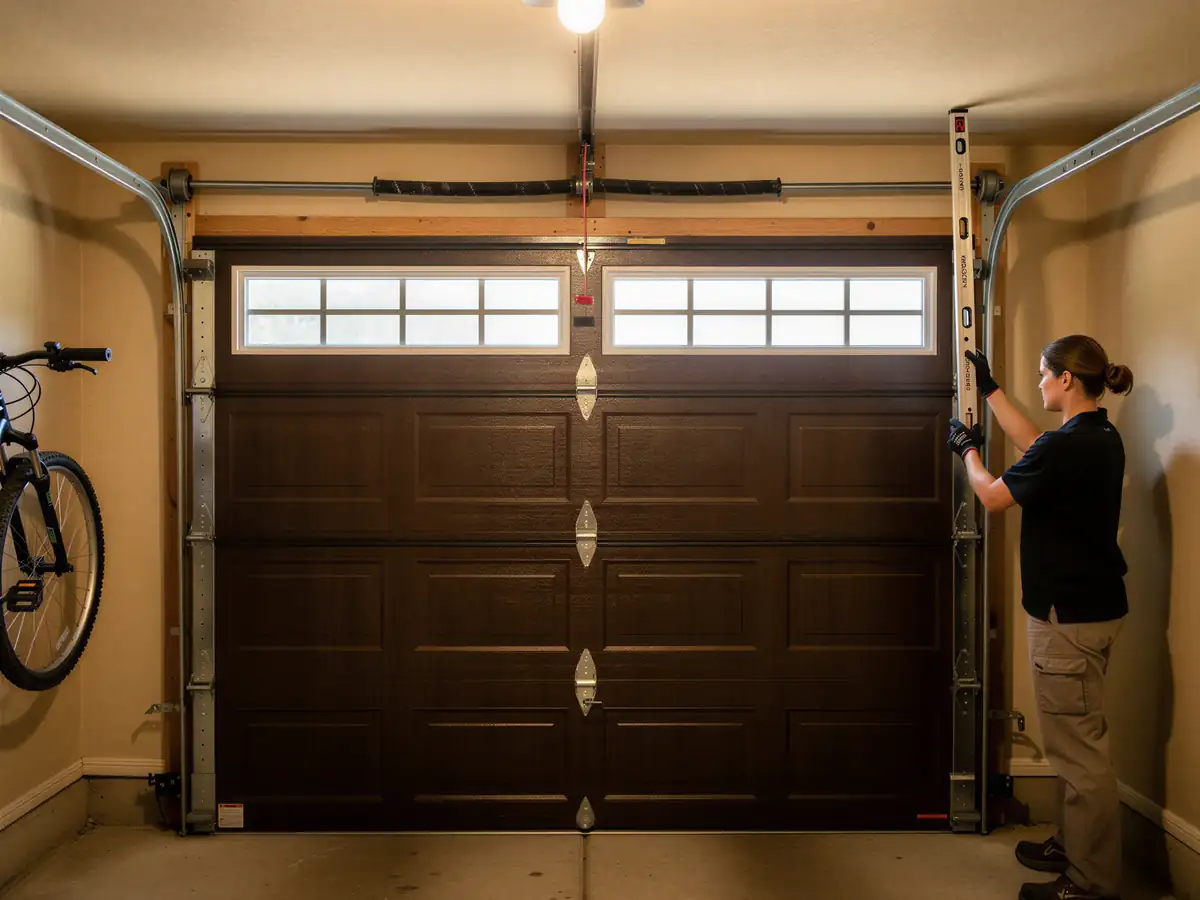
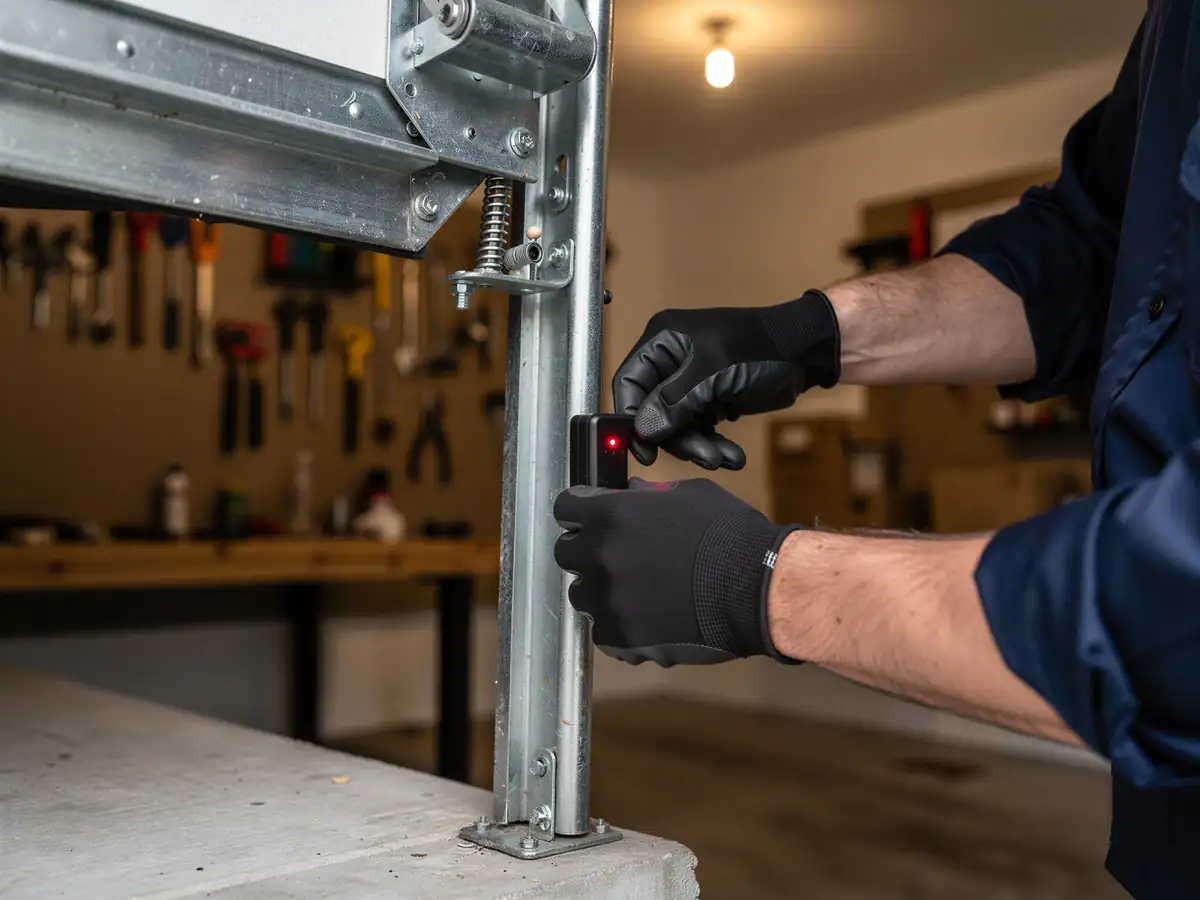
We start at the wall control, not the motor, because that's where most calls turn out to be wrong guesses. We check the travel limits, the force settings, and both photo-eye sensors before we open the housing. On openers from Rockaway's older housing stock - the 1960s-era builds that make up a lot of this area - we're often looking at a chain-drive unit with a worn sprocket or a capacitor that's given out, not a dead motor. Capacitors fail quietly: the door hums, the light blinks, and nothing moves. We replace the part that's actually bad, not the whole unit, when the motor and gearing are still sound. If the circuit board itself is shot and the opener is old enough that the manufacturer's stopped stocking boards for it, we'll say so plainly - at that point a new opener costs less than hunting down a discontinued part, and we'd rather tell you that up front than bill you for a repair that won't hold.
What Is on the Truck
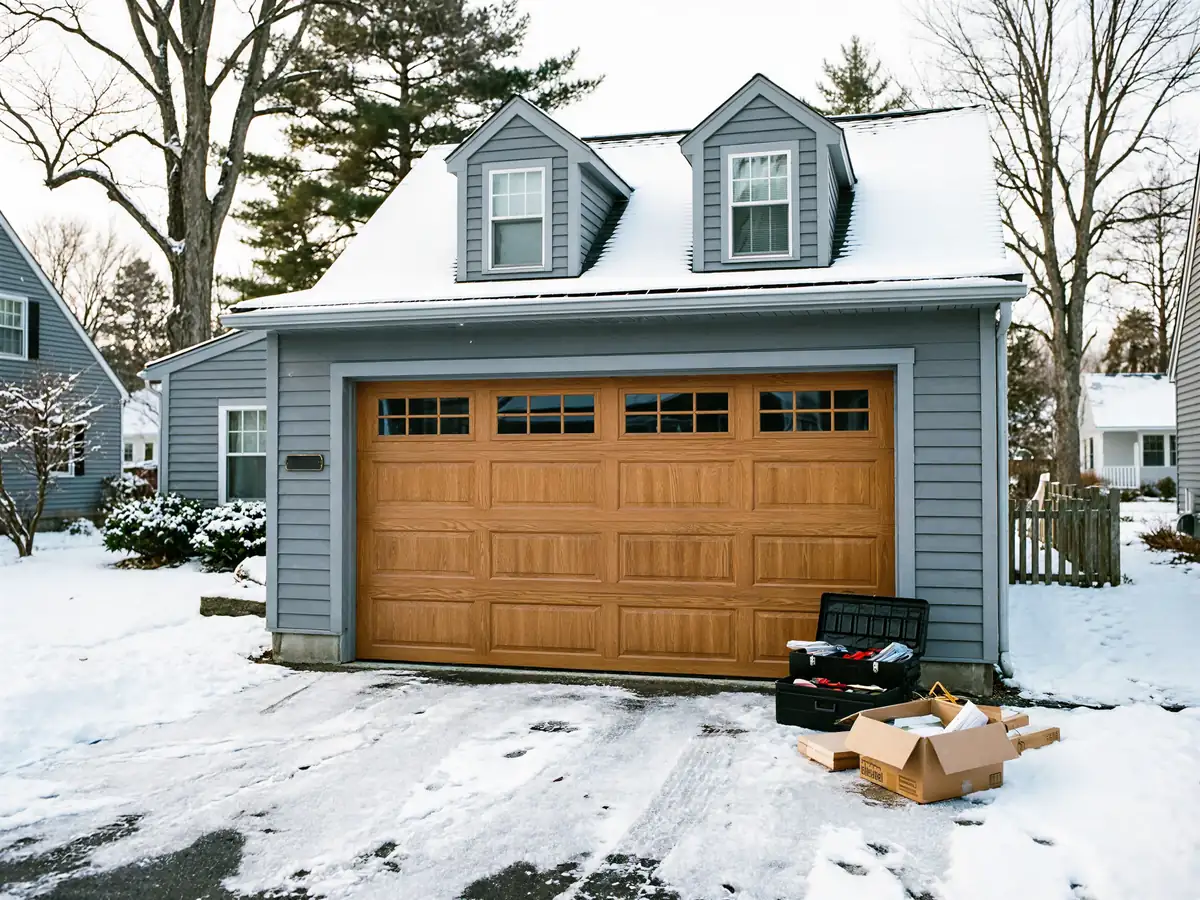
Because Rockaway skews toward older chain-drive openers, the truck carries sprockets, chains, and drive gears sized for units that have been out of production for years, alongside the belt-drive parts for newer replacements. We stock logic boards for the handful of brands that show up most in homes from this build era, plus universal safety-sensor pairs, since mismatched or sun-faded eyes are a steady source of calls. Capacitors and wall-station units ride along in a few common voltages. For the cold months we carry low-temperature rail lubricant instead of the standard grease, since standard grease gums up below freezing and makes the carriage drag. What we don't carry is every board for every opener ever sold - if your unit is old enough and obscure enough, we may need to order the part, and we'll tell you that lead time before we start rather than after.