Where This Job Goes Sideways
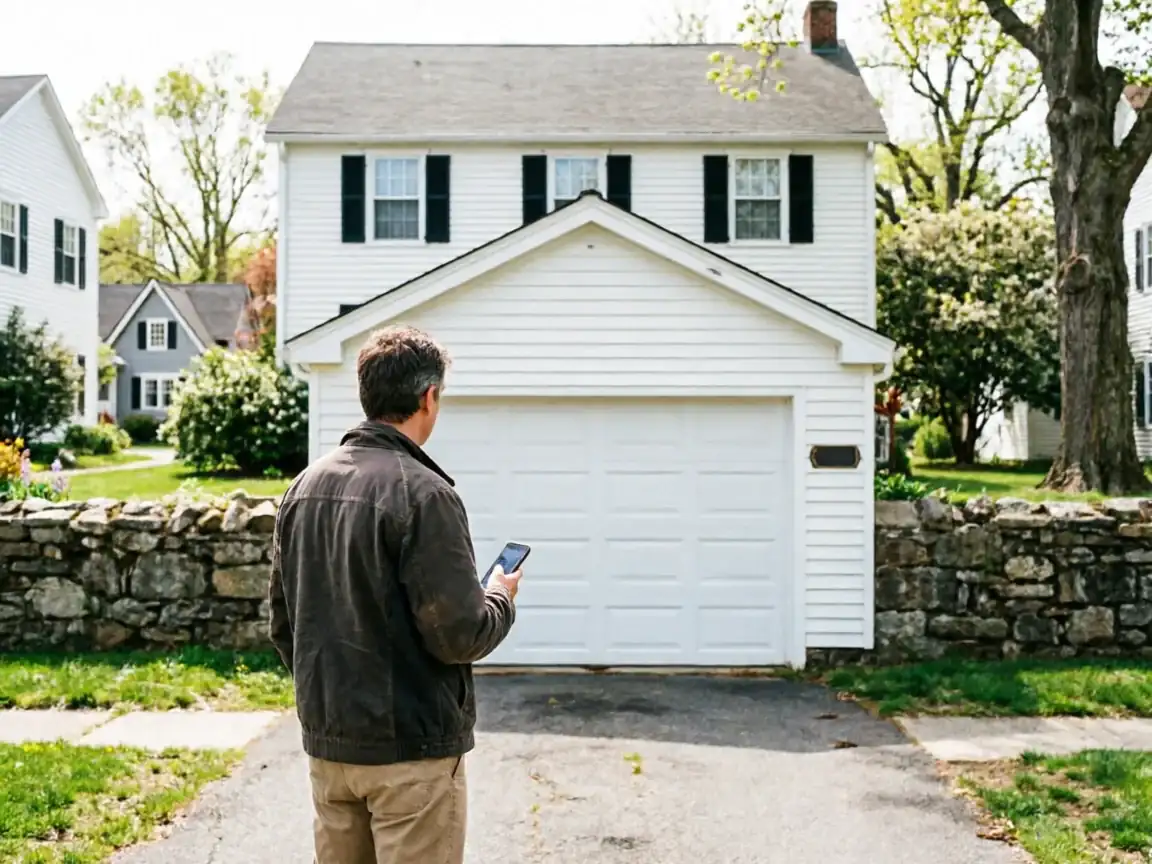
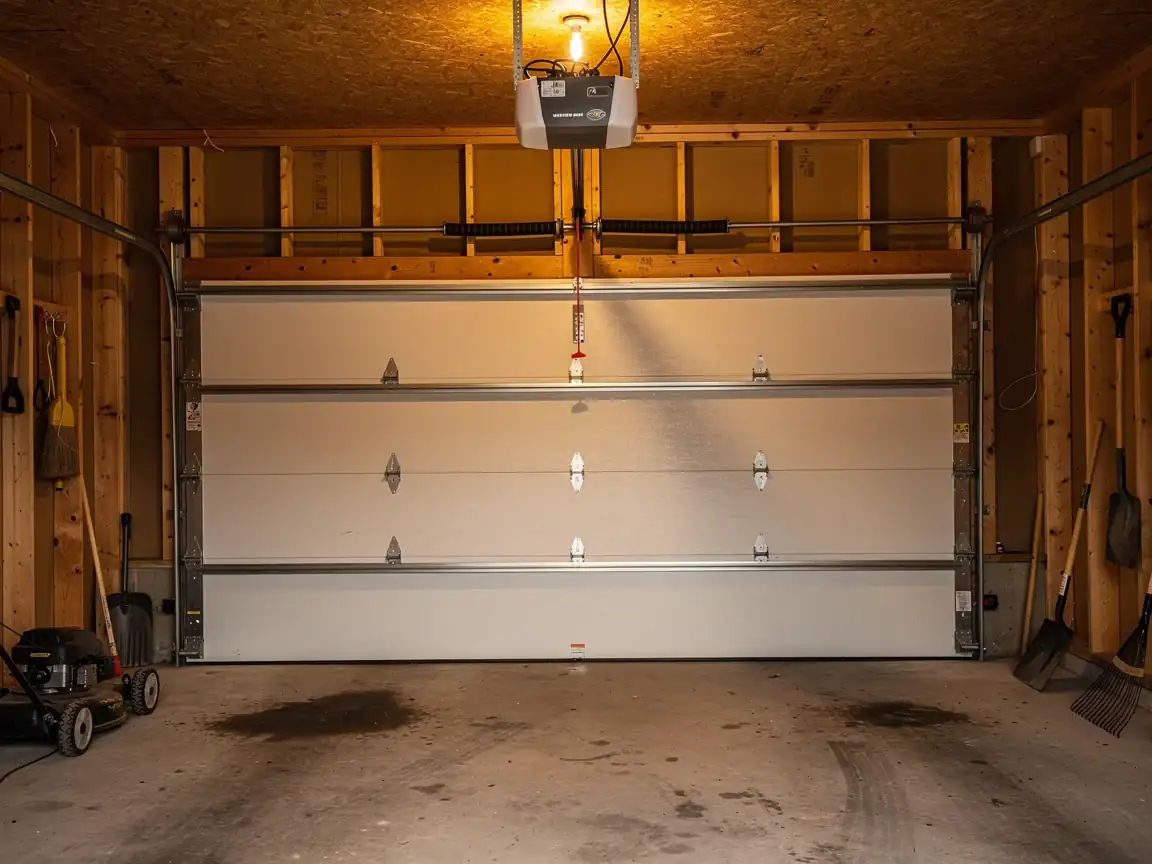
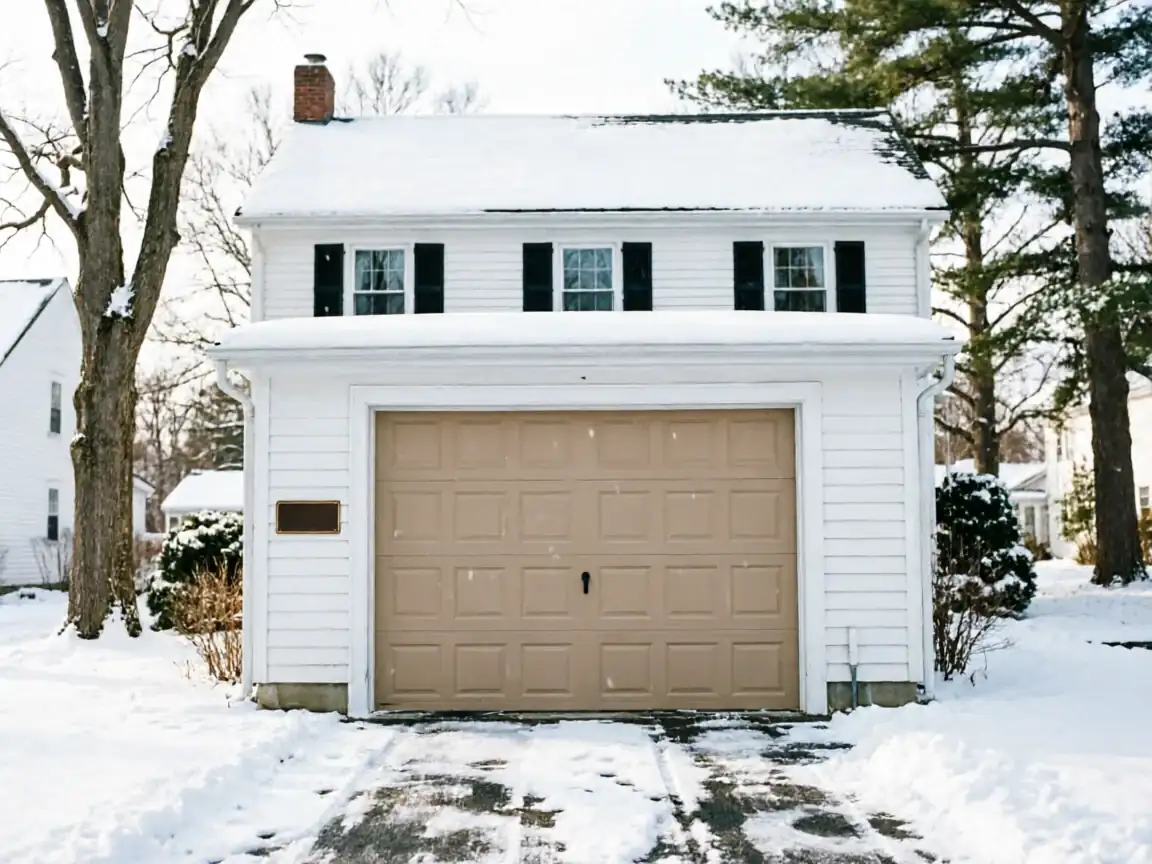
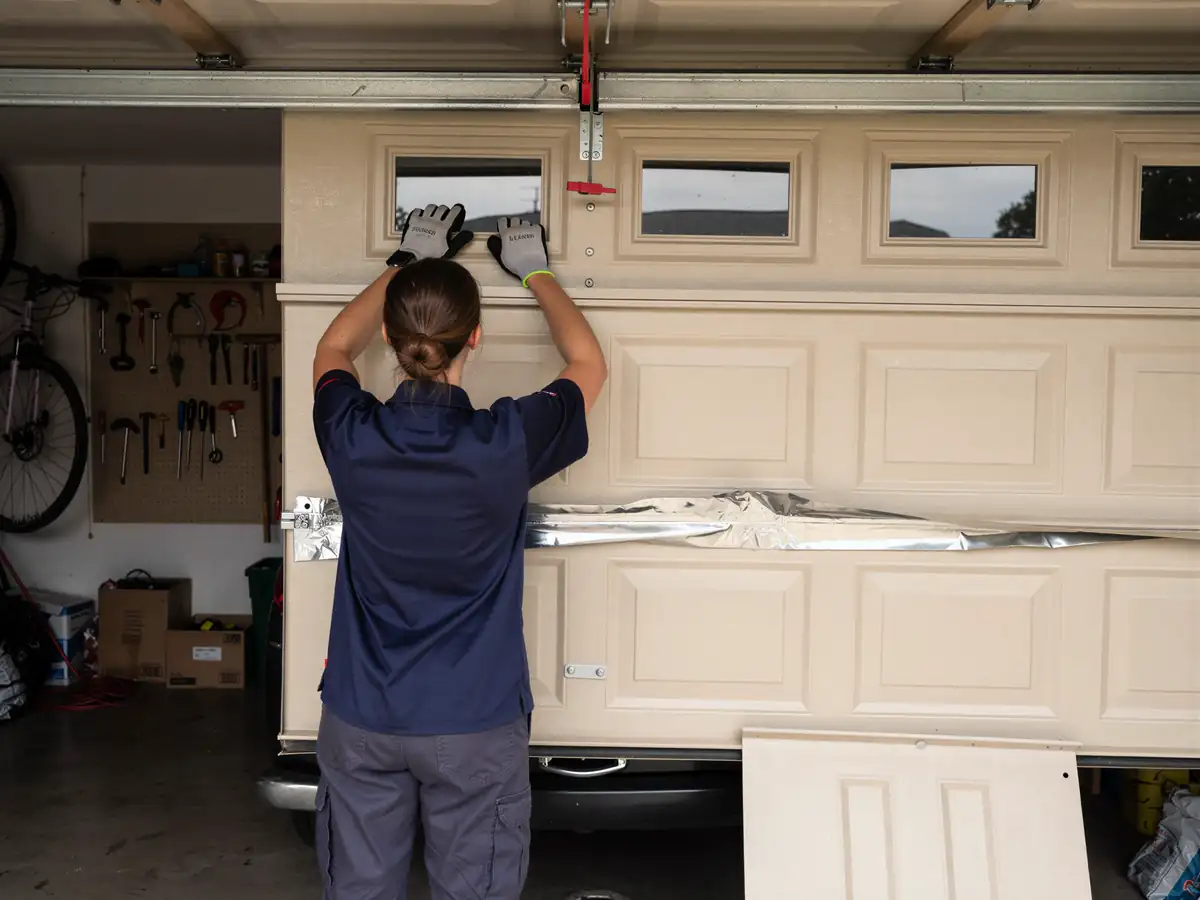
Dover's housing stock centers on 1953, which puts it a good decade ahead of the 1964 median across the wider Randolph service area covered by F1. That gap matters more than it sounds. A door installed in the early 1950s was built for a different spring and cable layout than anything going up through the 1970s, and a lot of those original setups are still hanging on tracks that have been patched, not replaced. We make the 3-mile drive from Randolph into Dover knowing the cable we're looking at is more likely to be running on an older drum and pulley arrangement than what we see on newer doors in some of the other towns we cover. That changes what we bring on the truck and how long the job actually takes once we're under the door.
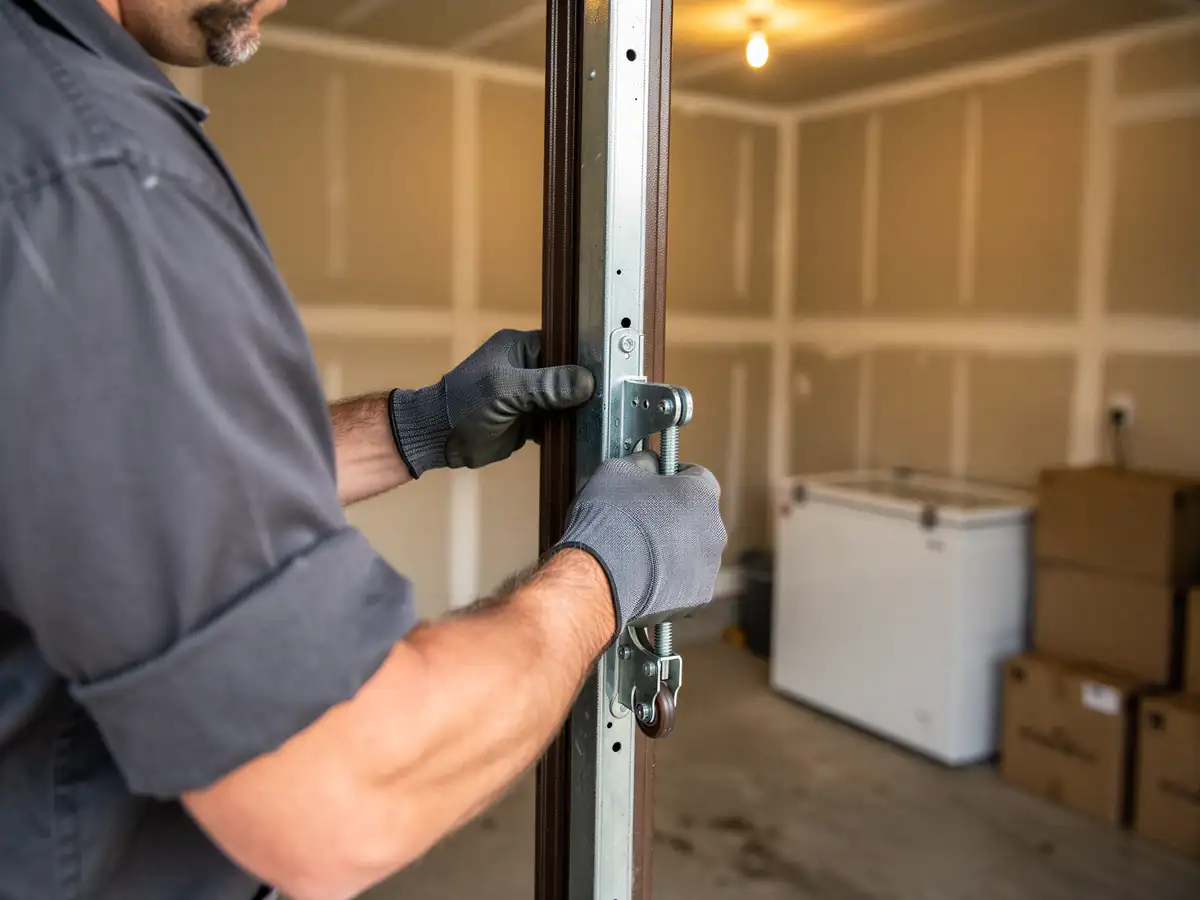
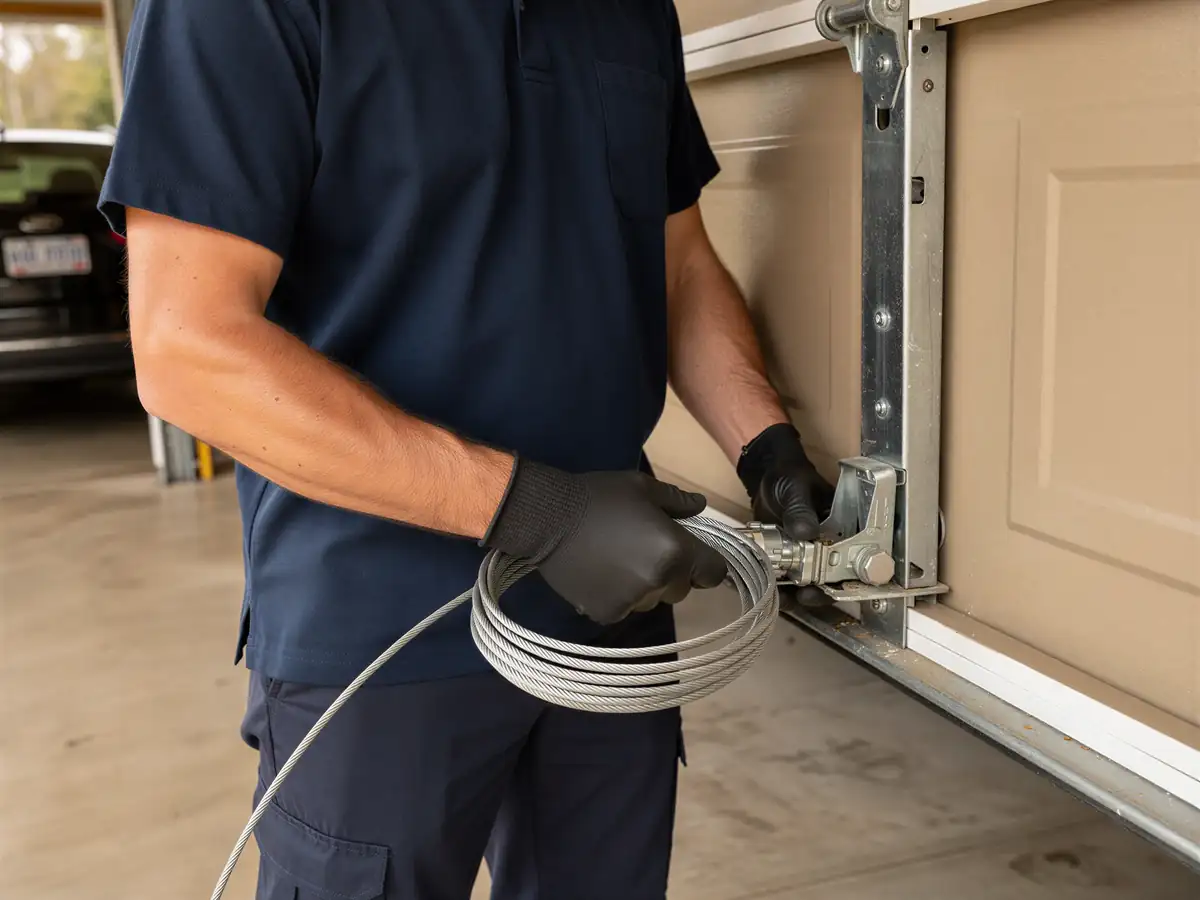
The mistake we see is treating a Dover cable job like a generic fix. Pull the wrong replacement cable length or diameter for an older drum setup and the door either binds or the cable jumps the track within a season. On a door this age, the fastener pattern and drum pitch are usually a step away from the newer stuff, so the swap has to account for that or the repair doesn't hold.
How It Shows Up
On older doors, a failing cable usually announces itself before it snaps. One side of the door hangs lower than the other, or the door starts to travel crooked in the track as it closes, scraping one edge. You might hear a faint popping or fraying sound right before the cable lets go, especially on a cold morning when the steel has stiffened overnight. Dover sits in the same severe cold climate band as the rest of the service area, and that cold is hard on aging cable in a specific way: it makes the steel less forgiving, so strands that have been fraying slowly for months can part all at once on a sub-freezing day.
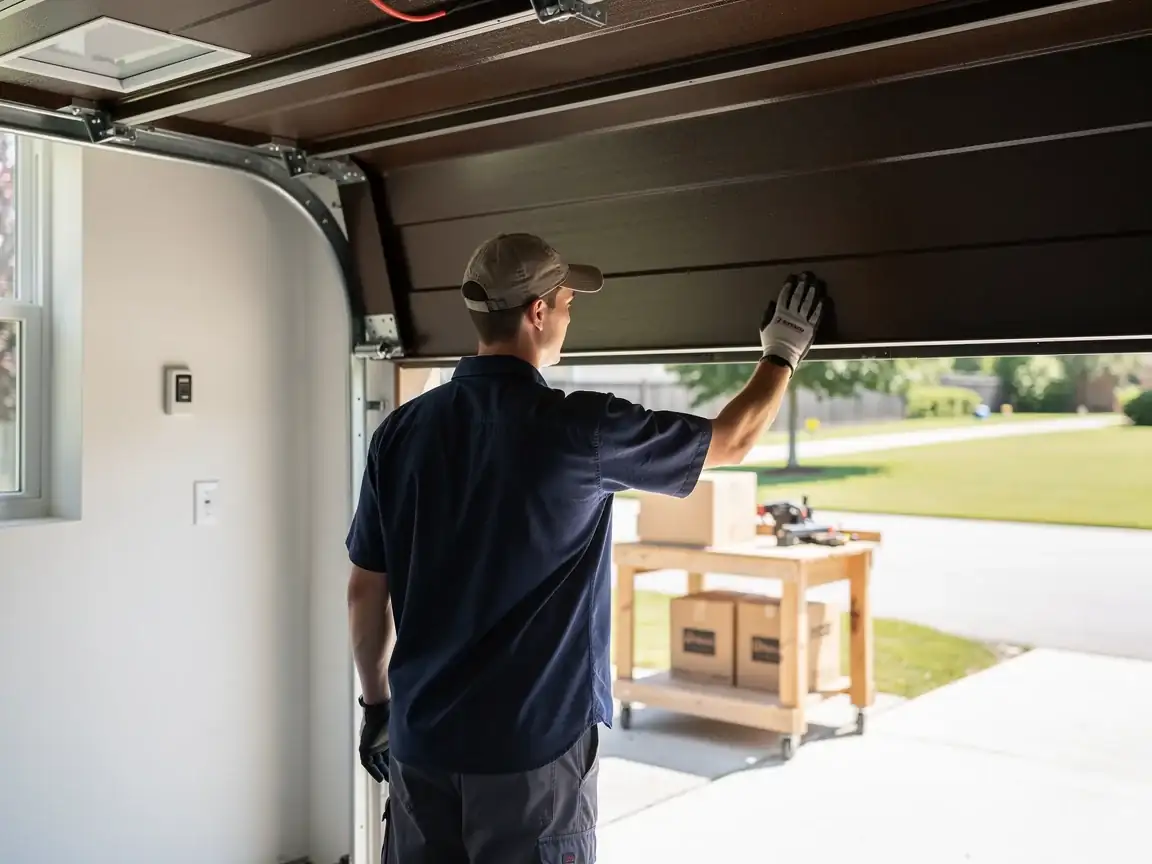
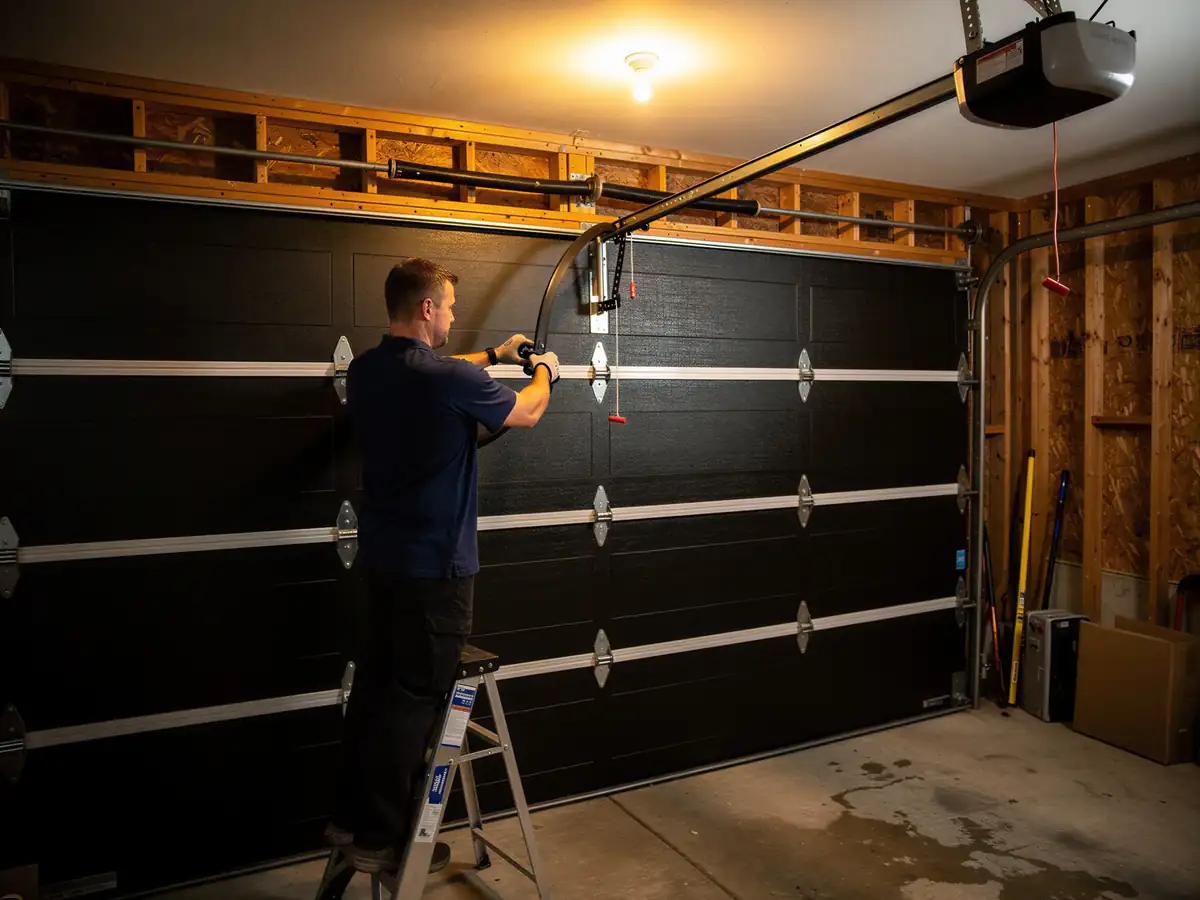
Once a cable actually breaks, the door won't travel evenly, if it moves at all. On a double-car door, a single snapped cable can drop one whole side and jam the opener. If you hear that pop and the door stops responding the same way, don't keep running the opener trying to force it through. That's how a cable job turns into a cable-plus-track job.
What Causes It Around Here
Three things line up in Dover that push cable wear faster than you'd expect on a newer door
First, the age of the housing stock itself means a lot of original hardware that's simply logged more open-close cycles than anything built in the last 20 years. Second, the severe cold climate band this area sits in means repeated freeze-thaw swings on the cable and drum assembly every winter, which accelerates fatigue on steel that's already decades old. Third, a lot of these older setups were never upgraded when the opener was swapped out at some point, so you end up with a modern opener pulling against an old cable and drum combination that was never sized for it.
- 20 years
None of that means every Dover door is on borrowed time
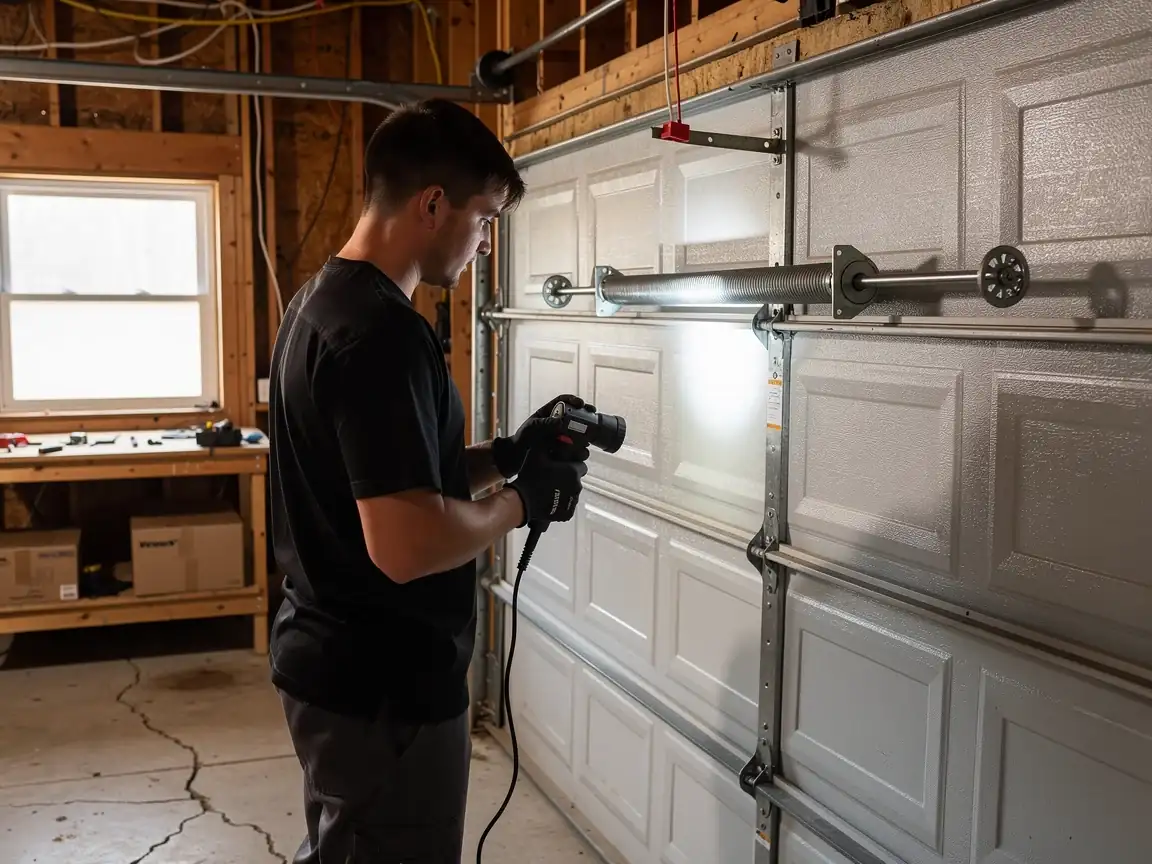
It means when a cable does go, it's rarely an isolated event - the drum, the pulley, and sometimes the track hardware around it have been working just as hard for just as long. We check all of it when we're out, not just the part that broke.
Doing It Yourself
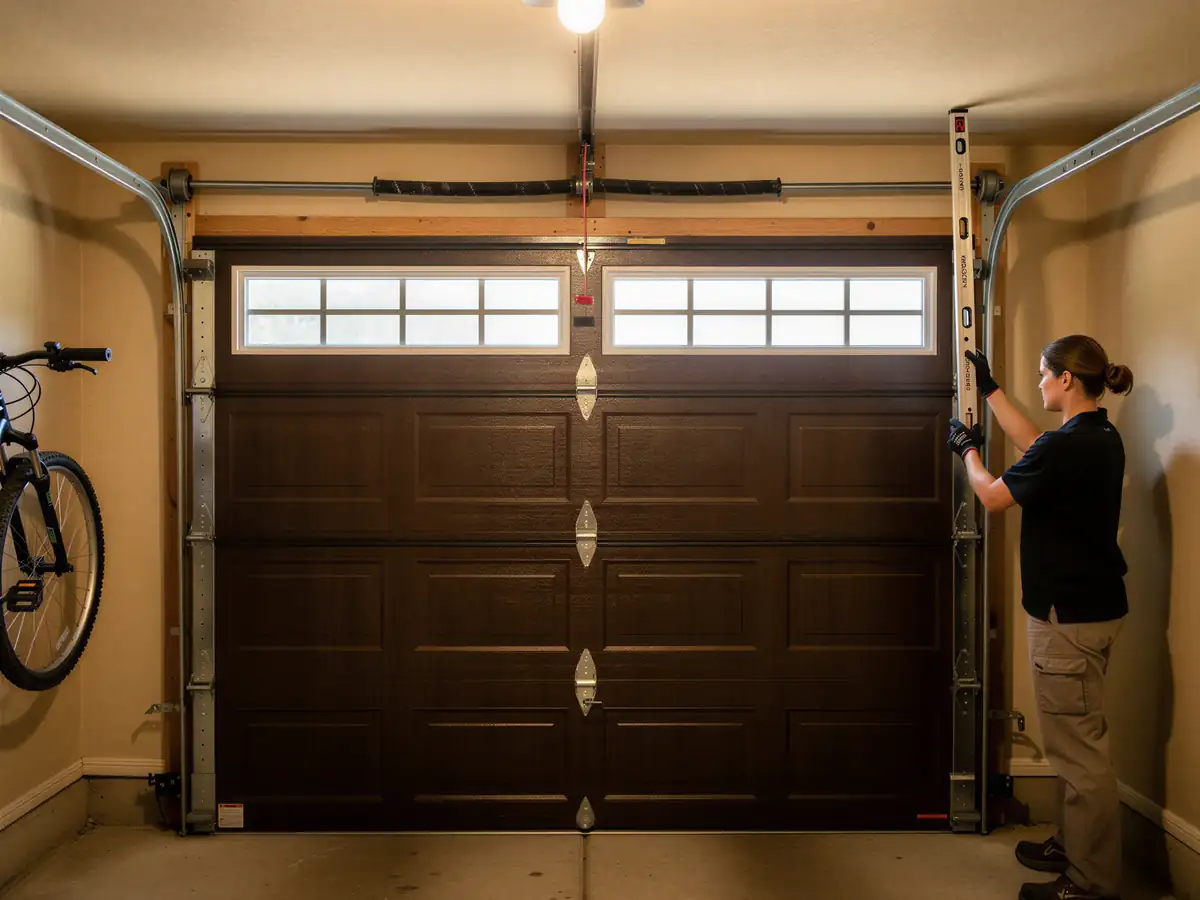
A garage door cable is under real tension even on a door that looks still. If you're thinking about doing this one yourself, know the limitation up front: cable work on a torsion or extension system means working next to a loaded spring, and that's not a job to learn on your own driveway. We're straight with people about that, including when it's not worth the risk.
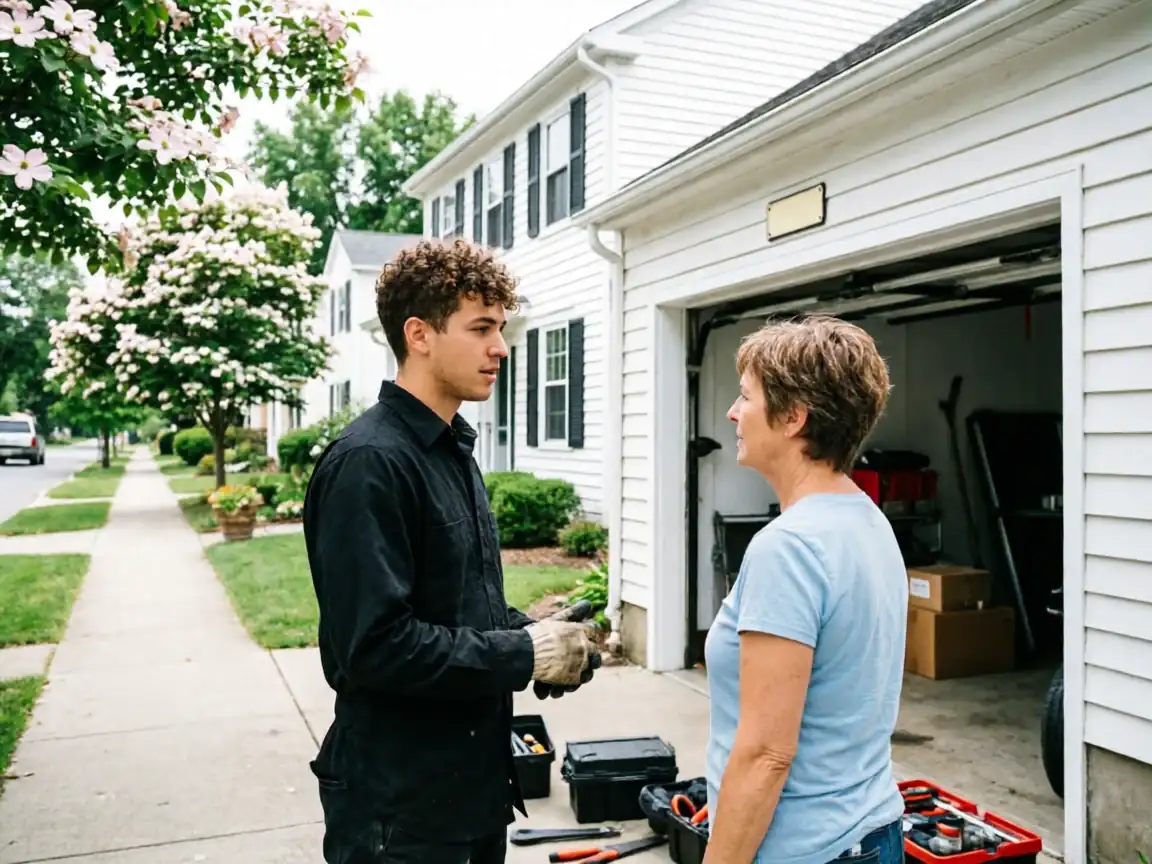
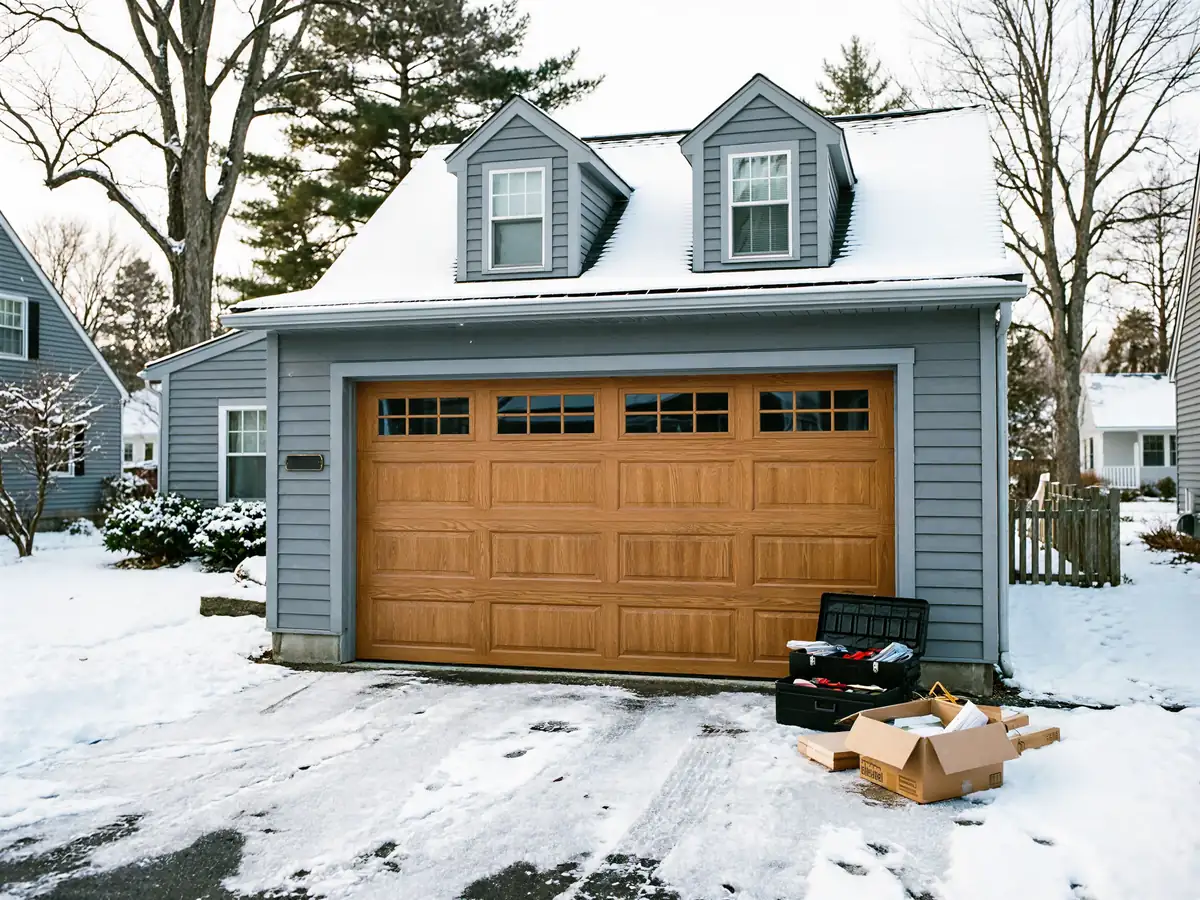
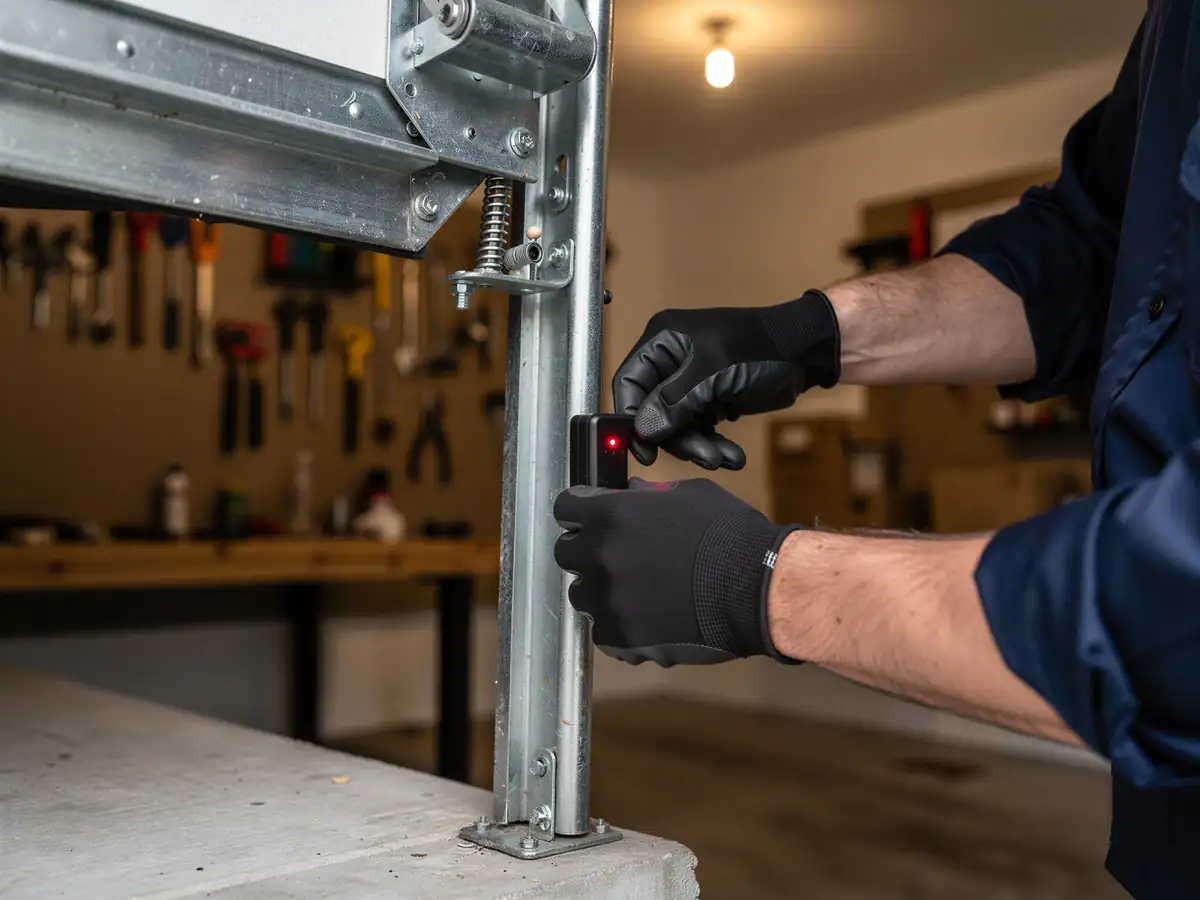
What you can safely do is diagnose before you call. Look at whether the door is hanging level, check for visible fraying near the drum, and note whether the issue started suddenly or crept in over weeks. That's useful information for us when we get there. Beyond that, leave the cable itself alone. We come out from Randolph to handle the repair rather than running a local branch in Dover, so having a clear description of what you're seeing before we arrive saves time once we're under the door.