Where This Job Goes Sideways
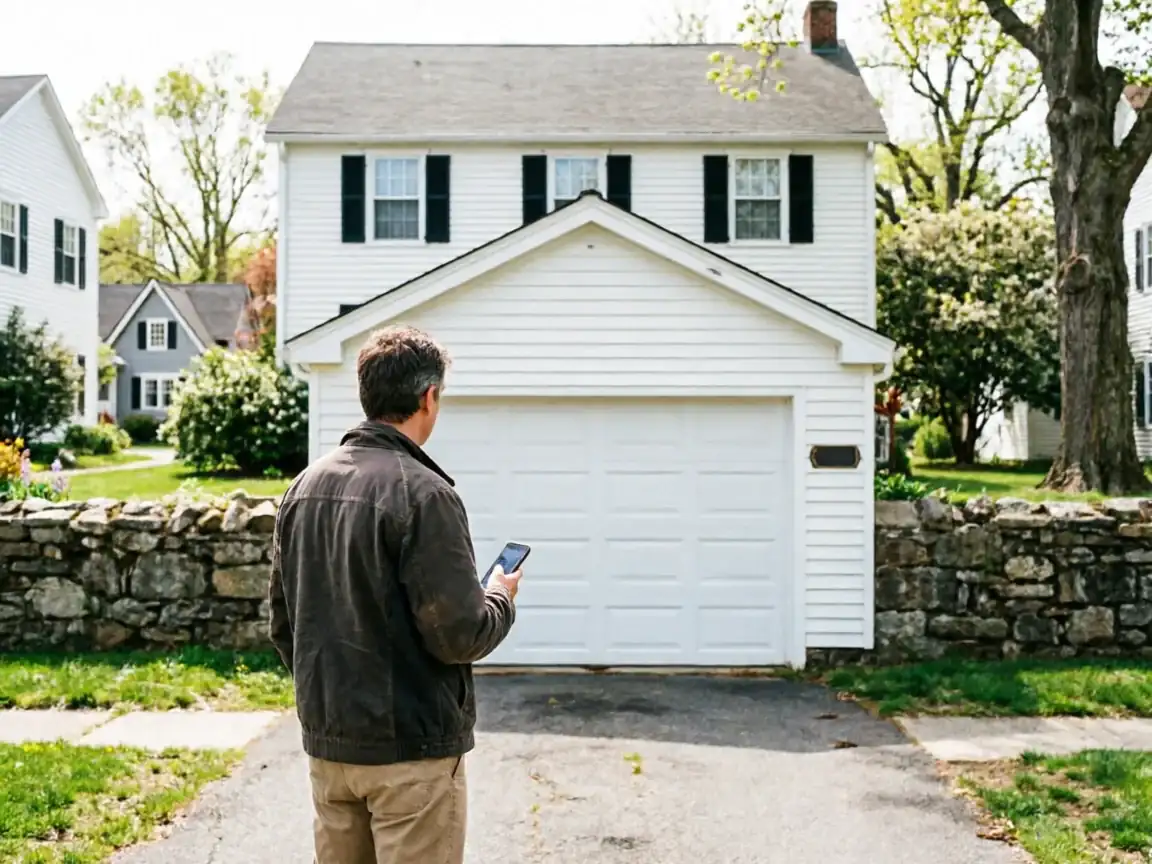
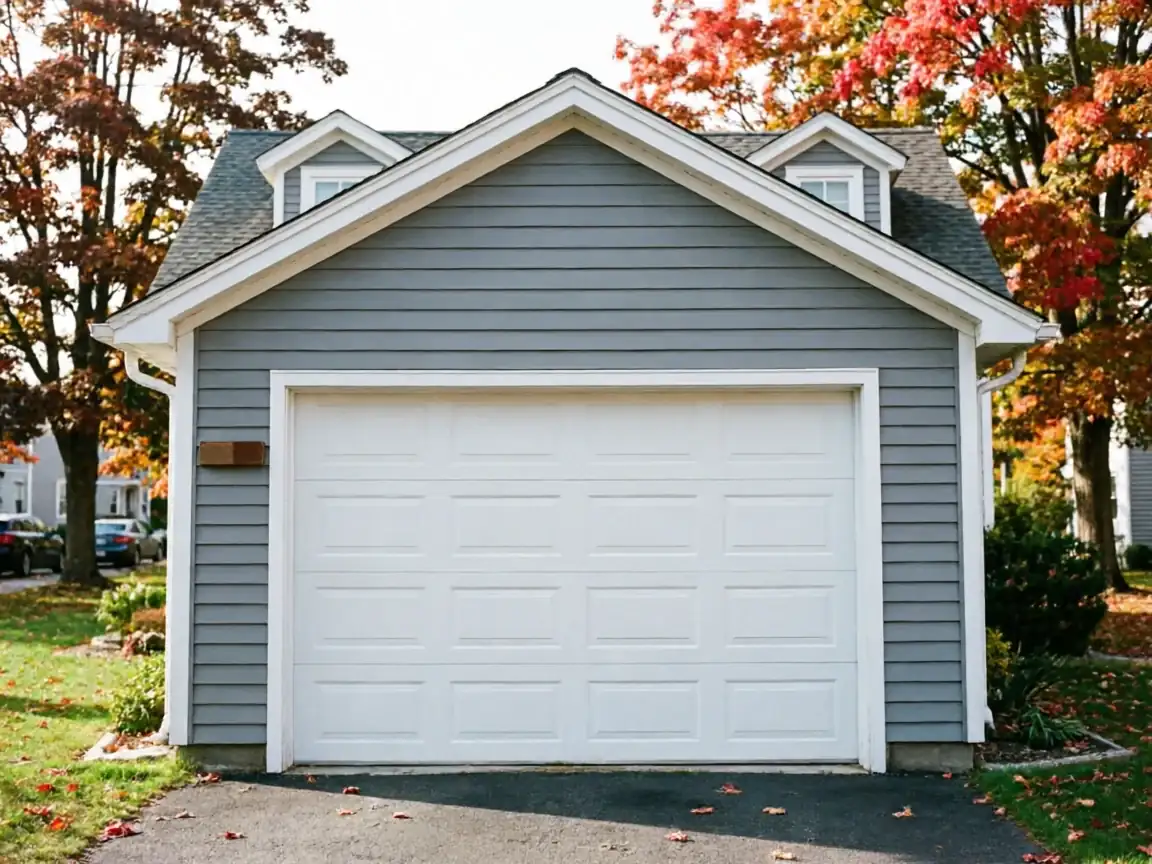
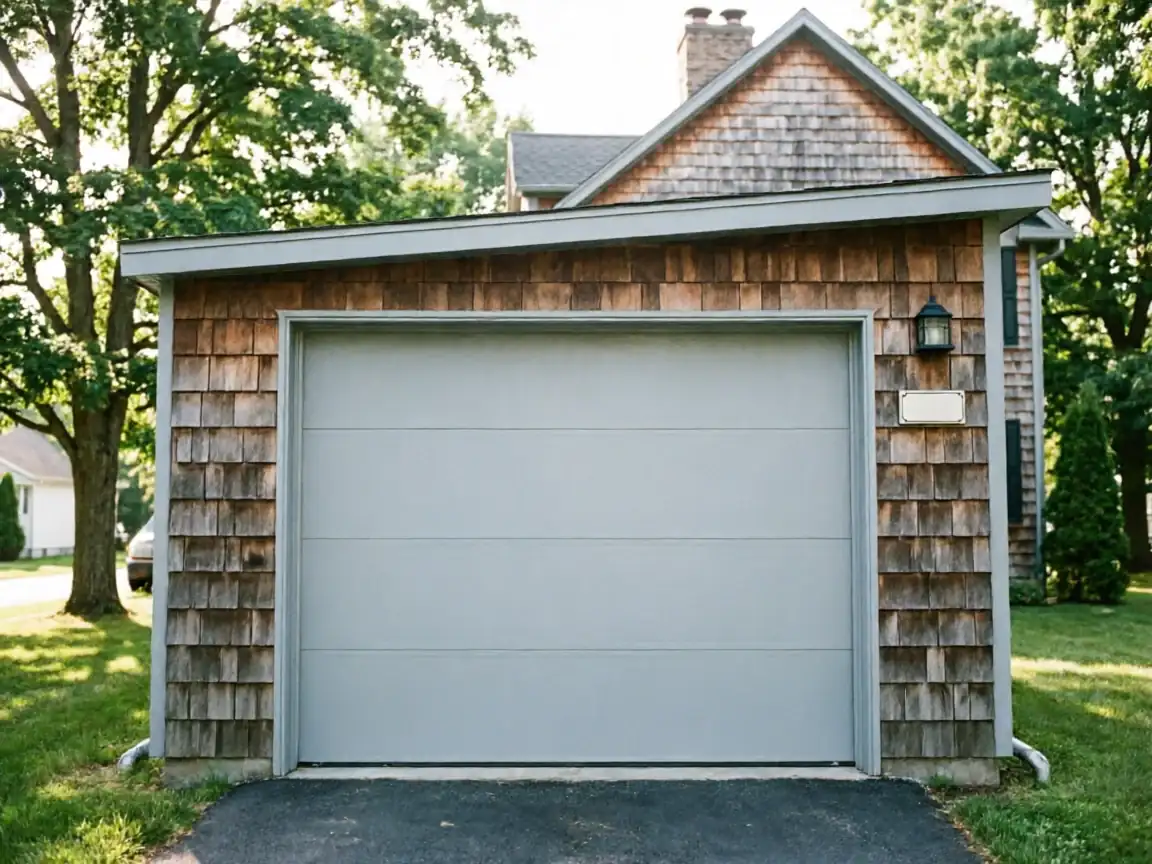
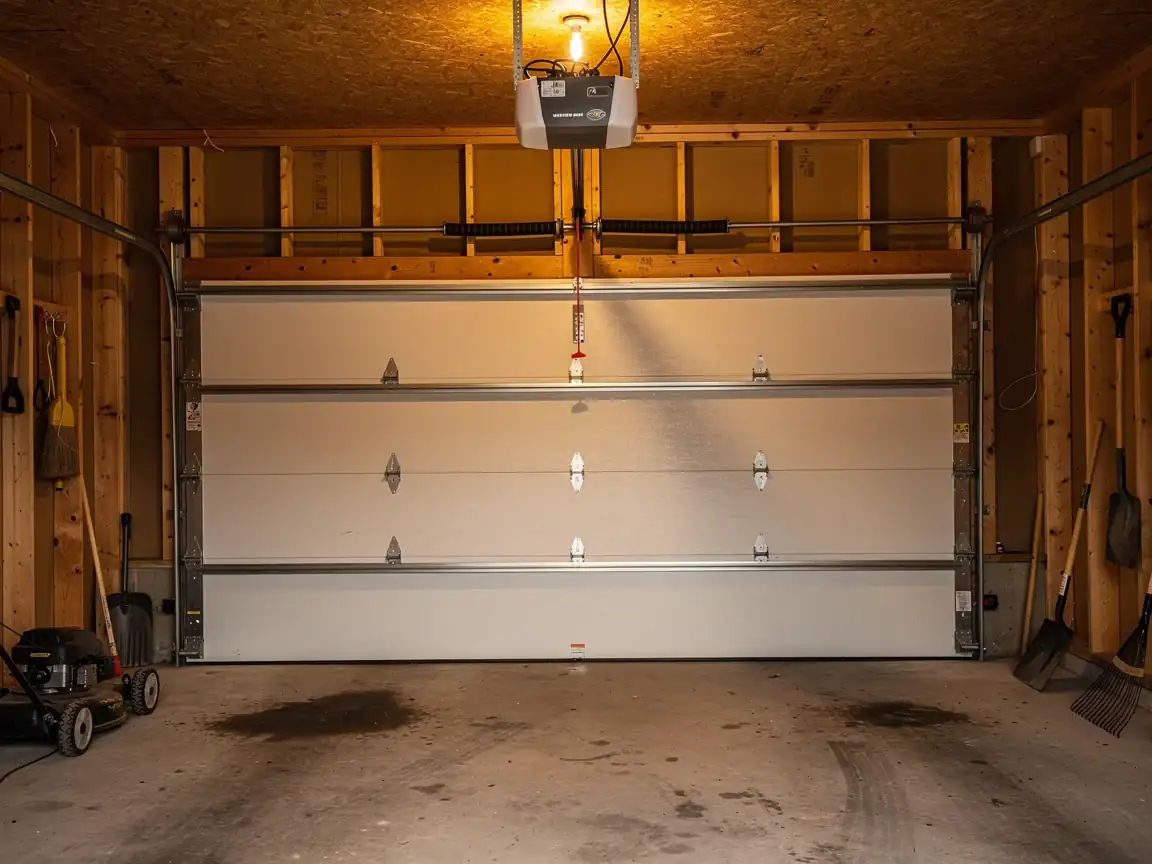
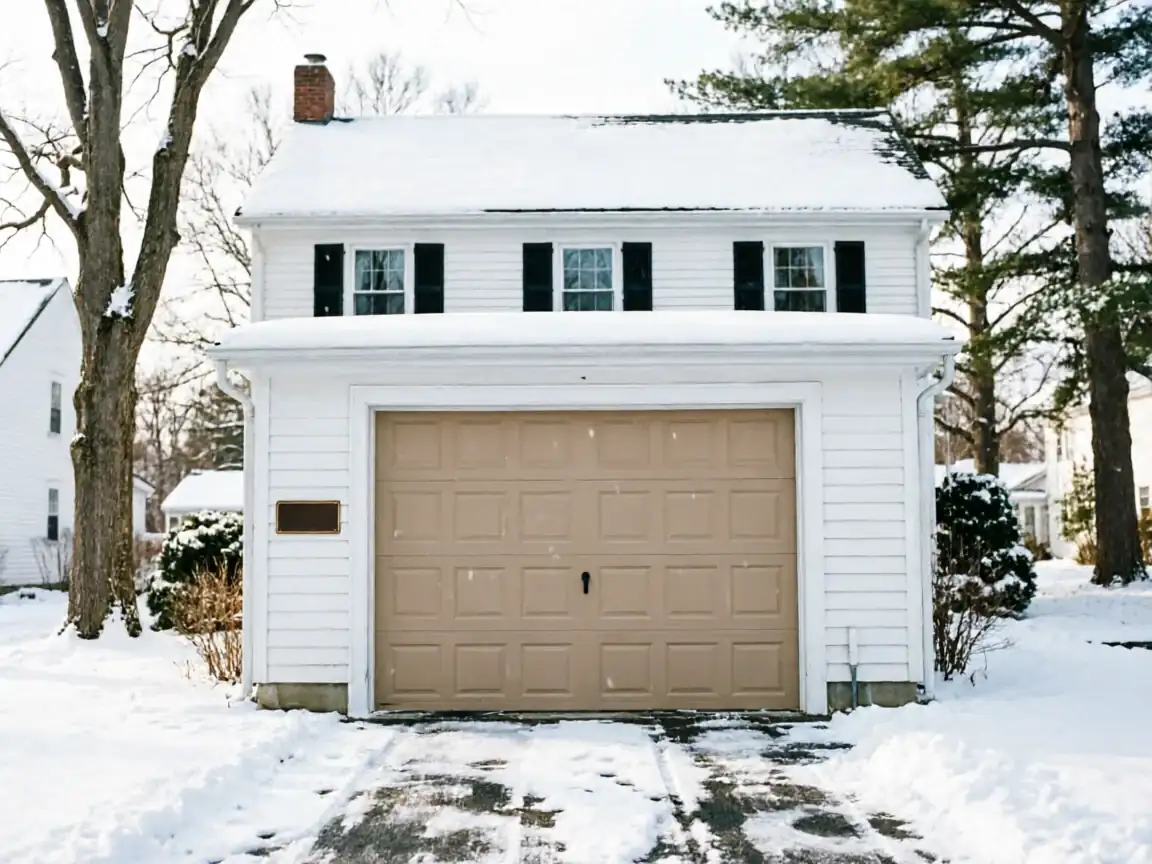
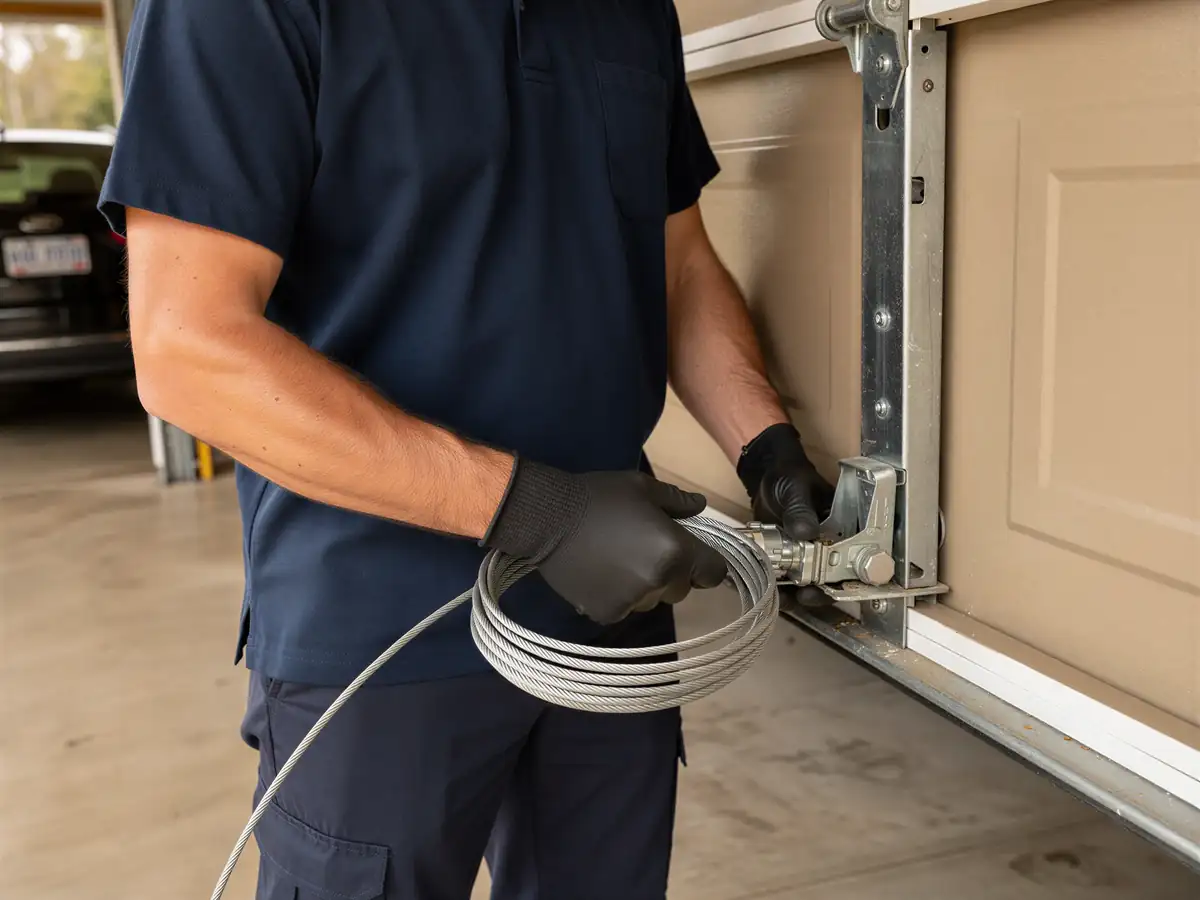
Dover's housing stock centers on 1953, a good decade ahead of the 1964 median across the wider Randolph service area. That matters for panel replacement because houses from that window went through more rounds of door swaps over the decades than newer construction did. A lot of these garages started with a single-panel swing-up door, got converted to steel sectional sometime in the 70s or 80s, and never had the track or hardware upgraded to match. The result is a door where the panel size looks standard until you measure it, and it isn't. We've seen sections that are an inch off from current stock widths because the opening itself got reframed at some point, not the door. That's the part that goes sideways: you order a replacement panel assuming current dimensions, and it doesn't sit right in a track built for something else. On a street of houses built the same year, you can still get three different hardware generations behind three different front doors. There's no shortcut here - somebody has to measure the actual track and the actual panel before ordering, not go off the door's age or its neighbor's door. That's slower than a newer-build job, and it costs a little more in labor, but guessing costs more in a second trip.
How It Shows Up
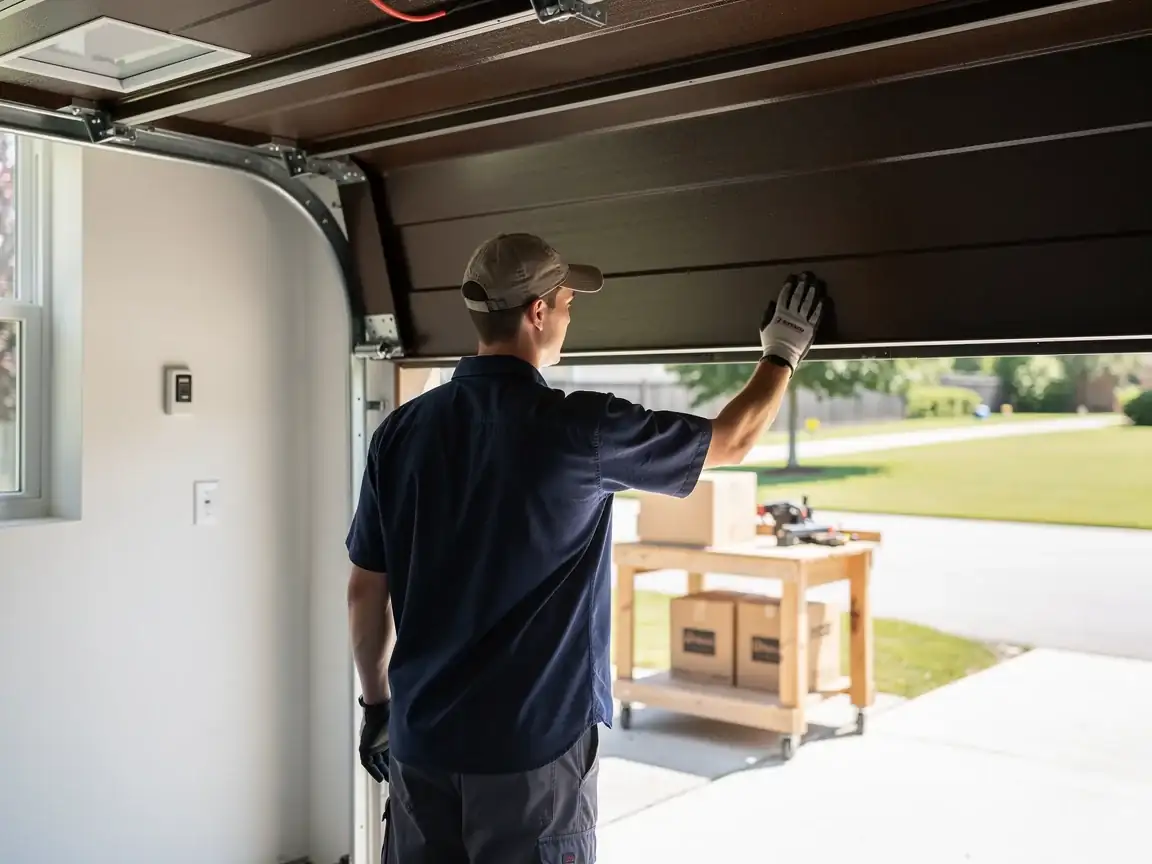
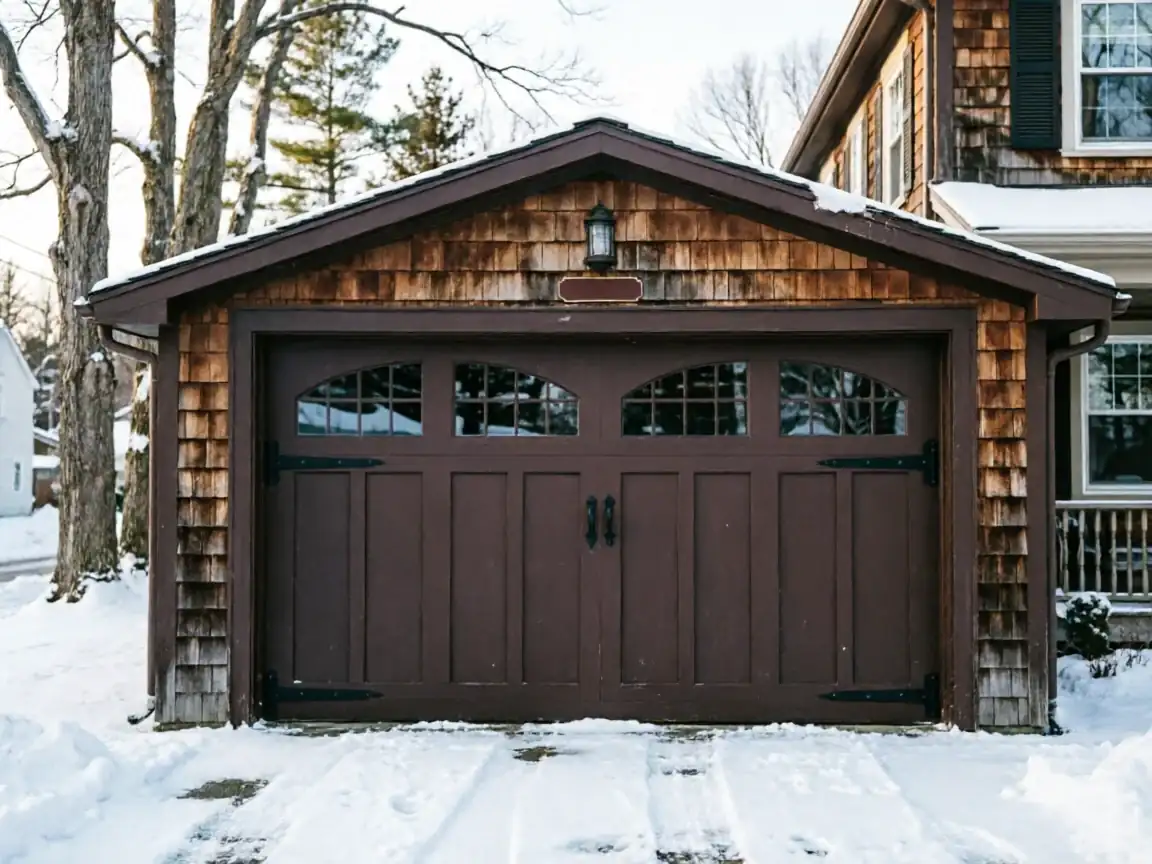
The climate here runs cold and hard on hardware, and panels on houses with original or near-original framing show it first. Steel panels from older retrofits dent along the bottom section where plows and salted driveways kick debris up, and once the galvanized coating is through, rust runs along the seam fast in a hard winter. On doors where the track was never re-squared to match a newer panel set, you'll see the door rack sideways as it closes - the bottom corner drags before the opener even finishes its cycle. Insulation is the other tell. A lot of these older panel sets were never insulated to begin with, so the garage runs close to outdoor temperature, and in a severe cold winter that shows up as condensation and frost on the inside face of the steel, which accelerates the same rust problem from the other side. If your door is heavier to lift by hand than it used to be, that's usually not the springs - it's often a panel that's absorbed moisture or warped slightly, adding drag the opener has to fight every cycle.
Doing It Yourself
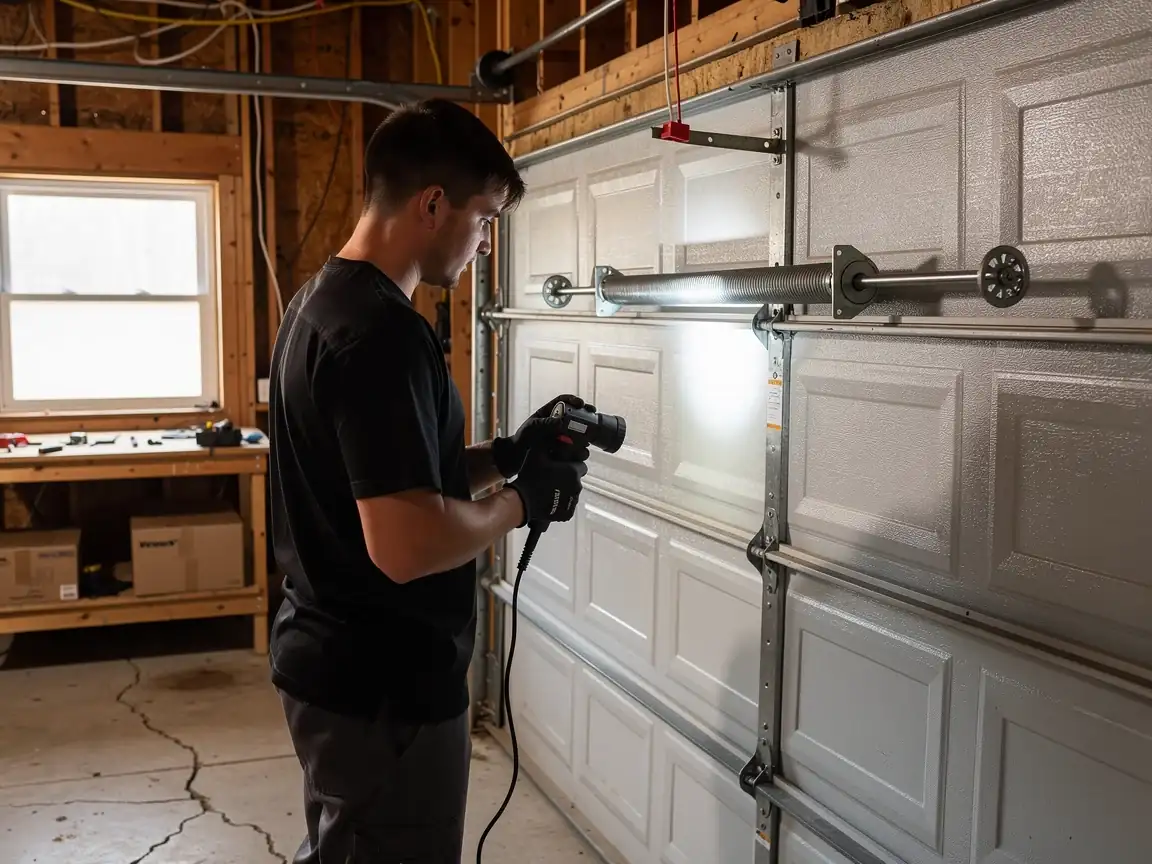
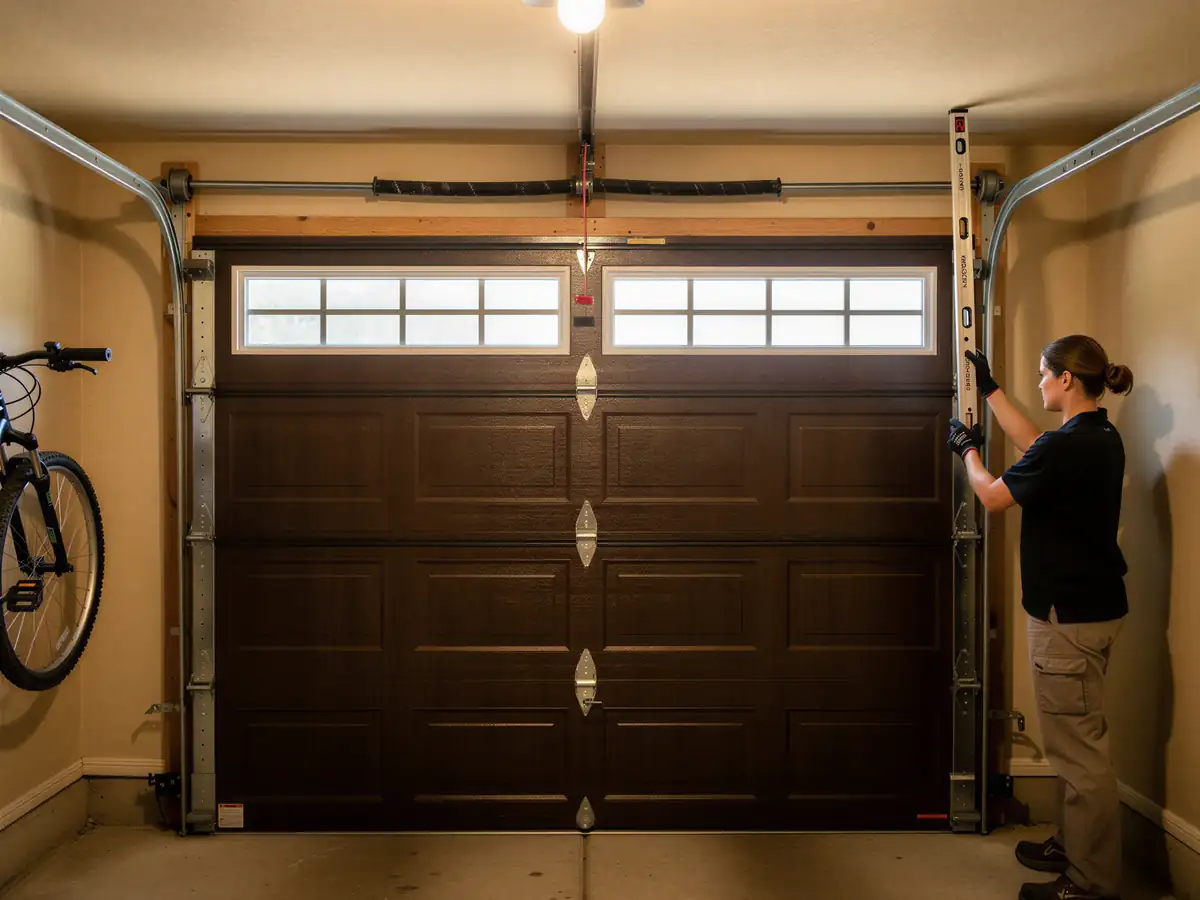
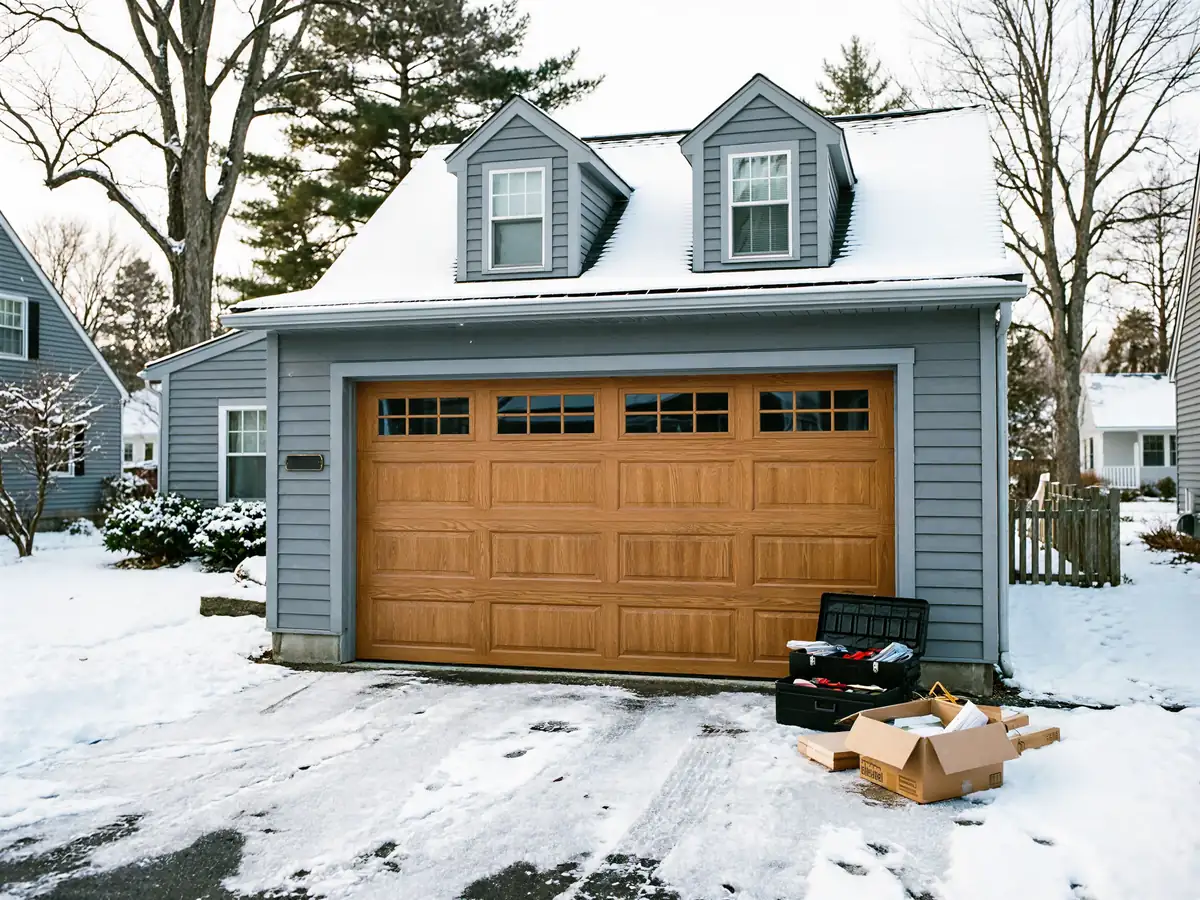
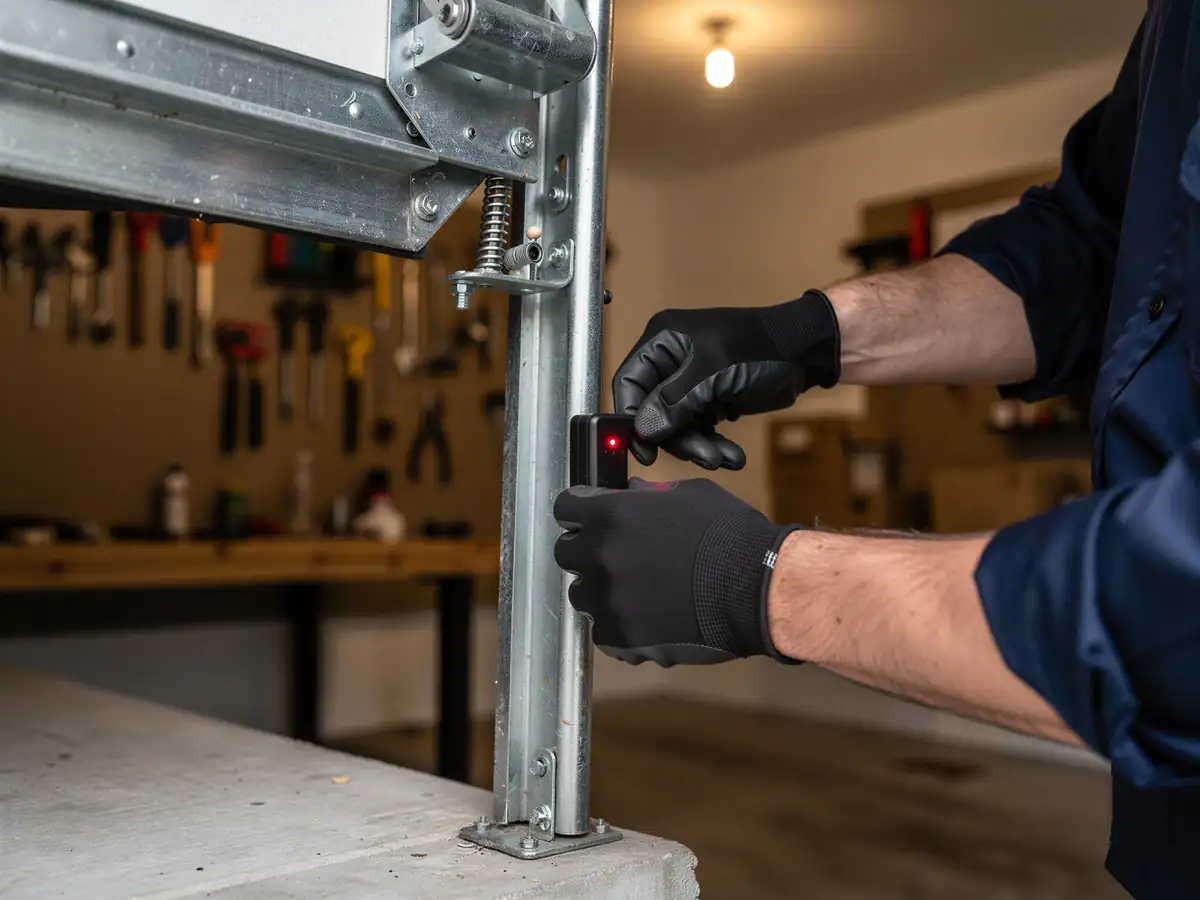
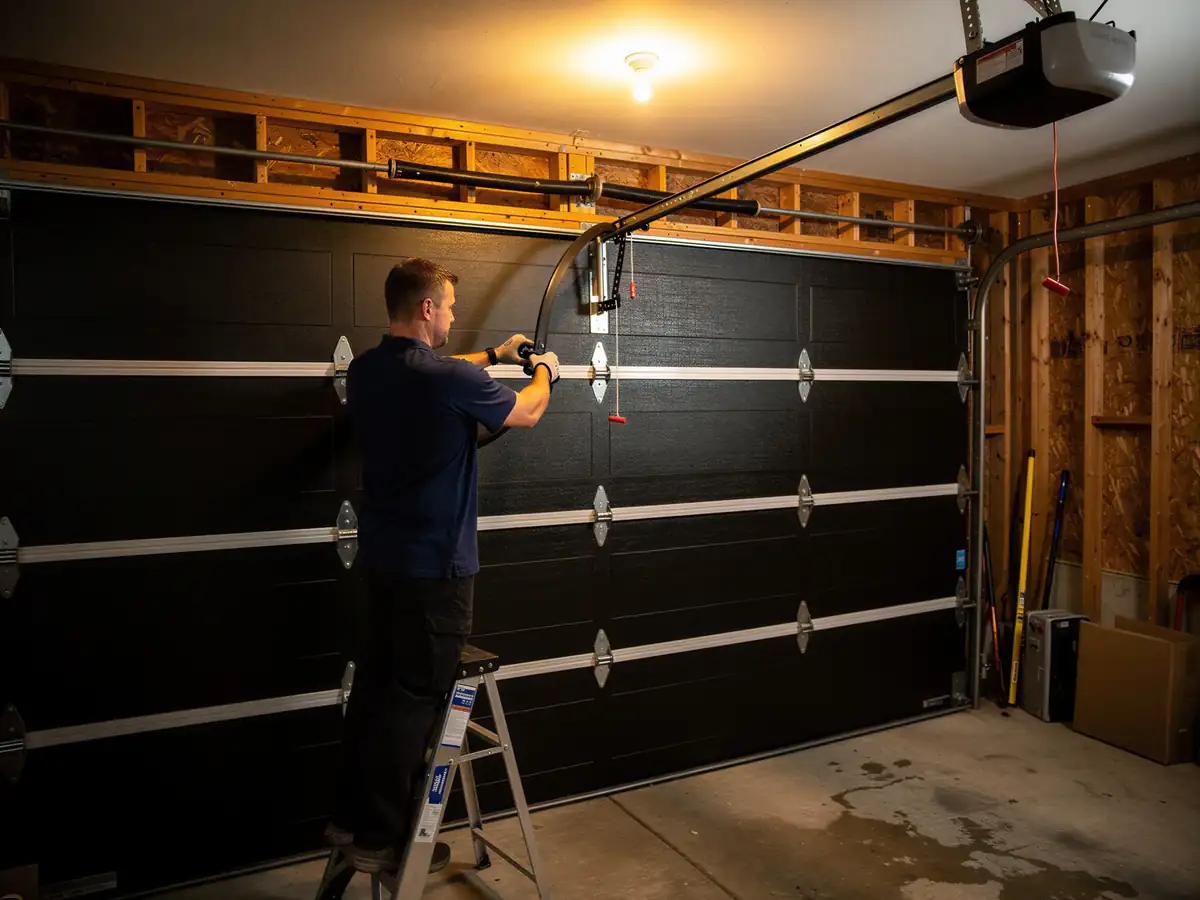
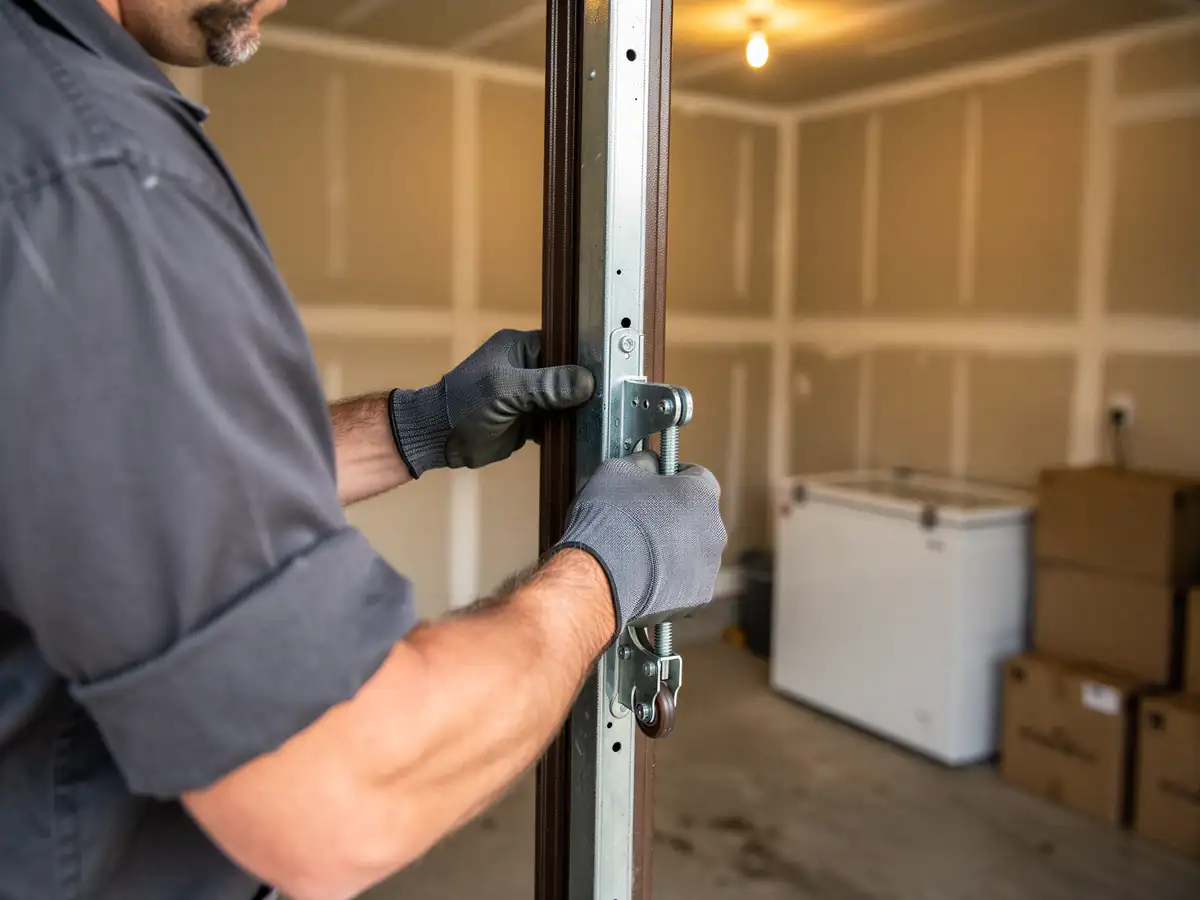
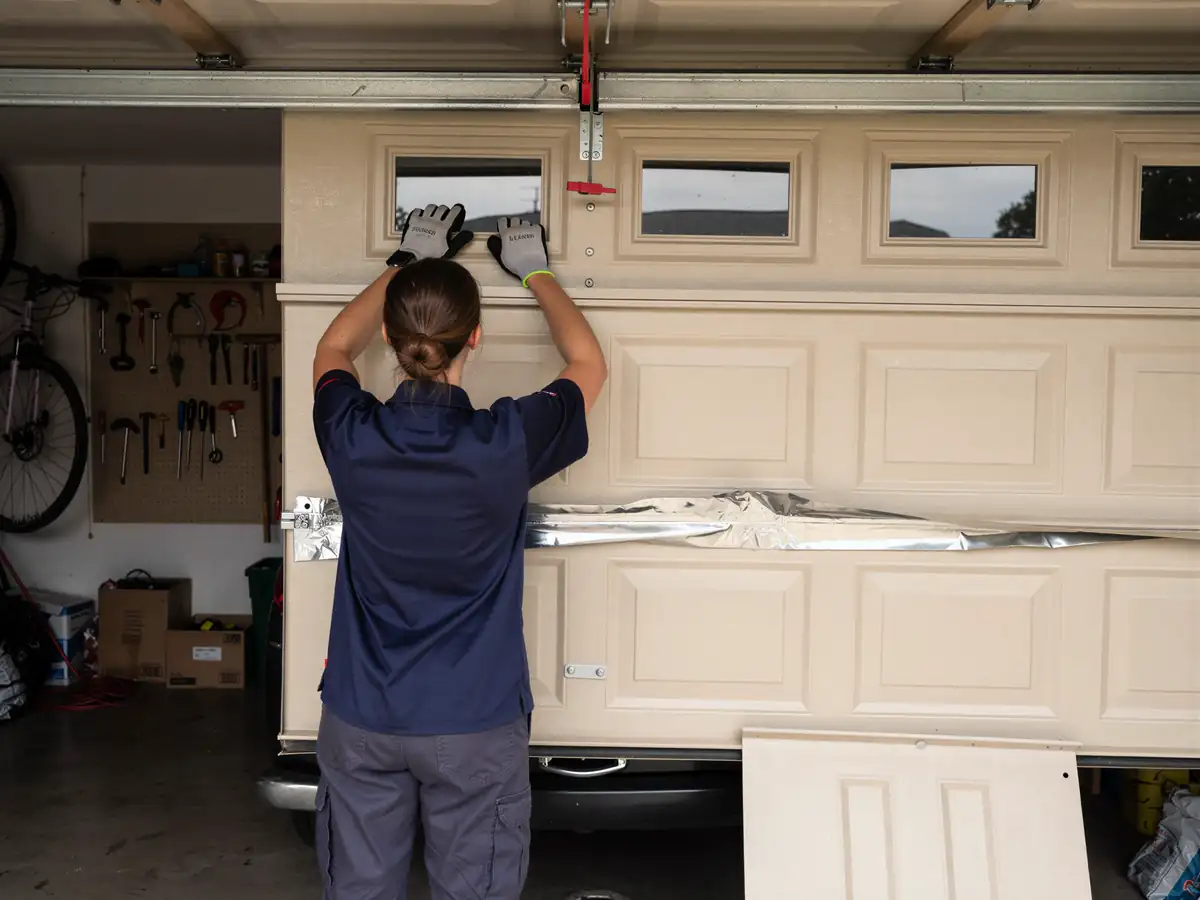
If you're set on replacing a single panel yourself, measure twice before you order anything - section height, width, and the track gauge, not just the door's nominal size. On a house this age, nominal size and actual measurement can differ, and a mismatched panel will either not seat in the track or will throw the whole door out of square once it's bolted in. We won't talk you out of doing it if you're comfortable with a drill and a level, but we don't recommend it on a double door with a broken torsion spring in the mix - that's not a panel job anymore, that's a two-person job with the door under tension, and it's not worth the trip to the ER to save a service call. If you get partway in and the new panel doesn't sit flush, stop there rather than forcing hardware that isn't a true match. We're about 3 miles out from Randolph and can take over from wherever you left off.