Where This Job Goes Sideways
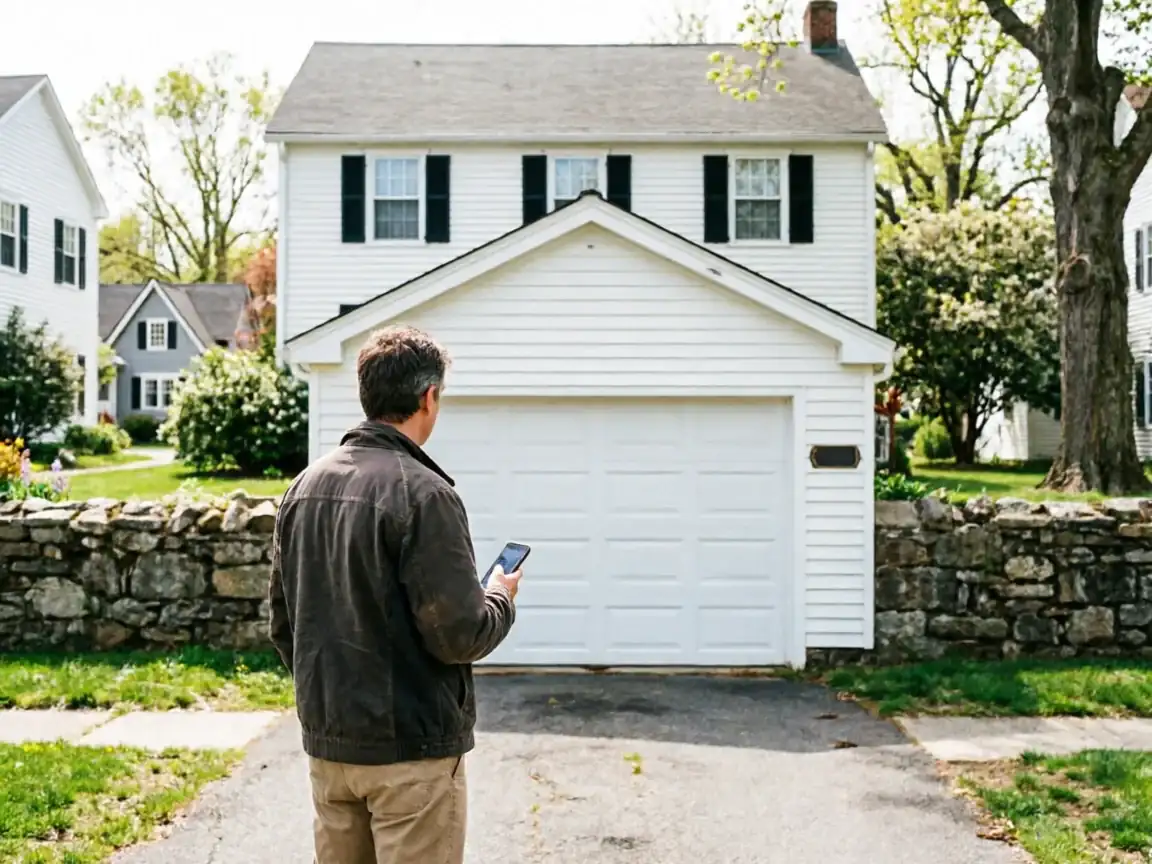
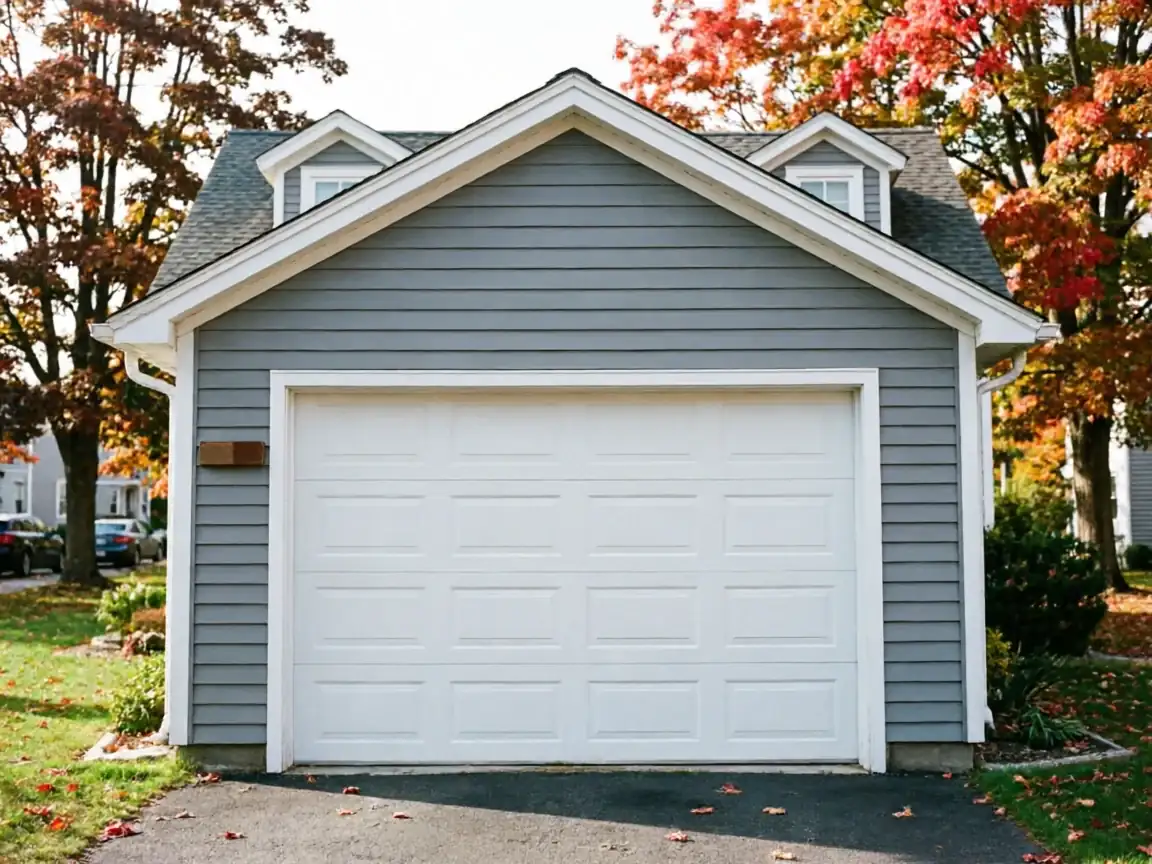
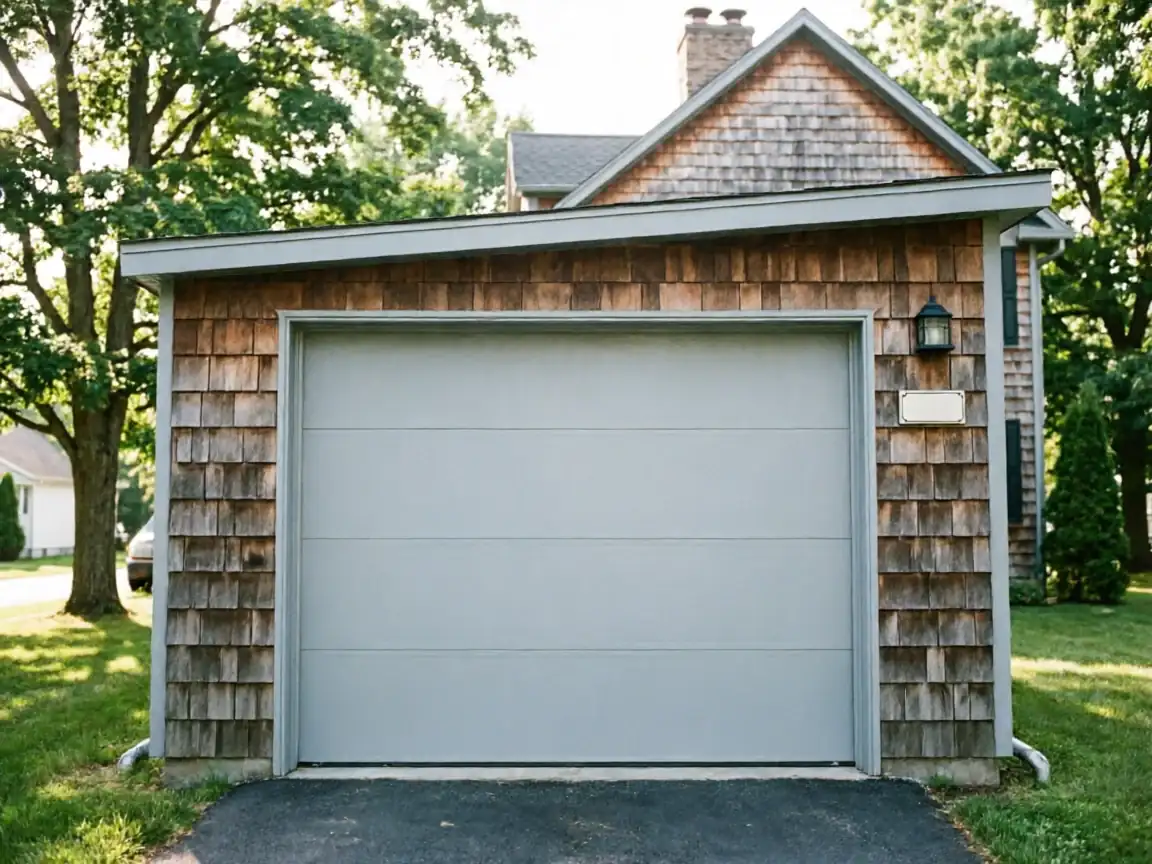
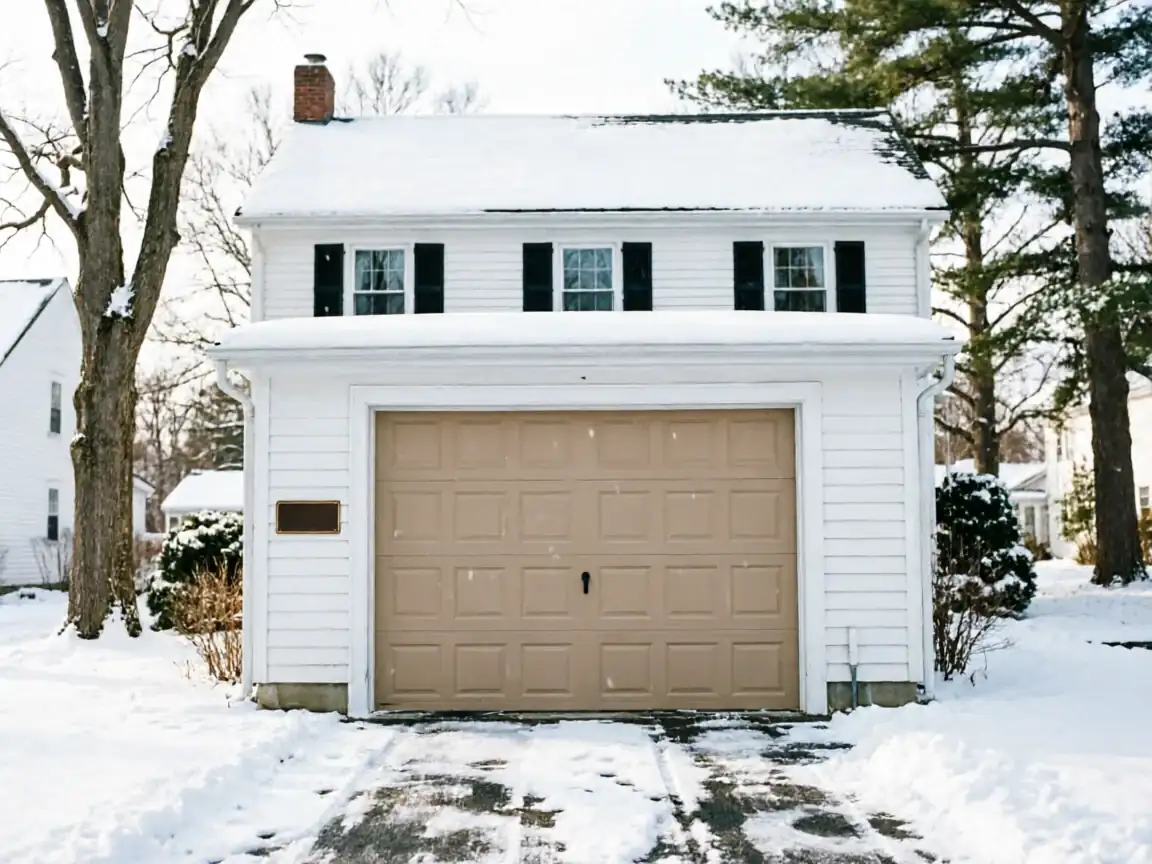
Most of Dover went up around 1953, which puts it near the older end of the 1938-1996 range you'll find across the broader service area, where the median build year runs closer to 1964. That decade-plus gap matters when you're swapping an opener. A lot of these garages still have the original track brackets, the original header board, and sometimes the original door itself bolted to hardware nobody has made in fifty years.
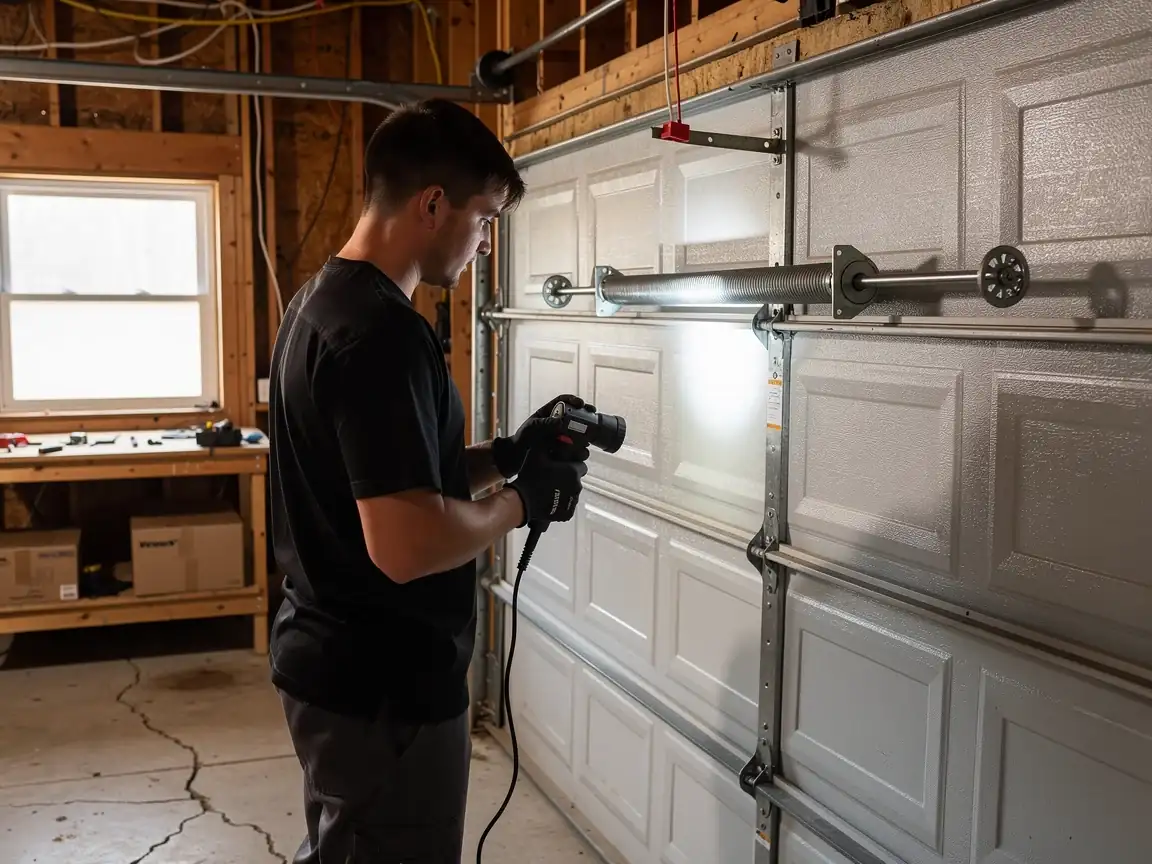
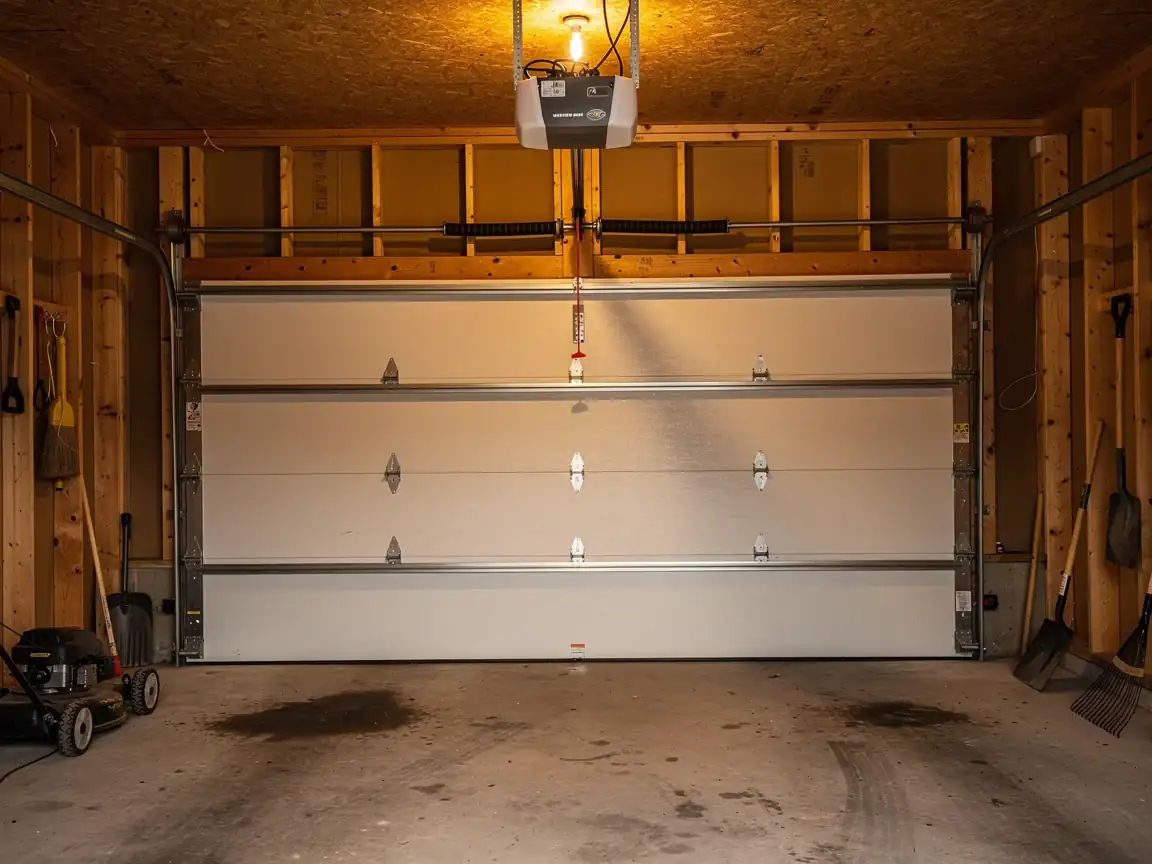
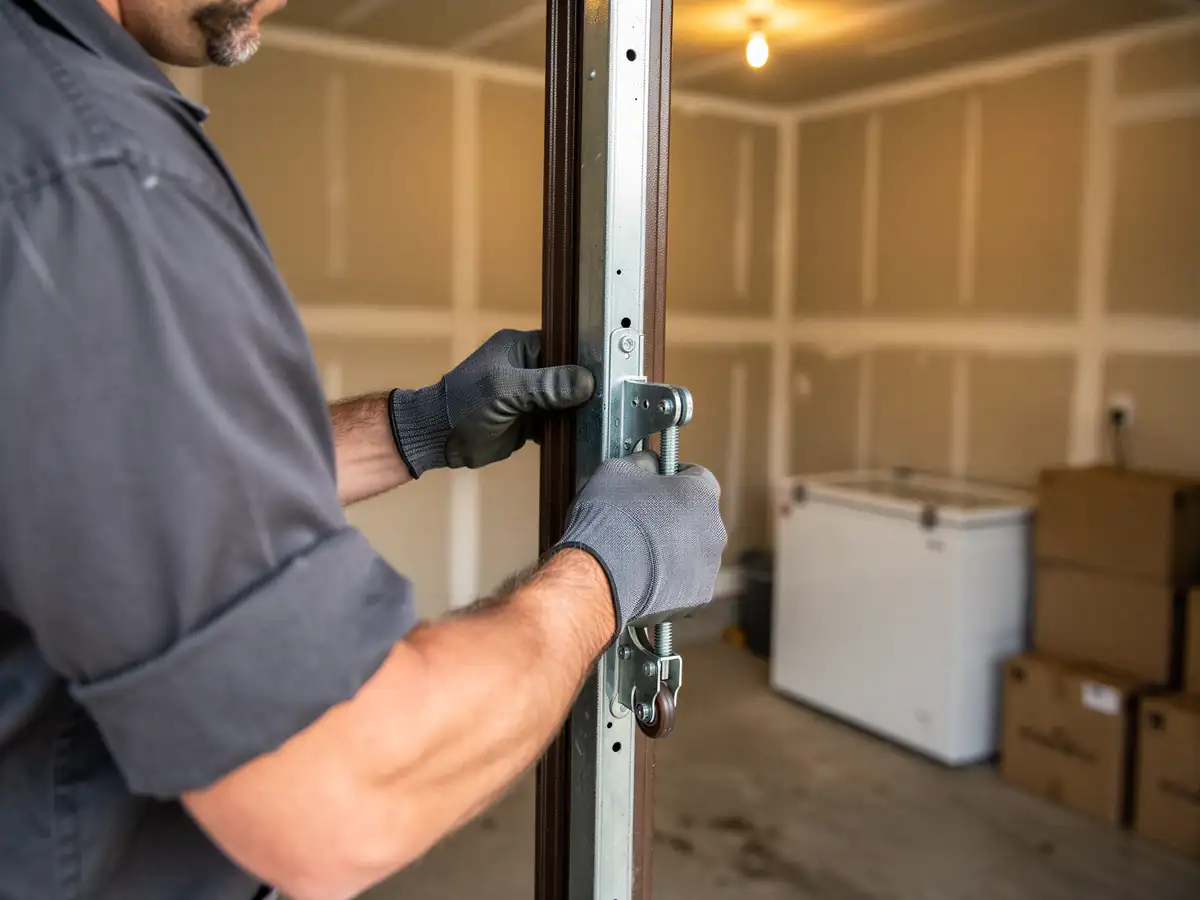
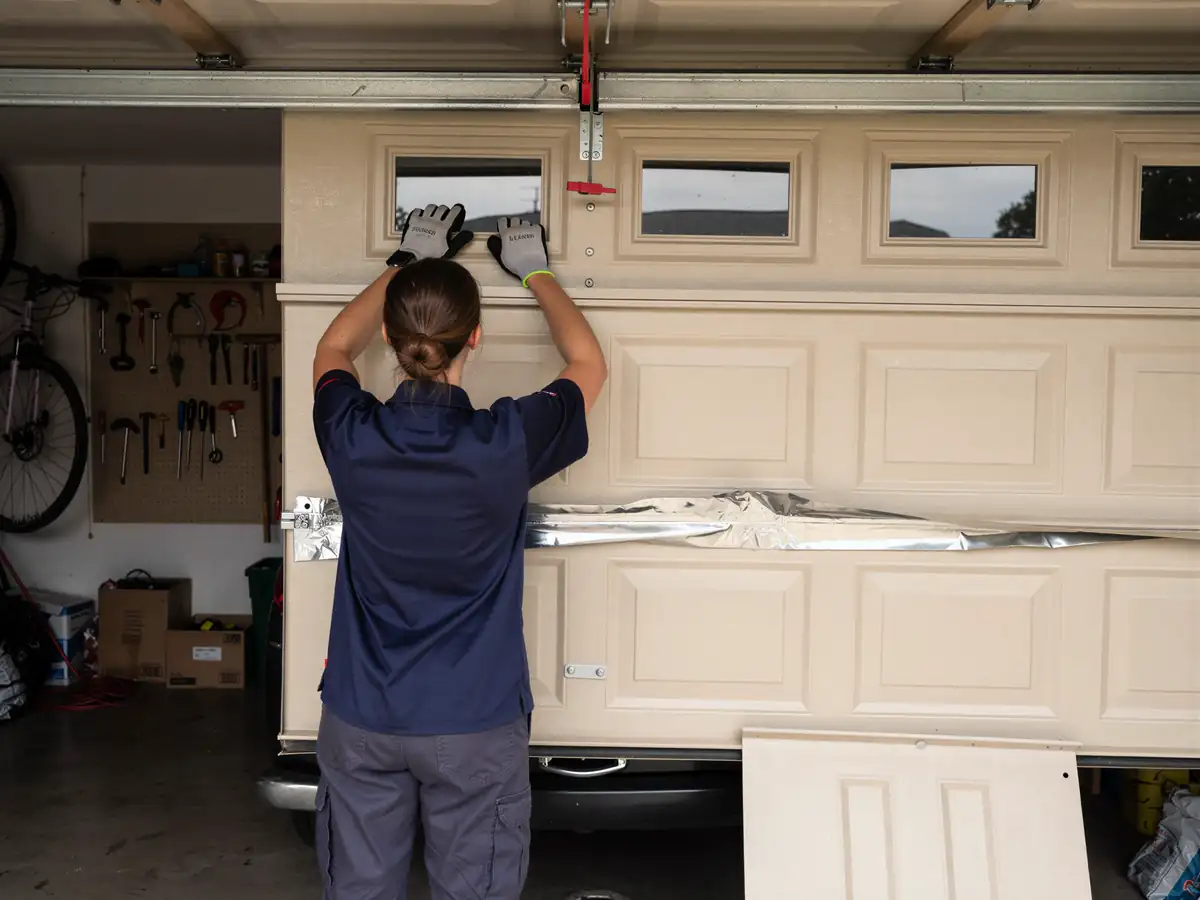
The mistake happens when a tech treats the install as a drop-in: new opener, same mounting points, done. On a door this age the header board has usually taken decades of seasonal swelling and shrinking, and the lag screws that held the old chain-drive bracket don't always bite the same wood the same way twice. If the bracket doesn't sit flush and square, the new opener pulls the top section unevenly every time it cycles, and that shows up as a door that labors or binds within the first year.
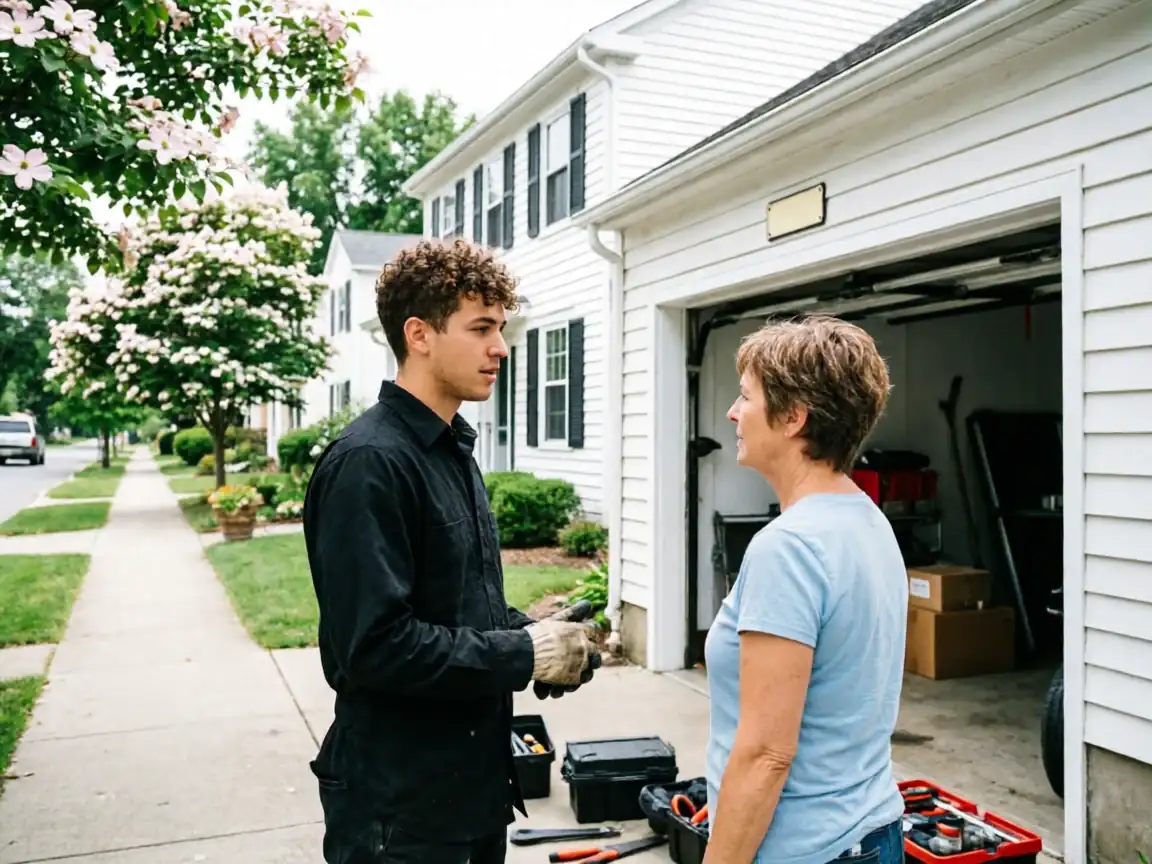
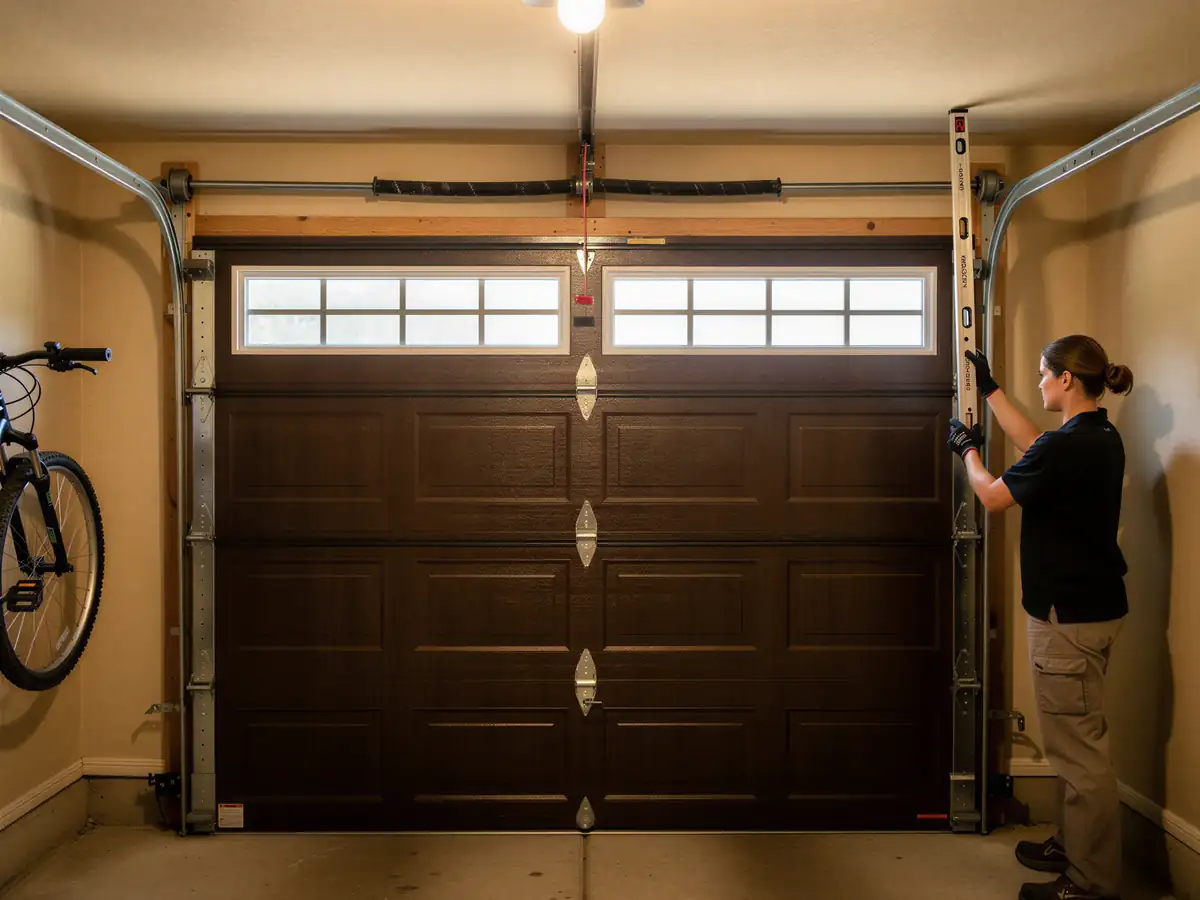
We're coming from Randolph, about 3 miles out, so there's time on the drive to plan the job instead of winging it. The right move on a lot of these Dover garages is to check the header and track alignment before the new unit ever gets bolted on, not after it's already fighting a door it was never measured for.
How It Shows Up
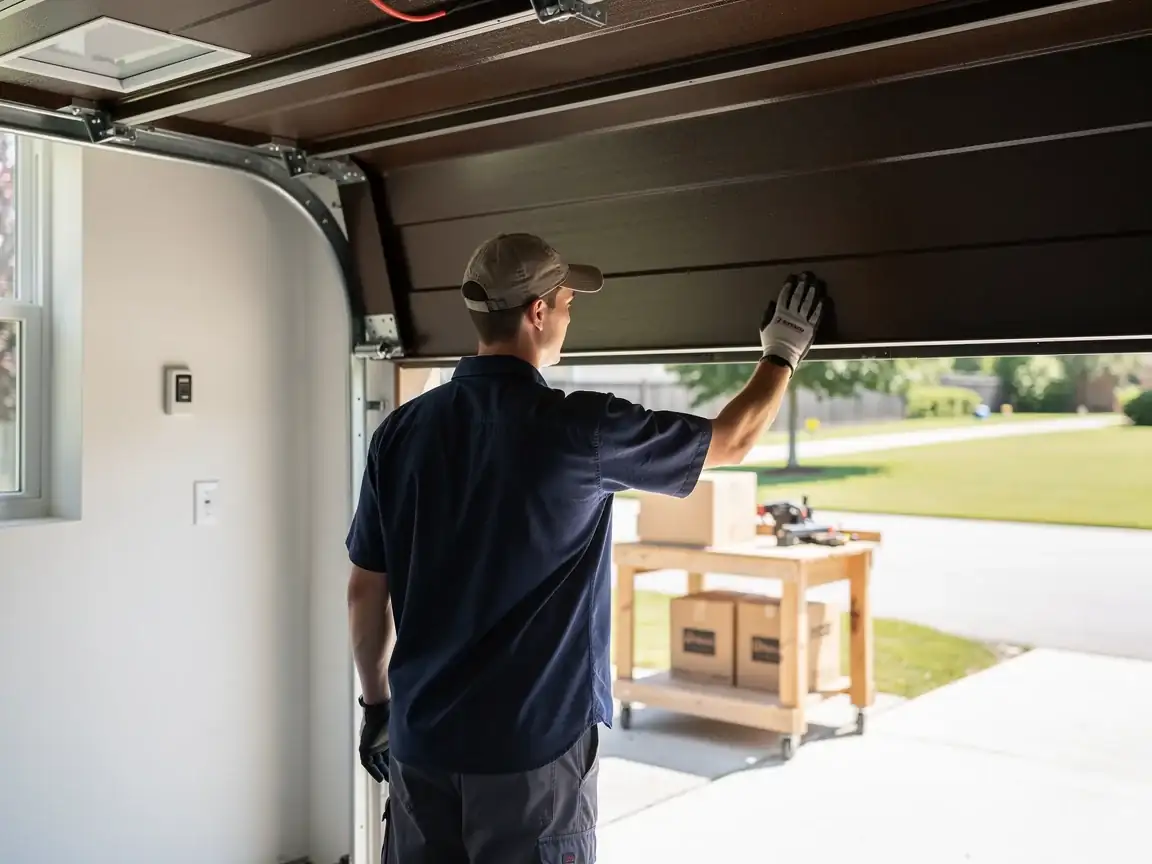
On a 1953-era garage, a failing or mismatched opener rarely just stops working outright. It tells you first. The door starts reversing partway up for no clear reason, or it takes two tries on the remote before the motor engages. Some owners notice the unit straining audibly on the first few feet of travel - that's usually the old track geometry fighting a modern opener's pull, not a bad motor.
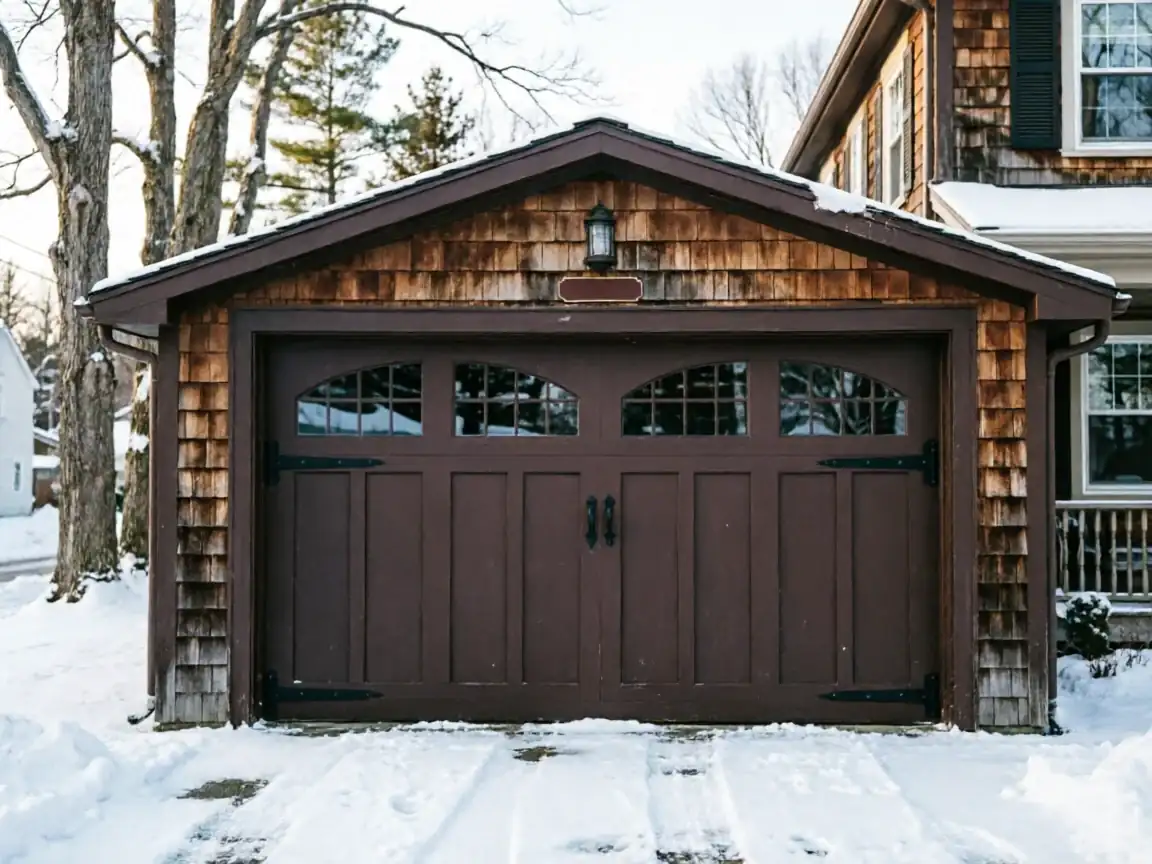
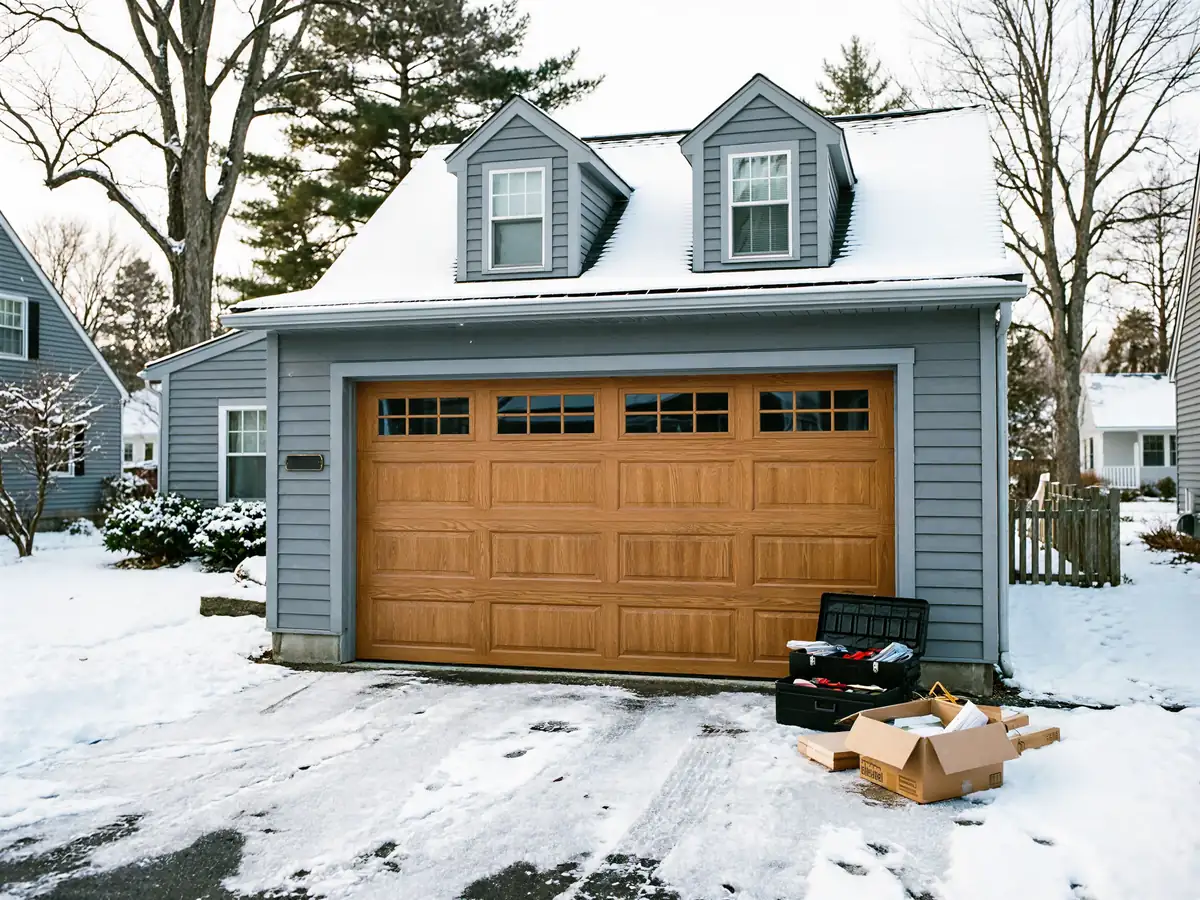
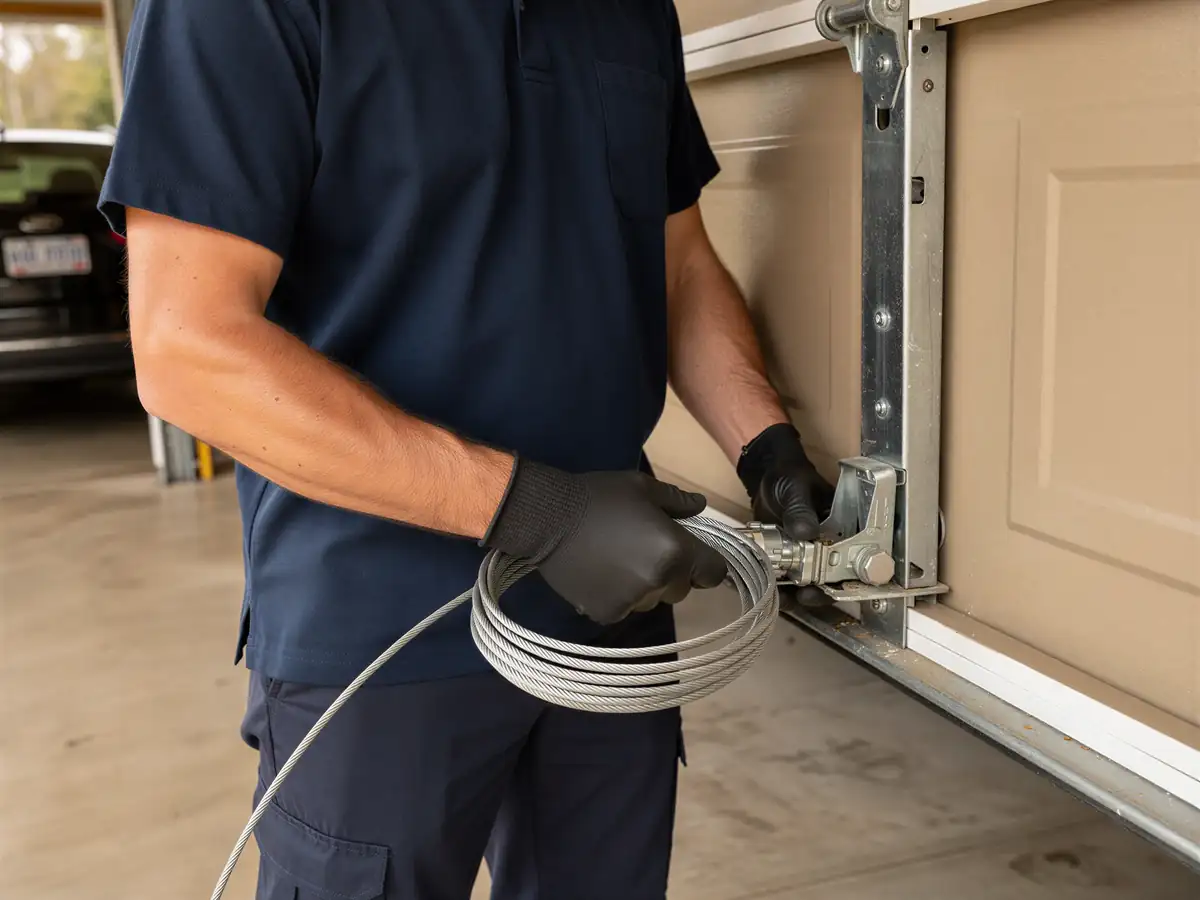
Cold weather makes it worse. This area sits in a severe cold climate band, and older garages with original, uninsulated headers and thin perimeter seals let a lot of that cold straight into the opener's mounting zone. Grease in old rollers and hinges stiffens, chain or belt tension shifts slightly as metal contracts, and a marginal install that worked fine in October starts skipping or stalling by January.
If your opener runs rough first thing on a cold morning and smooths out once the day warms, that's not a motor problem - that's an alignment or tension problem getting exposed by temperature. Worth mentioning before you replace a perfectly good unit.
What Causes It Around Here
Three things stack up in Dover specifically
First, the age of the housing stock - a median build year of 1953 means original headers, original jamb framing, and in plenty of cases original track hardware that was never sized with a modern opener's horsepower or lift speed in mind.
Second, the climate
A severe cold band means real temperature swings on the garage structure itself, and header boards that have cycled through seventy-plus winters don't hold a bracket as tightly as they did when the house was new.
Third, household economics shape what gets done about it
Median household income in Dover runs $70,519, noticeably below the $146,174 figure for the wider service area. That's not a judgment, it's a pattern: more owners here choose a targeted repair or a straight opener swap over a full door-and-opener replacement, which means more older hardware stays in service longer, and more openers end up working against components from a different era. With roughly 6,455 households in town, that's a lot of garages built to one standard carrying equipment built to a newer one.
- 6,455 households
Doing It Yourself
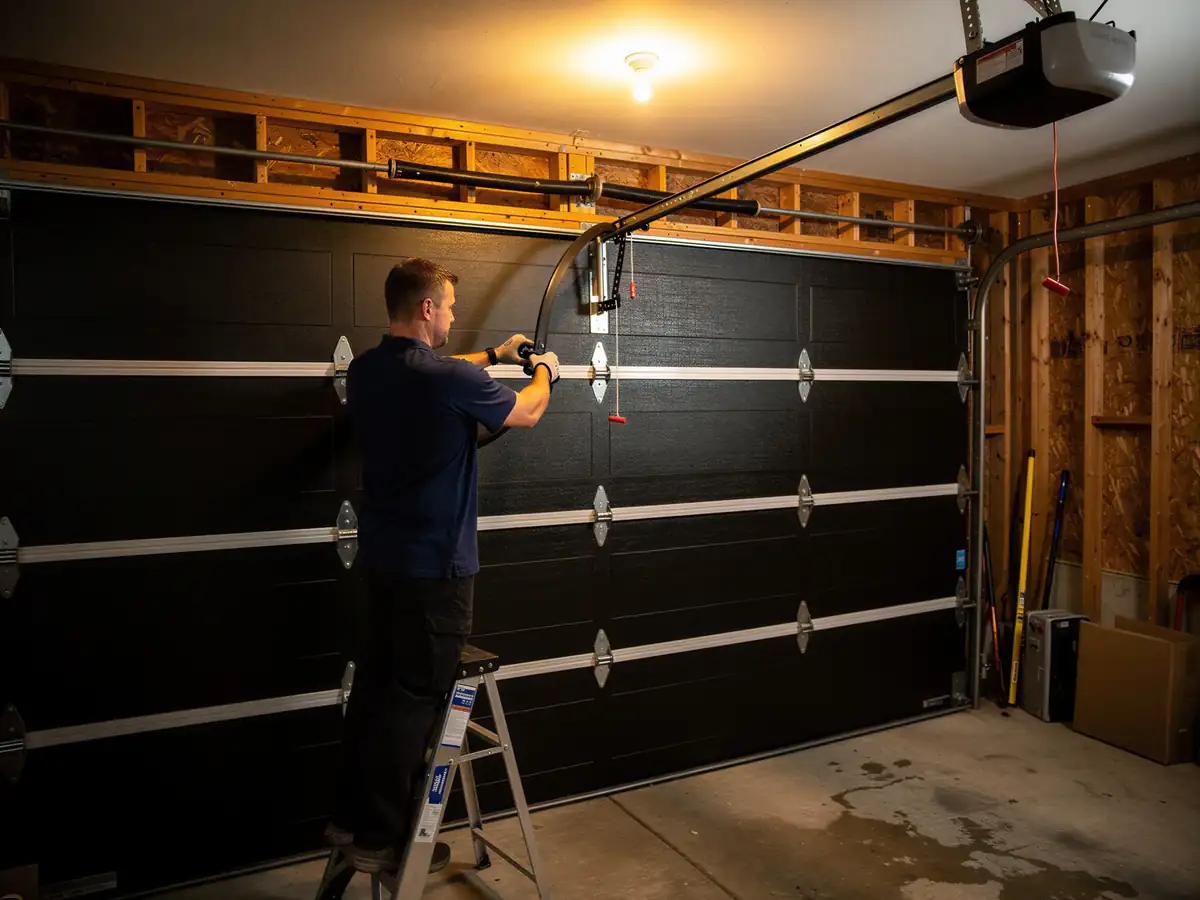
A modern opener kit looks straightforward in the box, and the wiring part usually is. Where DIY installs go wrong on a house this age is the mounting. If your header board is original to a 1953 build, you're drilling into wood that's had seventy years to dry out, shift, and sometimes crack near old screw holes you can't see until you're already up the ladder.
We'll say plainly: we don't do remote troubleshooting over the phone for a mount we haven't seen. If the bracket isn't seated into solid wood, no amount of correct wiring fixes a door that shakes the header every time it closes. That's not a sales pitch, it's just where the actual failure point is on homes like these.
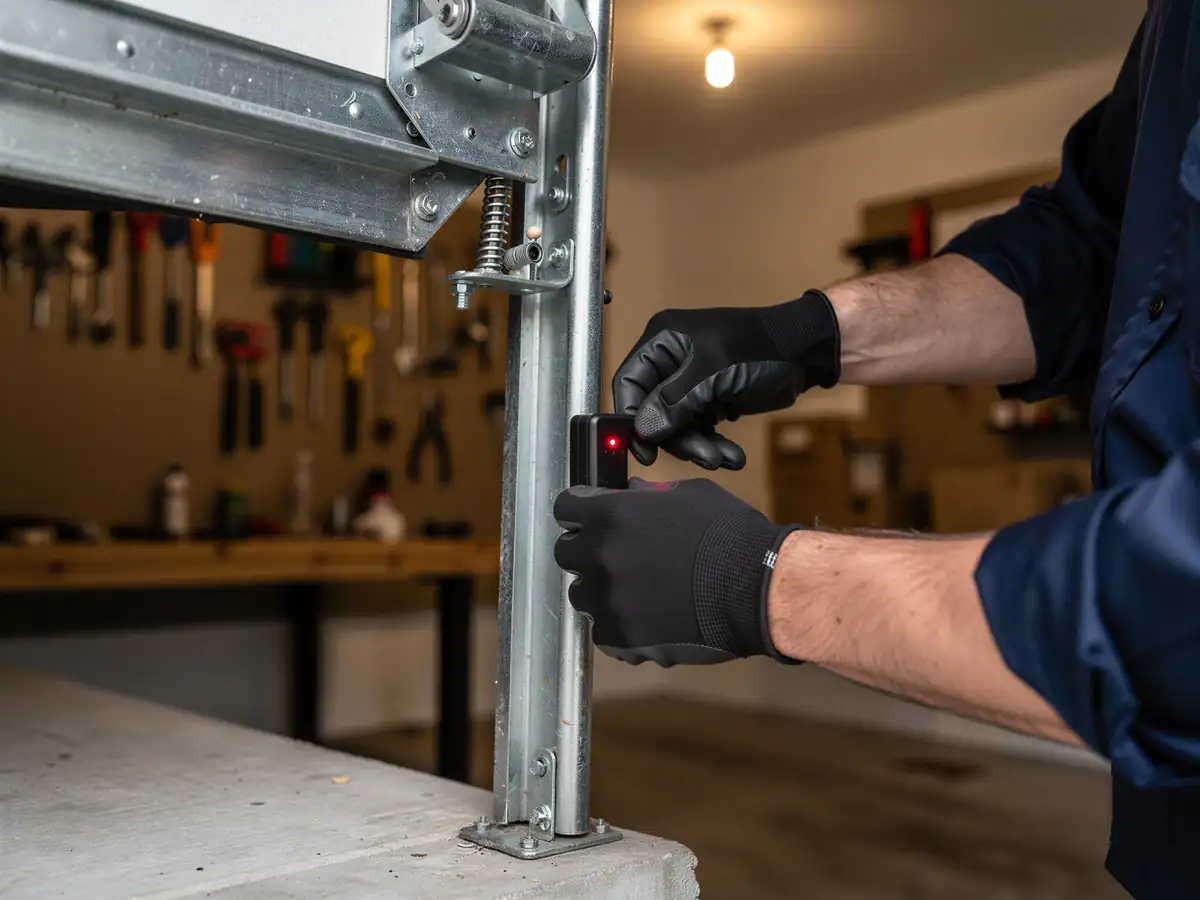
If you're comfortable with a ladder and a drill, swapping a wall console or a safety sensor is reasonable DIY work. Mounting the rail to an original header, squaring it against decades-old framing, and setting travel limits so a cold-stiffened door doesn't fight the motor - that part is worth having someone look at first, even if you do the rest yourself.