Where This Job Goes Sideways
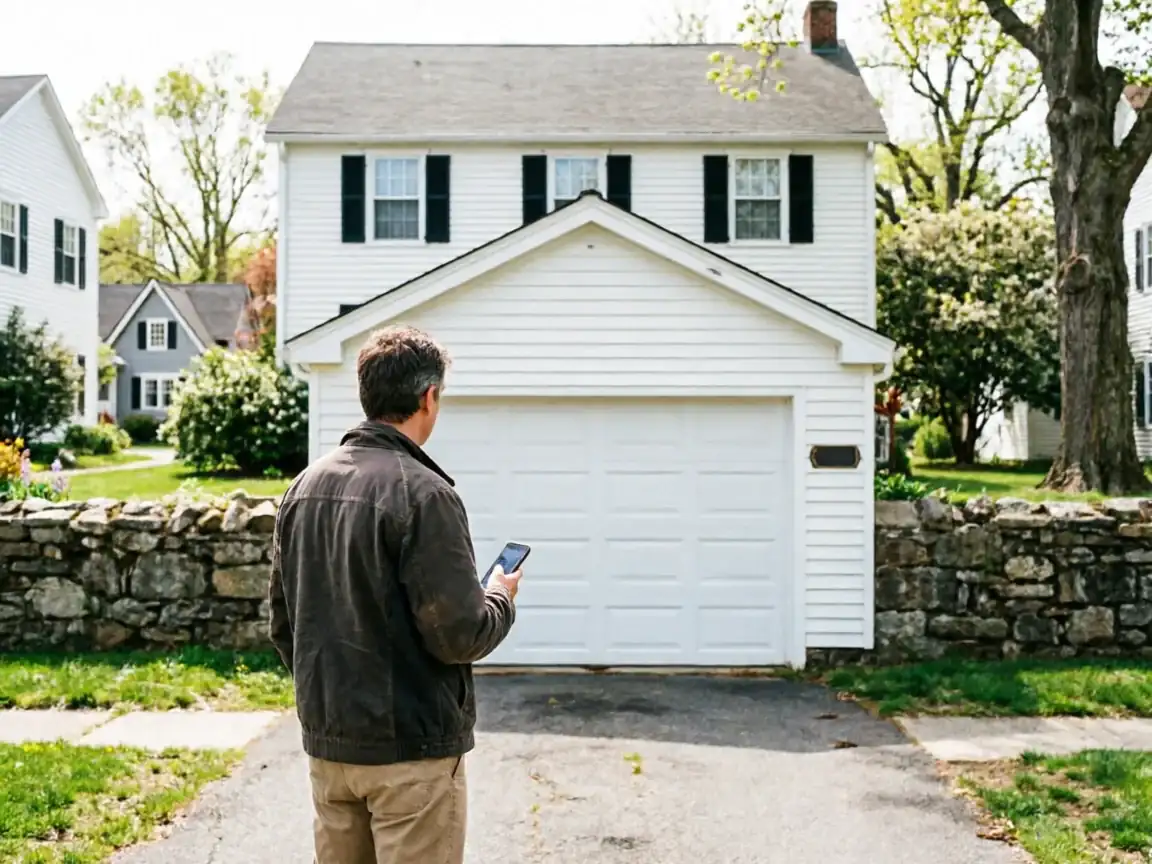
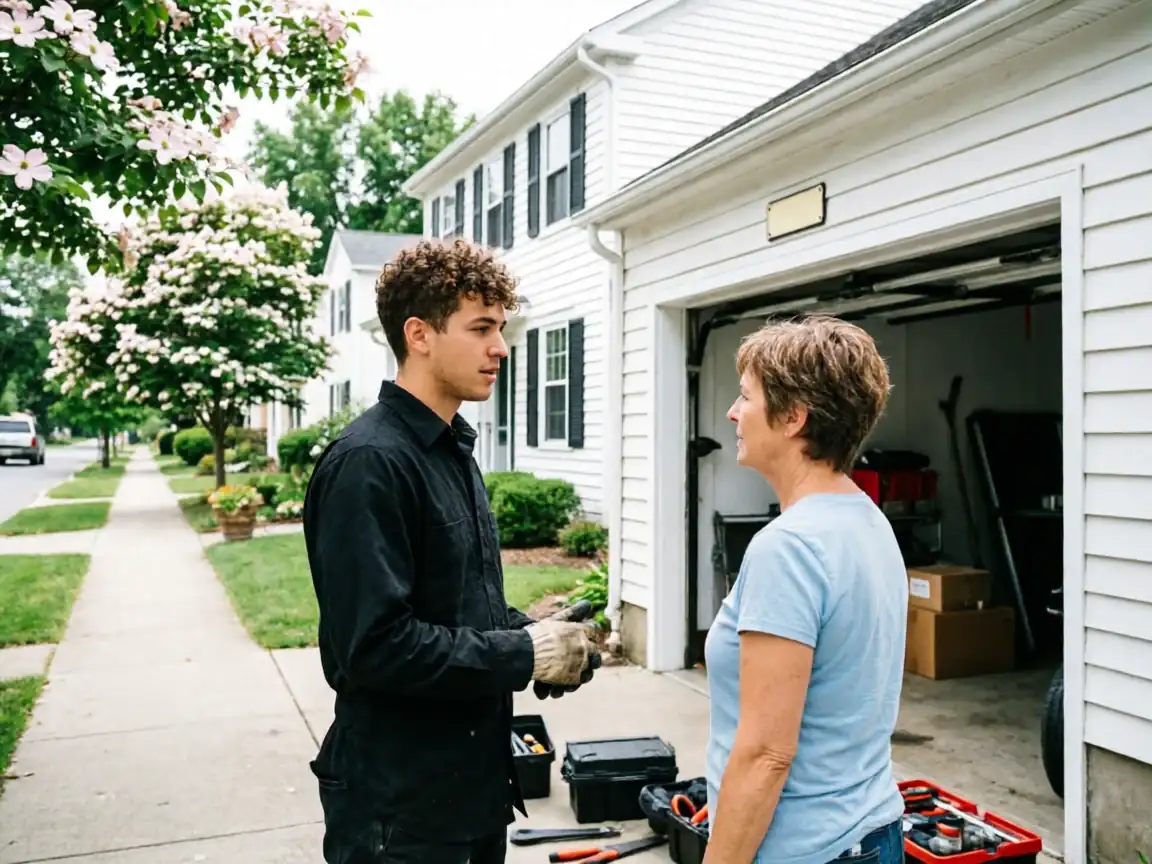
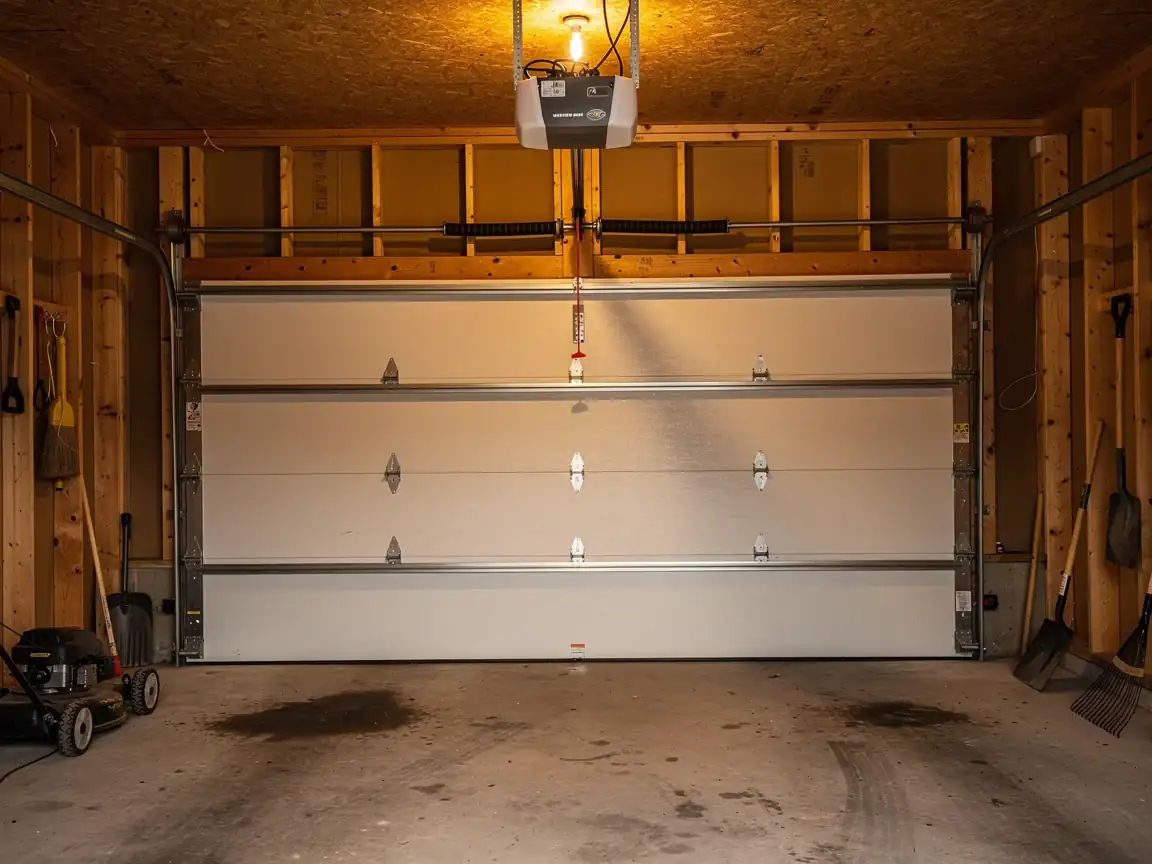
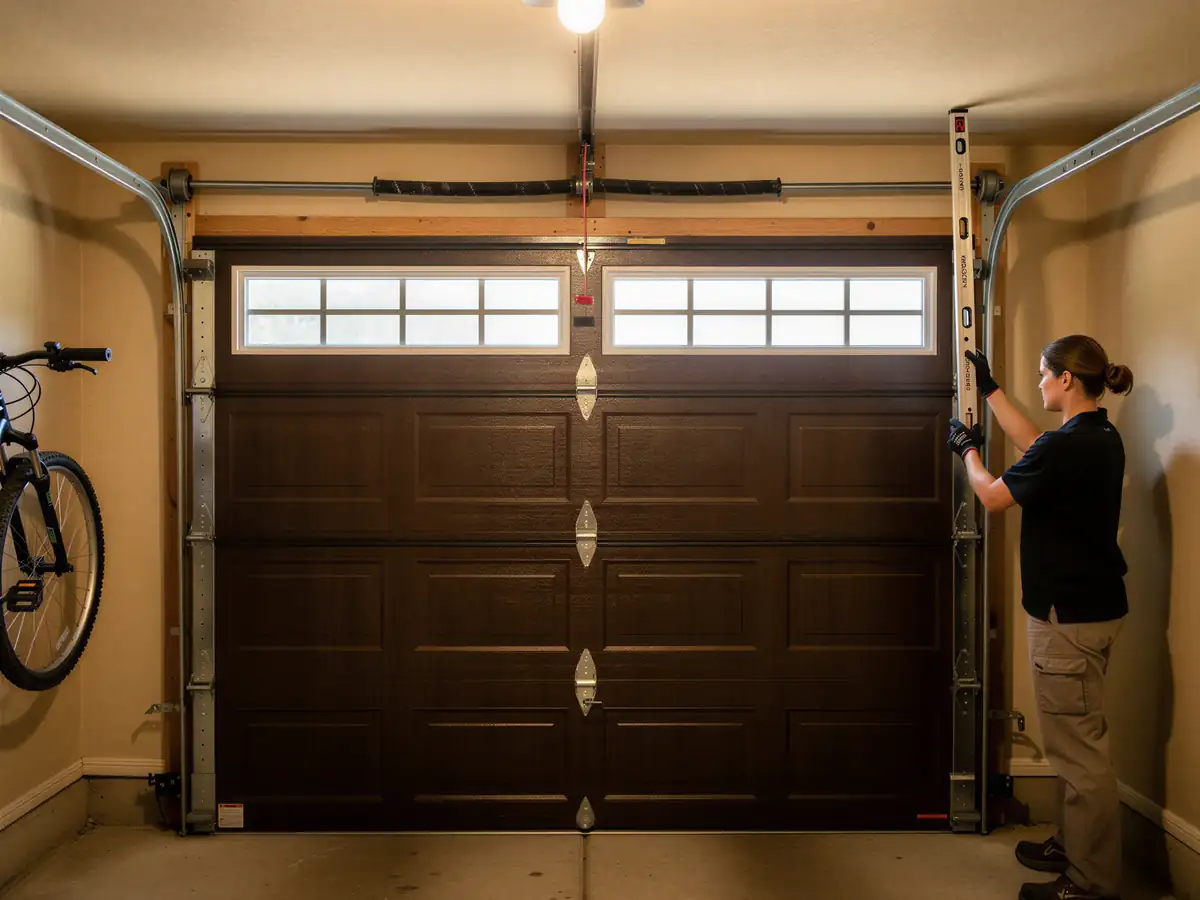
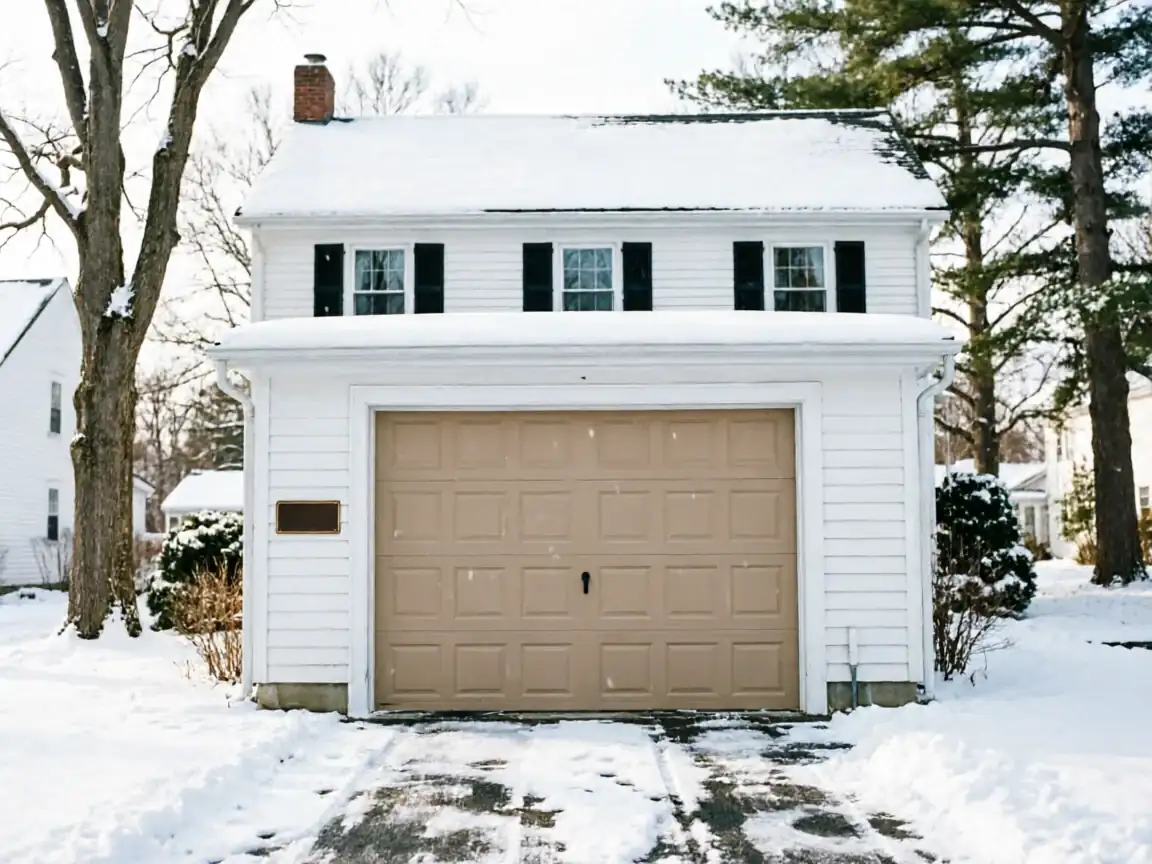
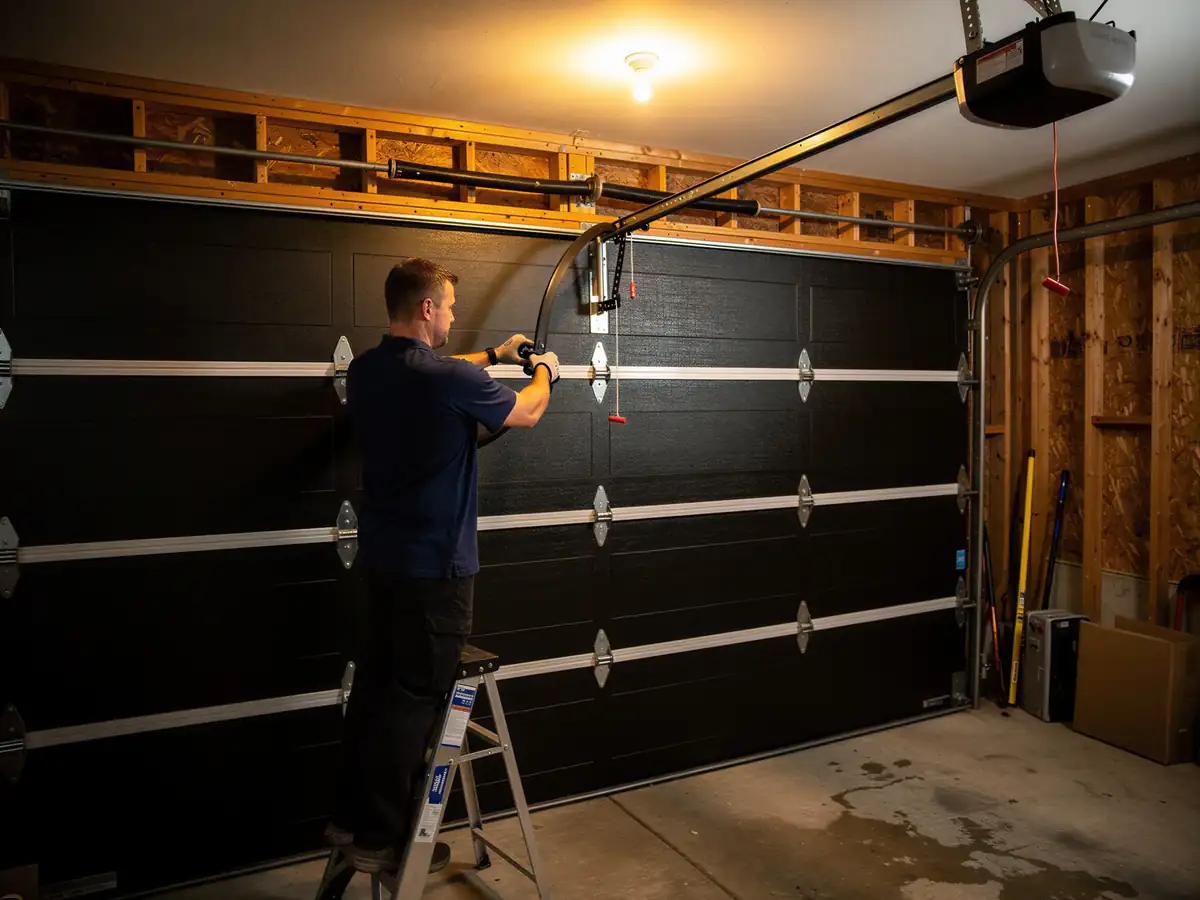
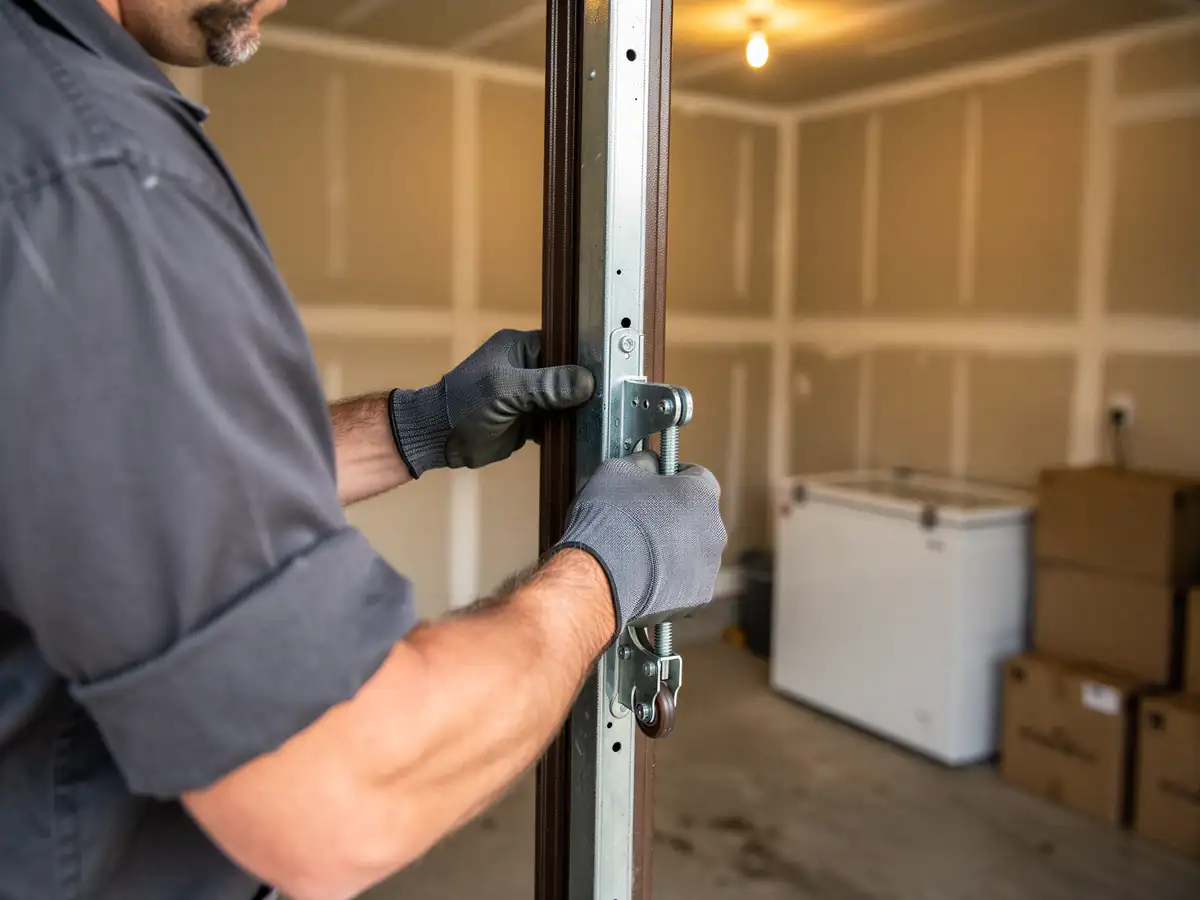
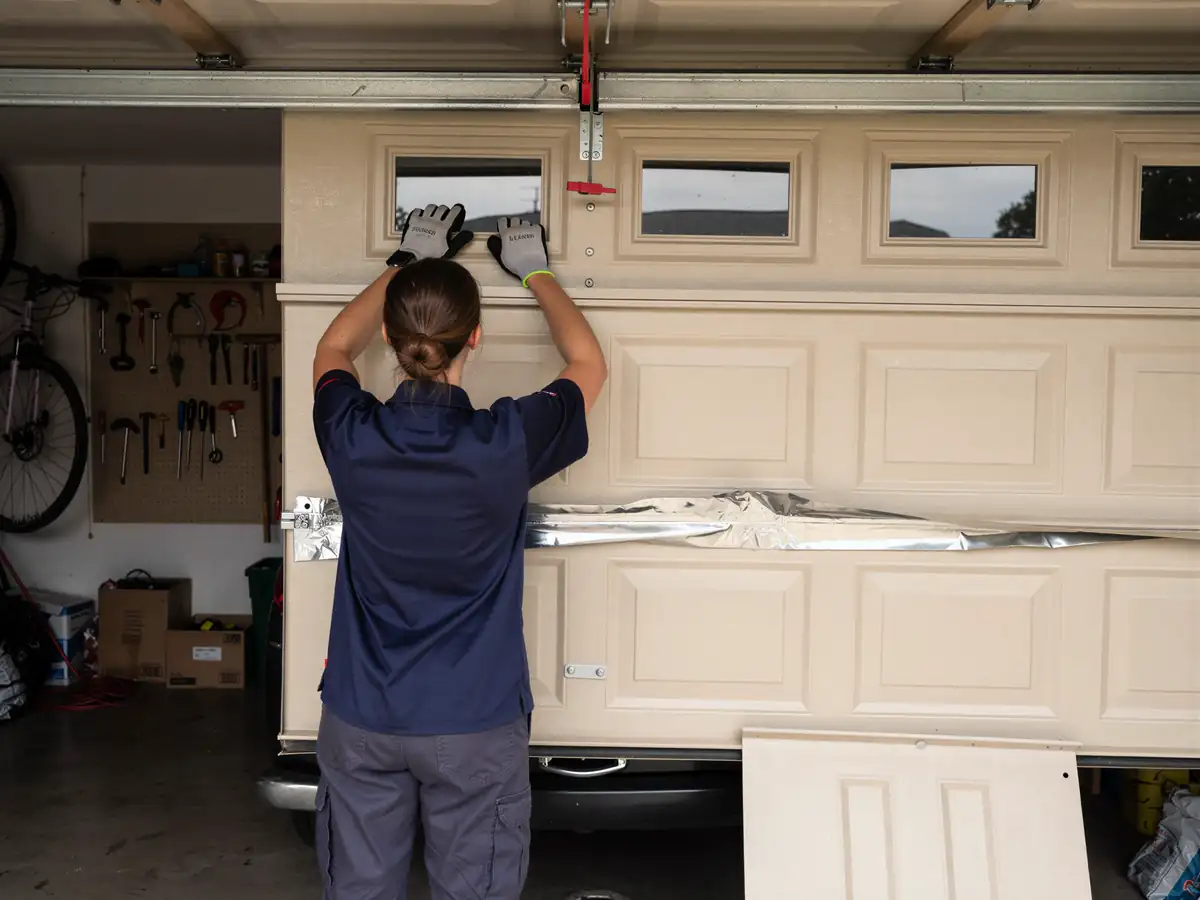
Most of Dover's garages went up around 1953, back when a one-car bay was standard and the door filling it was often a heavy wood or early steel panel, eight feet wide or less, hung on hardware nobody designed with an electric opener in mind. The opener came later, usually bolted onto framing that was never built to carry a motor's pull. That mismatch is where this job goes sideways. A homeowner calls about a opener that grinds, reverses, or won't close, and the opener turns out to be fine - it's straining against a door that's heavier or more out of square than the unit was ever rated for. We service from Randolph, about 3 miles out, and the pattern repeats enough on these older Dover garages that we check the door before we touch the opener board. Skip that step and you'll replace a logic board or a gear that was never the real problem, and the new part fails the same way inside a year. The fix sometimes isn't an opener part at all - it's shimming the track or correcting how the door rides so the motor stops fighting it.
How It Shows Up
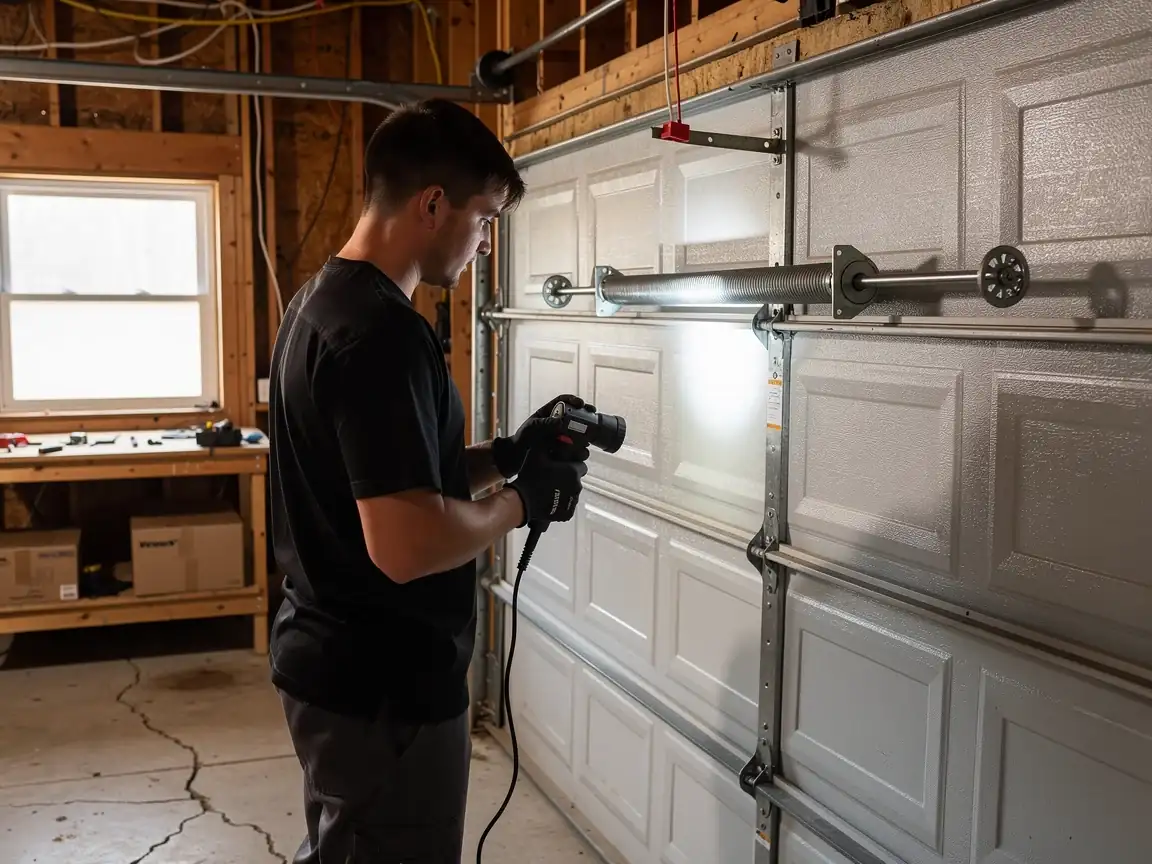
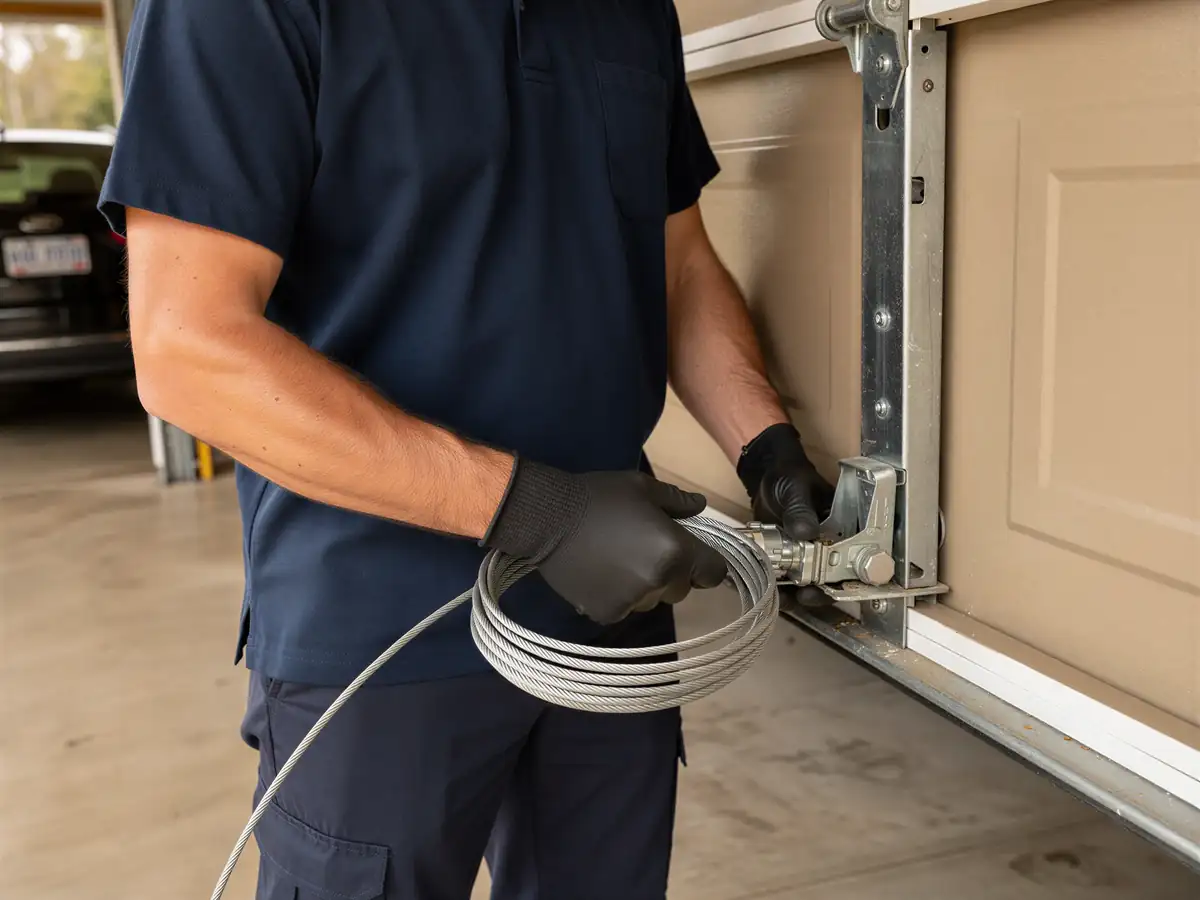
On these older setups the opener usually tells on itself before it quits outright. It reverses right after the door starts closing, as if something's in the way when nothing is. It runs loud and slow on the way up, then slams the last six inches down instead of easing into the floor. Sometimes the remote stops working from the driveway but still fires from six feet inside the garage, which points to a weak signal path rather than a dead opener. With a door this age, we also see the opener trying to do work the spring should be doing - if the torsion spring has lost tension over the decades, the motor compensates by straining on every cycle, and that strain shows up as noise and early gear wear long before the opener itself is actually broken.
Doing It Yourself
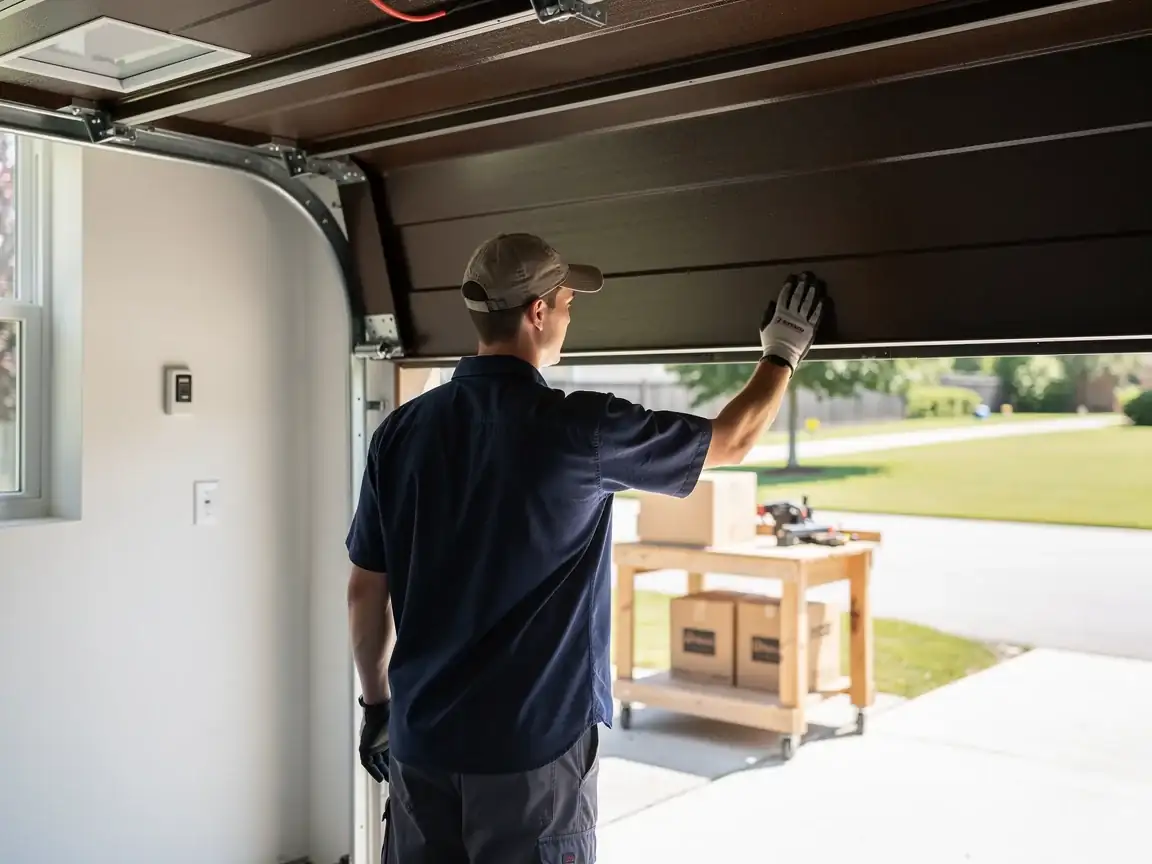
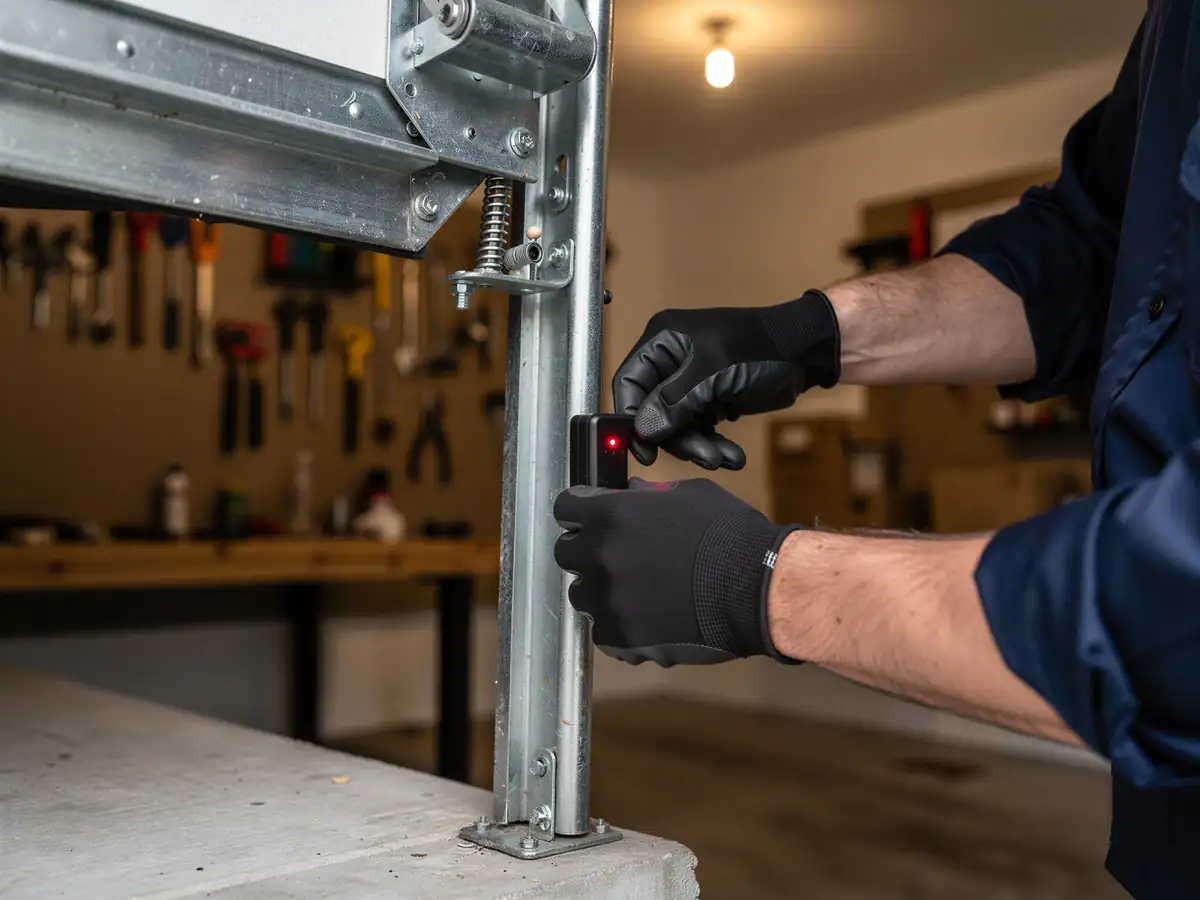
Some of this you can rule out yourself before calling anyone. Pull the manual release cord and move the door by hand - if it's hard to lift or doesn't stay partway up on its own, the spring or balance is off and no opener adjustment will fix that; that's not a DIY repair, and we won't pretend otherwise. If the door moves smoothly by hand but the opener still struggles, check the photo-eye sensors near the floor for dust or misalignment, and look at the travel limit settings, which drift over years of use. What we don't recommend is forcing a modern opener kit onto a door this old without checking the door's condition first - on a lot of Dover's 1953-era garages, that just moves the failure point from the opener to the track or the header a season later.