Where This Job Goes Sideways
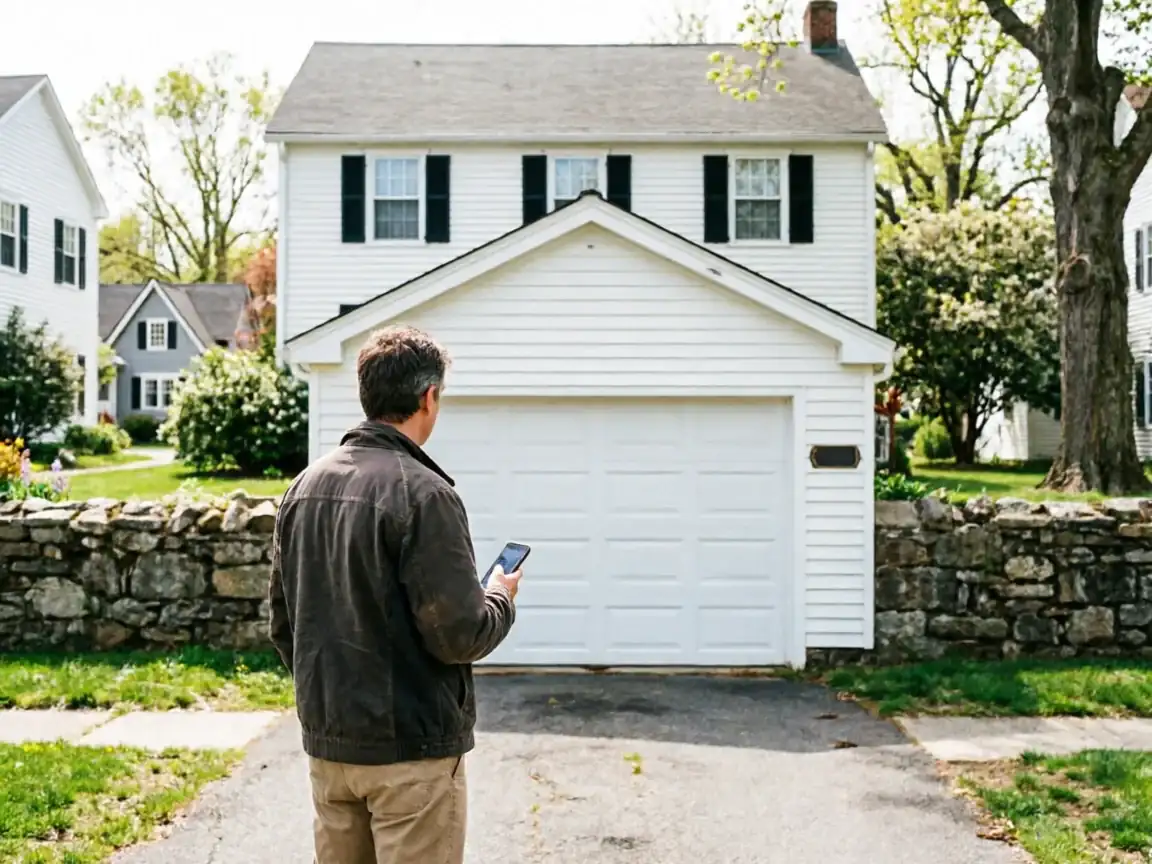
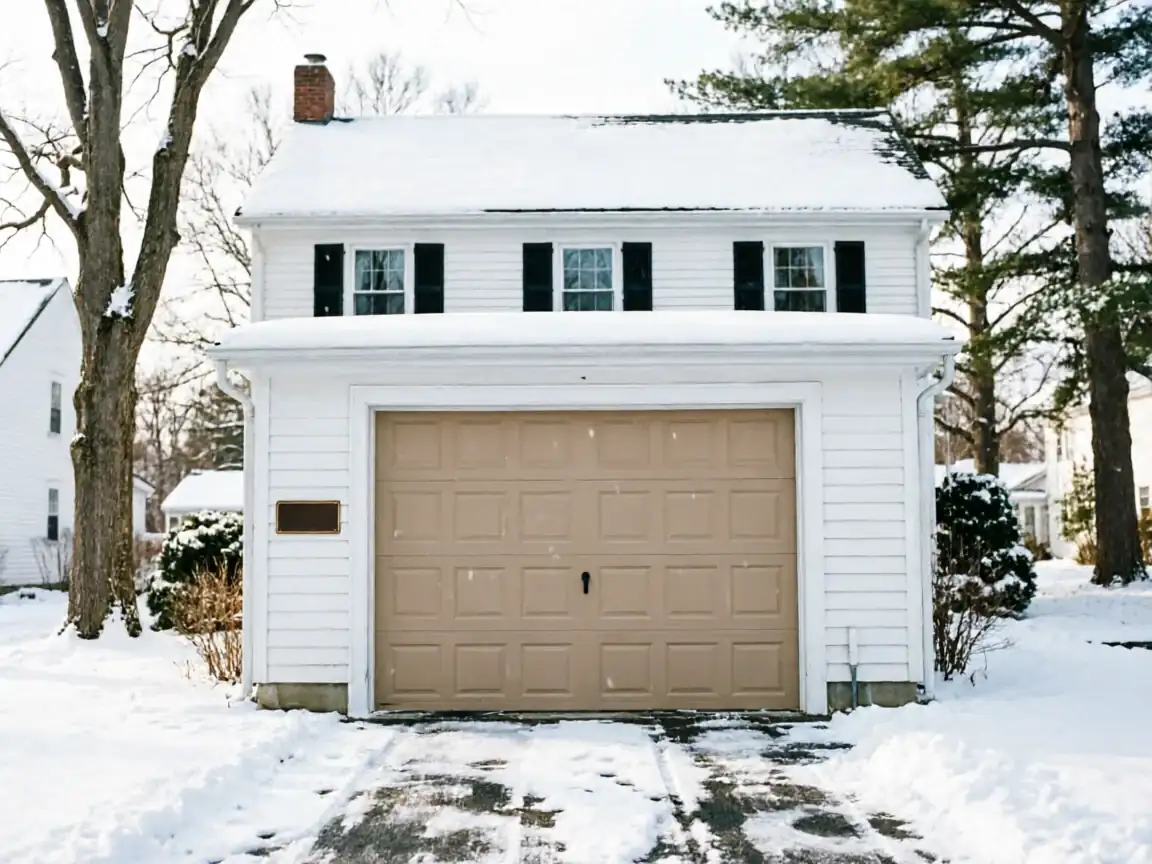
Most of the trouble we see with off-track doors in Dover traces back to one thing: the house was built around 1953, and a lot of the original track brackets and jamb hardware are still doing their job 70 years later, just barely. That generation of door came with lighter-gauge track, nailed or lag-bolted straight into framing that's shifted a little every winter since Eisenhower. When a roller finally jumps that track, it's rarely a clean pop-out. It's usually a slow lean that nobody notices until the door binds hard on one side and won't close square.
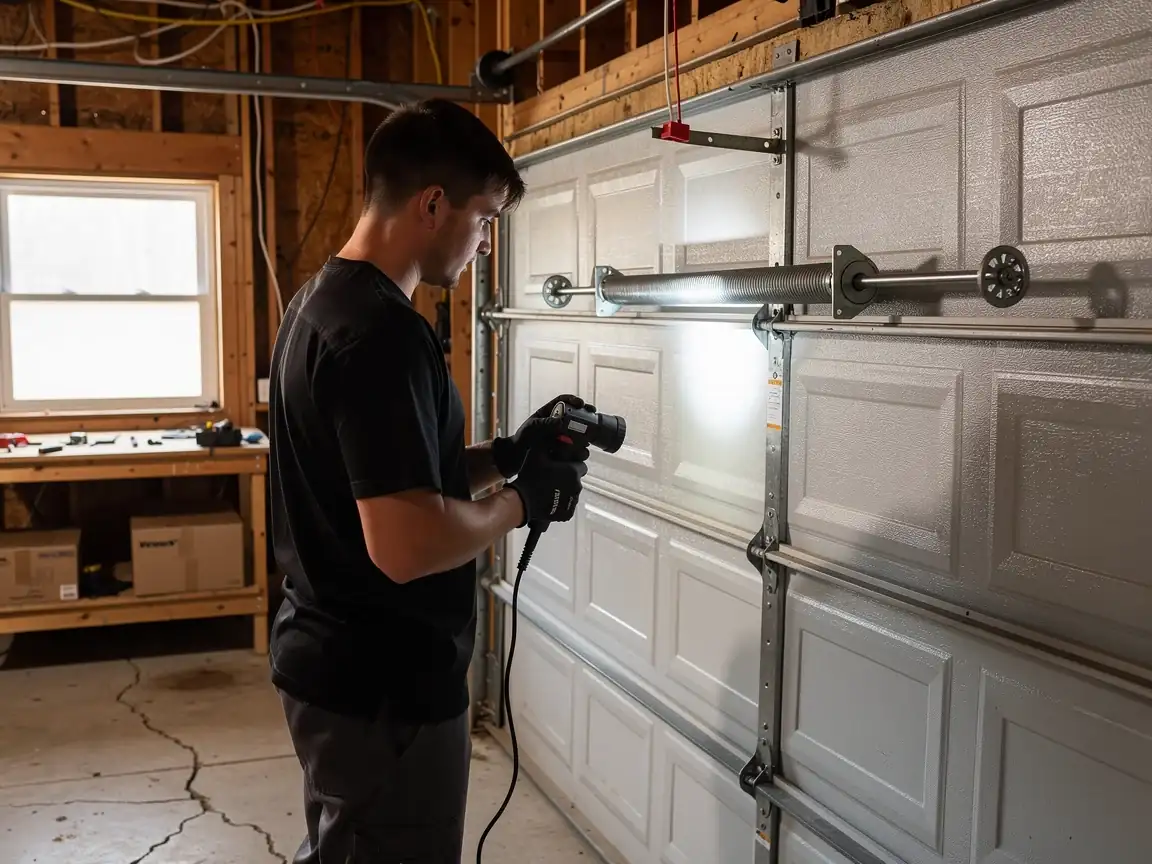
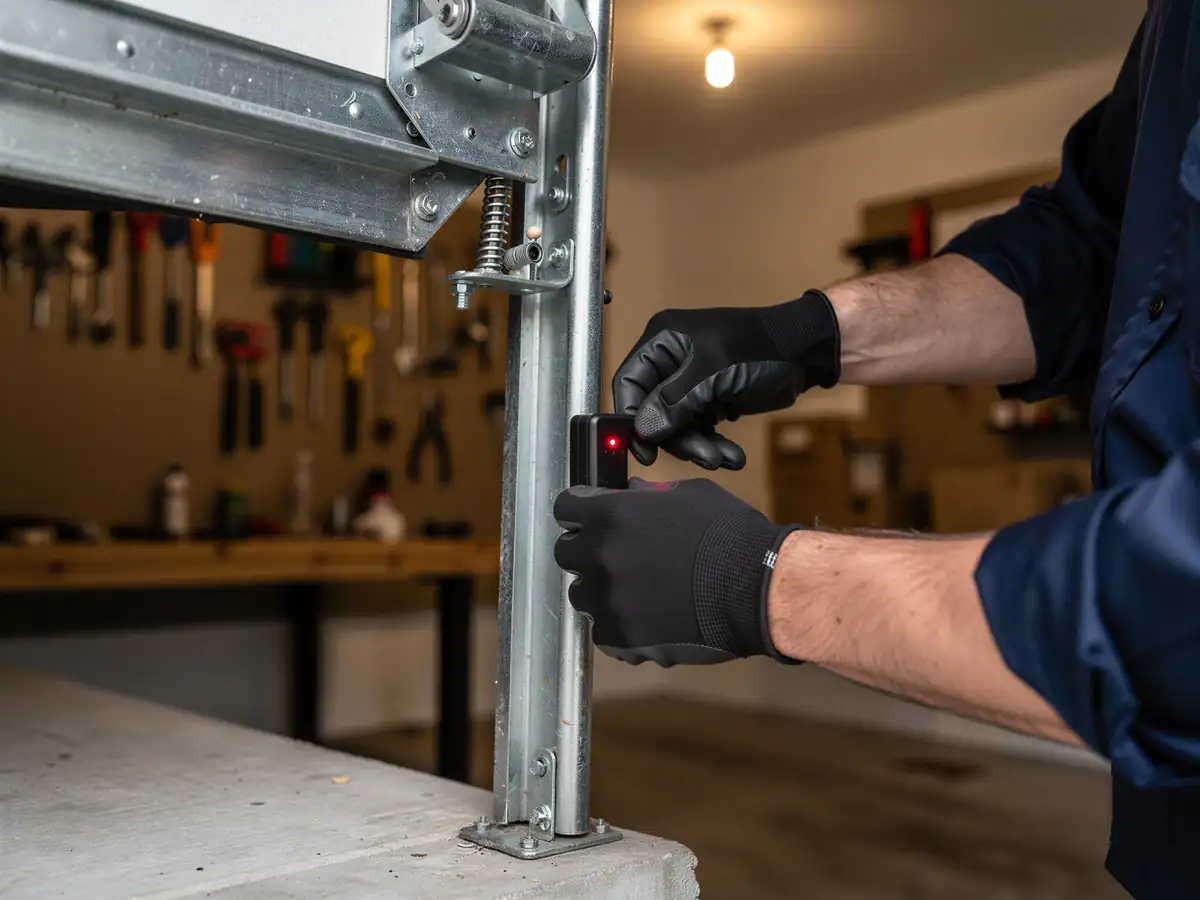
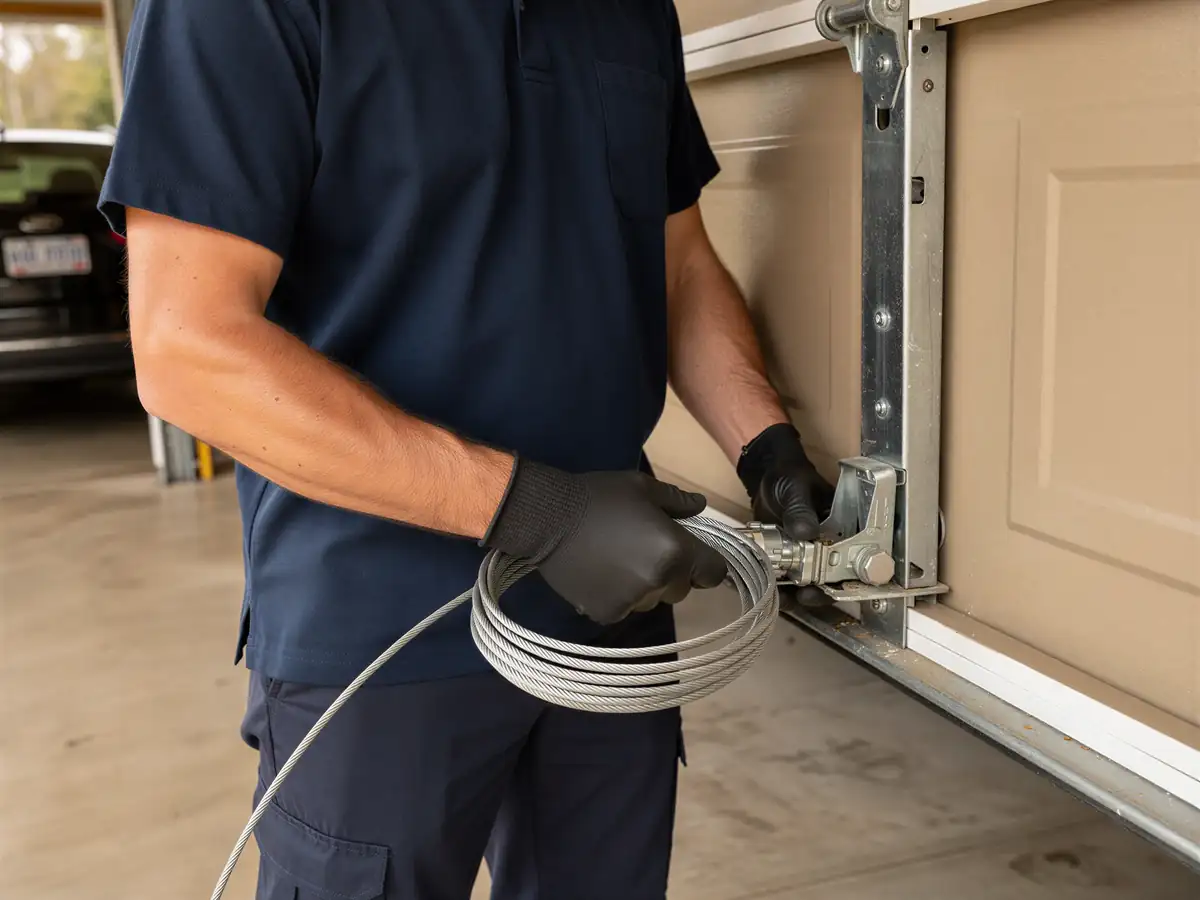
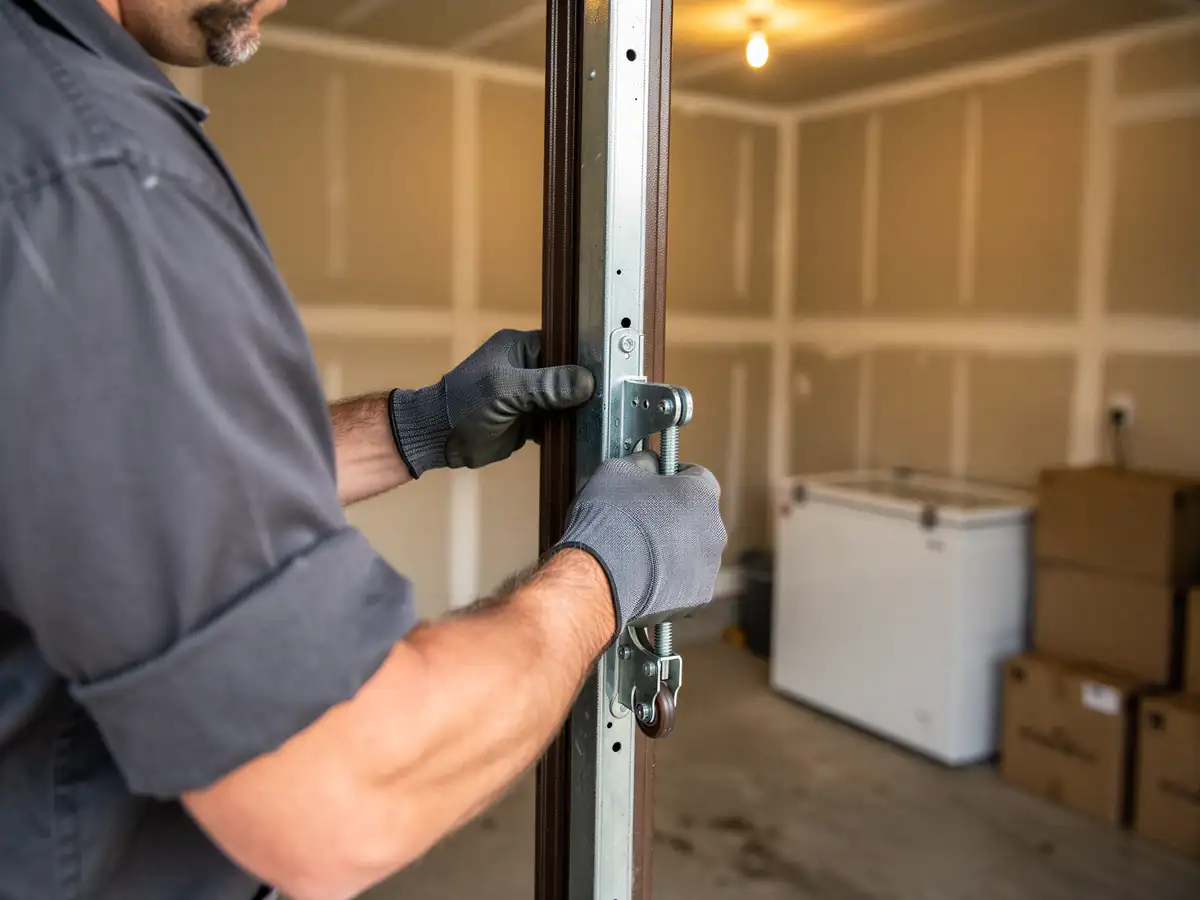
That 1953 median build year (part of a wider 1938-1996 range across the area) means the failure mode here is different from a newer subdivision. Newer doors go off-track from a snapped cable or a bent panel hit by a car. Older Dover doors go off-track because the vertical track itself has pulled away from the framing a quarter-inch at a time, and the rollers finally run out of rail to sit on. Fixing it means re-anchoring the track to sound wood, not just shoving the door back onto the rail and calling it done.
How It Shows Up
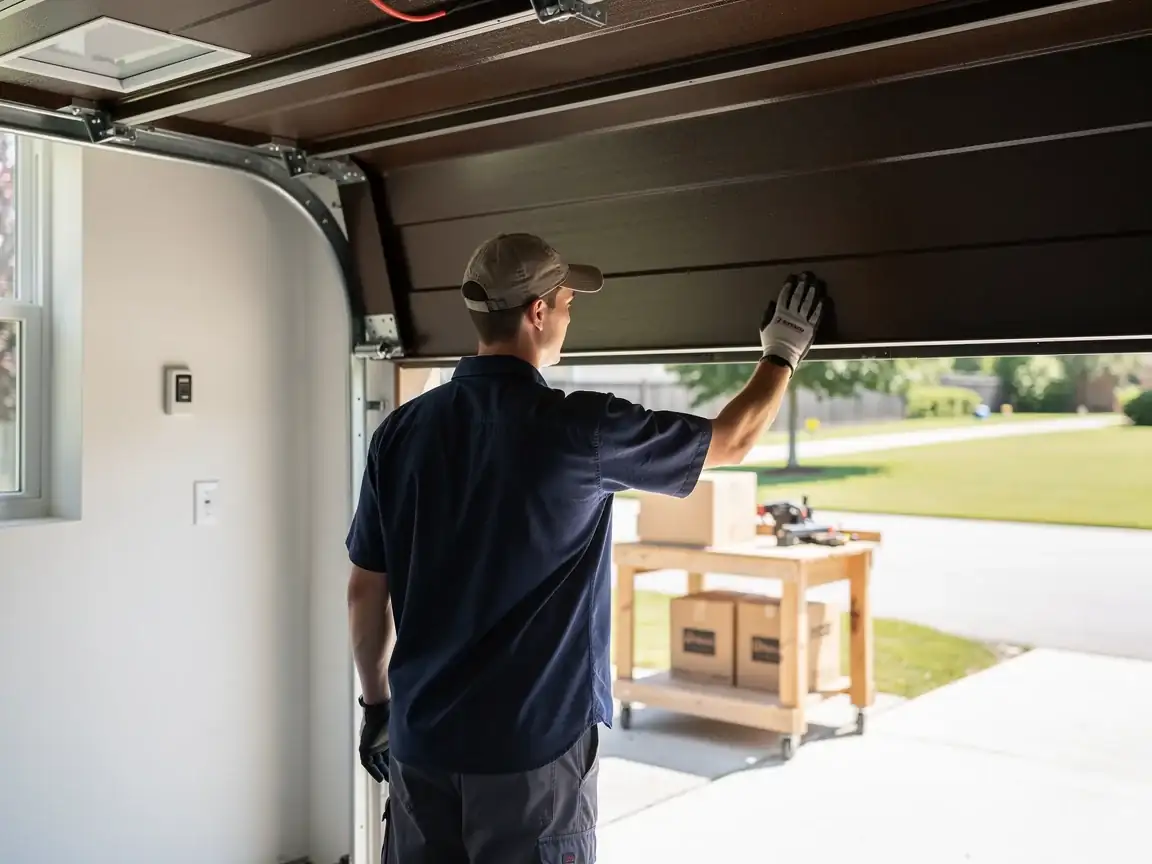
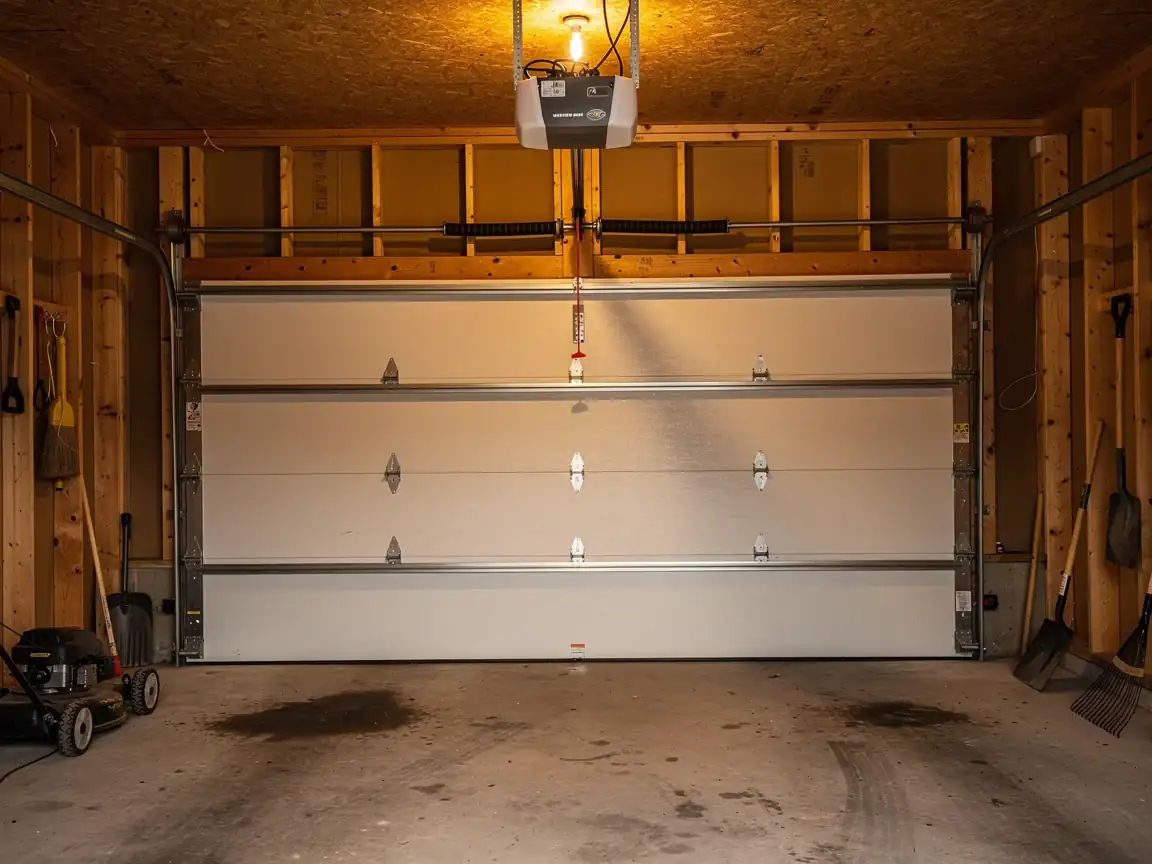
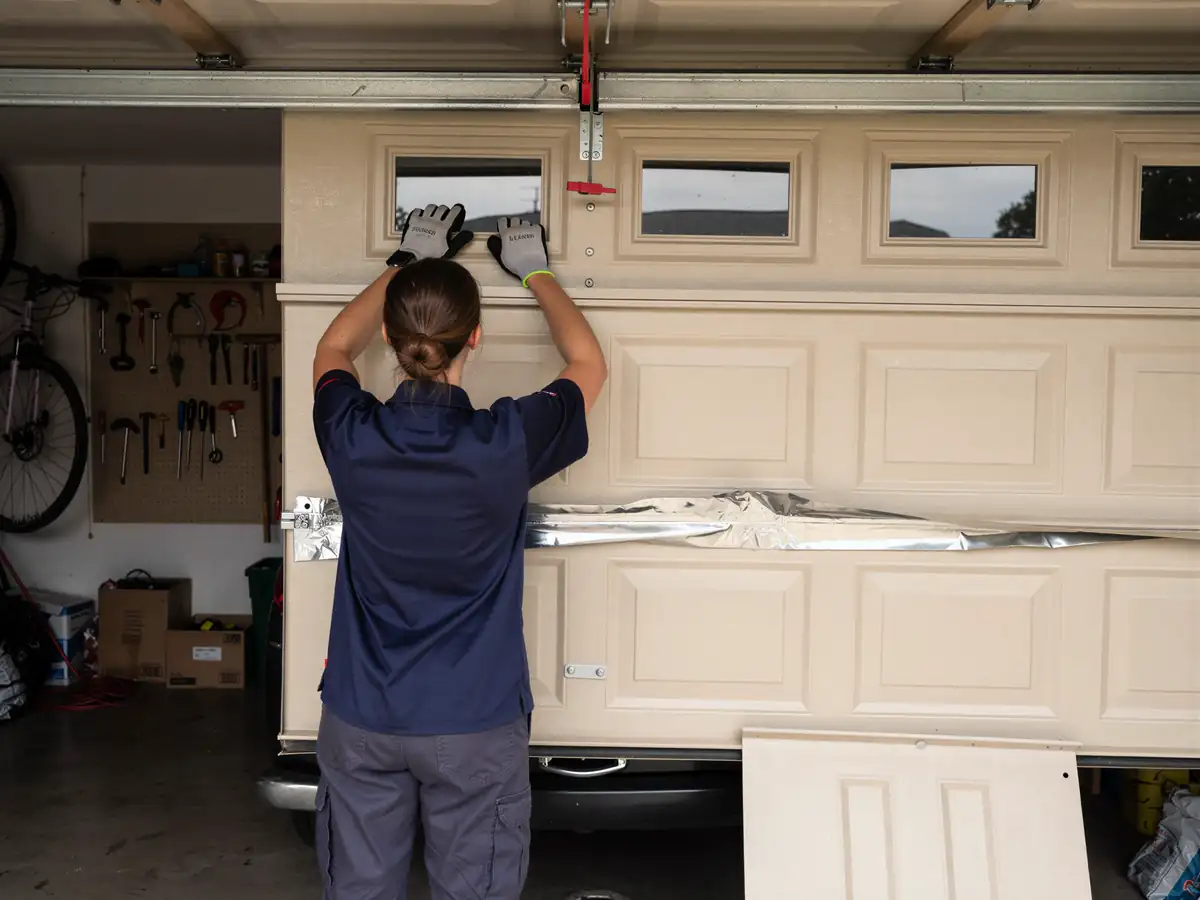
The door usually still moves, which is what makes this one sneaky. You hit the opener, and instead of a clean rise, you get a grinding scrape on one side, or the door climbs a couple inches crooked before it jams. Sometimes a roller is visibly hanging outside the track at the bottom corner. Sometimes the only clue is a gap between the track and the wall that didn't used to be there.
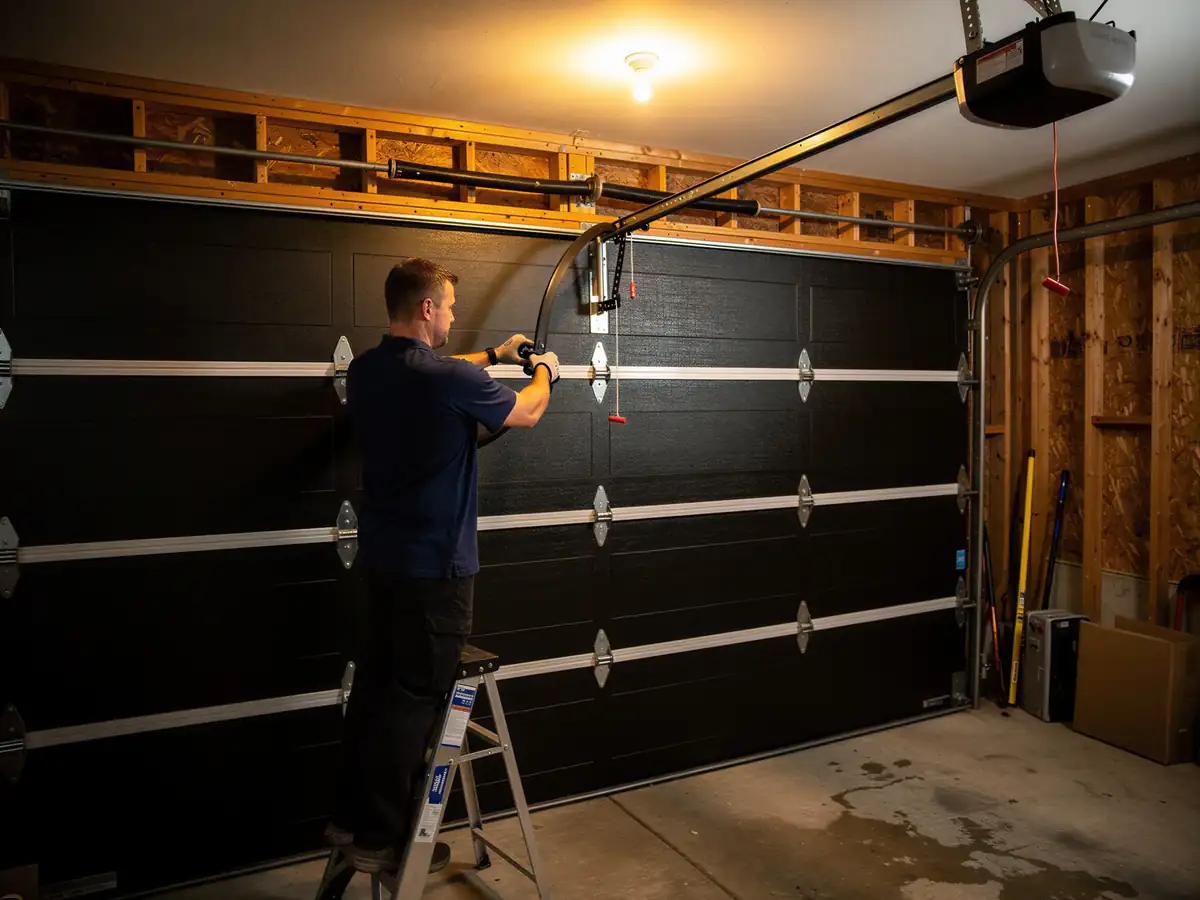
On older Dover garages, we also see the opener keep trying - straining against a door that's half off its rail - which stresses the drive gear and can take out the opener too if it runs long enough. If your door stutters, reverses on its own, or stops a foot short of the floor every time, don't keep running the opener hoping it'll seat itself. It won't, and you'll turn a track repair into a track-plus-opener repair.
What Causes It Around Here
This area sits in a cold climate zone with real seasonal severity
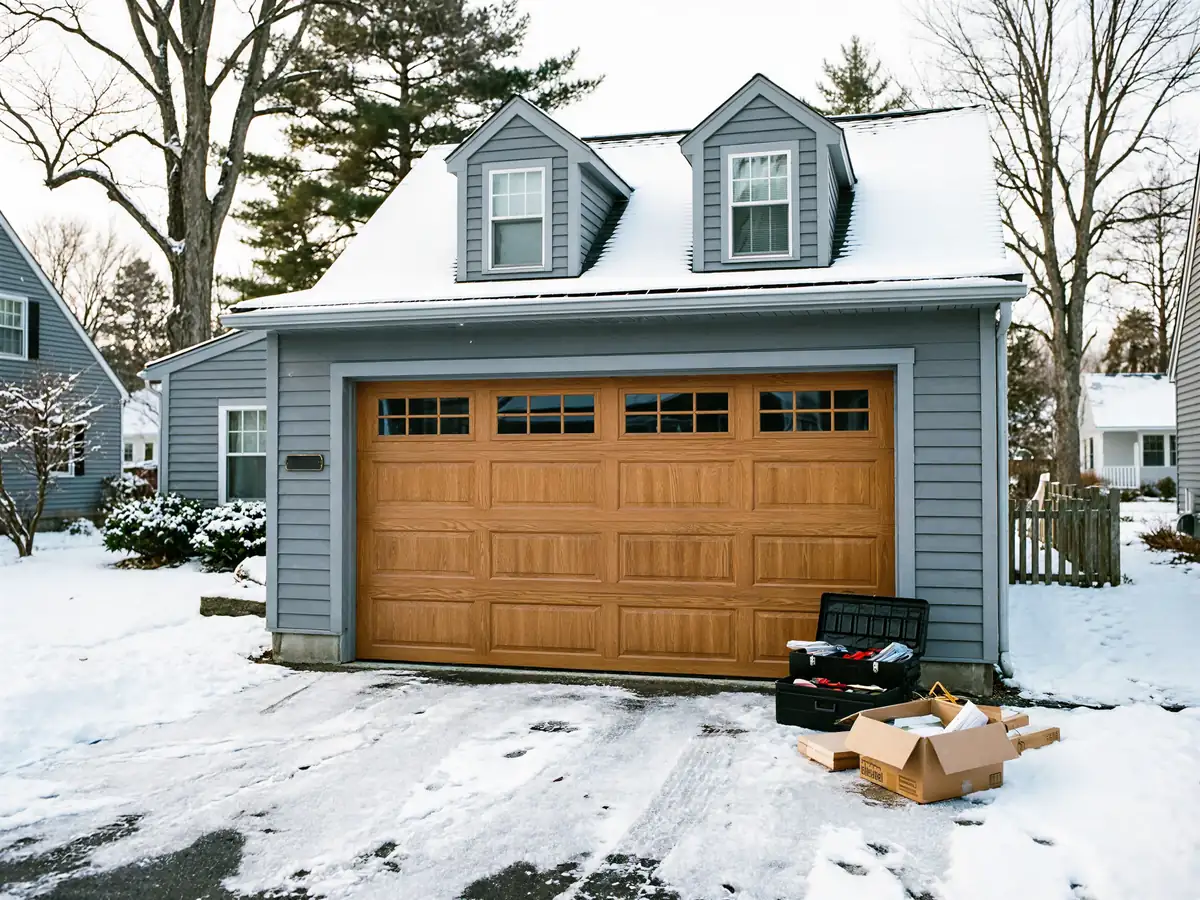
And that matters for track alignment more than people expect. Framing around garage openings moves with frost and thaw cycles, and in a house built in the early 1950s, that framing has had seven decades of freeze-heave to work the track anchors loose a little at a time. By the time a roller finally jumps the rail, the bracket holding that section of track has usually already backed halfway out of the stud.
We also see it after a hard slam of the door in cold weather
Cold steel and cold rollers are less forgiving, and an extension-spring door from this era has less cushion built into the close cycle than a newer torsion setup. Combine loose anchors with a stiff cold-weather slam and the track separates right where it's already weakest.
Doing It Yourself
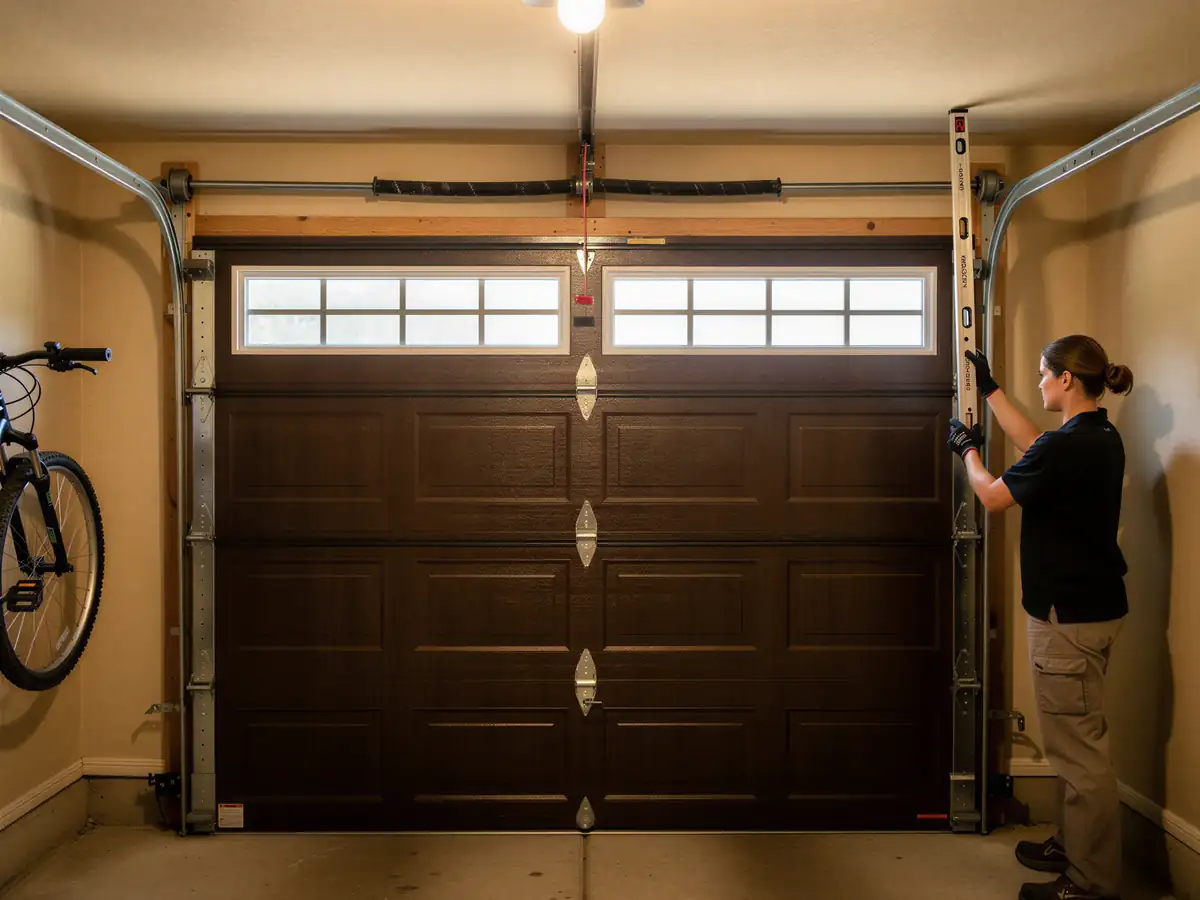
You can reset a roller back onto its track yourself if the track itself is still straight and square to the wall - that's a five-minute fix with a pry bar and some patience, and we'd rather you save the trip charge for the actual problem. What you shouldn't do is bend the track back into shape with a hammer or crank a torsion spring to get slack out of the system. On a door this old, the track is probably past the point where straightening holds, and the spring is wound at full tension whether the door's on-track or not - that part isn't a DIY repair, full stop.
One honest limit: if the track has pulled far enough that the bracket holes are stripped out or torn through the framing, we're not going to re-drill into the same compromised wood. That's a case for new track hardware, not a patch, and we'll tell you that straight rather than charge you for a fix that won't hold through next winter.