How Long You Are Without the Door
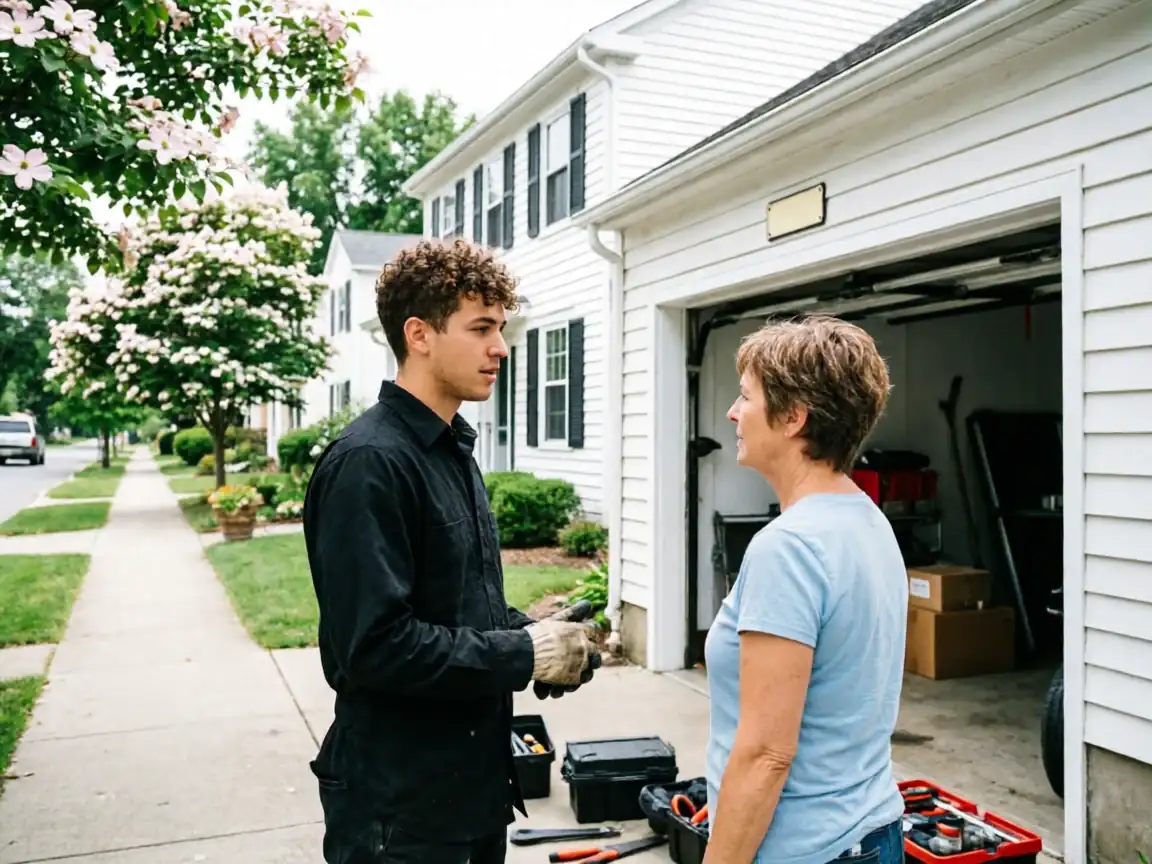
We run out of Randolph, six miles from White Meadow Lake, so the door doesn't sit broken while you wait on a part that has to ship in. Most jobs on houses from this build era are springs, cables, or rollers we carry on the truck already, because the hardware from 1965 only comes in a handful of configurations. What slows a job down isn't distance, it's parts that stopped being made decades ago. If your opener or track is a brand that exited the market, we tell you that up front rather than stringing you along with a callback. A straightforward torsion spring swap on one of these doors is usually a same-visit fix once we're on site; a full replacement because the track or frame has warped is a different conversation, and we'll say so before we start.
How It Shows Up
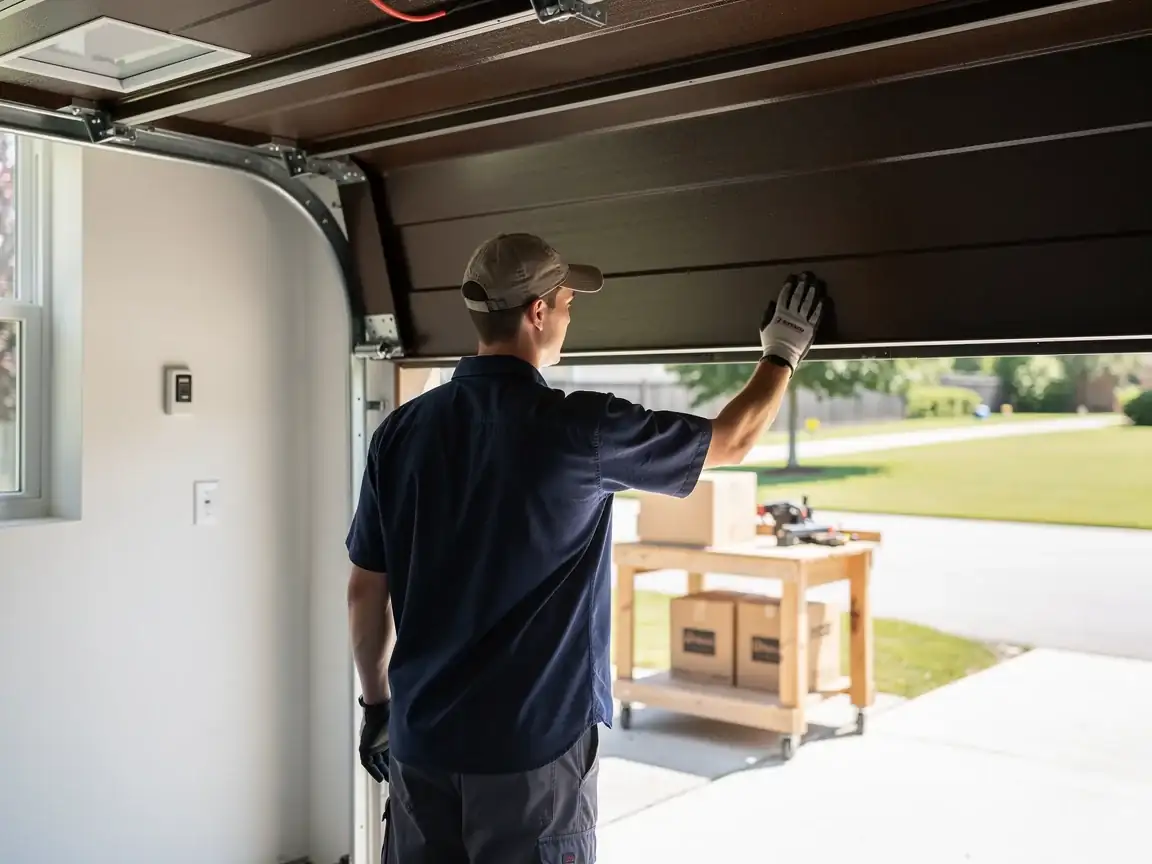
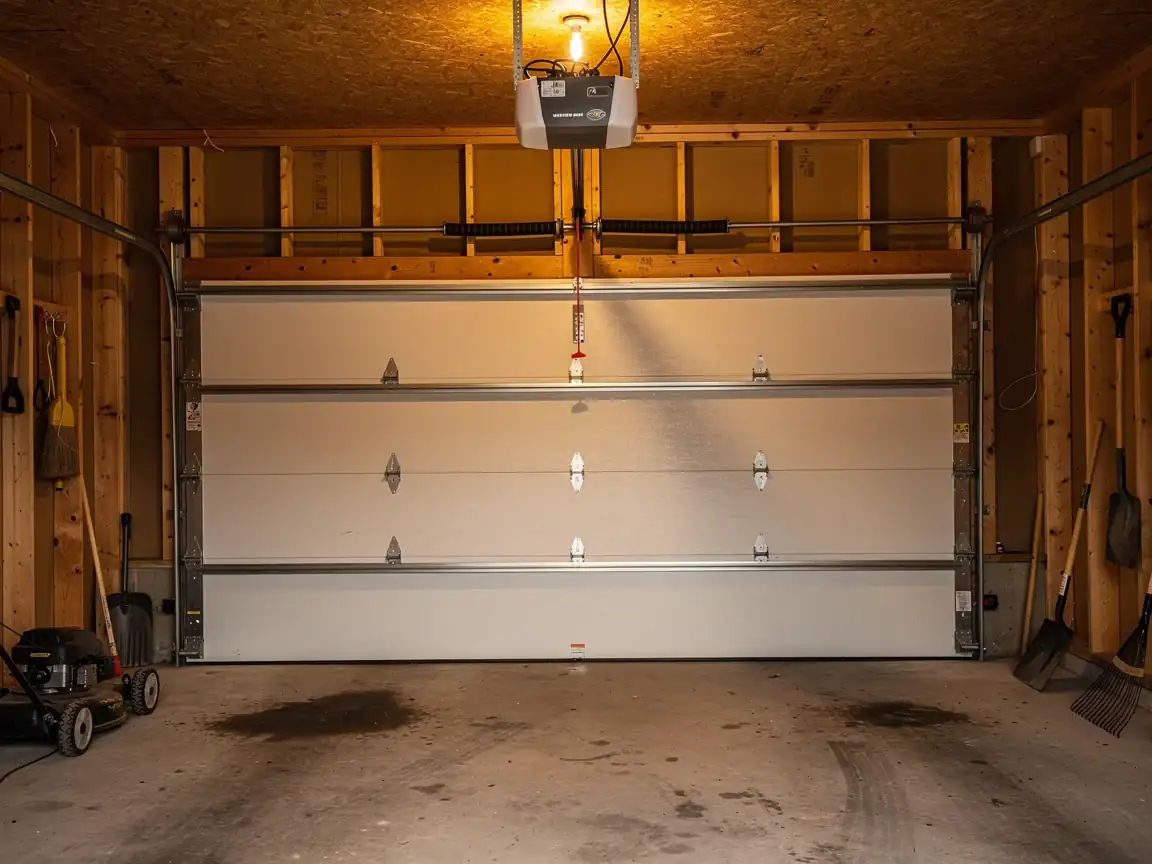
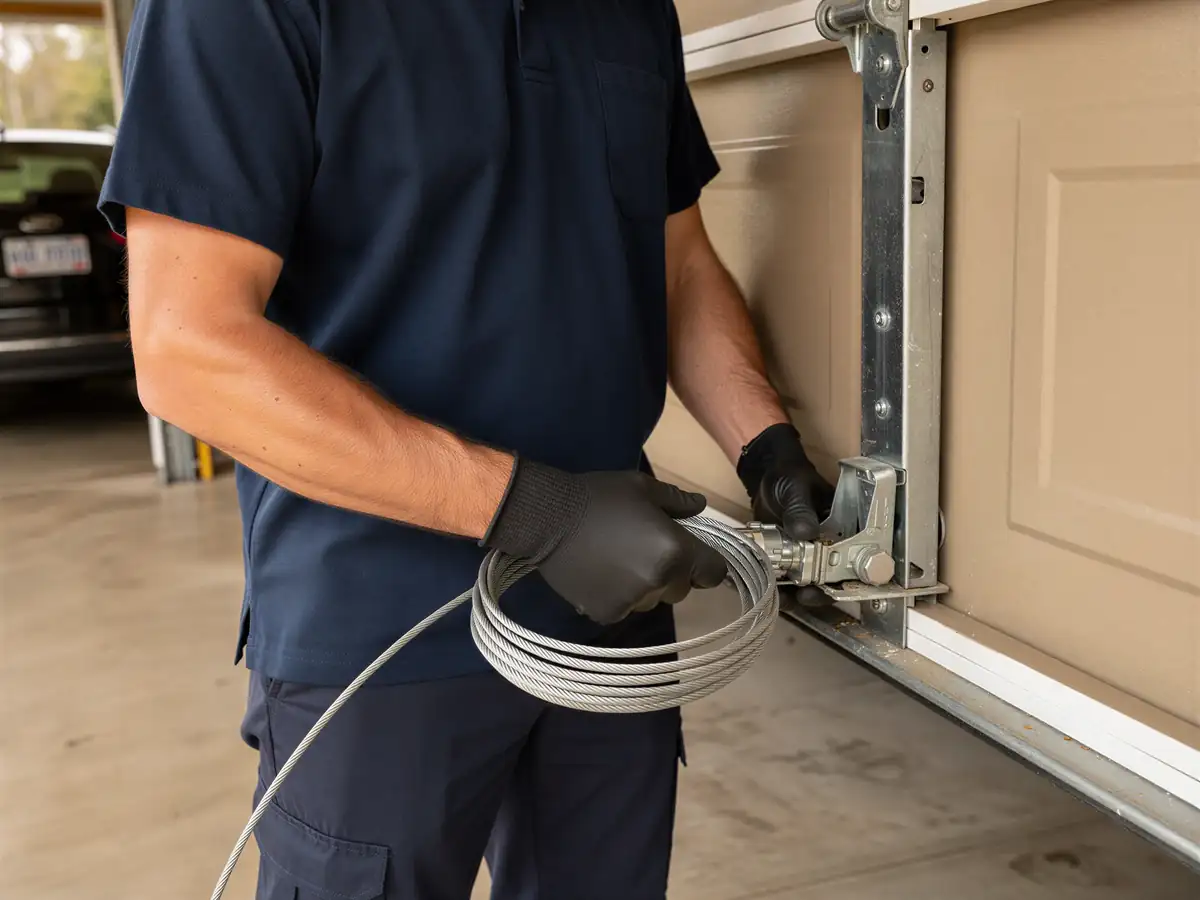
On a door that's never had its torsion spring replaced since the house went up around 1965, the first sign is usually a door that feels heavier on one side than the other, or an opener that strains and reverses partway up. Cables fraying at the bottom bracket show up as a door that drops unevenly, one corner lower than the other. Rollers original to a mid-60s install are usually steel, not nylon, and you'll hear them before you see them - a grinding or rattling that gets louder in cold weather, when the steel contracts and the track gaps open slightly. With 2,848 households in this pocket, we see the same failure pattern across a lot of driveways: original spring, original cable, original roller, all failing around the same age because they were all installed the same year.
What Causes It Around Here
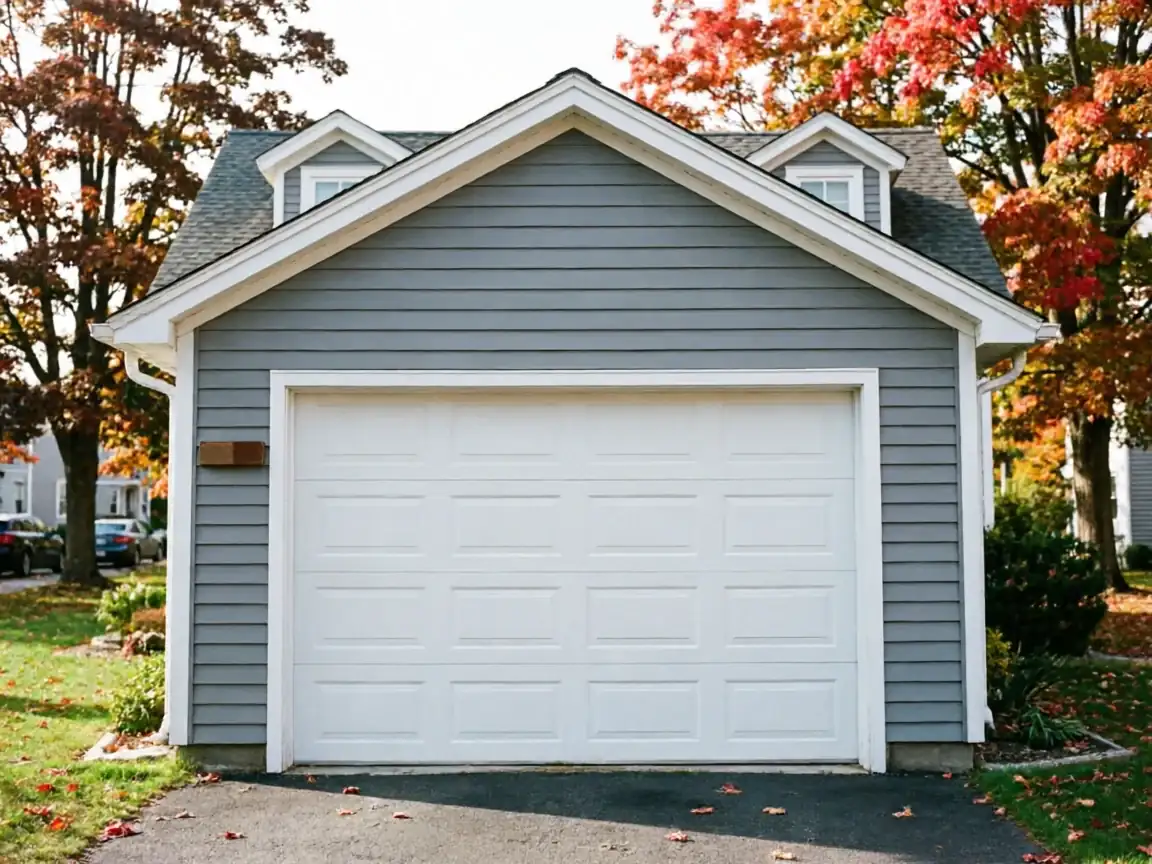
Housing in this part of the service area was built mostly between 1938 and 1996, with White Meadow Lake sitting right in the middle of that at 1965. A door and spring that have never been swapped are now pushing sixty years old, well past any manufacturer's expected cycle count for torsion springs, which is why we see more spring failures here than brand-new-looking damage. The region sits in a severe cold climate band, and steel springs and cables lose a little temper with every freeze-thaw cycle; a spring that would have lasted another few years in a milder climate gives out sooner here. Combine original-age hardware with forty-plus winters of that cycling and the failures cluster: spring first, then cable, then rollers, roughly in that order as the system ages.
How We Fix It
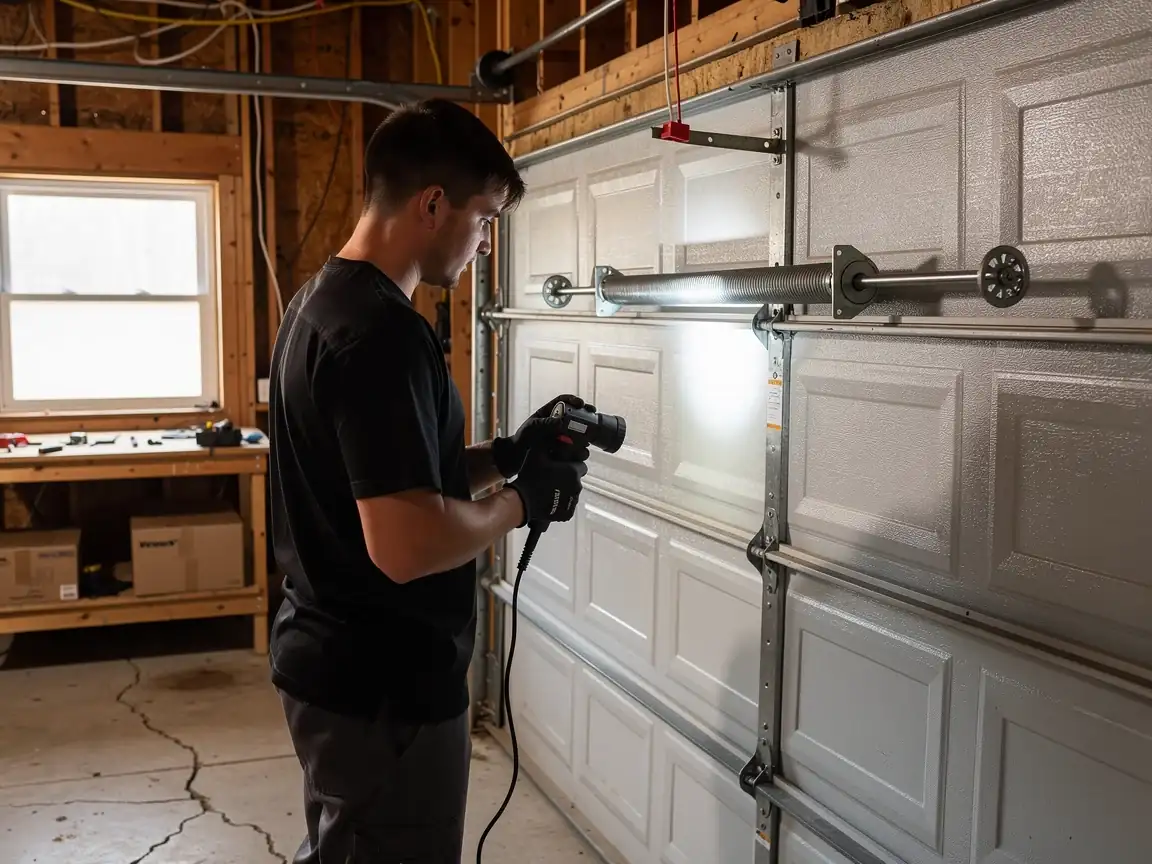
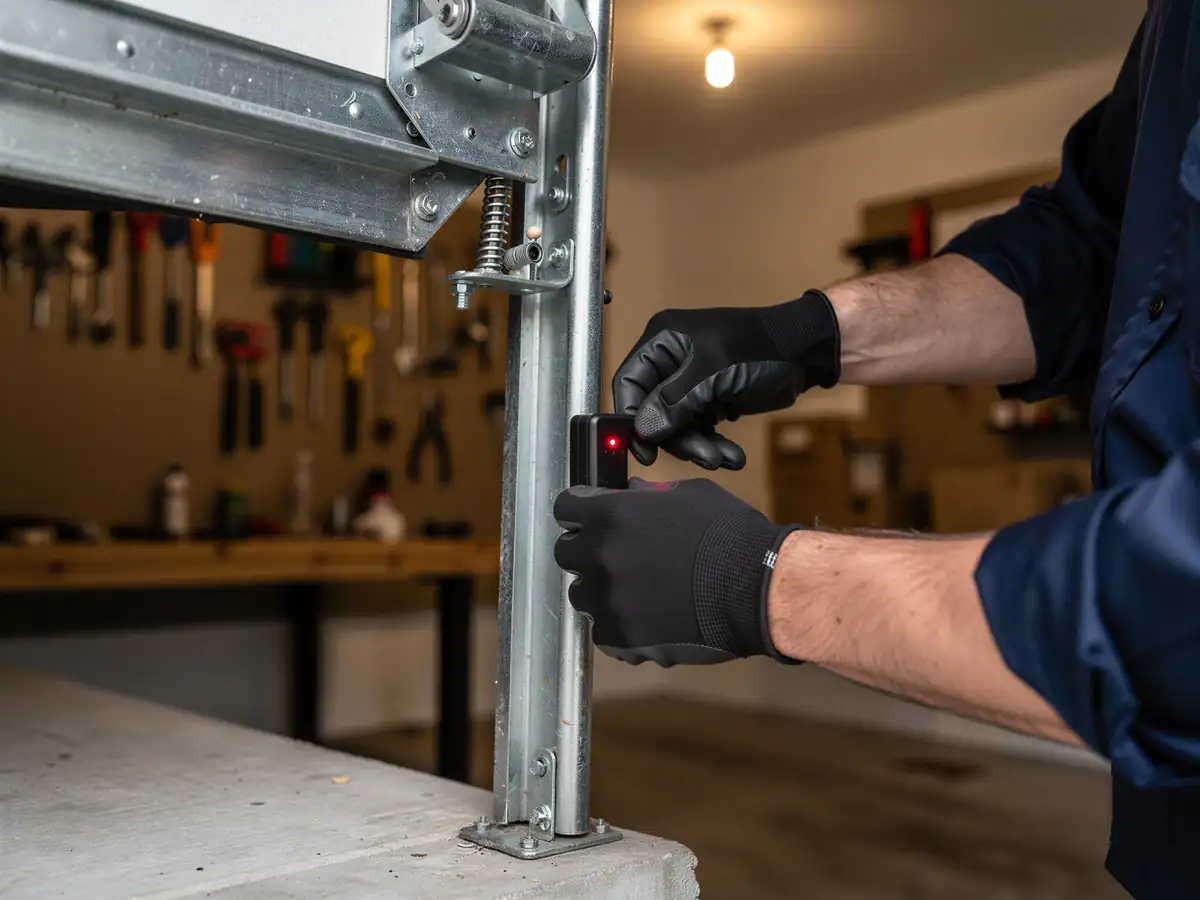
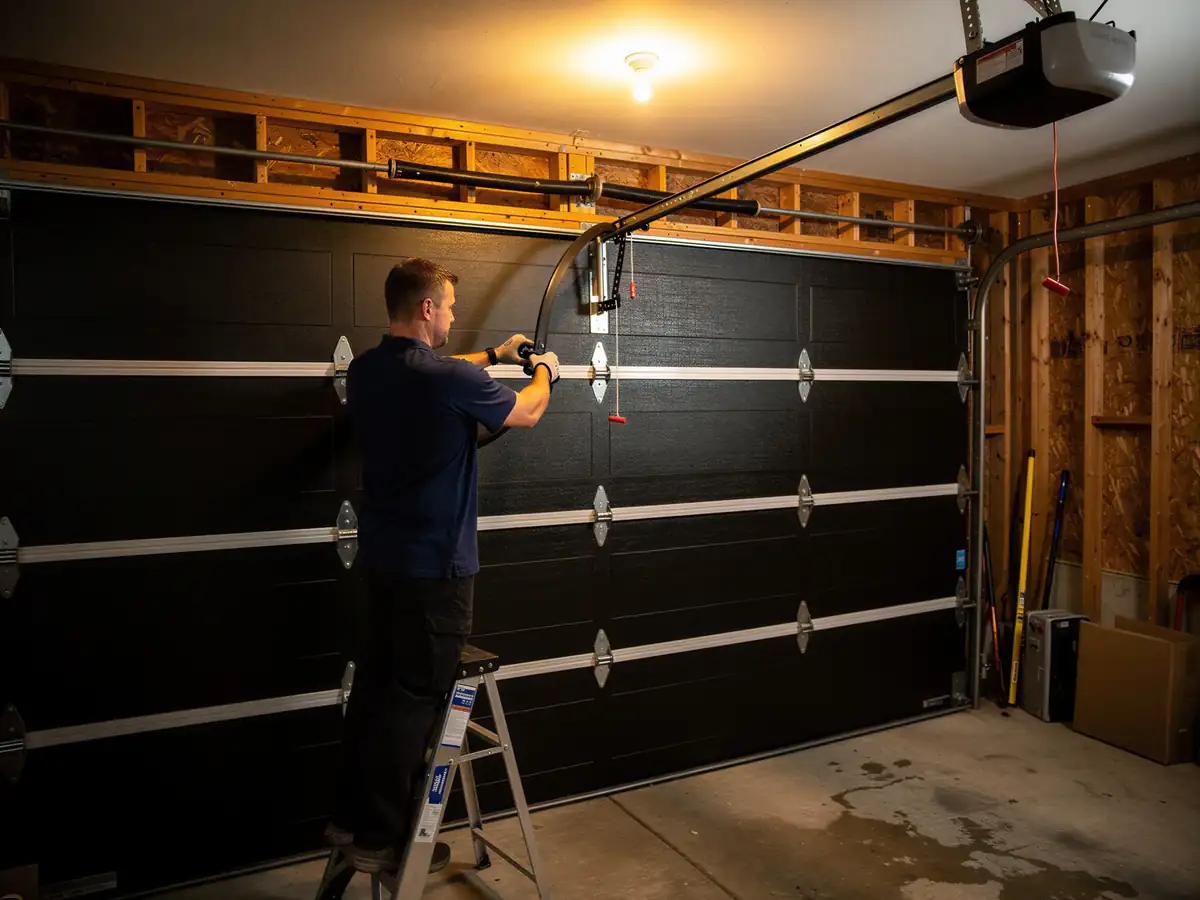
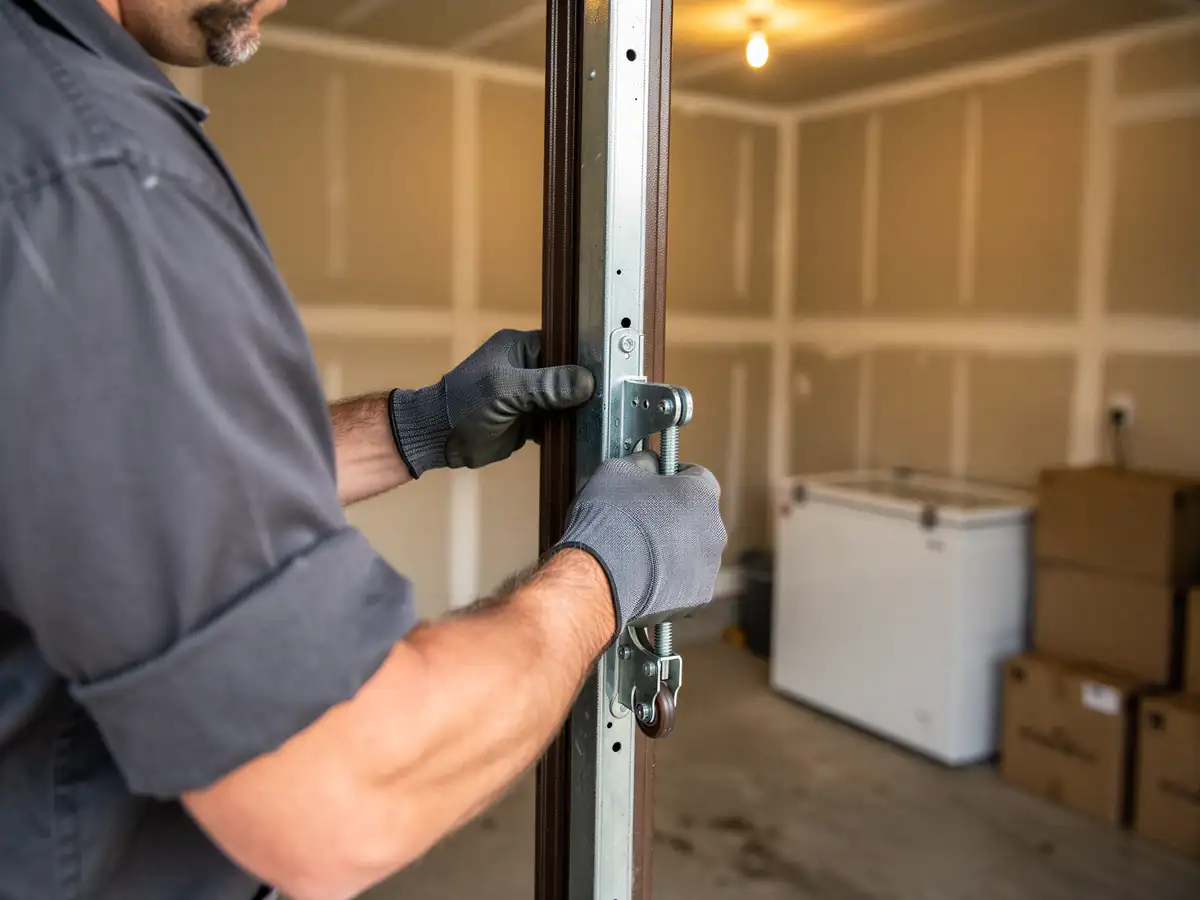
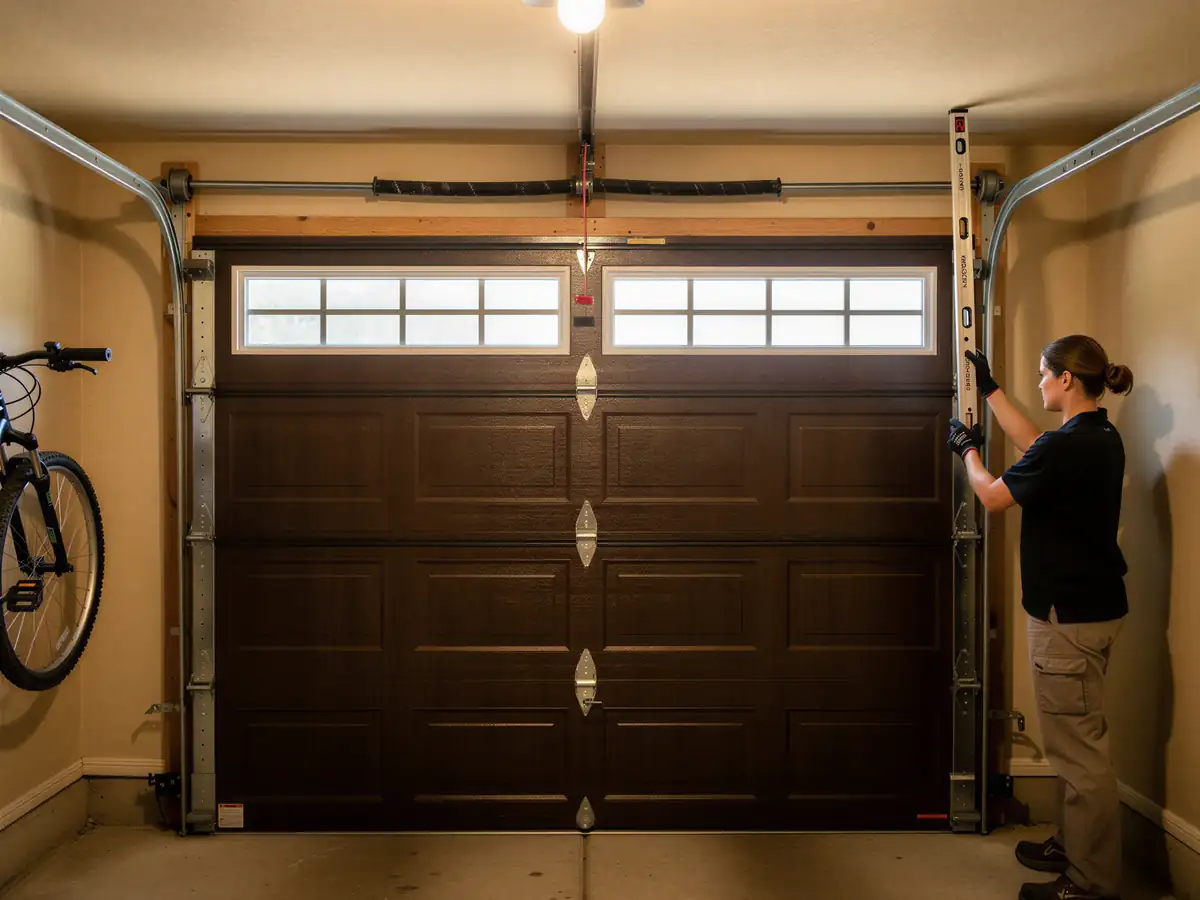
We replace what's failed, not the whole door, when the track and frame are still square - which on most of these 1965-era houses they still are, since the wood framing from that build period holds up better than the steel hardware bolted to it. That usually means a torsion spring matched to the door's actual weight and cycle count, new lift cables, and rollers swapped to nylon so they run quieter and don't need the lubrication steel rollers do. If the opener is original or close to it, we'll check whether it's a safety-reversal system that meets current standards, since a lot of openers from that era predate the photo-eye requirement. When the track itself is bent or the bottom bracket has rusted through, replacement is the honest answer over a patch repair, and we'll tell you that rather than charge you twice for a fix that won't hold.