How Long You Are Without the Door
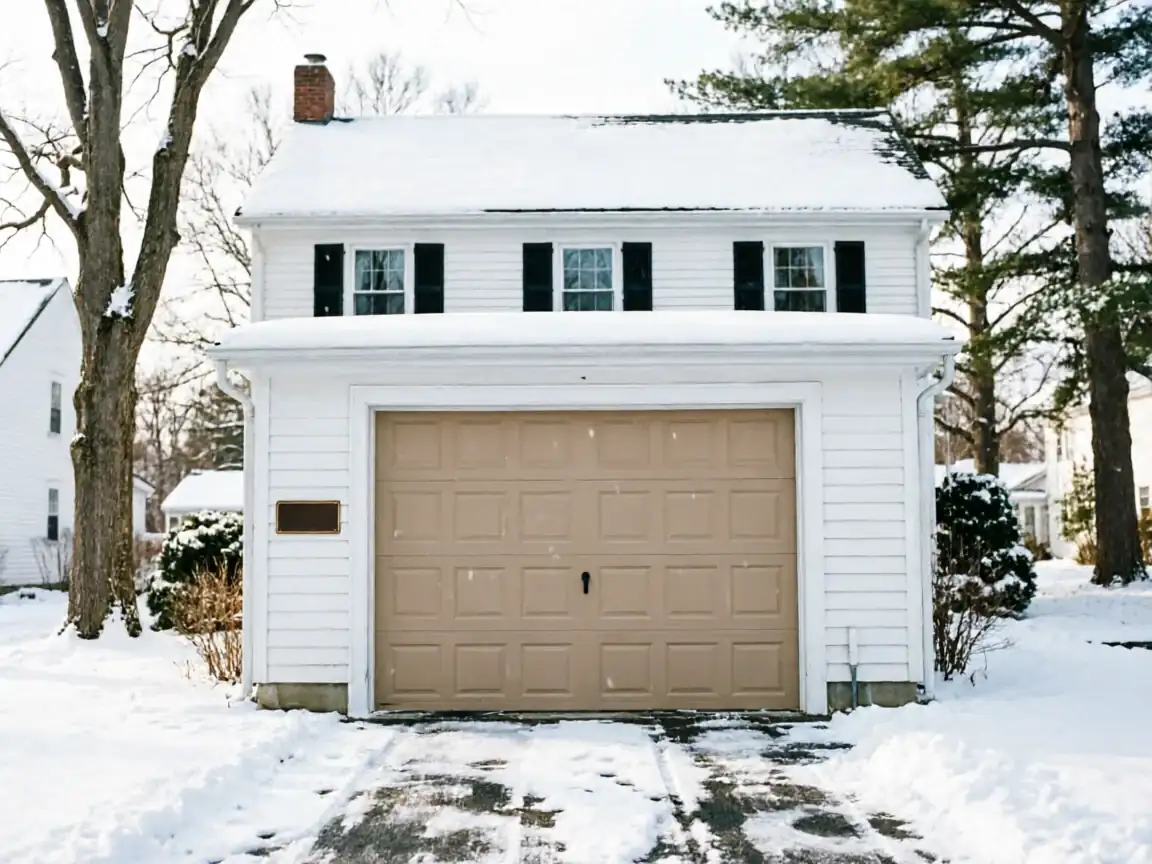
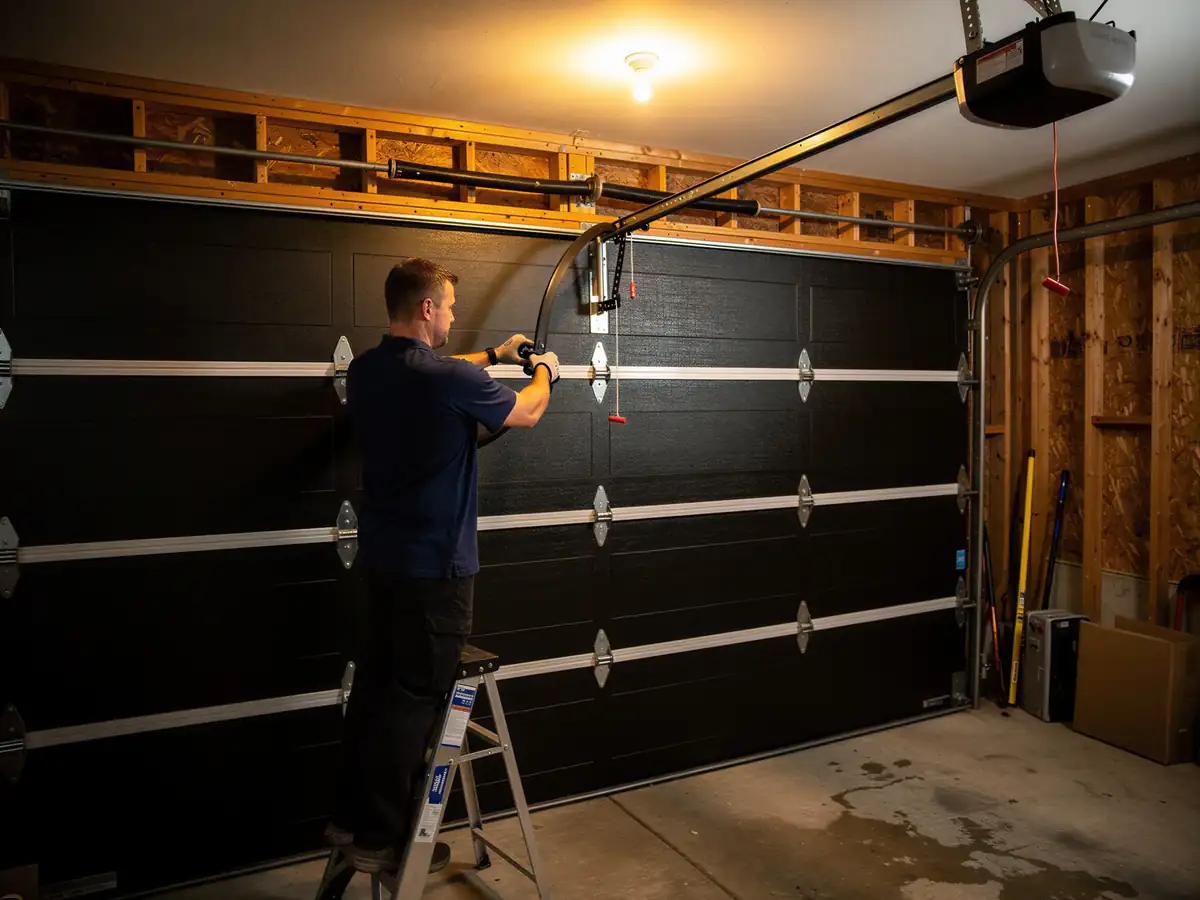
We run this job from our Randolph shop, six miles out to White Meadow Lake. That's close enough that a scheduled opener install doesn't turn into a half-day wait, but it also means we're not sitting on your street with a spare unit in the truck on the off chance you call. Book it, and we show up with the opener matched to your door's weight and travel already decided before we leave Randolph. The part that actually eats time on these jobs isn't the drive, it's matching a new opener's mounting bracket and travel limits to a door track that's been in the garage since the house was built around 1965. If the bracket doesn't line up, we're drilling and shimming, not swapping boxes. That's an hour you plan for, not an emergency.
How It Shows Up
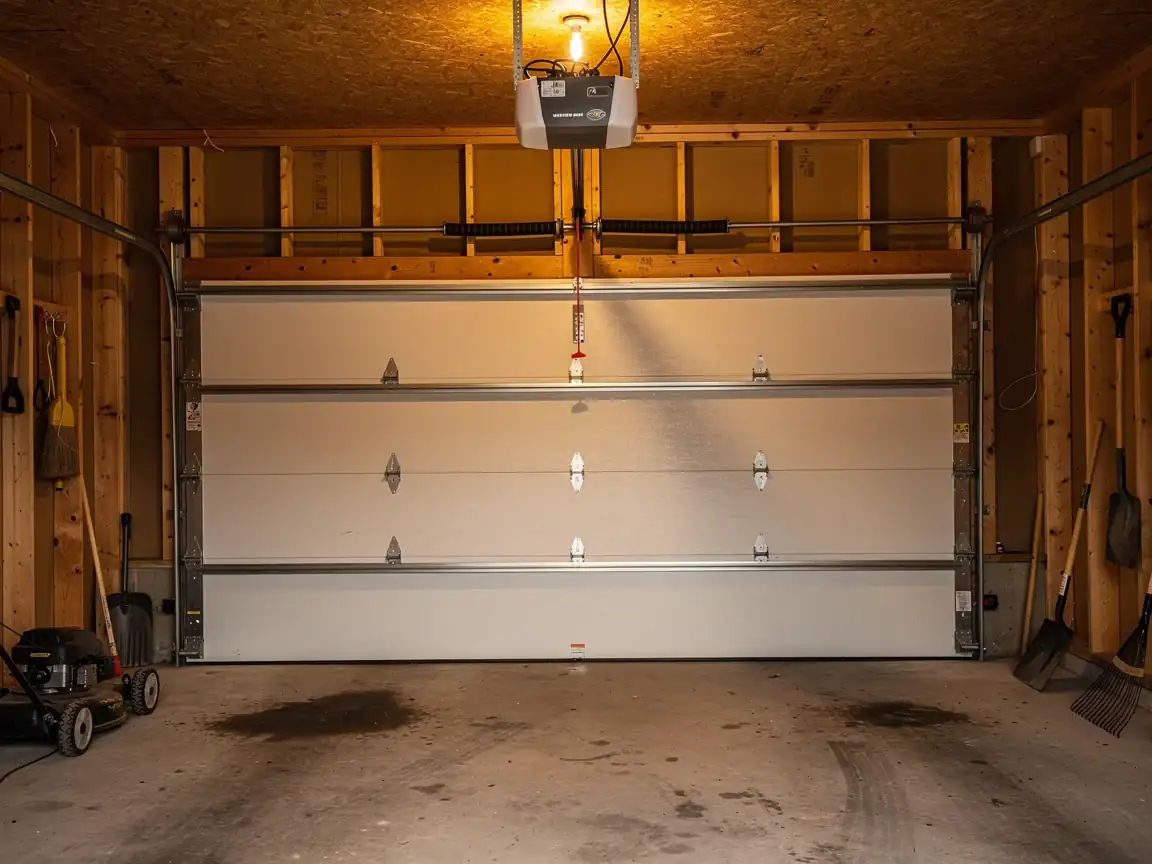
On a house from the 1965 era, the opener usually isn't the first thing to fail - it's the second. The chain drive strips or the gear inside the motor housing wears down, but what sends people looking for a new opener is the old unit fighting a door that's gotten heavier with age, worn rollers, or a spring that's lost tension. You'll hear the motor strain, see the door stutter halfway up, or get an opener that reverses on its own for no clear reason. On a smaller lot like most in White Meadow Lake, that strain shows up as noise that carries into the house - people notice it long before the door actually quits.
What Causes It Around Here
Winters here get cold and stay cold, and an unheated garage puts real strain on an opener's gearing and the lubricant inside it - stiff grease means the motor works harder every single cold start, for months at a time. On a door that's original or close to it, that daily strain against a 1965-era track adds up faster than it would on a newer, better-balanced door. We don't have a weather event to point to here, just the ordinary grind of a cold-climate winter repeated for decades. That's enough on its own to shorten an opener's life, especially when the door it's lifting wasn't engineered to today's spring and balance standards.
How We Fix It
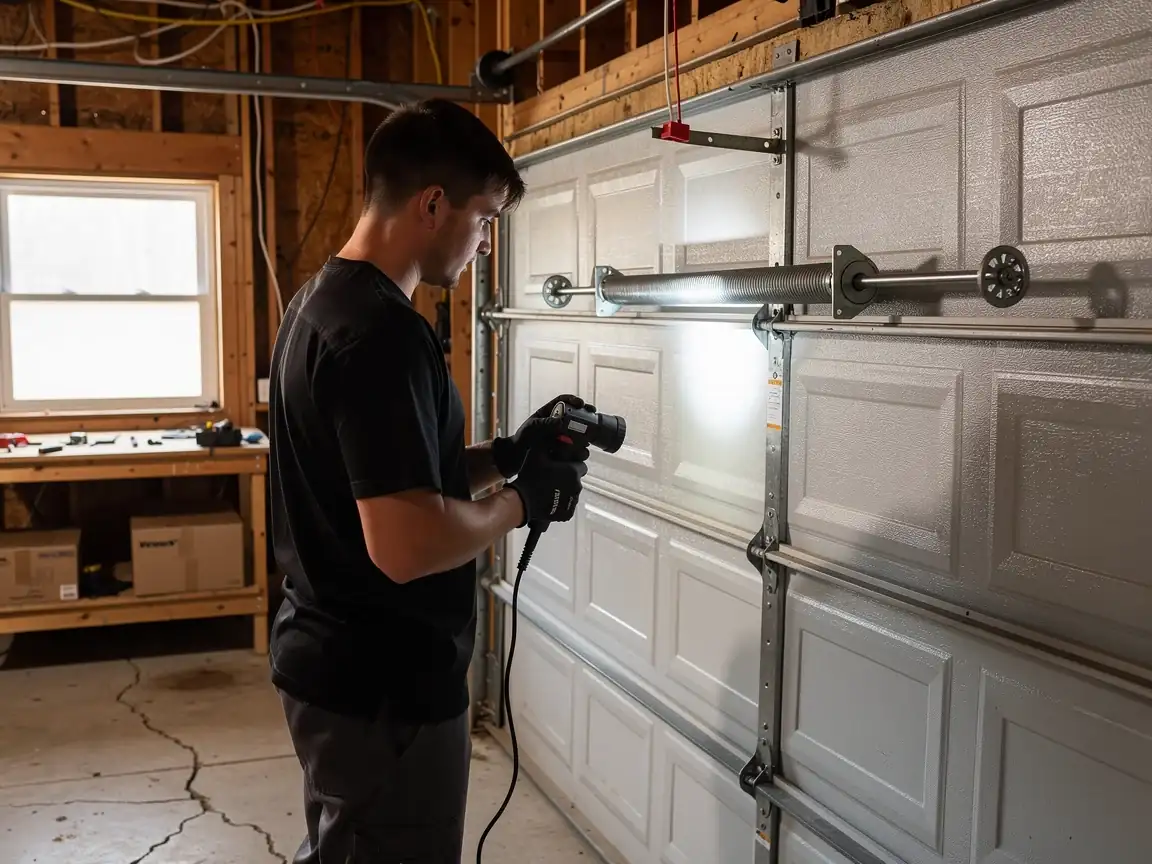
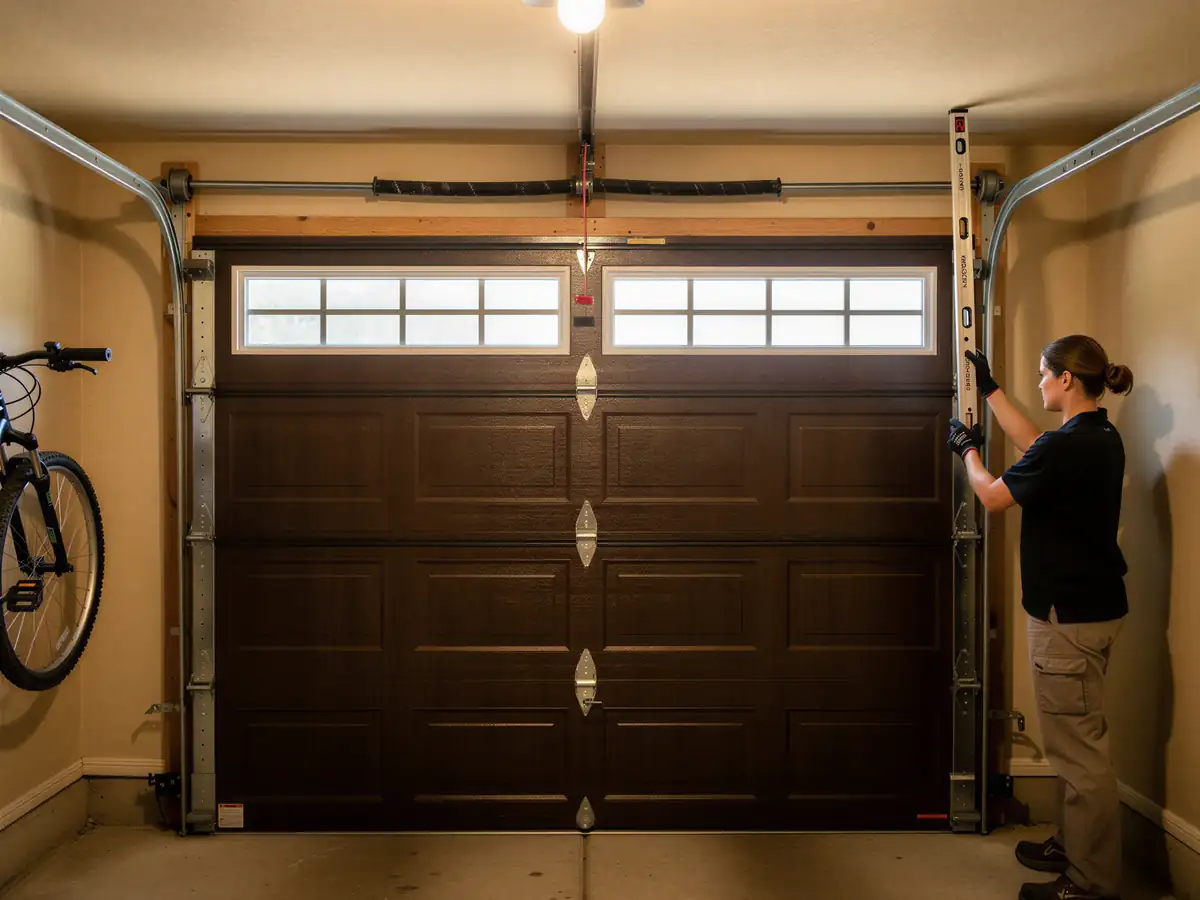
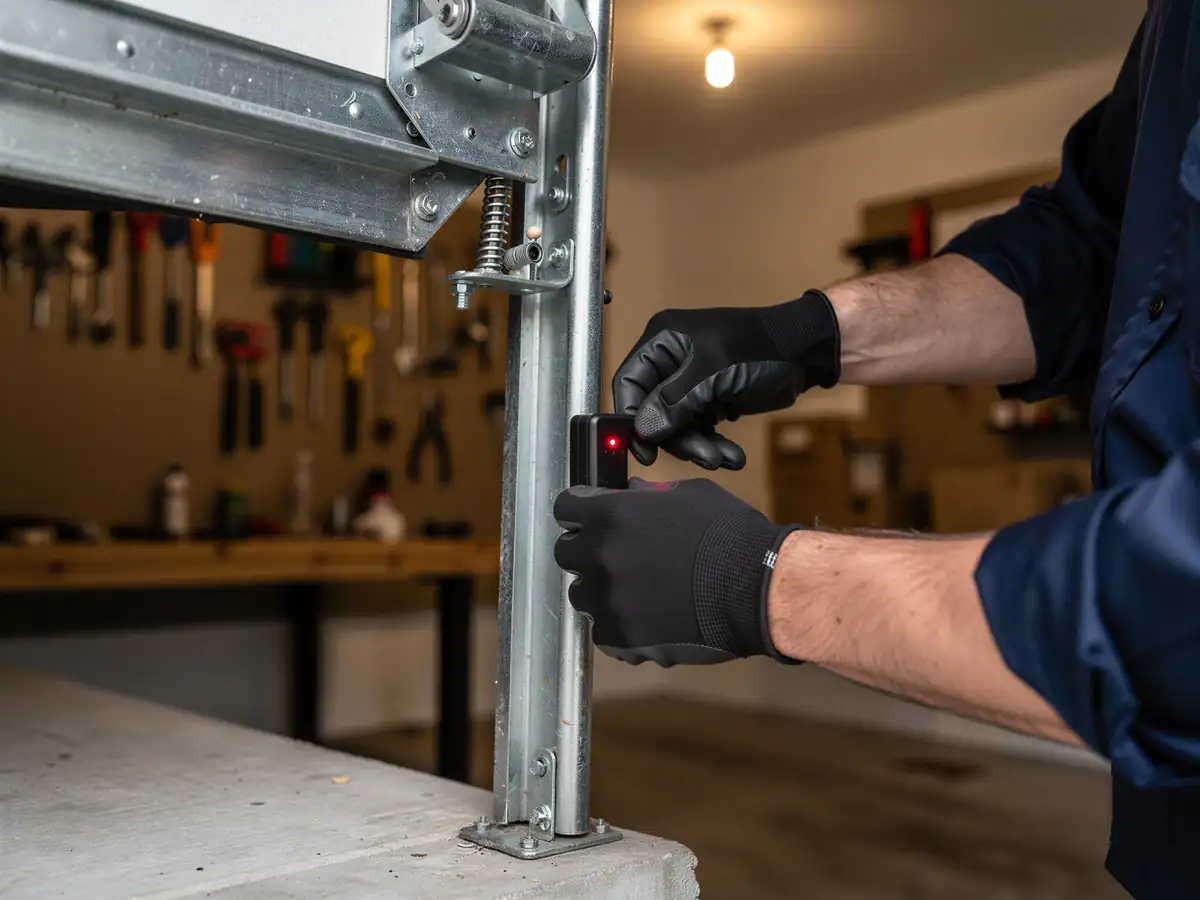
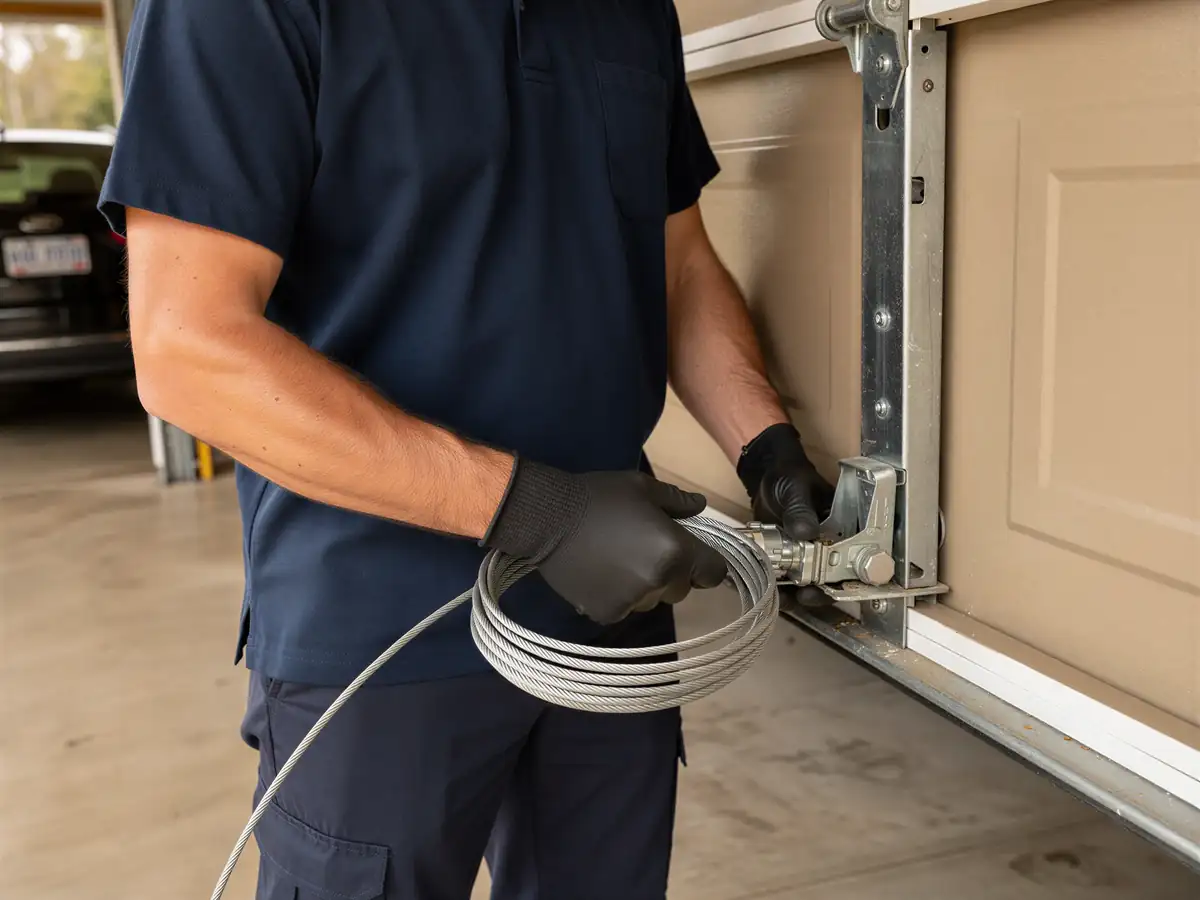
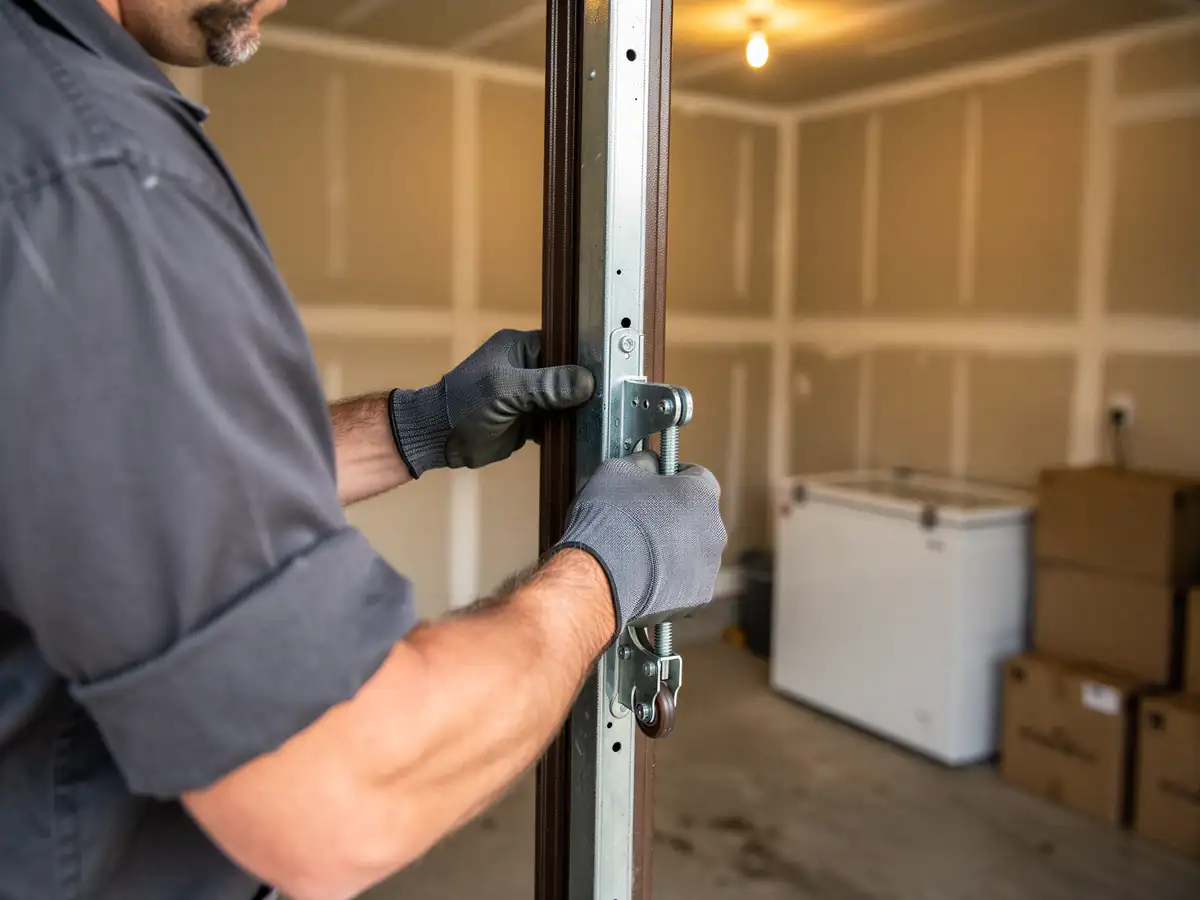
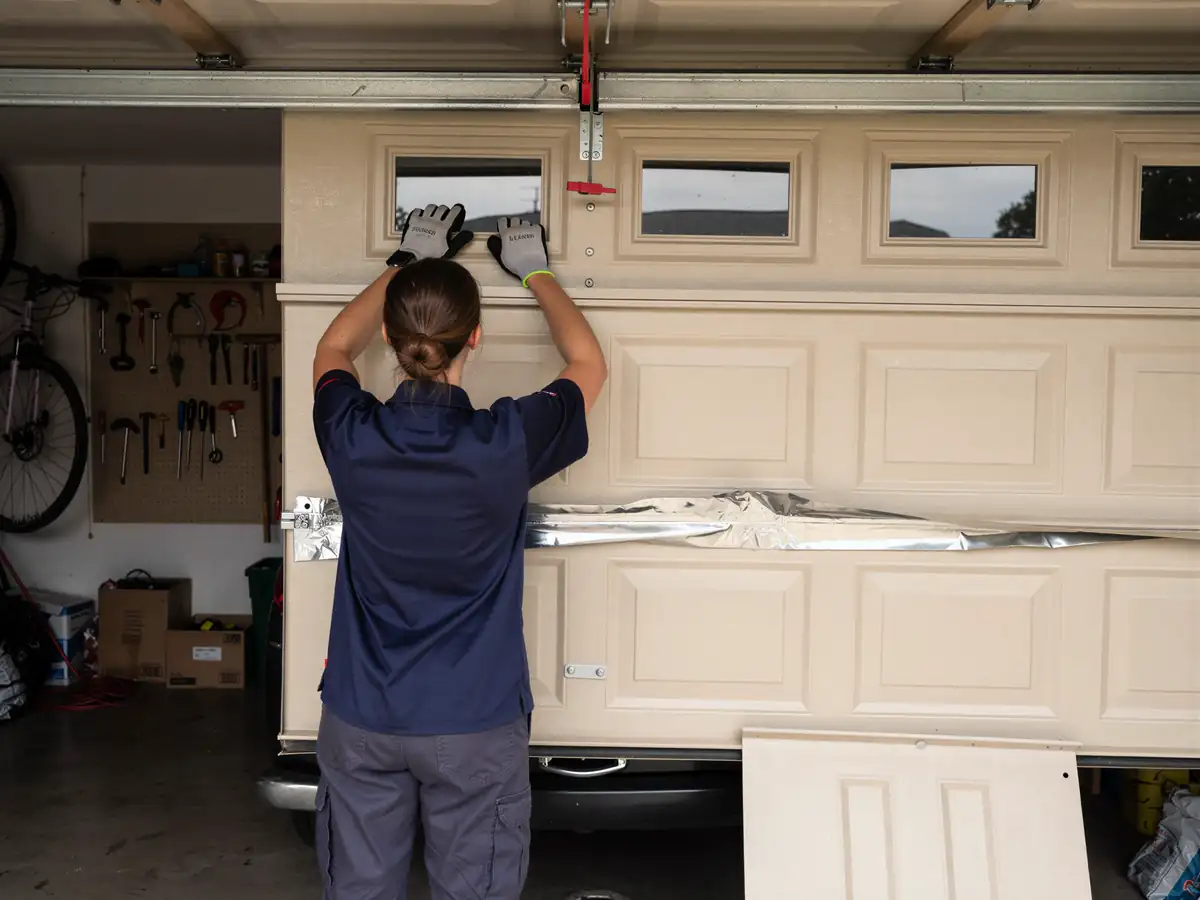
We size the opener to the door's actual weight and age, not just whatever horsepower sounds safest, then set the travel limits and force settings by hand rather than trusting a factory default. On older doors, we also check the spring tension and track alignment before we hang a new motor on a door that's still fighting its own hardware - installing a good opener on a door that's out of balance just means the new motor wears out the way the old one did. If the door itself needs work first, we'll say so before we quote the opener, not after.