How Long You Are Without the Door
The fault we run into most on panel calls here isn't the dent itself - it's that the dented panel doesn't exist anymore. White Meadow Lake's housing sits around a median build year of 1965, which puts most of these garages into steel sectional doors with panel profiles that manufacturers stopped making decades ago. That changes the timeline. A straightforward single-panel swap on a door still in production might close out same visit. A door from this era usually means we're hunting a matching panel from a limited supplier list, or recommending a full door instead. We tell you which one you're looking at before we quote anything, not after.
During that wait, the door usually still operates - unless the dent is binding the track or the panel seam has split enough to let the roller walk out of its channel. If that's happening, we'll leave the door secured rather than let it run rough and take the opener motor down with it. That's a short-term fix, not a repair.
How It Shows Up
On a 1960s-built door, panel failure shows up two ways. The obvious one is impact damage - a dent from a car bumper or a thrown snowblower chute that's buckled the steel enough to bind against the track. The less obvious one is seam rust working from the inside out, which is common on steel panels that have been through enough cold-season freeze-thaw cycles to let moisture sit at the panel joints. You'll see bubbling paint or a rust line along the bottom edge of a panel before you see a hole.
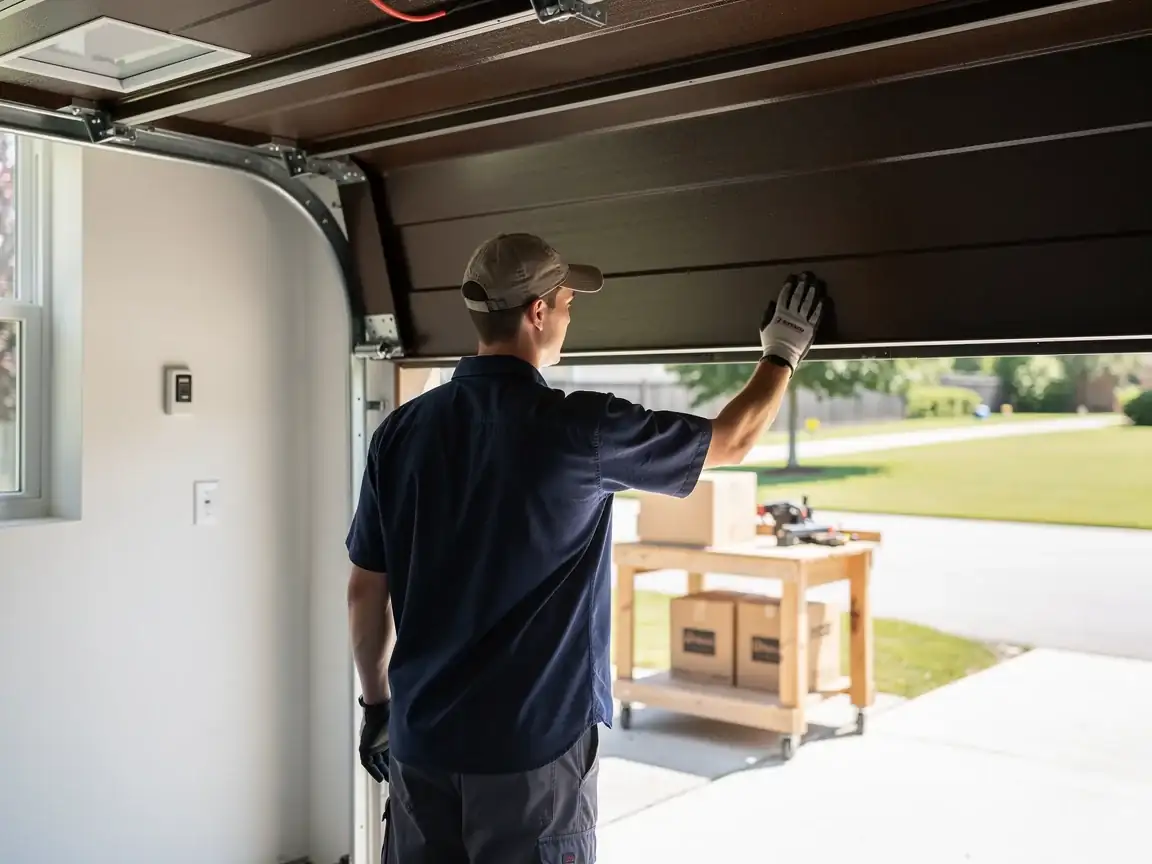
Either way, the tell is usually a door that labors on the way up - not because the spring is going, but because a warped or dented panel is dragging slightly against the track rail the whole run. If only one section is affected and the rest of the door is sound, panel replacement is usually the right call instead of a full door.
Doing It Yourself
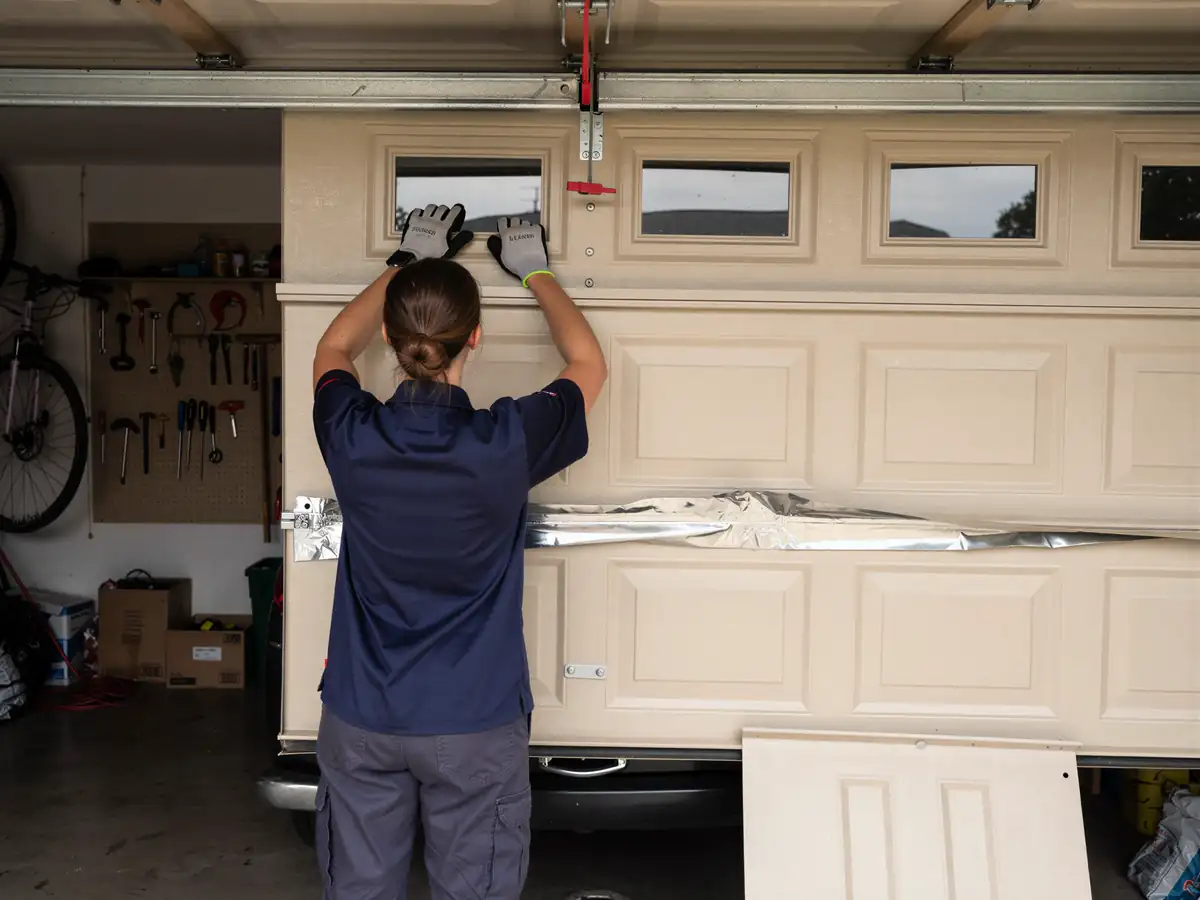
Swapping a single garage door panel is one of the more DIY-friendly repairs on a door, in theory
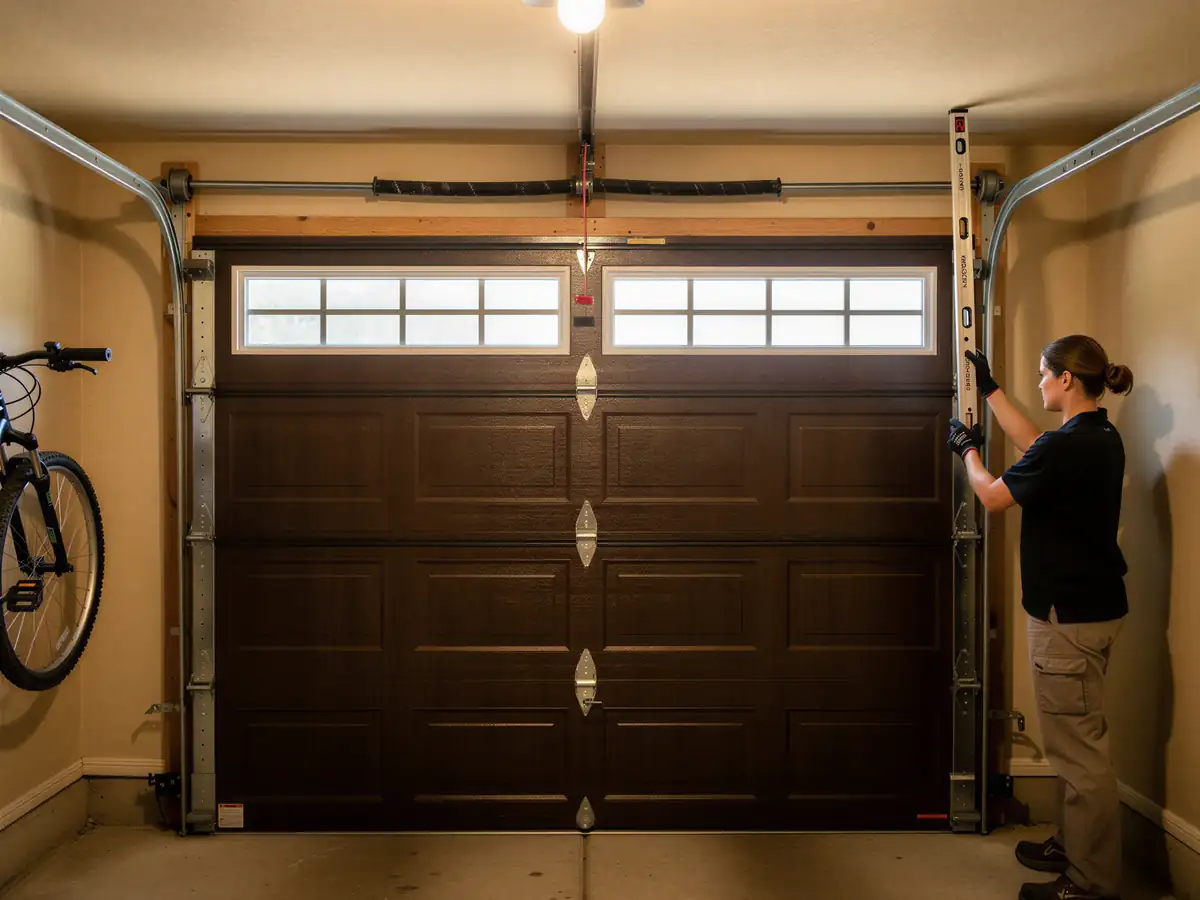
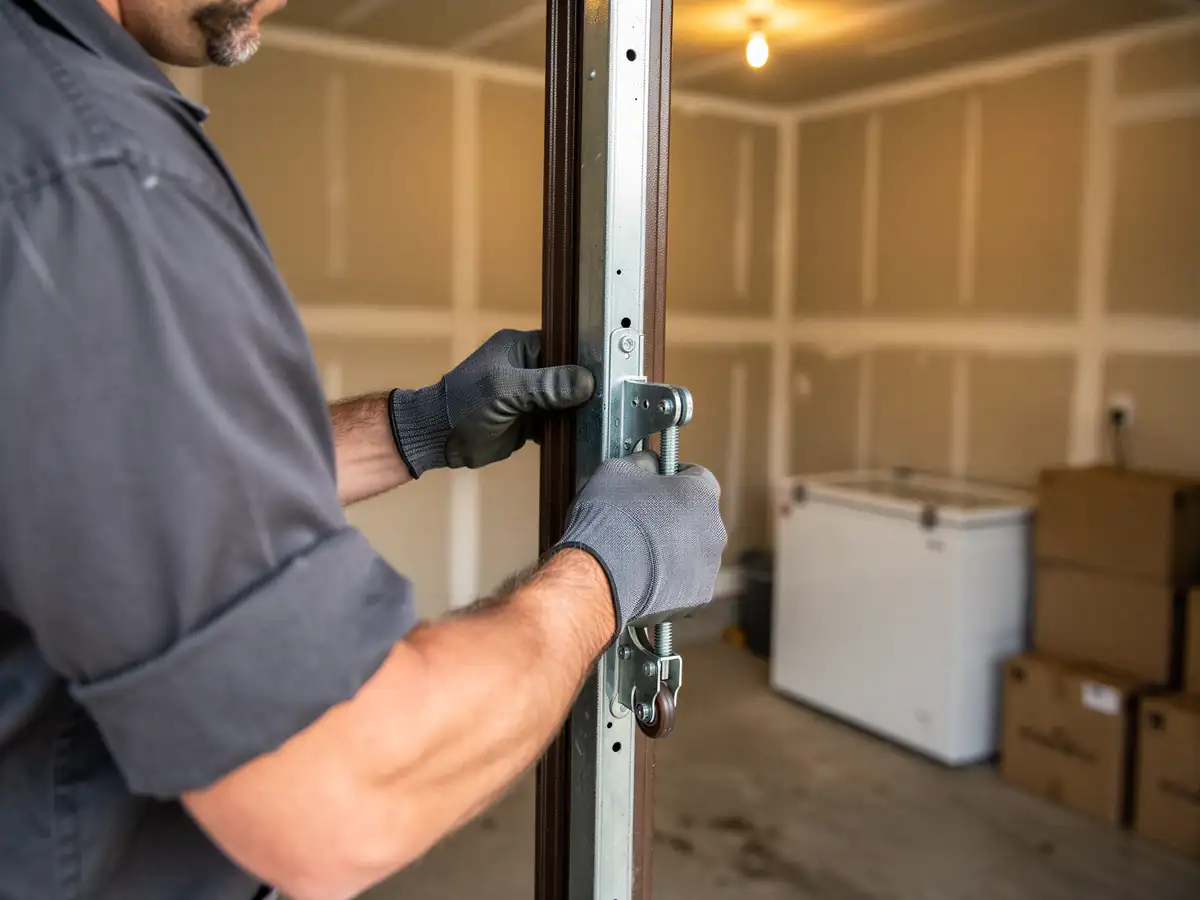
Unbolt the hinges, slide the old panel out, bolt the new one in. In practice, the hard part isn't the bolts. It's finding a panel that matches a door built around 1965, since that model line and its exact rib pattern, color, and panel height are long out of production. Ordering the wrong width or the wrong hinge spacing means a panel that bolts on but doesn't sit flush, which throws off the whole door's balance against the spring.
We're straight about this one
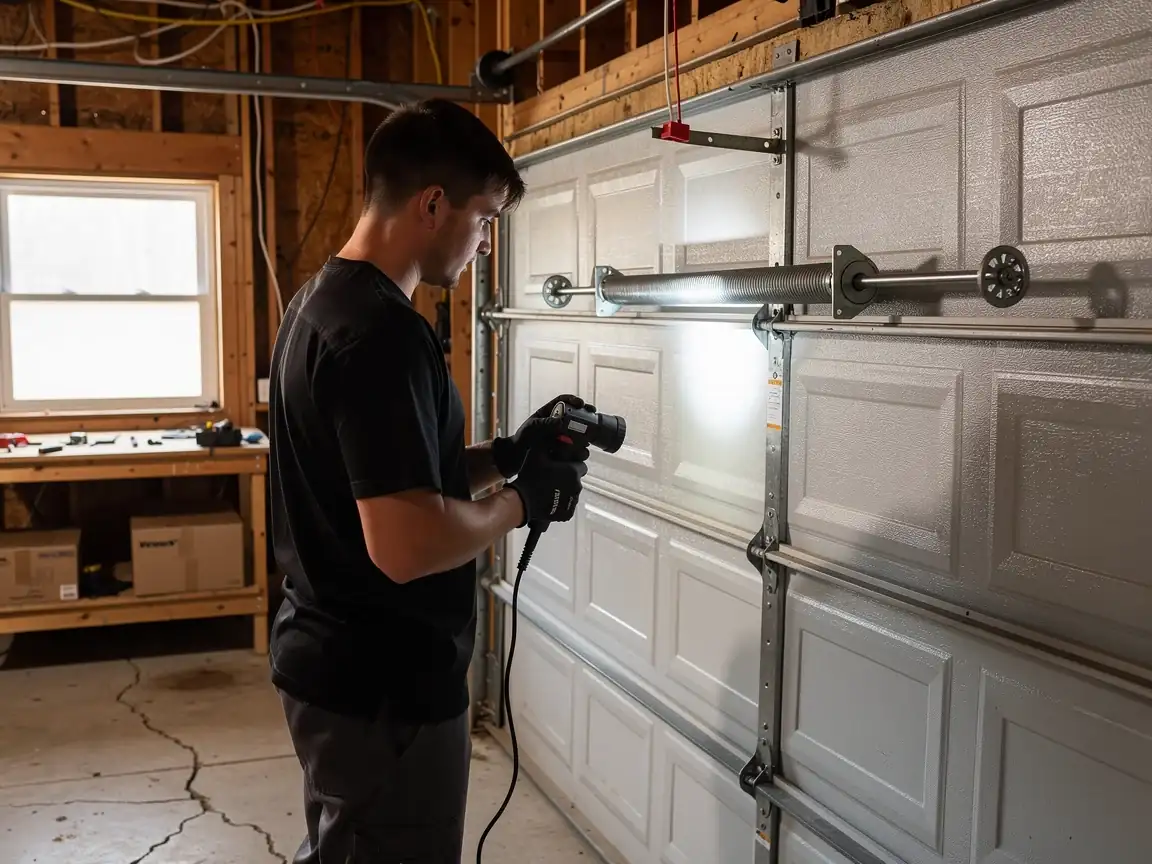
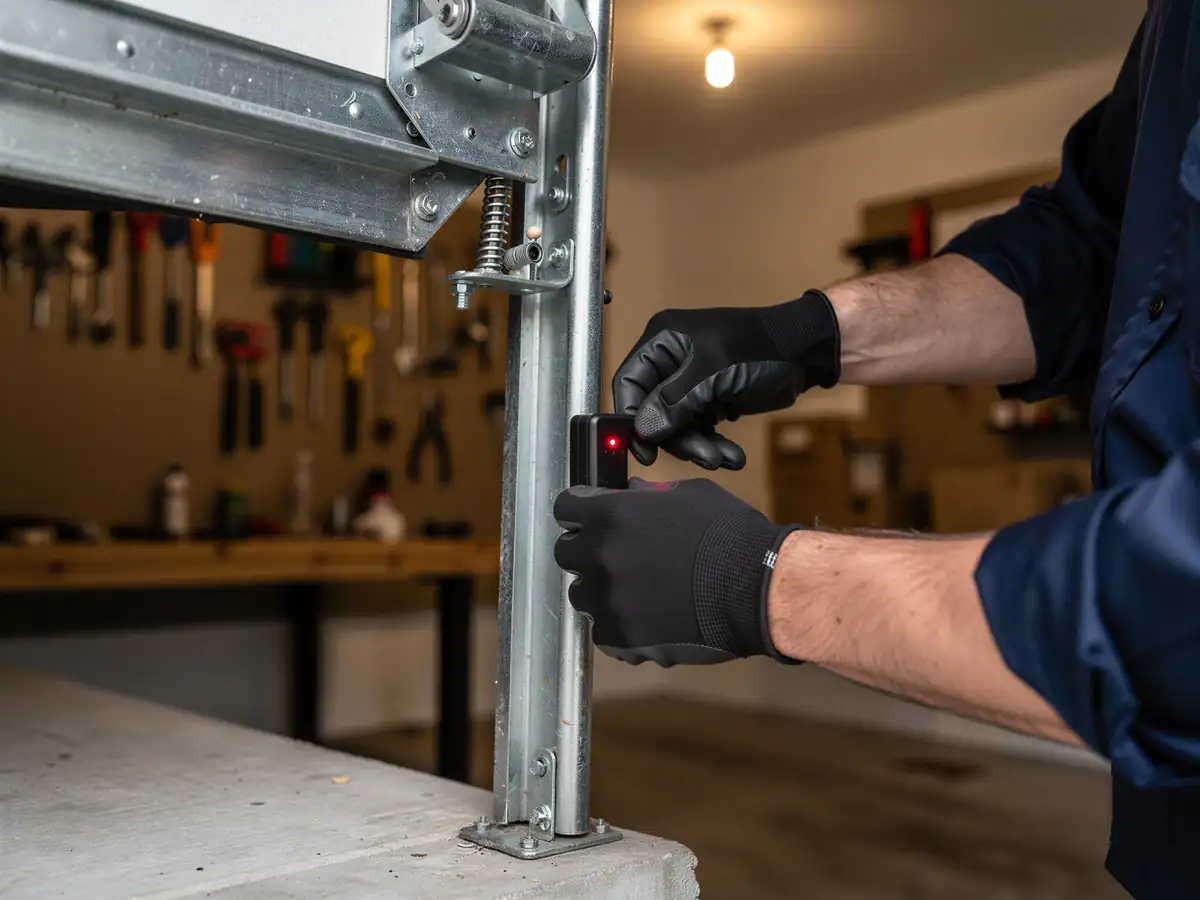
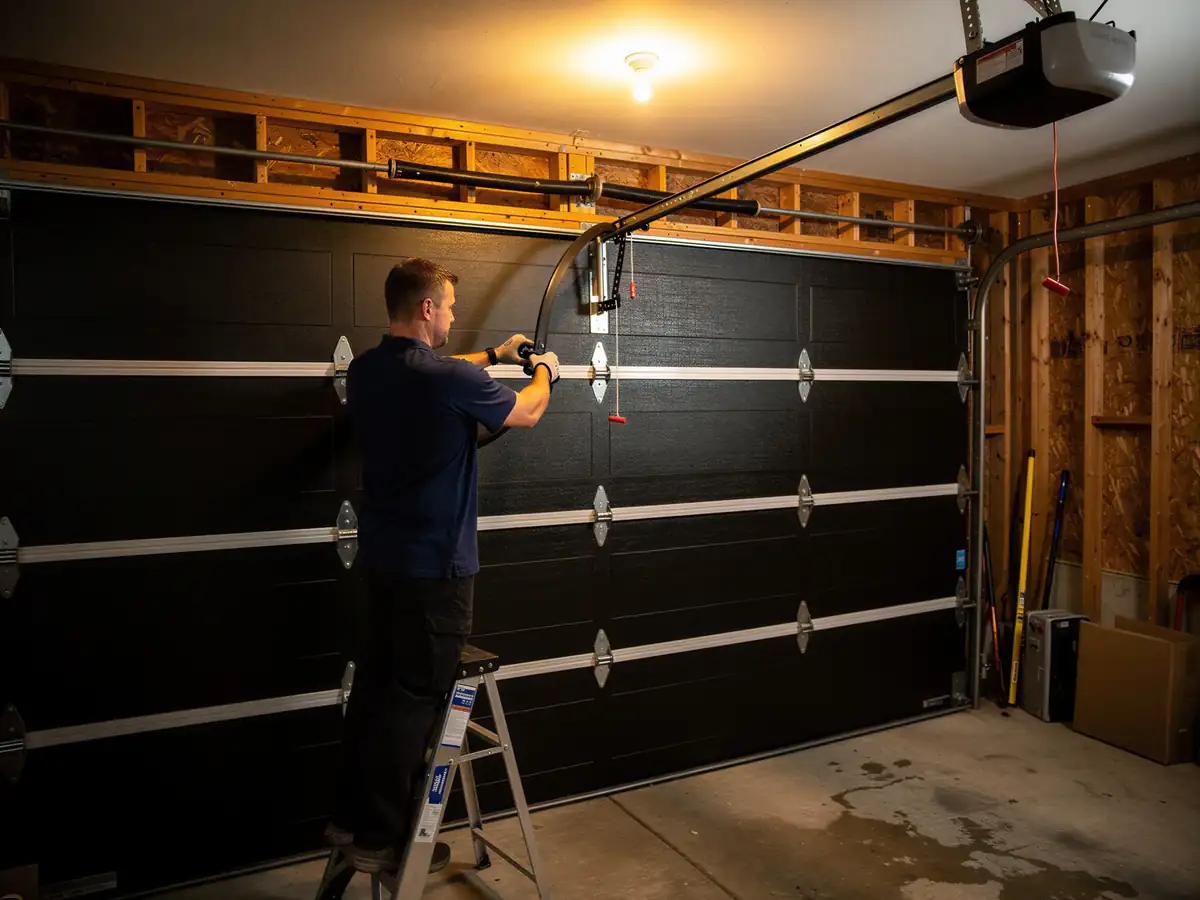
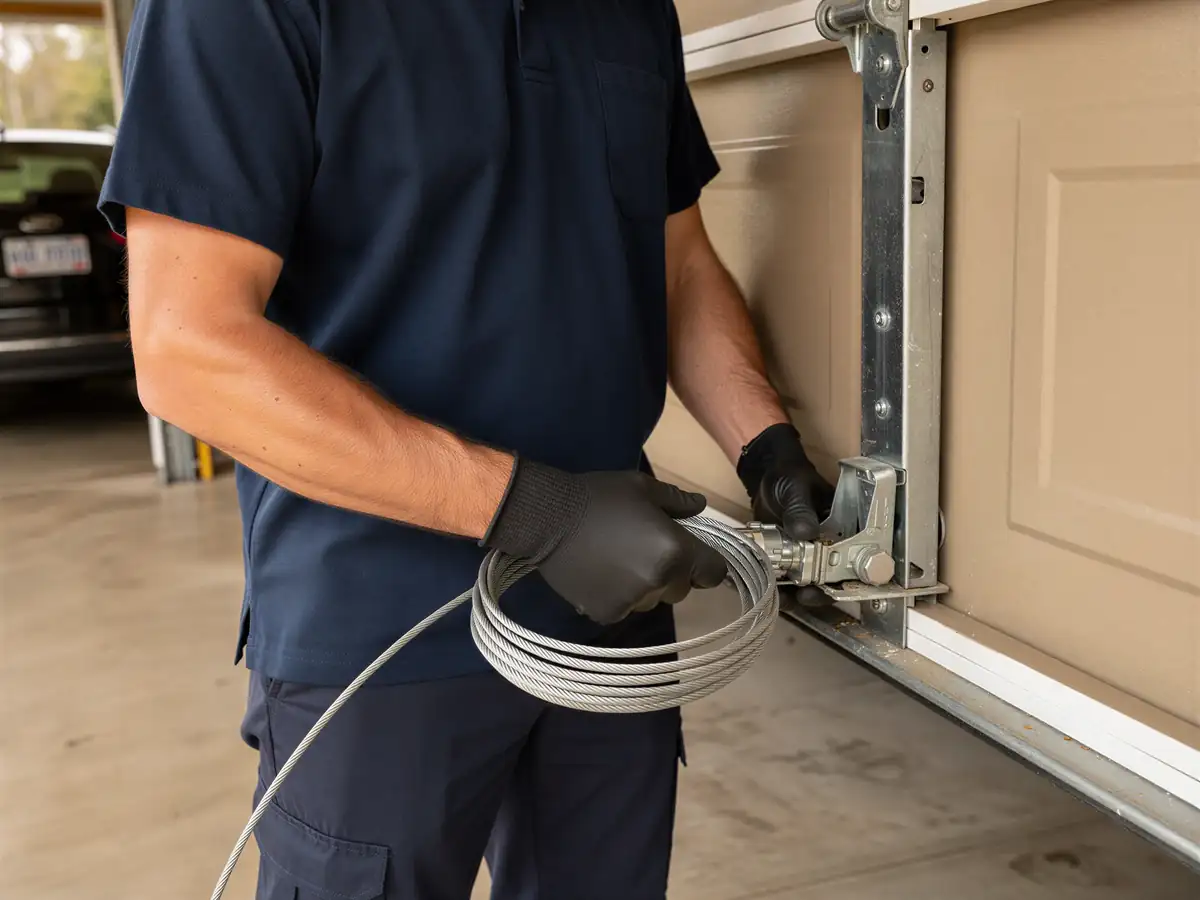
If you've already sourced a matching panel yourself, the install itself is within reach for someone comfortable with a ladder and a socket set. Where we'd stop you is on anything involving the torsion spring or cable while the door is apart - that's where a panel job turns into an ER visit if it goes wrong.
What Causes It Around Here
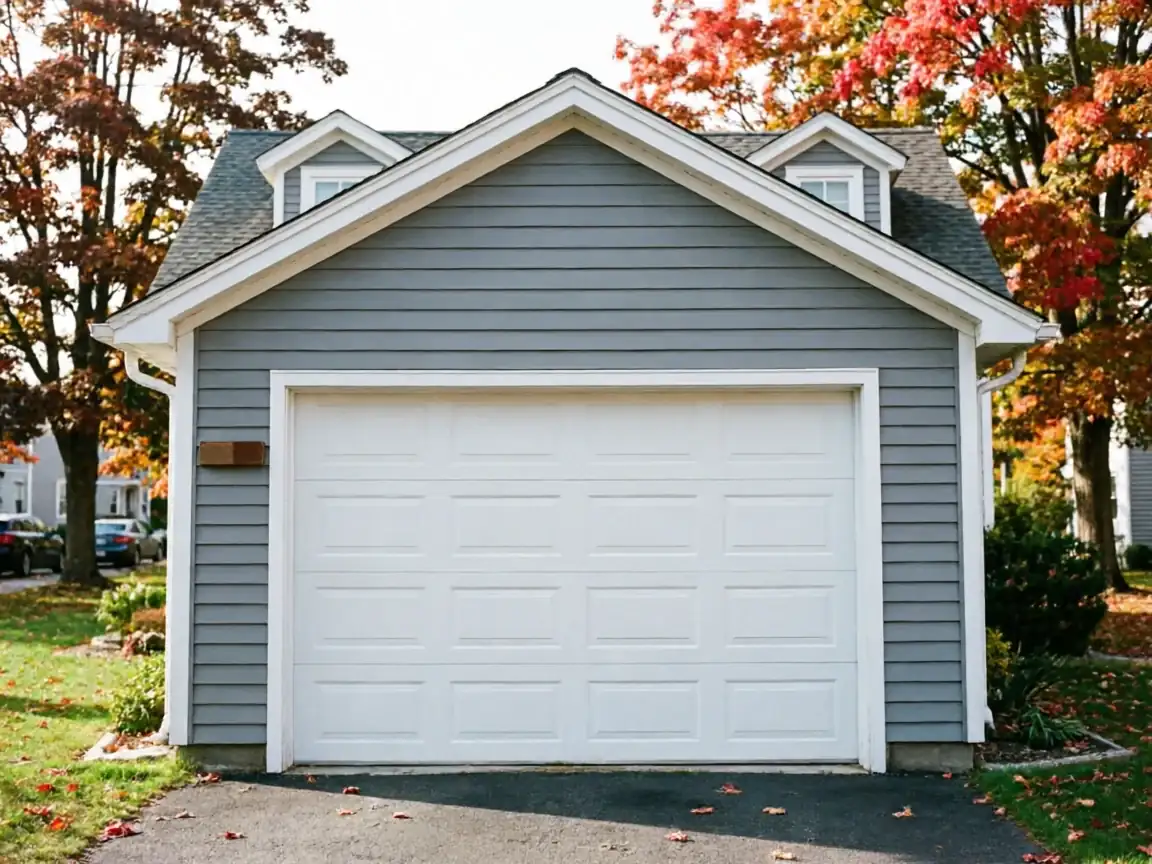
White Meadow Lake is a small, tight community - around 2,848 households - built mostly in a single stretch of the 1960s, so the garage doors out here cluster around the same handful of steel panel styles rather than a wide mix of eras. That's actually useful: when we've matched a panel for one house on this side of the lake, there's a decent chance the same stock fits a few others nearby.
The climate does its part too. This area sits in a cold-climate band with real seasonal swings, and steel panels from this era weren't built with the same galvanizing or insulation layer you'd get on a current door. Seam rust and panel warp from freeze-thaw cycling are the main culprits we see, more than one-time impact damage. A door that's been quietly rusting at the bottom seam for a few winters is often the one that finally cracks the panel on an ordinary cold morning, not a dramatic one.
How We Fix It
We measure the panel - height, width, rib count, and hinge spacing - against what's actually available before we promise anything. If a matching panel exists, we order it and swap just that section, which keeps the door's original look intact and is the cheaper of the two paths. If the profile's discontinued, which is common on 1965-era stock, we'll lay out the case for full-door replacement instead of a visibly mismatched patch.
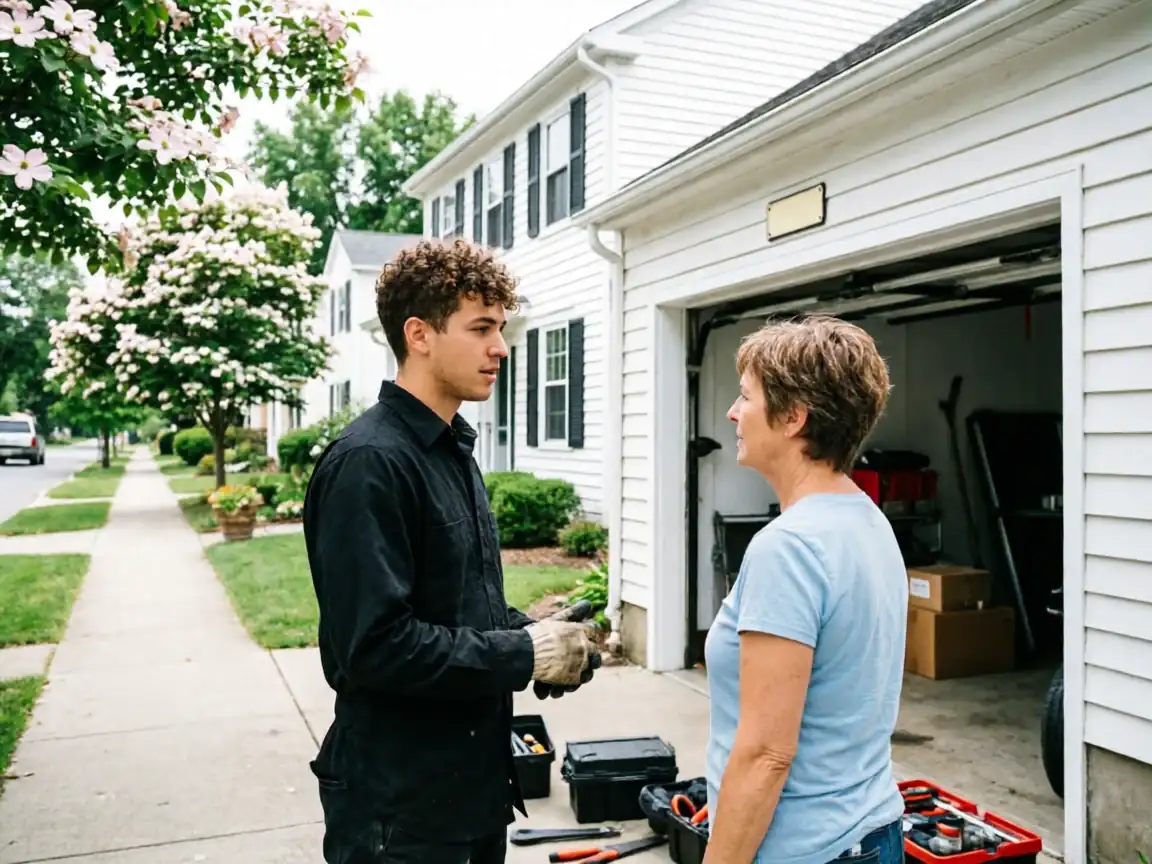
We drive out from our Randolph shop, six miles to White Meadow Lake, and we carry common panel stock on the truck so a straightforward match doesn't need a separate measuring trip. What we won't do is bolt on a close-enough panel that throws the door's balance off against the spring - that just turns into a second call sooner than it should.