How Long You Are Without the Door
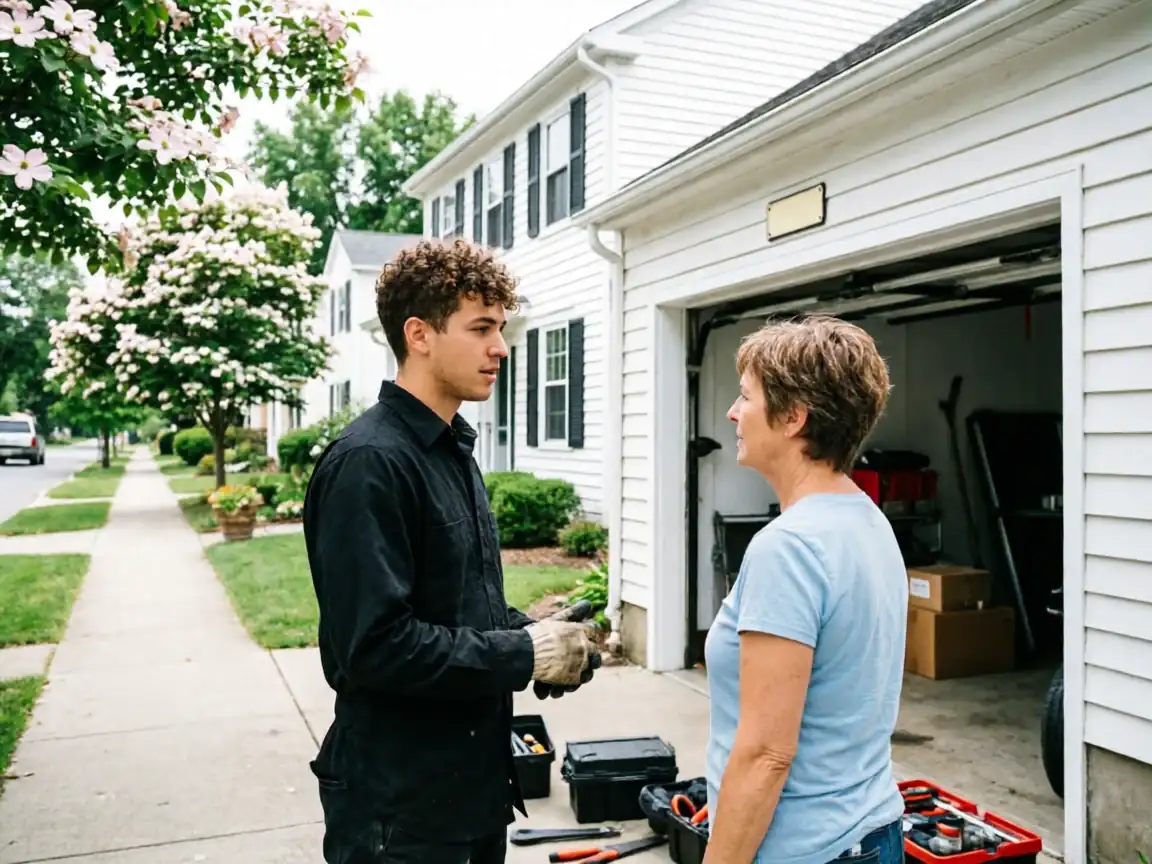
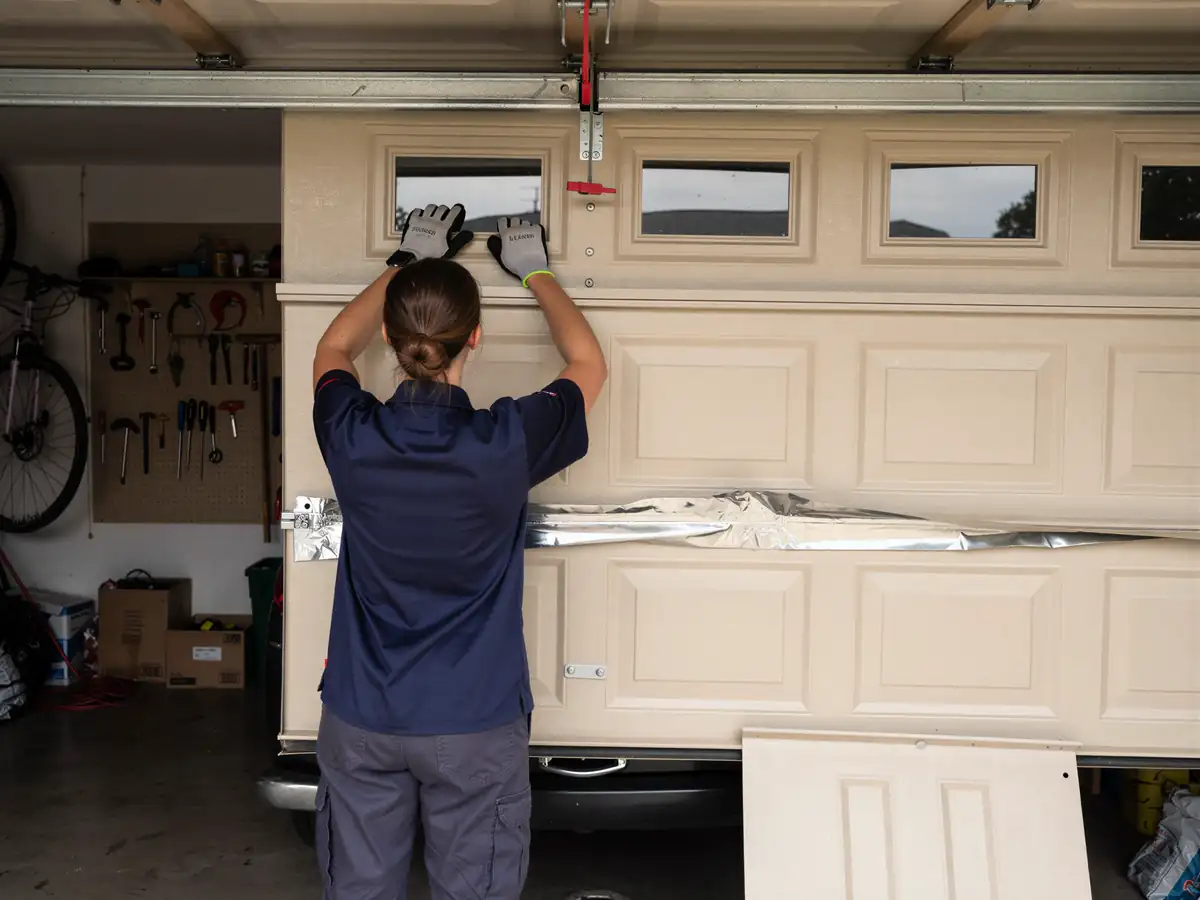
White Meadow Lake is a small lake community of about 2,848 households, not a sprawling grid of subdivisions, which means when a door jumps the track here it's usually one of a handful of similar houses built around the same year running into the same worn part. We come from Randolph, about 6 miles out, so there's travel time built into every call, but a door that's off track doesn't need to sit that way for days. Most of these calls get a tech out and the door back on its rollers the same day we're called, weather and schedule permitting. We don't stock every bracket on the truck for every door, so if a track itself is bent beyond a quick straighten, or a roller size is unusual, that part might need ordering, and we'll tell you straight if that's the case instead of forcing a fix that won't hold.
How It Shows Up
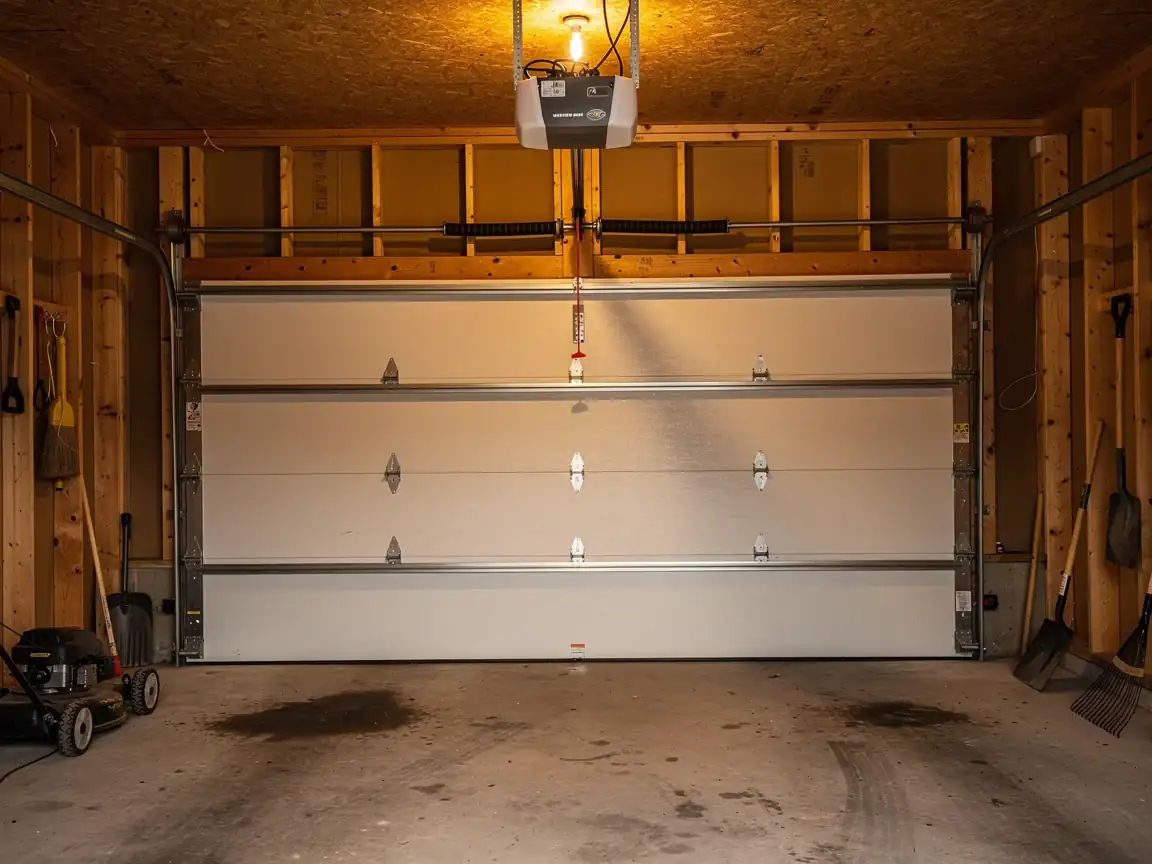
An off-track door rarely slams off the rail all at once. It usually starts small: one side of the door hangs a half-inch lower than the other, the door shudders partway up, or you hear a grinding scrape right before it sticks. On the older torsion setups common in houses from the 1960s around this lake, a cable that's frayed or a roller that's worn through its bearing will let one side of the door drift off the track gradually, and by the time you notice it visually, it's already been running wrong for weeks. Sometimes it's sudden - a snapped cable or a bent track from a car bumper - and the door won't move past a few inches without binding hard.
What Causes It Around Here
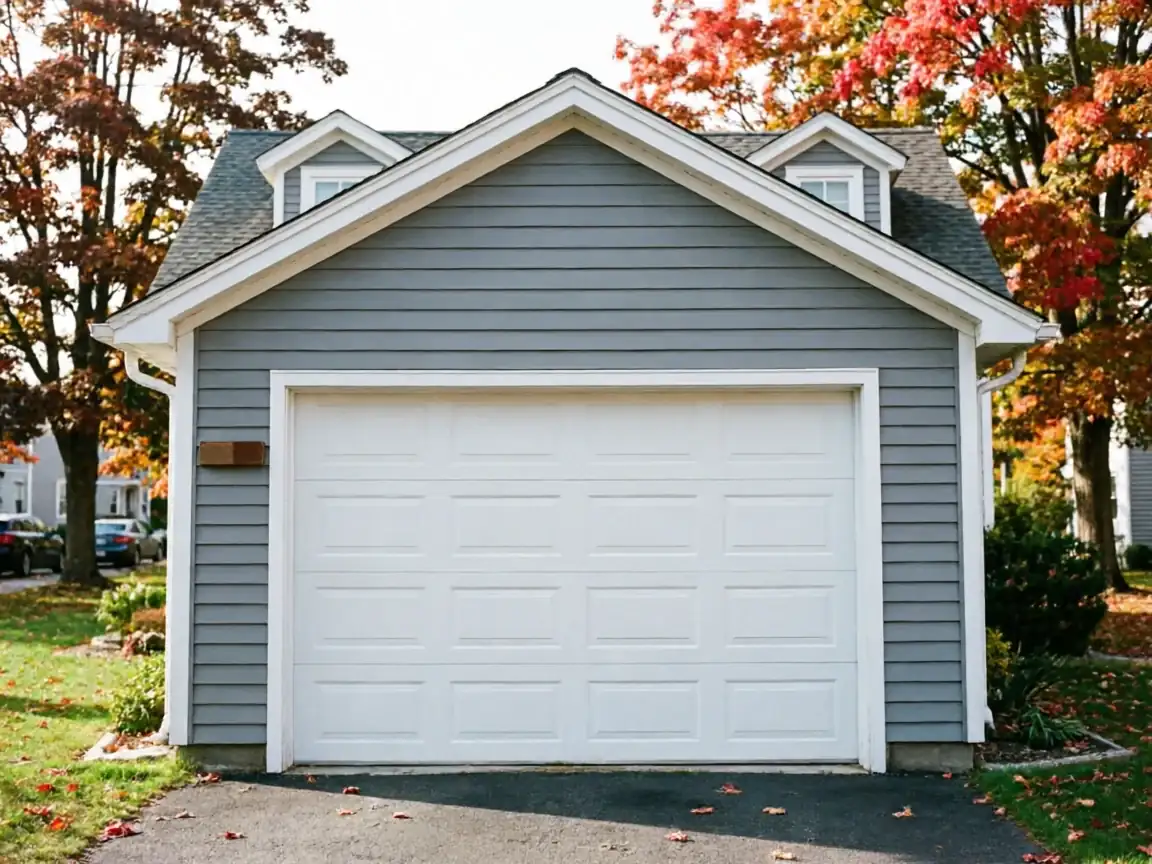
Housing in this corner of the service area mostly went up in the 1960s and 70s, with White Meadow Lake's own stock centered around 1965 - right in that window. That means a lot of original or first-replacement steel tracks, galvanized rollers that have gone sixty years without a bearing swap, and hardware that was fine for its era but wasn't built for the temperature swings a severe cold climate puts on steel and lubricant. Cold tightens metal and stiffens grease, so a track that's a sixteenth of an inch out of alignment in July becomes a door that jumps the rail in January. Houses near the lake also deal with more humidity swings than inland blocks, which speeds up rust on older roller stems and track bolts. None of that's unique to any one street - it's the age of the hardware doing exactly what sixty-year-old steel does.
How We Fix It
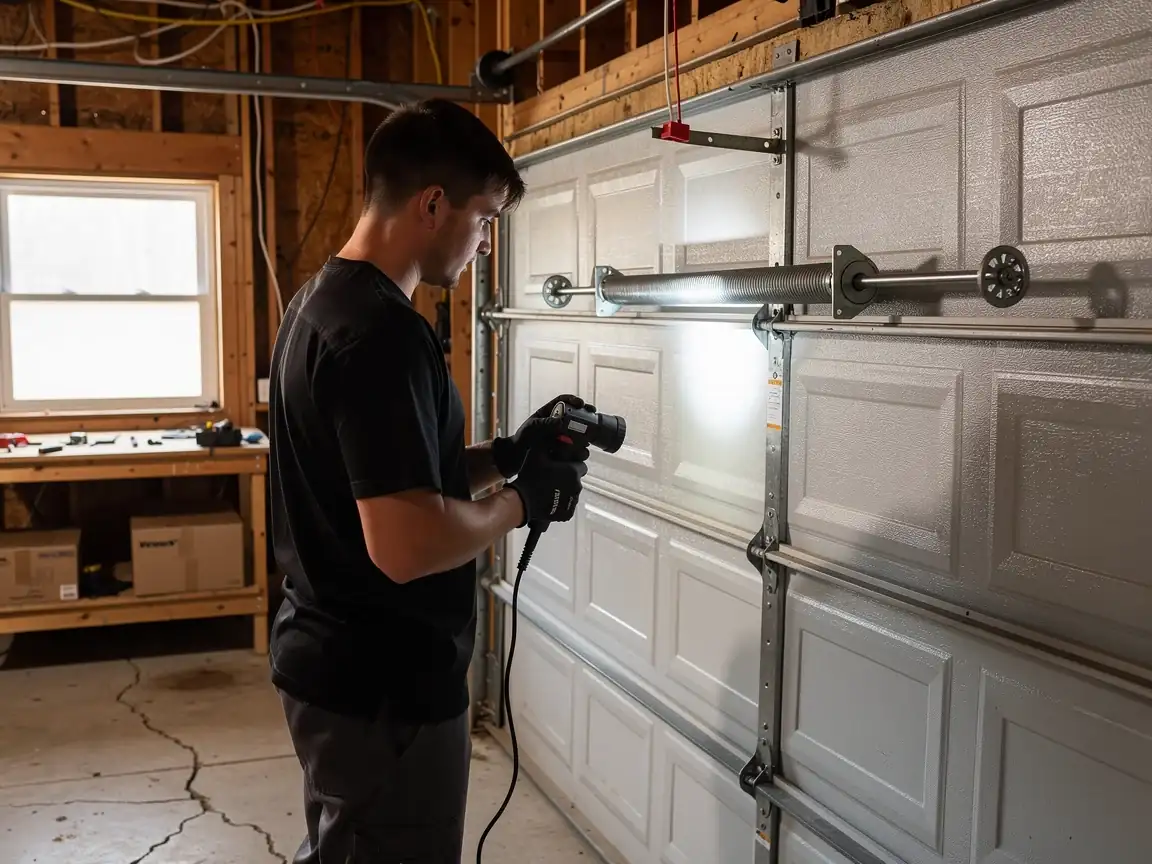
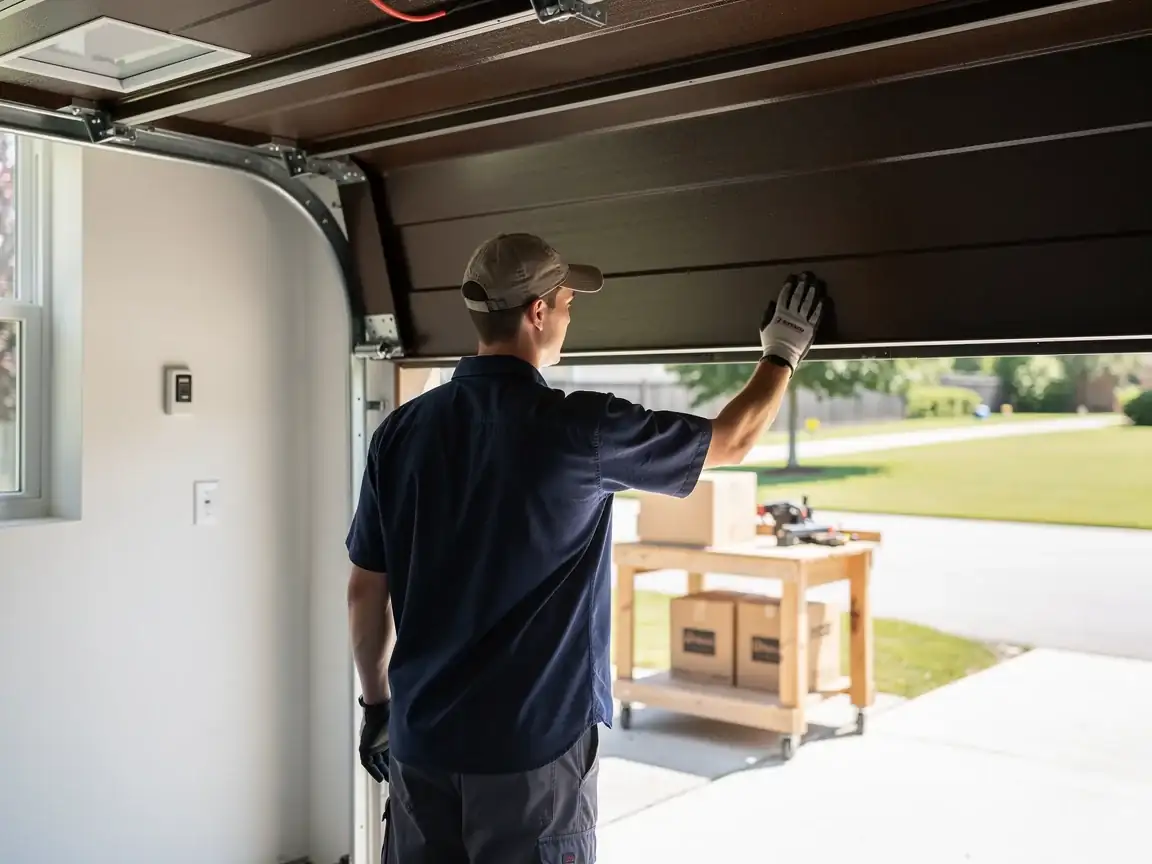
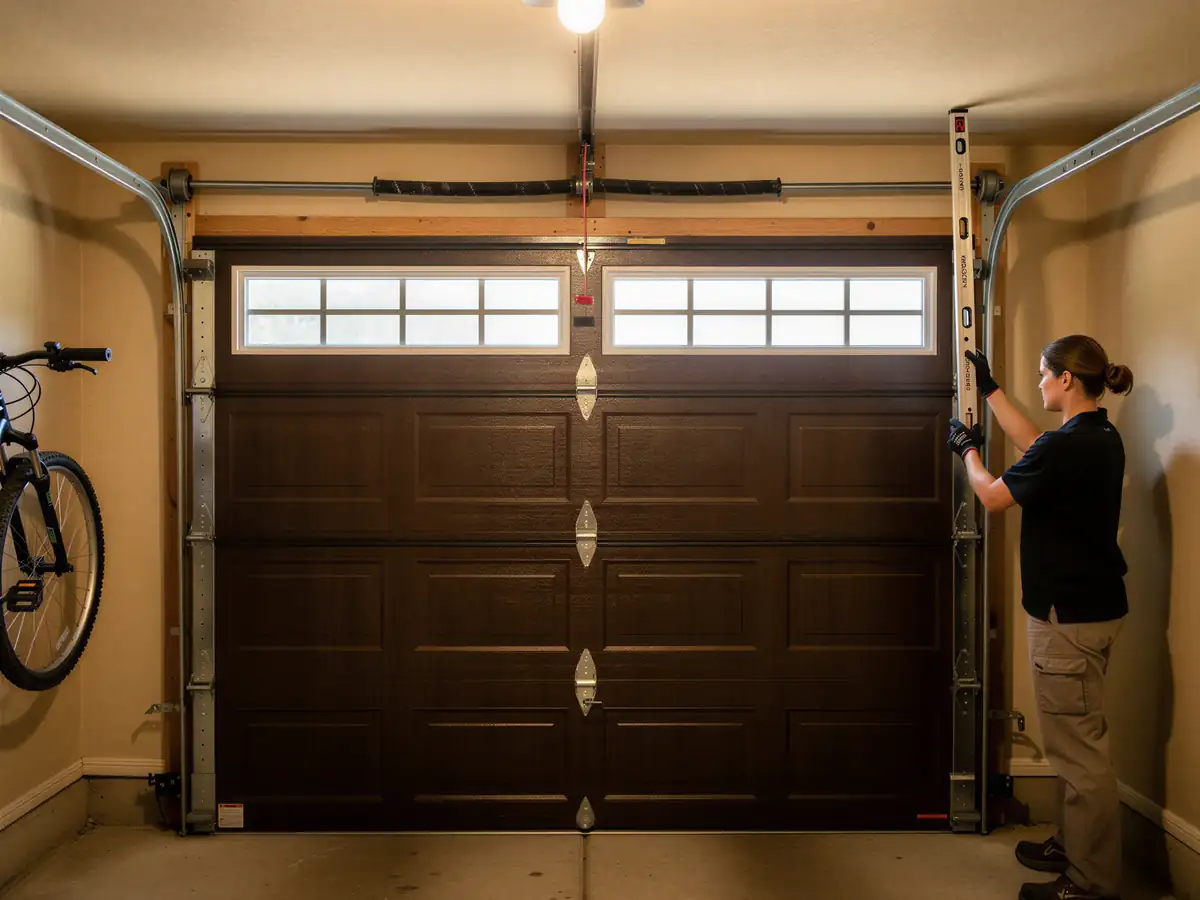
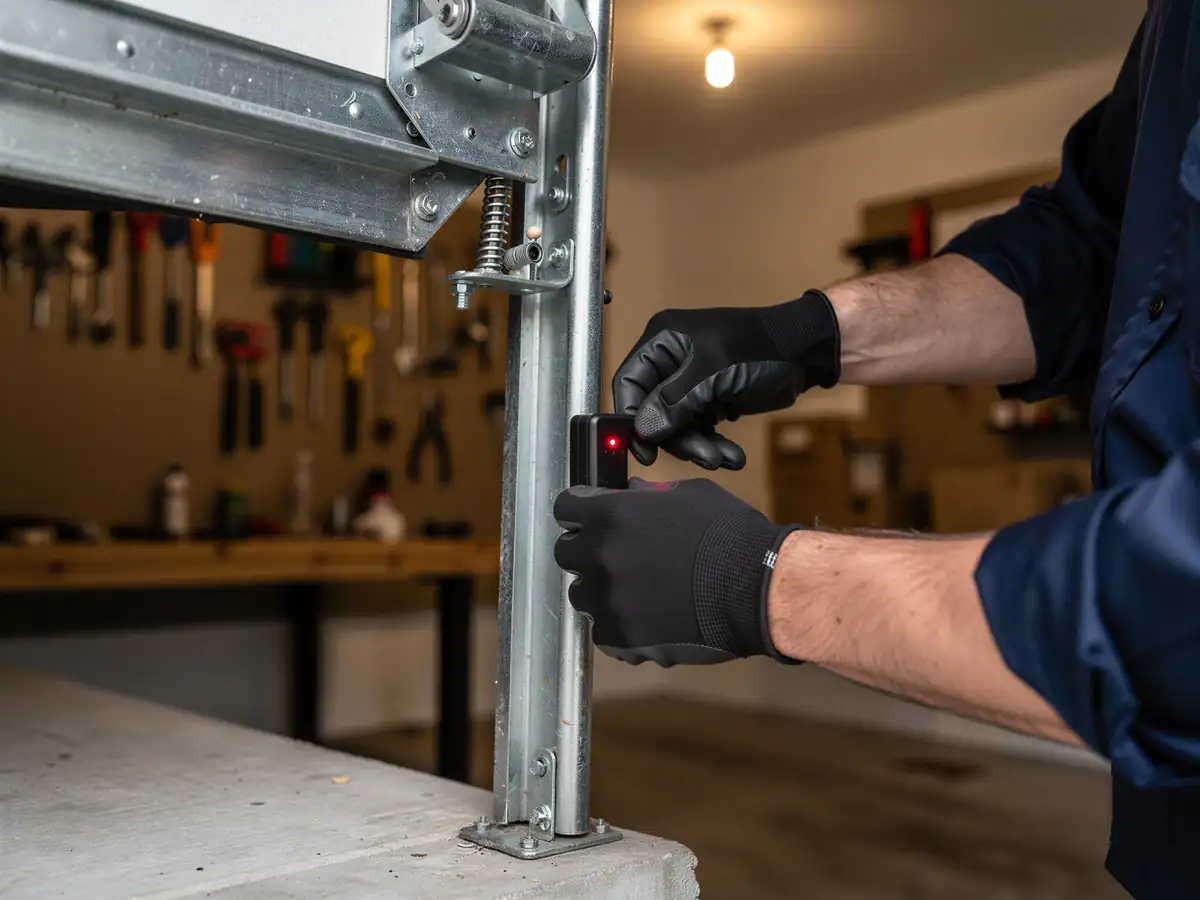
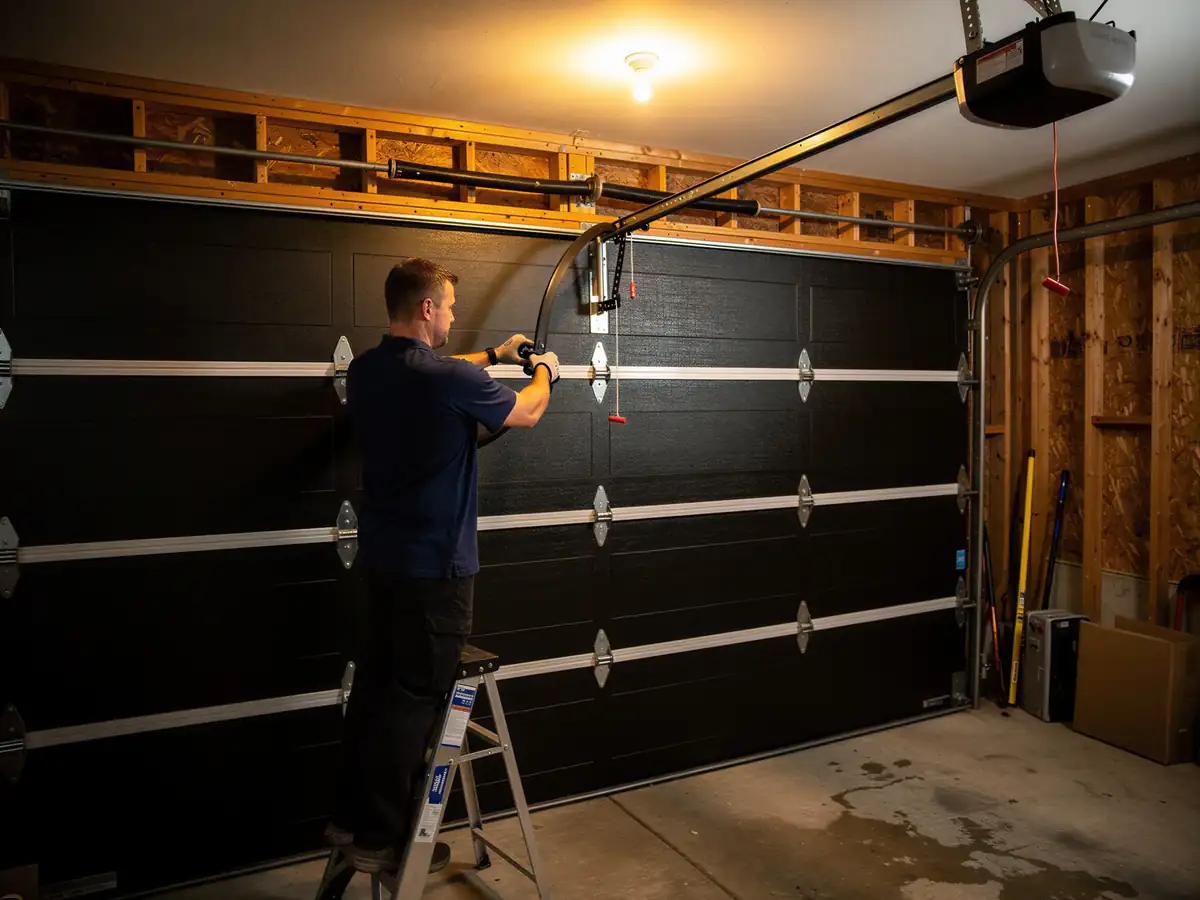
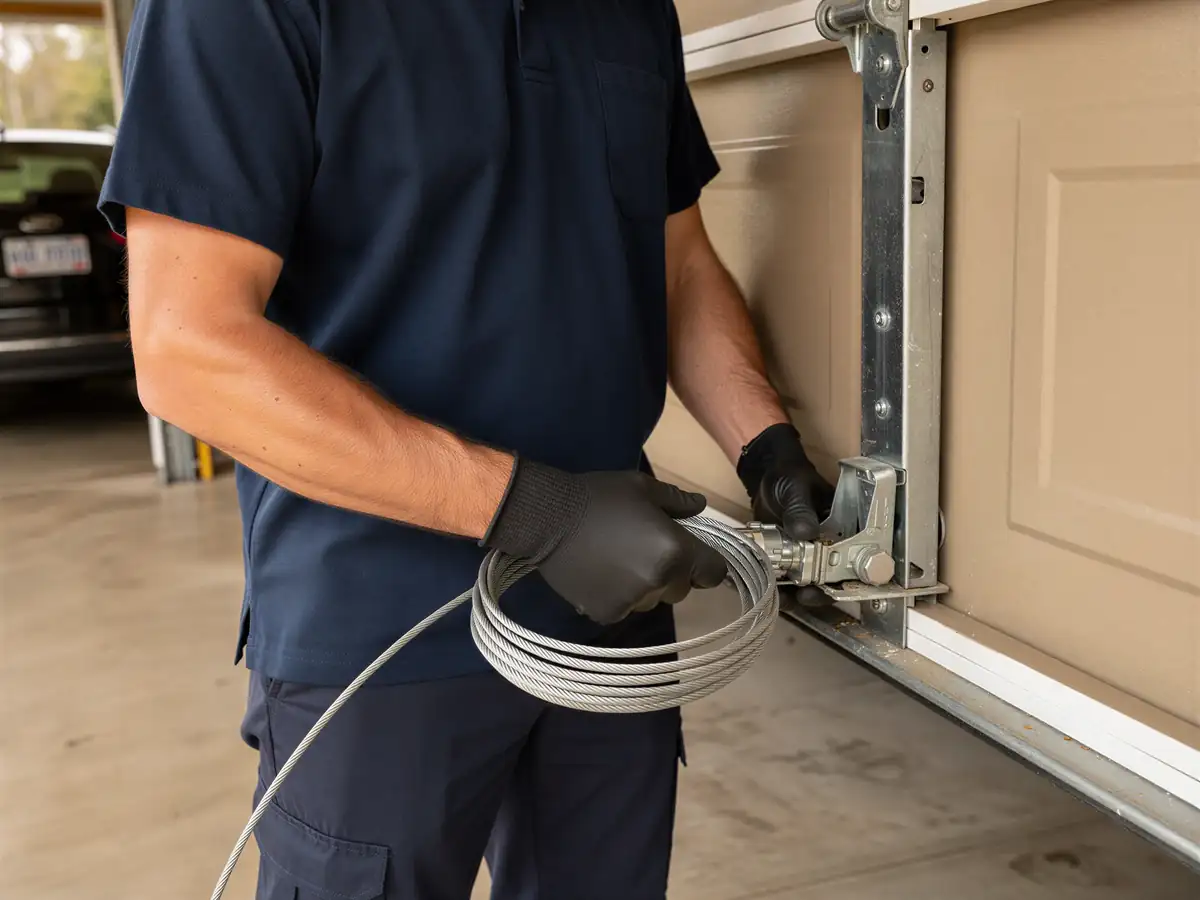
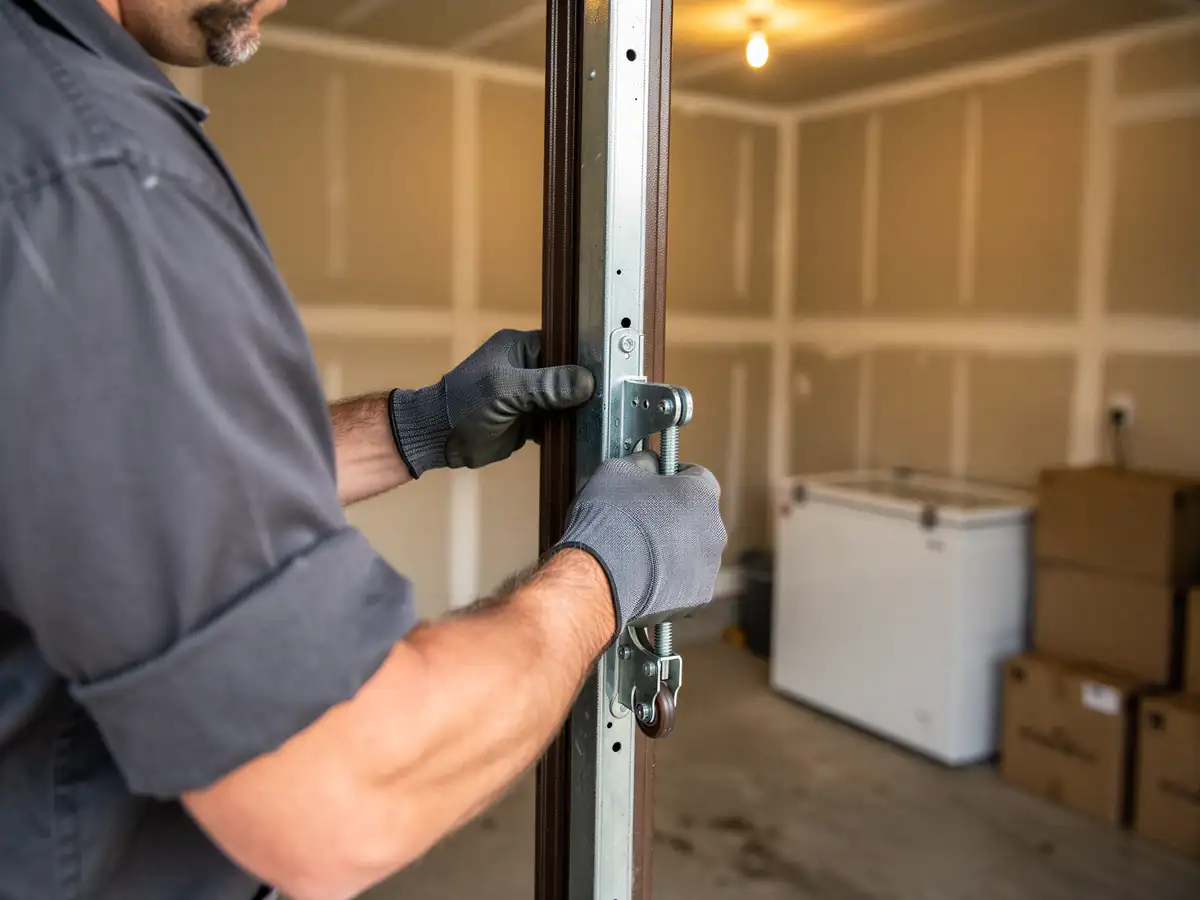
First thing on site is figuring out whether the track bent, the rollers failed, or a cable let go, because those are three different repairs that look similar from the driveway. If it's a bent track, we pull it, straighten or replace the section, and re-set the alignment with a level, not by eye. Worn rollers get swapped for nylon ones with sealed bearings, which hold up better than the original steel rollers in the cold swings this area gets. If a cable's involved, we check both cables and the drum they wind on, since a cable that snapped on one side has usually been fraying evenly on both. We test the door through a full open-close cycle under its own power before we call the job done, not just a hand-pull.